The Danube Delta
Channels, lagoons and reed beds in one of Europe's largest deltas: pelicans, herons and fishing villages reached only by boat.
- Tulcea
- Crișan
- Mila 23
- Lake Fortuna
- Sulina
- Sfântu Gheorghe
Day by day
- Day 1
From Bucharest to Tulcea, the gateway to the delta
This five-day trip takes you to the Danube Delta, where the great river splits into three branches before flowing into the Black Sea: Tulcea, the village of Crișan, the channels and lakes with pelicans and herons, Mila 23 and Sulina, the old port on the sea.
Before you go: Italian citizens can enter Romania with an electronic identity card or a passport; Romania has been in the Schengen area since 1 January 2025. Other nationalities should check their own rules. The currency is the Romanian leu, not the euro. In Bucharest watch out for pickpockets on public transport and in crowded areas, and book taxis through an app to avoid inflated fares.
Some areas on this trip are close to borders or places where the situation changes often: check your government's travel advice before booking and again before you leave.
To enter the Danube Delta Biosphere Reserve you need an access permit, issued by the reserve administration: you can buy it online or in Tulcea. Check prices and how to get it before you leave.
From Bucharest to Tulcea takes about four or five hours by car or bus. Tulcea is a port town on the Sulina branch, where all the boats for the delta leave from. In the afternoon visit the delta's eco-tourism museum centre, with an aquarium of fish from the Danube and the Black Sea and rooms about the birds and landscapes of the delta: it is the best way to understand what you will see over the next days. Check prices and times. Then climb the hill of the Independence Monument to see the river from above.
Sleep in Tulcea, for one night.
Practical tip: in the delta there are very few cash machines; withdraw in Tulcea all the cash you will need for boats, guesthouses and meals.
- Day 2
By boat to Crișan and the first channels
Today you enter the delta, where for many villages the only road is the water.
In the morning take the public ferry or a fast boat from Tulcea to Crișan, a village on the Sulina branch, about two hours away by boat. Public ferry times change with the seasons and there are not sailings every day: check them before you leave and arrive at the port early. Check prices and times.
From the deck you see reed beds, willows, fishermen's houses painted blue and white, and the first birds: cormorants, gulls and herons.
In Crișan settle into a guesthouse. In the afternoon take your first trip through the channels in a small boat, rowed or with a motor, steered by a local fisherman. Small boats can get into the narrow channels, between water lilies and tall reeds, where the big ones cannot pass. Here the silence is broken only by birdsong and the splash of jumping fish. The delta is a UNESCO World Heritage Site and one of the largest wetlands in Europe, with over three hundred species of birds.
In the evening have dinner with delta fish: ciorbă de pește, a sour fish soup, grilled carp or fish with mămăligă, Romanian polenta.
Sleep in Crișan, for two nights.
Practical tip: mosquitoes are everywhere in summer, especially at sunset; use a strong repellent and wear long sleeves and long trousers in the evening.
- Day 3
At dawn to Lake Fortuna and Mila 23
Today you get up very early, because dawn is the best time to see the delta's wildlife.
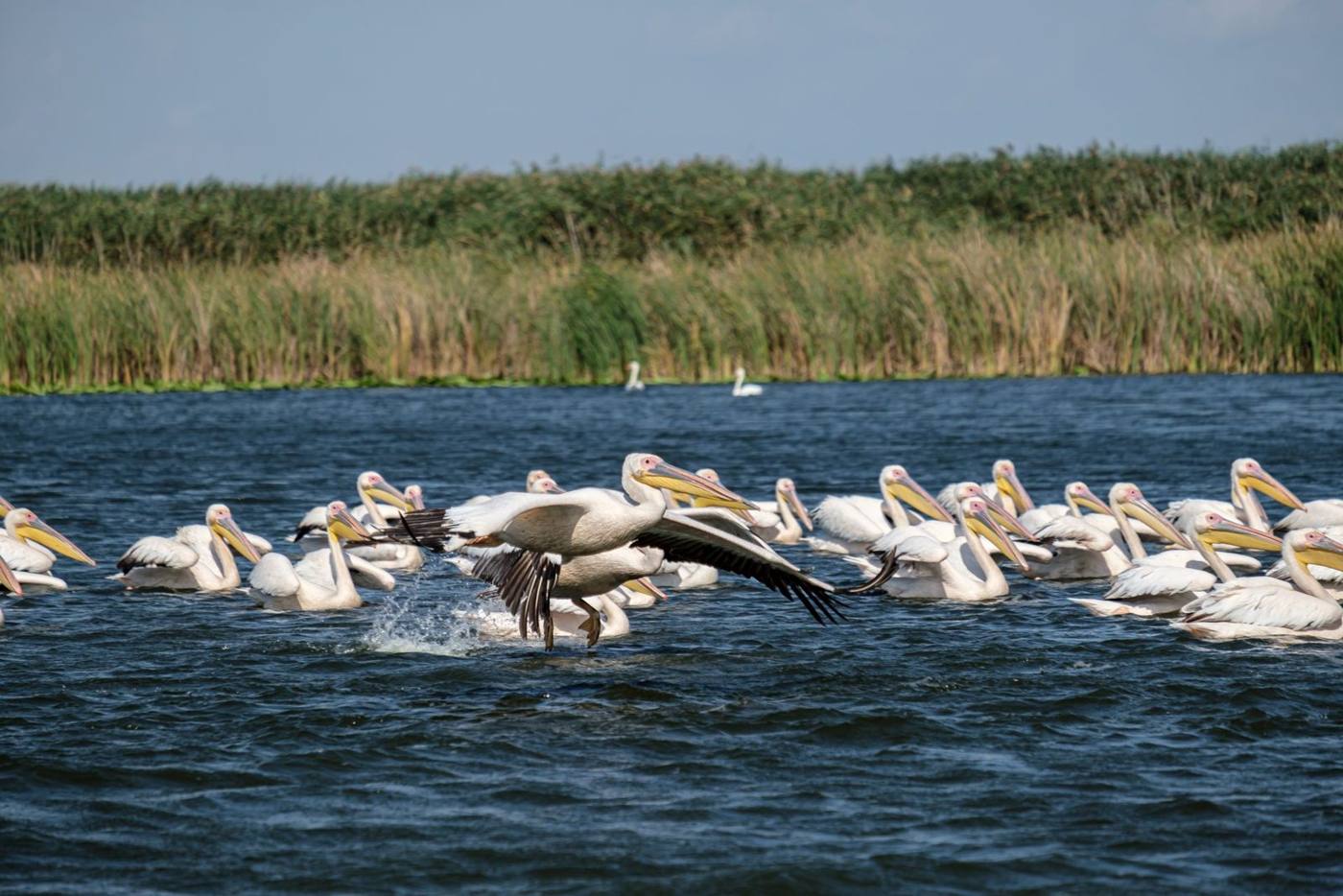
Set off by boat before sunrise and cross the channels to Lake Fortuna, a large lake surrounded by reed beds. In the pink morning light you see groups of white pelicans fishing together, grey and purple herons, egrets, spoonbills and, with luck, the rarer Dalmatian pelican. In spring and early summer the delta is full of nests and young birds. Keep the engine low and your voice down: the birds are easily frightened.
Then continue to Mila 23, a fishing village on an old branch of the Danube. The houses have reed roofs and gardens with vegetable plots, and can only be reached by boat. The village is also known as the birthplace of Ivan Patzaichin, one of the greatest canoeists in Romania's Olympic history.
In the afternoon head back slowly to Crișan, through more channels and lakes, and rest. At sunset, from the guesthouse jetty, watch the flocks returning to sleep in the reed beds.
The boat trip is arranged with a local boatman. Check prices and times and always ask how long the trip lasts before setting off.
Practical tip: bring binoculars, a hat and sun cream: there is no shade on the water and the sun's glare is strong even early in the morning.
- Day 4
Sulina, the old port on the Black Sea
Today you follow the Sulina branch to the sea, where the Danube ends its long journey across Europe.
Take the ferry or the fast boat from Crișan to Sulina, the easternmost town in Romania, in about an hour. For decades Sulina was an international port: it was the seat of the European Commission of the Danube, which from the nineteenth century made the Sulina branch navigable with dredging works. Walk along the river and see the old lighthouse, now a museum, which once marked the river mouth and now stands far from the sea, because the coast has moved with the river's sediments. Check prices and times.
Then visit the maritime cemetery, where sailors, merchants and families of many nations are buried, Greeks, British, Russians, Jews, Turks and Romanians: the headstones tell the cosmopolitan story of this small port.
In the afternoon walk or get a lift to Sulina beach, wide and sandy, on the Black Sea. The water here is shallow and mixed with river water. At sunset go back to town along the bank, where ships and fishing boats pass slowly towards the sea and fishermen mend their nets.
Sleep in Sulina, for one night.
Practical tip: in Sulina buy your return ticket to Tulcea as soon as you arrive, because in high season the boats fill up and there are few sailings.
- Day 5
The boat to Tulcea and the way back
On the last day you leave the delta and go back towards Bucharest.
In the morning take the boat from Sulina to Tulcea: the fast boat takes about an hour and a half to two hours, the slow ferry about four hours, but it gives you one last long look at the river. Check prices and times. From Tulcea return to Bucharest by car or bus, in about four or five hours.
If you have more time, keep for another trip Sfântu Gheorghe, the village at the mouth of the southern branch, with wild beaches and dunes, reached only by boat, or Lake Razim, to the south, with the medieval fortress of Enisala on the hill.
Trip summary: in five days you have seen Tulcea and the delta museum centre; Crișan and the narrow channels among the water lilies; Lake Fortuna at dawn with pelicans and herons; the fishing village of Mila 23; and Sulina, with the old lighthouse, the maritime cemetery and the beach on the Black Sea.
When to go: from May to September. May and June are the best months for birds, with nests and pelican colonies. July and August are hot, with many mosquitoes. September brings the autumn migration and soft light. In winter many guesthouses close and ferries are rare.
Practical tip: keep your documents, reserve permit and phone in a waterproof bag during boat trips; spray is frequent in the channels.
One of the best places in Europe for birds, especially in May and June. Mosquitoes are plentiful in summer: strong repellent and long sleeves in the evening. Public ferry timetables change with the seasons and must be checked before leaving.
Before you go
- Documents and visa
- EU citizens need a valid identity card or passport: Romania is in the EU and, since 1 January 2025, fully in the Schengen area, with no checks at internal borders. Check your document is intact and readable. Other nationalities should check the Schengen rules.
- Health and vaccines
- No vaccines required. EU citizens should bring their EHIC; take insurance covering medical costs, repatriation and, for hiking, mountain rescue. Emergencies: 112.
- Money and payments
- Romanian leu (RON); Romania does not use the euro. Cards work almost everywhere in towns, but carry cash in villages and mountain huts. Change money only at banks or authorised exchange offices. To drive on national roads outside towns you need the electronic rovinieta: buy it only on the official CNAIR portal (erovinieta.ro) or from authorised sellers, as some unofficial websites add fees. Check current prices.
- Power sockets
- Types C and F, 230 volts.
- Time zone
- Eastern European Time (UTC+2, summer UTC+3).
- Safety
- A generally safe country. Watch for pickpockets in large towns, especially Bucharest and on public transport, taxis that overcharge (taxi apps are more reliable) and drink spiking in bars and clubs. Romania has a very large number of brown bears, including near roads and town outskirts: keep your distance, do not stop to photograph them and never feed them, which is illegal. The country is in an earthquake zone. Drone debris can fall near the Ukrainian border: do not touch it and follow local authorities. Official advice: GOV.UK.
Information checked in November 2026 for Italian and EU citizens. Rules change: always check before you travel.
Variations
In 3 days: Tulcea, one night in Crișan with the dawn trip, and back.
In 7 days: add Sfântu Gheorghe and a few days on the Black Sea coast.
Frequently asked questions
Do I need a permit for the Danube Delta?
Yes, to enter the biosphere reserve you need an access permit, which you can buy online or in Tulcea. Check prices and how to get it before you leave.
When can I see pelicans?
Mainly from May to June, when there are colonies and nests. The best time of day is dawn.
How do I get around the delta?
By boat: public ferries and fast boats link Tulcea with Crișan and Sulina, and in the channels you go in small boats steered by local fishermen. Check the timetables, which change with the seasons.
Indicative itinerary written by World Atlas. Before booking, check timetables, seasonal openings, documents and safety.
 3 daysEasy
Bucharest
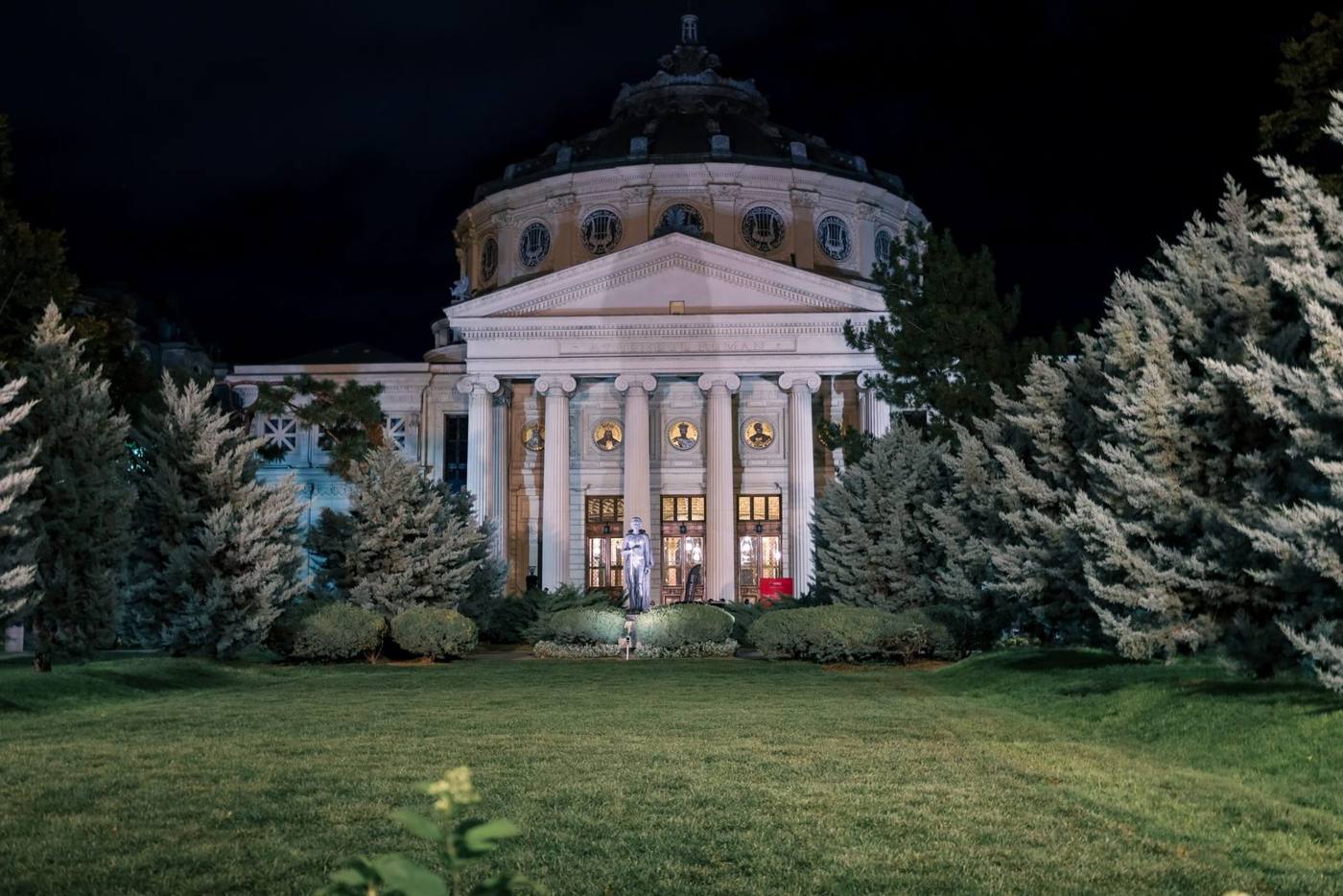
The capital of contrasts: the Palace of Parliament, the old town of Lipscani, the Macca-Vilacrosse passage, the open-air Village Museum and the nightlife.
 4 daysModerate
The Transfăgărășan
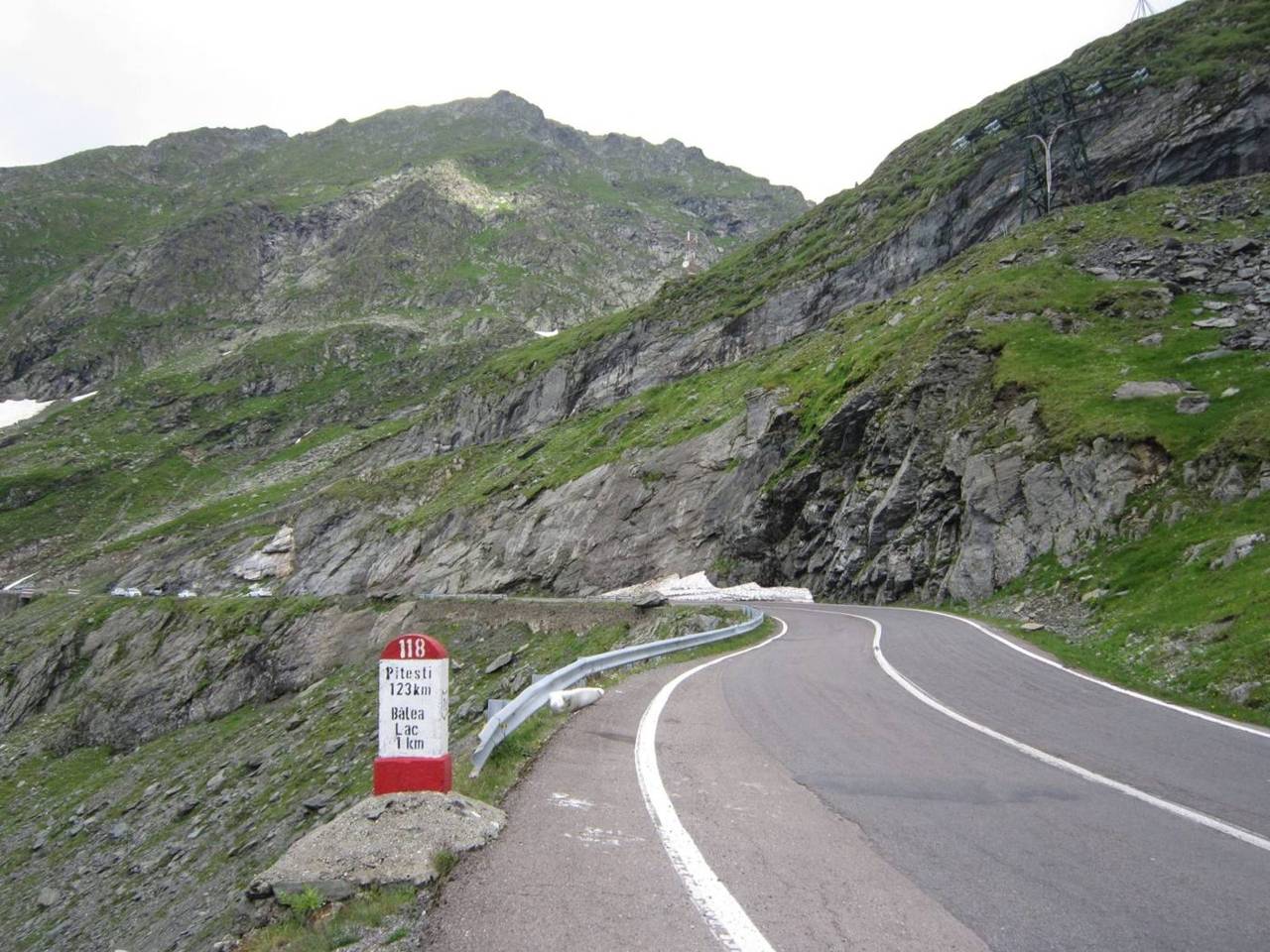
Romania's most spectacular mountain road: Vidraru dam, Poenari fortress, glacial Lake Bâlea and the descent into Transylvania, with hiking in the Făgăraș.
 5 daysEasy
Sibiu and the Saxon villages
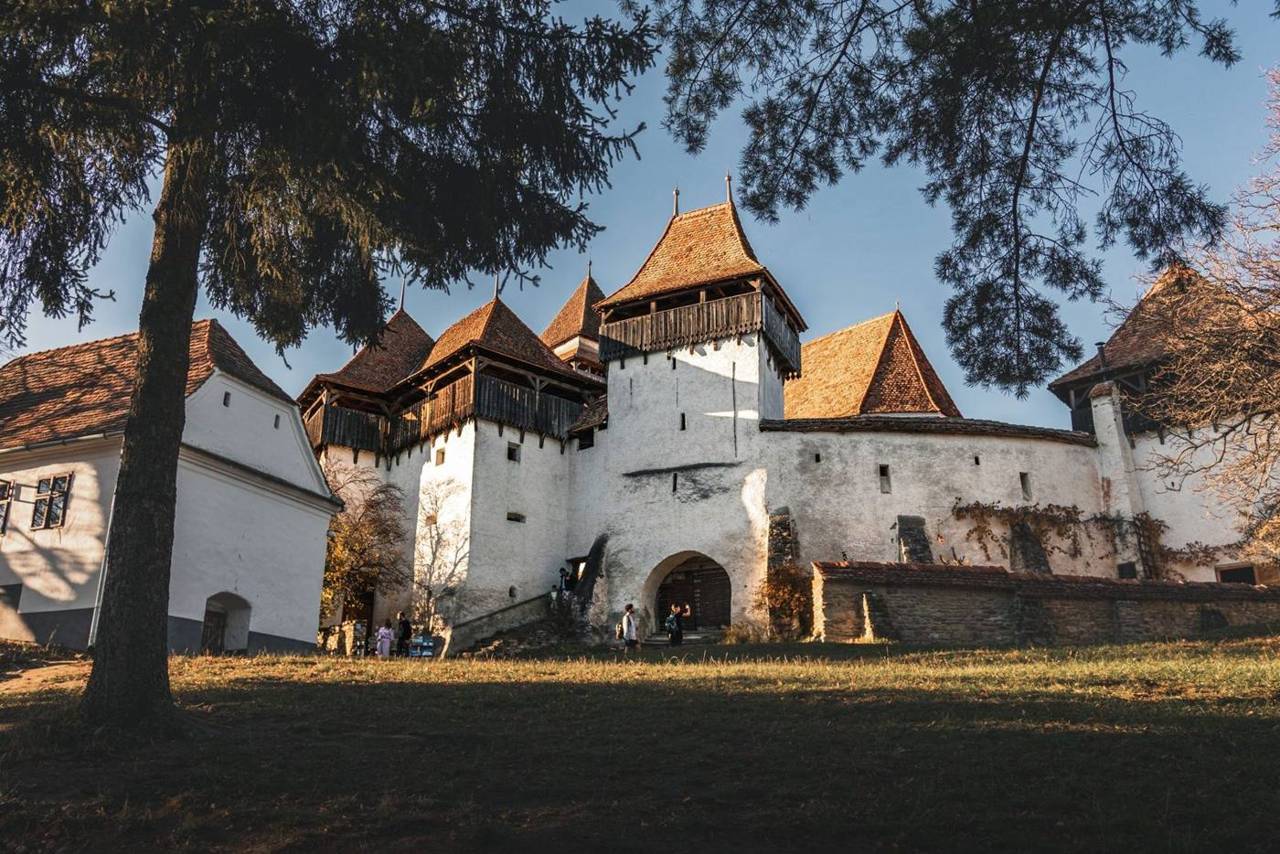
Sibiu with roofs whose windows seem to 'watch', the UNESCO fortified churches of Biertan and Viscri, Sighișoara and the country cooking of the Saxon villages.