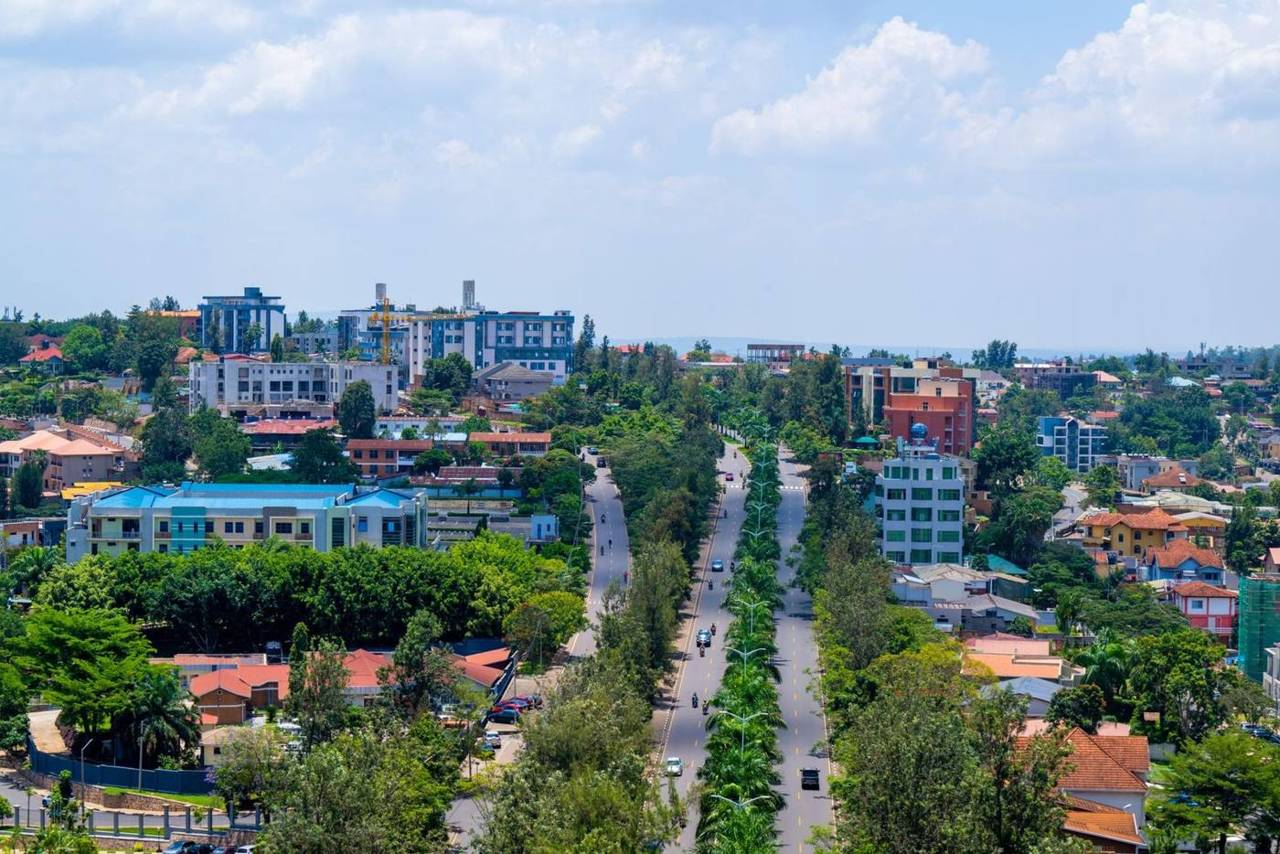
Kigali in two days
One of Africa's most orderly capitals: the Kimihurura district, Inema art centre, Kimironko market, the convention centre and evening life in Nyamirambo.
- Kigali
- Inema
- Kimironko
- Nyamirambo
Day by day
- Day 1
Inema, Kimihurura and Kimironko market
This trip introduces you to Kigali, the capital of Rwanda, one of the tidiest and cleanest cities in Africa, spread over many green hills: the contemporary art of Inema, the Kimihurura district, the big Kimironko market, the convention centre lit up at night and the life of the Nyamirambo district. You get around by taxi, by moto-taxi with a helmet or on foot.
Before you go: Italian citizens need a passport, with at least six months' validity, and a visa, which you get on arrival at the airport or apply for online before travelling on the official Irembo portal. Other nationalities should check their own rules. The Italian foreign ministry advises against the border areas with the DR Congo and Burundi: Kigali is far from those borders. Because of the Ebola outbreak in the DR Congo, there are health checks at the airport. Plastic bags are banned throughout the country.
In the morning visit the Inema art centre, in the Kacyiru district, near Kimihurura. In a house full of colour, Rwandan painters and sculptors show works about memory, nature and everyday life. Check prices and times.
Then walk through Kimihurura, a residential district on the hills, with tree-lined streets, ministries and cafés. From here you see the dome of the Kigali convention centre, the symbol of the modern city.
In the afternoon go to Kimironko market, the largest in the city: fruit, vegetables, spices, woven baskets and colourful African fabrics. In the tailors' section you can have a dress or a shirt made in a few days.
Sleep in Kigali, for two nights.
Practical tip: at the market bargain politely and carry cash in Rwandan francs, because many stalls do not take cards.
- Day 2
The genocide memorial and Nyamirambo
Today you learn about Rwanda's recent history and then enjoy the liveliest part of the city.
In the morning visit the Kigali Genocide Memorial, on Gisozi hill. In 1994, in about a hundred days between April and July, the genocide against the Tutsi was carried out, in which hundreds of thousands of people were killed. More than 250,000 victims are buried here. The exhibition explains the causes, the events and the rebuilding of the country, with photographs, objects and testimonies. It is an intense visit: take the time you need and stay silent in the gardens. Check prices and times.
In the afternoon go to Nyamirambo, one of the oldest districts of Kigali, at the foot of Mount Kigali. It is a lively, multicultural working-class district, with a strong Muslim presence, mosques, colourful little shops, tailors, barbers and kebab sellers.
Take the walking tour with a women's cooperative from the district. The guides lead you through the streets, introduce you to the craftspeople and explain everyday life. The tour often ends with lunch or tea in a home. Check prices and times.
In the evening Nyamirambo comes alive: the streets fill with music and people. Try goat skewers, cooked plantains and a spiced milky tea.
In these two days you have seen a tidy and safe capital: the art of Inema, the Kimihurura district, Kimironko market, the genocide memorial and the life of Nyamirambo.
When to go: the best months are from June to September and from December to February, the driest seasons. On the last Saturday of the month, in the morning, there is umuganda, the day of community work: shops are closed and there is little traffic.
Practical tip: dress modestly in Nyamirambo and always ask before photographing people.
A safe, clean city, perfect for starting the trip. Plastic bags are banned. On the last Saturday of the month umuganda, a community work day, closes shops in the morning.
Before you go
- Documents and visa
- Passport with at least six months' validity and one blank page. You need a visa: Italian citizens can get it on arrival at the airport or apply online before travelling on the official Irembo portal. Beware of intermediaries: no agent is authorised to apply on your behalf. Plastic bags are banned.
- Health and vaccines
- Ask your doctor about malaria prevention. A yellow fever certificate is needed only if you arrive from a country at risk. Because of the Ebola outbreak in the DR Congo there are health checks at Kigali airport. Medical facilities are limited outside Kigali: you need insurance with air evacuation. Emergencies: 112.
- Money and payments
- Rwandan franc. Cards work in Kigali and in larger establishments, and mobile payment is very common; outside the city bring cash.
- Power sockets
- Type C, E and G, 230 volts: European two-pin plugs fit the European sockets, but you need an adapter for the British ones.
- Time zone
- UTC+2 all year.
- Safety
- The Italian foreign ministry advises against the border areas with the DR Congo and Burundi, because of tensions linked to the M23 armed group. The United States rates Rwanda at level 2, with level 4, do not travel, within 10 km of the Congolese border in Rubavu and Rusizi districts. Canada also asks for a high degree of caution in the part of Volcanoes National Park along the border. The border with Burundi is closed. Crime in Kigali is low, but there are thefts and bag snatchings: at night use pre-booked transport. On the last Saturday of the month, in the morning, umuganda, community work, takes place and many services stop. Official advice: GOV.UK.
Information checked in November 2026 for Italian and EU citizens. Rules change: always check before you travel.
Variations
In 1 day: the genocide memorial in the morning and Kimironko market in the afternoon.
In 4 days: add two days in the south, with the king's palace at Nyanza and the ethnographic museum at Huye.
Frequently asked questions
Is Kigali safe?
Kigali is a safe and clean city with low crime, but there are thefts and bag snatchings: at night use pre-booked taxis. The Italian foreign ministry advises against the border areas with the DR Congo and Burundi, far from the capital.
What documents do I need for Rwanda?
Italian citizens need a passport valid for six months and a visa, on arrival or online on the official Irembo portal. Other nationalities should check their own rules.
What is umuganda?
It is the day of community work, on the last Saturday of the month, in the morning. Many shops and services stay closed and traffic is limited: plan your visits for the afternoon.
Indicative itinerary written by World Atlas. Before booking, check timetables, seasonal openings, documents and safety.
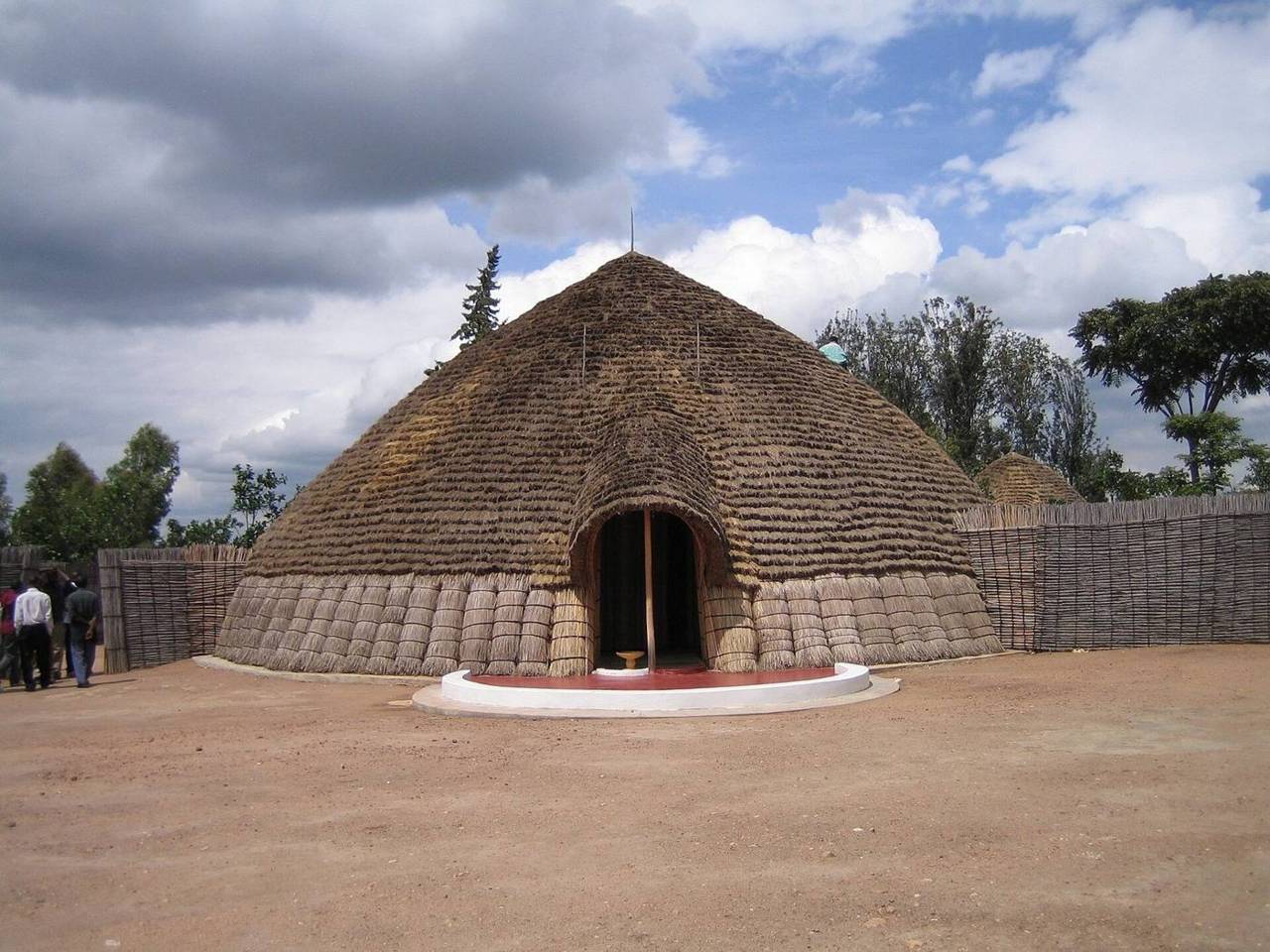 3 daysEasy
Nyanza and Huye
The historic south: the reconstructed royal palace of Nyanza with its long-horned inyambo cattle, and the ethnographic museum of Huye, the country's best.
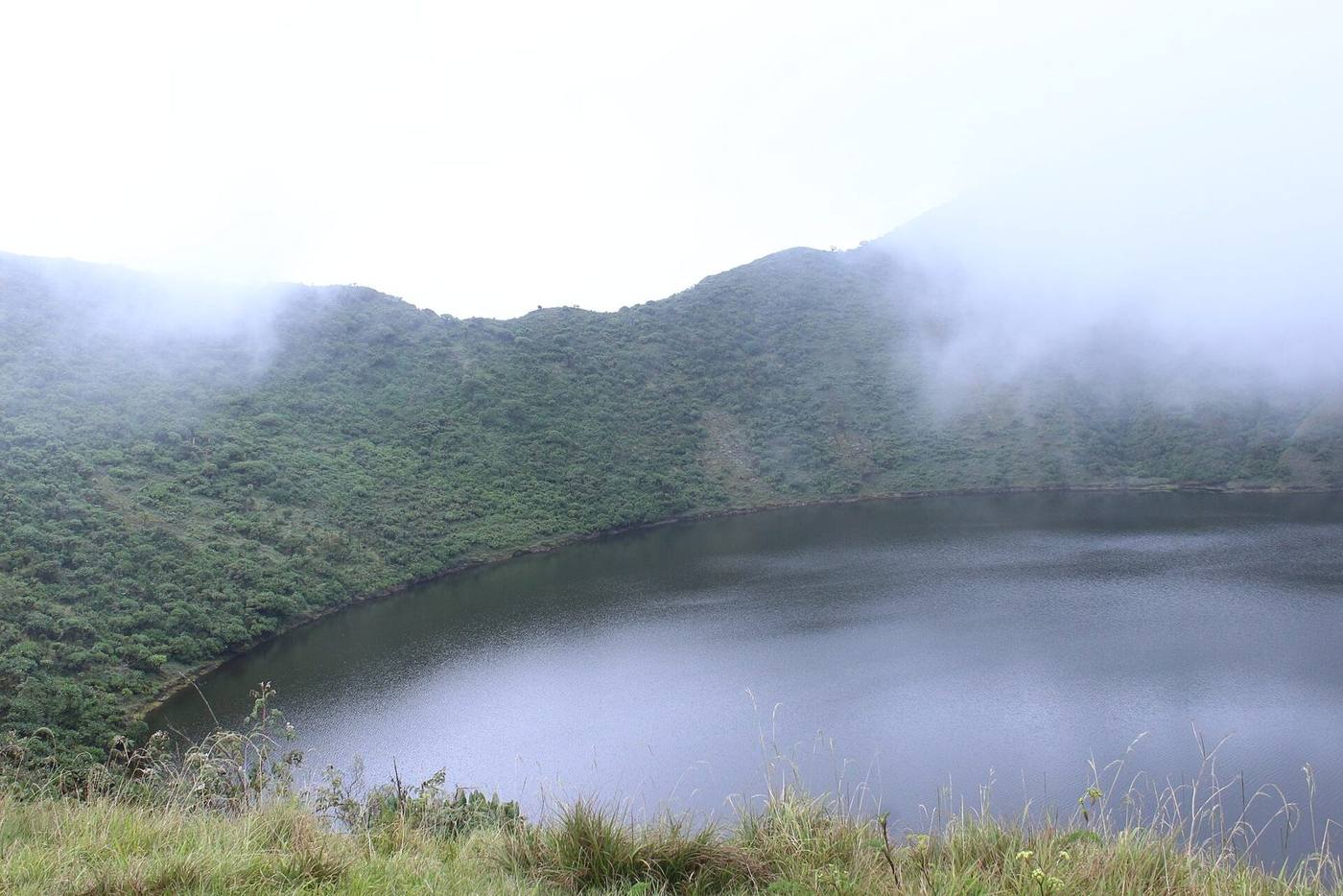 3 daysModerate
Bisoke and Dian Fossey
In Volcanoes park: the climb up Bisoke volcano with its crater lake, and the hike to Dian Fossey's grave and the Karisoke research camp.
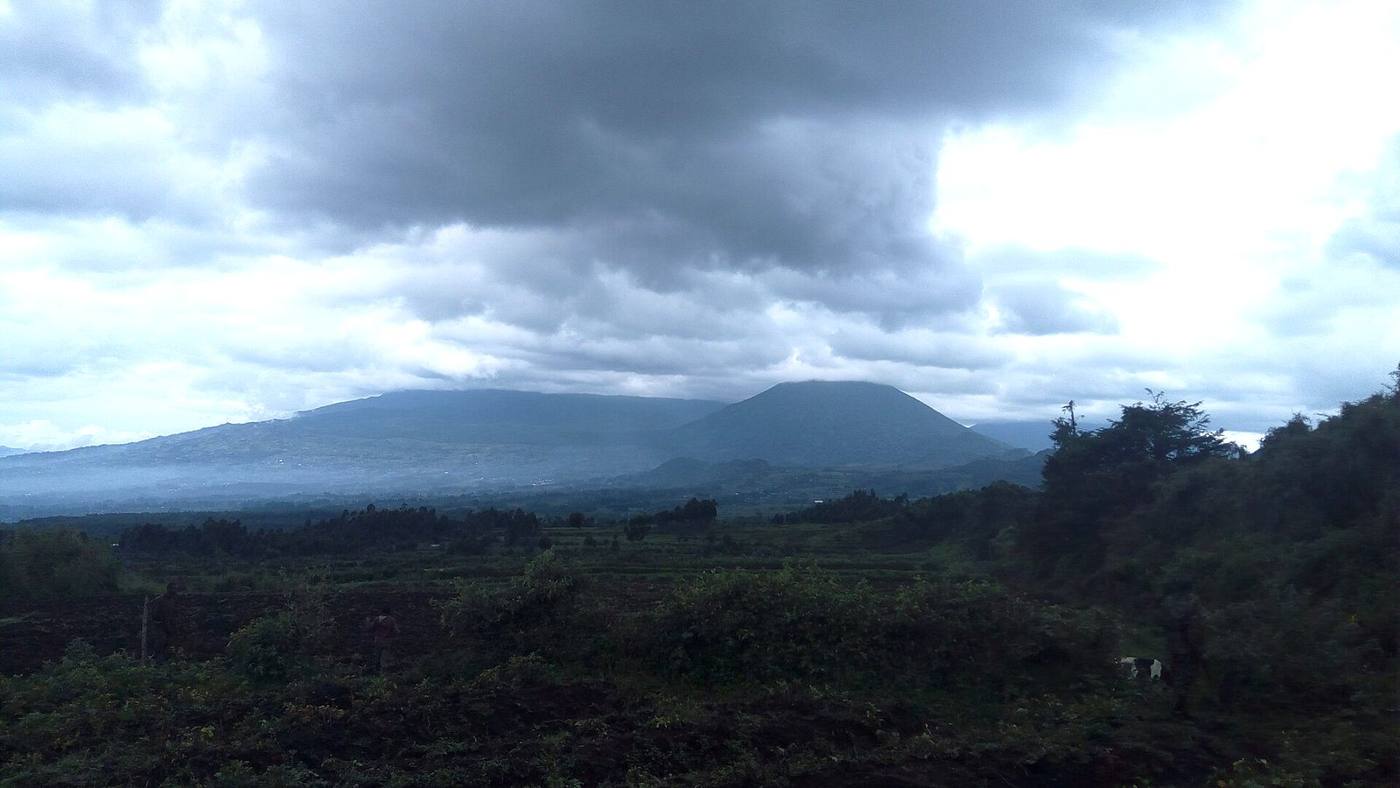 3 daysChallenging
Climbing Karisimbi
Two days on Rwanda's highest volcano, 4,507 metres, with a night in a tent below the summit and views over the Virunga chain.