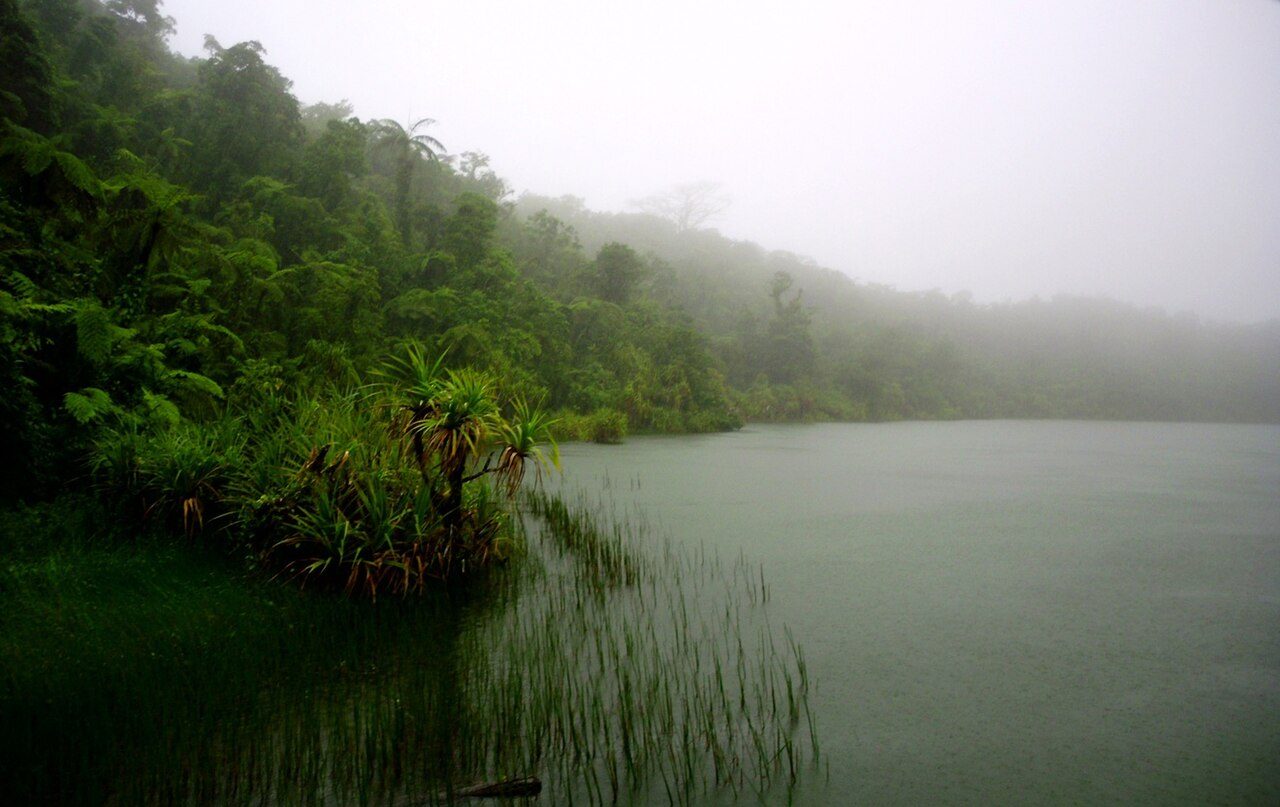
Lake Lanoto'o
The rainforest trek in Upolu's interior to the volcanic Lake Lanoto'o, in a tree-covered crater, with the Papapapaitai waterfall on the way back.
- Apia
- Lanoto'o
- Papapapaitai Falls
Day by day
- Day 1
The trek to Lake Lanoto'o
This trip takes you into the interior of Upolu, the island of Apia: a trek with a local guide through the rainforest to the volcanic lake of Lanoto'o, in a crater covered in trees, the Papapapaitai waterfall on the way back and a day of rest at a natural pool on the south coast. You travel by hire car or with a driver.
Before you go: Italian citizens need a passport, with at least six months' validity; you enter without a visa and on arrival receive a visitor permit for up to 60 days. Have your return ticket and accommodation booking ready. Other nationalities should check their own rules.
Leave Apia very early, with your guide, along the road that crosses the island. Then a rough dirt track leads to the start of the trail. The walk is steep, muddy and poorly marked, with many forks: even local people have got lost, so a guide is essential.
In the forest you walk among tree ferns, moss-covered trees and creepers, with birdsong and humidity rising from the ground. Then, suddenly, the lake appears: a circle of dark green water at about 760 metres, the largest in Samoa, enclosed by walls of forest. Goldfish brought here in the German colonial period live in the lake. The lake and the surrounding forest are a national park and a protected wetland.
On the way back stop at the viewpoint over the Papapapaitai waterfall, which drops into a deep gorge covered in green.
Sleep in Apia, for two nights.
Practical tip: wear shoes with a good grip, carry two litres of water and repellent, and leave a change of dry clothes in the car.
- Day 2
The natural pools of the south coast
Today you rest your legs on the south coast of Upolu, between fresh water and lagoons.
In the morning cross the island again on the inland road, passing near the Papapapaitai waterfall, and drive down to the south coast. Here the landscape changes: villages with open houses, the fales, neatly kept lawns, colourful churches and the blue lagoon beyond the palms.
Go to the Togitogiga waterfall, in O Le Pupu-Pu'e National Park, where the water tumbles in steps over the rocks and forms natural pools for swimming in the shade of the trees. It is the ideal place to loosen your muscles after yesterday's trek. Many places in Samoa are on village land and ask for a small contribution at the entrance: check prices and times and carry cash.
For lunch stop in a village for a simple dish: fish, taro and palusami, taro leaves cooked with coconut cream.
In the afternoon swim in a lagoon on the south coast, always inside the reef, where the water is calm.
At sunset drive back to Apia calmly, before it gets dark.
In these two days you have seen the wildest side of Samoa: the rainforest of the interior, the crater lake, the waterfalls and the south coast.
When to go: the best months are May to October, the drier season, when the trail is less muddy. From November to April it rains a lot and there are cyclones.
Practical tip: on Sundays avoid swimming near churches and in villages, because it is a day of prayer and rest.
A muddy, poorly marked trail: a guide is essential. After rain it can be very slippery. Very few visitors, untouched forest.
Before you go
- Documents and visa
- Passport valid for at least six months from the date of arrival. No visa needed: on arrival you receive a visitor permit for up to 60 days, based on your arrival card. You may be asked for a return or onward ticket, an accommodation booking and proof of sufficient funds.
- Health and vaccines
- There is no malaria, but there is dengue and Zika: protect yourself from mosquitoes. A yellow fever certificate is needed only if you arrive from a country at risk. For serious cases the only option is often evacuation to New Zealand, Australia or Hawaii: you need insurance that covers it. Emergencies: 911.
- Money and payments
- Samoan tala. Cards work in Apia and in larger places; in villages, beach fales and for village site entry fees you need cash in small notes.
- Power sockets
- Type I, 230 volts: you need an adapter for European plugs.
- Time zone
- UTC+13 all year.
- Safety
- Crime is low and theft uncommon: still keep documents in the safe. In the lagoons tides create strong currents and there have been fatal accidents: always ask locally before swimming. Cyclones from November to April. Sunday is a day of church and rest, dress modestly in villages and respect the evening prayer. Driving is on the left: avoid driving at night. Official advice: GOV.UK.
Information checked in November 2026 for Italian and EU citizens. Rules change: always check before you travel.
Variations
In 1 day: just the trek to Lake Lanoto'o, with a stop at the Papapapaitai waterfall.
In 4 days: add two days on the south-east coast, with To Sua Ocean Trench and Lalomanu beach.
Frequently asked questions
Can you go to Lake Lanoto'o without a guide?
It is not advisable. The trail is steep, muddy and full of forks, and even local people have got lost. With a local guide it is much easier.
Can you swim in the lake?
Many visitors swim, but the banks are muddy and the water is deep. Always ask your guide and never go in alone.
When is the best time to go?
May to October, in the drier season. After rain the trail becomes very slippery.
Indicative itinerary written by World Atlas. Before booking, check timetables, seasonal openings, documents and safety.
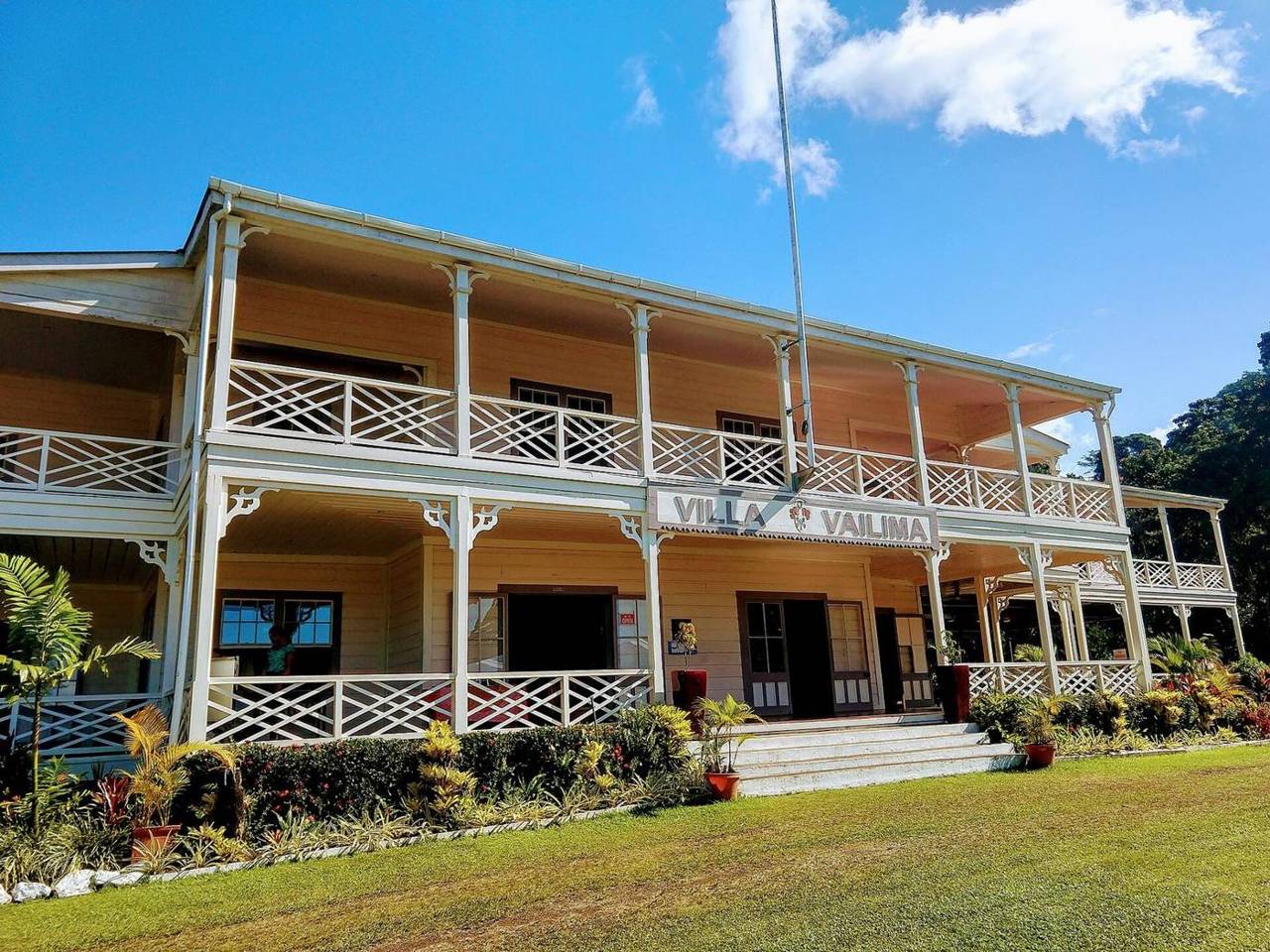 2 daysEasy
Stevenson and Samoan culture
Robert Louis Stevenson's house at Vailima, now a museum, the climb to his tomb on Mount Vaea, Apia's cultural village with tattooing and umu cooking, and a fiafia evening of dances.
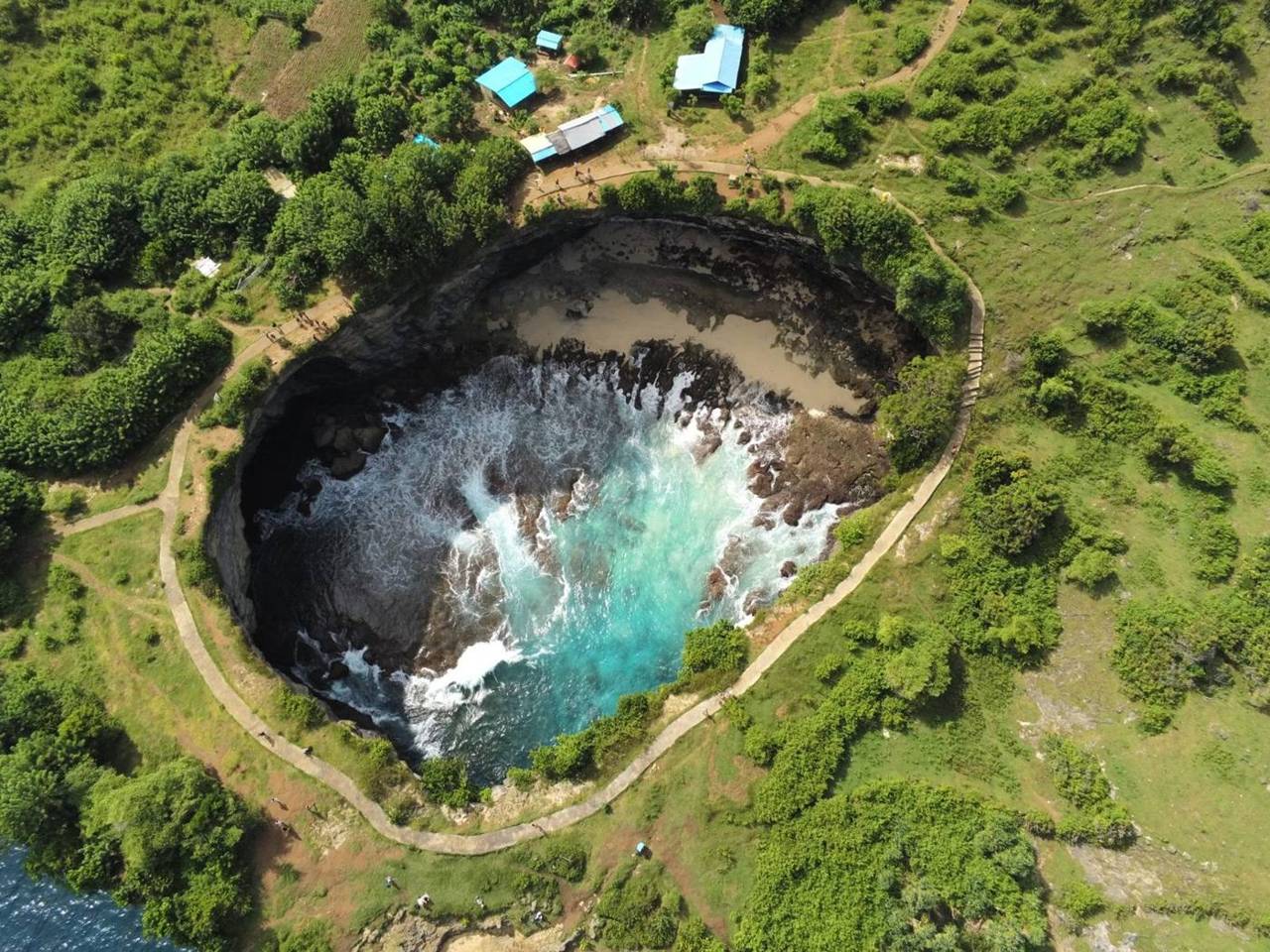 8 daysEasy
Upolu and Savai'i
To Sua Ocean Trench, the beaches of Lalomanu with fales on the sand, the lava fields of Savai'i and the Alofaaga blowholes.
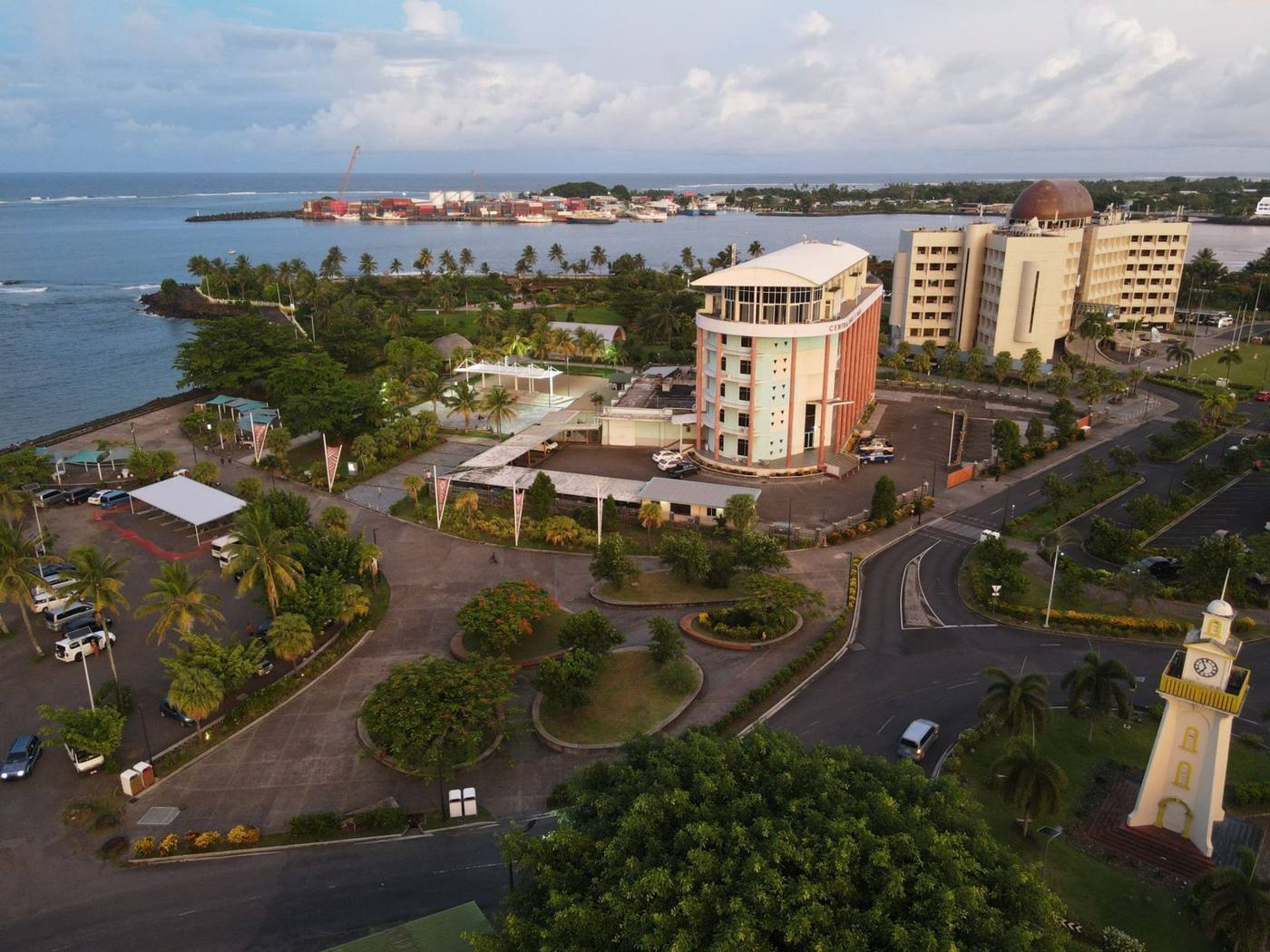 4 daysEasy
Apia and the south coast
Apia market, Papapapaitai falls, the Piula cave pool and the lagoons of Upolu's south coast.