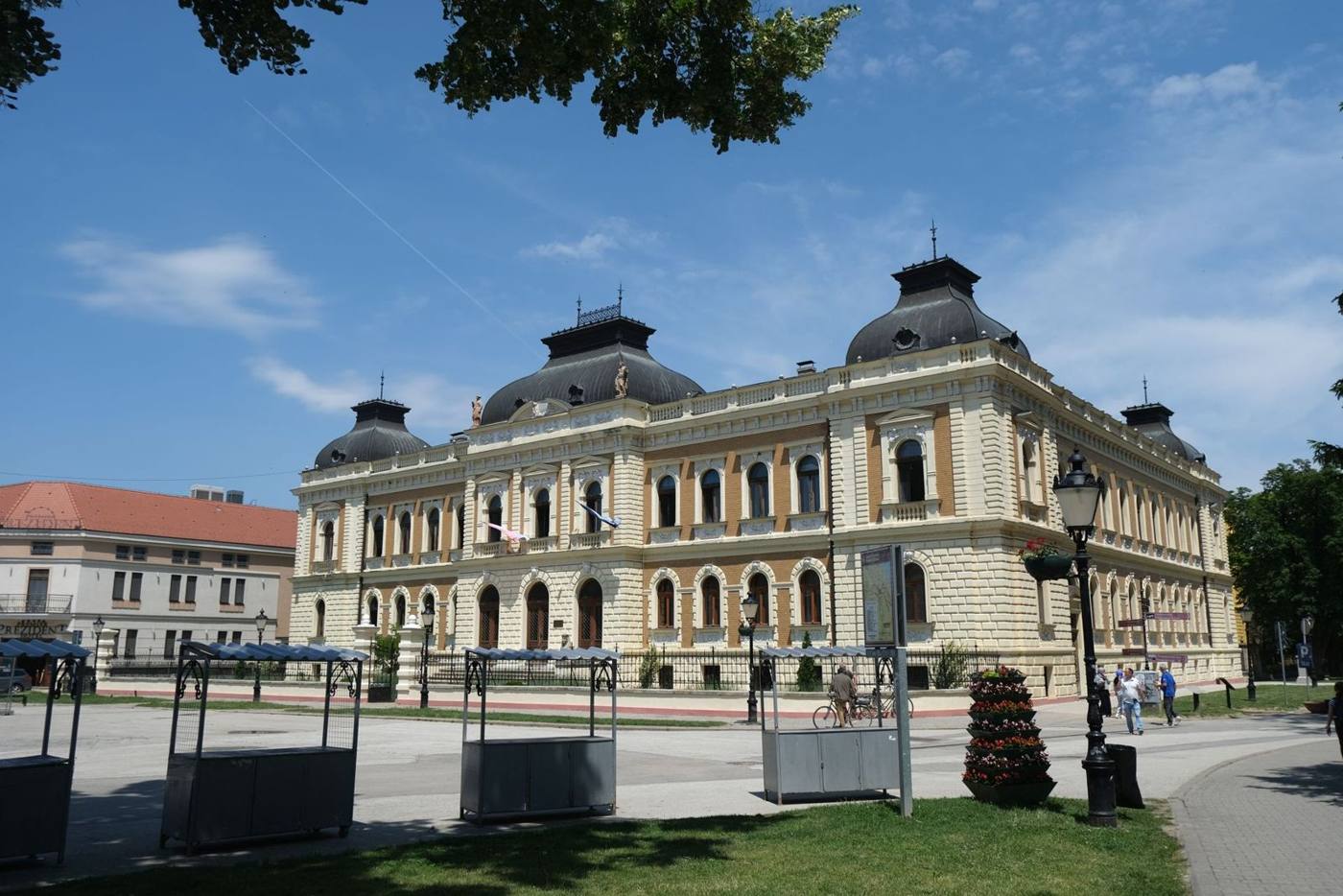
Fruška Gora and Sremski Karlovci
The baroque town of Sremski Karlovci and its sweet bermet wine, the Fruška Gora hills and their Orthodox monasteries among vineyards and woods.
- Novi Sad
- Sremski Karlovci
- Krušedol
- Novo Hopovo
- Irig
Day by day
- Day 1
Sremski Karlovci and bermet
This trip takes you south of Novi Sad, to the baroque town of Sremski Karlovci, with its sweet bermet wine, and the hills of Fruška Gora, covered with woods and vineyards, with the Orthodox monasteries of Krušedol and Novo Hopovo. You travel by car, starting from Novi Sad.
Before you go: Italian citizens can enter Serbia without a visa, for tourist stays of under 90 days, with an electronic identity card or a passport. Other nationalities should check their own rules. Within 24 hours of arrival you must be registered with the police: hotels do it for you, if you stay with private hosts go with them to the police station. Outside the cities, carry dinars in cash.
From Novi Sad you drive about twenty minutes along the Danube to Sremski Karlovci. Under the Habsburgs it was the religious and cultural centre of the Serbs: the patriarch and the first Serbian grammar school were based here. Walk around the main square, with the Orthodox Cathedral of Saint Nicholas, the Patriarchate palace and the Four Lions fountain. Then climb to the Chapel of Peace, built where the Treaty of Karlowitz between the Ottoman Empire and the Holy League was signed in 1699.
In the afternoon, visit a family winery for a tasting of bermet, a sweet, aromatic wine made with herbs, spices and dried fruit to recipes handed down over generations. Small wineries are booked with a phone call.
Overnight in Sremski Karlovci, for two nights.
Practical tip: if you are driving, let a non-driver do the tasting or ask to take a bottle away: drink-driving checks are frequent in Serbia.
- Day 2
The monasteries of Krušedol and Novo Hopovo
Today you enter Fruška Gora National Park, the range of hills rising from the plain of Vojvodina. Its woods hide many Orthodox monasteries, built mostly between the sixteenth and eighteenth centuries, when the Serbs fled north from the Ottomans.
In the morning, drive to Krušedol Monastery, founded in the early sixteenth century by the Branković family, the last despots of medieval Serbia. The church is decorated with eighteenth-century frescoes and holds the tombs of members of the family and of other figures from Serbian history. Go in with your shoulders and legs covered; women sometimes cover their heads.
For lunch, stop in a village nearby, such as Irig, and try the dishes of Vojvodina: grilled meat, paprikaš and homemade bread.
In the afternoon, visit Novo Hopovo Monastery, on a slope among the woods, with a harmonious sixteenth-century church and old frescoes inside. Walk around the courtyard and enjoy the silence.
If you have time, add another of the nearby monasteries: the road across Fruška Gora passes several of them, each with its own style.
In the evening, return to Sremski Karlovci.
Practical tip: monasteries are places of prayer: speak quietly, do not take photos during services and always ask before photographing inside the churches.
- Day 3
A walk on Fruška Gora and back to Novi Sad
Today you walk in the woods of Fruška Gora before returning to Novi Sad.
In the morning, set off from Sremski Karlovci towards Stražilovo, a wooded hill just above the town, where the Serbian Romantic poet Branko Radičević is buried. From here follow one of the park's marked trails among oaks, limes and beeches. Fruška Gora is not high, the main summit is just over five hundred metres, but the paths keep climbing and dropping: choose a loop of two or three hours that suits your pace.
Along the way you come across clearings, vineyards and viewpoints over the plain and the Danube. In spring the woods are full of flowers, in autumn the colours are beautiful. Ask for a trail map at the park visitor centre.
For lunch, have a picnic with bread, cheese and cured meats bought in town, or stop at a tavern along the road.
In the afternoon, return to Novi Sad, half an hour away.
In short, in three days you have seen Sremski Karlovci with its bermet, the monasteries of Krušedol and Novo Hopovo and the woods of Fruška Gora.
When to go: from May to October; in September there is the grape harvest and the town celebrates the vintage.
Practical tip: there are ticks in the woods of Fruška Gora: use repellent, wear long trousers and check your skin in the evening.
An easy weekend from Belgrade or Novi Sad, combining wine and spirituality. Covered clothing is needed in the monasteries. Small wineries are booked with a phone call.
Before you go
- Documents and visa
- EU citizens can enter with a passport or electronic identity card, with no visa, for tourist stays of under 90 days. British visitors need a passport. You must be registered with the police within 24 hours of arrival: hotels do it automatically, if you stay with private hosts go with them to the local police station. If you enter with a passport, make sure it is stamped. Serbia does not recognise the crossings with Kosovo as official borders: if you plan to travel via Kosovo, check first.
- Health and vaccines
- No compulsory vaccinations. Healthcare is poorly equipped and treatment is paid in cash: bring your own medicines and take insurance covering medical costs and repatriation. In summer use mosquito repellent, especially in the evening. Emergencies: police 192, fire 193, ambulance 194.
- Money and payments
- Serbian dinar (RSD), the only accepted means of payment; motorway tolls for foreign cars can be paid in euros. Cards work well in Belgrade, less so outside the cities: carry cash.
- Power sockets
- Types C and F, 230 volts: you need an adapter for British plugs.
- Time zone
- UTC+1, UTC+2 in summer, one hour ahead of the UK.
- Safety
- Watch out for pickpockets and car theft, especially in Belgrade. Demonstrations and road blocks can happen across the country: avoid crowds. In the areas of Preševo, Bujanovac and Medveđa, near the borders with North Macedonia and Kosovo, and in the Sandžak, travel only if necessary and keep to main roads. Photographing military and police sites is forbidden. Official advice: GOV.UK.
Information checked in November 2026 for Italian and EU citizens. Rules change: always check before you travel.
Variations
With just one day, from Novi Sad, visit Sremski Karlovci and Krušedol Monastery.
With two extra days, add Belgrade with Kalemegdan and Zemun.
Frequently asked questions
What is bermet?
A sweet, aromatic wine from Sremski Karlovci, made with herbs, spices and dried fruit to recipes handed down in families.
How many monasteries are there on Fruška Gora?
Several, scattered through the woods of the national park, built mostly between the sixteenth and eighteenth centuries. In two days you can see two or three well.
How should you dress to visit the monasteries?
With shoulders and legs covered. Women are sometimes asked to cover their heads; scarves to borrow are often available at the entrance.
Indicative itinerary written by World Atlas. Before booking, check timetables, seasonal openings, documents and safety.
 3 daysEasy
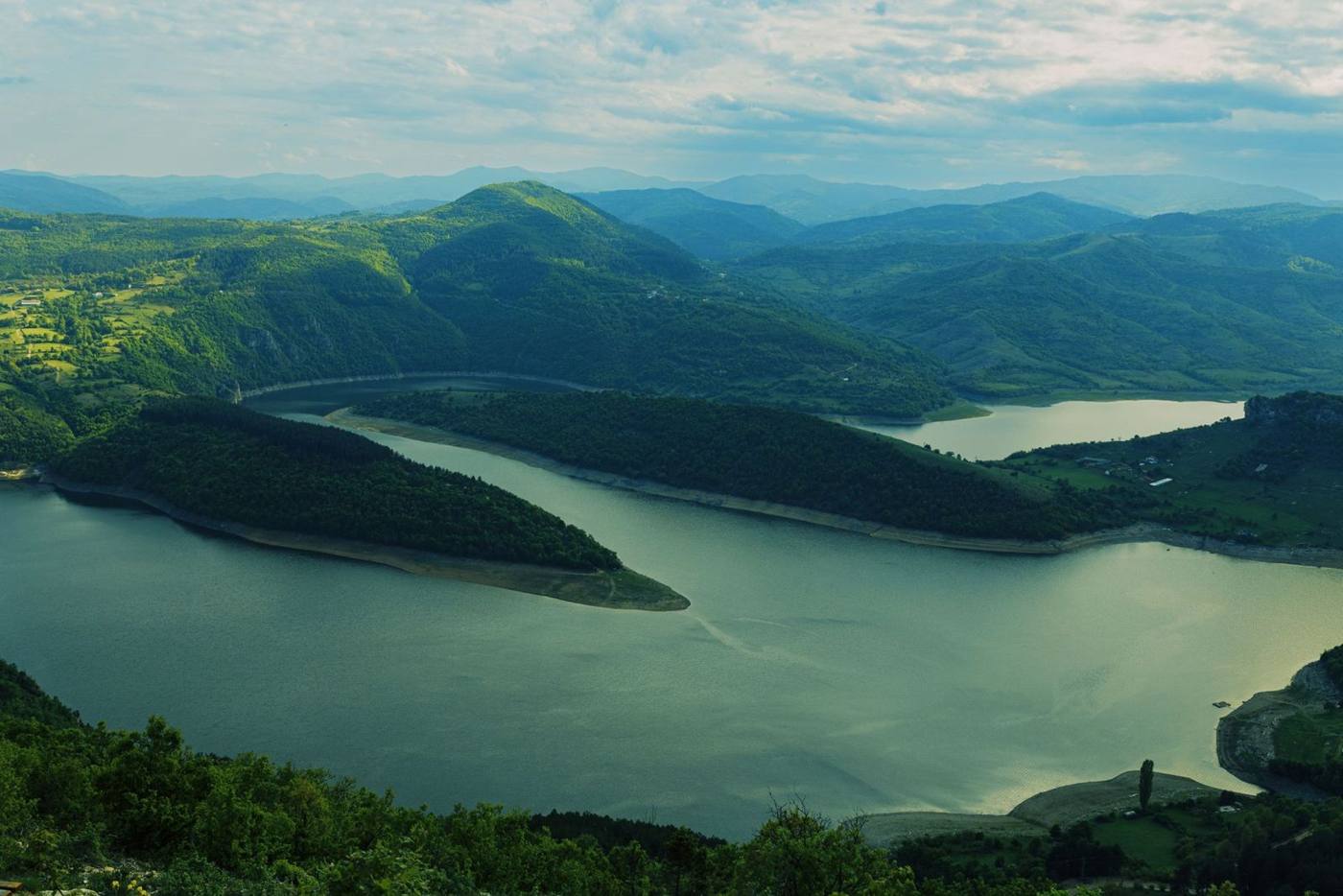
Uvac and the griffon vultures
The meanders of the Uvac river seen from the Molitva viewpoint, a boat trip through the canyon, Ušak cave and griffon vultures soaring above the walls.
 4 daysEasy
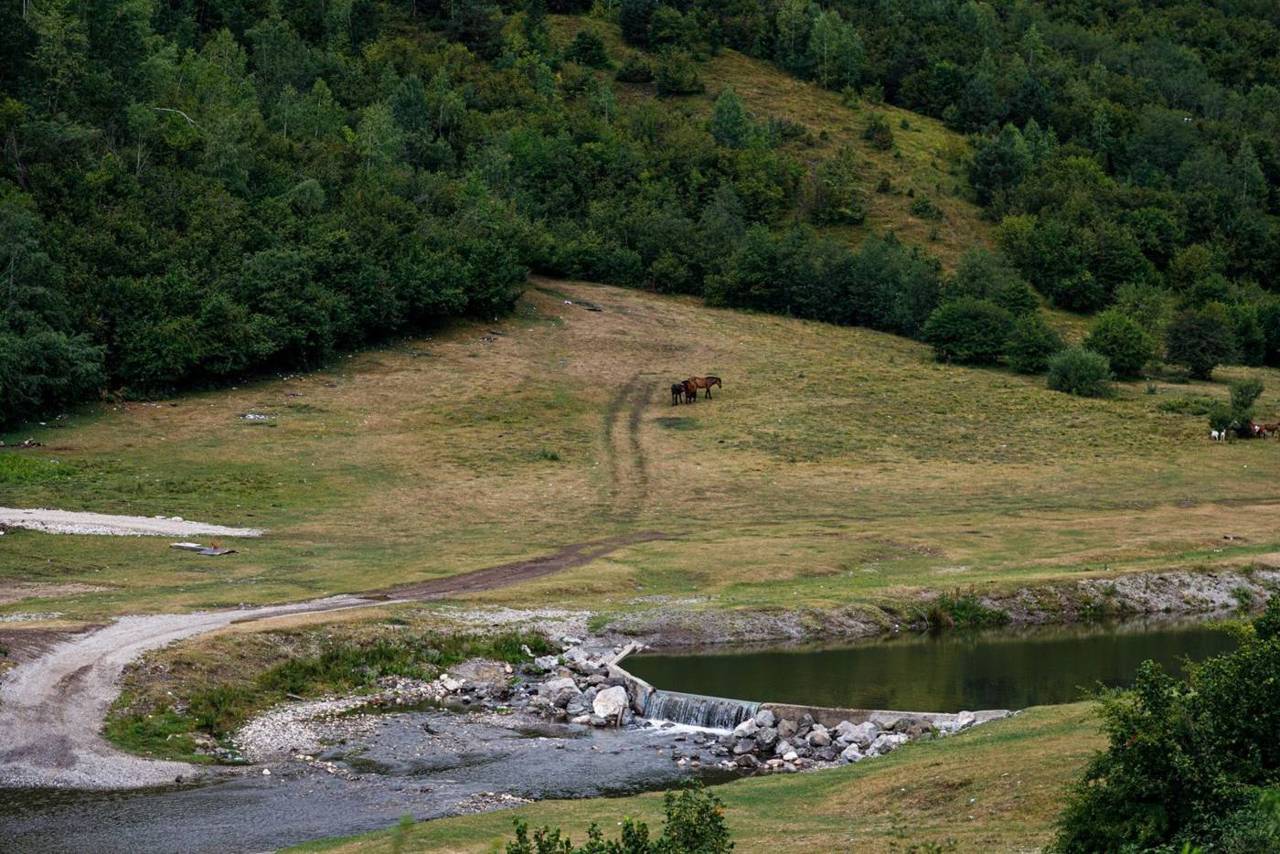
Niš and Devil's Town
Niš with its Ottoman fortress and the Skull Tower, the Roman site of Mediana where Constantine was born, and the earth pillars of Đavolja Varoš.
 4 daysEasy
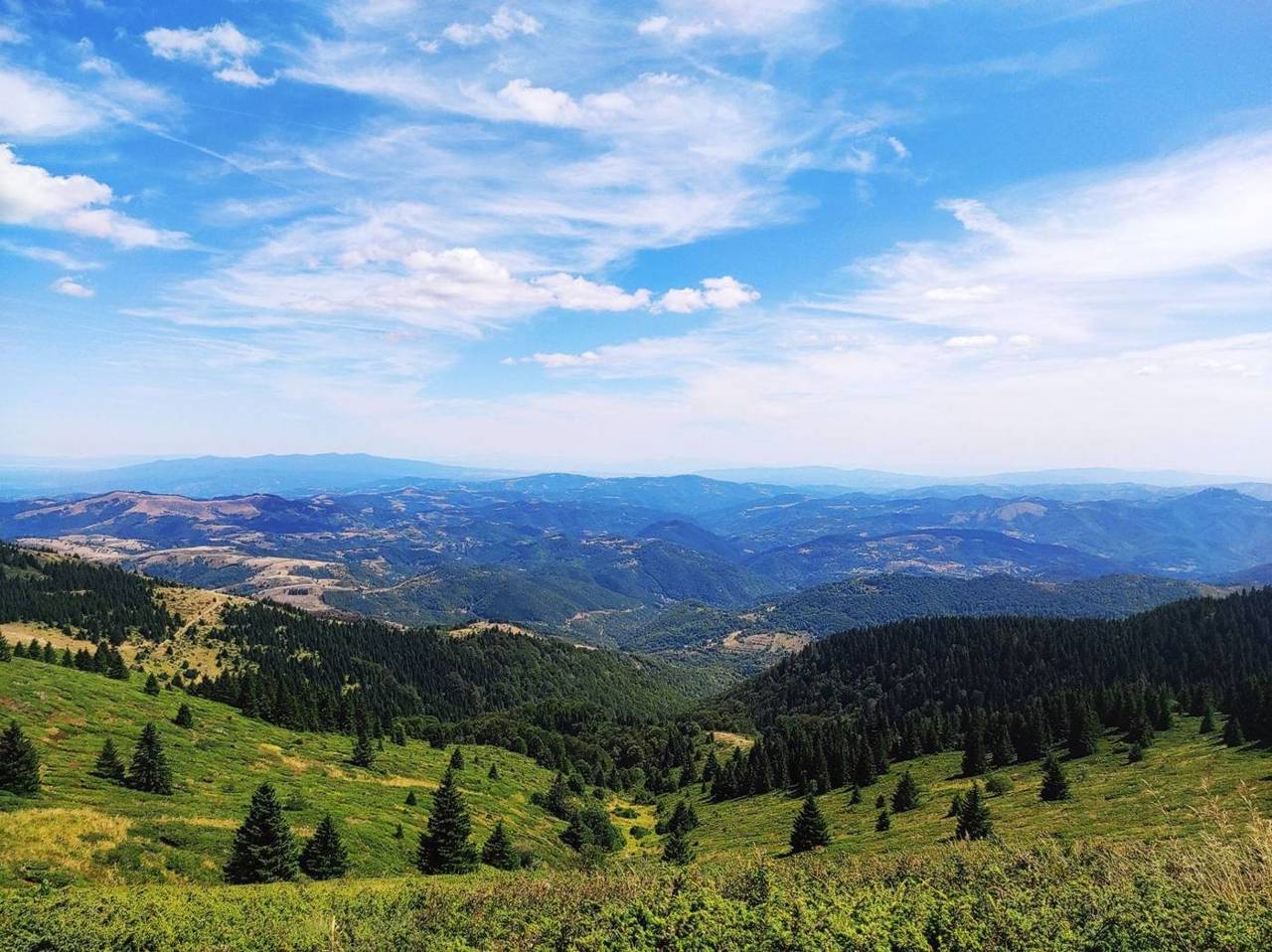
Kopaonik
Serbia's biggest mountain: the country's main ski resort in winter, and in summer walks to Pančićev vrh and the monasteries of Studenica and Gradac at its foot.