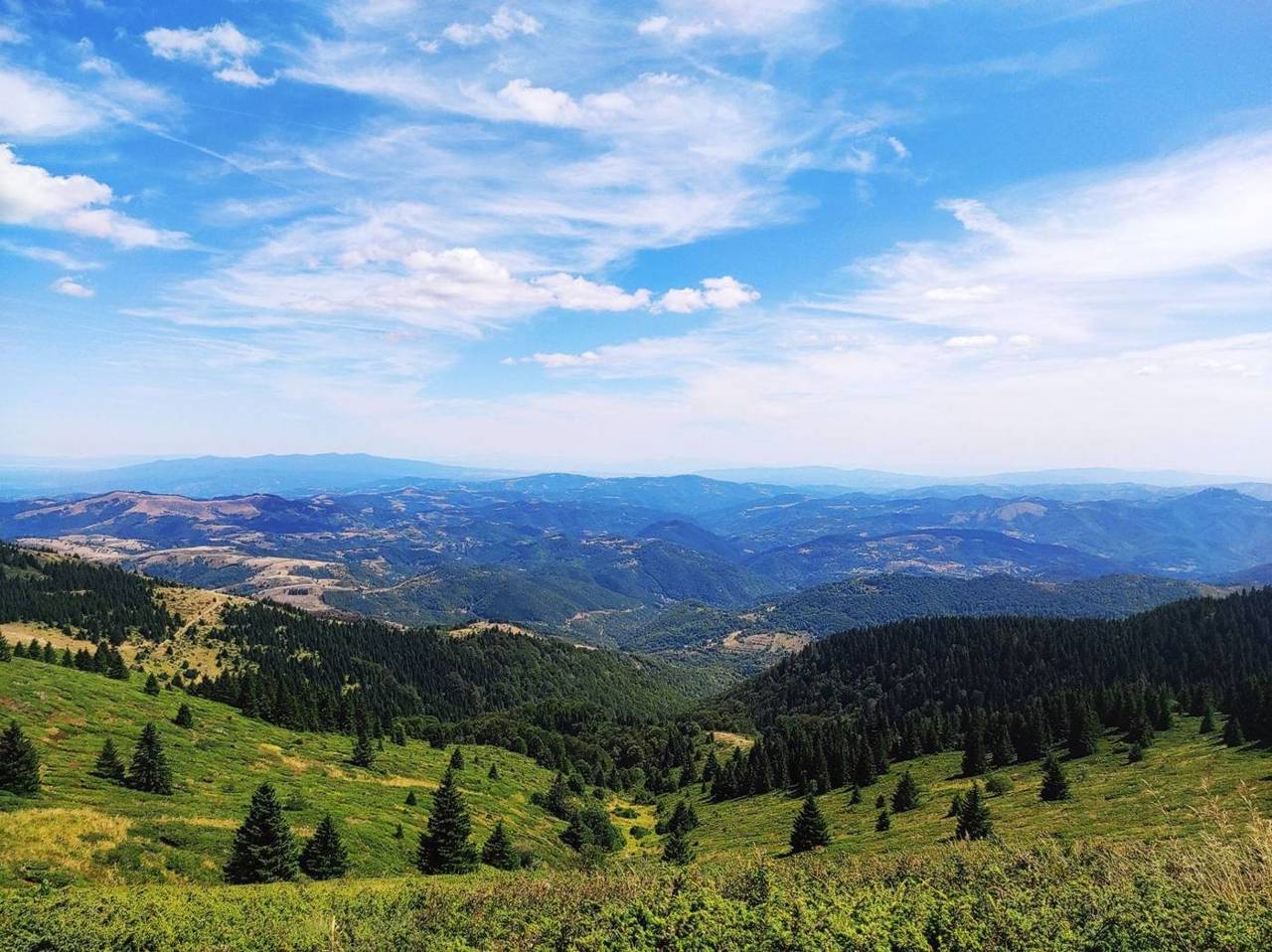
Kopaonik
Serbia's biggest mountain: the country's main ski resort in winter, and in summer walks to Pančićev vrh and the monasteries of Studenica and Gradac at its foot.
- Kraljevo
- Kopaonik
- Pančićev vrh
- Jošanička Banja
Day by day
- Day 1
From Belgrade to Kopaonik
This trip takes you to Kopaonik, the largest mountain range in Serbia: in winter the country's main ski resort, in summer a national park of forests and pastures where you walk up to Pančićev vrh, the highest summit. At the end you go down to the hot springs of Jošanička Banja. You travel by car.
Before you go: Italian citizens can enter Serbia without a visa, for tourist stays of under 90 days, with an electronic identity card or a passport. Other nationalities should check their own rules. Within 24 hours of arrival you must be registered with the police: hotels do it for you, if you stay with private hosts go with them to the police station.
Some areas on this trip are close to borders or places where the situation changes often: check your government's travel advice before booking and again before you leave.
From Belgrade, take the motorway south, then the road to Kraljevo and the Ibar valley. If you have time, stop in Kraljevo to see Žiča Monastery, with its red facade, where the kings of medieval Serbia were crowned. Go in with your shoulders and legs covered.
In the afternoon, drive up the mountain road to the Kopaonik resort, at about 1,700 metres, among spruce woods and meadows. Settle in and take a first walk to get used to the altitude.
For dinner, try mountain food: grilled meat, kajmak, a salty milk cream, and proja, cornbread.
Overnight on Kopaonik, for three nights.
Practical tip: in winter the road to Kopaonik can be snowy: hire a car with winter tyres and carry chains, which may be compulsory.
- Day 2
On the slopes or in the park's forests
Today you choose between skiing and walking, depending on the season.
If you come in winter, spend the day on the slopes of the resort, the most modern in Serbia, with lifts climbing towards the summits and runs for every level, from beginners to experienced skiers. You can hire equipment on site and take lessons with an instructor. Prices are much lower than in the Alps. Check lift prices and times.
If you come in summer, walk in Kopaonik National Park, among spruce forests, flowering pastures and peat bogs. Choose a marked trail of medium length, for example towards the springs and streams running down the slopes. In spring and early summer the meadows are full of flowers. Ask for a map at the park visitor centre.
For lunch, stop at a mountain hut along the slopes or have a picnic in the meadows.
If you do not ski, in winter you can go snowshoeing in the woods around the resort, with a guide or on groomed routes.
In the late afternoon, relax: many places in the resort have pools and saunas.
In the evening, stroll around the small centre of the resort, which is lively especially in winter.
Practical tip: at Christmas, New Year and on weekends in January and February the resort is full: book accommodation and ski passes well ahead, or choose the weeks of March.
- Day 3
The climb to Pančićev vrh
Today you climb to the highest summit of Kopaonik.
Pančićev vrh is just over 2,000 metres high and is named after Josif Pančić, the nineteenth-century botanist who studied the flora of Serbia. At the top is his mausoleum, next to a military installation.
In summer, set off on foot from the resort on a marked path that climbs through meadows and rocks, or take a chairlift up, if it is running, and walk the last stretch. From the summit you see the mountains of central and southern Serbia all the way to the horizon.
In winter you can reach the summit area by lift and ski down the highest runs, with a vast view on clear days.
On the way down, look at the pastures where herds graze in summer and search for mountain flowers among the rocks: Kopaonik is rich in rare plants, protected by the park. Do not pick them.
In the afternoon, come down slowly and stop for a mountain herbal tea, very popular in Serbia.
In the evening, for your last dinner up high, try pljeskavica, a large grilled burger, or mountain goulash.
Practical tip: at the top, do not photograph the military installations, it is forbidden. Stay on marked trails, do not approach the administrative line with Kosovo and check the weather: clouds come in quickly.
- Day 4
The hot springs of Jošanička Banja and the way back
Today you come down from the mountain and end the trip at the hot springs.
In the morning, leave Kopaonik and drive down north-west to Jošanička Banja, a spa village at the foot of the range. Its springs are among the hottest in Serbia and have long been used to treat aches and rheumatism. Take a dip in the warm water of the thermal pools and relax after your days on the slopes or the trails. Check prices and times.
Then take the Ibar valley road towards Kraljevo. If you still have time and did not do it on the way out, make a detour to Studenica Monastery, a UNESCO World Heritage Site, with its white marble church from the late twelfth century, or stop at Žiča.
Along the valley you also see, on a rock above the river, the medieval fortress of Maglič.
In the afternoon, continue towards Belgrade, arriving in the evening.
In short, in four days you have seen Kopaonik, with its slopes or park trails, the summit of Pančićev vrh, the hot springs of Jošanička Banja and the Ibar valley.
When to go: from December to March for skiing; from June to September for walking.
Practical tip: the Ibar valley road is narrow, winding and busy with lorries: take your time, overtake only with good visibility and do not drive at night.
A modern resort, much cheaper than the Alps. It is full at Christmas and New Year. It pairs well with the southern monasteries.
Before you go
- Documents and visa
- EU citizens can enter with a passport or electronic identity card, with no visa, for tourist stays of under 90 days. British visitors need a passport. You must be registered with the police within 24 hours of arrival: hotels do it automatically, if you stay with private hosts go with them to the local police station. If you enter with a passport, make sure it is stamped. Serbia does not recognise the crossings with Kosovo as official borders: if you plan to travel via Kosovo, check first.
- Health and vaccines
- No compulsory vaccinations. Healthcare is poorly equipped and treatment is paid in cash: bring your own medicines and take insurance covering medical costs and repatriation. In summer use mosquito repellent, especially in the evening. Emergencies: police 192, fire 193, ambulance 194.
- Money and payments
- Serbian dinar (RSD), the only accepted means of payment; motorway tolls for foreign cars can be paid in euros. Cards work well in Belgrade, less so outside the cities: carry cash.
- Power sockets
- Types C and F, 230 volts: you need an adapter for British plugs.
- Time zone
- UTC+1, UTC+2 in summer, one hour ahead of the UK.
- Safety
- Watch out for pickpockets and car theft, especially in Belgrade. Demonstrations and road blocks can happen across the country: avoid crowds. In the areas of Preševo, Bujanovac and Medveđa, near the borders with North Macedonia and Kosovo, and in the Sandžak, travel only if necessary and keep to main roads. Photographing military and police sites is forbidden. Official advice: GOV.UK.
Information checked in November 2026 for Italian and EU citizens. Rules change: always check before you travel.
Variations
With three days, drive up to Kopaonik and spend two days on the slopes or the trails.
With three extra days, add the monasteries of Studenica and Žiča and Tara National Park.
Frequently asked questions
Is Kopaonik suitable for beginners?
Yes. The resort has runs for every level, ski schools and equipment hire, at prices much lower than in the Alps.
Can you climb Pančićev vrh?
Yes, on foot in summer or by lift. There is a military installation at the top: do not photograph it and respect the signs.
When is there most snow?
Usually from December to March. The resort is busiest at Christmas, New Year and on weekends in January and February.
Indicative itinerary written by World Atlas. Before booking, check timetables, seasonal openings, documents and safety.
 4 daysModerate
Stara Planina and Pirot
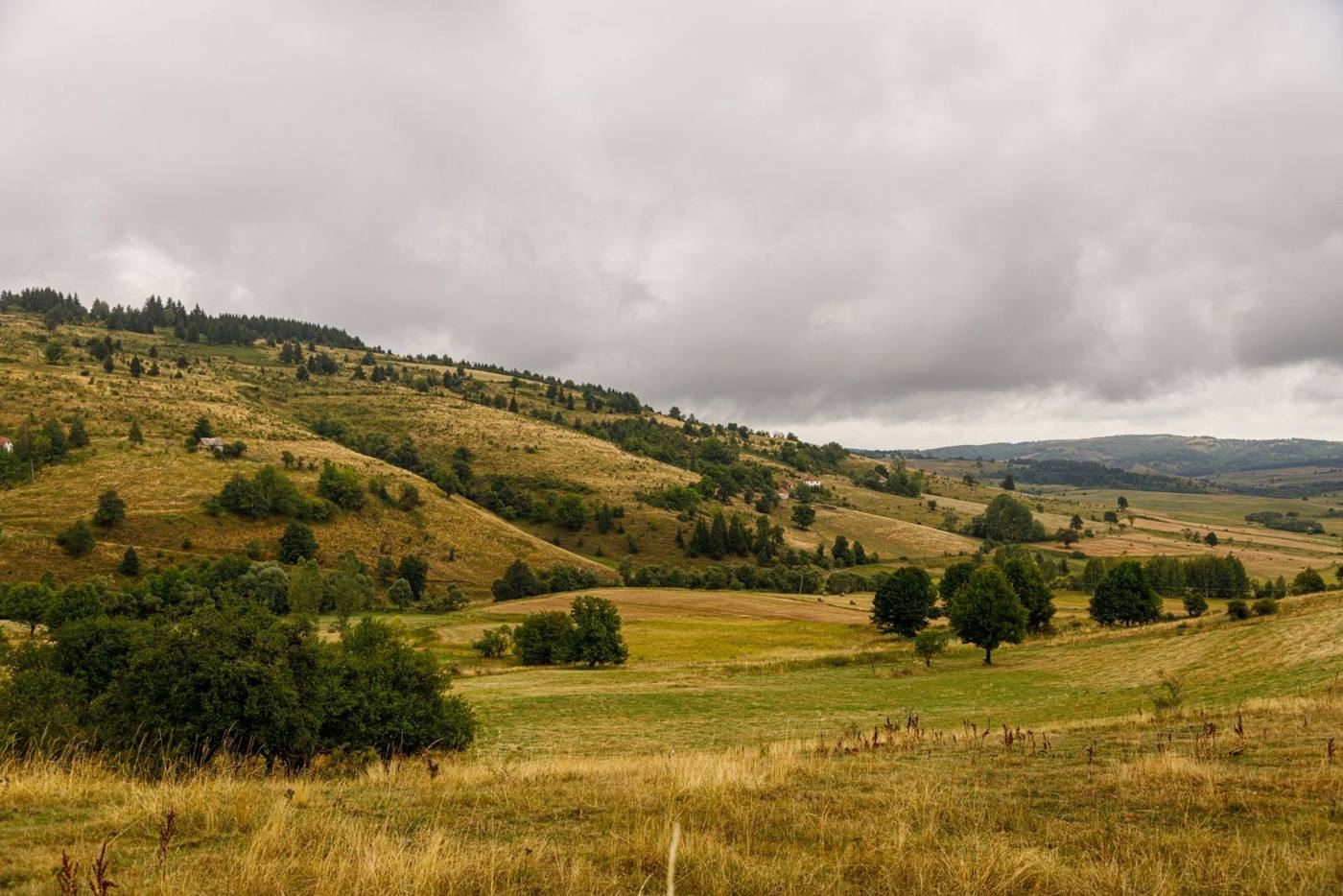
The wild mountains on the Bulgarian border: Topli Do waterfalls, the summit of Midžor, depopulated villages and the kilim carpets and cheese of Pirot.
 6 daysModerate
The Danube by bike
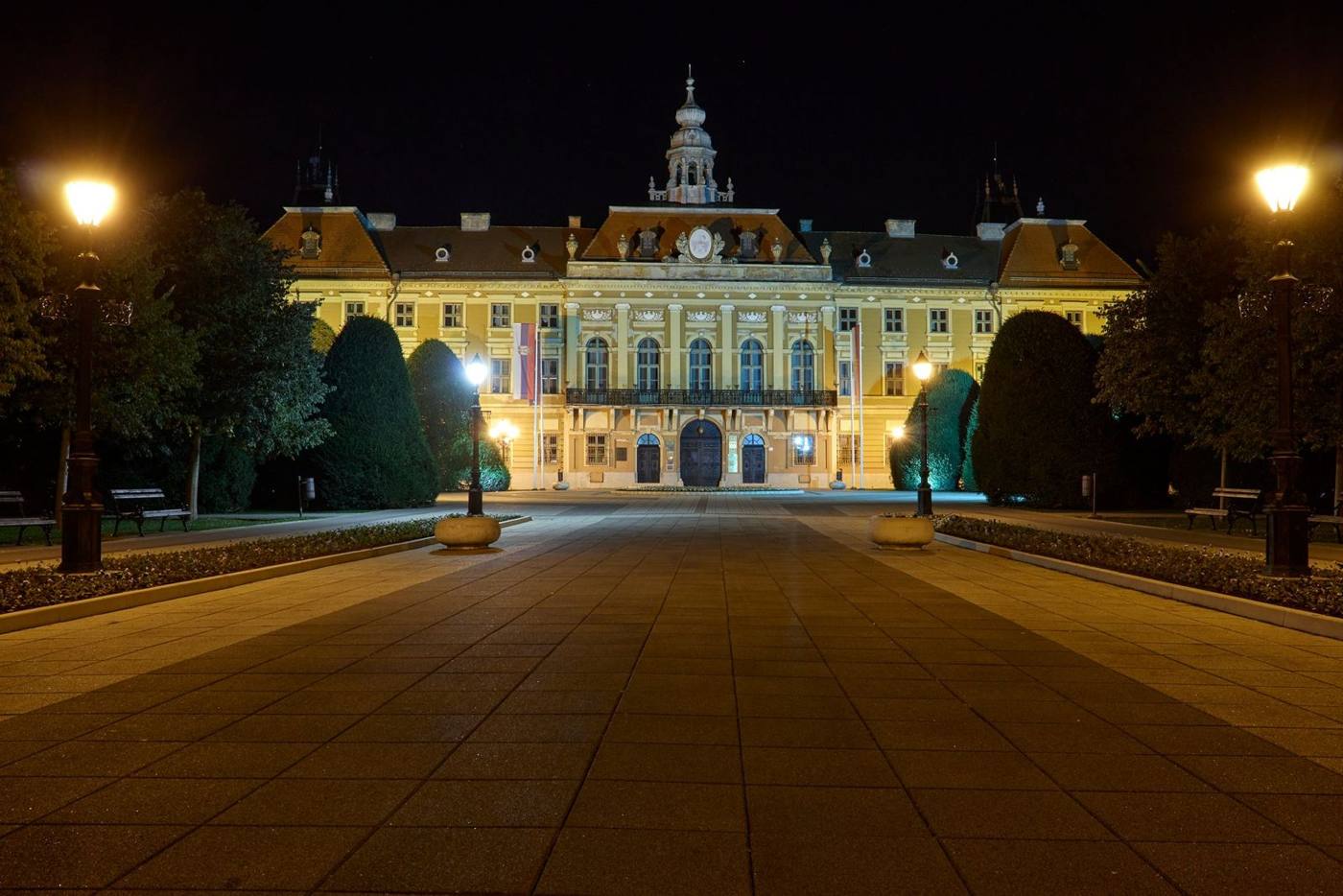
The EuroVelo 6 cycle route from the Hungarian border to Belgrade: Gornje Podunavlje nature park, Sombor, Bač and its fortress, Novi Sad and Zemun.
 4 daysEasy
Belgrade and Novi Sad
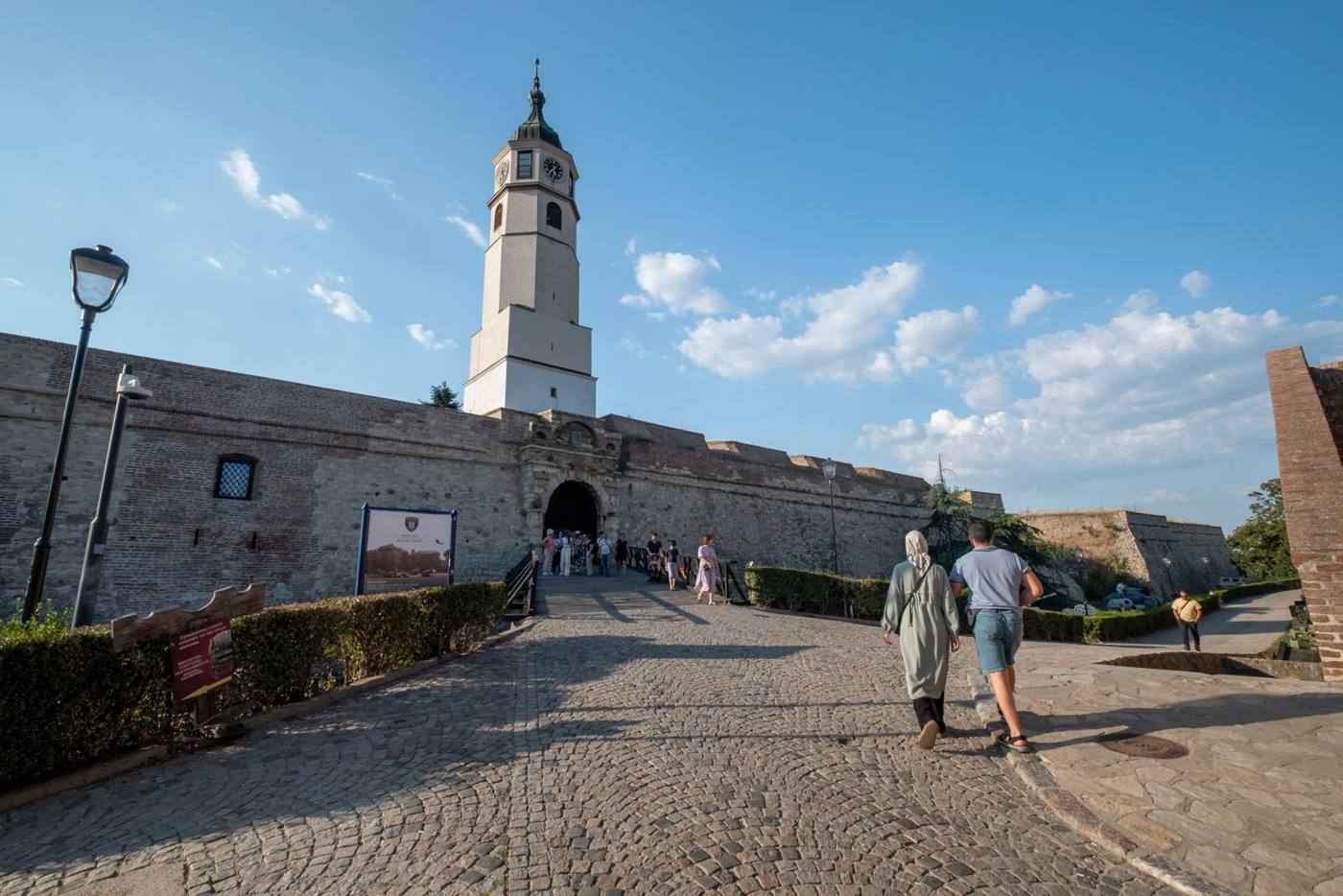
Kalemegdan fortress where the Sava meets the Danube, Zemun, nightlife on the river barges and Petrovaradin fortress in Novi Sad.