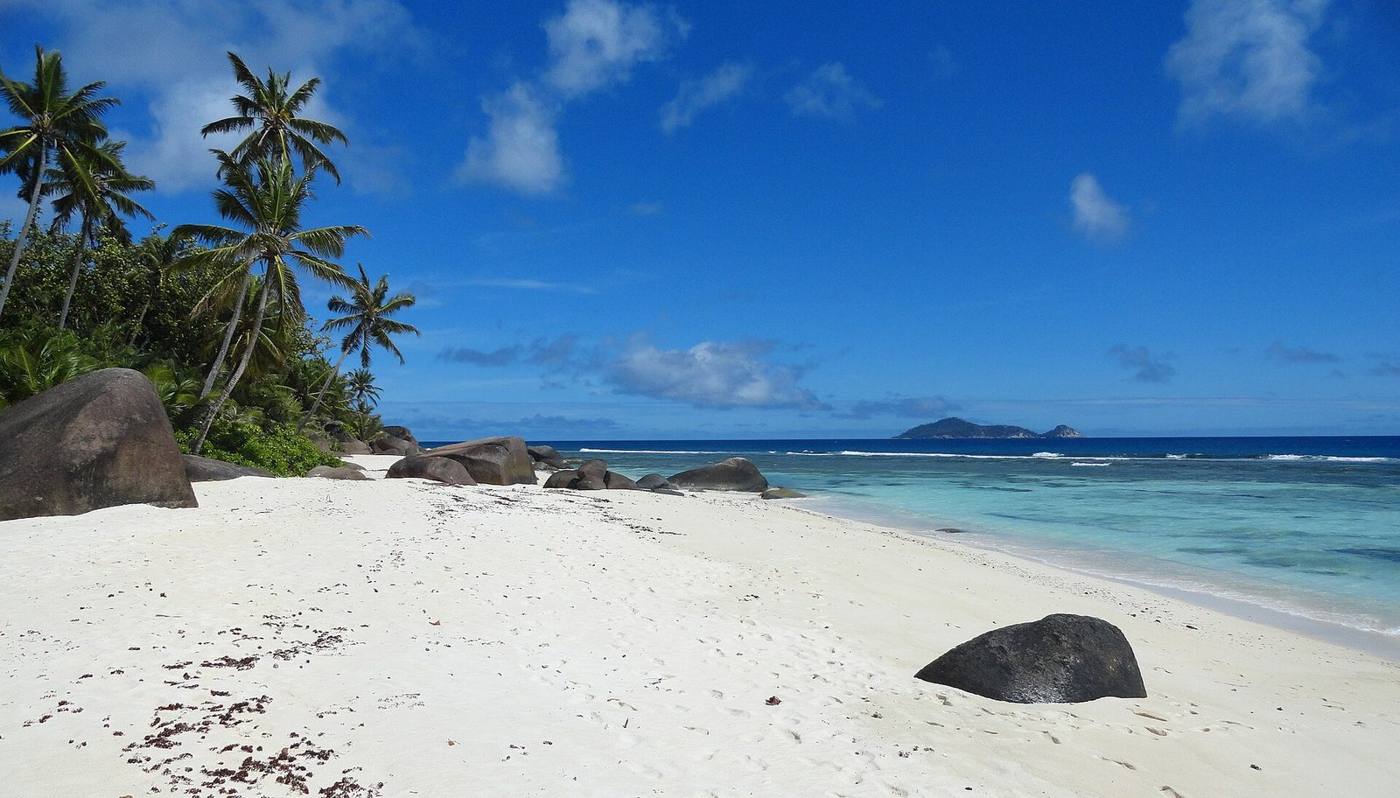
Silhouette Island
The third-largest Seychelles island, almost all national park, with forested mountains, trails, empty beaches and a single resort.
- Mahé
- Silhouette
- Anse Mondon
Day by day
- Day 1
By boat from Mahé to Silhouette
This three-day trip takes you to Silhouette, the third largest island in the Seychelles, almost entirely a national park. Forest-covered mountains drop to the sea, trails cross woods and abandoned plantations and the beaches are nearly always empty. There is only one hotel on the island, so the isolation is real.
Before you go: Italian citizens enter the Seychelles with a passport valid for the whole stay, without a visa for tourism. Before departure you must apply and pay online for a travel authorisation on the official government website, showing a return ticket, confirmed accommodation and sufficient funds. You also pay an environmental levy per night, which depends on your accommodation: check the current amount. Other nationalities should check their own rules. Viaggiare Sicuri advises caution with sea currents and when diving.
The boat leaves from the north-west coast of Mahé. During the crossing you see the dark outline of the island grow, its peaks often wrapped in cloud. You land at La Passe, the small village on the east coast.
In the afternoon walk around the village and look at the mausoleum of the Dauban family, a Greek-style tomb that recalls the island's old owners and the coconut and cinnamon plantations. Then rest on the beach in front of the hotel and snorkel near the shore, if the sea is calm.
In the evening the sky is dark and full of stars, because there are very few lights.
Practical tip: book the boat transfer together with your accommodation and ask for the exact time. In rough seas the crossing can be moved.
- Day 2
The trail to Anse Mondon
Today you walk to Anse Mondon, an isolated bay on the north-west coast, reachable only on foot or by boat. Set off early from La Passe, when the air is cool and the light filters through the trees.
The trail climbs into the forest among palms, ferns and big trees, then drops towards the sea. There are steep stretches, roots and stones that are slippery after rain. Allow a few hours there and back and ask your accommodation for a nature guide, who knows the trail conditions and helps you recognise plants and animals. Along the way you see green geckos, large harmless spiders and seabirds above the peaks.
Anse Mondon is a small beach of pale sand among granite rocks, with clear water. Rest in the shade, swim only if the sea is calm and eat your packed lunch. Do not leave any rubbish: there are no services here.
In the afternoon walk back slowly before the light fades. If possible, you can return by boat and see the coast from the sea, with the granite cliffs and the waterfalls that run after rain. In the evening have a relaxed dinner and talk over the day while looking at the sea.
Practical tip: carry at least two litres of water each, hiking shoes, repellent and a head torch. In the forest it gets dark early.
- Day 3
Last morning on the island and return
On the last morning get up early and walk on the beach near La Passe. From October to February sea turtles lay their eggs on the island's beaches: if you see tracks or marked nests, keep away and do not use lights at night.
After breakfast have a last snorkel or a short walk on the trails near the village. Listen to the silence of the forest and look at Mahé on the horizon, with its mountains.
At midday take the boat back to Mahé. On arrival a taxi takes you to your accommodation or to the airport, on the east coast of the island. If your flight is the next day, sleep on the west coast, near the port.
In three days you have seen the wildest island among those that are easy to reach: the national park with its forested mountains, the trail to Anse Mondon, the village of La Passe and the empty beaches. It is an expensive stay, because you can only sleep at the one hotel, but it combines real nature and comfort.
When to go: the best months are April and May and then October and November, between the monsoons, with a calmer sea for the crossing and less rain on the trails. October to February is the nesting season for sea turtles.
Practical tip: keep documents and phone in a waterproof bag during the crossing. Spray reaches the cabin too.
Isolation and nature with resort comfort. Expensive: the only place to stay is the one hotel. Sea turtles nest from October to February.
Before you go
- Documents and visa
- Passport valid for the whole stay, with no visa for tourist visits. Before departure you must apply and pay online for a travel authorisation on the official government website, showing a return or onward ticket, confirmed accommodation and sufficient funds. On arrival you receive a permit for a short stay, which can be extended only at the immigration office. You also pay an environmental levy per night, which depends on your accommodation: check the current amount.
- Health and vaccines
- A yellow fever certificate is required if you arrive from, or have transited through, a country where the disease is endemic. Protect yourself from mosquitoes, also during the day, and carry sun cream and water on the trails. Emergencies: 999; ambulance 151.
- Money and payments
- Seychelles rupee. Cards work at many places to stay and shops on the main islands; carry cash for markets, buses and the smaller islands.
- Power sockets
- Type G, 240 volts: UK plugs fit without an adapter.
- Time zone
- UTC+4 all year.
- Safety
- The situation is generally good, but there are thefts, bag snatches and scams: do not leave valuables in cars and take care in the evening, especially in Beau Vallon, the back streets of Victoria and isolated places. Think carefully about boat trips offered on the beach and check that life jackets are provided. The sea has dangerous currents and strong waves, which change with the monsoons, and lifeguards are scarce: ask locally and follow warning signs. Driving is on the left. Official advice: GOV.UK.
Information checked in November 2026 for Italian and EU citizens. Rules change: always check before you travel.
Variations
In two days you can go to Silhouette and back with a single night on the island.
With five days add Mahé, with Victoria market and the Anse Major trail.
Frequently asked questions
Can you visit Silhouette as a day trip?
Some boat trips from Mahé stop near the island, but to walk the trails you need to stay at least one night.
Are the trails on Silhouette difficult?
They are short but steep, damp and slippery after rain. You need hiking shoes and some experience; it is better with a nature guide.
Are there shops on the island?
Almost none. Bring what you need from Mahé, such as medicines, sun cream and repellent.
Indicative itinerary written by World Atlas. Before booking, check timetables, seasonal openings, documents and safety.
 9 daysEasy
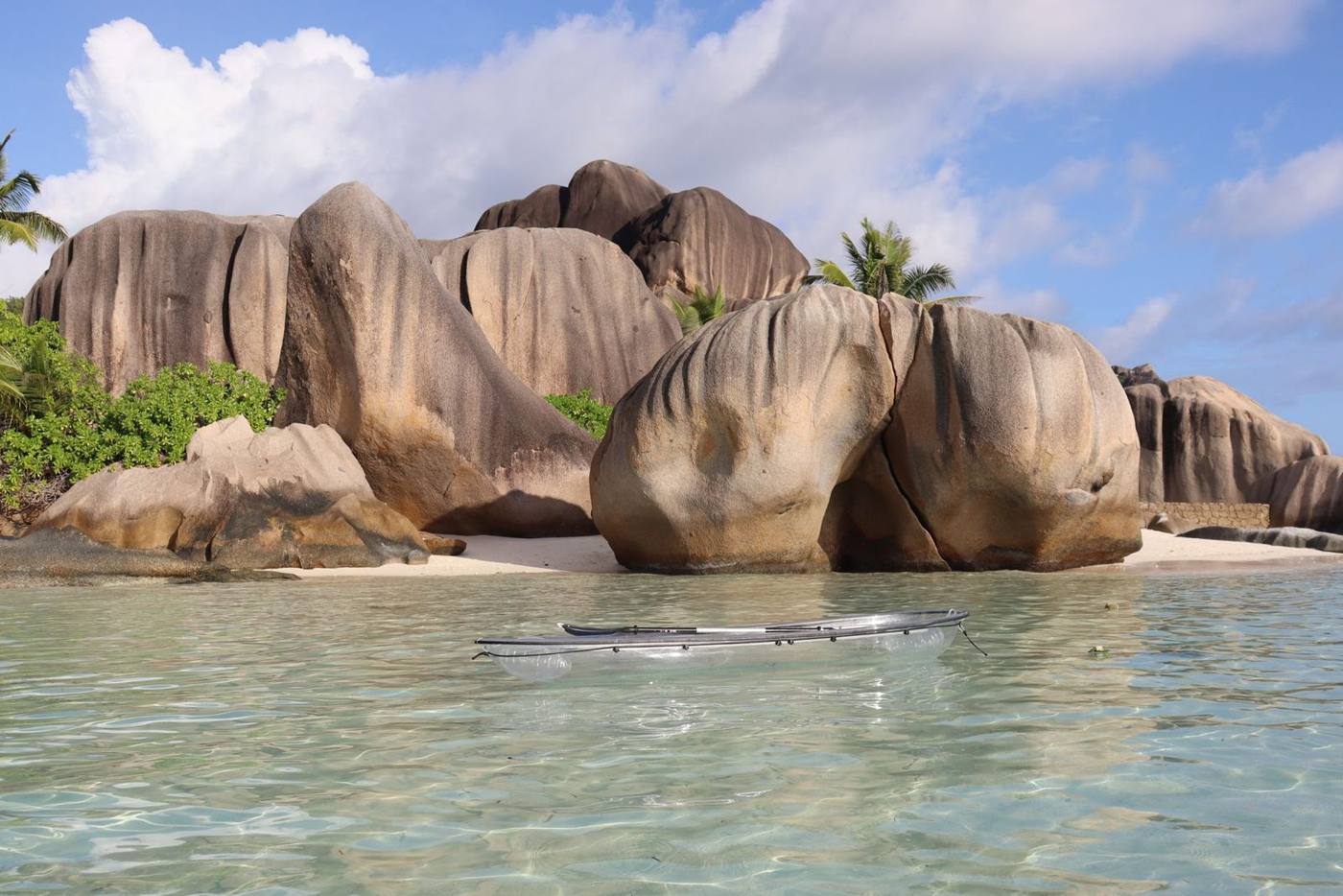
Mahé, Praslin and La Digue
The granite beaches of Anse Source d'Argent, the Vallée de Mai with the coco de mer, Anse Lazio and La Digue by bike.
 6 daysEasy
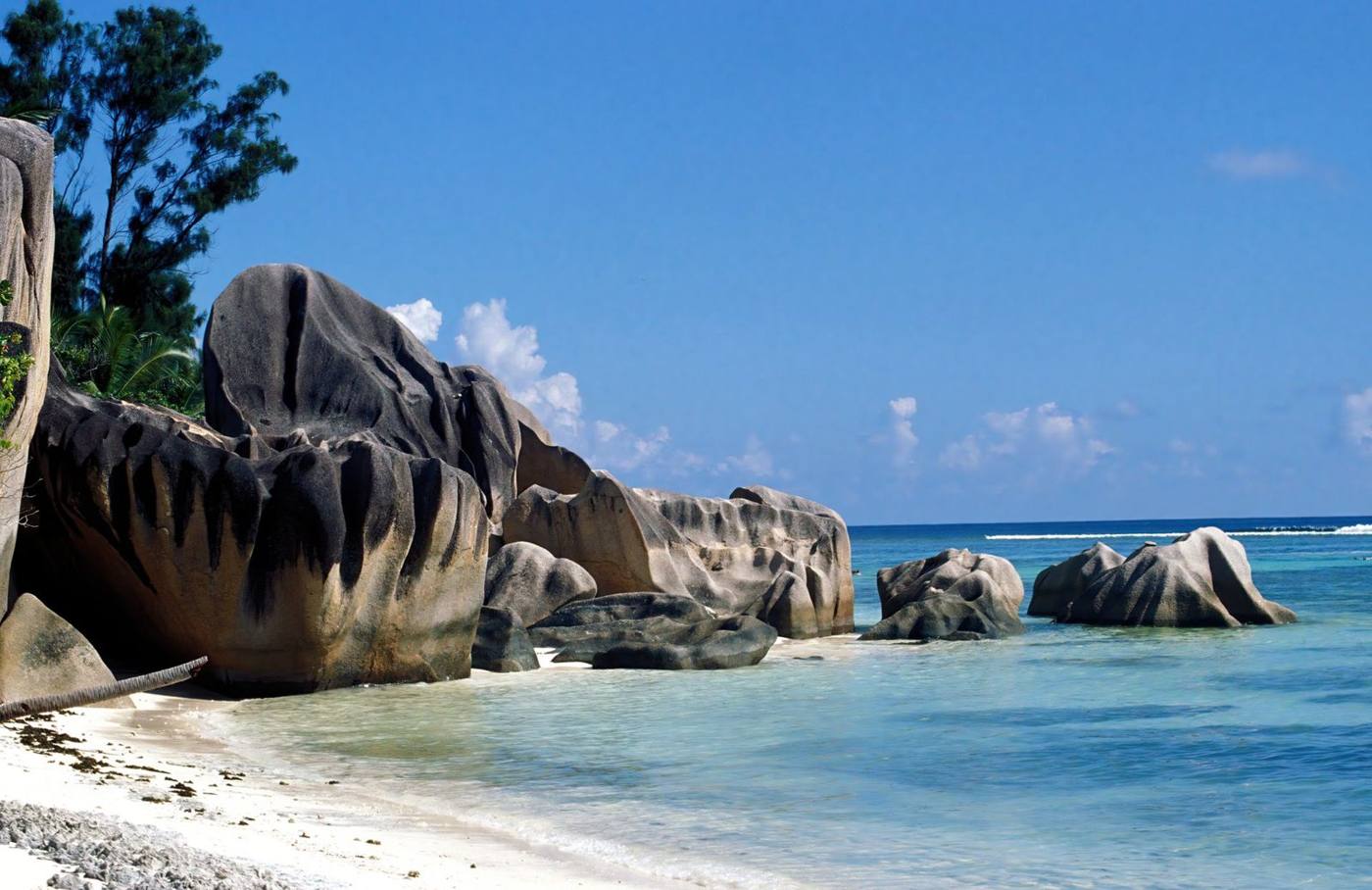
Snorkelling and bird islands
Sainte Anne marine park, Cousin bird island, Aride with its tern colonies and dives around Mahé.
 3 daysModerate
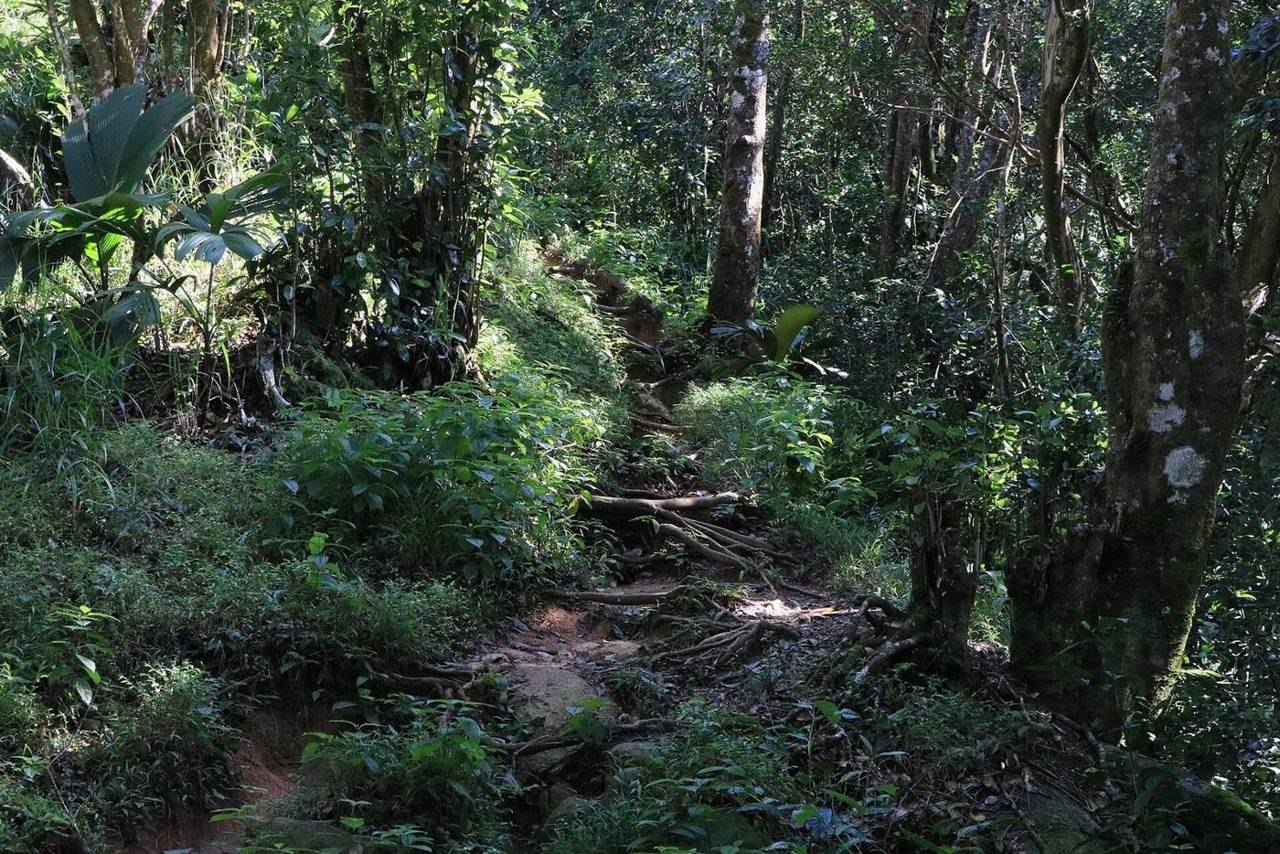
Hiking on Mahé
The trails of Morne Seychellois park: the summit of Morne Blanc above the clouds, the walk to the wild beach of Anse Major and the old Venn's Town mission.