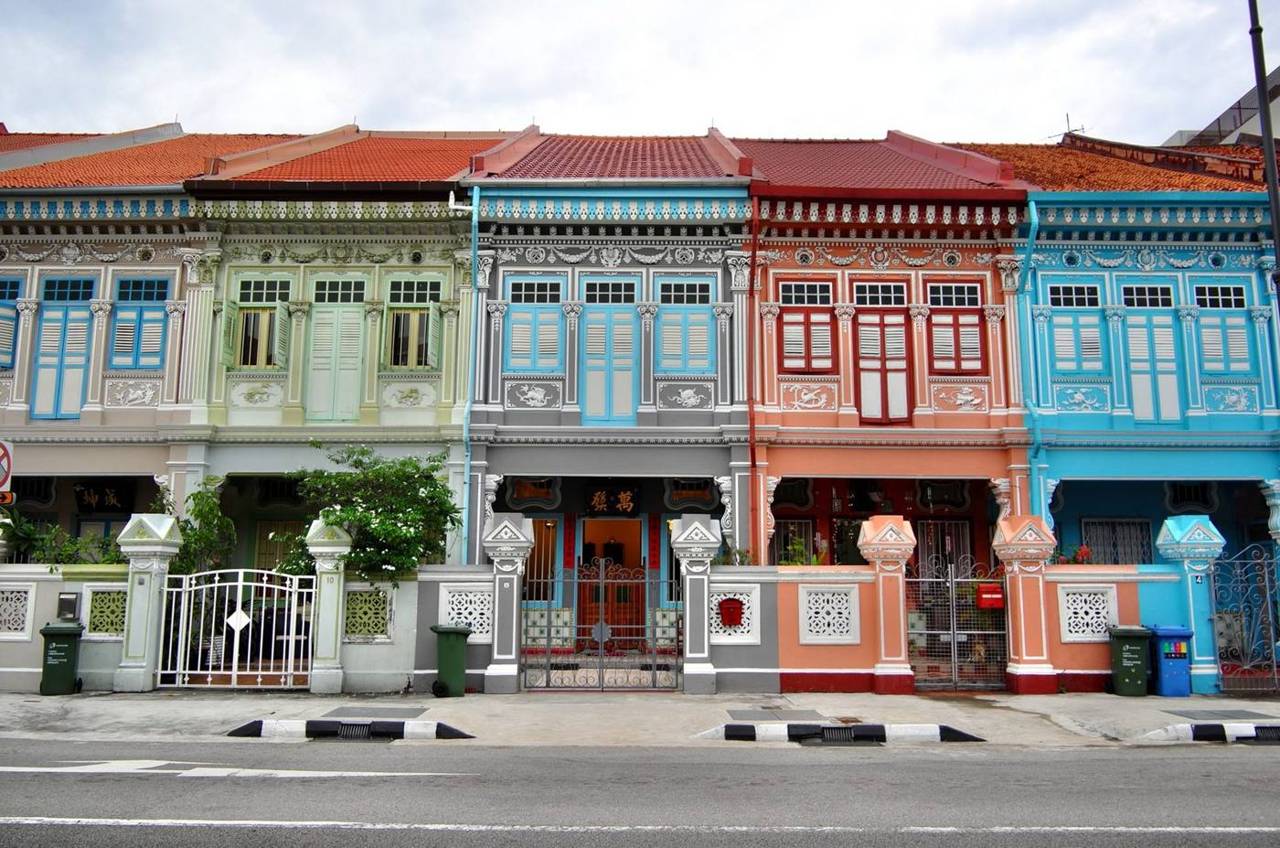
Katong and Peranakan culture
The colourful houses of Koon Seng Road, the Peranakan shops and food of Katong and Joo Chiat, Katong laksa and the Peranakan Museum in the centre.
- Peranakan Museum
- Katong
- Joo Chiat
- Koon Seng Road
Day by day
- Day 1
The Peranakan museum and an evening in Katong
This short trip tells the story of Peranakan culture, born from the Chinese merchants who, from the fifteenth century onwards, married local women in the Malay peninsula. Their descendants, called baba for men and nyonya for women, created their own cuisine, way of dressing and style of house.
Before you go: Italian citizens enter Singapore with a passport valid for at least six months from the date of entry, and without a visa for up to 90 days for tourism. Other nationalities should check their own rules. Within the three days before arrival, fill in the SG Arrival Card only on the official website of the ICA, the immigration authority. Laws are extremely strict: very harsh penalties for drugs, up to the death penalty for trafficking, a ban on e-cigarettes and on bringing in chewing gum, and fines for littering or eating on the metro.
In the morning visit the Peranakan Museum, on Armenian Street in the historic centre, housed in an elegant early twentieth-century school. The rooms show weddings that lasted twelve days, jewellery, brightly coloured porcelain, beaded slippers and kebaya, the lace blouses of the nyonya. Check prices and times.
In the afternoon take the Thomson-East Coast metro line to Katong, the Peranakan district on the east coast, far from the skyscrapers.
In the evening have Katong laksa for dinner, a rice noodle soup with coconut milk, prawns and chilli: here the noodles are cut short and eaten with just a spoon. Try ayam buah keluak too, chicken cooked with a black nut with an intense flavour.
Sleep in Singapore.
Practical tip: in the museum take your time in the rooms on weddings, which explain family traditions well.
- Day 2
Joo Chiat and Koon Seng Road
Today you walk the most photographed streets of old Singapore.
In the morning have breakfast with kueh, the Peranakan sweets made from rice, coconut and palm sugar, coloured green with pandan leaves: try kueh lapis, in layers, and ondeh ondeh, little balls filled with palm sugar.
Then stroll along Joo Chiat Road, with its shophouses, two-storey houses with a shop below and a home above, façades decorated with plasterwork and painted tiles, and covered walkways called five-foot ways, which shelter you from sun and rain.
Mid-morning reach Koon Seng Road, with its pastel terraced houses, pink, mint green and sky blue, built between the 1920s and 1930s, with carved wooden doors and floral tiles. Respect the people who live there: these are private homes, so take photos from the street.
In the afternoon visit Geylang Serai market, the heart of the Malay community, with spices, fabrics and food stalls. Then relax at East Coast Park, the long seaside park with cycle paths.
In two days you have discovered Peranakan Singapore: the museum, the laksa and kueh of Katong, the shophouses of Joo Chiat and the colourful houses of Koon Seng Road.
When to go: any time of year works, with constant humid heat. From February to April it rains a little less. In the weeks of Chinese New Year and Hari Raya, the festival at the end of Ramadan, the streets of Katong and Geylang Serai fill with decorations and stalls.
Practical tip: walk early in the morning or after five in the afternoon, when the heat is easier to bear and the light on the façades is more beautiful.
A more intimate, historic Singapore, away from the skyscrapers. A good addition to a first trip. Easily reached on the new metro line.
Before you go
- Documents and visa
- Passport valid for at least six months from the date of entry; for tourism Italian citizens enter without a visa for up to 90 days. The SG Arrival Card is compulsory: fill it in online within the three days before arrival, including the day of arrival, only on the official website of the ICA, the immigration authority. It costs nothing, so avoid websites that ask for money. Your iris, face and fingerprints are recorded on entry.
- Health and vaccines
- No vaccinations are compulsory for travellers from Italy; a yellow fever certificate is needed only if you arrive from a country at risk. There are dengue cases in the city too: use insect repellent, especially in parks and nature reserves. Tap water is safe to drink. Healthcare is excellent but very expensive: you need insurance covering medical costs and repatriation. Emergencies: police 999, ambulance and fire 995.
- Money and payments
- Singapore dollar (SGD). Cards and contactless payments work almost everywhere, including at the metro gates; at hawker centres some stalls take only cash or phone payments.
- Power sockets
- Type G, 230 volts: British plugs fit without an adapter.
- Time zone
- UTC+8 all year.
- Safety
- One of the safest countries in the world, with very low crime. Laws are extremely strict: drug trafficking carries the death penalty and possession is punished with prison; you can be tested on arrival, even for drugs taken abroad. Importing, possessing and using e-cigarettes is banned, and you cannot bring in chewing gum, except for medical use. There are fines for littering, smoking outside permitted areas and eating or drinking on public transport. In the rainy season there are thunderstorms with lightning; from July to October haze from fires in Indonesia can arrive. Official advice: GOV.UK.
Information checked in November 2026 for Italian and EU citizens. Rules change: always check before you travel.
Variations
In one day: the Peranakan Museum in the morning and Katong and Koon Seng Road in the afternoon.
In three days: add Chinatown and Tiong Bahru, with hawker centres and art deco houses.
Frequently asked questions
What document do I need for Singapore?
Italian citizens enter with a passport valid for at least six months, and without a visa for up to 90 days for tourism; within the three days before arrival you need the SG Arrival Card on the official ICA website. Other nationalities should check their own rules.
How do I get to Katong?
On the Thomson-East Coast metro line, which links the centre to the east coast; Tanjong Katong and Marine Parade stations are the most convenient.
Who are the Peranakan?
They are the descendants of merchants, mostly Chinese, who married women from the Malay peninsula. Their culture blends Chinese, Malay and European traditions.
Indicative itinerary written by World Atlas. Before booking, check timetables, seasonal openings, documents and safety.
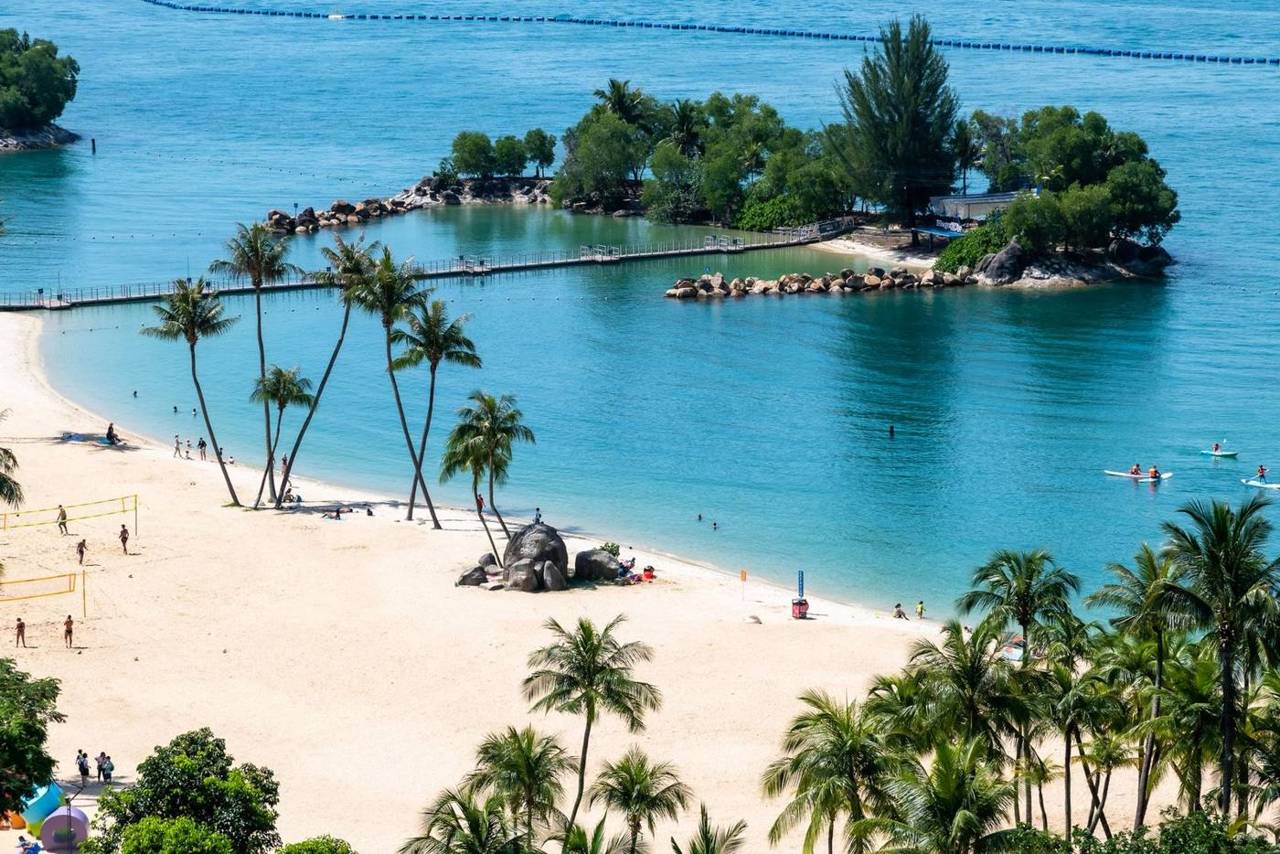 2 daysEasy
Sentosa and the sea
Singapore's leisure island: the beaches of Siloso and Palawan, the southernmost point of continental Asia, the aquarium and the cable car from Mount Faber.
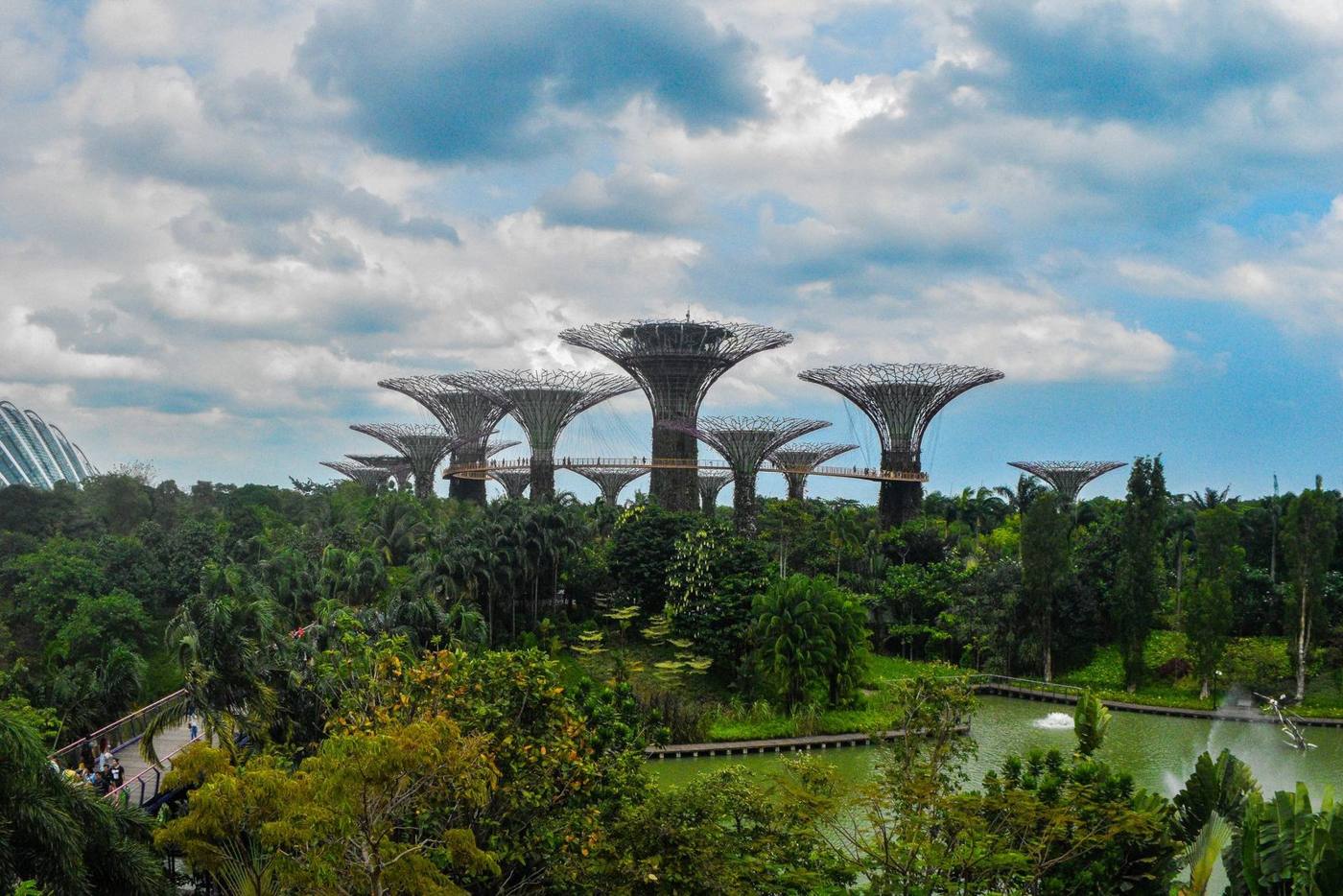 4 daysEasy
Singapore with children
One of the world's easiest cities with children: the zoo and River Wonders with its pandas, Bird Paradise, the Science Centre and the water play at Gardens by the Bay.
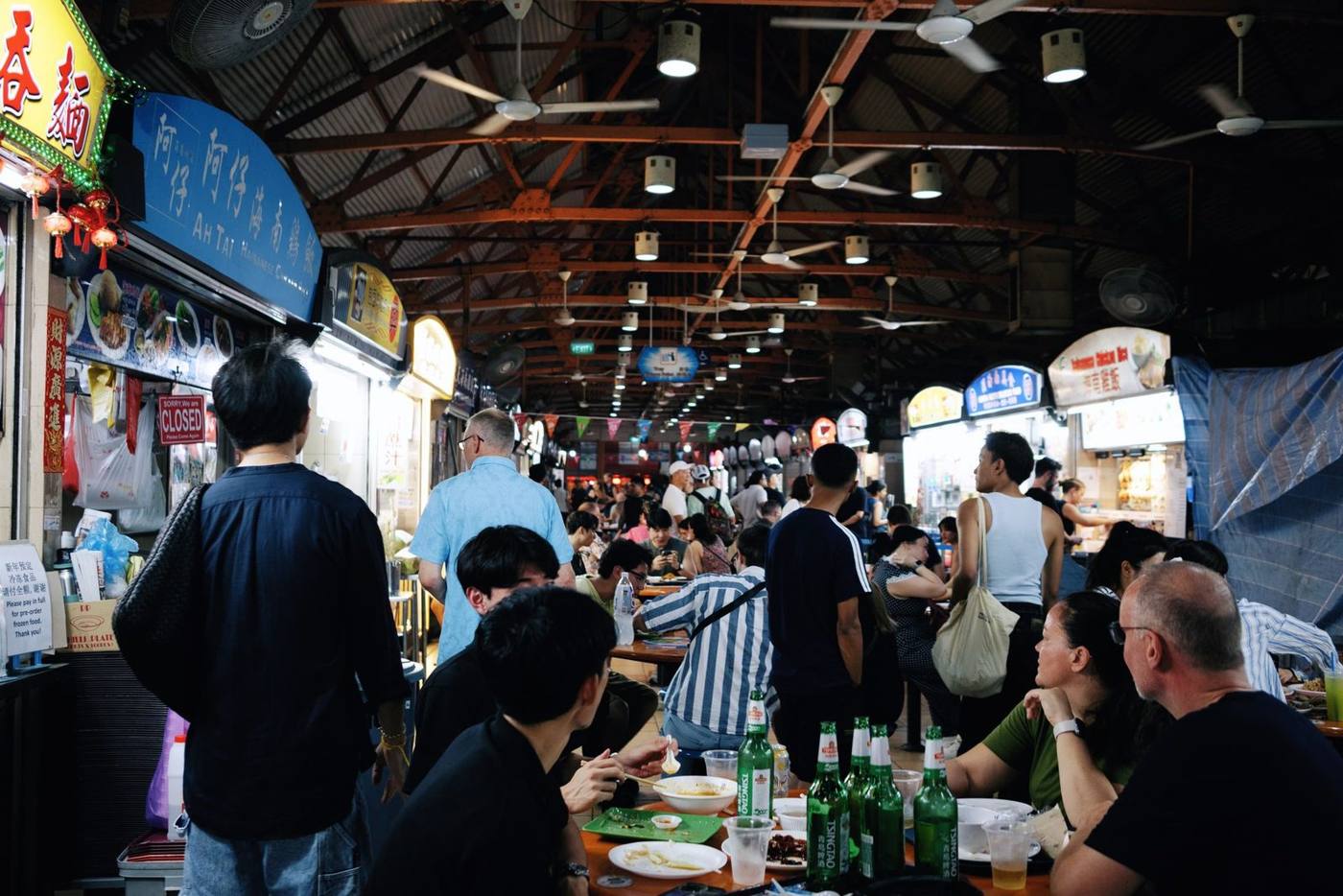 2 daysEasy
The hawker centres
Singapore's street food culture, on the UNESCO list: Maxwell, Lau Pa Sat, Tiong Bahru and Old Airport Road, with Hainanese chicken rice, chilli crab and kaya toast.