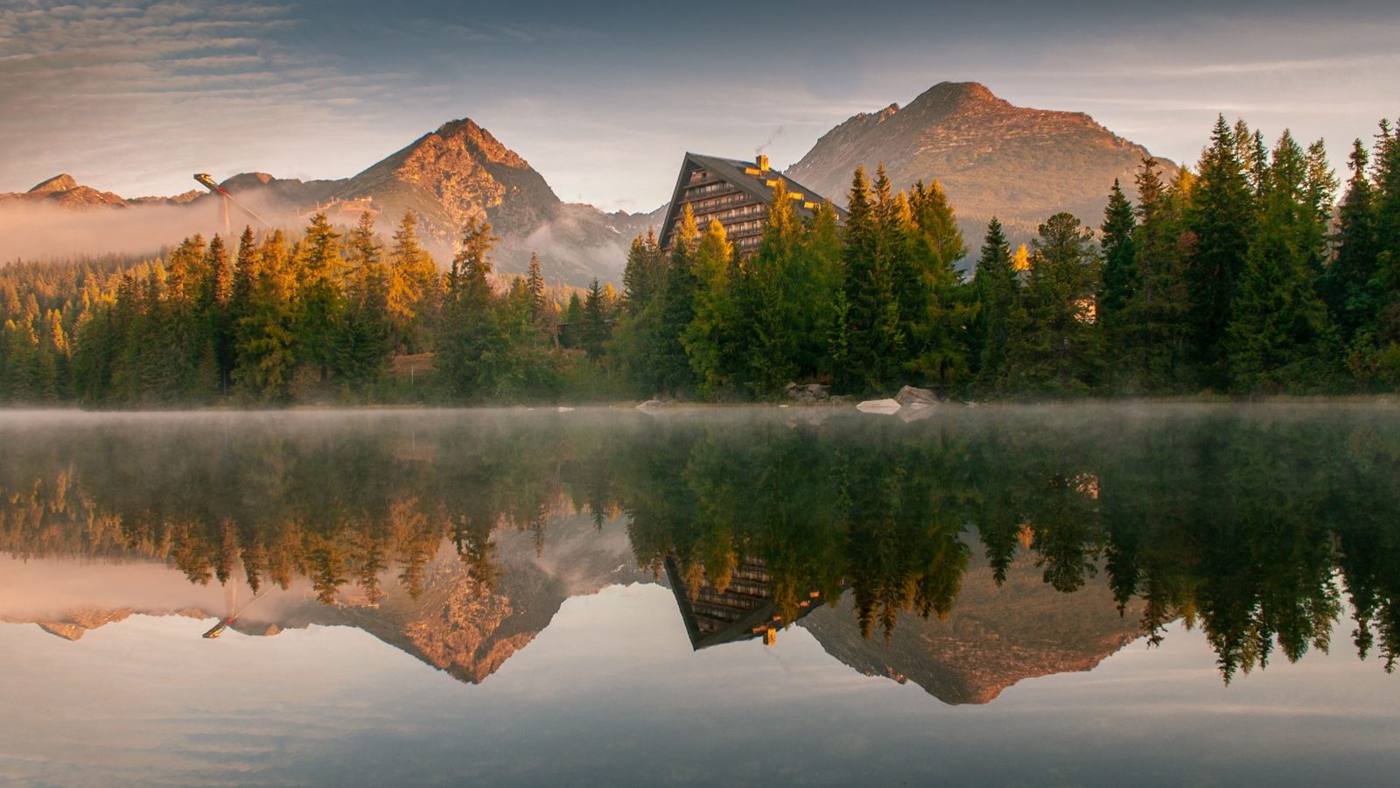
The High Tatras
Europe's smallest alpine range: glacial lakes, high mountain huts and Štrbské Pleso lake, based in Starý Smokovec.
- Poprad
- Štrbské Pleso
- Popradské pleso
- Starý Smokovec
- Skalnaté pleso
- Zelené pleso
Day by day
- Day 1
Poprad and the Tatra railway
This trip takes you into the High Tatras, the smallest range in Europe with a truly alpine look: granite walls, glacial lakes called pleso, mountain huts and spruce forests. Your base is Starý Smokovec, and each day you do a different walk using the electric railway, the funicular and the cable cars.
Before you go: Italian citizens can enter Slovakia with an electronic identity card or a passport, without a visa: the country is in the European Union and the Schengen area, and the currency is the euro. Other nationalities should check their own rules. Take insurance covering medical costs, repatriation and mountain rescue. According to the Tatra National Park administration, many trails above the tree line are closed from 1 November to 31 May: before every walk, check the park rules and map on tanap.sk. In an emergency, call 112.
Arrive in Poprad, the town at the foot of the mountains, by train or by plane. From the station, take the Tatra electric railway, a narrow gauge line that has linked the mountain resorts since the early twentieth century. In less than half an hour you climb through meadows and woods to Starý Smokovec, the oldest resort in the Tatras, with wooden villas and period hotels.
In the afternoon, take an easy walk in the woods around the village to get used to the mountain air.
Overnight in Starý Smokovec, for five nights.
Practical tip: buy your railway pass or tickets at the station or from the machines and validate them; trains run often but not all night.
- Day 2
Štrbské Pleso and Popradské pleso
Today you go to the highest resort in the Tatras and walk to one of the most beautiful lakes, with a visit to the symbolic cemetery of mountaineers.
By train you reach Štrbské Pleso, a village built around a large glacial lake, with the mountains reflected in the water. Walk around the lake on a flat path, then take the blue marked trail that climbs through the woods towards Popradské pleso. The climb is gentle and steady: in a little over an hour you reach the lake, enclosed by high walls, with a mountain hut on the shore.
From here a yellow marked path takes you in a few minutes to the symbolic cemetery, on the side of the mountain. It was created in the 1930s by a Czech painter, Otakar Štáfl, to remember the people who died in the Tatras and on the mountains of the world. Among the pines there are painted wooden crosses and plaques with names and dates: it is a quiet place, to be visited with respect.
In the afternoon, head back to the railway by walking down to the Popradské pleso stop, along a road through the woods.
In the evening, try kapustnica, sauerkraut soup with sausage and mushrooms.
Practical tip: brown bears live in the Tatras; walk on marked trails, never leave food lying around and make some noise in thick woodland.
- Day 3
Hrebienok, the waterfalls and Téryho chata
Today is the hardest day of the trip: from the waterfalls of the Studený potok stream you climb to a mountain hut at over two thousand metres.
From Starý Smokovec, take the funicular to Hrebienok, a terrace in the woods above the village. From here you walk on an easy path to the Studený potok waterfalls, a series of cascades among boulders and spruce trees. Then the path enters the Malá Studená dolina valley and starts to climb.
The valley is wooded at first, then it opens up more and more, with dwarf pines, small lakes and granite walls. The last section climbs on stone steps to Téryho chata, one of the highest huts in the Tatras, surrounded by small glacial lakes. Allow about three hours of climbing from Hrebienok, with a big height gain, and as long again for the descent and breaks. Sit outside and look at the peaks around you: you often see chamois on the rocks.
Return the same way and take the funicular back down to Starý Smokovec. Before you set off, check the time of the last run.
In the evening, rest your legs and have halušky, small potato dumplings with bryndza cheese, for dinner.
Practical tip: up high the weather changes quickly and summer storms often arrive in the afternoon; set off early, carry a waterproof jacket and turn back if the sky closes in.
- Day 4
Skalnaté pleso and Lomnický štít
Today you go up towards the peaks by cable car, with no effort, and if the weather is good you reach the summit of Lomnický štít, one of the highest in the Tatras.
Take the train to Tatranská Lomnica. From here the cable car cabins climb in stages to Skalnaté pleso, a small glacial lake below the rock walls. Take a short walk around the lake and look down on the Poprad valley.
From Skalnaté pleso a second, smaller cable car climbs to the summit of Lomnický štít, at 2,634 metres. At the top there is an observatory and a terrace, with a view over Slovakia and Poland on clear days. Time at the summit is limited and places are few: book your ticket in advance on the official cable car website. Check prices and times.
The summit is often in the clouds. Look at the webcams and the forecast the evening before and in the morning: if the weather is bad, postpone to another day or stop at Skalnaté pleso.
In the afternoon, if you feel like walking, go down on foot from Skalnaté pleso to the middle station, on a path among dwarf pines and meadows.
Practical tip: the summit is cold even in summer and the wind is strong; bring a light down jacket, gloves and a hat.
- Day 5
Zelené pleso, the green lake
Today you walk to Zelené pleso, the green lake, at the foot of the steepest walls of the eastern High Tatras.
From the Tatranská Lomnica and Tatranské Matliare area, take the trail that climbs along the Biela voda stream. The first part is in the woods, wide and even, then the valley opens up and you come across meadows, streams and granite boulders. In a little over two hours you reach the lake, with a steady climb and no difficult sections.
Zelené pleso is named after the colour of its water, which shifts between green and emerald depending on the light. Above the lake rise the vertical walls of Kežmarský štít and the nearby peaks, much loved by climbers. On the shore there is a mountain hut, where hikers stop for a break. Sit on the rocks, look at the walls and search for marmots among the stones.
Return by the same trail or, if you have the energy and the path is open, choose a loop with a guide or the park map.
In the evening, at your last dinner in the mountains, try trout from the streams or a dish of wild mushrooms.
Practical tip: carry enough water for the whole day, because there are streams along the trail but it is not wise to drink without filtering.
- Day 6
Back to Poprad and departure
Last day: a quiet morning in the mountains and then back to Poprad to leave.
If the weather is good, take a short walk in the woods of Starý Smokovec or go back up to Hrebienok on the funicular for a last look at the waterfalls. If it rains, visit the small national park museum in Tatranská Lomnica, with rooms on the nature, the animals and the history of the Tatras. Check prices and times.
Then take the electric railway back to Poprad. If you have time before your flight or train, walk around the square of Spišská Sobota, the old centre of Poprad, with its merchants' houses and Gothic church.
To sum up, in six days you have seen the High Tatras from below and from above: the electric railway, Štrbské Pleso and Popradské pleso with the symbolic cemetery, the Studený potok waterfalls and Téryho chata, the cable car to Skalnaté pleso and Lomnický štít, and Zelené pleso.
When to go: from late June to September, when the high trails are open and the huts are working. July and August are busier: set off early in the morning.
Practical tip: in the mountains pay by card where you can, but keep some cash for the huts and small expenses.
Real mountains at prices far below the Alps, with well-marked trails and huts open in summer. Many high trails are closed from 1 November to 15 June to protect nature. Tickets for Lomnický štít must be booked ahead and the summit is often in cloud.
Before you go
- Documents and visa
- EU citizens need a valid identity card or passport: Slovakia is in the EU and the Schengen area, so no visa is needed. Other nationalities should check the Schengen rules.
- Health and vaccines
- No vaccines required. EU citizens should bring their EHIC, which covers urgent care only: insurance with medical costs and repatriation is recommended, and for the high mountains also rescue cover. Woods have ticks that can carry encephalitis: ask your doctor about the vaccine. Emergencies: 112, ambulance 155, police 158, fire 150.
- Money and payments
- Euro. Cards and cash machines work almost everywhere. Motorways need an electronic vignette: buy it on the official eznamka.sk website. The drink driving limit is zero and dipped headlights must be on in daytime too, all year.
- Power sockets
- Type E, 230 volts: you need an adapter for British plugs.
- Time zone
- Central European Time (UTC+1, summer UTC+2), one hour ahead of the UK.
- Safety
- Generally calm. In Bratislava pickpocketing is rising on public transport and at tourist sites; cars are broken into in tourist areas and car parks. In nightclubs keep an eye on your drink, wallet and phone. In the High Tatras many high trails close in winter: check the park rules on tanap.sk. Official advice: GOV.UK.
Information checked in November 2026 for Italian and EU citizens. Rules change: always check before you travel.
Variations
In four days you can do Štrbské Pleso and Popradské pleso, the Studený potok waterfalls and the cable car to Skalnaté pleso.
With two more days, add the gorges of Slovak Paradise or the raft trip down the Dunajec in the Pieniny.
Frequently asked questions
Are the High Tatras suitable for people who are not fit?
Partly, yes: the railway, the funicular and the cable cars take you up with no effort, and the walk around Štrbské Pleso is easy. The climbs to the highest huts, however, need good legs.
When do the high trails close?
According to the park administration, many trails above the tree line are closed from 1 November to 31 May. Always check the latest rules on tanap.sk.
Are there bears?
Yes, brown bears live in the Tatras. Stay on marked trails, never leave food around and follow the park's instructions.
Indicative itinerary written by World Atlas. Before booking, check timetables, seasonal openings, documents and safety.
 5 daysEasy
Bratislava and the castles
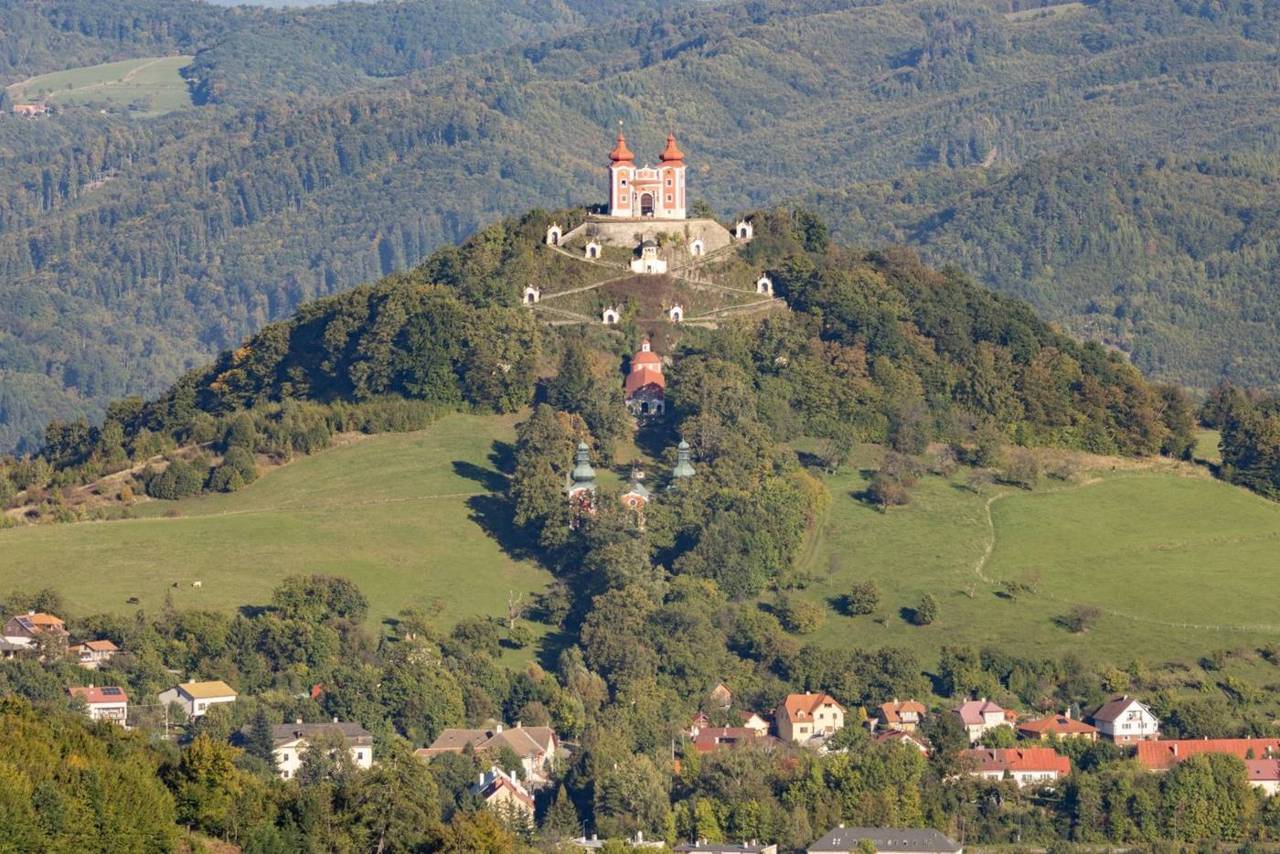
The capital on the Danube, Devín castle, the UNESCO mining town of Banská Štiavnica and Bojnice castle.
 5 daysModerate
Slovak Paradise and Spiš
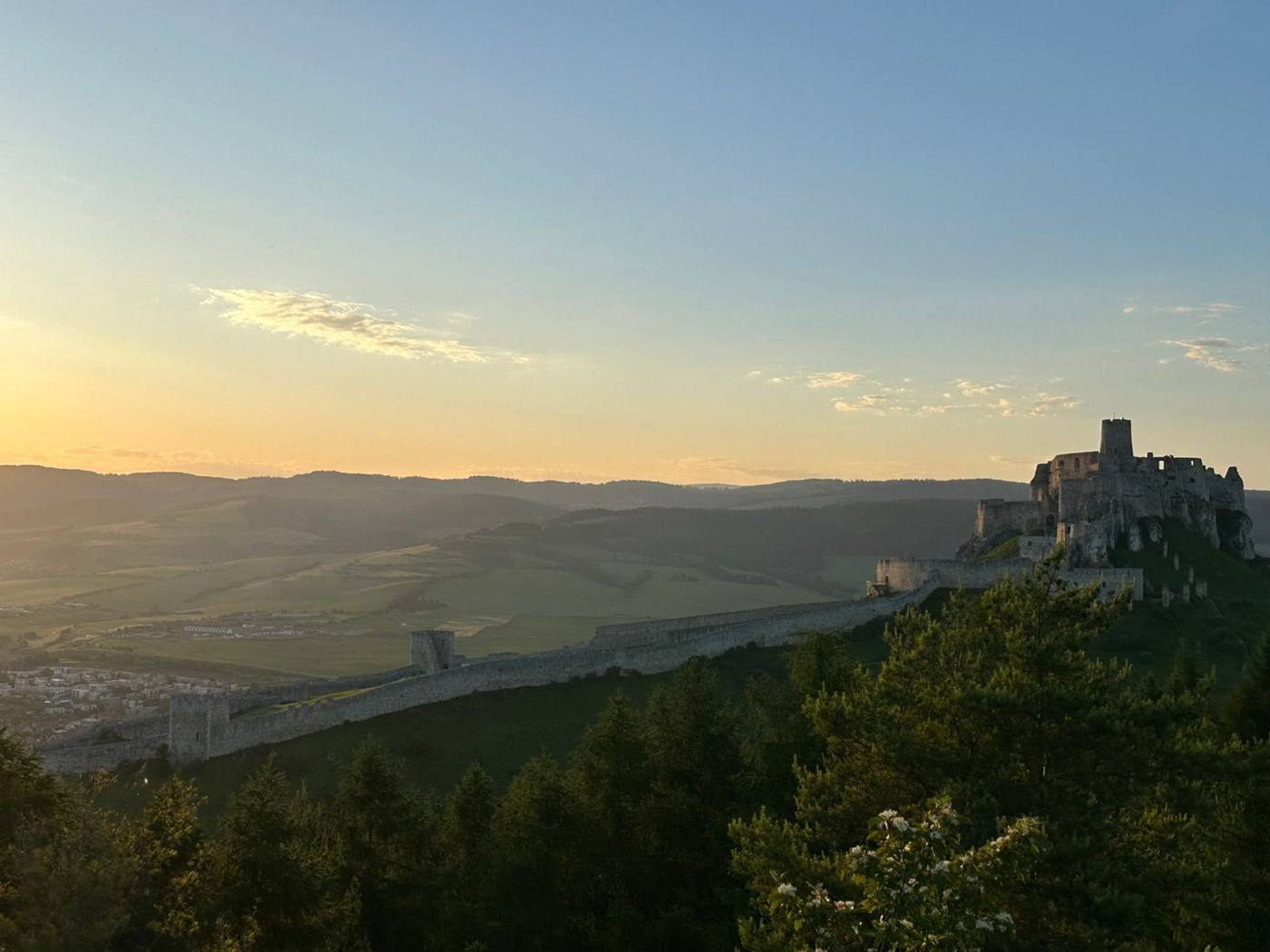
Gorges with metal ladders and walkways in Slovenský raj, Spiš Castle and the medieval town of Levoča.
 3 daysEasy
Banská Štiavnica
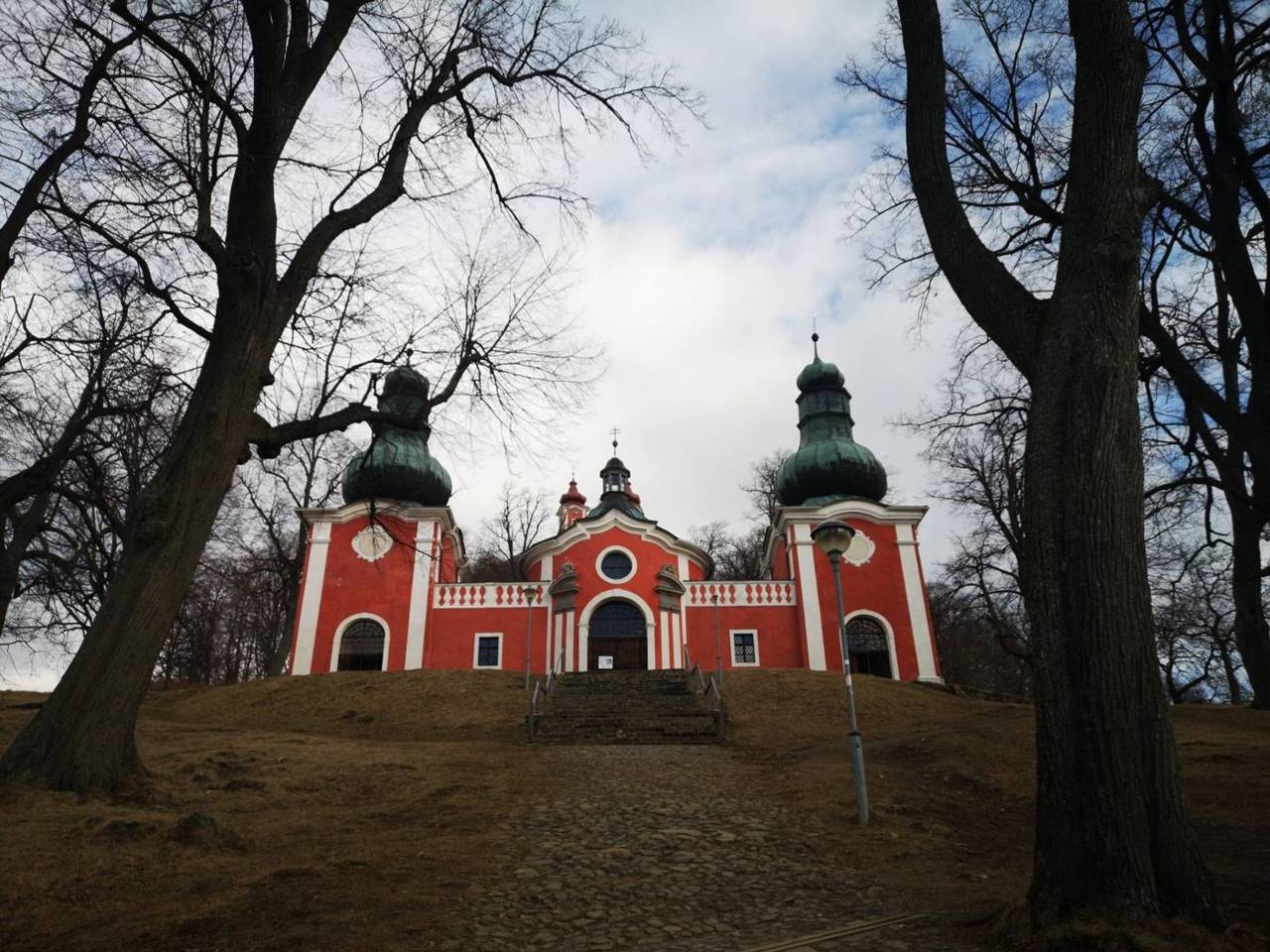
The old UNESCO mining town on the slopes of an extinct volcano: the Old and New Castles, the baroque Calvary, visitable mines and the artificial lakes called tajchy.