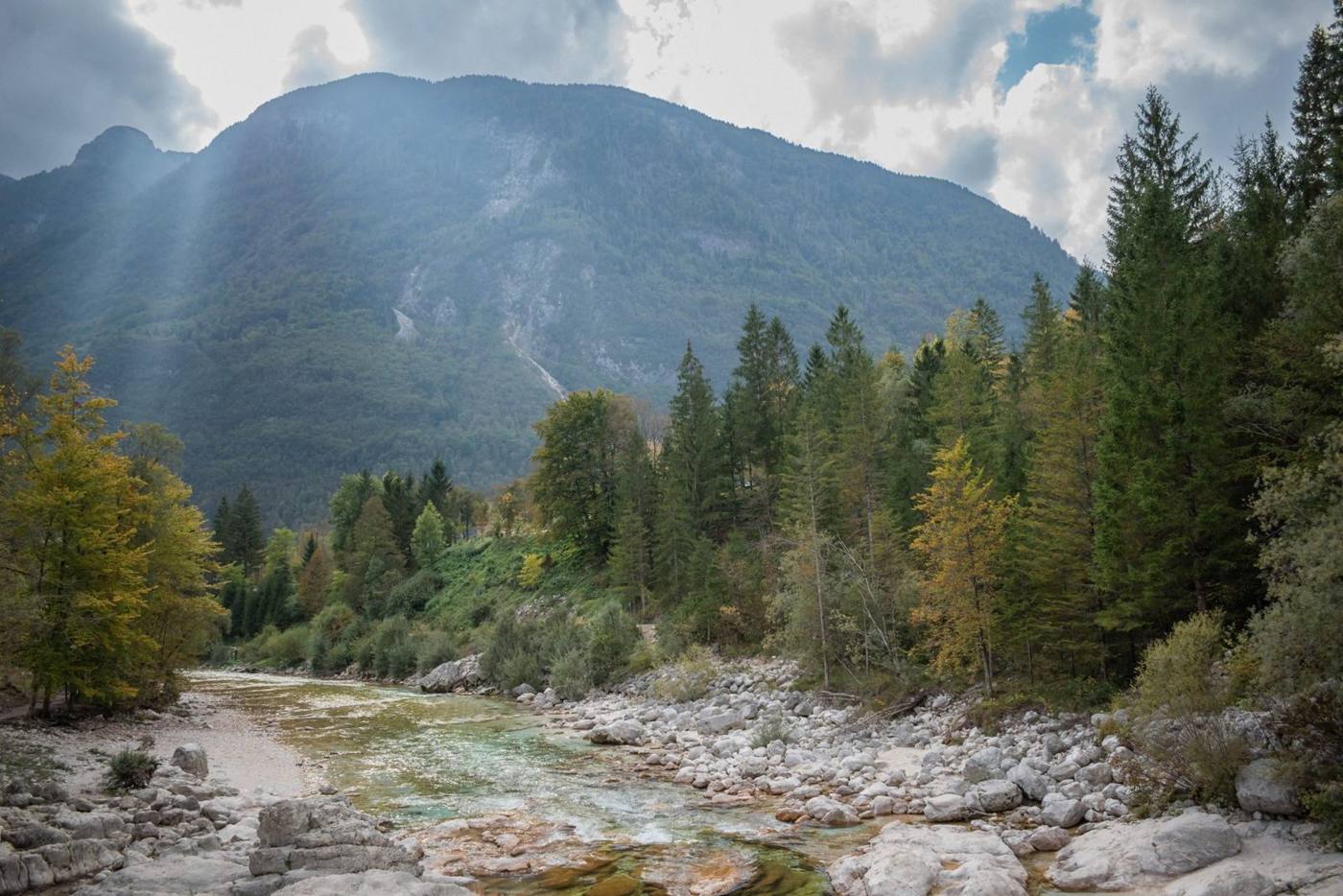
The Soča valley
The emerald river, rafting at Bovec, the Kozjak waterfall, the First World War museum at Kobarid and the Vršič Pass.
- Kranjska Gora
- Vršič
- Trenta
- Bovec
- Kobarid
- Tolmin
Day by day
- Day 1
Kranjska Gora, Planica and Lake Jasna
This trip follows the Soča valley, one of the most beautiful rivers in the Alps, with emerald green water. You start from Kranjska Gora, cross the Vršič pass, drop into the Trenta valley, then go rafting or canyoning in Bovec, visit the places of the Great War in Kobarid and the Tolmin gorges. You travel by car.
Before you leave: Slovenia is part of the European Union and the Schengen area and uses the euro. Italian citizens need a valid electronic identity card for travel abroad or a passport; the paper identity card has no longer been valid for travel abroad since 3 August 2026. There may be temporary checks at the borders, so always carry your document. Other nationalities should check their own rules. Motorways and expressways require an electronic vignette, which you buy on the official DARS website.
You arrive in Kranjska Gora, the most famous mountain village in Slovenia, half an hour from Tarvisio. In the afternoon walk up to Lake Jasna, just above the village, where the Vršič road starts to climb: two small blue lakes among the woods, with the statue of Zlatorog, the golden horned ibex of local legend, and the mountains reflected in the water.
If you have time, drive a few minutes to the Planica valley, famous for its giant ski jumping hills, at the foot of the Ponce walls. There are easy paths at the head of the valley.
In the evening dine on mountain dishes, such as barley soup or žganci.
Sleep in Kranjska Gora.
Practical tip: book accommodation along the Soča well ahead for July and August; it is simple and limited, and fills up early.
- Day 2
The Vršič pass and the source of the Soča
In the morning drive up to the Vršič pass, at 1,611 metres, the highest road pass in Slovenia. The road was built during the First World War by Russian prisoners and climbs through dozens of numbered hairpin bends. Stop at the Russian Chapel, a small wooden church in the woods dedicated to the prisoners killed by an avalanche in 1916.
From the pass, if the weather is fine, walk for half an hour on the path towards the nearest hut for the view of the walls of Prisojnik, where you can see the natural window carved through the rock.
Then drop down into the Trenta valley. After the hairpins stands the statue of Julius Kugy, the climber and writer who loved these valleys. A little further on a lane leads to the path to the source of the Soča: in about twenty minutes you climb to a cave in the rock from which the crystal clear water flows. The last section is steep and fitted with a cable.
In the afternoon visit the Juliana alpine botanical garden, with the plants of the Julian Alps, then walk a stretch of the Soča Trail, between suspension bridges and white gravel banks, to Velika korita, the great gorge where the river runs through a narrow channel.
In the evening you reach Bovec.
Sleep in Bovec, for two nights.
Practical tip: the Vršič is usually open from May to October; in snow or bad weather you go via Tarvisio and the Predil pass.
- Day 3
Bovec: rafting, canyoning and the Boka waterfall
Bovec is the water sports capital of Slovenia, in a green basin at the foot of Mount Kanin. This morning is devoted to the Soča.
Choose between rafting, in inflatable boats with a guide, down a stretch of the river's rapids, and canyoning, a descent on foot, swimming, jumping and sliding down natural chutes in the gorges of the side streams. You book with local outfitters in the village: they provide the wetsuit, helmet and buoyancy aid. The water of the Soča is icy, around ten degrees even in August, and the wetsuit is essential. For a calmer option there is kayaking or a simple walk along the river.
In the afternoon drive a few kilometres south to the Boka waterfall, one of the highest in Slovenia, with a drop of more than a hundred metres pouring out of a rock face above the valley. A steep path climbs to a viewpoint in about half an hour.
Then visit the Kluže fortress, north of Bovec, built above the narrow Koritnica gorge to guard the road to the Predil pass, and the scene of fighting during the Great War. Check prices and times.
In the evening dine in Bovec on Soča trout and krafi, the filled pastries of the valley.
Practical tip: rafting and canyoning depend on the water level and the weather; book for the morning and keep the afternoon open as a reserve.
- Day 4
Kobarid: the museum of the Great War and the Kozjak waterfall
Today follow the Soča south to Kobarid, Caporetto in Italian, half an hour from Bovec. This valley was the Isonzo front between 1915 and 1917, where the Italian and Austro-Hungarian armies fought twelve battles.
In the morning visit the Kobarid museum, which tells the story of the front and above all of the twelfth battle, the Austro-German offensive of October 1917 that forced the Italian army to retreat as far as the Piave. The museum uses letters, photographs, models and soldiers' belongings, without rhetoric and from everyone's point of view. It is one of the most moving war museums in Europe. Check prices and times.
Then walk the Kobarid historical trail, a loop of a few hours. You climb to the Italian ossuary, around the Church of St Anthony, with the names of thousands of fallen soldiers. The path then passes the remains of Italian trenches, crosses the Soča on the Napoleon Bridge, over a narrow gorge where the river is deep and green, and reaches the Kozjak waterfall, which falls inside a rocky cave, reached on wooden walkways.
In the afternoon, if it is hot, stop on the gravel banks of the Soča for a very short swim.
In the evening carry on to Tolmin.
Sleep in Tolmin or Kobarid.
Practical tip: for the Kozjak waterfall you need shoes with non slip soles; the walkways and stones are often wet.
- Day 5
The Tolmin gorges and departure
On the last morning visit the Tolmin gorges, just above the town, the lowest point of Triglav National Park. A loop path of about an hour descends to where the Tolminka and Zadlaščica streams meet, in deep, narrow gorges, with green, clear water between the rocks. Cross the Devil's Bridge, suspended high above the canyon, and look for the bear's head, a large boulder wedged between the walls that resembles an animal's snout. Check prices and times: the gorges are only open in the warm season.
If you have time, go up to the Church of the Holy Spirit at Javorca, a small wooden church built by Austro-Hungarian soldiers during the Great War, with the names of the fallen carved on wooden panels inside.
Then leave. From Tolmin you return to Italy through Kobarid and Cividale, or through Nova Gorica and Gorizia, in about an hour. Ljubljana is about an hour and a half away.
In five days you have seen the whole Soča valley: Lake Jasna and Planica, the Vršič pass, the source of the river in the Trenta valley, the gorges and suspension bridges, rafting in Bovec, the Boka waterfall, the museum and historical trail in Kobarid, and the Tolmin gorges. It is one of the most beautiful valleys in the Alps, perfect for water sports and walking.
When to go: from June to September, when the Vršič is open and the rafting season is running. July and August are the busiest months; June and September are quieter.
Practical tip: do not swim where the current is strong; even in places that look calm the Soča is cold and fast.
One of the most beautiful valleys in the Alps, perfect for water sports and walking. The Soča is icy even in August, around 10°C. The Kobarid museum tells the story of the Battle of Caporetto in a balanced and moving way. Lodging is simple and fills up in July and August.
Before you go
- Documents and visa
- EU citizens need a valid identity card or passport: Slovenia is in the EU and the Schengen area. A driving licence is not accepted as identification. There may be temporary checks and queues on the borders with Italy, Croatia and Hungary: always carry your document. Other nationalities should check the Schengen rules.
- Health and vaccines
- No vaccines required. Tick-borne encephalitis is present: if you hike in summer, ask your doctor about the vaccine. EU citizens should bring their EHIC, plus insurance covering mountain rescue. Emergencies and mountain rescue: 112, police 113.
- Money and payments
- Euro. Cards are accepted almost everywhere, but carry some cash for mountain huts and small taverns. Motorways and expressways require an electronic vignette from the official DARS website; fines without one are high.
- Power sockets
- Types C and F, 230 volts.
- Time zone
- Central European Time (UTC+1, summer UTC+2).
- Safety
- A calm country with no particular areas to avoid. Watch for pickpockets in central Ljubljana and at tourist sites. In the mountains the weather changes quickly and summer storms are dangerous on ridges. Many bears live in the forests of the inner Karst and Notranjska: avoid the woods at dawn, dusk and night. Wild camping is banned. Official advice: GOV.UK.
Information checked in November 2026 for Italian and EU citizens. Rules change: always check before you travel.
Variations
Short version: in three days see the Vršič, the Trenta valley and Bovec, returning via Tarvisio.
Long version: add two days for the lakes of Bled and Bohinj, crossing the Bohinj tunnel by train.
Frequently asked questions
Can I swim in the Soča?
Yes, but the water is around ten degrees even in summer and the current is strong. Swim only for a few minutes, close to the bank and where the water is calm.
Is rafting suitable for beginners?
Yes, many stretches are easy and the guides supply all the equipment. With high water, in spring, it is more demanding.
Is the Kobarid museum in Italian?
The explanations are in several languages, including Italian and English. The museum tells the story of the battle of Caporetto from the point of view of all the armies.
Indicative itinerary written by World Atlas. Before booking, check timetables, seasonal openings, documents and safety.
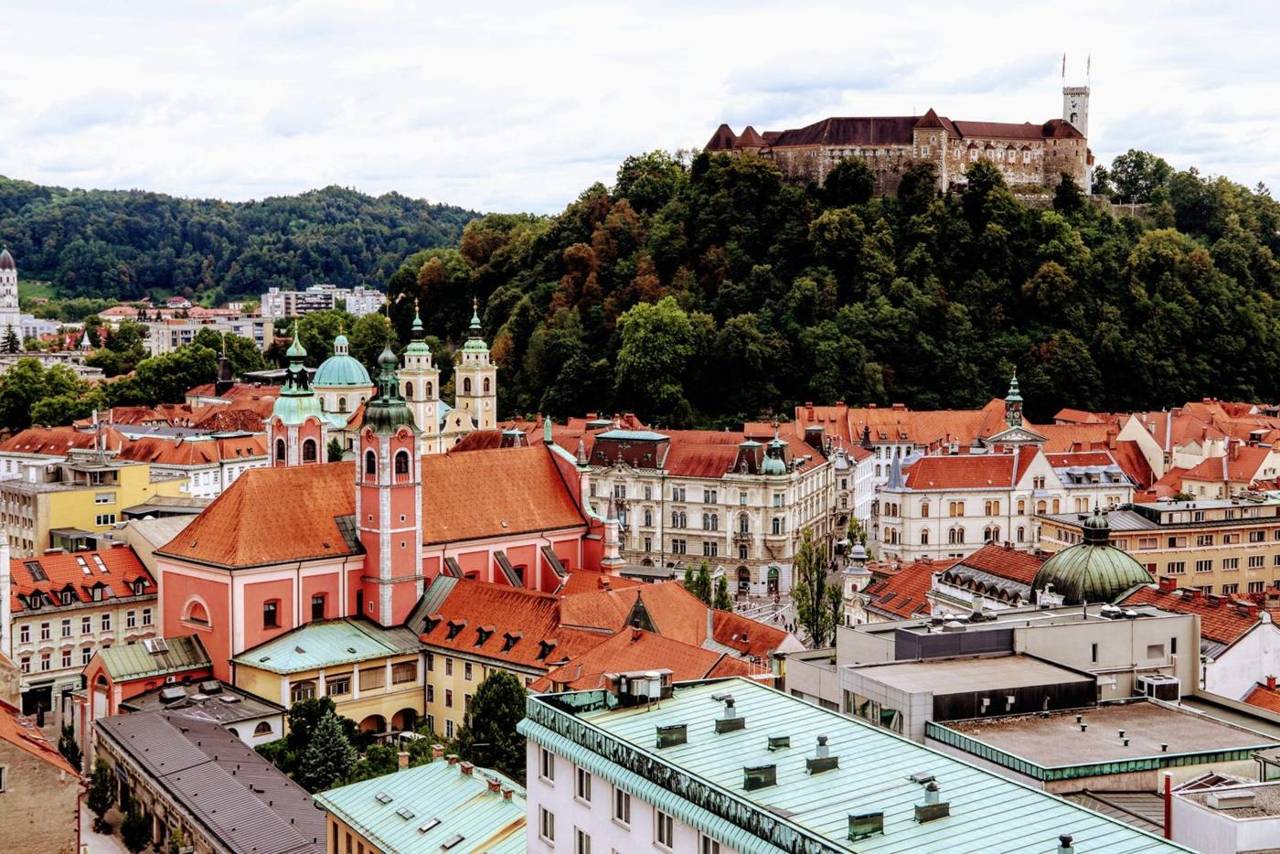 3 daysEasy
Ljubljana in a weekend
A small green capital: Plečnik's architecture, the castle, the central market, the Friday Odprta kuhna food market and the alternative culture of Metelkova.
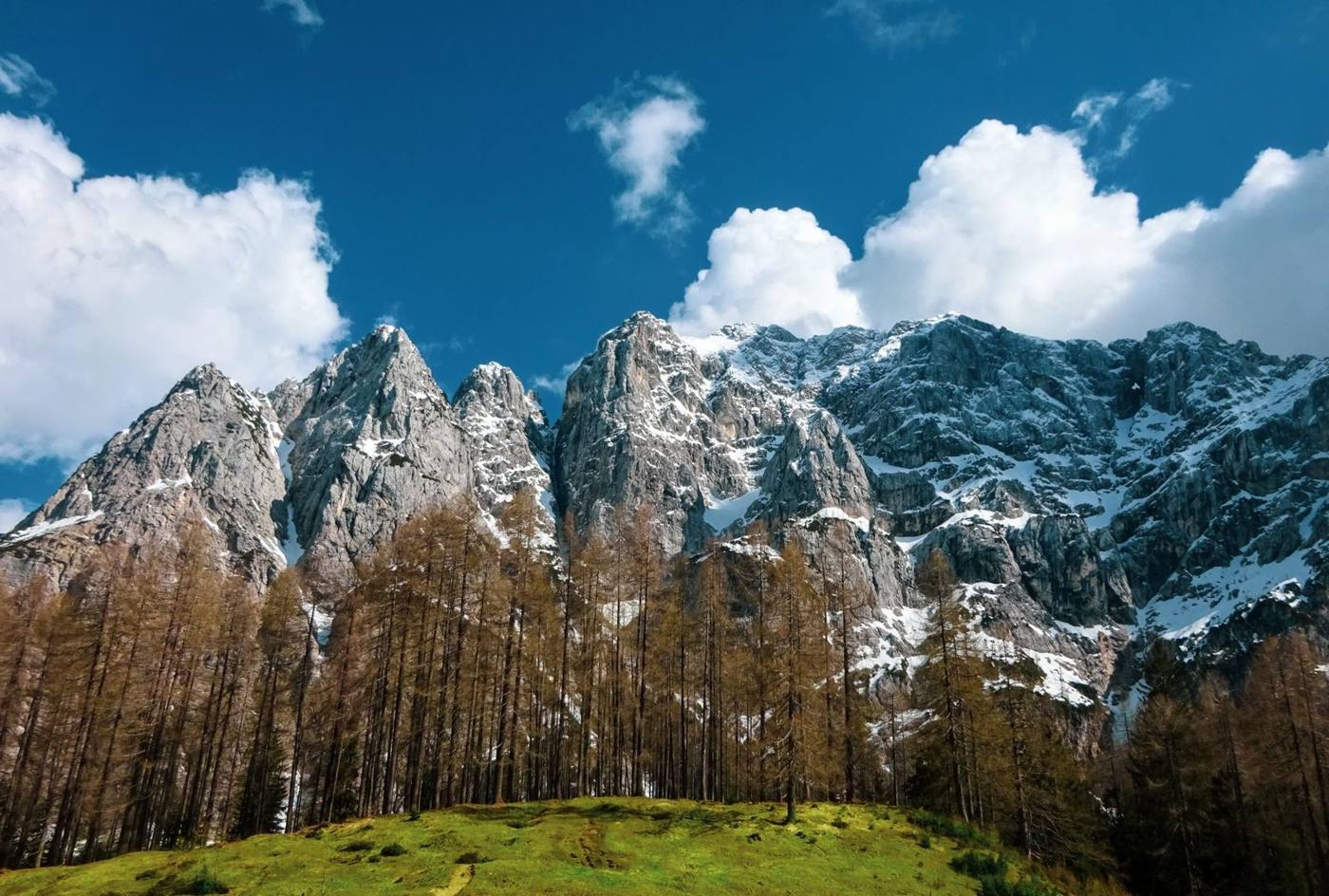 4 daysChallenging
Climbing Triglav
Slovenia's symbolic summit, 2,864 metres, via the Seven Triglav Lakes valley with nights in huts and a protected final ridge.
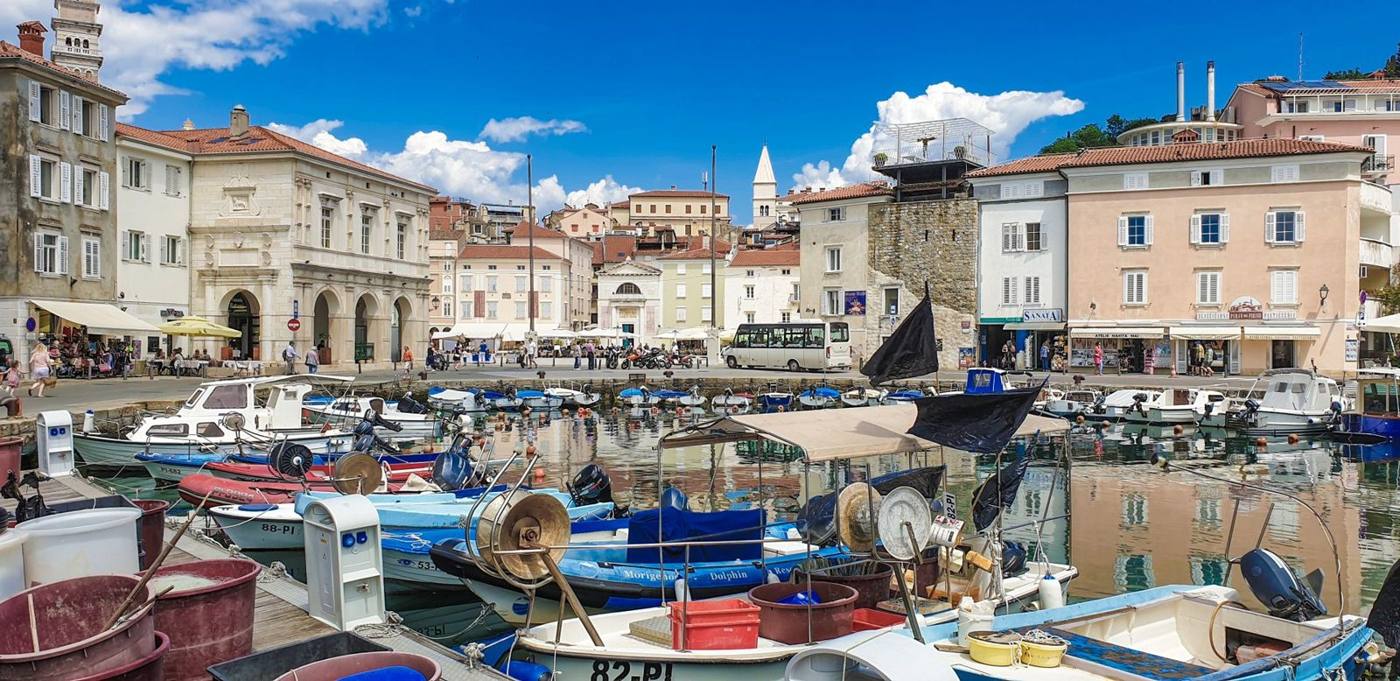 4 daysEasy
The coast and the Karst
Slovenia's 47 km of coast with Venetian Piran, Izola and Koper, the Sečovlje salt pans and the Teran wines and ham of the Karst.