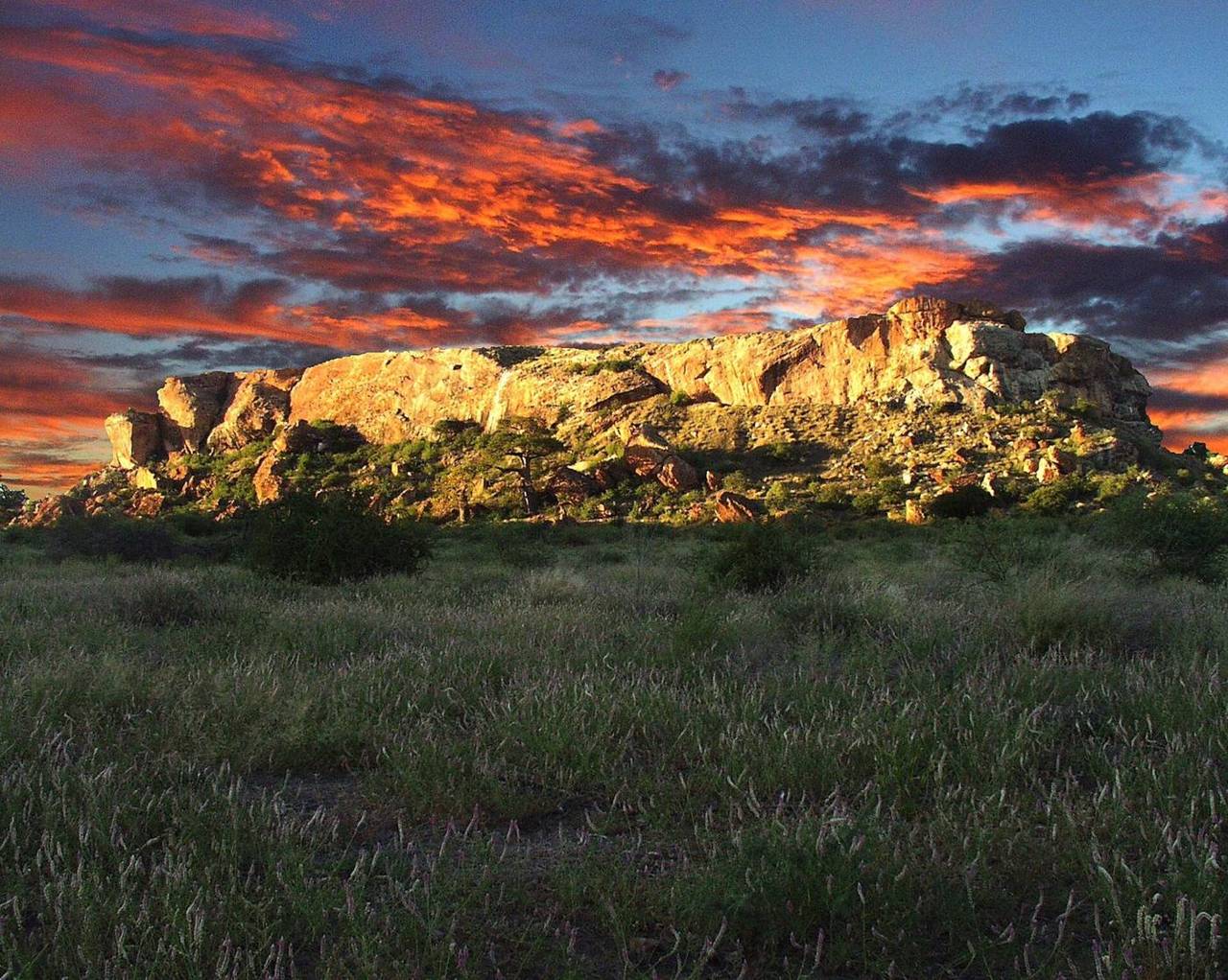
Limpopo: Mapungubwe and northern Kruger
The South Africa of baobabs: Mapungubwe, an Iron Age African kingdom and UNESCO World Heritage site at the confluence of the Limpopo and Shashe rivers, then northern Kruger, wilder and less visited than the south, with Punda Maria, the Luvuvhu river and Lanner Gorge.
- Polokwane
- Mapungubwe
- Musina
- Punda Maria
- Pafuri
- Shingwedzi
Day by day
- Day 1
From Johannesburg or Polokwane to Mapungubwe
This trip explores the far north of South Africa, in Limpopo province, away from the busiest areas: Mapungubwe National Park, where one of southern Africa's first kingdoms arose, and the northern part of Kruger National Park, with riverine forests, giant baobabs and some of the country's best birding. You drive yourself in a hire car.
Italian and most EU citizens do not need a visa for tourist stays of up to 90 days. Your passport must be valid for at least thirty days after departure and have at least two blank pages. The United States has South Africa at level 2.
You fly into Johannesburg and pick up a car. Alternatively, take a domestic flight to Polokwane, Limpopo's capital, which is closer. From Johannesburg to Mapungubwe is about six hours by road, from Polokwane about three.
The road heads north on the N1 motorway, crosses the Soutpansberg mountains via Louis Trichardt, and then drops into a hot, dry plain covered in bush and large baobabs, to the town of Musina, near the Zimbabwe border. From here continue west to Mapungubwe park.
Arrive in the afternoon, before sunset, and settle into one of the park's camps.
In the evening listen to the sounds of the African night under a sky full of stars.
Spend the night in Mapungubwe park.
Practical tip: do not drive at night in South Africa, both for safety and because of animals on the road. Northern Limpopo is a malaria area: ask your doctor before travelling.
- Day 2
Mapungubwe: the sacred hill and the golden rhino
Today discover Mapungubwe National Park, a UNESCO World Heritage Site, at the point where three countries meet, South Africa, Botswana and Zimbabwe, at the confluence of the Limpopo and Shashe rivers.
Between the tenth and thirteenth centuries the kingdom of Mapungubwe developed here, one of the first organised states in southern Africa, with a society divided into classes. The kingdom traded gold and ivory with Indian Ocean ports, and from there with Arabia, India and China. The king lived apart from the people, on top of a sandstone hill, Mapungubwe Hill.
In the 1930s royal graves were found on the hill with gold objects, including a small rhinoceros made of thin gold sheets, which became the symbol of the kingdom.
In the morning visit the park's interpretation centre, an award winning building made of local stone and brick, which tells the kingdom's story and displays archaeological finds and replicas of the gold objects.
Then take the guided tour of Mapungubwe Hill, climbing a wooden staircase to the top, where the king's houses stood.
In the afternoon go to the viewpoint over the confluence of the Limpopo and Shashe rivers, with wooden walkways above the bush, from which you see all three countries. At sunset elephants are often seen crossing the riverbed.
The park is also home to giraffes, antelopes, lions and leopards.
Spend the night in Mapungubwe park.
Practical tip: the hill can only be visited with a guide, at set times. Check the park's times and fees, and book.
- Day 3
Through baobab country to Punda Maria
Today cross northern Limpopo eastwards to the northern entrance of Kruger National Park, about four to five hours by road.
The road passes through Musina and then across a plain dotted with huge baobabs, the region's most characteristic trees. Some are more than a thousand years old, with trunks so wide that it takes many people to encircle them. Stop to photograph them along the road.
If you like, make a detour into the Soutpansberg mountains and the Venda region, home to a people with a culture rich in myths, linked especially to sacred forests and lakes. The area is known for its crafts: wood carvings, pottery and textiles.
In the afternoon you enter Kruger through Punda Maria gate, the northernmost. Kruger is one of Africa's largest parks, about 350 kilometres from north to south. The north is far less visited than the south: there are fewer cars, the landscapes are more varied and wild, but the animals are more spread out.
Punda Maria camp is small, with thatched huts built in the 1930s. Around the camp is a short trail where you see birds and small animals.
At sunset take a short drive along the nearby Mahonie Loop, where elephants, buffalo and antelopes are seen.
Spend the night at Punda Maria.
Practical tip: in Kruger, foreign adults pay a daily conservation fee of 692 rand. Gates and camps have fixed opening and closing times: keep to them, as driving after dark is not allowed.
- Day 4
Pafuri and the Luvuvhu River
Today go to Pafuri, the northernmost corner of Kruger, about an hour and a half from Punda Maria, on the Luvuvhu River, near the borders with Zimbabwe and Mozambique.
Pafuri is one of the most beautiful and distinctive parts of the park. Along the Luvuvhu grows a great riverine forest, with very tall trees, giant figs, mahogany and fever trees, with their green and yellow bark. It is considered one of the best birding spots in South Africa: you may see turacos, giant kingfishers, ground hornbills and many other rare birds.
In the morning drive slowly along the river road, stopping at viewpoints over the water. Hippos and crocodiles live in the river, and on the banks you see nyala, antelopes with striped coats, elephants, buffalo and monkeys.
At midday stop at the Pafuri picnic site, under the great trees by the river, with tables and toilets.
In the afternoon continue to Crooks' Corner, the confluence of the Luvuvhu and Limpopo rivers, where three countries meet. The name comes from the poachers, smugglers and outlaws who once hid here, slipping from one country to another to escape the police.
The area also has baobabs and rocky sandstone hills.
In the evening return to camp.
Spend the night at Punda Maria.
Practical tip: camps are far apart in this area: bring water and food and plan your timing carefully to return before the gates close.
- Day 5
A slow day in the north: birds and forests
Today stay in northern Kruger for a slower day devoted to watching animals and birds.
Early in the morning, as soon as the gates open, head out by car: it is the best time to see predators such as lions and leopards, which are more active in the cool.
Alternatively, join a guided activity run by the park, such as a dawn bush walk with armed rangers, which lets you discover animal tracks, plants and insects, or a game drive in an open vehicle. At the northern camps you can also book sunset and night drives, when you see animals not met by day, such as hyenas, servals, bushbabies and owls.
At midday rest at camp, when it is very hot and the animals stop in the shade.
In the afternoon return to the Luvuvhu River or stop at one of the hides and waterholes near camp, where animals come to drink. Sitting quietly for an hour, you see many species pass.
Northern Kruger is also rich in history: at Thulamela, above the Luvuvhu River, are the remains of a fifteenth century stone citadel linked to the Mapungubwe and Great Zimbabwe cultures. It can only be visited with a park guide.
Spend the night at Punda Maria or a nearby camp.
Practical tip: guided activities and visits to Thulamela must be booked at the camp. Check times and prices.
- Day 6
Shingwedzi and its elephants
Today drive south along Kruger's main road to Shingwedzi camp, about two hours without stops, but it is worth taking the whole morning.
The landscape changes: from the northern forest you move into a great plain covered in mopane, a low tree with butterfly shaped leaves, the elephants' favourite food. This part of Kruger is famous for its elephants, numerous and often with large tusks. In the past some of Africa's biggest tuskers lived here, known as the magnificent seven.
Shingwedzi camp stands on the bank of the river of the same name. In the afternoon drive the road along the Shingwedzi River, one of the finest in the north, with large trees, pools and animals coming to drink. Elephants, buffalo, kudu, waterbuck, lions and, with luck, leopards are often seen here.
Near the camp is Kanniedood Dam, a reservoir where hippos, crocodiles, herons and storks gather.
At sunset return to camp and watch the river from the terrace.
In the evening, in Kruger's camps, you can prepare a braai, the South African barbecue, on the outdoor grills in front of the accommodation. It is one of the country's best loved traditions.
Spend the night at Shingwedzi.
Practical tip: never get out of your car outside fenced areas and do not lean out of the window. Keep your distance from elephants, especially bulls in musth and females with calves.
- Day 7
Leaving Kruger and flying from Phalaborwa
On the last day drive south again to Phalaborwa gate, about three hours from Shingwedzi, through the area of Mopani and Letaba camps.
On the way stop at Letaba camp, on the river of the same name, home to the Elephant Hall, a small museum with the tusks of some of the largest elephants that lived in the park, including those of the magnificent seven, and information on elephant life.
The landscape around Letaba is made of open plains and bush, with large herds of zebra, wildebeest and impala. It is also a good area for lions.
Around midday you reach Phalaborwa gate, on the west side of the park. Phalaborwa is a mining town with a small airport offering flights to Johannesburg. Alternatively, you can drive back to Johannesburg in about six hours.
If you have a few hours before your flight, take a drive in the hills around the town, or stop to look at the great baobabs nearby.
From Johannesburg, at the end of the trip, you fly home or continue to Cape Town.
Practical tip: return the car checking any damage carefully with the agency. Kruger's gravel roads can damage cars: check your insurance conditions. Ask your doctor about antimalarial prophylaxis for the weeks after you return too.
For those who already know southern Kruger or want a quieter safari. Distances are long and park camps are simple. Northern Kruger is a malaria area: ask your doctor. The dry season is best for wildlife. The United States advises increased caution (level 2) because of crime: no driving at night, windows closed in cities, no valuables on show. Italians need no visa for up to 90 days.
Before you go
- Documents and visa
- Passport valid for at least 30 days beyond departure, with at least two completely blank pages; no visa for tourism up to 90 days. A return ticket is required.
- Health and vaccines
- No compulsory vaccines arriving from Europe; a yellow fever certificate is needed only if arriving from a risk country. Kruger and the north-east have seasonal malaria risk: ask your doctor before travelling. Emergencies: 10111 police, 10177 ambulance, 112 from mobiles.
- Money and payments
- South African rand. Cards work almost everywhere; keep some cash for tips and car guards.
- Power sockets
- Type M, plus C and N, 230 volts: you need an adapter for the large three round-pin plugs.
- Time zone
- UTC+2 all year: South Africa does not use daylight saving time.
- Safety
- The United States rates South Africa level 2 for crime. In cities avoid walking alone at night, leave nothing visible in the car and use ride-hailing apps after dark. Official advice: GOV.UK.
Information checked in November 2026 for Italian and EU citizens. Rules change: always check before you travel.
Variations
In 4 days: northern Kruger only, from Punda Maria to Pafuri and Shingwedzi.
In 10 days: continue to southern Kruger and the Panorama Route, with the Blyde River Canyon.
Frequently asked questions
When is the best time to go?
May to September, the dry season, with less vegetation, easier wildlife viewing and fewer mosquitoes.
Do I need a 4x4?
No. An ordinary car is enough for the main roads; for some gravel roads a higher car is better.
Is there malaria?
Yes, northern Limpopo and Kruger are malaria areas. Ask your doctor about prophylaxis before travelling.
Indicative itinerary written by World Atlas. Before booking, check timetables, seasonal openings, documents and safety.
 5 daysEasy
The Winelands in depth
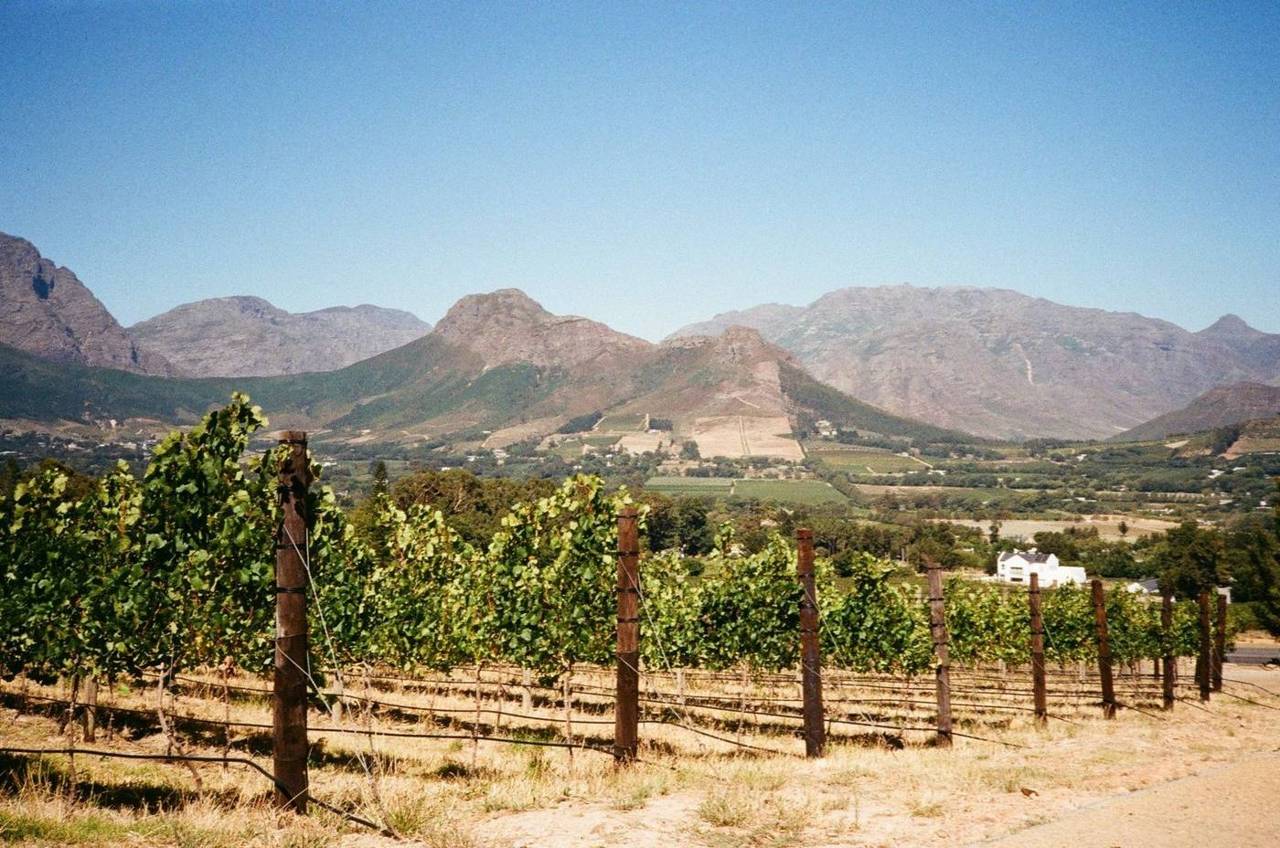
The Cape wine valleys among granite mountains: Stellenbosch with its Cape Dutch houses, Franschhoek and its wine tram, Paarl and the Tulbagh valley, with historic estates, some of the country's best cooking and trails through the vineyards.
 6 daysEasy
Route 62 and the Karoo
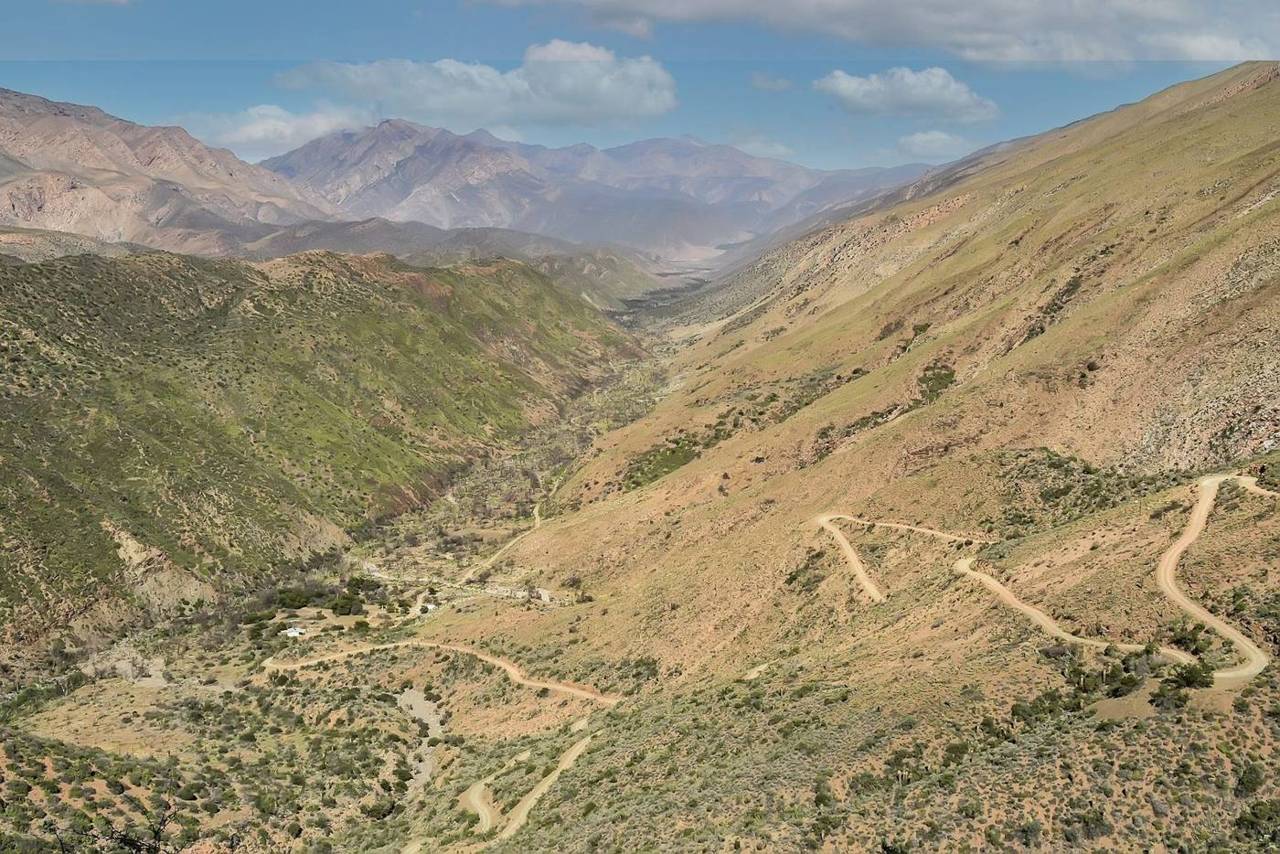
The inland road parallel to the Garden Route: the hot springs of Montagu, the towns of Barrydale and Calitzdorp, the historic gravel Swartberg Pass, the Karoo town of Prince Albert and the starry skies of the semi-desert.
 6 daysModerate
The Wild Coast
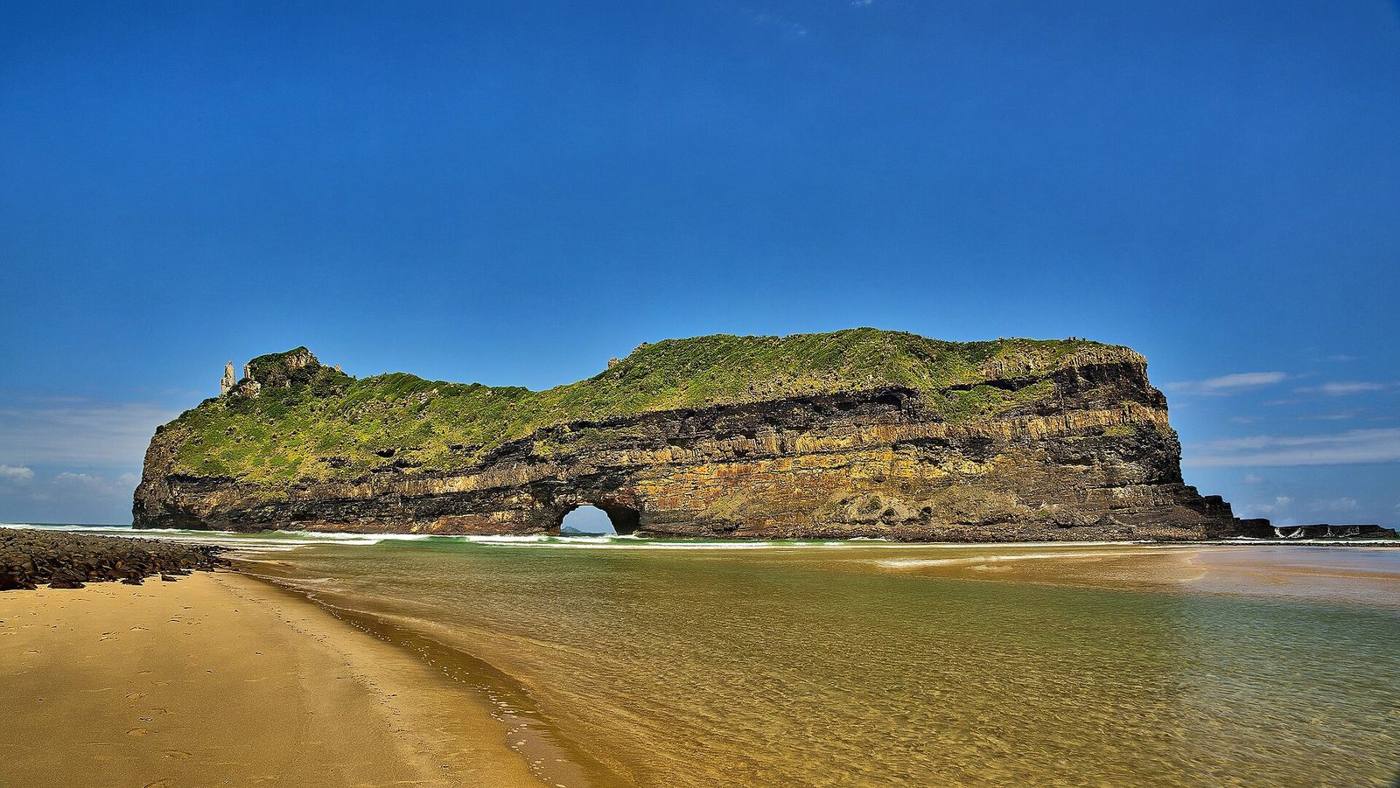
The wild coast of the Eastern Cape, Xhosa land and Nelson Mandela's homeland: green hills with round huts, the Hole in the Wall rock near Coffee Bay, cliffs, rivers flowing into the ocean and the Mandela museum at Qunu and Mthatha.