Busan and the south coast
Busan and its beaches, the harbour of Tongyeong with its cable car over the islands, the Namhae terraces and the port of Yeosu.
- Busan
- Tongyeong
- Namhae
- Yeosu
- Suncheon
Day by day
- Day 1
Busan: Haeundae and the coastal train
This trip follows the south coast of Korea, the most maritime and relaxed part of the country: Busan with its beaches and hillside districts, the port of Tongyeong with its cable car over the islands, the terraced rice fields of Namhae, Suncheon Bay and the port of Yeosu. You can travel by bus, but a car is faster.
Before you go: Italian citizens enter South Korea without a visa for up to 90 days with a passport; the electronic identity card is not enough. The temporary K-ETA exemption is confirmed until 31 December 2026: for trips from 2027, check k-eta.go.kr for any extension. Without an approved K-ETA, fill in the e-Arrival card online within 72 hours before arrival. Other nationalities should check their own rules. The country is very safe; from June to November follow typhoon warnings, as typhoons mostly hit the south coast.
You arrive in Busan, Korea's second city and its great port, by KTX train from Seoul, under three hours, or by plane.
In the afternoon go to Haeundae, the most famous beach in the country, with skyscrapers behind it. Walk to the islet of Dongbaekseom, with its path among camellias and pines on the rocks.
Then take the little train of Blueline Park, which runs along the cliffs between Mipo and Songjeong with sea views, or the small coloured capsules suspended above the track. Check prices and times and book in high season.
At sunset go to Gwangalli beach and watch the great Gwangan bridge light up.
Sleep in Busan for two nights.
Practical tip: in Busan the metro links the districts well. Use a T-money card, which also works on buses all over Korea.
- Day 2
Gamcheon, Jagalchi and Yeongdo
Today you discover the Busan of working-class districts and the port.
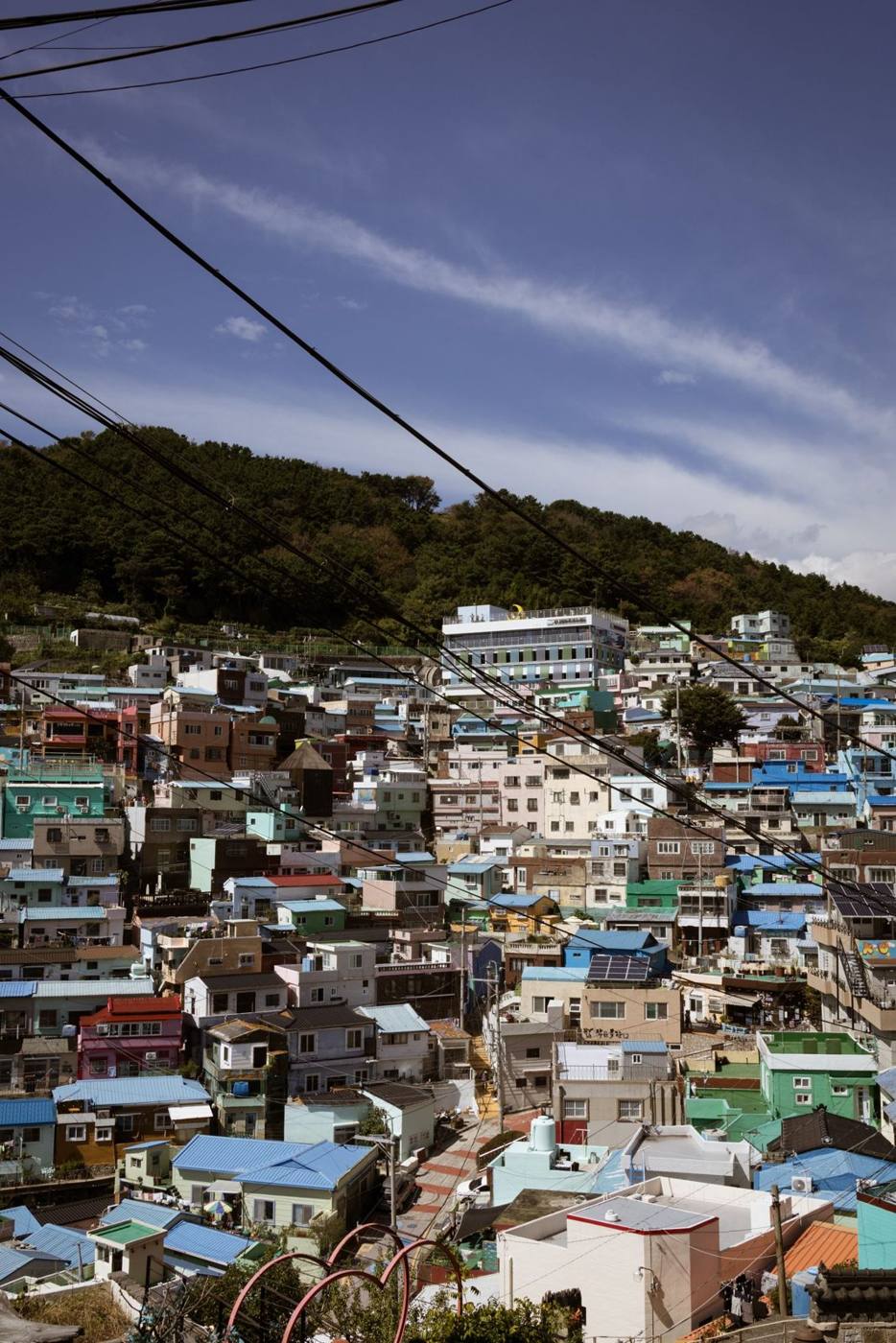
In the morning go up to Gamcheon Culture Village, on the hills west of the port. It began as a refugee district during the Korean War and is now a maze of colourful terraced houses, stairs, murals and small galleries. Follow the route map and remember that people live here: speak quietly.
Around midday go down to Jagalchi fish market, the largest in Korea, with stalls of live fish, octopus, crabs and shellfish. Upstairs you can have what you choose cooked for you. Try Korean raw fish, called hoe, or a spicy fish soup.
In the afternoon cross the bridge to Yeongdo island. Walk through Huinnyeoul village, with white houses on the cliff and a path above the sea, then go to Taejongdae park, with sheer cliffs, a lighthouse and views towards Japan on clear days. Check prices and times of the park's little train.
If you have time, visit Haedong Yonggungsa temple, built on the rocks by the sea east of the city, very beautiful at dawn.
In the evening return to the centre and try dwaeji gukbap, pork soup with rice, a typical Busan dish, or ssiat hotteok, a sweet pancake filled with seeds.
Sleep in Busan.
Practical tip: Gamcheon has many slopes and steps. Wear comfortable shoes and take the bus or a taxi to the upper part, then walk down towards the port. Go early in the morning to avoid the tour groups and the midday heat.
- Day 3
Tongyeong, the cable car and oysters
Today you reach the port of the islands.
In the morning take the bus from Busan to Tongyeong, about two hours, or drive along the coast. Tongyeong is a fishing town facing a sea full of islands, sometimes called the Naples of Korea.
Ride the cable car up Mount Mireuksan, one of the longest in the country. From the upper station a stepped path leads to the summit, from where you see dozens of green islands scattered across the Hallyeo sea. Check prices and times: in strong wind the cable car stops.
In the afternoon walk through Dongpirang village, on the hill above the port, with colourful murals and sea views. Then visit Sebyeonggwan, the great wooden hall of the Joseon naval command, linked to Admiral Yi Sun-sin, the hero who defeated the Japanese fleet in the sea off Hansan in 1592. Check prices and times.
At sunset stroll around Gangguan harbour, with its fishing boats and fish market.
In the evening eat oysters: Tongyeong produces a large share of Korea's oysters, at their best from October to March. Also try chungmu gimbap, small rice rolls with spicy squid and radish, created here for fishermen.
Sleep in Tongyeong.
Practical tip: if you have an extra day, take a ferry to one of the islands, such as Hansando, where Admiral Yi had his headquarters. Ferries leave from the harbour terminal several times a day, but check the timetable the evening before, as sailings change with the season and the weather.
- Day 4
Namhae: Darangee rice terraces and the German village
Today you explore Namhae island, green and quiet.
In the morning drive or take the bus from Tongyeong towards Namhae, about an hour and a half. The island is linked to the mainland by bridges, including the old Namhae suspension bridge, and has scenic roads above the sea.
Visit Darangee village, at Gacheon, with narrow curving rice terraces running down the slope to the cliff. There are more than a hundred terraces, still worked by hand because machines cannot reach them. Walk along the paths between the fields down to the sea.
In the afternoon go to the German village, with red-roofed houses in Bavarian style. It was built for Koreans who in the 1960s and 1970s had emigrated to Germany as miners and nurses and later returned home. A small museum tells their story. Check prices and times.
At sunset climb Mount Geumsan to Boriam hermitage, built on the rocks below the summit, with one of the finest views on the south coast: islands, bays and Sangju beach below you.
In the evening have island fish for dinner, or grilled anchovies, a Namhae speciality in spring.
Sleep in Namhae.
Practical tip: on Namhae buses are few and slow. If you do not have a car, hire a taxi for the day and agree the price before you set off. The roads are winding and narrow in places, so allow extra time between stops.
- Day 5
Suncheon Bay and evening in Yeosu
Today you visit a great wetland and a seaside city lit up at night.
In the morning leave Namhae and drive to Suncheon, about an hour and a half. Visit Suncheon Bay National Garden, a large park with themed gardens, lakes and landscaped hills, and walk along the river to the wetland.
The Suncheon Bay reserve is one of the most important coastal wetlands in Korea, with reed beds stretching for kilometres, mudflats and migratory birds, such as cranes in winter. It is part of the Korean tidal flats, called getbol, listed by UNESCO. Walk on the wooden boardwalks through the reeds, then climb to the Yongsan viewpoint, from where you see the curving channels in the marsh. Check prices and times.
In the afternoon continue to Yeosu, about forty minutes. Yeosu is a port city famous for its sea at night, with bridges and islands lit up.
At sunset ride the maritime cable car, which crosses the harbour to Dolsan island. Then walk along the seafront and watch the lights of Dolsan bridge. Check prices and times.
In the evening try gejang, raw crab marinated in soy sauce, and gat kimchi, the mustard leaf kimchi typical of Dolsan island.
Sleep in Yeosu.
Practical tip: in Suncheon the reeds are at their best between October and November, when they turn golden. At sunset the viewpoint is crowded: arrive at least an hour early, and bring a torch for the walk back.
- Day 6
Hyangiram and departure
Today you see sunrise over the sea and leave the south coast.
Before dawn drive to Hyangiram hermitage, at the southern tip of Dolsan island, about forty minutes from Yeosu. The hermitage is built among the rocks above the sea, with small halls and narrow passages between the boulders. It is one of the most famous places in Korea to watch the sun rise from the ocean.
Then return to Yeosu and, if you have time, walk on Odongdo island, linked to the city by a long breakwater, with its camellia wood that flowers between winter and early spring.
From Yeosu Expo station take the KTX train to Seoul, about three hours, or a domestic flight from Yeosu airport. You can also drive or take the bus back to Busan.
In these six days you have seen the south coast of Korea: the beaches of Busan, Gamcheon village and Jagalchi market, the cable car and oysters of Tongyeong, the Darangee rice terraces and the German village on Namhae, the reed beds of Suncheon Bay and the illuminated sea of Yeosu.
When to go: the best months are May and June, with calm seas and green hills, and September and October, with clear skies and the reeds of Suncheon. July and August are very hot and humid, Busan's beaches are packed and there is a risk of typhoons. Winter is mild compared with the rest of Korea and it is oyster season.
Practical tip: before leaving, buy a jar of Yeosu gat kimchi or some dried seafood. For flights, check whether vacuum-packed food can go in your luggage.
A relaxed seaside Korea little known to foreigners. The seafood is excellent everywhere. Without a car, bus transfers are possible but slow. July and August are very hot and humid, and Busan's beaches are packed.
Before you go
- Documents and visa
- Passport valid for the whole stay; you can enter without a visa for up to 90 days for tourism. British visitors are temporarily exempt from the K-ETA until 31 December 2026: for trips from 2027, check the official site k-eta.go.kr for any extension, otherwise apply for the K-ETA online at least 72 hours before boarding. Anyone without an approved K-ETA fills in the e-Arrival card on the official site e-arrivalcard.go.kr within 72 hours before arrival.
- Health and vaccines
- No compulsory vaccinations. Healthcare is excellent but expensive for foreigners: take insurance with high medical cover. Emergencies: police 112, ambulance and fire 119; English tourist line 1330.
- Money and payments
- South Korean won. Cards work almost everywhere, even for small amounts; for metro and buses buy a rechargeable T-money card. Keep some cash for markets.
- Power sockets
- Types C and F, 220 volts: you need an adapter for British plugs.
- Time zone
- UTC+9 all year, nine hours ahead of the UK in winter, eight in summer.
- Safety
- South Korea is a very safe country and the United States rates it level 1, the lowest. The UK does not advise against any area, but notes that tension with North Korea can change with little notice: near the DMZ follow the advice of the local authorities. Drug laws are very strict, even for small amounts. Typhoons are possible from June to November. Official advice: GOV.UK.
Information checked in November 2026 for Italian and EU citizens. Rules change: always check before you travel.
Variations
In 4 days: Busan and Tongyeong, returning to Busan, without Namhae and Yeosu.
In 8 days: add a day on Hansando or Geojedo island after Tongyeong and a day in Gyeongju before Busan.
Frequently asked questions
Can I do this trip without a car?
Yes. Buses link Busan, Tongyeong, Namhae, Suncheon and Yeosu, but they are slow and on Namhae services are few. A car saves time; you need your national licence and an international driving permit.
When can I eat oysters in Tongyeong?
The best season is October to March, when oysters are plumpest and tastiest. You find them raw, grilled, in soups and fried.
Are Busan's beaches good for swimming?
Yes, in summer Haeundae and Gwangalli have lifeguards, usually from June or July to the end of August. They are very crowded, though, and swimming is banned during typhoons.
Indicative itinerary written by World Atlas. Before booking, check timetables, seasonal openings, documents and safety.
 5 daysEasy
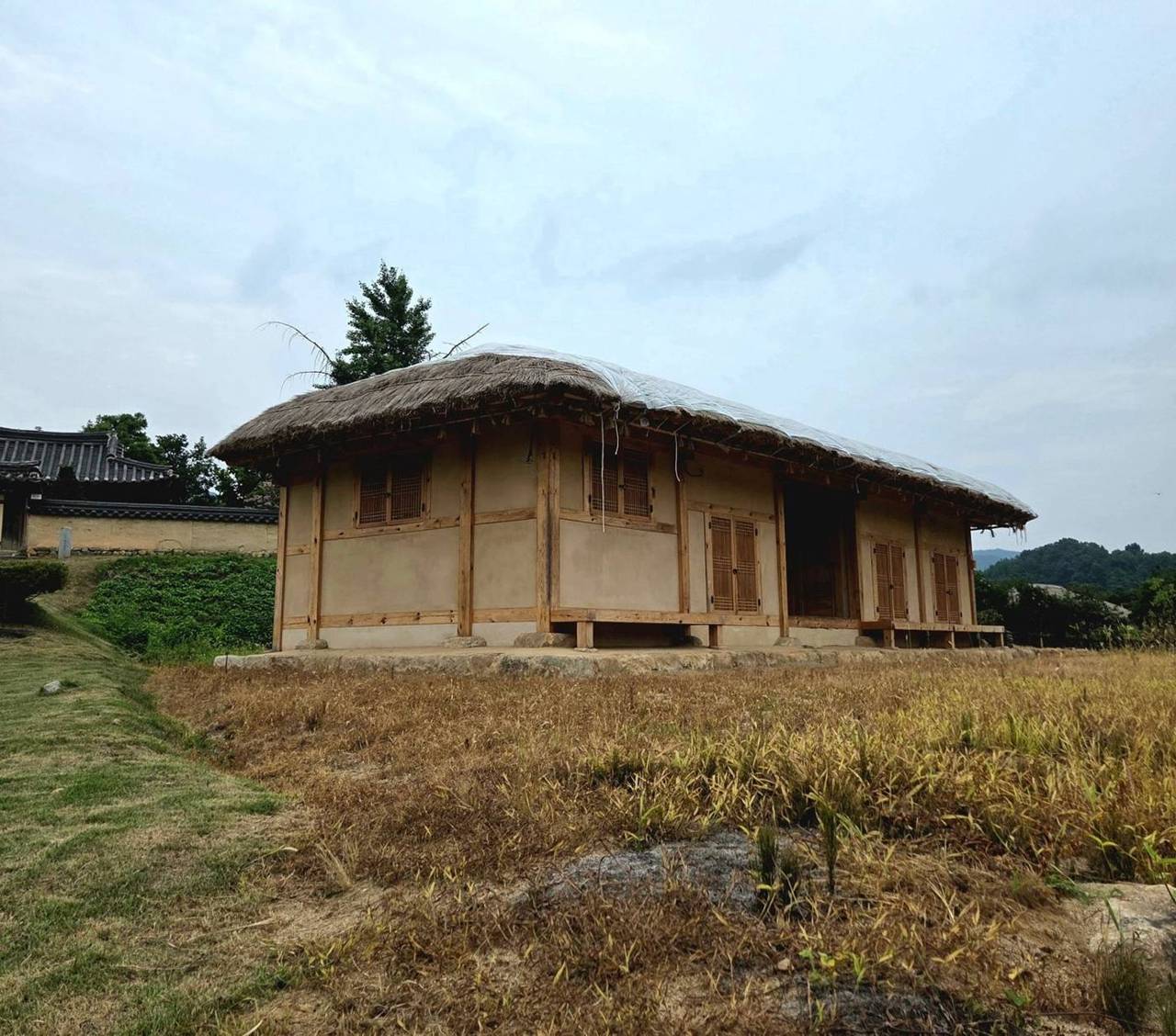
Andong and Confucian Korea
Hahoe village with its traditional masks, the Confucian academies of Dosan and Byeongsan, a night in a hanok house and Danyang on the river.
 6 daysEasy
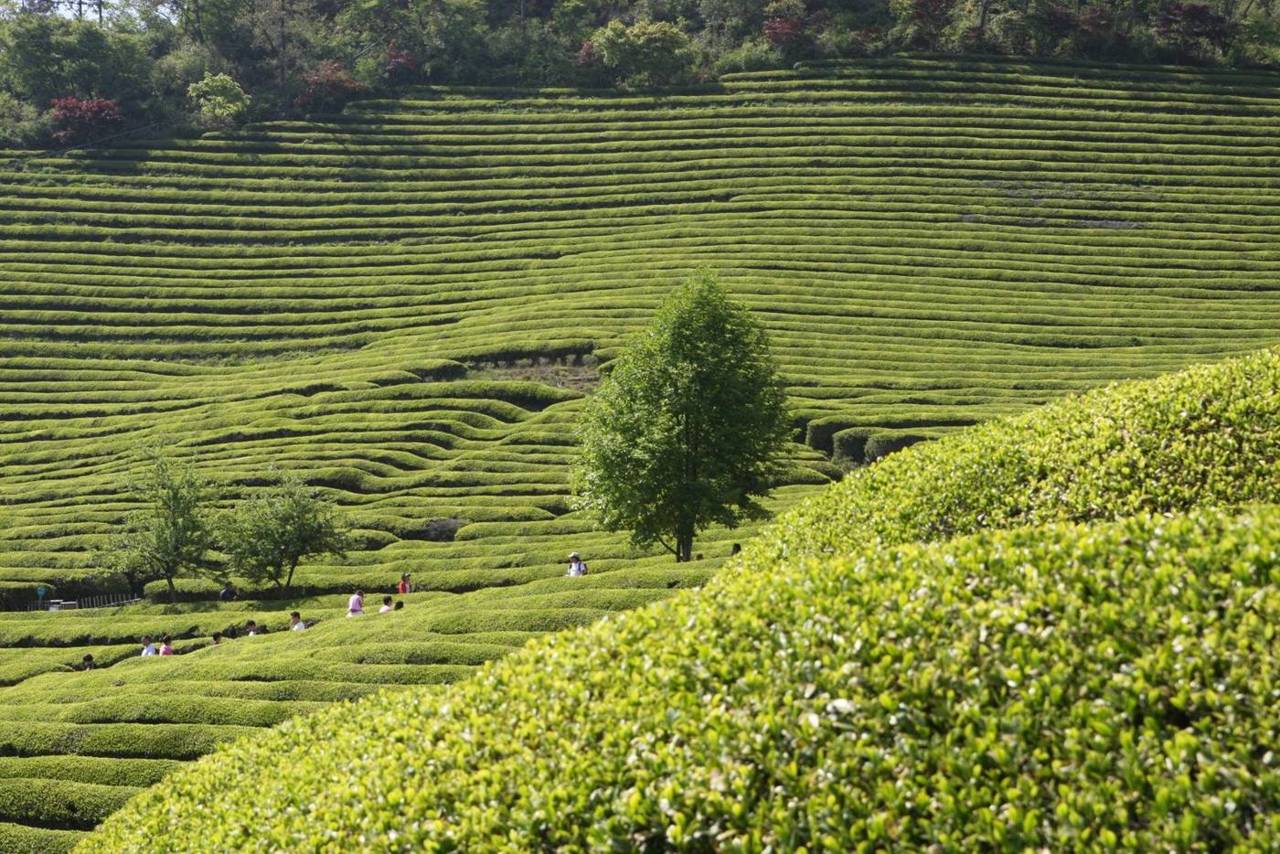
Jeolla: food and traditions
The heartland of Korean food: bibimbap and the hanok village of Jeonju, the bamboo forest of Damyang, the tea fields of Boseong and Suncheon Bay.
 7 daysChallenging
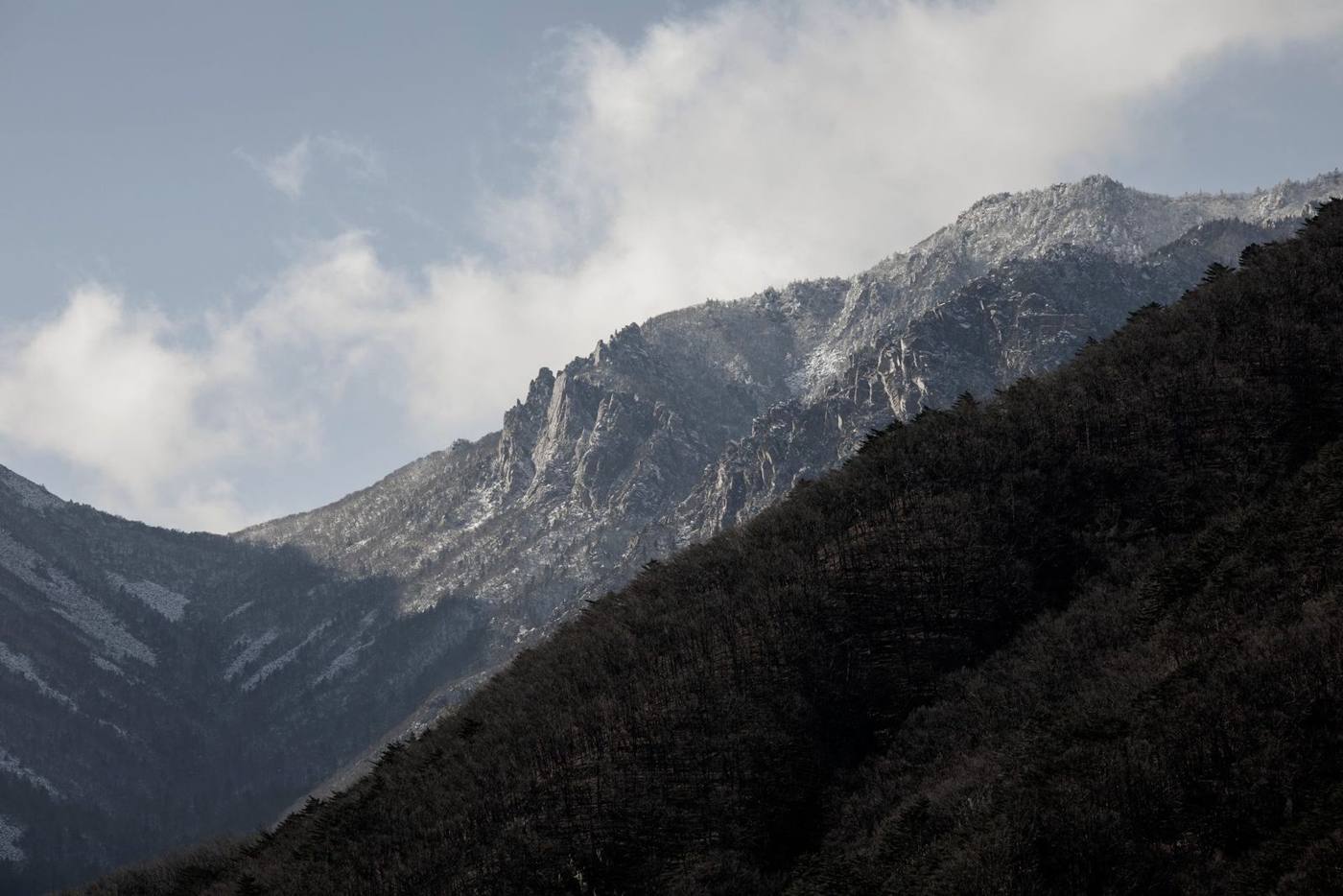
Trekking: Seoraksan and Jirisan
Koreans' two favourite mountains: the granite ridges of Seoraksan with Daecheongbong peak and the Jirisan traverse with a night in a refuge.