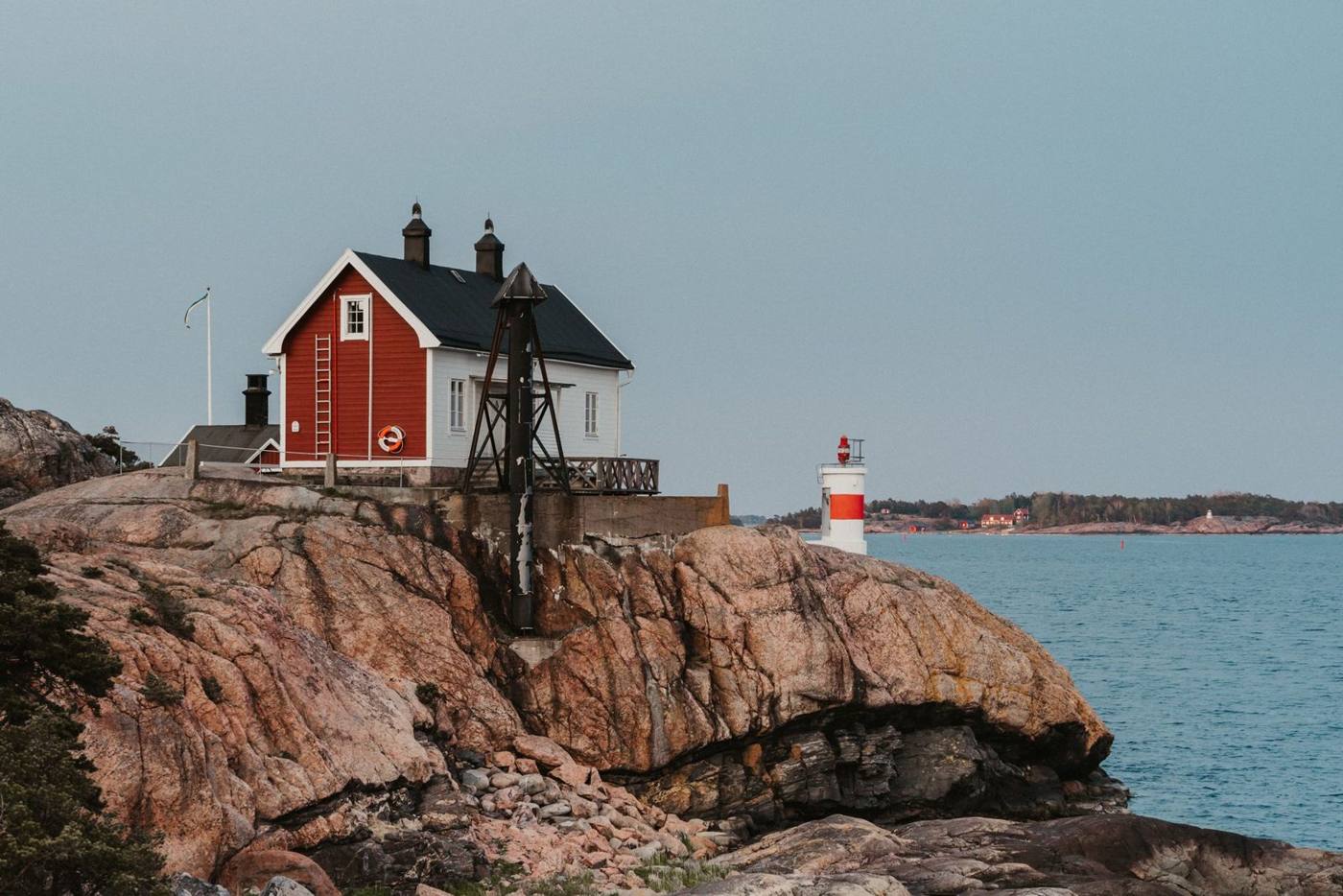
The High Coast
Höga Kusten, a UNESCO site where the land is still rising after the last Ice Age: Skuleskogen park with the Slåttdalsskrevan gorge, Ulvön island and the coastal trail.
- Härnösand
- High Coast Bridge
- Skuleberget
- Skuleskogen
- Ulvön
Day by day
- Day 1
The High Coast Bridge and the Skuleberget viewpoint
This trip takes you to the High Coast, Höga Kusten in Swedish, on the Gulf of Bothnia, in north-east Sweden. You start in Härnösand, cross the great High Coast Bridge, climb Skuleberget, walk in Skuleskogen National Park, visit the island of Ulvön and paddle among the islands.
Before you go: Italian citizens can enter Sweden with a valid electronic identity card or passport, without a visa. Other nationalities should check their own rules. Sweden has reintroduced border checks: keep your document with you. You pay almost only by card, even in the smallest villages. The woods have ticks and, in summer, plenty of mosquitoes: bring repellent.
The High Coast is a UNESCO World Heritage Site because the land here is still rising after the last ice age, when a huge sheet of ice pressed it down. It still rises by about eight millimetres a year, and ancient beaches now lie on the tops of the hills.
From Härnösand, drive north and cross the High Coast Bridge, a great suspension bridge opened in 1997 over the mouth of the Ångermanälven river. Stop at the viewpoint north of the bridge for the view over the river and the hills.
Continue to Skuleberget, a red granite mountain just under three hundred metres high. At its foot is the visitor centre, which explains the land uplift. Climb one of the paths: at about 286 metres there is the mark of the ancient shoreline, the highest in the world. From the top you see the sea, the islands and the forests.
Practical tip: hire a car, because public transport on the coast is limited; set off with a full tank, because petrol stations are far apart.
- Day 2
Skuleskogen and the Slåttdalsskrevan gorge
Today you walk in Skuleskogen National Park, the heart of the High Coast. It is a park of old spruce forests, granite hills, small lakes and pebble beaches, with well-marked trails and small open shelters for breaks.
Enter from the southern entrance, which has a car park and route information. The trail climbs through the forest to Slåttdalsskrevan, the park's most famous sight. It is a narrow, straight gorge cutting through the mountain, with vertical walls tens of metres high. Walking along its floor, among boulders and moss, is a strange and silent experience.
After the gorge, climb to the top of Slåttdalsberget, where you see the sea dotted with islands and the whole park. Then head down to the lake of Tärnättvattnet, with dark, calm water, perfect for a break.
Along the trails you will also see fields of round pebbles, ancient beaches now in the middle of the forest, left by the sea as the land rose. They are the clearest proof of how this coast is changing.
The full loop takes a few hours and has steep climbs and descents over rock. With hiking boots it presents no technical difficulty.
In the evening, if you still have energy, stop at one of the small harbours on the coast to see the sunset over the Gulf of Bothnia, which in June comes close to midnight.
Practical tip: bring water and food, because there are no shops in the park; light fires only at the marked places and check whether there are bans because of fire risk.
- Day 3
Ulvön and fermented herring, for the brave
Today you take a boat to Ulvön, an island off the coast. In summer boats leave from Köpmanholmen and other harbours in the area: check the times, because sailings are few.
Ulvöhamn is a fishing village of red, yellow and white wooden houses lined along a narrow harbour. For centuries it was an important port for Baltic herring fishing. Walk along the main street, between boathouses, homes and small jetties.
Visit the fishermen's chapel, a small seventeenth-century wooden church with painted walls. Then follow one of the paths on the island, through woods and rocks, to the viewpoints over the open sea.
Ulvön is famous for surströmming, fermented Baltic herring in a tin. It has an extremely strong smell, which many find unbearable, and is eaten outdoors with soft barley bread, potatoes, onion and sour cream. If you want to try it, look for tastings in the village, especially in August, when the season starts. If you do not dare, try pickled or smoked herring, which is much milder.
In the afternoon, return to the mainland on the last boat. In the evening you can stroll around Docksta or Köpmanholmen, small seaside villages at the foot of the hills.
Practical tip: never open a tin of surströmming indoors, because the gas and smell spread through the whole room; open it outside, ideally in a bucket of water.
- Day 4
Kayaking among the islands
Today you explore the High Coast from the sea, by kayak. The archipelago has hundreds of islands and islets of red granite, sheltered bays and pebble beaches. You can hire a kayak in one of the coastal harbours, such as Norrfällsviken or Barsta, or join a guided day trip.
With a calm sea you will paddle along smooth cliffs and forests that run down to the water. From here you understand the geography of the coast better: high hills that seem to drop into the sea, and no road along the shore.
Halfway through the day, stop on an island for a break and a swim. The water of the Gulf of Bothnia is only slightly salty and cool even in summer, but it warms up a little in the shallow bays. Under the right of public access you can land and rest on the islands, away from houses, while respecting nesting birds.
If the sea is rough, skip the kayak and take the boat to the island of Trysunda, with a small fishing village and paths among the rocks.
In the evening, return to land and have dinner with the dishes of Norrland, such as lake fish, salmon, elk or reindeer, with northern berries.
Practical tip: even in summer, wear a life jacket and quick-drying clothes; the weather on the gulf changes quickly, so stay close to the coast and check the wind before you set off.
- Day 5
Departure
On the last day you head back south. If you have time, stop at Nordingrå, a village among hills and lakes with a medieval stone church, or at Mjällomslandet, with wide views over the bays. To get home you can use the railway through Kramfors and Örnsköldsvik, or flights from the small local airport.
If you leave from Härnösand, visit the old centre and the Murberget open-air museum, with farmhouses and wooden churches brought here from all over the region. Check prices and times.
In these five days you have seen the High Coast Bridge, the Skuleberget mountain and the highest shoreline in the world, the Slåttdalsskrevan gorge and the forests of Skuleskogen, the fishing village of Ulvön with its surströmming and the archipelago by kayak.
When to go: from June to September. In June and July the days are very long and almost without darkness, with the most pleasant warmth for walking and paddling, but many mosquitoes in the woods. In August the surströmming season begins. September brings autumn colours and fewer insects, but boats and many services cut their hours. Out of season the coast is very quiet and some trails are covered in snow.
Practical tip: keep a spare day in your plan; with rain or strong wind you can move the kayak trip or the hike, because the weather on the gulf changes often.
Grand nature with hardly any foreign tourists. You need a car and a few days for walking. The land is still rising by about eight millimetres a year.
Before you go
- Documents and visa
- EU citizens need a valid identity card or passport: Sweden is in the EU and the Schengen area. Sweden has reintroduced border checks, so carry your document on trains and ferries too. Other nationalities should check the Schengen rules and the Entry/Exit System.
- Health and vaccines
- Excellent healthcare. EU citizens should bring their EHIC, plus insurance covering medical costs and repatriation. In summer, meadows and woods may have ticks that carry Lyme disease and tick-borne encephalitis, especially around Stockholm, the archipelago and Lake Mälaren: ask your doctor about the vaccine. In summer in the north, bring mosquito repellent. Emergencies: 112.
- Money and payments
- Swedish krona. Cards are accepted almost everywhere, even for tiny amounts, and many shops, buses and public toilets do not take cash. Sweden is expensive, especially in the cities and the mountains.
- Power sockets
- Types C and F, 230 volts.
- Time zone
- Central European Time (UTC+1, summer UTC+2).
- Safety
- The national terrorism threat level is raised. Some suburbs of Stockholm, Malmö and Gothenburg are affected by organised crime; in Stockholm theft is common in bars and on public transport. Bags may be banned at large concerts, festivals and sports events. The drink-drive limit is very low and headlights must be on during the day. Official advice: GOV.UK.
Information checked in November 2026 for Italian and EU citizens. Rules change: always check before you travel.
Variations
In 3 days: the bridge, Skuleberget and Skuleskogen.
In 8 days: walk the High Coast Trail in stages, about 130 kilometres long, from hut to hut.
Frequently asked questions
Do I need a car?
Yes, it is almost essential. Buses are few and do not reach the park entrances or the boat harbours. Distances are short, but the roads are narrow and winding.
How hard is Skuleskogen?
The trails are well marked, but with steep climbs over rock and roots. The loop through the gorge and over the summit takes a few hours and reasonable fitness. No technical skills are needed.
What is surströmming?
It is Baltic herring fermented and preserved in a tin, with a very strong smell. It is eaten with soft bread, potatoes and onion. The traditional season starts in August.
Indicative itinerary written by World Atlas. Before booking, check timetables, seasonal openings, documents and safety.
 5 daysEasy
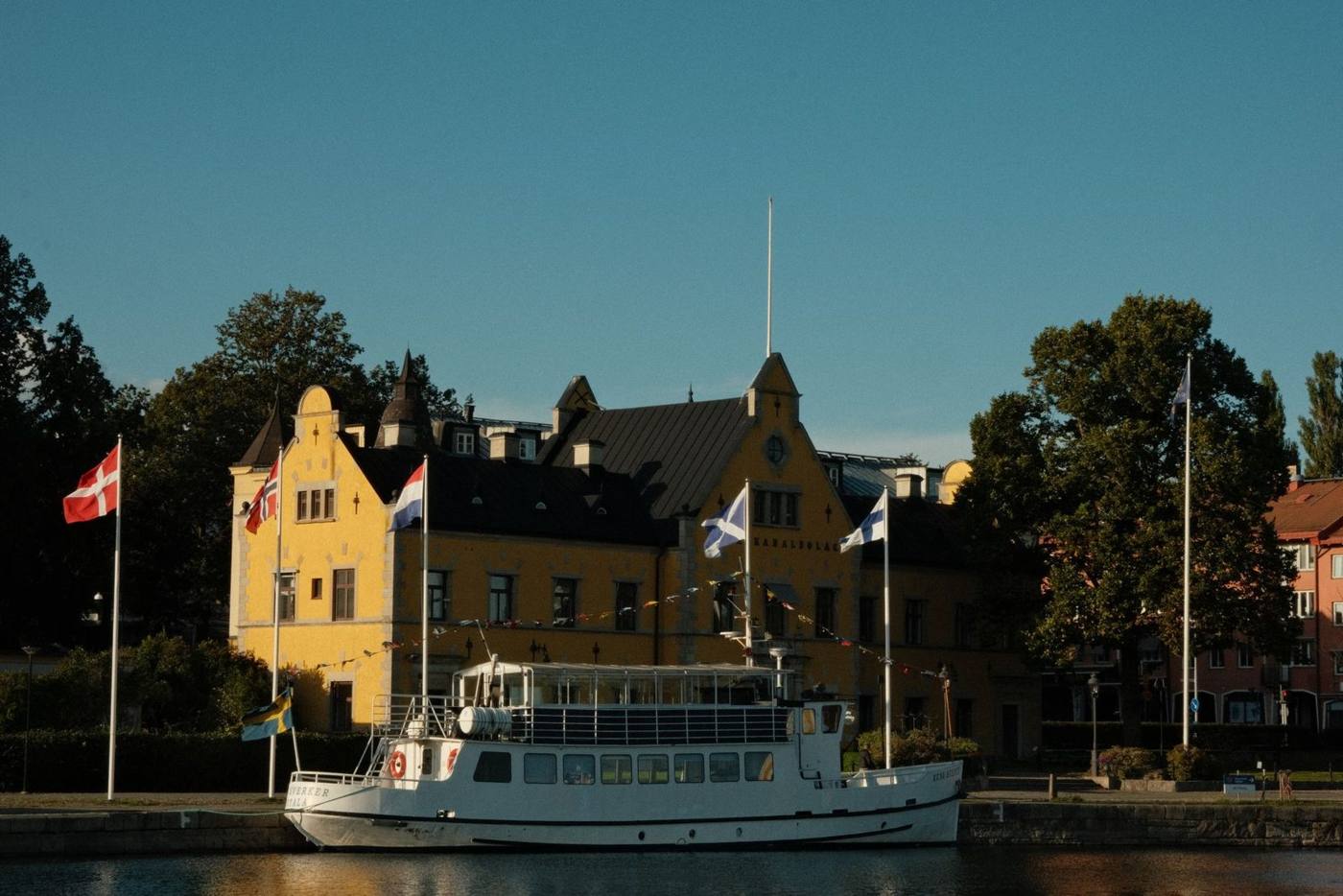
The Göta Canal
Cycling the Göta Canal towpath past the Berg locks, Lake Vättern, Vadstena abbey and Läckö castle on Lake Vänern.
 4 daysEasy
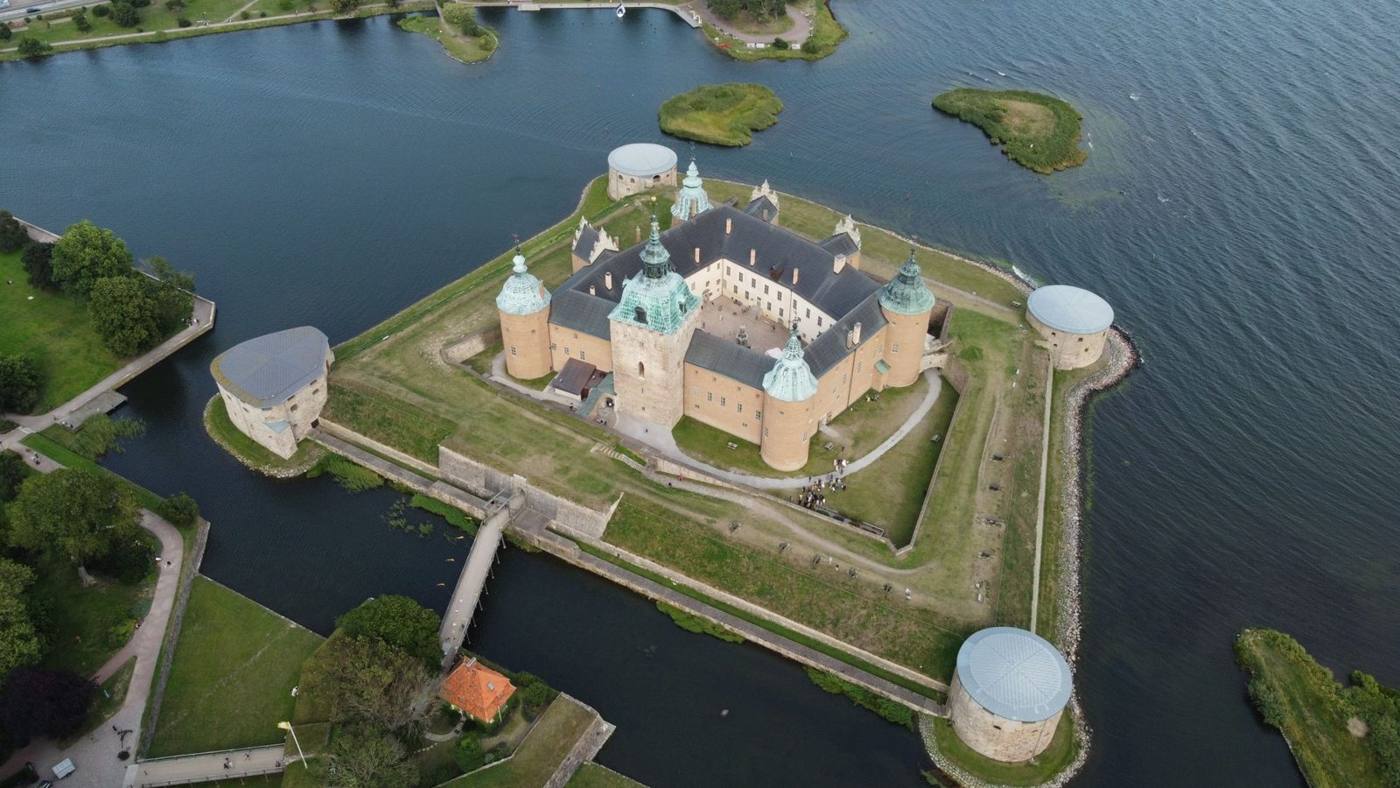
Kalmar and Öland
Kalmar castle, the bridge to Öland, the UNESCO limestone plain of Stora Alvaret, windmills, Eketorp fortress and Långe Jan lighthouse.
 5 daysEasy
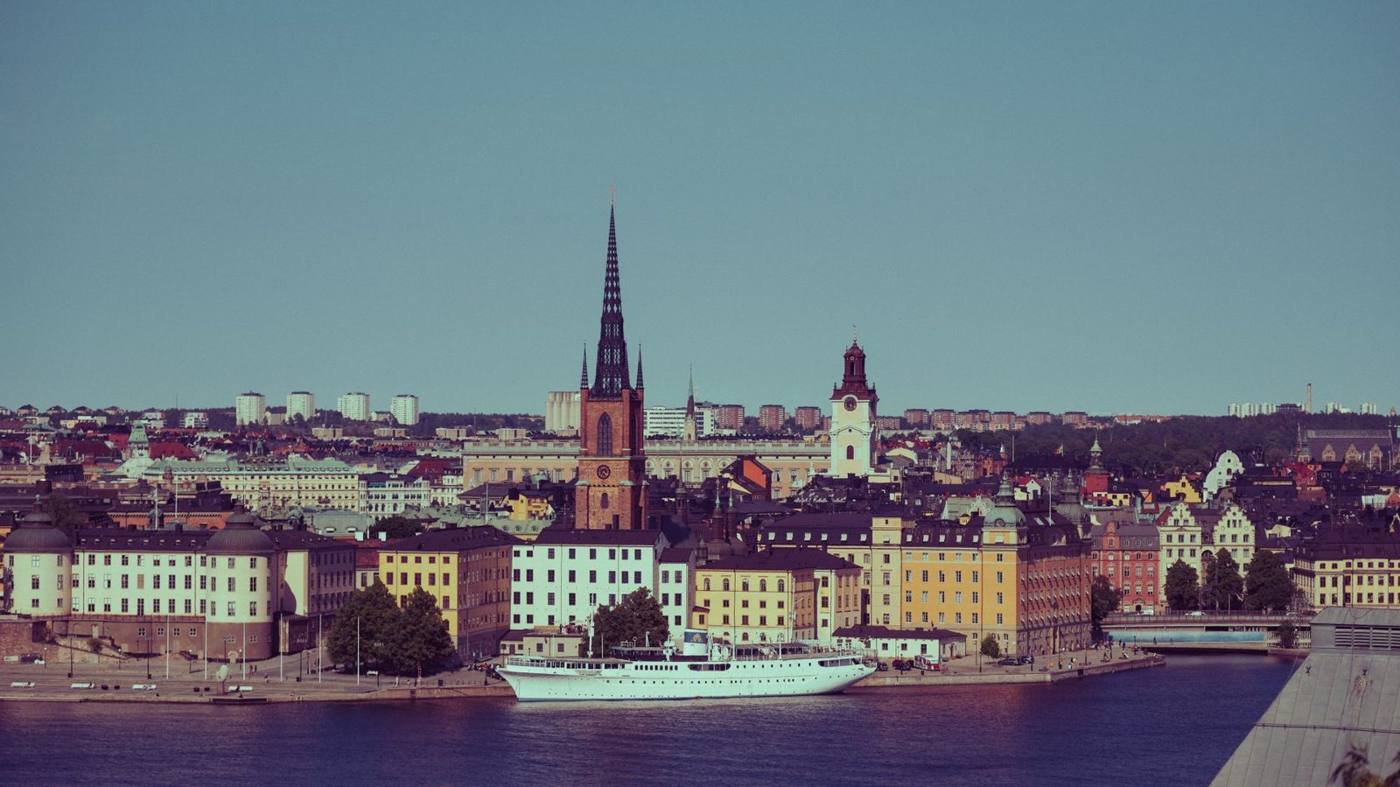
Stockholm and the archipelago
Gamla stan, the Vasa Museum, Skansen and Djurgården, then by boat among the archipelago islands to Sandhamn or Vaxholm.