Ticino
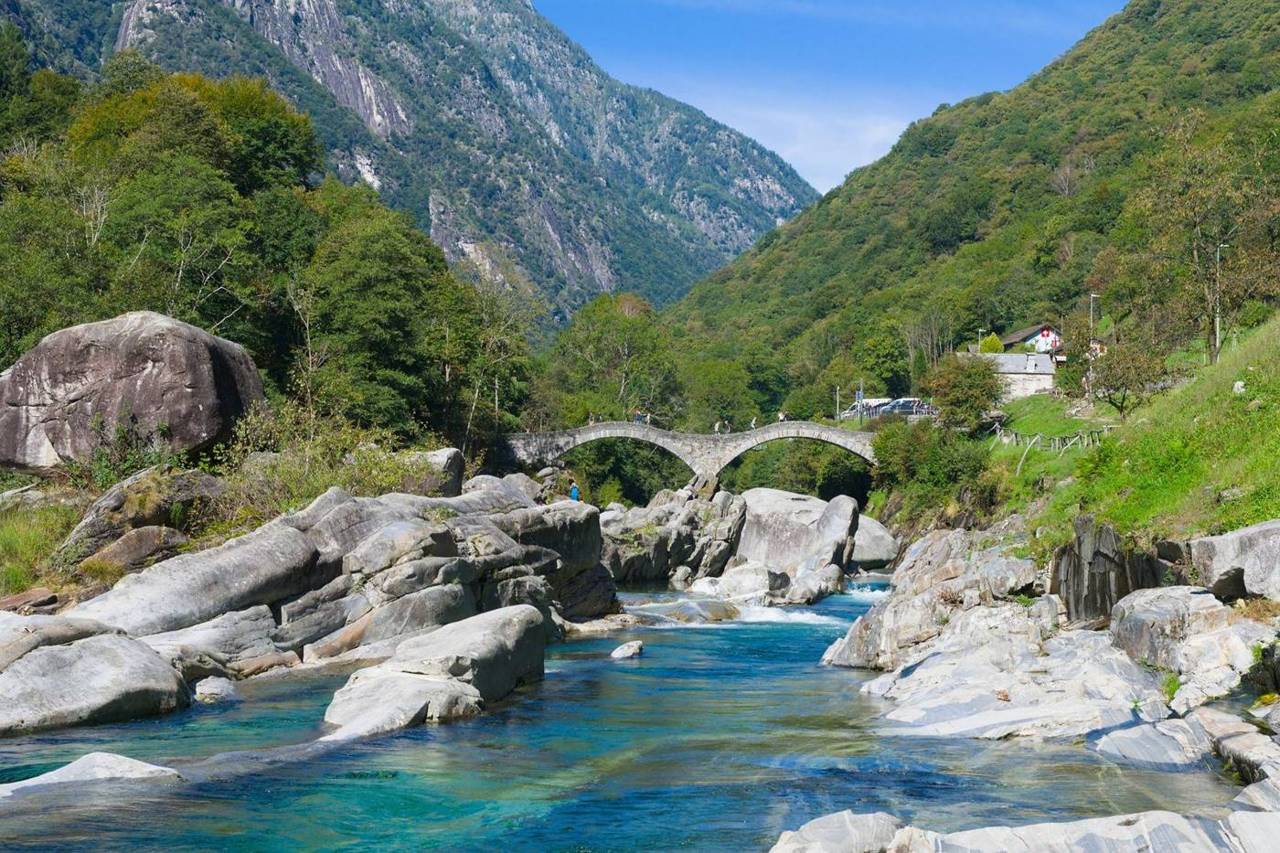
Italian-speaking Switzerland: Lugano and Monte Brè, Locarno, the green waters of the Valle Verzasca and the Ponte dei Salti, the Valle Maggia and the grotti.
- Lugano
- Monte Brè
- Bellinzona
- Locarno
- Verzasca Valley
- Maggia Valley
Day by day
- Day 1
Lugano, Monte Brè and the olive path
This trip explores Ticino, Italian-speaking Switzerland, in five days: Lugano and its lake, the castles of Bellinzona, Locarno and Ascona on Lake Maggiore, the green waters of the Verzasca valley and the waterfalls of the Maggia valley. This is the most Mediterranean side of Switzerland, with palm trees, camellias and grottos, an hour from Milan.
Before you go: Italian citizens only need an electronic identity card valid for travel abroad or a passport, with no visa. Switzerland is not in the European Union but is in the Schengen area; you pay in Swiss francs, and driving on motorways requires the vignette. Other nationalities should check their own rules. The country is very safe, but the currents in the valley rivers are dangerous: swim only in calm pools.
You arrive in Lugano by train or car. In the morning stroll around the centre, between Piazza della Riforma, the arcaded streets and the church of Santa Maria degli Angioli, with Bernardino Luini's great fresco of the Passion. Check prices and times.
At midday take the bus to Cassarate and ride the funicular up Monte Brè: from the top you see the whole bay of Lugano, Monte San Salvatore and, on clear days, the Alps. The village of Brè, just below, has old stone houses decorated with open-air works of art.
In the afternoon go down to Castagnola and follow the olive path to Gandria, in about an hour, among olive trees, villas and glimpses of the lake. Gandria is a fishing village clinging to the rock; return to Lugano by boat.
Practical tip: anyone staying in a hotel, hostel or campsite in Ticino receives the Ticino Ticket, valid on public transport across the region: ask for it at check-in.
- Day 2
The castles of Bellinzona
Today you go to Bellinzona, the capital of Ticino, about half an hour by train, to see the three castles that have been a UNESCO World Heritage Site since 2000.
Bellinzona closes the Ticino valley where it narrows: for centuries whoever controlled this passage controlled the road to the Gotthard. In the 15th century the Dukes of Milan built and strengthened the castles and the Murata, a wall that blocked the whole valley.
In the morning go up to Castelgrande, the largest and oldest, on the rocky hill above the centre, also reachable by a lift cut into the rock. Walk along the walls and visit the museum with the history of the fortress. Check prices and times.
At midday go down to the old town, around Piazza Collegiata and the palaces with painted façades. On Saturday mornings there is a market, with cheeses, cured meats and produce from the valleys.
In the afternoon walk up to Montebello, linked to the town by the walls, with its drawbridge and crenellated towers. If you still have energy, continue to Sasso Corbaro, the highest, alone in the woods, with views over the whole valley as far as Lake Maggiore. Check prices and times.
In the evening go back to Lugano or stay in Locarno, twenty minutes by train, to be closer to the valleys.
Practical tip: wear comfortable shoes: between the castles there are flights of steps and steep climbs, especially towards Sasso Corbaro.
- Day 3
Locarno, the Madonna del Sasso and Ascona
Today you are on the Swiss side of Lake Maggiore, between Locarno and Ascona, the lowest point in Switzerland and one of the mildest.
In the morning take the funicular from the centre of Locarno up to the sanctuary of the Madonna del Sasso, built on a spur of rock high above the town. It was founded at the end of the 15th century, after the Virgin appeared to a Franciscan friar. Inside there are old paintings and, from the loggia, a view over the lake and the Maggia delta. You can walk down along the Way of the Cross between the chapels.
At midday walk around Piazza Grande, the large paved square where the Locarno Film Festival is held in August, with open-air screenings on a giant screen. Then go into the Visconti castle, with the town museum. Check prices and times.
In the afternoon take the bus or the boat to Ascona, the lakeside village with pastel houses and a waterfront full of cafés. Climb to Monte Verità, the hill where artists, vegetarians and thinkers in search of a different life gathered in the early 20th century; today there is a park with a museum. Check prices and times.
In the late afternoon, in season, take the boat to the Brissago Islands, with their botanical garden of subtropical plants, or watch the sunset from the Ascona jetty.
Practical tip: between Locarno and Ascona there is also a flat cycle path along the lake and the Maggia, handy for getting around by bike.
- Day 4
The Verzasca and Maggia valleys
Today you head into the wild valleys above Locarno, with clear rivers, stone bridges and granite villages.
In the morning take the bus up the Verzasca valley. You pass the Verzasca dam, over 200 metres high, made famous by the bungee jump at the start of a James Bond film. Then you reach Lavertezzo and the Ponte dei Salti, the double-arched Romanesque bridge over emerald-green water. Below the bridge the river forms deep, clear pools: the water is icy and the current is dangerous, and people drown every year. Swim only in calm pools, never after a storm, and do not jump from the rocks. Continue to Sonogno, the last village, with its stone houses.
At midday go back towards Locarno and take the bus into the Maggia valley, wider and longer. Stop at Bignasco and go up the Val Bavona to Foroglio, with its waterfall leaping more than a hundred metres above the village.
In the afternoon, if you have time, go up to Mogno to see the church of San Giovanni Battista, in marble and granite, designed by Mario Botta after an avalanche destroyed the old church.
In the evening have dinner in a grotto, the typical Ticino tavern under the chestnut trees, with granite tables outside: polenta, braised beef, small fresh cheeses and a Ticino Merlot served in a little ceramic jug, the boccalino.
Practical tip: in August the valleys are crowded and parking is scarce: use the bus and leave early in the morning.
- Day 5
The Lugano lakeside and departure
On your last day you go back to Lugano for a morning by the lake before leaving.
In the morning stroll through Parco Ciani, on the lakeside, among ancient trees, flower beds and statues, with views of Monte San Salvatore. Then visit the LAC, the cultural centre on the shore, home to the art museum of Italian-speaking Switzerland, with works from the 19th century to today. Check prices and times.
If you prefer the mountains, ride the funicular up Monte San Salvatore, Lugano's sugarloaf, at just over nine hundred metres: from the top you see both arms of the lake and the Alps. Check prices and times.
At midday have a risotto or fish from the lake for lunch, then set off: Lugano is about an hour by train from Milan and two hours from Zurich through the Gotthard Base Tunnel.
In five days you have seen a complete Ticino: the city and lake of Lugano, the medieval castles of Bellinzona, the sanctuary above Locarno and the village of Ascona, the waters of the Verzasca and the waterfalls of the Maggia valley, with dinner in a grotto. It is an easy trip, suitable for everyone, with short walks.
When to go: from May to October, when the boats run their full timetable and the grottos are open; April is the month of camellias and azaleas. August is hot and crowded in the valleys, with the film festival in Locarno. September and October bring the grape harvest and chestnuts.
Practical tip: if you arrive from Italy by car, remember the motorway vignette, which you need even for the few kilometres between Chiasso and Lugano.
Switzerland at its most Mediterranean, an hour from Milan, with lakes, palm trees and wild valleys. Currents in the Verzasca river are dangerous and people drown every year: swim only in calm pools. The valleys are crowded in August and parking is scarce. Overnight guests receive the Ticino Ticket with no-cost transport.
Before you go
- Documents and visa
- Switzerland is not in the EU but is in the Schengen area. British visitors can stay up to 90 days in any 180 days without a visa, and the EU Entry/Exit System applies. Motorways need the vignette, as a sticker or an e-vignette from the official website.
- Health and vaccines
- No vaccines required. Healthcare is excellent but very expensive: take travel insurance that covers repatriation and mountain rescue, because helicopter rescue costs a great deal. Watch out for ticks in woods. Emergencies: 112, police 117, fire 118, ambulance 144, Rega air rescue 1414.
- Money and payments
- Swiss franc. Cards are accepted almost everywhere, even for small amounts; euros are taken in many places, but change comes in francs at a poor rate.
- Power sockets
- Swiss type J, 230 volts: you need an adapter for British plugs.
- Time zone
- Central European Time (UTC+1, summer UTC+2).
- Safety
- A very safe country. In the mountains carry the right gear, check the MeteoSwiss forecast and, in winter, the avalanche bulletin. Traffic fines are severe, especially for speeding. Official advice: GOV.UK.
Information checked in November 2026 for Italian and EU citizens. Rules change: always check before you travel.
Variations
Shorter: three days, with Lugano, Locarno and the Verzasca valley.
Longer: add two days in the Engadine, reached from Ticino via Chiavenna and the Maloja.
Frequently asked questions
Can you swim in the Verzasca?
Yes, but with great care: the water is icy and the current strong, and people drown every year. Swim only in calm pools and never after rain.
What is a grotto?
It is a typical Ticino tavern, born from cellars dug into the rock, with outdoor tables under the trees and simple dishes such as polenta, braised beef and small fresh cheeses.
Do you need a car in Ticino?
No: trains, buses and boats reach almost everywhere, even the valleys. Anyone staying overnight in Ticino receives the Ticino Ticket for public transport.
Indicative itinerary written by World Atlas. Before booking, check timetables, seasonal openings, documents and safety.
 6 daysModerate
The Engadine
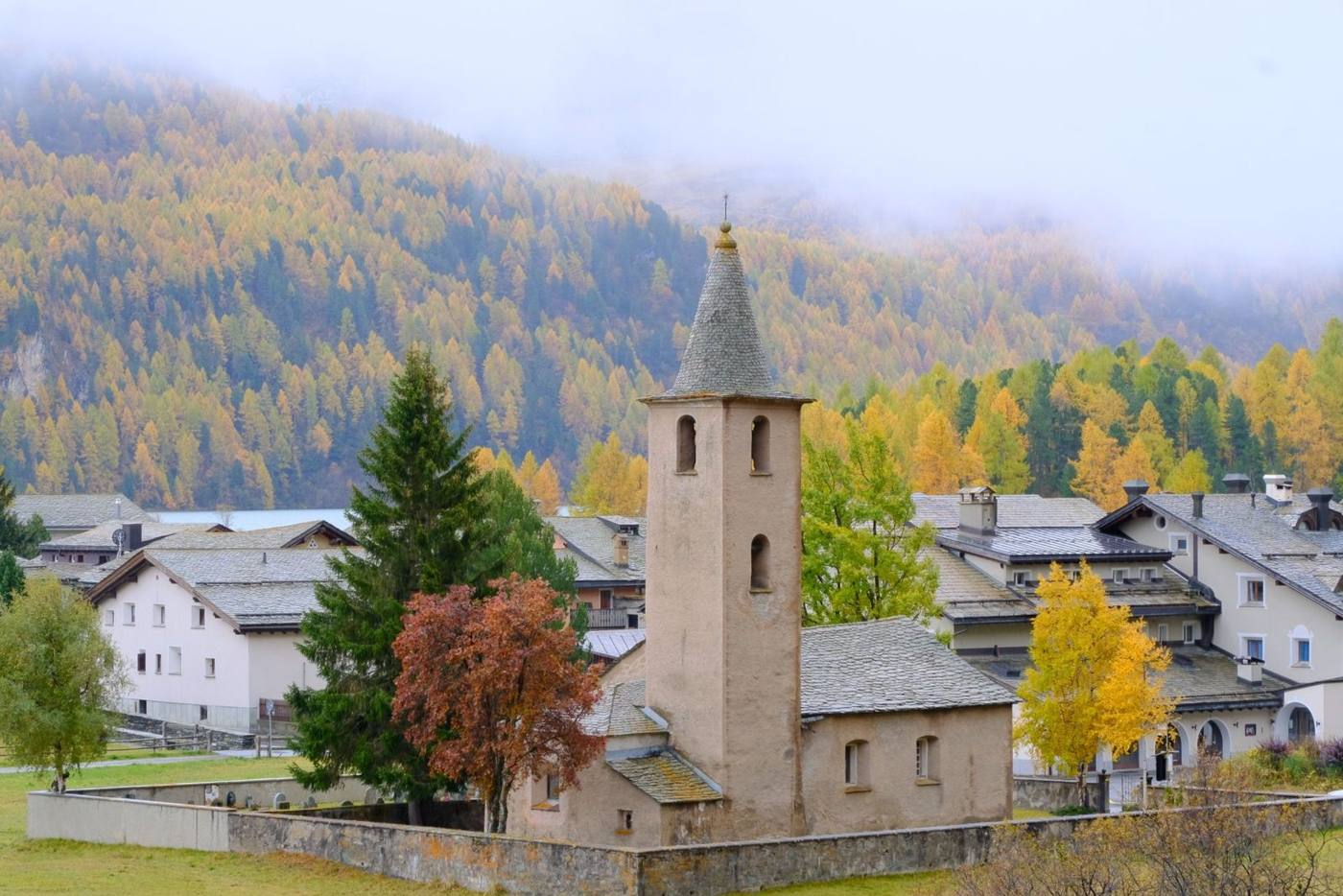
St. Moritz and the lakes of the Upper Engadine, Muottas Muragl, the Val Roseg, the Swiss National Park and the painted villages of Guarda and Scuol.
 4 daysEasy
Lucerne and Central Switzerland
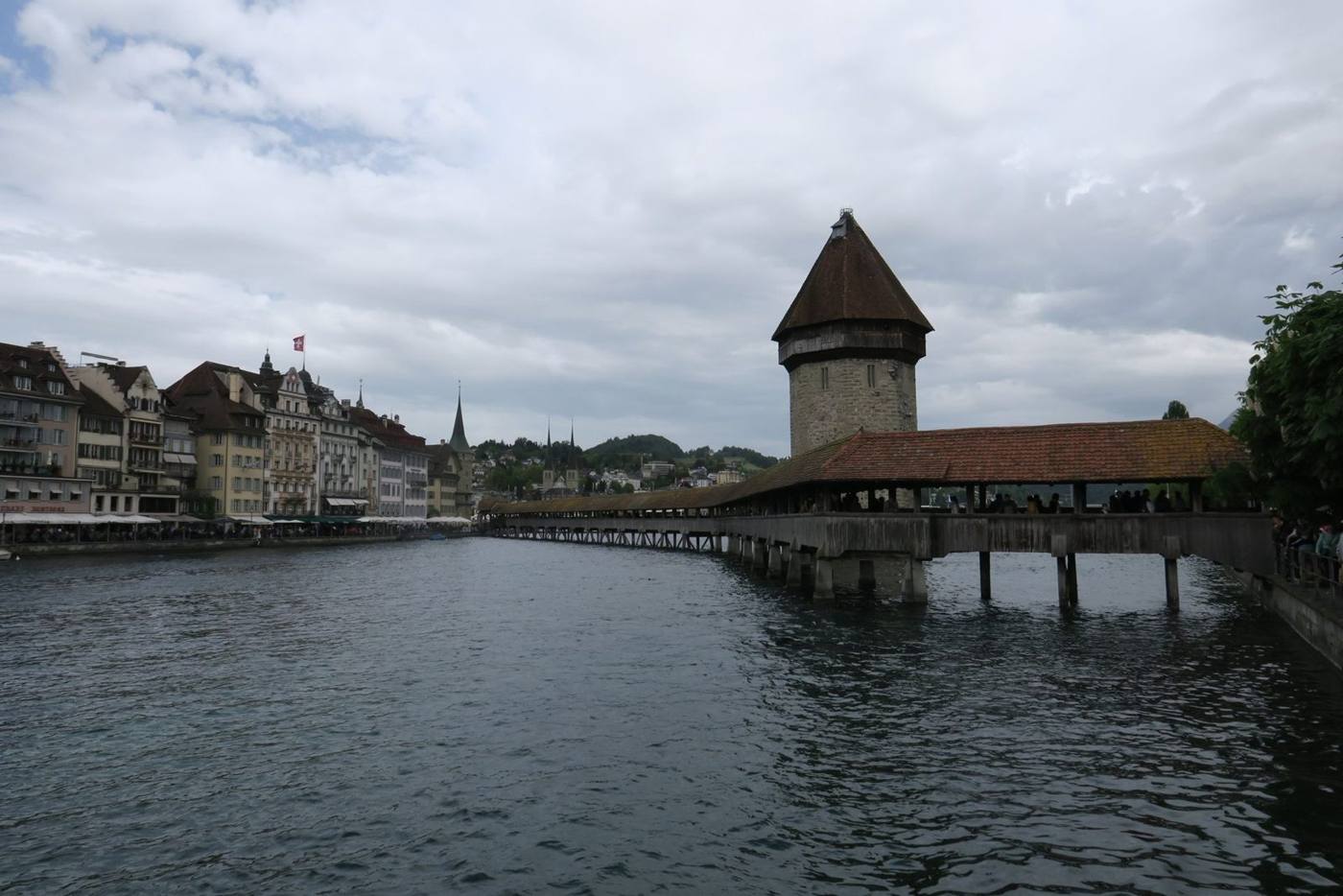
The Chapel Bridge and Lion of Lucerne, a steamer on Lake Lucerne, Pilatus with the world's steepest cogwheel railway and the Rigi.
 12 daysChallenging
The Haute Route from Chamonix to Zermatt
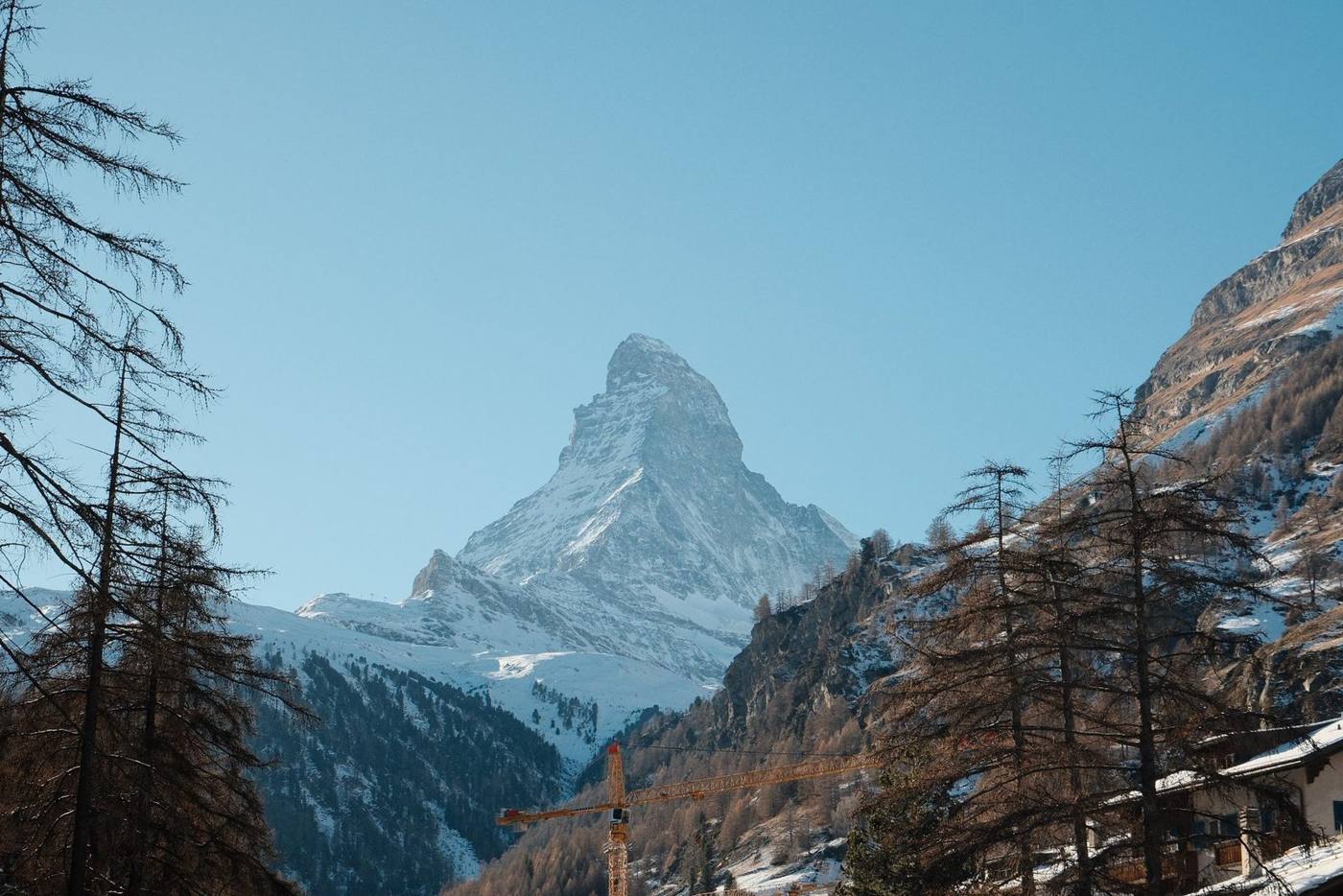
The trek between the two capitals of mountaineering, below Mont Blanc and the Matterhorn, across eleven passes and the valleys of the Valais.