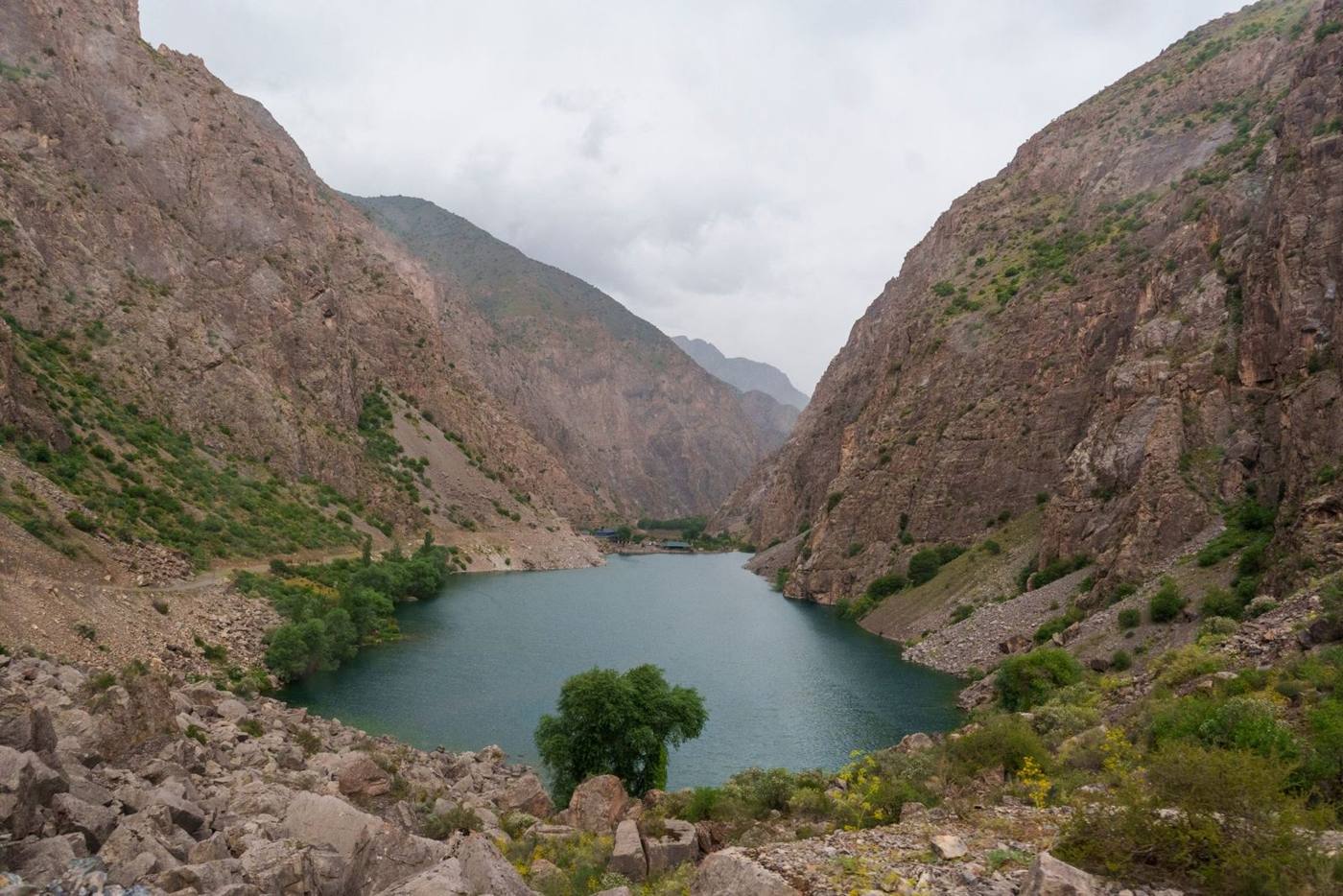
The Fann Mountains and Seven Lakes
The Seven Lakes of Marguzor, Iskanderkul lake and the trek to the Alauddin and Kulikalon lakes in the Fann Mountains, near Samarkand.
- Dushanbe
- Iskanderkul
- Artuch
- Kulikalon
- Alauddin
- Marguzor
- Penjikent
Day by day
- Day 1
From Dushanbe to Lake Iskanderkul
This six-day trip crosses the Fan Mountains, in north-western Tajikistan: Lake Iskanderkul, a three-day trek to the Kulikalon and Alauddin lakes, the Seven Lakes of Marguzor and finally Penjikent, from where you cross into Uzbekistan towards Samarkand. The trek goes above 3,500 metres: you need to be fit.
Before you go: Italian citizens can enter Tajikistan without a visa for tourism for up to 30 days, with a passport valid for at least six months. If you stay more than 10 working days without an e-visa you must register with the immigration office. Other nationalities should check their own rules. Also check the rules for entering Uzbekistan and the opening hours of the crossing. Some areas on this trip are close to borders or places where the situation changes often: check your government's travel advice before booking and again before you leave. Minefields remain along the Uzbek border: never leave the paths and roads.
Leave Dushanbe in the morning in a car with a driver. The road climbs the Varzob gorge and passes beneath the Anzob pass through a long tunnel, then descends into the valleys of the Yagnob and the Iskander Darya.
In the afternoon you reach Iskanderkul, a turquoise mountain lake at about 2,200 metres, surrounded by rocky peaks. According to legend the name comes from Alexander the Great, Iskander in Persian. Nearby, visit the waterfall of the river flowing out of the lake, which plunges into a deep gorge.
Sleep near the lake.
Practical tip: carry cash in somoni, because cards are not accepted in the mountains, and a supply of snacks for the trek.
- Day 2
From Artuch to the Kulikalon lakes
Today you start trekking in the Fan Mountains.
In the morning leave Iskanderkul and drive down towards the Zeravshan valley, the great river that flows west towards Samarkand. Then the driver climbs a side valley on a narrow, steep dirt road to Artuch, a small base camp at about 2,200 metres, the starting point for the trails. In spring and after rain this road may be blocked by landslides: check before setting off.
At Artuch you meet your local guide and, if you wish, the donkey or horse that carries the heavy luggage. The climb begins: the trail passes through juniper woods and meadows, then zigzags up to a grassy pass. Walk slowly and steadily, with frequent breaks.
After three or four hours you reach the basin of the Kulikalon lakes, at around 2,800 metres. It is a green plateau with many blue and green lakes scattered among meadows and boulders, and above them the walls of the Fan Mountains, with the summit of Chimtarga, the highest in the range, above 5,400 metres.
In the afternoon explore the lakes, sit on the shore and watch the light changing on the mountains. At sunset the basin turns golden.
Sleep in a tent or at the camp near the lakes.
Practical tip: at night, above 2,500 metres, the temperature drops close to freezing even in summer. Bring a warm sleeping bag and a padded jacket.
- Day 3
The Alauddin pass and the Alauddin lakes
Today is the hardest day of the trek: you cross a mountain pass to reach the Alauddin lakes.
Set off early, when the air is cool and the sky is usually clear. The trail leaves the Kulikalon basin and climbs through screes and high meadows towards the Alauddin pass, above 3,500 metres. The climb is steep and in some stretches you walk on gravel and stones: use your poles and always follow your guide.
From the pass you have a wide view over the Fan Mountains, with rocky ridges, snowfields and deep valleys. Stop for a photo and something to eat, but not for too long, because the wind is cold.
Then the descent to the other side begins, long and slippery in places. Go down calmly, placing your feet carefully. Lower down the trail returns to the meadows and reaches the Alauddin lakes, a series of intensely blue lakes surrounded by juniper woods and great rock walls.
In all you walk six or seven hours. You arrive tired: rest on the shore, dip your feet in the icy water and enjoy the silence.
In the evening, if the sky is clear, look at the stars: there are no artificial lights here and the Milky Way is perfectly visible.
Sleep in a tent or at the camp near the Alauddin lakes.
Practical tip: set off with at least two litres of water and sun cream: above 3,000 metres the sun burns even when it feels cool.
- Day 4
The Mutnye lakes and the descent to Artuch
Today you explore the highest part of the valley and then go down towards the road.
In the morning, if you feel well, climb with your guide towards the Mutnye lakes, whose name means «cloudy lakes» in Russian, because glacier water colours them grey and pale green. The trail climbs through moraines, beneath the walls of Chimtarga and the nearby peaks. Two or three hours of climbing are enough: leave your heavy pack at the camp and take only water, a jacket and snacks.
From the Mutnye lakes you see glaciers and peaks up close, in a landscape of stones and snow, very different from the green meadows below. Then return to the Alauddin lakes for lunch.
In the afternoon walk down the valley, through juniper woods, streams and meadows, to the road, where your driver is waiting. If your guide prefers another route, you return to Artuch on a longer walk: decide according to your strength and the weather.
In the evening you are back in Artuch or in a village in the valley, with a simple shower and a hot meal. Try plov, rice with meat, carrots and chickpeas, and the round bread from the clay oven.
Sleep in Artuch or in a nearby village.
Practical tip: when going downhill, loosen your laces a little above the ankle and tighten those over the foot, so your toes do not hit the front of the boot.
- Day 5
The Seven Lakes of Marguzor
Today you visit the Seven Lakes, also called Haft Kul, one of the most beautiful valleys in the country.
In the morning the driver goes back down to the Zeravshan valley and then heads south up a side valley, through the village of Shing. From here a narrow dirt road, with sheer drops in places, follows a line of seven lakes one after another, between rocky mountains and meadows.
Each lake has a different name and colour, from emerald green to dark blue and turquoise, depending on the depth, the light and the minerals in the water. Stop often along the road to look at them from above and to walk along the shore.
The last stretch, after Lake Marguzor, is on foot: a path climbs to the last lake, Hazorchashma, whose name means «a thousand springs», small and crystal clear. The walk takes one or two hours there and back.
In the afternoon return to one of the villages along the lakes, where families host travellers in their stone houses, with courtyards, apricot trees and rooms with carpets and cushions. It is a chance to get to know mountain life: dinner is eaten sitting on the floor, with bread, yoghurt, vegetables and tea.
Sleep in a family home at the Seven Lakes.
Practical tip: bring a small gift for the family hosting you, such as fruit, sweets or something from your country, and always ask before photographing people.
- Day 6
Penjikent and the crossing into Uzbekistan
Today you go down to Penjikent and cross into Uzbekistan towards Samarkand.
In the morning say goodbye to the family and drive back along the lakes to the Zeravshan valley. Then follow the river west to Penjikent, the main town of the valley, a couple of hours away.
In Penjikent climb the hill of the ancient Sogdian city, which flourished before the arrival of the Arabs in the eighth century, with its walls, streets and merchants' houses. Frescoes with scenes of banquets, warriors and deities were found here. Then visit the local history museum dedicated to the poet Rudaki, with copies and fragments of the frescoes and ancient objects. Check prices and times.
If you have time, stop at Sarazm, just outside the town towards the border, one of the earliest settlements in Central Asia and a UNESCO World Heritage Site.
In the afternoon reach the crossing into Uzbekistan. You cross on foot, with passport checks on both sides, then take another taxi on the Uzbek side to Samarkand, about an hour's drive.
In six days you have seen Lake Iskanderkul, the Kulikalon and Alauddin lakes, the Alauddin pass, the Mutnye lakes, the Seven Lakes of Marguzor and ancient Penjikent.
When to go: from June to September. Earlier, snow closes the passes and the roads may be blocked by landslides; at the end of September nights in a tent are already cold.
Practical tip: cross the border in daylight and check the crossing's opening hours before you leave, because they can change.
Spectacular, little-visited mountains, easy to link with a trip to Uzbekistan. The trek goes above 3,500 metres: fitness is needed. Roads to the lakes are unpaved and prone to landslides in spring.
Before you go
- Documents and visa
- Passport valid for at least six months with two blank pages. Italian citizens can enter for tourism without a visa for up to 30 days; anyone staying more than 10 working days without an e-visa must register with the immigration office. Alternatively, you can apply for an e-visa on the official Ministry of Foreign Affairs portal at least two weeks ahead. For the Gorno-Badakhshan Autonomous Region, the Pamirs, you also need a GBAO permit, requested with the e-visa or from the Ministry of Foreign Affairs, which can be suspended at short notice.
- Health and vaccines
- Check vaccines with your doctor at least eight weeks before you leave. Medical care is generally poor, and outside Dushanbe almost absent: you need insurance that covers treatment and evacuation. Altitude sickness is a risk in the mountains. Drink bottled water and wash fruit and vegetables. Ambulance: 103 from a mobile.
- Money and payments
- Tajik somoni (TJS). Cash is essential; cards work only in some Dushanbe hotels and cash machines are rare outside the cities. Bring clean, new dollar or euro notes to change.
- Power sockets
- Type C and F, 220 volts: you need an adapter for British plugs.
- Time zone
- UTC+5 all year.
- Safety
- There have been cross-border attacks and armed clashes near the Afghan border in 2025 and 2026, including in Darvoz; the United States advises reconsidering travel near that border and in Gorno-Badakhshan. There is a risk of unrest in Khorog and some roads can be closed. On the Kyrgyz border, especially near Isfara and the Vorukh enclave, there have been clashes in the past: check the situation first. Near the Afghan and Uzbek borders there are marked and unmarked minefields, so never leave roads and marked paths. Do not photograph government or military buildings. Official advice: GOV.UK.
Information checked in November 2026 for Italian and EU citizens. Rules change: always check before you travel.
Variations
In four days: Iskanderkul and the Seven Lakes by car, without the trek.
In ten days: add two days in Samarkand and an extra night at the Kulikalon lakes.
Frequently asked questions
Do I need a visa for Tajikistan and Uzbekistan?
Italian citizens can enter Tajikistan without a visa for tourism for up to 30 days. For Uzbekistan, check the current rules before you leave. Other nationalities should check their own rules.
Is the trek to the Alauddin lakes difficult?
It is of medium difficulty. The Alauddin pass is above 3,500 metres and the descent is steep and on gravel. You need to be fit and to have a local guide.
Are there risks along the Uzbek border?
Minefields remain along the border with Uzbekistan. Never leave the paths and roads, and cross the border only at official crossings, in daylight.
Indicative itinerary written by World Atlas. Before booking, check timetables, seasonal openings, documents and safety.
 3 daysEasy
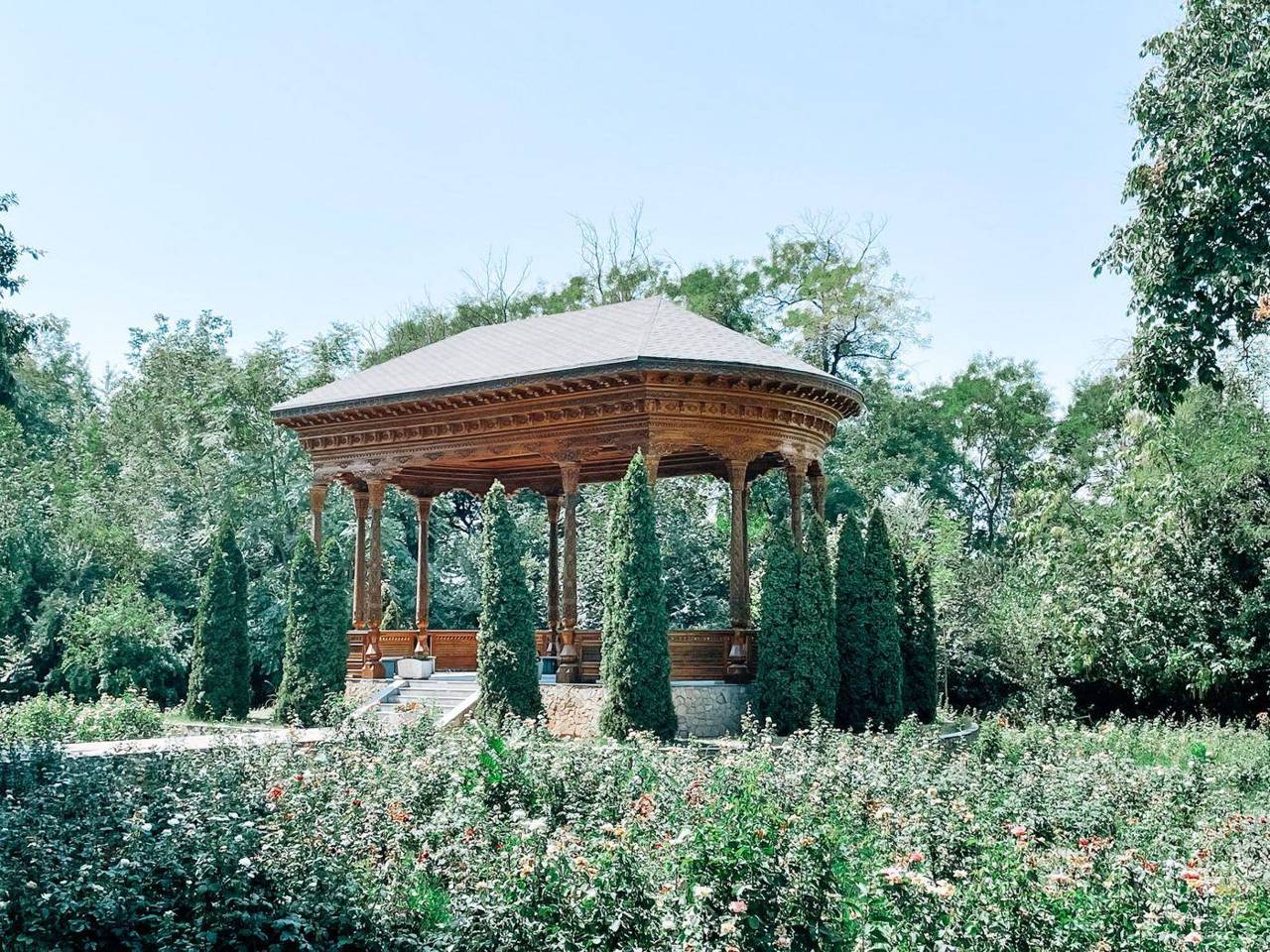
Dushanbe and Hisor
The capital with its tree-lined avenues, the national museum and the sleeping Buddha of the antiquities museum, the Mehrgon bazaar and Hisor fortress.
 3 daysEasy
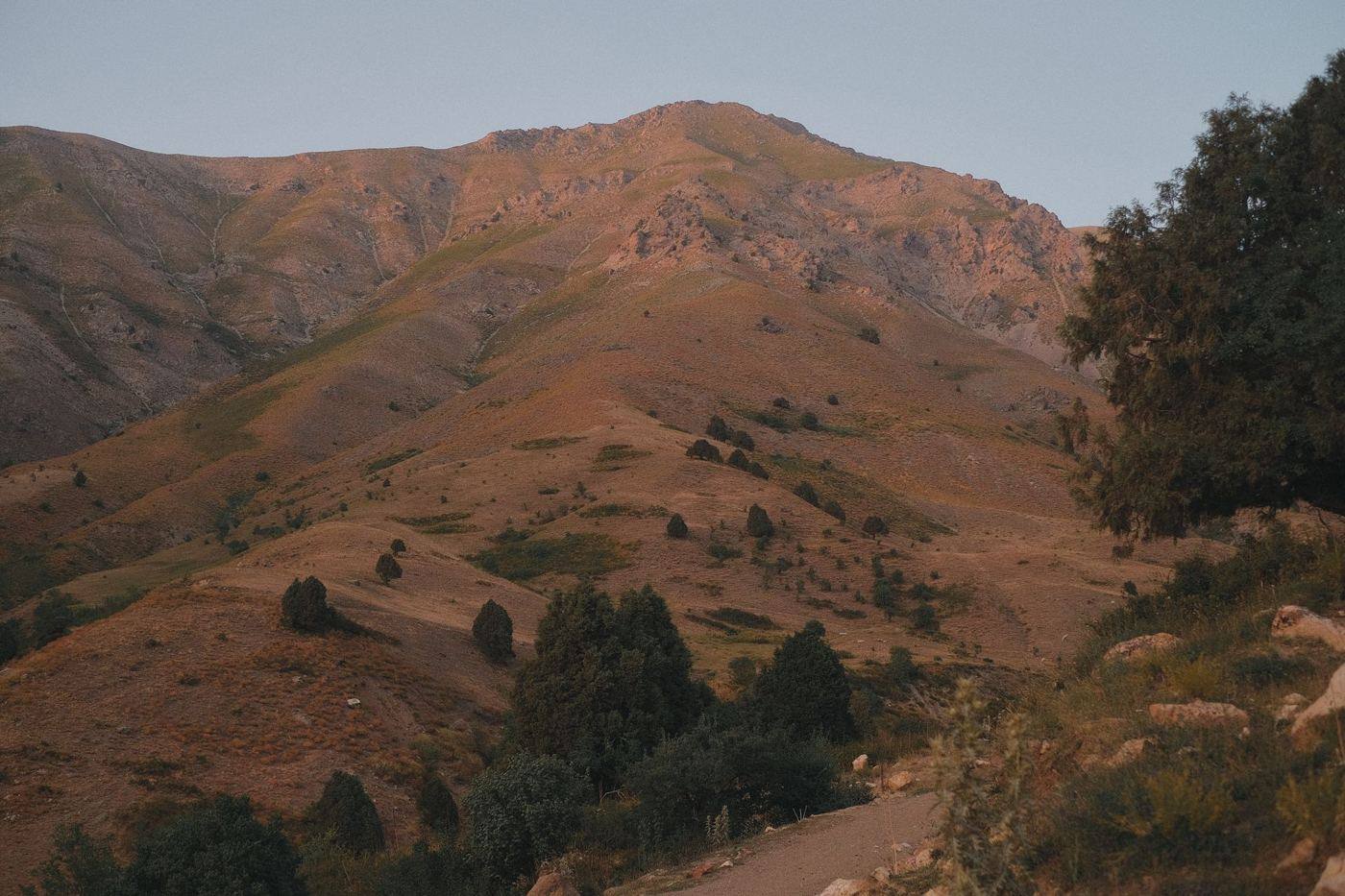
Varzob and Safed Dara
The Varzob river gorge north of Dushanbe with its waterfalls and teahouses, and the Safed Dara mountain resort, for summer walks and winter skiing.
 3 daysEasy
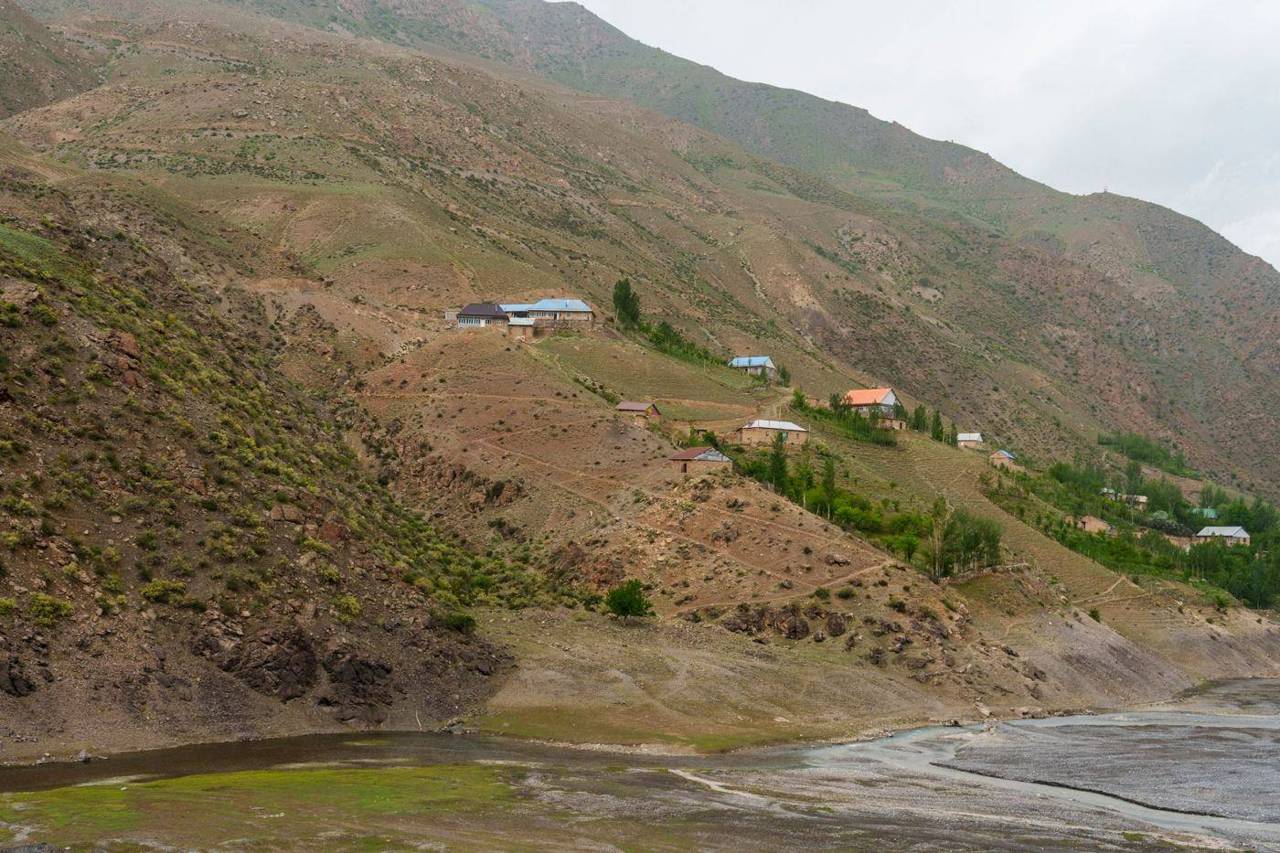
Khujand and Istaravshan
The north on the Fergana Valley: Khujand, ancient Alexandria Eschate, with the Panjshanbe bazaar and fortress, and Istaravshan with its blacksmiths and mosques.