All of Tanzania: the north, Ruaha and Nyerere
The great northern parks and the two giants of the south, to see the classic savannah and the wild one in the same trip.
- Arusha
- Tarangire
- Lake Manyara
- Serengeti
- Ngorongoro
- Ruaha
- Nyerere
- Dar es Salaam
Day by day
- Day 1
Arrival in Arusha
This trip is the great safari of Tanzania, from north to south: Tarangire, Lake Manyara, three days in the Serengeti and the Ngorongoro Crater, then the two great parks of the south, Ruaha and Nyerere, wilder and less visited, and finally Dar es Salaam, on the coast of the Indian Ocean. In the north you travel in a safari vehicle with a driver guide, in the south by small plane.
Before you go: Italian citizens enter Tanzania with a passport. The US government rates Tanzania at level 2 out of 4. Check the current requirements for the visa and for yellow fever vaccination, which may be required depending on the countries you arrive from or transit through. Also talk to your doctor about malaria prevention, as malaria is more widespread in the hot southern parks. Other nationalities should check their own rules. The UK advises against all but essential travel within 20 kilometres of the border with Mozambique's Cabo Delgado province, and the US reports a higher risk in the Mtwara region: Ruaha and Nyerere are far from these areas, but check the current advice before you go.
You land at Kilimanjaro International Airport and in about an hour you reach Arusha, the base town for the northern safaris, at the foot of Mount Meru.
In the afternoon, rest and, if you have the energy, take a stroll in the centre, around the clock tower.
In the evening, meet your guide and taste nyama choma, grilled meat, with ugali and vegetables.
Overnight in Arusha.
Practical tip: on the small planes to the south, luggage is limited, usually to one light soft bag. Check the limit before you pack.
- Day 2
Tarangire
Today you go on your first safari, among elephants and baobabs.
In the morning, leave Arusha and travel south west, about two hours, across the Maasai plains. You reach Tarangire National Park. For entry, check prices and times; the cost is usually included in the safari price, but check your contract.
Tarangire takes its name from the river that runs through it. In the dry season, from June to October, the river is one of the few sources of water in the region and draws a great number of animals from the surrounding plains. It is one of the best places in Tanzania to see elephants in large groups, digging in the sand of the river or taking mud baths.
The landscape is dominated by baobabs, huge trees that can live for many centuries, with thick grey trunks. Among the hills and swamps you see giraffes, zebras, wildebeest, buffaloes, impalas and warthogs, and with a bit of luck lions and leopards. Tarangire is also excellent for birds, with ostriches, bustards and very colourful rollers.
At midday, have a packed lunch at a shady picnic site overlooking the river valley.
In the afternoon, continue the game drive until the gates close and then move on towards Lake Manyara.
In the evening, at dinner, your guide explains how to recognise animal tracks on the dirt road.
Overnight in the Lake Manyara or Mto wa Mbu area.
Practical tip: bring one pair of binoculars per person. In the north the animals are often close, but for birds and big cats good binoculars make a huge difference.
- Day 3
Lake Manyara and the tree climbing lions
Today you visit Lake Manyara National Park.
In the morning, enter the park, at the foot of the long Rift Valley escarpment, which rises steeply above the lake. For entry, check prices and times. The park is small, but in a few hours you cross very different environments.
You start in a dense green forest, fed by the springs flowing down from the escarpment, with giant trees, figs and mahoganies. Large troops of baboons and blue monkeys live here. Then the forest gives way to acacia savannah along the shore of the alkaline lake, with elephants, giraffes, zebras and buffaloes.
The park is famous for lions that sometimes climb trees and rest on the branches of the acacias, perhaps to keep cool or away from insects. They are not easy to see: ask your guide which areas to check and look carefully upwards.
In months with plenty of water the lake fills with pink flamingos, pelicans, storks and herons. Near the hot springs, hippos stay in the water all day.
At midday, have lunch at a picnic site overlooking the lake.
In the afternoon, after leaving the park, climb onto the highlands towards Karatu, among wheat fields and coffee plantations.
The evening is cool: sit by the fire and look at the stars.
Overnight in the Karatu area.
Practical tip: at Lake Manyara never feed the baboons. Close the vehicle windows properly when you stop: they get in within seconds.
- Day 4
To the Serengeti
Today you enter the Serengeti, the endless plain.
In the morning, cross the highlands of the Ngorongoro Conservation Area, through the forest that is often covered in mist. From a viewpoint on the rim of the crater you see the green floor and the lake: you will return here at the end of the northern part of the trip.
Then you descend west, among Maasai villages and pastures, in an ever more open landscape. Along the way you pass close to Olduvai Gorge, one of the most important places in the world for the study of human origins.
You reach the entrance to Serengeti National Park. For entry, check prices and times. The name comes from a Maasai word meaning endless plain. The park is a UNESCO World Heritage Site and is famous for the great migration of wildebeest and zebras, which move all year round following the rains.
In the afternoon, go on your first Serengeti game drive on the way to your camp. On the short grass plains of the south and centre you see Thomson's and Grant's gazelles, hyenas, jackals, ostriches and, on the termite mounds, cheetahs watching the savannah.
At sunset the umbrella acacias stand out against the red and orange sky.
In the evening, at camp, your guide explains where the migration is at this time of year and how to plan the next two days.
Overnight in a lodge or tented camp in the Serengeti, for three nights.
Practical tip: safari days are long and the sun is strong. Bring a wide brimmed hat, sun cream and a bottle of water that is always full.
- Day 5
The central Serengeti and the big cats
Today you explore the heart of the Serengeti.
Set off at dawn, when the light is soft and the predators are still active. The central area of the park, around the valley of the Seronera River, has water all year round and hosts animals in every season.
This is the land of the big cats. Look for lions on the kopjes, the granite hills rising from the plain, where the prides rest in the sun. Along the river, look at the branches of the acacias and sausage trees: that is where leopards spend the day, sometimes with prey hanging beside them. On the open plains, cheetahs hunt during daylight hours.
In the river pools live dozens of hippos, snorting and moving in the water, and crocodiles warm up on the banks. Around them graze buffaloes, topis, hartebeest and waterbuck. In the tallest acacias, also look for the nests of vultures and eagles, which keep watch over the plain.
At midday, return to camp for lunch and rest during the hottest hours.
In the afternoon, head out again. If you are interested, ask your guide to stop for a long time near a pride of lions: towards evening the cats wake up, play and sometimes set off to hunt.
In the evening, at camp, have dinner outdoors under the stars, with the sounds of the savannah all around.
Overnight in the Serengeti.
Practical tip: during a game drive speak quietly and switch off the engine when you stop near animals. They stay calmer and you can watch them for longer.
- Day 6
The migration
Today you go in search of the great migration.
At dawn, if your budget allows, you can take a hot air balloon flight over the savannah, with the sun rising and the herds below you. For the flight, check prices and times.
Then head off with your guide towards the area where the wildebeest are. From roughly July to October, the migration is often in the north of the park, near the Mara River, where the herds cross the water among crocodiles and currents. Between January and March the wildebeest are on the southern plains, where the young are born, and in the months in between they cross the western corridor, along the Grumeti River. The dates change every year, depending on the rains.
When you find the herds, you see thousands of wildebeest and zebras grazing or walking in lines towards the horizon, with the predators following them at a distance.
At midday, have a packed lunch on the plain, in the shade of an acacia.
In the afternoon, continue the safari, stopping often to watch the animals' behaviour: mothers with their young, males challenging each other, zebras standing guard.
In the evening, at dinner, think back on everything you have seen in the north over these days. Tomorrow you leave the Serengeti for the Ngorongoro Crater.
Overnight in the Serengeti.
Practical tip: river crossings are unpredictable and can mean hours of waiting. Bring patience, water and a snack, and let the animals decide.
- Day 7
The Ngorongoro Crater
Today you descend into the Ngorongoro Crater, the last stop in the north.
Early in the morning, leave the Serengeti and return to the highlands. The Ngorongoro Conservation Area is a UNESCO World Heritage Site and, unlike the national parks, here the Maasai live and graze their cattle. For entry and the descent into the crater, check prices and times.
The crater is a caldera, a large volcano that collapsed in on itself, with steep walls and a flat floor almost twenty kilometres wide. The descent is on a narrow, steep road, with a magnificent view of the floor.
Inside the caldera there is an almost enclosed environment, with grassland, swamps, a salt lake and small woods. The animals live here all year round: wildebeest, zebras, buffaloes, gazelles, hyenas, jackals and many lions. It is also one of the best places in Tanzania to see the black rhino, rare and often far away: keep your binoculars ready.
On Lake Magadi, when there is water, flamingos gather, and there are hippos in the pools.
At midday, have lunch at a picnic site, inside the vehicle, because the kites snatch food from your hands.
In the afternoon, climb back up to the rim and return towards Karatu or Arusha, from where tomorrow's flight to the south leaves.
In the evening, say goodbye to your northern guide and give a tip, an important part of their earnings.
Overnight in Karatu or Arusha.
Practical tip: in the crater, visiting time is limited by the area's rules. Leave early to be among the first to go down, when the animals are most active.
- Day 8
The flight to the south
Today you change region completely: from northern Tanzania to the great parks of the south.
In the morning, go to the Arusha airstrip or the airport and take a small plane to Ruaha, usually with one or more short stops at other parks or towns. The flight takes a few hours in total. From the window you see the landscape change: the northern plains, the hills, the rivers and then the great dry miombo woodlands.
You land at the airstrip inside Ruaha National Park, where the camp guide is waiting for you. For park entry, check prices and times.
Ruaha is one of the largest parks in Tanzania, but it receives far fewer visitors than the northern parks. It takes its name from the Great Ruaha, the river that flows along the eastern edge of the park and which, in the dry season, shrinks to pools and sand, drawing the animals.
On the way to camp you already see the first animals: elephants, giraffes, impalas and, often, the enormous baobabs that grow on the hills.
In the afternoon, after settling in, go on your first game drive along the river. Here you notice the difference with the north: few vehicles, silence and the feeling of being alone.
In the evening, at camp, listen to the sounds of the night, much louder than in town.
Overnight in a tented camp in Ruaha, for three nights.
Practical tip: in the southern parks there are tsetse flies. Wear light, neutral colours, avoid blue and black and bring insect repellent.
- Day 9
Ruaha, the river and the lions
Today is your first full day in Ruaha.
Set off at dawn in the camp's open vehicle. Your guide follows the Great Ruaha River, where the animals come down to drink. In the dry season the pools become few, and around each one there is always something to see.
Ruaha is famous for its lions, which often live in large prides. You see them resting on the sand of the riverbed, in the shade of trees or near a kill. The park is also home to leopards, cheetahs, hyenas and, with a lot of luck, the African wild dog, rare and endangered.
Ruaha lies in a transition zone between the species of East Africa and those of southern Africa. This is why here you see animals that are hard to find in the north, such as the greater and lesser kudu, with their spiral horns, the sable antelope and the roan antelope.
At midday, return to camp for lunch and a rest. During the hottest hours, sit on the deck and watch the elephants crossing the river.
In the afternoon, head out again towards the hills, among the baobabs and acacias. At sunset your guide stops at a viewpoint, with a cold drink and the light falling over the valley.
In the evening, at dinner, tell your guide what you would like to see tomorrow.
Overnight in Ruaha.
Practical tip: in open vehicles keep everything secure, including your hat. The wind and branches can blow light things away.
- Day 10
Walking safari in Ruaha
Today you discover the savannah on foot.
Early in the morning, while it is still cool, set off on a walking safari with an armed park ranger and the camp guide. For the walking safari, check prices and times and what is included in your programme. You walk in single file, in silence, for a few hours, at a gentle pace.
On foot the savannah is completely different. You notice the sounds, the smells and the wind. Your guide shows you animal tracks in the sand, the droppings that tell you who passed by and when, the plants used as medicine and the birds' nests. You see termite mounds up close, sometimes taller than a person, and baobab bark marked by elephant tusks.
Large animals are watched from a safe distance. The ranger always decides the route and the distances: listen to his instructions, never run and stay with the group.
Around mid morning, return to camp for a hearty breakfast.
In the afternoon, go on a game drive in a different part of the park, perhaps towards the hills and springs, where the animals gather when the river dries up.
At sunset, watch the giraffes standing out against the orange sky and the elephants heading back towards the river.
In the evening, around the fire, listen to your guide's stories about life in the park.
Overnight in Ruaha.
Practical tip: for the walking safari wear closed, comfortable shoes, long trousers in a neutral colour and a hat. Leave perfume at home.
- Day 11
Last day in Ruaha
Today you have another full day in the great savannah of Ruaha.
In the morning, set off at dawn for a long game drive, with a packed breakfast. Move away from the river and follow the tracks towards the more remote areas of the park, where the chances of meeting other vehicles are even lower.
The landscape changes often: plains of yellow grass, miombo woodland, rocky hills, gorges and great solitary baobabs. Ruaha's elephants are numerous and you often see them in groups, sometimes stripping the bark from baobabs to find water and food.
Also look up at the sky: Ruaha has hundreds of bird species, including eagles, vultures, hornbills and kingfishers along the river. Your guide helps you identify them.
At midday, stop at a viewpoint above the river, with a lunch prepared by the camp.
In the afternoon, head back slowly towards camp, stopping where the animals gather. This is the best time for photos, with the warmest light.
In the evening, have your last dinner in Ruaha. Many camps organise dinner outdoors, on the riverbed or under a large tree, with lanterns.
Before going to sleep, pack your bag: tomorrow you leave for Nyerere.
Overnight in Ruaha.
Practical tip: in the southern camps, hot water and electricity are often limited and produced by solar panels. Charge your batteries when there is power.
- Day 12
The flight to Nyerere
Today you fly to the second great park of the south.
In the morning, after a last short game drive, go to the Ruaha airstrip and take a small plane east, to Nyerere National Park. For park entry, check prices and times.
Nyerere was created in 2019 from a large part of the Selous reserve, one of the largest protected areas in Africa, and is named after Julius Nyerere, the first president of Tanzania. It is an immense territory, with rivers, lakes, swamps, savannah and miombo woodland.
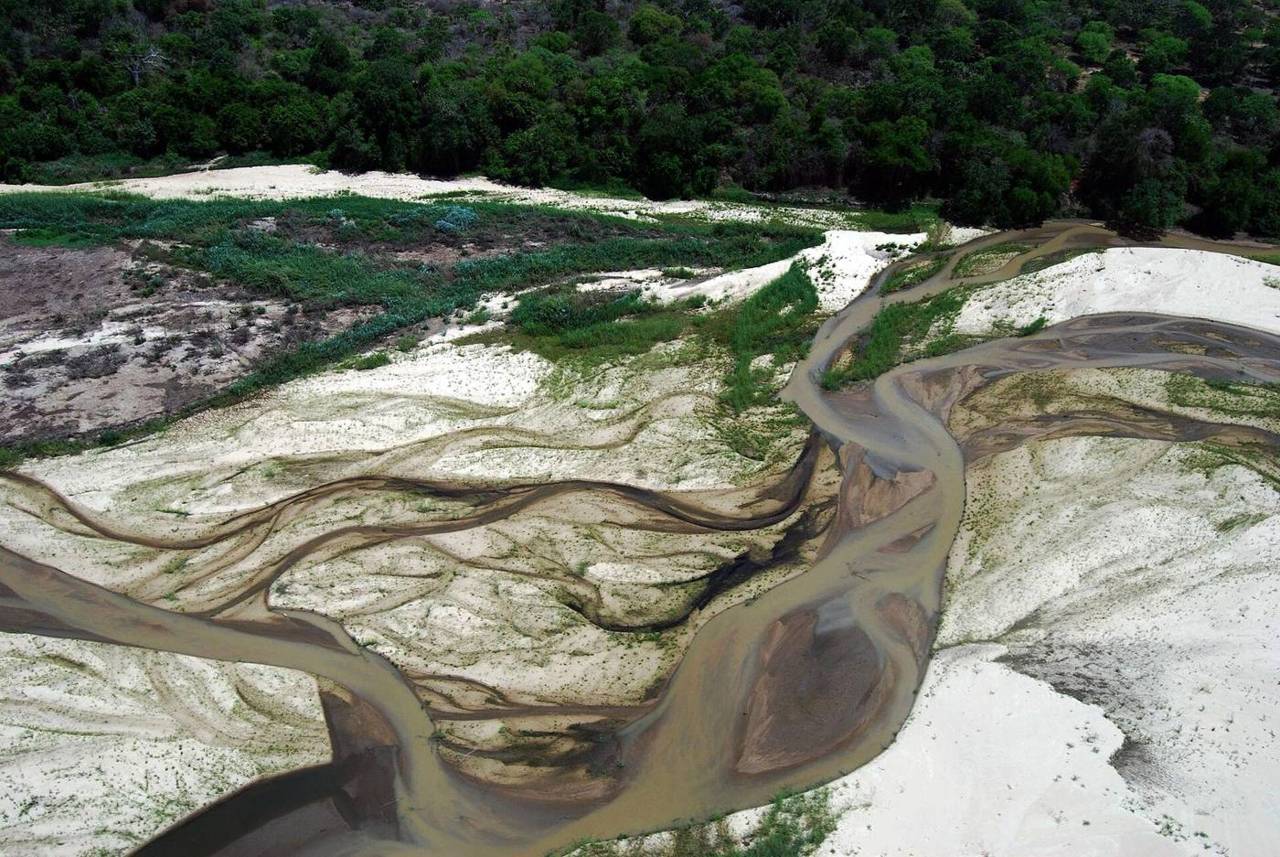
The heart of the park is the Rufiji River, one of the largest in Tanzania, which forms channels, islands and a chain of lakes. Here water is everywhere, and the landscape is very different from that of Ruaha.
You arrive at camp, usually near a lake or the river, and have lunch watching the hippos.
In the afternoon, go on your first game drive around the lakes. You see elephants, giraffes, buffaloes, wildebeest, impalas, warthogs and baboons. Nyerere is also known for African wild dogs, which live here in packs: ask your guide where they have been seen in the last few days.
At sunset the palms and dead trees in the lakes form dark silhouettes against the red sky.
In the evening, at dinner, listen to the call of the fish eagle and the grunting of the hippos.
Overnight in a tented camp in Nyerere, for three nights.
Practical tip: Nyerere is hot and humid, especially near the water. Use repellent in the evening, sleep under the mosquito net and follow the prevention your doctor recommends.
- Day 13
By boat on the Rufiji
Today you explore Nyerere from the water.
Early in the morning, board a small boat with your guide and travel slowly along the Rufiji River and among the lakes. A boat safari is one of the most special experiences in southern Tanzania. For the trip, check prices and times and what is included.
From the boat you see groups of hippos snorting and diving, and large crocodiles lying on the sandy banks, just a few metres away. Elephants, buffaloes, giraffes and waterbuck come down to the banks to drink.
The river is extremely rich in birds: fish eagles, herons, egrets, storks, kingfishers of different colours and bee eaters, which nest in holes in the sandy banks. Your guide switches off the engine and the boat drifts with the current, in silence.
Around mid morning, return to camp for a hearty breakfast.
In the afternoon, go on a game drive in the savannah around the lakes, where you often see lions and, with luck, wild dogs hunting.
At sunset, if your camp offers it, go back on the river by boat to watch the sun go down over the water, with hippos coming out to graze.
In the evening, have dinner at camp, with the lanterns lit and the fire. Before going to bed, from the camp deck, shine a torch along the lake shore: you often see the eyes of hippos and crocodiles glowing.
Overnight in Nyerere.
Practical tip: in the boat never put your hands in the water and stay seated. Crocodiles and hippos are among the most dangerous animals in Africa.
- Day 14
On foot among the lakes and the forest
Today is your last day in Nyerere.
Early in the morning, set off on a walking safari with an armed ranger and your guide. For the walking safari, check prices and times. You walk along the lake shores and in the forest, among palms, acacias and large shade trees. The ranger decides the route and the distances: always follow his instructions and stay in line.
On foot you learn to read the land: the tracks of hippos coming out of the water at night, the elephant paths, the signs left by lions. You see insects, flowers and small birds up close that go unnoticed from the vehicle.
Around mid morning, return to camp, before the heat becomes strong.
In the afternoon, if you still want to see animals, go on a last game drive. Otherwise, rest in the shade and enjoy the view over the lake.
In the dry season, at sunset, the animals come down to drink at the lakes one after another: elephants, giraffes, impalas, sometimes a lion approaching cautiously.
In the evening, have your last dinner in the savannah. After two weeks of parks, look for the last time at the sky full of stars, far from the lights of the cities.
Before going to sleep, say goodbye to and thank the camp staff, leaving a tip in the shared box or directly with each person.
Overnight in Nyerere.
Practical tip: keep a small bag ready for tomorrow's flight. On light aircraft there is little space and the luggage is loaded quickly.
- Day 15
Dar es Salaam
Today you leave the savannah and reach the coast.
In the morning, take a short flight from Nyerere to Dar es Salaam, the largest city in Tanzania, on the Indian Ocean. Its name in Arabic means roughly house of peace. It is not the official capital, which is Dodoma, but it is the economic heart of the country, with the most important port.
In the afternoon, visit the centre. Start with the National Museum, with finds from human evolution discovered in Tanzania and objects from the history of the Swahili coast and the colonial period. Check prices and times.
Then walk to the Askari Monument, the bronze statue of a soldier dedicated to the African carriers and soldiers of the First World War, and on towards St Joseph's Cathedral, on the seafront, built by German missionaries between the late nineteenth and early twentieth centuries.
Near the port is the Kivukoni fish market, very lively in the morning, where the boats unload their catch and fried fish is sold. If you prefer, visit Kariakoo market instead, the largest in the city, with stalls selling everything.
At sunset, go to the Msasani peninsula, where you can stroll along the seafront and watch the sun set over the ocean.
In the evening, have your last dinner: try grilled fish, pilau or mishkaki, meat skewers.
Overnight in Dar es Salaam.
Practical tip: in Dar es Salaam the traffic is very heavy. Use reliable taxis or ride hailing apps, do not walk alone at night and keep your phone in your pocket on the street.
- Day 16
Departure
Today you leave Tanzania.
In the morning, if your flight is late, take a walk along the seafront or a last visit to the market to buy spices, coffee or a colourful kanga, the cotton cloth with a Swahili proverb. Then go to Julius Nyerere International Airport, south west of the centre, leaving plenty of time for the traffic.
On this trip you saw the two faces of Tanzania. In the north, the elephants and baobabs of Tarangire, the forest and flamingos of Lake Manyara, the big cats and the migration of the Serengeti and the Ngorongoro caldera with the black rhino. In the south, the lions, kudus and baobabs of Ruaha, with the walking safari, and then the lakes, the Rufiji River, the hippos and the wild dogs of Nyerere, by boat and on foot. Finally Dar es Salaam, the city of the coast.
When to go: the best time is from June to October, the dry season, when the animals gather near water, the tracks are dry and there are fewer mosquitoes. It is also when walking and boat safaris work best. From November to March the landscape is green and there are many birds, but it is hot and it rains at times. In April and May, with the long rains, many southern camps close and some tracks become impassable.
Have a good journey home, with the savannah still in your eyes.
Practical tip: if your budget is tight, choose a shorter trip to the north only, done at a relaxed pace. Sixteen days rushing between four large parks is very tiring.
The ultimate Tanzanian safari. The contrast is the best part: big numbers and jeeps in the north, silence and the feeling of being alone in the south. Go between June and October. If budget is tight, nine well-planned days in the north beat sixteen rushed ones.
Before you go
- Documents and visa
- Passport valid for at least six months and a visa, applied for online on the official immigration website. From 2026 compulsory travel insurance is also required, and Zanzibar has its own: dates and costs differ between sources, so check the official websites.
- Health and vaccines
- Malaria prevention is recommended; a yellow fever certificate is needed if you arrive from a country at risk. Drink only bottled water. Emergencies: 112.
- Money and payments
- Tanzanian shilling. Parks are paid by card and safaris often in US dollars; carry cash for tips.
- Power sockets
- Types G and D, 230 volts: you need an adapter for British plugs.
- Time zone
- UTC+3 all year.
- Safety
- The United States rates Tanzania level 2, with more caution in the Mtwara region; the United Kingdom advises against travel within 20 km of the border with Cabo Delgado in Mozambique. Official advice: GOV.UK.
Information checked in November 2026 for Italian and EU citizens. Rules change: always check before you travel.
Variations
In 9 days: only the northern parks, Tarangire, Lake Manyara, the Serengeti and Ngorongoro, at a relaxed pace.
In 19 days: add three days by the sea in Zanzibar after Dar es Salaam, with a short flight or the ferry.
Frequently asked questions
Are Ruaha and Nyerere safe?
They are far from the risk areas in the south. The UK advises against all but essential travel within 20 kilometres of the border with Mozambique's Cabo Delgado province, and the US reports a higher risk in the Mtwara region. Always check the current advice before you go.
What is the difference between the northern and southern parks?
In the north there are huge numbers of animals and the great migration, but also many vehicles. In the south the parks are wilder and quieter, with few visitors, walking safaris and, in Nyerere, boat safaris.
How do you travel between north and south?
By small plane to airstrips in the parks, often with short stops. Luggage is limited, usually to one light soft bag. Distances by road are very long and the roads are slow.
Indicative itinerary written by World Atlas. Before booking, check timetables, seasonal openings, documents and safety.
 7 daysModerate
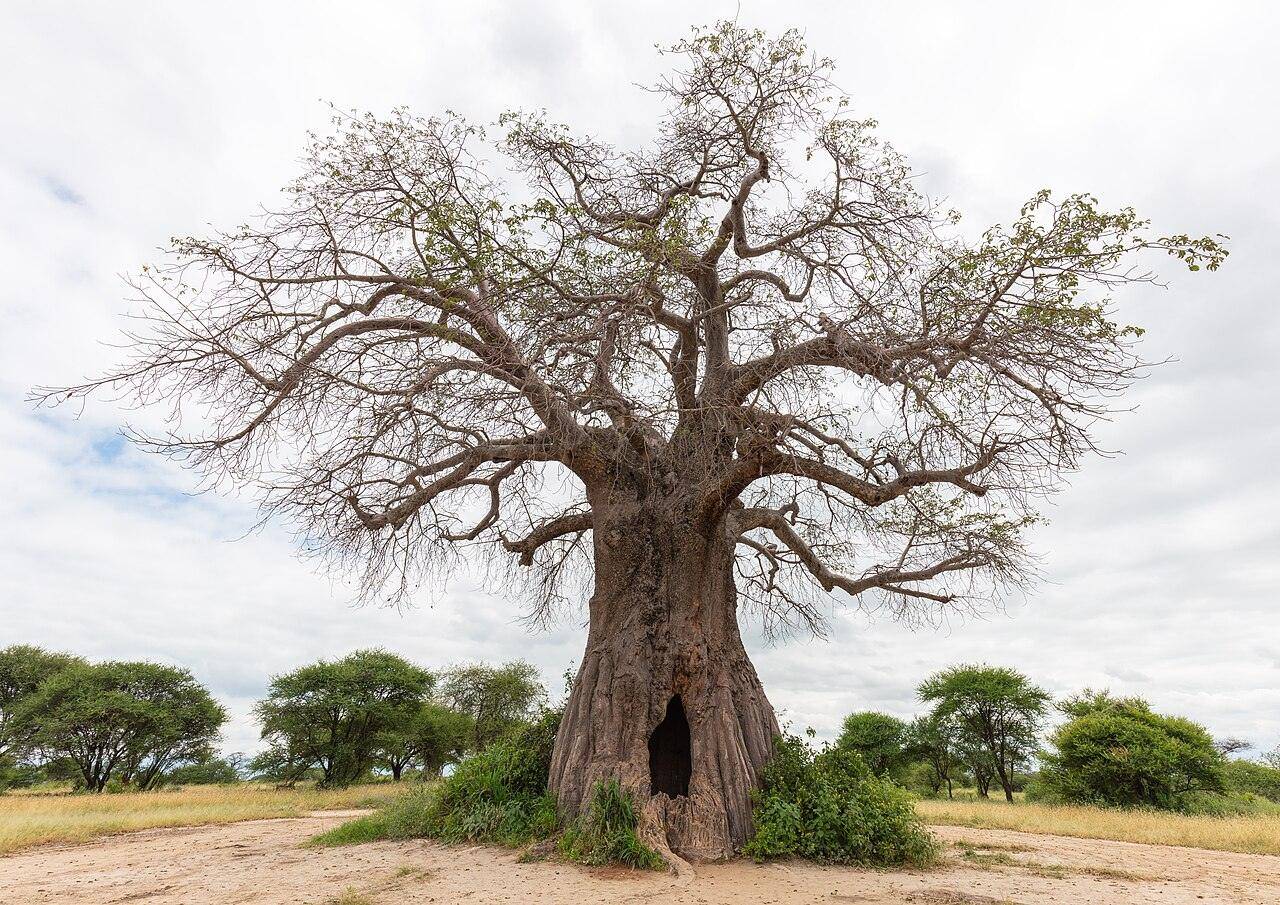
Classic safari: Tarangire, Serengeti, Ngorongoro
The northern circuit in a week: elephants and baobabs, the endless Serengeti plains and Africa's most famous crater.
 15 daysModerate
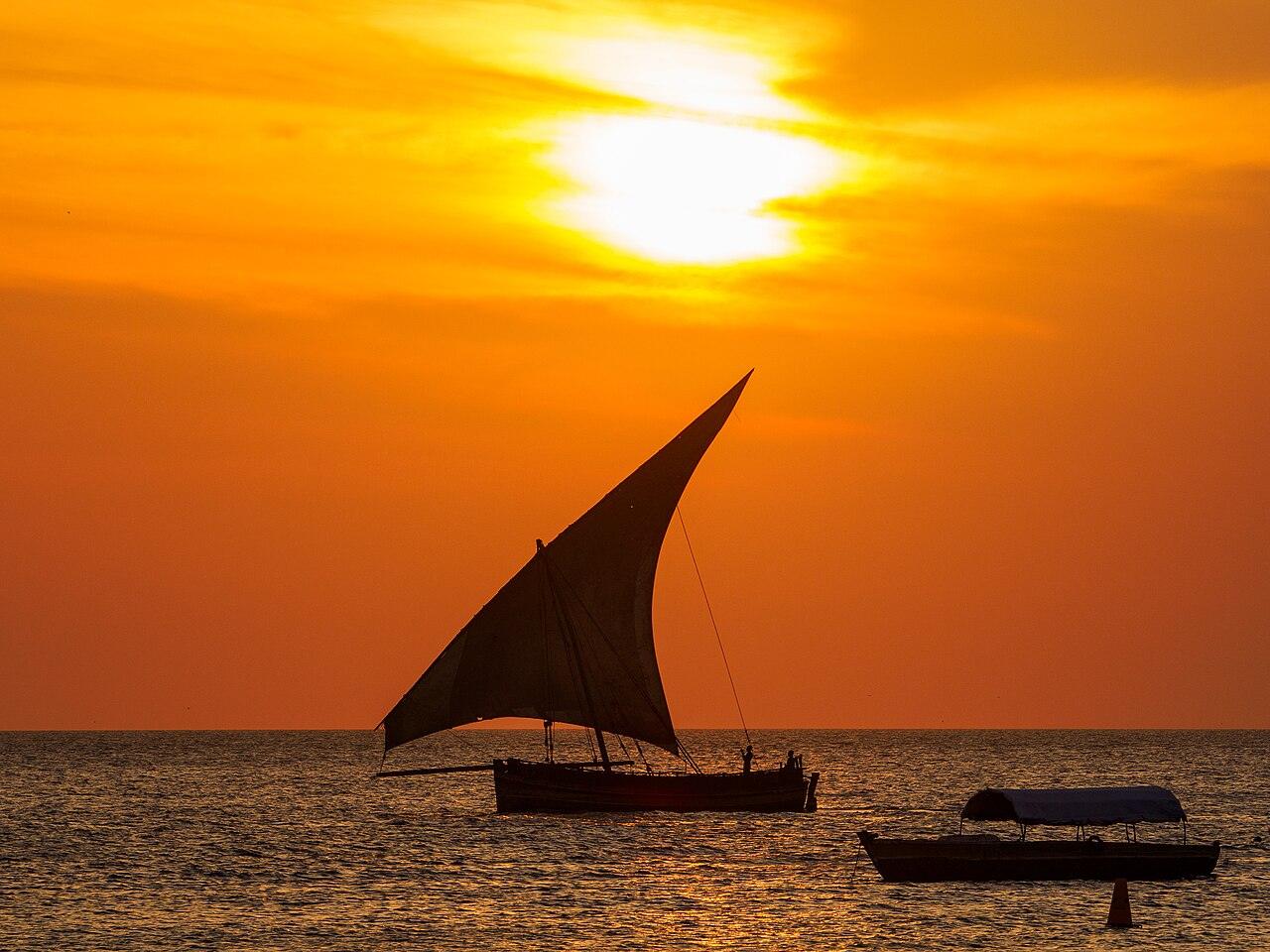
Safari and Zanzibar
One week in the great northern parks and one in Zanzibar, between Stone Town and the Indian Ocean beaches.
 9 daysEasy
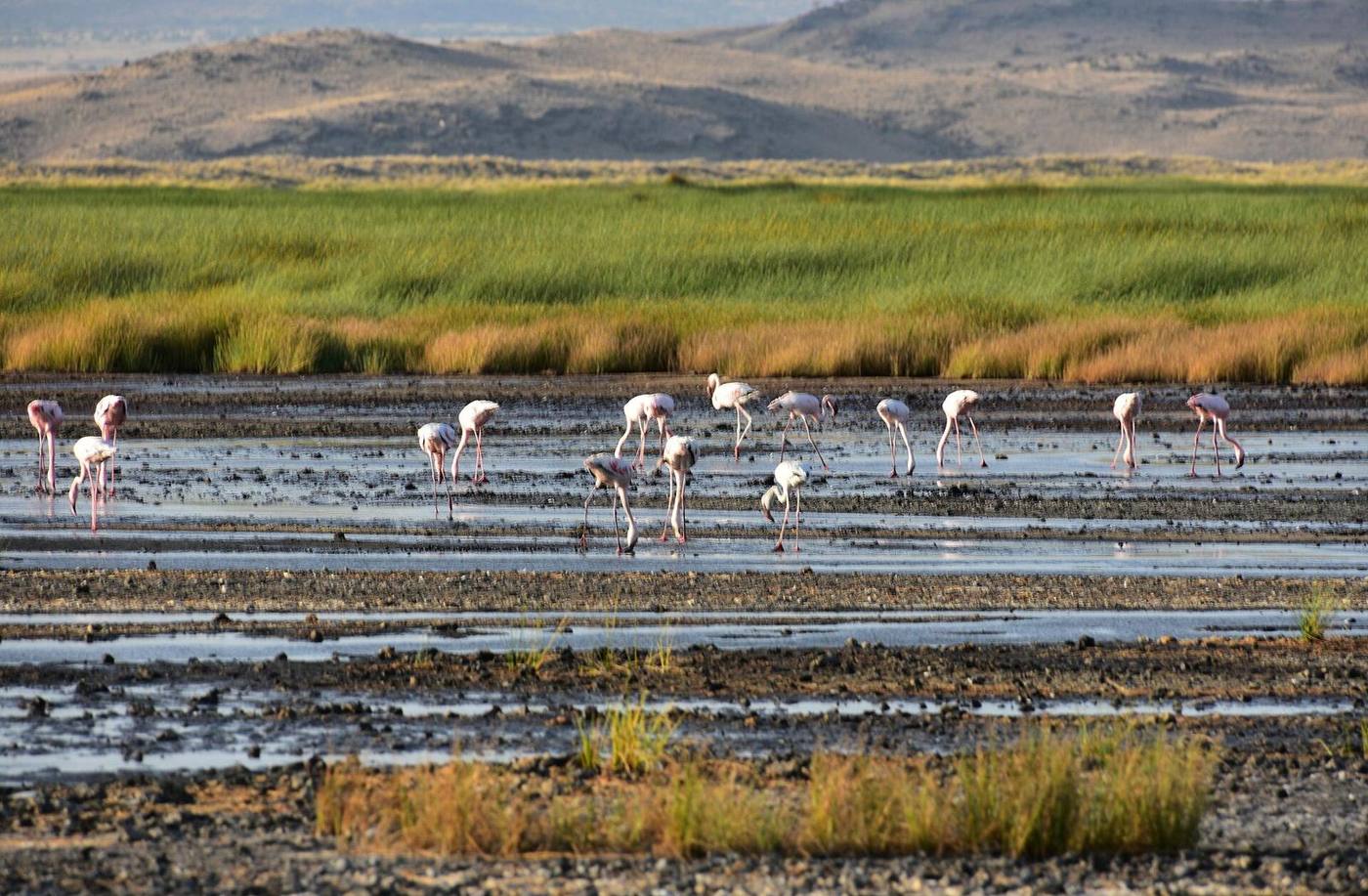
The northern parks and Lake Natron
Tarangire, the Serengeti, Ngorongoro Crater, Olduvai Gorge and the flamingos of Lake Natron below the Maasai's sacred volcano.