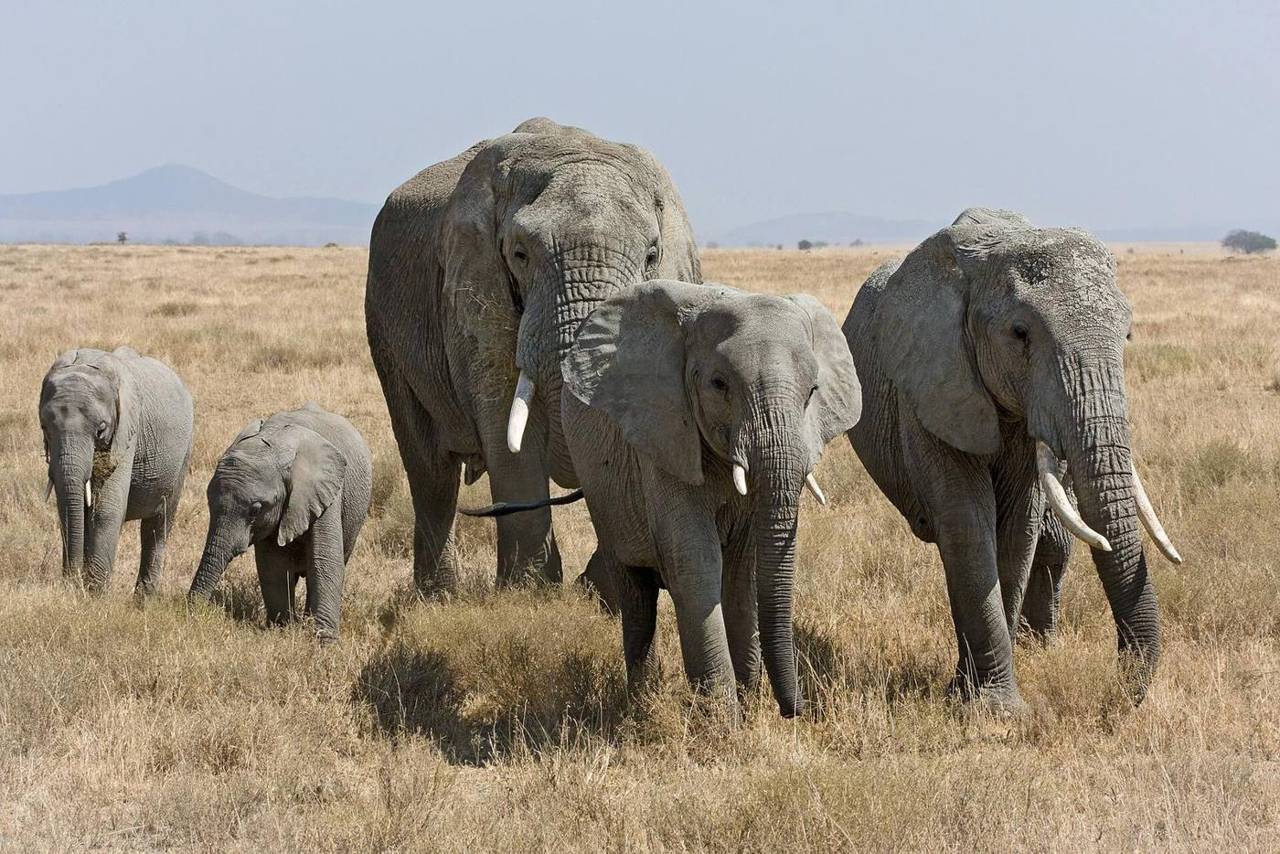
 Tanzania
The Serengeti, Ngorongoro, Kilimanjaro and Zanzibar: the classic safari and the sea.
Places not to miss
Serengeti
The Migration.
Ngorongoro
The crater full of wildlife.
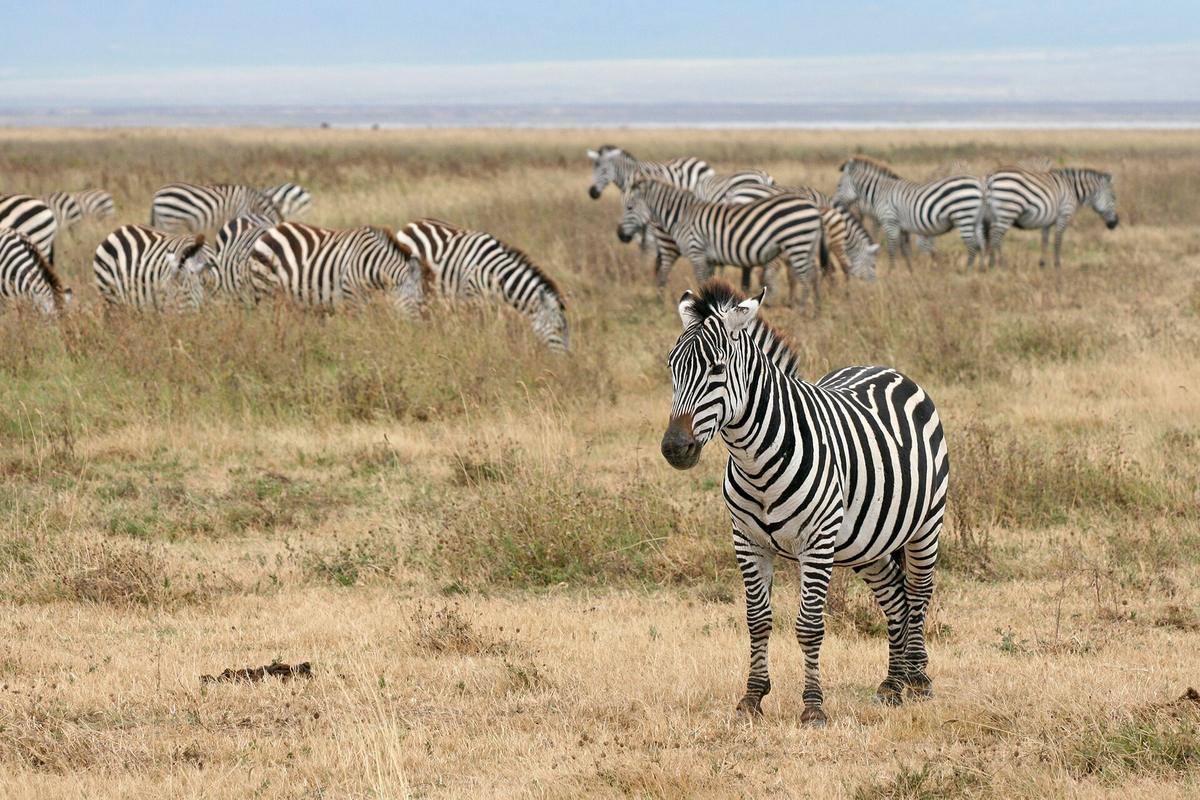
Photo: Muhammad Mahdi Karim, GFDL 1.2 Tarangire
Baobabs and elephants.
Kilimanjaro
5,895 metres.
Zanzibar
Stone Town and beaches.
Nature and wildlife
The Big Five, wildebeest, cheetahs.
Food and drink
Nyama choma, pilau.
When to go
June-October; January-February for the calving.
Did you know?
Kilimanjaro is the highest no-cost-standing mountain in the world.
Itineraries in Tanzania
Classic safari: Tarangire, Serengeti, Ngorongoro
The northern circuit in a week: elephants and baobabs, the endless Serengeti plains and Africa's most famous crater.
Safari and Zanzibar
One week in the great northern parks and one in Zanzibar, between Stone Town and the Indian Ocean beaches.
The northern parks and Lake Natron
Tarangire, the Serengeti, Ngorongoro Crater, Olduvai Gorge and the flamingos of Lake Natron below the Maasai's sacred volcano.
Zanzibar: Stone Town, beaches and reef
A week on the spice island: the lanes of Stone Town, the white beaches of the east coast, snorkelling at Mnemba and dhows at sunset.
Unknown Tanzania: Nyerere, Ruaha, Katavi and the Tanganyika chimpanzees
The south and west that almost no one sees: boat safaris in Nyerere (formerly Selous), the lions of Ruaha, the buffalo of Katavi and the chimpanzees of Gombe and Mahale.
Kilimanjaro: the summit by the Marangu route
Six days climbing to Uhuru Peak, 5,895 metres, the roof of Africa, sleeping in the huts of the classic route.
Kilimanjaro by the Machame route, plus safari
The most scenic route up Kilimanjaro, with nights in tents and natural acclimatisation, followed by a safari in the northern parks to rest your legs.
All of Tanzania: the north, Ruaha and Nyerere
The great northern parks and the two giants of the south, to see the classic savannah and the wild one in the same trip.
Safari in Tanzania and sea in the Seychelles
The northern parks and then Praslin and La Digue, with pink granite beaches among the most beautiful in the world.
Kenya and Tanzania: the Rift Valley and the Serengeti
Two countries in one safari: the lakes of Kenya's Rift Valley, the Maasai Mara and then across the border into the Serengeti and Ngorongoro, following the migration.
Pemba, the green island
Zanzibar's quiet sister: hills of clove trees, villages, mangroves and almost deserted beaches, the coral walls of Misali Island and the Pemba Channel for diving and snorkelling, Ngezi Forest with the Pemba flying fox and the Swahili ruins at Chwaka.
Mafia Island and the whale sharks
An island off the beaten track, inside Mafia Island Marine Park: from October to February you swim with whale sharks in Kilindoni bay, then untouched coral reefs, the Kua ruins on Juani Island, sandbanks and, in season, nesting turtles.
Mount Meru and Arusha National Park
Kilimanjaro's little brother, 4,562 metres: the climb starts inside Arusha National Park, with an armed ranger because you walk among giraffes and buffalo, up to the crater rim and Socialist Peak at dawn, facing Kilimanjaro. Before that, the Momella lakes by canoe.
The Usambara Mountains on foot
Green, cool Tanzania, far from the safaris: Lushoto, a former colonial hill station, the Irente viewpoint over the plains, Shambaa villages among terraced fields, forests with chameleons and endemic birds, and village-to-village walks with local guides.
Lake Eyasi and the Karatu highlands
A cultural break between parks: the coffee farms around Karatu, the salt lake of Eyasi below the escarpment, a morning with the Hadzabe hunter-gatherers and a visit to the Datoga blacksmiths, then the forest on the rim of the Ngorongoro crater.
Mikumi and the Udzungwa Mountains
The easy south from Dar es Salaam: safari on the Mikumi plain, with elephants, lions, giraffes and buffalo, then the rainforest of the Udzungwa Mountains, walking to the 170-metre Sanje Falls among red colobus and endemic monkeys found nowhere else.
Southern Serengeti and the migration calving
Between January and March the wildebeest gather on the short-grass plains around Ndutu, on the border between the Serengeti and the Ngorongoro area, and in a few weeks hundreds of thousands of calves are born: it is the predators' moment, with lions, cheetahs and hyenas always on the move.
Saadani and the Pangani coast
Where the savannah meets the sea: Saadani National Park with game drives, walks and boat trips on the Wami River among hippos and crocodiles, beaches where turtles nest, then the Swahili town of Pangani and the Maziwe sandbank.
Kilimanjaro via the Lemosho route
The most scenic and gradual route up the roof of Africa: it starts in the western forest, crosses the whole Shira plateau, skirts below the southern glaciers past the Lava Tower and the Barranco Wall, and climbs to Uhuru Peak, 5,895 metres, with more days to acclimatise.
Dar es Salaam and Bagamoyo
The Swahili coast near the country's largest city: the National Museum and the fish market in Dar es Salaam, the Kariakoo district, then Bagamoyo, the old caravan port, with its fort, the Catholic mission and the medieval Kaole ruins by the sea.
Practical guide to Tanzania
- Documents
- You need a passport valid for at least six months and a visa, applied for online on the official Tanzanian immigration website; beware of intermediary sites. From 2026 there is also compulsory travel insurance, and Zanzibar has its own: dates and costs differ between sources, so we do not give them; check the official websites before leaving.
- Safety
- The United States rates Tanzania level 2, with more caution in the Mtwara region; the United Kingdom advises against travel within 20 km of the border with Cabo Delgado province in Mozambique. In parks stay in the vehicle; in Stone Town and Dar es Salaam watch out for pickpockets at night. Official advice: GOV.UK.
- Getting around
- Northern safaris start from Arusha, near Kilimanjaro airport, in 4x4s with licensed guides. Short flights link the parks and Zanzibar; between Dar es Salaam and Zanzibar there is also the fast ferry, about two hours.
- Verified costs
- Official entry fees for non-resident adults, per 24 hours and including VAT: Serengeti 82.60 US dollars (TANAPA); Ngorongoro Conservation Area 70.80 dollars (NCAA). To descend into the crater, a further 295 dollars is paid per vehicle per descent. These are usually included in the safari price: check your contract.
Climate month by month
Average minimum and maximum temperatures in Arusha, the safari base, Zanzibar and Dar es Salaam, plus rainfall in Dar es Salaam. The long rains fall between March and May; the dry season, June to October, is best for safaris. Mornings in Arusha are cool.
- January
- Arusha 16 / 28 °C · Zanzibar 24 / 33 °C · Dar es Salaam 25 / 32 °C · Dar es Salaam rain 75 mm
- February
- Arusha 16 / 28 °C · Zanzibar 24 / 33 °C · Dar es Salaam 25 / 33 °C · Dar es Salaam rain 55 mm
- March
- Arusha 17 / 28 °C · Zanzibar 24 / 32 °C · Dar es Salaam 24 / 33 °C · Dar es Salaam rain 140 mm
- April
- Arusha 17 / 25 °C · Zanzibar 24 / 31 °C · Dar es Salaam 23 / 31 °C · Dar es Salaam rain 255 mm
- May
- Arusha 16 / 23 °C · Zanzibar 24 / 30 °C · Dar es Salaam 22 / 30 °C · Dar es Salaam rain 200 mm
- June
- Arusha 15 / 22 °C · Zanzibar 23 / 29 °C · Dar es Salaam 20 / 30 °C · Dar es Salaam rain 45 mm
- July
- Arusha 14 / 22 °C · Zanzibar 22 / 29 °C · Dar es Salaam 19 / 30 °C · Dar es Salaam rain 25 mm
- August
- Arusha 14 / 23 °C · Zanzibar 21 / 29 °C · Dar es Salaam 19 / 30 °C · Dar es Salaam rain 25 mm
- September
- Arusha 15 / 25 °C · Zanzibar 21 / 30 °C · Dar es Salaam 20 / 31 °C · Dar es Salaam rain 25 mm
- October
- Arusha 16 / 27 °C · Zanzibar 22 / 31 °C · Dar es Salaam 21 / 31 °C · Dar es Salaam rain 70 mm
- November
- Arusha 16 / 27 °C · Zanzibar 23 / 31 °C · Dar es Salaam 23 / 32 °C · Dar es Salaam rain 125 mm
- December
- Arusha 16 / 27 °C · Zanzibar 24 / 32 °C · Dar es Salaam 24 / 32 °C · Dar es Salaam rain 120 mm
Source: Climats et Voyages (Arusha and Dar es Salaam 1991-2020; for Zanzibar and rainfall the period is not stated). Data and prices checked in November 2026.
Where to go and where not to
Avoid the areas listed above and before booking, always check up-to-date official travel advice, because the situation can change.