Classic safari: Tarangire, Serengeti, Ngorongoro
The northern circuit in a week: elephants and baobabs, the endless Serengeti plains and Africa's most famous crater.
- Arusha
- Tarangire
- Serengeti
- Ngorongoro
Day by day
- Day 1
Arrival at Kilimanjaro airport and Arusha
To enter Tanzania EU citizens need a visa, applied for online on the official Tanzanian immigration website before leaving; beware of intermediary sites. From 2026 the government has also introduced compulsory travel insurance for visitors: information on dates and costs is not yet consistent across sources, so check the official website before departure. Your passport must be valid for at least six months.
Your flight lands at Kilimanjaro International Airport, between Moshi and Arusha. On clear days, from the window or the road, you see Kilimanjaro, Africa's highest mountain, with its snowy summit at almost six thousand metres. In about an hour you reach Arusha, the base town for safaris in northern Tanzania, at the foot of Mount Meru.
In the afternoon rest after the flight and meet your safari guide: in Tanzania you almost always travel in a 4x4 with a licensed driver-guide who knows the wildlife and park rules. Choose a registered operator, with pop-top vehicles so you can stand to watch the animals.
In the evening pack your bag: for safari you need clothes in neutral colours, beige, green or brown, a jacket for cold mornings, a hat, sunscreen, binoculars and a soft bag instead of a hard suitcase.
Practical tip: see your doctor before leaving about malaria prevention and recommended vaccines; a yellow fever certificate is needed if you arrive from a country at risk.
- Day 2
Tarangire National Park
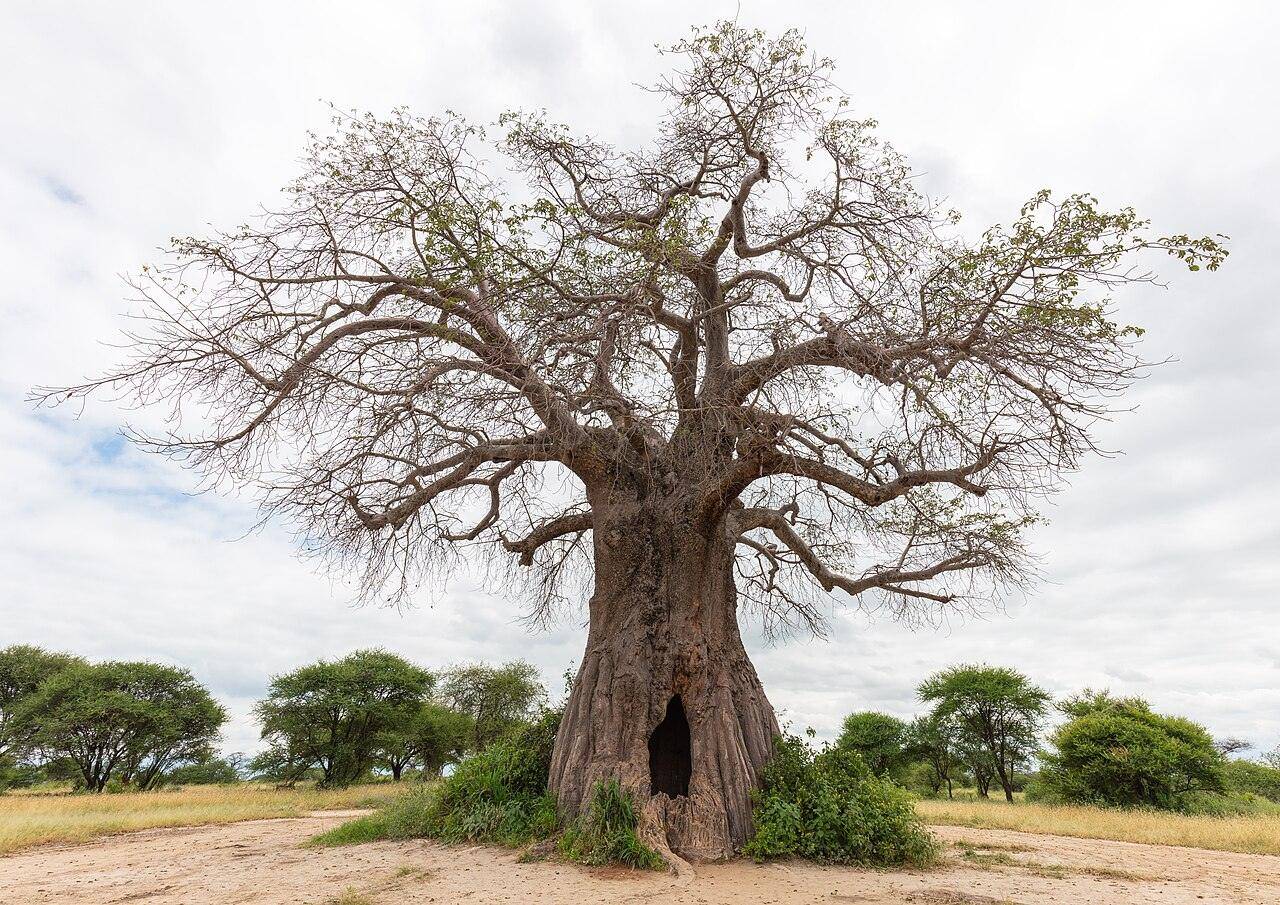
Early in the morning leave for Tarangire National Park, about two hours south-west of Arusha. Tarangire is famous for its great herds of elephants, among the largest in Tanzania, and for its baobabs, huge trees with water-swollen trunks that can live more than a thousand years and look planted upside down, roots to the sky.
The park takes its name from the Tarangire River, which crosses it and is the main source of water in the dry season, June to October: in those months thousands of animals gather along its banks, elephants, zebras, wildebeest, buffalo, giraffes, impalas and gazelles, followed by predators, lions, leopards and cheetahs. The park is also home to a great many bird species, including ostriches and ground hornbills, large black birds with red faces.
During the game drive the guide stops wherever there are animals and explains their behaviour. In the middle of the day, when animals rest in the shade, you break for lunch at a designated area in the park.
In the late afternoon the golden light on the baobabs and elephants is among the finest of the trip. In the evening stay in a lodge or tented camp near the park.
Practical tip: in the parks you never leave the vehicle except in authorised areas; do not feed animals or make noise. Tarangire has tsetse flies: light clothing and repellent help.
- Day 3
To the Serengeti
In the morning set off for Serengeti National Park, Africa's most famous, crossing the Ngorongoro Conservation Area, where you climb to the crater rim and descend towards the plains. The journey takes several hours on dirt roads, but it is already a safari: you pass Maasai villages, with round mud houses and livestock enclosures, and see herders in red cloaks with their cattle.
The name Serengeti comes from the Maasai language and means endless plain: it is an immense grass savannah with scattered acacias and great granite outcrops called kopjes, where lions often rest. The park is a UNESCO World Heritage site.
Entry to the Serengeti for a non-resident adult costs 82.60 US dollars per person per twenty-four hours, VAT included; it is usually included in the safari price, but check your contract with the operator.
In the afternoon the game drive begins in the central Seronera area, with its river and trees: one of the best areas to see leopards in trees, lions and cheetahs, present all year.
In the evening sleep in a tented camp in the park: at night you hear lions roaring and hyenas laughing. Practical tip: in tented camps do not go out at night without staff escort, because wild animals walk freely between the tents.
- Day 4
The Serengeti and the Great Migration
Today is a full day of game drives in the Serengeti, starting at dawn, when animals are most active and predators hunt. The Serengeti is the stage of the Great Migration, the largest movement of land animals on the planet: more than a million wildebeest, with hundreds of thousands of zebras and gazelles, move in a circle all year between Tanzania and Kenya, following the rain and fresh grass.
The herds' position changes with the seasons. Between January and March they are in the south, around Ndutu, where thousands of wildebeest calves are born, attracting predators. Between April and May, during the long rains, they move up to the centre and west. Between July and October they are in the north, crossing the crocodile-filled Mara River, one of nature's most spectacular scenes. Guides follow news of the herds' location.
During the drive, besides the migration, you look for the Big Five: lion, leopard, elephant, buffalo and rhino, the last very rare in the Serengeti. You also see giraffes, hippos in pools, hyenas, jackals and many birds.
In the hottest hours you rest at camp or have a picnic in the shade. The afternoon is again devoted to game viewing, until sunset.
Practical tip: you can take a dawn hot-air balloon flight over the Serengeti, expensive but treasured by those who try it; book in advance with licensed operators.
- Day 5
The Serengeti at leisure
Another day in the Serengeti lets you explore different areas and spend longer with the animals, without hurrying. Early in the morning, in the dawn light, head to the Moru or Simba kopjes, granite rock formations rising from the plain, where lions rest and watch the savannah. At the Moru kopjes there are also Maasai rock paintings and a rock called Gong Rock, which rings like a drum when struck.
The Serengeti is the best place in Africa to see cheetahs, the fastest land animals in the world, which hunt by day on the open plains. Sometimes you witness a hunt: the cheetah creeps closer slowly, then sprints at tremendous speed. The guide recognises the signs, such as gazelles that stop grazing and all stare in the same direction.
In the afternoon stop at the hippo pools, where dozens of animals wallow with open mouths and grunts, and look for crocodiles sunning themselves on the banks.
In the evening at camp, watch the sunset over the savannah and the starry sky, with no artificial light for hundreds of kilometres.
Practical tip: safari photography takes patience and a good zoom; turn off the engine and wait in silence, because animals get used to the vehicle. Keep your distance: driving off-track is not allowed except where permitted.
- Day 6
The Ngorongoro Crater
Early in the morning leave the Serengeti and return to the Ngorongoro Conservation Area, a UNESCO World Heritage site, to descend into the crater, the largest intact volcanic caldera in the world: an ancient volcano that collapsed in on itself millions of years ago, with walls about six hundred metres high and a floor about twenty kilometres across.
About twenty-five thousand large animals live in the crater, in an enclosed space: it is one of the best places in Africa to see the black rhino, very rare and protected. You also see lions, elephants, buffalo, wildebeest, zebras, hippos, hyenas and jackals, and on Lake Magadi, the salt lake in the centre, thousands of pink flamingos. Forests rise along the walls, while the floor is open grassland.
Entry to the Ngorongoro Conservation Area costs 70.80 US dollars per person per twenty-four hours, VAT included, for a non-resident adult; in addition, each vehicle descending into the crater pays a crater service fee of 295 dollars per descent. These costs are usually included in the safari, but check with your operator.
Time in the crater is limited, usually a few hours, to reduce the impact on the environment. Lunch is at a picnic area by a pond, watching out for kites that snatch food from your hands.
In the evening sleep on the crater rim or in Karatu. Practical tip: mornings on the rim, above two thousand metres, are cold; bring a heavy jacket.
- Day 7
Back to Arusha and departure
The last day is for the drive back to Arusha, about three hours from Ngorongoro. On the way you cross the Karatu region, with coffee plantations on the highlands, and descend into the Rift Valley, the great fracture in the earth's crust that runs through East Africa, with views of Lake Manyara.
If you have time, stop at Mto wa Mbu, a lively village at the foot of the Rift Valley escarpment, where people of many different Tanzanian ethnic groups live together. With a local guide you visit the market and banana plantations and meet woodcarvers. The village's name means river of mosquitoes in Swahili.
In Arusha, before heading to the airport, you can visit the central market or the cultural centre with Tanzanian art and crafts, or stop at a coffee plantation on the slopes of Mount Meru.
Things to take home: Tanzanian coffee, colourful kanga and kitenge fabrics, Maasai beadwork bought directly from the women who make it, wood carvings, Tingatinga-style paintings and tanzanite, the blue stone found only in Tanzania near Kilimanjaro, bought only in authorised shops with a certificate.
Practical tip: tipping guides and camp staff is customary in Tanzania and part of their income; ask your operator for recommended amounts. Reach Kilimanjaro airport at least three hours before international flights.
East Africa's most spectacular safari, with big predators in the Serengeti and the Ngorongoro Crater. Tanzanian park fees are high and weigh heavily on the price. For the migration, choose the month and the area of the Serengeti carefully.
Before you go
- Documents and visa
- Passport valid for at least six months and a visa, applied for online on the official immigration website. From 2026 compulsory travel insurance is also required, and Zanzibar has its own: dates and costs differ between sources, so check the official websites.
- Health and vaccines
- Malaria prevention is recommended; a yellow fever certificate is needed if you arrive from a country at risk. Drink only bottled water. Emergencies: 112.
- Money and payments
- Tanzanian shilling. Parks are paid by card and safaris often in US dollars; carry cash for tips.
- Power sockets
- Types G and D, 230 volts: you need an adapter for British plugs.
- Time zone
- UTC+3 all year.
- Safety
- The United States rates Tanzania level 2, with more caution in the Mtwara region; the United Kingdom advises against travel within 20 km of the border with Cabo Delgado in Mozambique. Official advice: GOV.UK.
Information checked in November 2026 for Italian and EU citizens. Rules change: always check before you travel.
Variations
In 5 days: Tarangire, a day and a half in the central Serengeti and the Ngorongoro Crater, with less time for the migration.
In 12 days: after the safari add a few beach days in Zanzibar, with Stone Town, the beaches of Paje and the coral reef.
Frequently asked questions
How much are the parks in Tanzania?
Serengeti entry costs 82.60 US dollars per person per twenty-four hours and the Ngorongoro area 70.80 dollars, VAT included. To descend into the crater, each vehicle also pays 295 dollars per descent.
When can you see the Great Migration?
Between January and March in the southern Serengeti, when wildebeest calves are born, and between July and October in the north, when the herds cross the Mara River. For the rest of the year the herds are in the centre and west.
Do I need a visa for Tanzania?
Yes: EU citizens must apply for a visa online on the official Tanzanian immigration website. From 2026 there is also compulsory travel insurance: check the official website for current rules.
Indicative itinerary written by World Atlas. Before booking, check timetables, seasonal openings, documents and safety.
 15 daysModerate
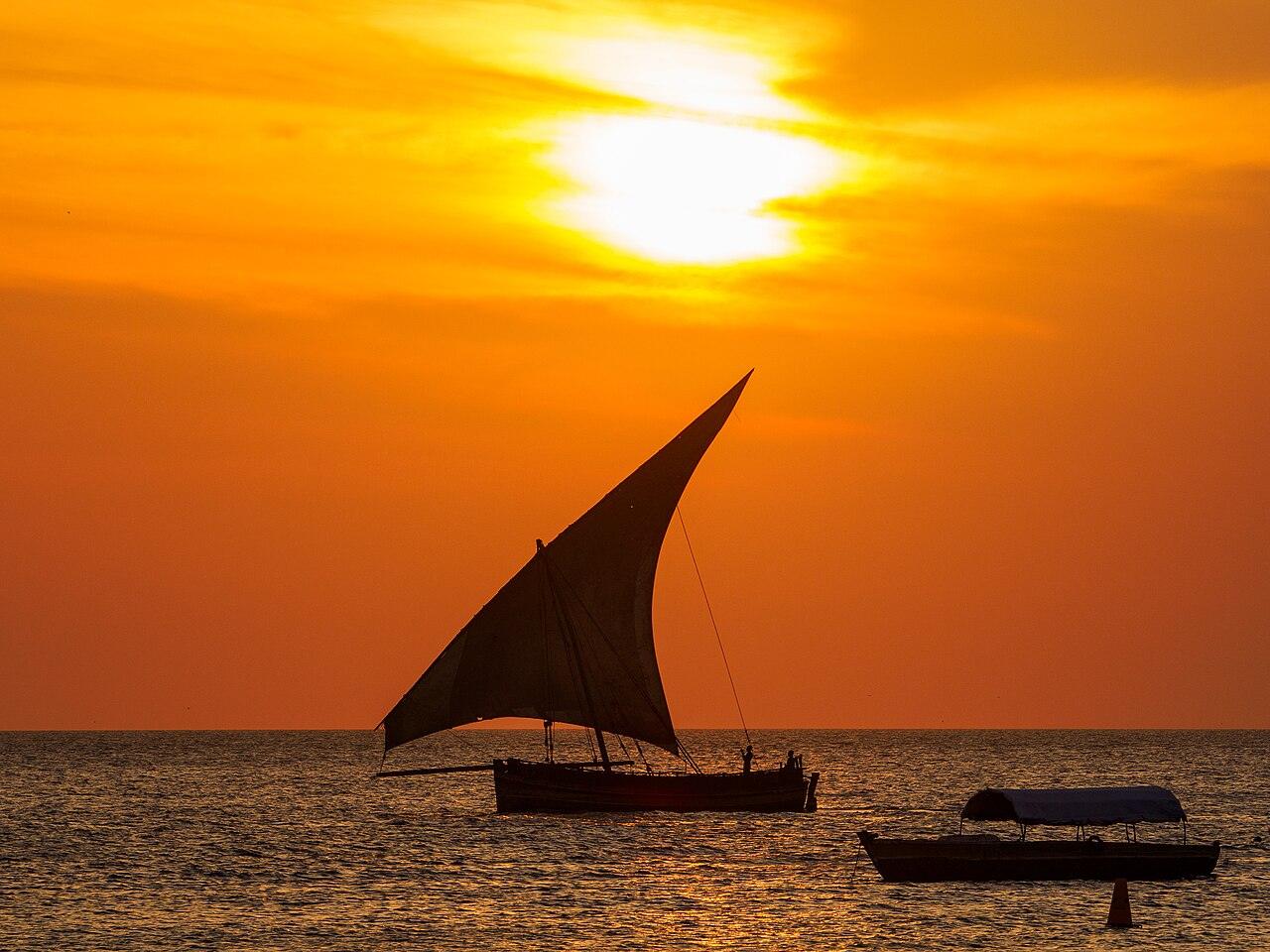
Safari and Zanzibar
One week in the great northern parks and one in Zanzibar, between Stone Town and the Indian Ocean beaches.
 9 daysEasy
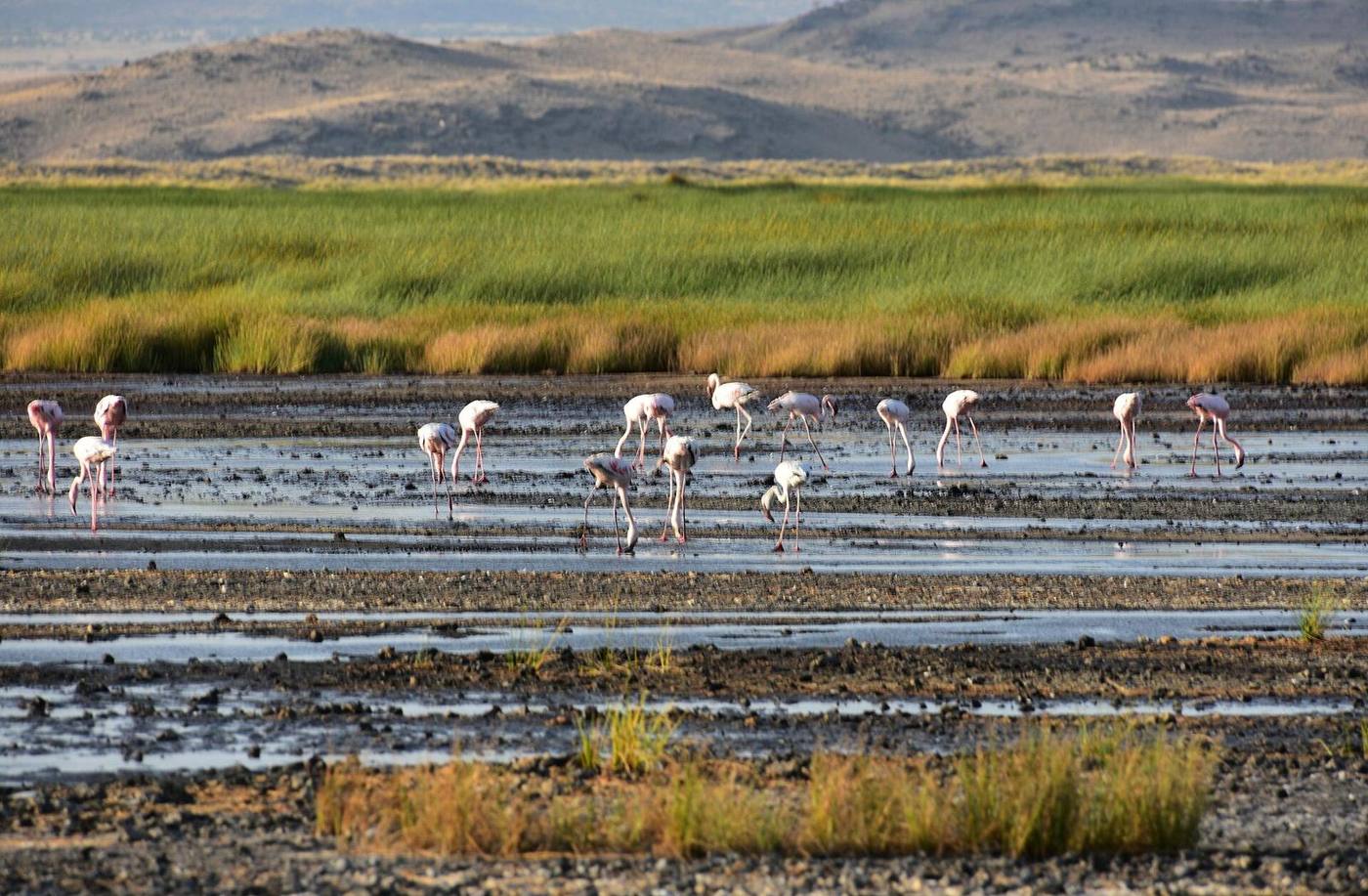
The northern parks and Lake Natron
Tarangire, the Serengeti, Ngorongoro Crater, Olduvai Gorge and the flamingos of Lake Natron below the Maasai's sacred volcano.
 9 daysEasy
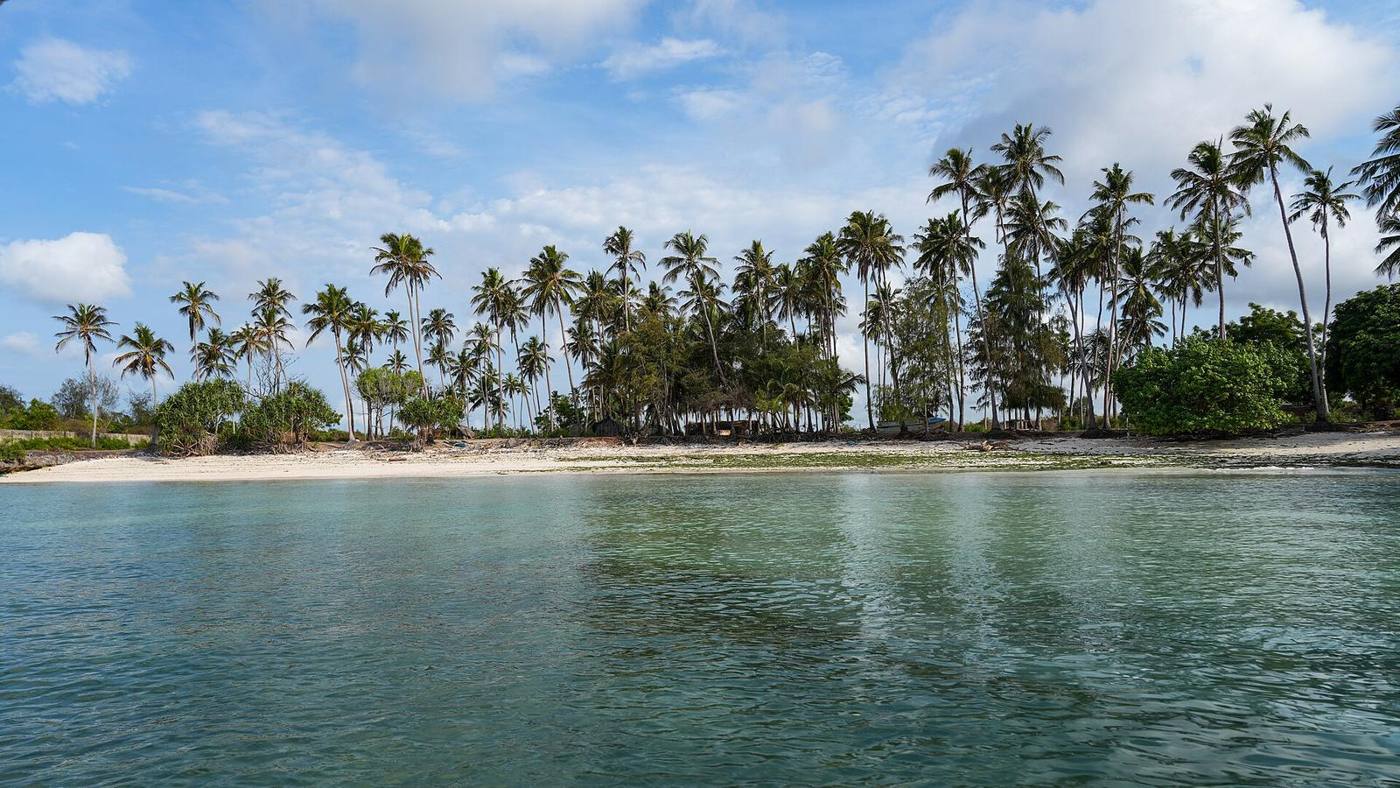
Zanzibar: Stone Town, beaches and reef
A week on the spice island: the lanes of Stone Town, the white beaches of the east coast, snorkelling at Mnemba and dhows at sunset.