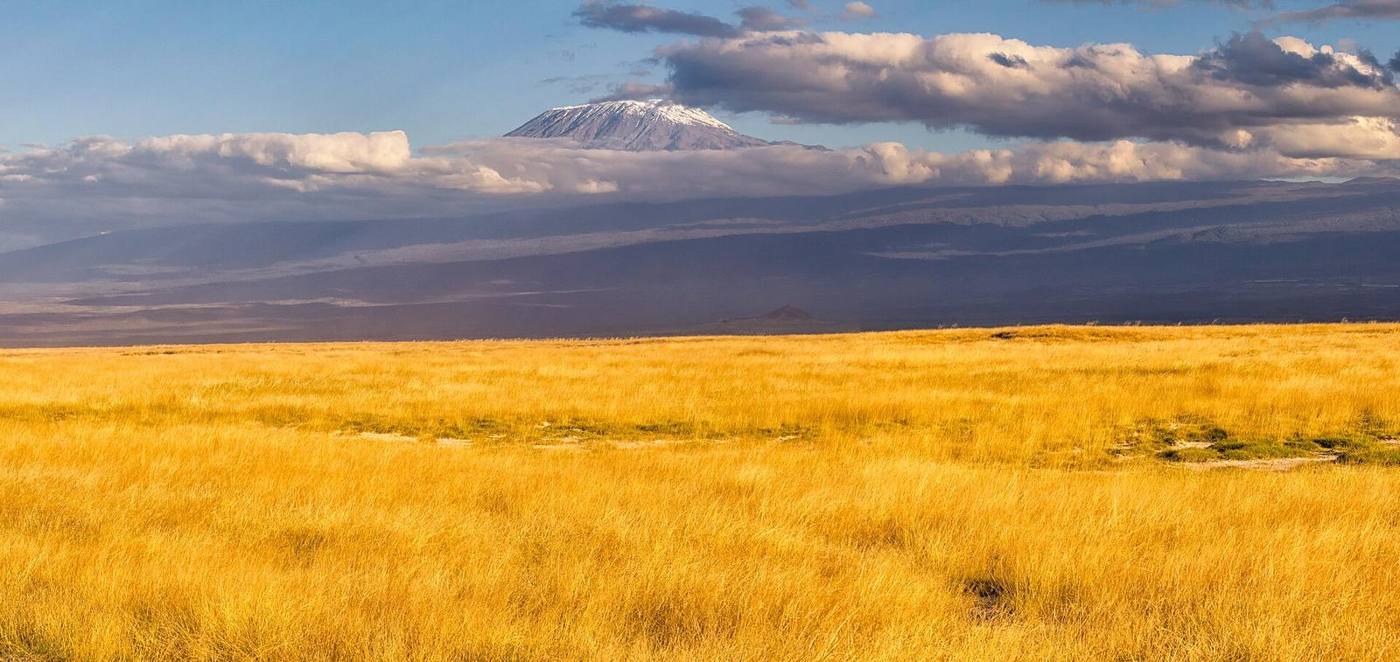
Kilimanjaro: the summit by the Marangu route
Six days climbing to Uhuru Peak, 5,895 metres, the roof of Africa, sleeping in the huts of the classic route.
- Moshi
- Marangu
- Mandara
- Horombo
- Kibo
- Uhuru Peak
Day by day
- Day 1
Arrival and a night in Moshi
This trip is the climb of Kilimanjaro, the highest mountain in Africa at 5,895 metres, by the Marangu route. It is the only route on the mountain with wooden huts instead of tents: you sleep in cabins with bunk beds and eat in a shared dining hall. It goes up and down the same south eastern side, and the programme includes an extra day at Horombo to adjust to the altitude.
Before you leave: the United States government rates Tanzania at level 2 of 4. For the visa and a yellow fever certificate, if you arrive from at risk countries, check the current requirements. Kilimanjaro National Park fees are high and change: check what your operator's price includes. The climb can only be done with a licensed operator, guides and porters: choose one that treats them well and pays them fairly.
You fly into Kilimanjaro airport, between Moshi and Arusha. In about an hour you reach Moshi, the town at the foot of the mountain, with its market, coffee farms around it and, on clear mornings, the white summit appearing above the clouds.
In the afternoon meet your lead guide, who checks your gear and explains the plan. In Moshi you can hire a heavy sleeping bag, jacket, poles and gaiters.
Sleep in Moshi.
Practical tip: the best periods are January to March and June to October. April and May are very rainy.
- Day 2
Marangu Gate and the forest to Mandara hut
In the morning drive from Moshi to Marangu Gate, about an hour away, at around 1,870 metres. Here park entry formalities are completed, names are registered and the porters' loads are weighed. Then you start walking.
The path climbs gently through montane rainforest, damp and green, with very tall trees covered in moss, tree ferns, lianas, orchids and wild begonias. You hear birds and often see black and white colobus monkeys in the branches and sometimes blue monkeys. The path is wide and well maintained.
You walk four or five hours, calmly and slowly: the guide repeats pole pole, slowly slowly in Swahili. Walking slowly from the first day helps the body adjust to altitude.
In the afternoon you reach Mandara hut, at about 2,700 metres, a group of triangular wooden cabins in a forest clearing.
If you still have energy, take a short walk of about twenty minutes to Maundi crater, a small grassy volcanic crater from where, on a clear day, you see the summit of Kibo and the plain below.
In the evening the cook prepares a hot dinner: soup, rice or pasta, vegetables, meat or fish, fruit.
Sleep at Mandara hut.
Practical tip: drink at least three litres of water a day. It is the most useful thing against altitude sickness.
- Day 3
Through the moorland to Horombo hut
Today you leave the forest and enter the moorland zone, with giant heathers, low shrubs and flowers. The landscape opens up and for the first time you clearly see the mountain's two peaks: Kibo, the highest, with its cap of snow and ice, and Mawenzi, with its jagged dark rock pinnacles.
The path climbs steadily for five or six hours. Giant groundsels and giant lobelias grow on the moorland, plants found only on the great mountains of East Africa. There are also proteas, with large flowers.
In the afternoon you reach Horombo hut, at about 3,720 metres, the largest on the route, on a slope with a wide view over the plain and the sea of clouds. Here you meet hikers going up and those coming down from the summit: listen to their stories, but remember that everyone reacts differently to altitude.
At this height a mild headache, little appetite and disturbed sleep are normal. Always tell your guide, who checks the whole group's pulse and blood oxygen every evening.
At sunset the clouds below the hut turn pink and orange. The night is cold, below freezing.
Sleep at Horombo hut.
Practical tip: use sunscreen and sunglasses. At this altitude the sun burns even when it is cold.
- Day 4
Acclimatisation day at Horombo and the Zebra Rocks
Today you stay at Horombo for an acclimatisation day. It is very important: people who climb Kilimanjaro too fast are more likely to fall ill and not reach the top. The extra day improves your chances of success.
The principle is simple: climb higher during the day and come back down to sleep lower. In the morning walk with the guide for about an hour and a half to the Zebra Rocks, at about 4,000 metres: walls of dark volcanic rock with vertical white streaks, left by minerals carried by water, which look like a zebra's coat. If you feel well you can climb a little further towards the saddle between Kibo and Mawenzi, look at the landscape and then come down.
In the afternoon rest at the hut, drink, eat and prepare your pack. You can take a short walk around Horombo among the giant groundsels and watch white necked ravens and small sunbirds looking for nectar in the lobelias.
In the evening, at dinner, the guide explains the plan for the next days and the summit night.
Sleep at Horombo hut.
Practical tip: even if you feel great, do not rush. Altitude sickness can strike suddenly, even in fit people.
- Day 5
Through the high altitude desert to Kibo hut
Today you climb into the high altitude desert zone to Kibo hut, at about 4,700 metres, in five or six hours.
After Horombo the path passes the last plants and reaches the saddle, a great plain of volcanic sand, stones and gravel between the two peaks, Kibo and Mawenzi. Almost nothing grows here. The wind can be strong and cold, and the sun very intense. You walk slowly through a lunar landscape, with the cone of Kibo coming closer ahead and the spires of Mawenzi to your right.
Along the way is the last water point; from here on the porters carry all the water needed.
Kibo hut is a stone building at the foot of the great slope that climbs to the crater. You arrive in the early afternoon. The rest of the day is for rest: you eat, drink a lot, prepare your gear and try to sleep a few hours, even if excitement and altitude make it hard to fall asleep.
Dinner is early, around five, and then bed. The alarm rings at around eleven at night.
Prepare your clothes for the night: three or four layers on top, two or three below, heavy gloves, a hat, a balaclava and warm boots.
Sleep at Kibo hut, for a few hours.
Practical tip: keep water bottles upside down in your pack or in an insulated cover. At the top water freezes.
- Day 6
Gilman's Point and Uhuru Peak at dawn, then down to Horombo
Around midnight, after a hot tea and a few biscuits, you set off for the summit in the dark, with a head torch. The first stretch is a long, steep slope of scree and stones, climbed slowly in zigzags. It is the hardest part of the whole trip: it is very cold, breathing is difficult and every step costs effort. You take short breaks to drink and eat a little. The guides sing and encourage you.
Halfway up you pass Hans Meyer Cave, named after the first European to reach the summit, in 1889.
Around dawn you reach Gilman's Point, at about 5,685 metres, on the crater rim. Many stop here: it is already a great achievement. Those who feel well continue for about an hour and a half along the crater rim, beside the glaciers and through Stella Point, to Uhuru Peak, the summit, at 5,895 metres, the highest point in Africa. The sun rises above the clouds and Mawenzi, and the light on the ice is incredible. Kilimanjaro's glaciers are retreating fast: take a good look at them.
You stay at the top only a few minutes for photos, then descend to Kibo to rest and eat, and in the afternoon continue down to Horombo. In total you walk twelve to fourteen hours.
Sleep at Horombo hut.
Practical tip: if the guide tells you to turn back, listen. Severe altitude sickness can be fatal.
- Day 7
Down to Marangu and the summit certificate
Today you descend from Horombo to Marangu Gate, passing Mandara hut: about six hours, a long descent through the moorland and then the forest. Your legs are tired and your knees suffer: use your poles and walk calmly.
As you approach the forest the air becomes warmer and more humid, and the trees, flowers, monkeys and birdsong return. After days of stones and cold it is a wonderful feeling.
Before reaching the gate, or at the gate itself, there is often a special moment: the porters, guides and cook sing the Kilimanjaro songs together in Swahili to say goodbye to the group. It is the time to thank them and give tips, which are an important part of their pay. The operator usually suggests amounts; hand them directly to each person.
At Marangu Gate you sign the exit register and those who reached the top receive a park certificate: one for Gilman's Point or Stella Point, and a different one for Uhuru Peak.
Then you drive back to Moshi. The first hot shower after six days is a celebration, and so is dinner.
Sleep in Moshi.
Practical tip: after the descent drink plenty and eat well. Your body needs to recover.
- Day 8
Rest in Moshi or half a day in Arusha National Park
Today is a no-cost day, useful for resting your legs or as a margin in case of bad weather during the climb.
If you want to take it easy, stroll around Moshi: the busy, colourful central market, with fruit, spices, every kind of banana and fabrics; the cafés serving coffee grown on the mountain's slopes. Or visit the Chagga villages around Marangu, the people who live on the slopes of Kilimanjaro, with coffee and banana farms, waterfalls in the forest and caves dug during clan wars. Visits are led by village guides.
If you still have energy, take a half day safari in Arusha National Park, about an hour and a half from Moshi. It is a small, green park at the foot of Mount Meru, with giraffes, buffalo, zebras, colobus monkeys, flamingos on the Momella lakes and a view of Kilimanjaro from the other side. You can go by four wheel drive or, in some areas, on foot with an armed ranger. Check fees and times.
In the evening, a last dinner in Moshi. Try Tanzanian food: nyama choma, grilled meat, ugali, a maize porridge, and pilau, spiced rice.
Sleep in Moshi.
Practical tip: always keep a spare day after the climb before your international flight.
- Day 9
Departure
On the last day you leave from Kilimanjaro airport, about an hour from Moshi. Many international flights leave in the evening, so you have the morning no-cost.
If you have time, take a last walk around Moshi or visit a coffee farm, where you see the whole journey of coffee from plant to cup: picking the cherries, pulping, drying in the sun, roasting in a pan and grinding by hand in a mortar, often with singing. At the end you drink the freshly made coffee.
Before leaving buy something to take home: Kilimanjaro coffee, tea, colourful kitenge fabrics, wood carvings or tingatinga paintings, with animals painted in bright colours. For carvings, choose woods that are not protected and ask for a receipt.
If you have a few more days, this trip combines well with a safari in the great northern parks, such as Tarangire, the Ngorongoro crater and the Serengeti, or with a few days by the sea in Zanzibar.
This trip is a physical and mental challenge, but it is within reach of anyone who trains and listens to their body. Reaching the roof of Africa at dawn, above the clouds, is a memory that stays with you for ever.
Practical tip: check that your travel insurance covers helicopter evacuation at high altitude. Many policies stop at lower heights.
The climb is not technical, but the altitude is: the real risk is altitude sickness, not fatigue. The extra acclimatisation day at Horombo is not a luxury, it greatly improves your chances of reaching the top. Best months: January-February and June-October. See a doctor beforehand.
Before you go
- Documents and visa
- Passport valid for at least six months and a visa, applied for online on the official immigration website. From 2026 compulsory travel insurance is also required, and Zanzibar has its own: dates and costs differ between sources, so check the official websites.
- Health and vaccines
- Malaria prevention is recommended; a yellow fever certificate is needed if you arrive from a country at risk. Drink only bottled water. Emergencies: 112.
- Money and payments
- Tanzanian shilling. Parks are paid by card and safaris often in US dollars; carry cash for tips.
- Power sockets
- Types G and D, 230 volts: you need an adapter for British plugs.
- Time zone
- UTC+3 all year.
- Safety
- The United States rates Tanzania level 2, with more caution in the Mtwara region; the United Kingdom advises against travel within 20 km of the border with Cabo Delgado in Mozambique. Official advice: GOV.UK.
Information checked in November 2026 for Italian and EU citizens. Rules change: always check before you travel.
Variations
In 8 days: without the no-cost day in Moshi at the end, with a tighter margin before the flight.
In 12 days: add a three day safari to Tarangire, Ngorongoro and the Serengeti.
Frequently asked questions
Why choose the Marangu route?
It is the only route with wooden huts instead of tents and has a well kept path. It goes up and down the same side, so the scenery is less varied than on long routes such as Lemosho.
Do I need mountaineering experience?
No, you do not need ropes or technique. You do need good fitness and the patience to walk slowly. Summit night is a climb of six or seven hours at high altitude.
Do I need a visa?
The United States rates Tanzania at level 2 of 4. For the visa and yellow fever certificate, check the current requirements before you leave.
Indicative itinerary written by World Atlas. Before booking, check timetables, seasonal openings, documents and safety.
 7 daysModerate
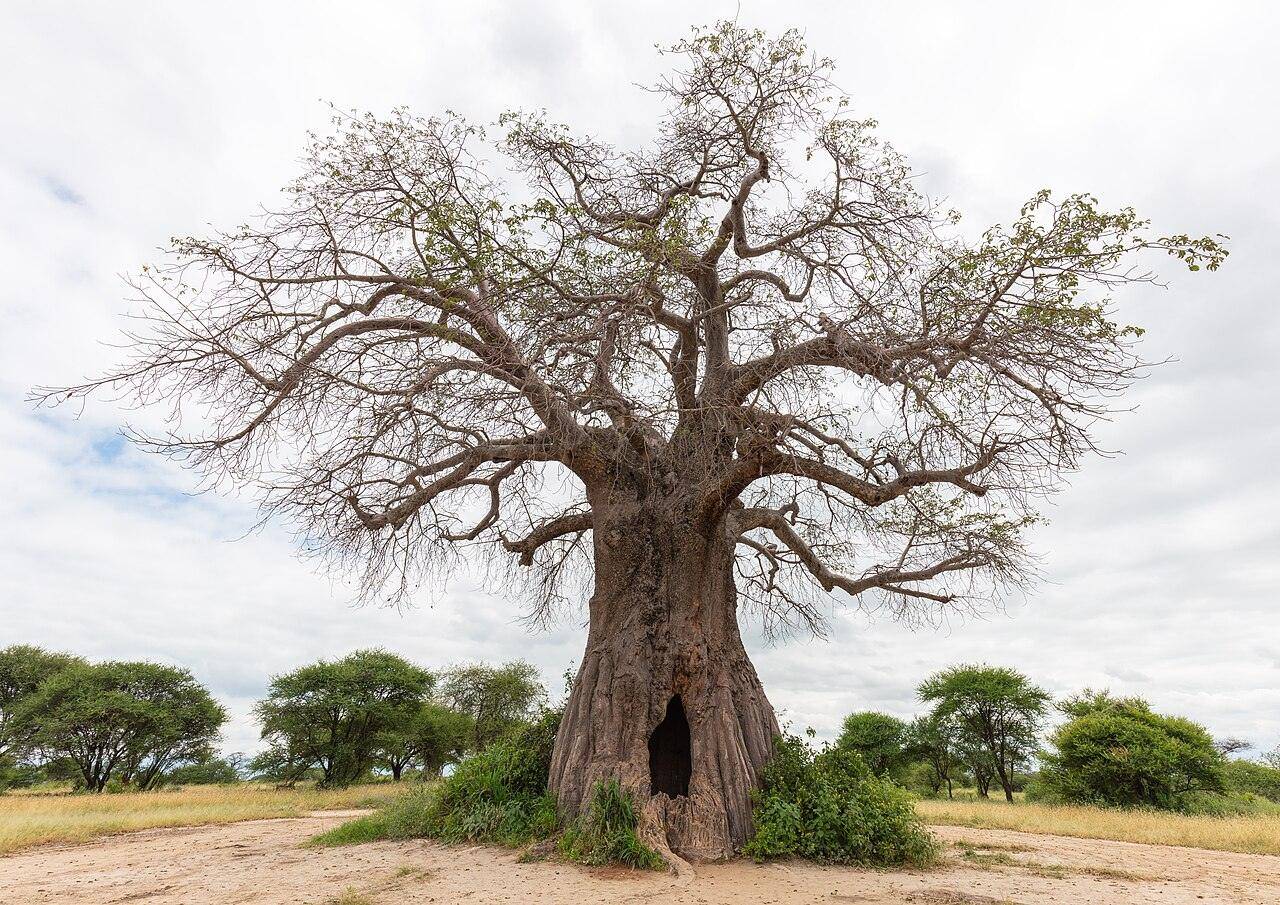
Classic safari: Tarangire, Serengeti, Ngorongoro
The northern circuit in a week: elephants and baobabs, the endless Serengeti plains and Africa's most famous crater.
 15 daysModerate
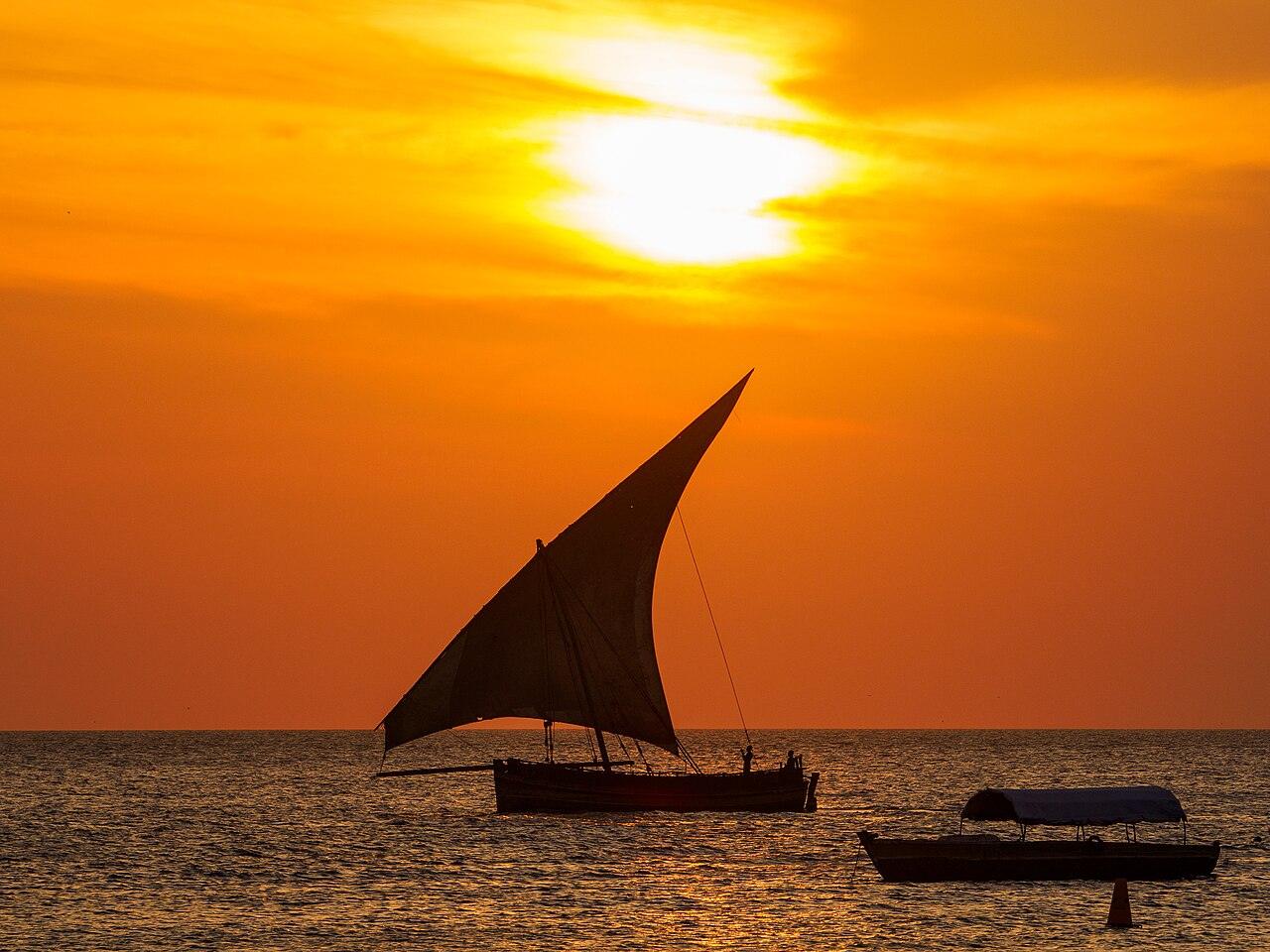
Safari and Zanzibar
One week in the great northern parks and one in Zanzibar, between Stone Town and the Indian Ocean beaches.
 9 daysEasy
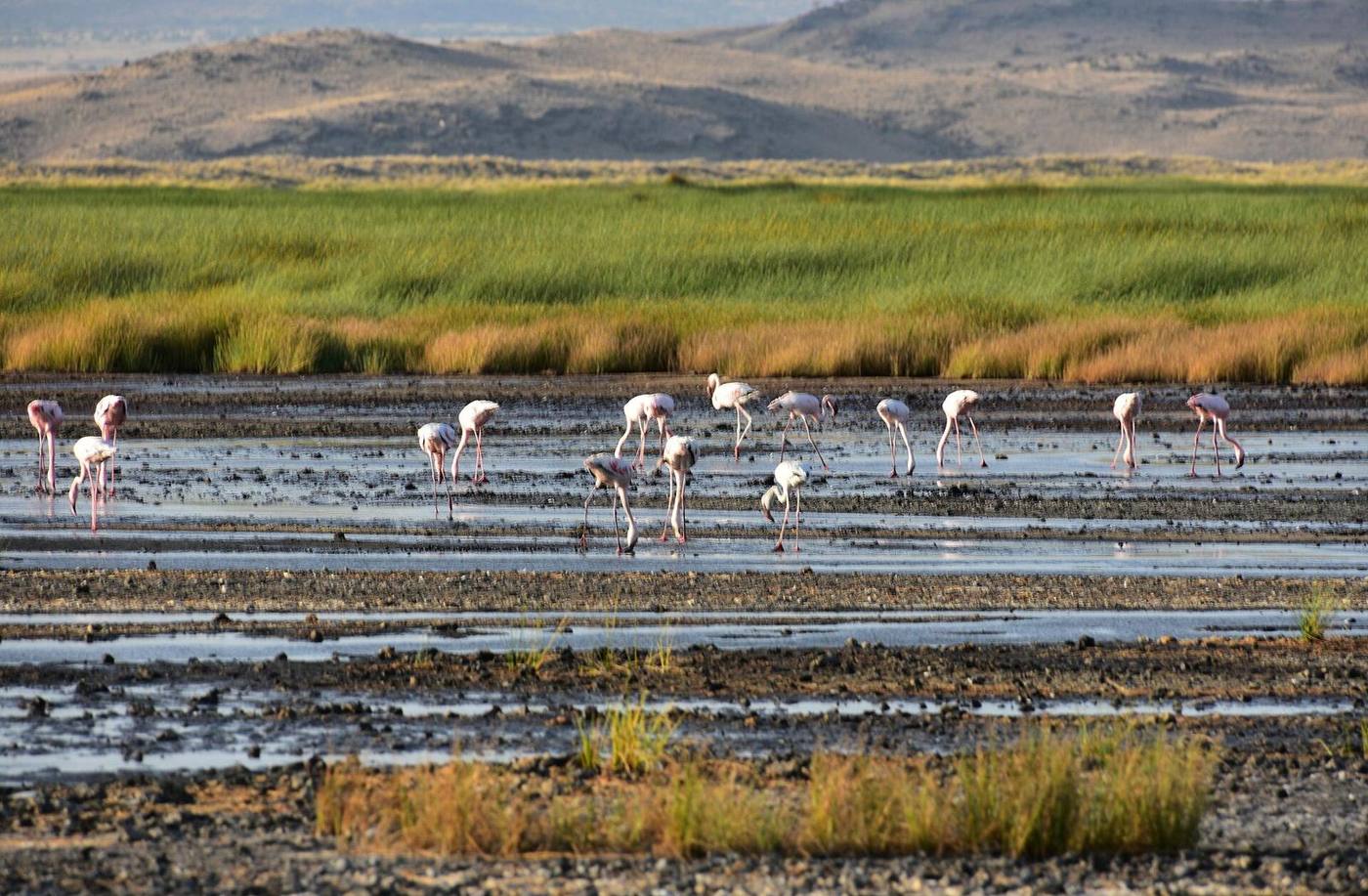
The northern parks and Lake Natron
Tarangire, the Serengeti, Ngorongoro Crater, Olduvai Gorge and the flamingos of Lake Natron below the Maasai's sacred volcano.