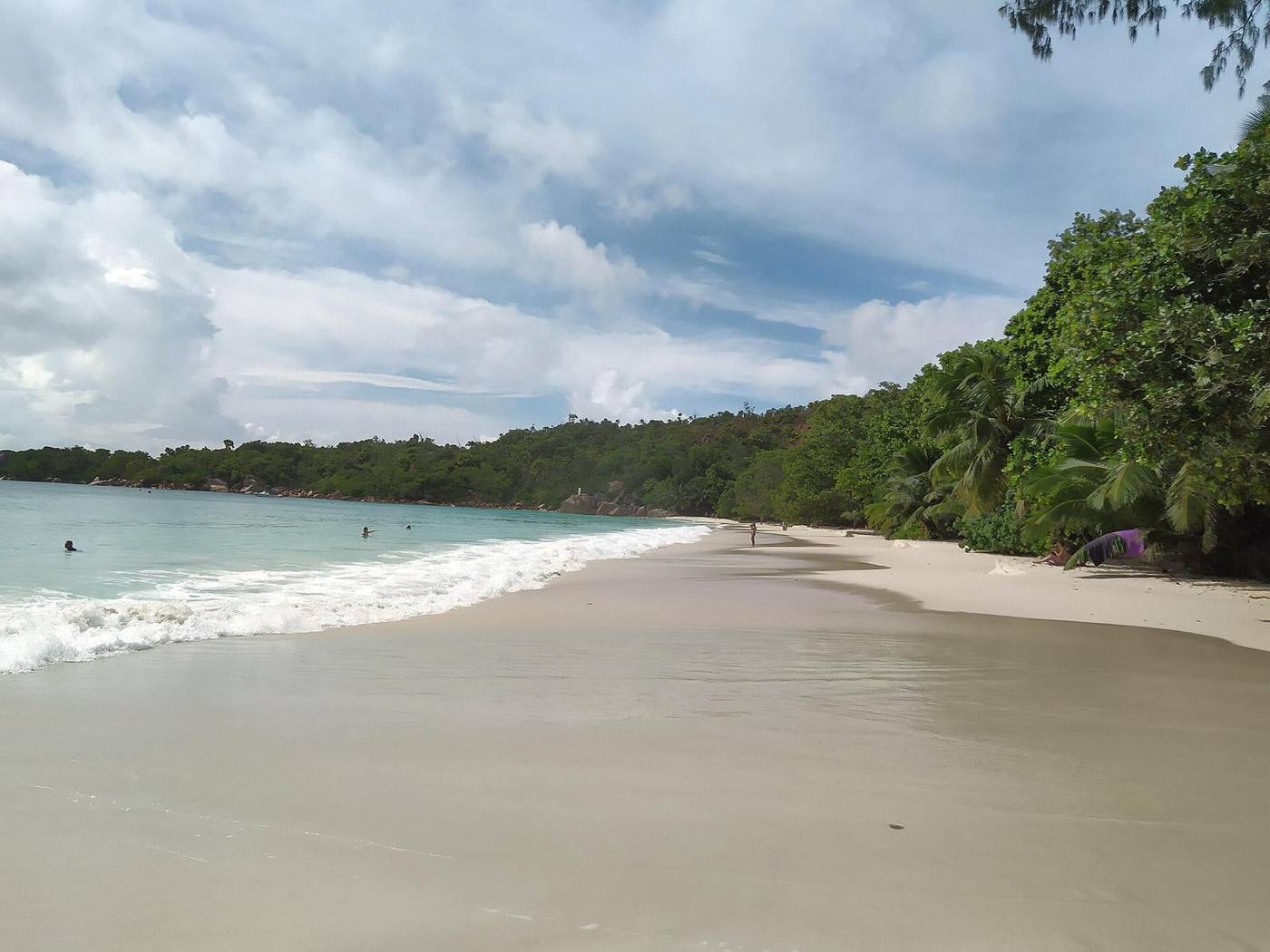
Safari in Tanzania and sea in the Seychelles
The northern parks and then Praslin and La Digue, with pink granite beaches among the most beautiful in the world.
- Arusha
- Tarangire
- Serengeti
- Ngorongoro
- Mahé
- Praslin
- La Digue
Day by day
- Day 1
Arrival in Arusha
This trip combines the great safari of northern Tanzania with the sea of the Seychelles: Tarangire with its elephants and baobabs, three days in the Serengeti, the Ngorongoro Crater and Lake Manyara, then Mahé, Praslin with the Vallée de Mai and La Digue by bike, among the beaches of pink granite. You travel in a safari vehicle with a driver guide, then by plane and by ferry between the islands.
Before you go: Italian citizens enter Tanzania and the Seychelles with a passport. The US government rates Tanzania at level 2 out of 4. Check the current requirements for the visa and for yellow fever vaccination, which may be required depending on the countries you arrive from or transit through. Also talk to your doctor about malaria prevention. For the Seychelles you must apply and pay online for a travel authorisation before departure, on the official government website, showing a return ticket, confirmed accommodation and sufficient funds; also check whether, arriving from Tanzania, you need a yellow fever certificate. In the Seychelles you also pay an environmental levy per night, which depends on your accommodation: check the current amount. Other nationalities should check their own rules.
You land at Kilimanjaro International Airport and in about an hour you reach Arusha, the base town for the northern safaris, at the foot of Mount Meru.
In the afternoon, rest in the garden of your accommodation, among the coffee plantations.
In the evening, meet your guide to talk through the programme and taste Tanzanian food, such as pilau, spiced rice.
Overnight in Arusha.
Practical tip: bring US dollars in recent notes in good condition. Old or damaged notes are often not accepted.
- Day 2
Tarangire
Today you go on your first safari, in the park of elephants and baobabs.
In the morning, leave Arusha in the safari vehicle and travel south west, about two hours, across the Maasai plains, with herds of cattle and round huts along the road. You reach Tarangire National Park. For entry, check prices and times; the cost is usually included in the safari price, but check your contract.
The park takes its name from the Tarangire River, which runs through it from south to north. In the dry season, from June to October, the river is one of the few sources of water in the region and draws a great many animals. Elephants arrive in large groups, dig in the sand of the riverbed to find water and take mud baths.
The landscape is made of savannah hills with gigantic baobabs, trees that can live for many centuries, with enormous trunks and branches that look like roots. Among the trees you see giraffes, zebras, wildebeest, buffaloes, impalas and warthogs. With a bit of luck, a lion rests in the shade or a leopard lies on a branch.
At midday, have a packed lunch at a picnic site overlooking the river valley.
In the afternoon, continue the game drive until the gates close, then move on to Karatu, on the green highlands near the Ngorongoro Crater.
The evening is cool: keep a jumper to hand.
Overnight in the Karatu area.
Practical tip: the roof of the safari vehicle lifts up for a better view. Always stay inside the vehicle and keep your arms in near the animals.
- Day 3
To the Serengeti
Today you reach the Serengeti, the endless plain.
In the morning, climb onto the highlands of the Ngorongoro Conservation Area, through a humid forest often covered in mist. From a viewpoint on the rim you see the crater from above for the first time, with its green floor and its lake. You will visit it at the end of the safari.
Then the road descends west, among Maasai villages and pastures, in an ever more open and dry landscape. Along the way you pass close to Olduvai Gorge, where some of the oldest remains of human ancestors have been found.
You reach the entrance to Serengeti National Park. For entry, check prices and times. The name comes from a Maasai word meaning endless plain, and in front of you the grass really does stretch to the horizon.
The Serengeti is famous for the great migration: millions of wildebeest, zebras and gazelles that move all year round following the rains. Their position depends on the month, so ask your guide where they are now.
In the afternoon, go on a game drive as you head towards your camp. You see Thomson's gazelles, giraffes, hyenas, jackals and often groups of vultures circling above a kill.
At sunset the sky turns red above the umbrella acacias, the symbol of the African savannah.
Overnight in a lodge or tented camp in the Serengeti, for three nights.
Practical tip: the dust on the tracks is very fine. Protect your camera in a bag and bring a bandana for your nose and mouth.
- Day 4
The central Serengeti
Today you explore the heart of the Serengeti.
Set off at dawn, when the light is golden and the animals are most active. The central area of the park, around the valley of the Seronera River, has water all year round and so it hosts animals even when the migration is far away.
Here the Serengeti is known as one of the best places in Africa for big cats. Look for lions on the kopjes, the granite hills rising from the plain, and for leopards stretched out on the branches of the acacias along the river, with their tails hanging down. Cheetahs also live on the open plains, hunting by day and often climbing a termite mound to look into the distance.
Along the river there are pools with dozens of hippos, which spend the day in the water and come out at night to graze. Crocodiles rest on the banks.
At midday, return to camp to have lunch and rest during the hottest hours, when the animals also look for shade.
In the afternoon, head out on a second game drive. Watch the giraffes eating the leaves of the thorny acacias, the elephants crossing the track and the families of mongooses near the termite mounds.
In the evening, at camp, listen to the sounds of the night: hyenas, jackals and, sometimes, the roar of a lion coming from far away.
Overnight in the Serengeti.
Practical tip: in tented camps never go out alone after sunset. Call the staff, who will walk you to your tent with a torch.
- Day 5
The migration and the balloon
Today you follow the great migration, if it is in your area of the park.
At dawn, if your budget allows, you can take a hot air balloon flight over the savannah. You set off while it is still dark, rise slowly as the sun comes up and fly in silence above the acacias and the herds. For the flight, check prices and times and book in advance.
Then head off with your guide towards the area where the herds are. From roughly July to October, the migration is often in the north of the park, near the Mara River, where the wildebeest cross the water among the crocodiles. Between January and March the herds are instead on the southern plains, where the young are born, while in the months in between they move through the western corridor. The dates change every year, depending on the rains.
When you get close to the migration, you see lines of wildebeest walking towards the horizon, the zebras that go with them and the predators that follow them: lions, hyenas and cheetahs.
At midday, have a packed lunch in the shade of a tree, on the open plain.
In the afternoon, continue the game drive. Switch off the engine now and then and listen: the grunting of the wildebeest is a continuous sound that stays with you.
In the evening, at dinner, look through the day's photos with your guide, who helps you identify the birds and animals.
Overnight in the Serengeti.
Practical tip: if you want to see the river crossings, choose a camp in the north of the park and be ready for long waits. The wildebeest cross when they decide to.
- Day 6
The Ngorongoro Crater
Today you descend into the Ngorongoro Crater.
Early in the morning, leave the Serengeti and return to the highlands. The Ngorongoro Conservation Area is a UNESCO World Heritage Site and is different from the national parks: here the Maasai live and graze their cattle. For entry and the descent into the crater, check prices and times.
The crater is a caldera, a large volcano that collapsed in on itself, with steep walls several hundred metres high and a flat floor almost twenty kilometres wide. The vehicle goes down a narrow road and within minutes you are on the floor.
Inside the caldera there is an almost enclosed world, with grassland, swamps, a salt lake and small acacia woods. Wildebeest, zebras, buffaloes, gazelles, hyenas, jackals and many lions live here all year round. In the woods you sometimes see old bull elephants with long tusks. The crater is also one of the best places in Tanzania to see the black rhino, rare and often far away.
On Lake Magadi, when there is water, pink flamingos gather, and hippos live in the pools.
At midday, have lunch at a picnic site. Eat inside the vehicle: the kites swoop down to steal food.
In the afternoon, climb back up to the rim and head down to the Lake Manyara area.
In the evening, at dinner, tell your guide which animal you liked most.
Overnight in the Lake Manyara or Karatu area.
Practical tip: on the crater floor it is warm, but on the rim, early in the morning, it is cold. Dress in layers and bring a jacket.
- Day 7
Lake Manyara and the return to Arusha
Today you go on your last safari and return to Arusha.
In the morning, enter Lake Manyara National Park, at the foot of the Rift Valley escarpment. For entry, check prices and times. It is a small park, but with very different environments within a few kilometres.
You start in a green forest, fed by springs flowing down from the escarpment, with giant trees, figs and mahoganies. Large troops of baboons and blue monkeys live here, jumping between the branches. Then the forest gives way to acacia savannah along the shores of the alkaline lake, where you see elephants, giraffes, zebras, buffaloes and wildebeest.
In months with plenty of water the lake fills with flamingos, pelicans, storks and herons. Near the hot springs, in the southern part, hippos stay in the water all day. The park is also known for lions that sometimes climb trees, but seeing them is always a matter of luck.
At midday, have lunch at a picnic site overlooking the lake.
In the afternoon, leave the park and pass through the village of Mto wa Mbu, with its stalls of bananas and handicrafts. Then in about two hours you return to Arusha.
In the evening, say goodbye to your guide, who has been with you all week. It is the time to give a tip, an important part of their earnings.
Overnight in Arusha.
Practical tip: before leaving for the islands, wash or pack away your dusty safari clothes. In the Seychelles you will need a swimsuit, sandals and sun cream.
- Day 8
Flight to Mahé and Victoria
Today you leave the savannah and fly towards the Indian Ocean.
In the morning, go to the airport and take the flight to Mahé, the main island of the Seychelles, usually with a connection. The Seychelles are an archipelago of more than a hundred islands, off East Africa. Mahé, Praslin and La Digue are granite islands, very old, with green mountains and large pink rocks on the beaches.
On arrival, put your watch forward one hour from Tanzanian time. The currency is the Seychelles rupee and the most widely spoken language is Creole, along with English and French.
In the afternoon, visit Victoria, the small capital, one of the smallest in the world. The landmark of the centre is the clock tower, from the early twentieth century, painted silver. A few steps away is the covered market, with stalls of freshly caught fish, tropical fruit, vanilla, cinnamon and chilli.
Then stroll to the colourful Hindu temple and, if you have time, go into the botanical garden, with palms, coco de mer trees and some giant tortoises. For entry, check prices and times.
Victoria is easy to explore on foot: in less than an hour you cross the whole centre, among wooden colonial houses, modern buildings and the green hills in the background.
In the evening, try Creole cooking: octopus curry, grilled fish with chilli sauce and rice, or fish soup.
Overnight on Mahé.
Practical tip: the Seychelles are expensive. To save money, choose a guesthouse or a self catering flat and buy fruit and fish at the market.
- Day 9
The ferry to Praslin
Today you reach Praslin, the second island of the Seychelles.
In the morning, go to the port of Victoria and take the ferry to Praslin, about an hour's crossing. Alternatively there is a short domestic flight. The sea can be rough, especially in the trade wind season: if you suffer from seasickness, sit in the middle of the boat and look at the horizon.
Praslin is calmer than Mahé, with hills covered in forest, quiet villages and a road that goes almost all the way round the island. You get around by public bus, hire car or bike, although some climbs are steep.
After dropping off your bags, go to the beach of Côte d'Or, also called Anse Volbert, on the north east coast. It is a long beach of white sand with shallow, calm water, good for swimming. In front of you is the islet of Chauve Souris and, further away, the island of Curieuse.
In the afternoon, go snorkelling near the rocks: you see parrotfish, butterflyfish and, with luck, a sea turtle.
At sunset, walk along the beach, when the light turns orange on the granite.
In the evening, try the fish of the day, perhaps a red snapper or a grouper, grilled with Creole sauce.
Overnight on Praslin, for three nights.
Practical tip: buy your ferry tickets in advance, especially in the high season months and at weekends. Arrive at the port with some time to spare for checking in your luggage.
- Day 10
The Vallée de Mai
Today you visit the most famous forest in the Seychelles.
Early in the morning, enter the Vallée de Mai nature reserve, in the centre of Praslin, a UNESCO World Heritage Site. For entry, check prices and times. Arriving early means fewer people and more birds.
The Vallée de Mai is an almost untouched palm forest, which seems to have stayed the same for thousands of years. You walk on shady paths under very tall palms, with enormous fan shaped leaves that filter the light. The silence is broken only by the rustling of the leaves and the calls of the birds.
The most famous plant is the coco de mer, a palm that grows in the wild only on Praslin and the nearby island of Curieuse. It produces the largest seed in the plant world, a huge nut with a curious shape, which sailors once found at sea and considered magical. Male and female plants are separate.
The forest is also home to the Seychelles black parrot, rare and found almost only on this island. Listen for its whistle and look up among the palms. Also look for green geckos on the trunks and small frogs.
After the visit, head back towards the coast and have a fish curry for lunch.
In the afternoon, rest on the beach or swim at Anse Possession, on the north coast.
In the evening, take a walk in the village of Grand Anse, on the west coast, with its small shops and churches.
Overnight on Praslin.
Practical tip: do not buy coco de mer nuts without the official export certificate. Without documents you can have problems at customs.
- Day 11
Anse Lazio and Curieuse Island
Today you discover one of the most beautiful beaches in the world.
In the morning, go to Anse Lazio, in the north west of Praslin. It is a wide bay of fine white sand, closed on both sides by large boulders of pink granite, with turquoise water and palms and takamaka trees behind the beach. The sea is usually calm near the rocks, where the snorkelling is good.
Spend the morning swimming and resting in the shade. Do not leave bags and food unattended: some birds and small animals look for something to eat.
Alternatively, or in the afternoon, take a boat trip to Curieuse Island, opposite Praslin, which is a marine park. For entry to the park, check prices and times. Hundreds of Aldabra giant tortoises roam the island, some very old, moving slowly along the beach. There is also a wooden boardwalk through the mangroves, with crabs and small fish.
Many trips stop for snorkelling near the islet of St Pierre, a granite rock with a few palms, among the most famous photos of the Seychelles.
At sunset, return to a beach on the west coast, facing the setting sun.
In the evening, at dinner, try fish in coconut sauce or ladob, a dessert of bananas cooked in coconut milk.
Overnight on Praslin.
Practical tip: do not feed the giant tortoises food brought from outside and do not climb on them. Always follow the rangers' instructions.
- Day 12
La Digue and Anse Source d'Argent
Today you reach La Digue, the island of bicycles.
In the morning, take the ferry from Praslin to La Digue: the crossing is short, about a quarter of an hour. At the port of La Passe, the main village, hire a bike straight away. There are very few cars on the island: people get around by bike, on foot or by cart.
Cycle south, along the west coast, to L'Union Estate, an old coconut and vanilla plantation. For entry, check prices and times. Inside the estate you see the wooden colonial house, the old mill for coconut oil, the cemetery of the first settlers and an enclosure with giant tortoises.
Beyond the estate is Anse Source d'Argent, perhaps the most photographed beach in the Seychelles. Large granite boulders, smoothed by the sea and the wind into incredible shapes, alternate with small coves of white sand and shallow, clear water, protected by the coral reef.
Walk along the shore from one cove to the next, swim and photograph the rocks, which change colour with the light, from grey to pink to orange.
In the afternoon, when the tide is higher, the water is deeper and pleasant for swimming.
In the evening, in the village, eat grilled fish and tropical fruit, watching the fishermen's boats.
Overnight on La Digue, for three nights.
Practical tip: check the tide times. At low tide, the water at Anse Source d'Argent is very shallow and swimming is not good.
- Day 13
Grand Anse and the south east beaches
Today you explore the wild coast of La Digue.
In the morning, cycle inland and then towards the south east of the island. The road climbs through the forest and past Creole houses and descends to Grand Anse, a long beach of pale sand with ocean waves and large rocks at each end. Here the sea is open and powerful.
Be careful: at Grand Anse and the nearby beaches the currents are often strong and dangerous for swimming, especially in the trade wind season. Swim only if the sea is calm and stay close to the shore.
From Grand Anse a path climbs between the rocks and descends to Petite Anse, a smaller and almost deserted bay. Continuing on foot for about half an hour, among boulders and palms, you reach Anse Cocos, one of the most beautiful beaches on the island, with natural pools among the rocks where the water is calmer.
Bring water and something to eat: there are no facilities along the path.
In the afternoon, return to Grand Anse, rest in the shade of the takamaka trees and watch the waves breaking on the granite.
Then cycle slowly back towards La Passe, stopping at the small kiosks along the road for a fresh fruit juice.
In the evening, take a walk along the village seafront, where the islanders meet.
Overnight on La Digue.
Practical tip: leave your bike at the start of the path and lock it. Wear comfortable shoes: the rocks towards Anse Cocos are slippery.
- Day 14
The Veuve reserve and the Nid d'Aigle
Today is your last day on La Digue, among rare birds and views.
Early in the morning, visit the Veuve reserve, a small forest near La Passe. This is home to the Seychelles paradise flycatcher, called veuve, meaning widow, because of the male's long black tail. It is a very rare bird, found mainly on this island. Walk quietly along the paths and look up into the takamaka and badamier trees. For entry and visits, check prices and times.
Then, if you have the legs and the will, walk up to the Nid d'Aigle, the highest point of La Digue. The path goes through the tropical forest, it is steep and hot, but from the top you see Praslin, Félicité and the other nearby islands, with the blue sea all around. Start early and bring plenty of water. On the way down, stop at one of the small viewpoints among the wooden houses scattered on the hill.
In the afternoon, rest on the beach of Anse Sévère or Anse Patates, in the north of the island, where the water is often calm and you can snorkel among the rocks.
At sunset, return to the west coast, towards La Passe, and watch the sun go down behind Praslin.
In the evening, have your last dinner on the island with the fish of the day and coconut rice.
Overnight on La Digue.
Practical tip: on a bike in the evening, always use a light. The island's roads are not lit and carts and bikes arrive silently.
- Day 15
Back to Mahé
Today you return to Mahé for your last day in the Seychelles.
In the morning, take the ferry from La Digue, which often stops at Praslin, to the port of Victoria. The crossing takes a little over an hour.
If you have a hire car or a driver, cross the island on the mountain road that climbs into Morne Seychellois National Park, which protects the forests of central Mahé. Morne Seychellois, the highest mountain in the Seychelles, is over nine hundred metres high. Along the road there are viewpoints over the west coast and the ruins of the Mission, an old school for the children of freed slaves, with a beautiful view through the trees.
In the afternoon, choose a beach on Mahé. Beau Vallon, on the north west coast, is long and lively, with water that is usually calm, good for swimming. Further south, Anse Intendance and Anse Takamaka are wild and beautiful, but with strong waves and currents.
If you prefer walking, follow the path to Anse Major, in the north west, which runs along the sea among granite rocks to an isolated bay.
In the evening, have your last Creole dinner and taste fresh fruit juice or vanilla tea, grown on the hills.
Before going to sleep, pack your bags and check your documents for the flight.
Overnight on Mahé.
Practical tip: on Mahé you drive on the left and the mountain roads are narrow and full of bends. Drive slowly and watch out for buses.
- Day 16
Departure
Today you leave the Seychelles.
In the morning, if your flight is late, have a last swim at Beau Vallon or a walk around Victoria market to buy spices, vanilla or tea. Then go to Seychelles International Airport, on the east coast of Mahé, near Victoria.
On this trip you combined two worlds. In Tanzania you saw the elephants and baobabs of Tarangire, the lions and leopards of the central Serengeti, the great wildebeest migration, the Ngorongoro caldera with the black rhino, and the forest and flamingos of Lake Manyara. In the Seychelles you got to know Victoria and Creole cooking, the palm forest of the Vallée de Mai with the coco de mer, Anse Lazio, the giant tortoises of Curieuse and La Digue by bike, with the rocks of Anse Source d'Argent and the waves of Grand Anse.
When to go: from June to October is the dry season in Tanzania, the best time for safari, with the animals near water and dry tracks. In the Seychelles, from June to September the south east trade winds blow: the sea is rougher on some coasts, but it is less hot. October is often a good compromise for both. From April to May Tanzania has the long rains, while in the Seychelles the sea is often very calm.
Have a good journey home, with pink sand still in your shoes.
Practical tip: keep a swimsuit and a change of clothes in your hand luggage. If your flight is delayed, you can have one last swim without opening your suitcase.
The quintessential African honeymoon. The Seychelles are expensive, far more than Zanzibar: that's where to save, choosing guesthouses rather than resorts. No cars on La Digue: bikes only, and that's the charm.
Before you go
- Documents and visa
- Passport valid for at least six months and a visa, applied for online on the official immigration website. From 2026 compulsory travel insurance is also required, and Zanzibar has its own: dates and costs differ between sources, so check the official websites.
- Health and vaccines
- Malaria prevention is recommended; a yellow fever certificate is needed if you arrive from a country at risk. Drink only bottled water. Emergencies: 112.
- Money and payments
- Tanzanian shilling. Parks are paid by card and safaris often in US dollars; carry cash for tips.
- Power sockets
- Types G and D, 230 volts: you need an adapter for British plugs.
- Time zone
- UTC+3 all year.
- Safety
- The United States rates Tanzania level 2, with more caution in the Mtwara region; the United Kingdom advises against travel within 20 km of the border with Cabo Delgado in Mozambique. Official advice: GOV.UK.
Information checked in November 2026 for Italian and EU citizens. Rules change: always check before you travel.
Variations
In 12 days: a five day safari in the north and four days between Praslin and La Digue.
In 19 days: add three days on Mahé, with the southern beaches and the trails of Morne Seychellois.
Frequently asked questions
What documents do you need for the Seychelles?
Italians need a passport. Before you go you must apply and pay online for the travel authorisation on the official government website, with a return ticket, confirmed accommodation and sufficient funds. Check the current rules and the environmental levy per night.
Are the Seychelles very expensive?
Yes, much more than Zanzibar. To save money, choose guesthouses and self catering flats instead of resorts, use the buses on Mahé and Praslin and a bike on La Digue, and eat at the small takeaway food kiosks.
Can you swim on every beach?
No. Some beaches, such as Grand Anse on La Digue or Anse Intendance on Mahé, have strong currents and waves, especially with the trade winds. Swim where the sea is calm, as at Anse Lazio, Côte d'Or or Beau Vallon, and always ask local people.
Indicative itinerary written by World Atlas. Before booking, check timetables, seasonal openings, documents and safety.
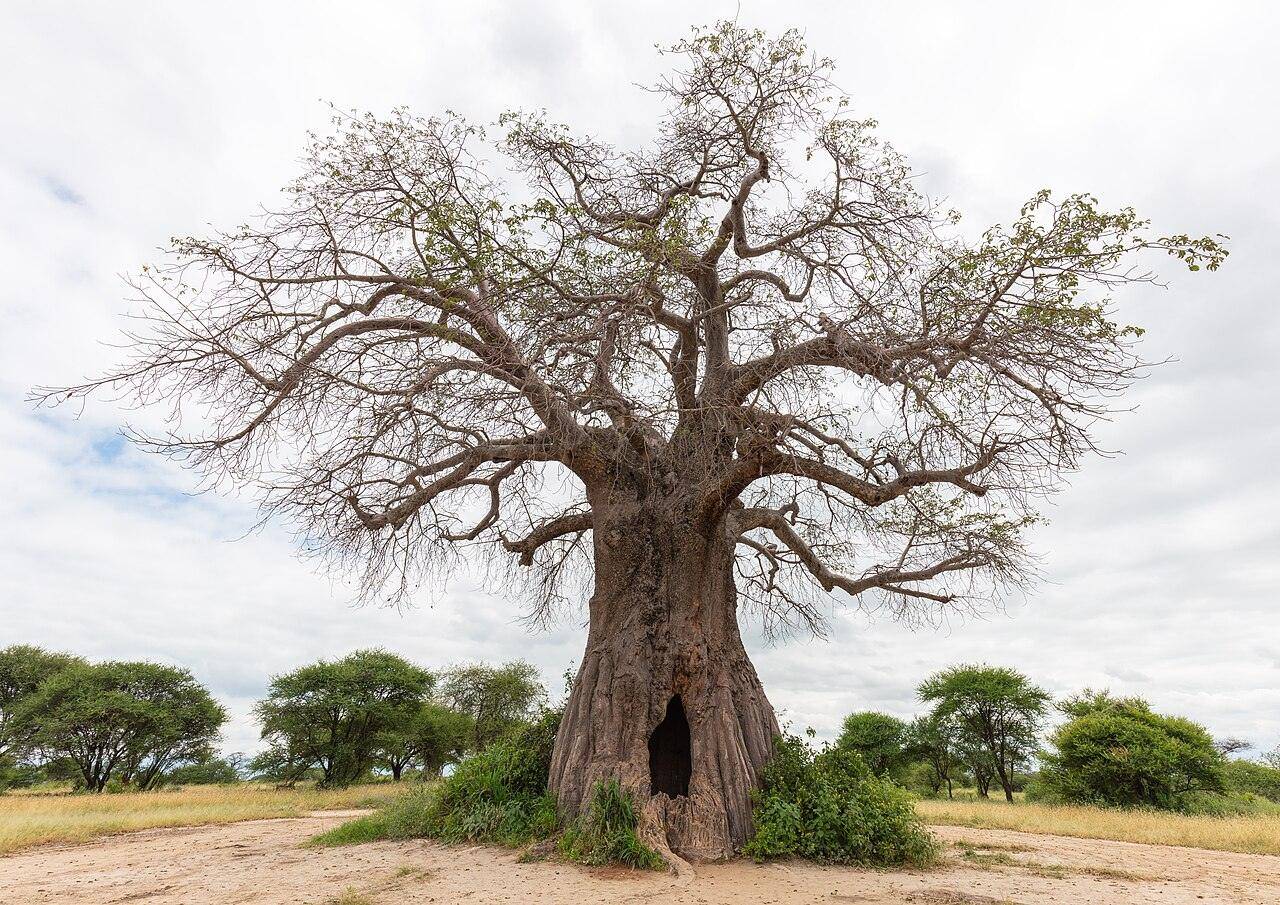 7 daysModerate
Classic safari: Tarangire, Serengeti, Ngorongoro
The northern circuit in a week: elephants and baobabs, the endless Serengeti plains and Africa's most famous crater.
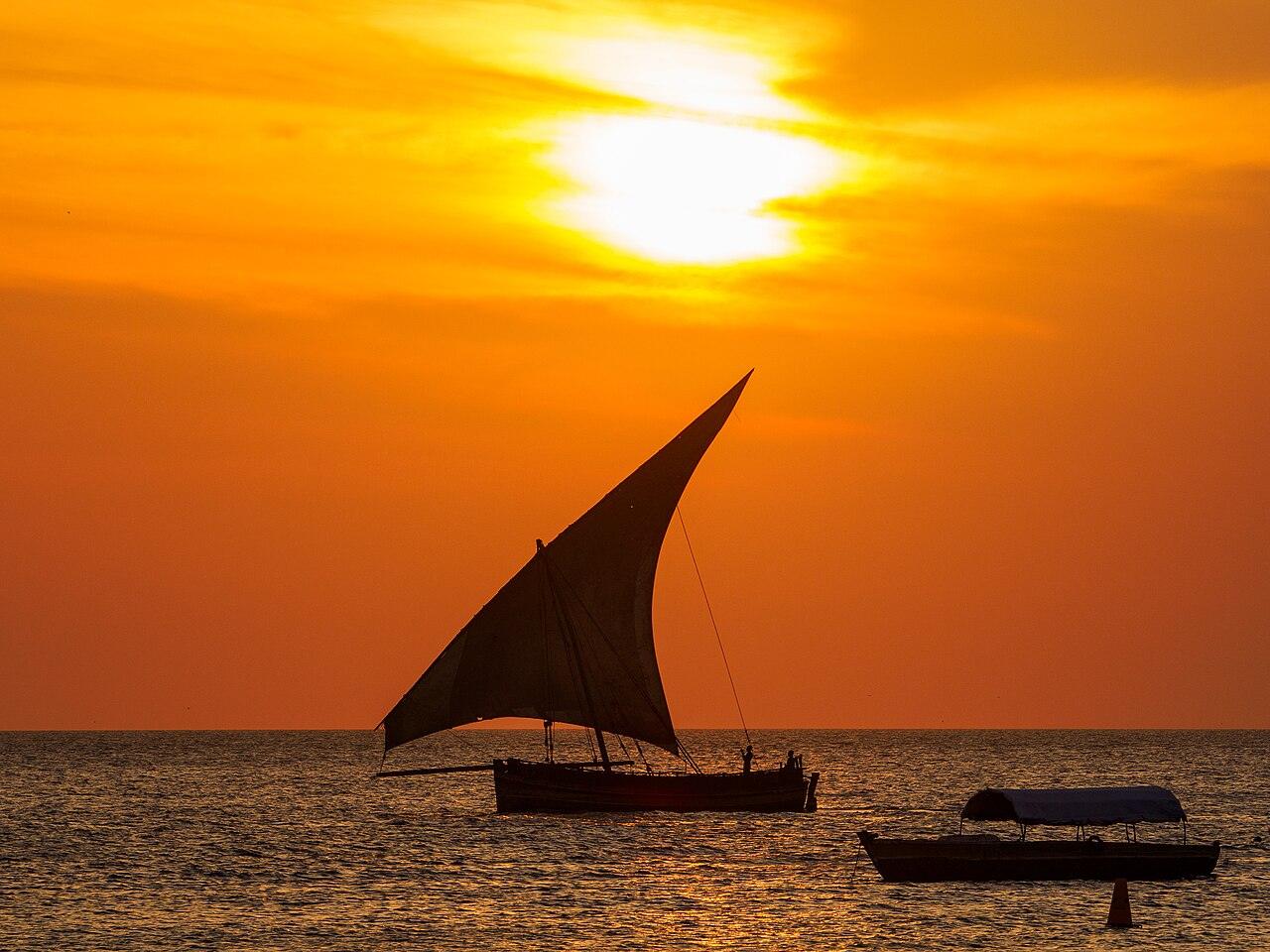 15 daysModerate
Safari and Zanzibar
One week in the great northern parks and one in Zanzibar, between Stone Town and the Indian Ocean beaches.
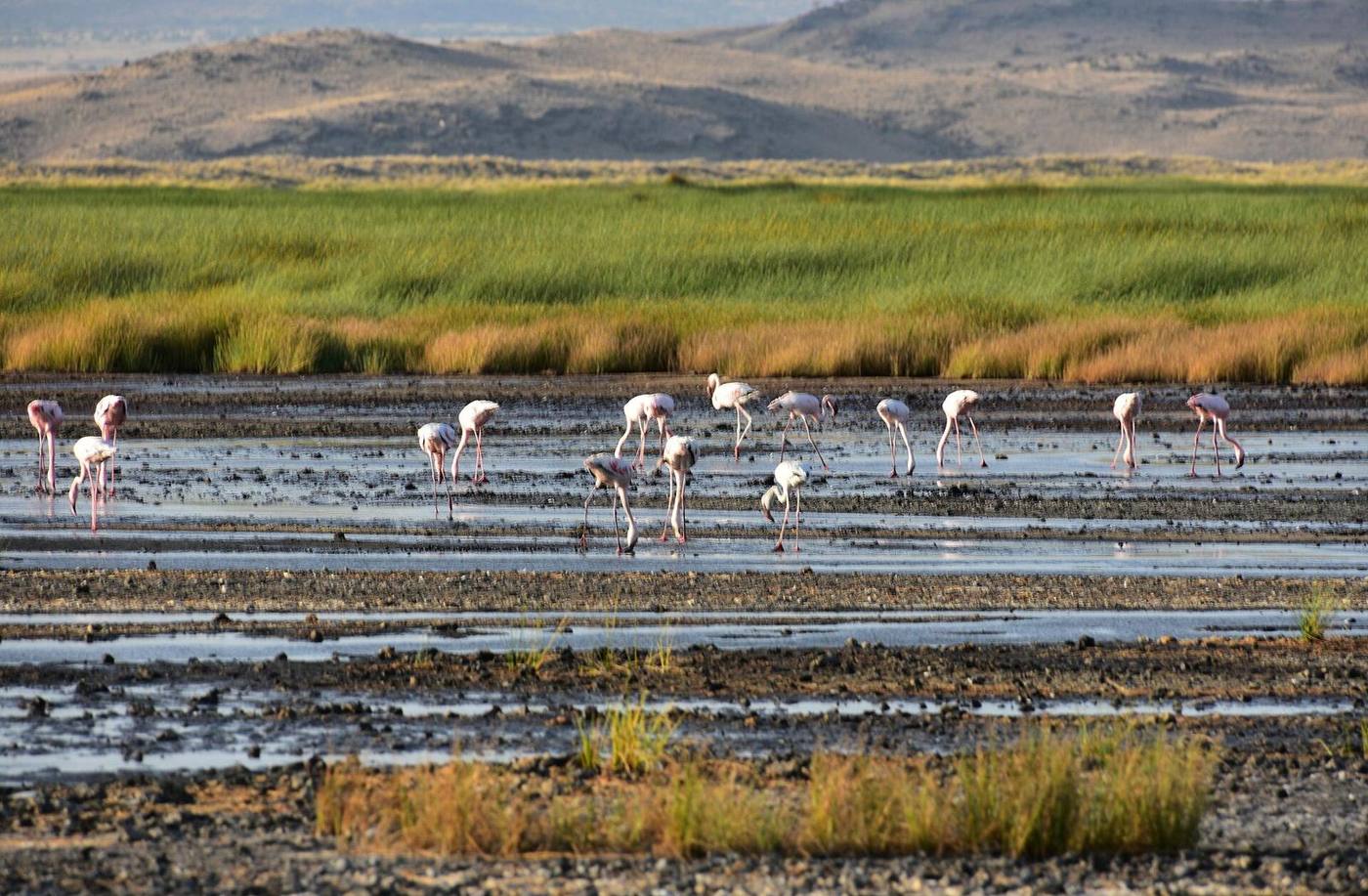 9 daysEasy
The northern parks and Lake Natron
Tarangire, the Serengeti, Ngorongoro Crater, Olduvai Gorge and the flamingos of Lake Natron below the Maasai's sacred volcano.