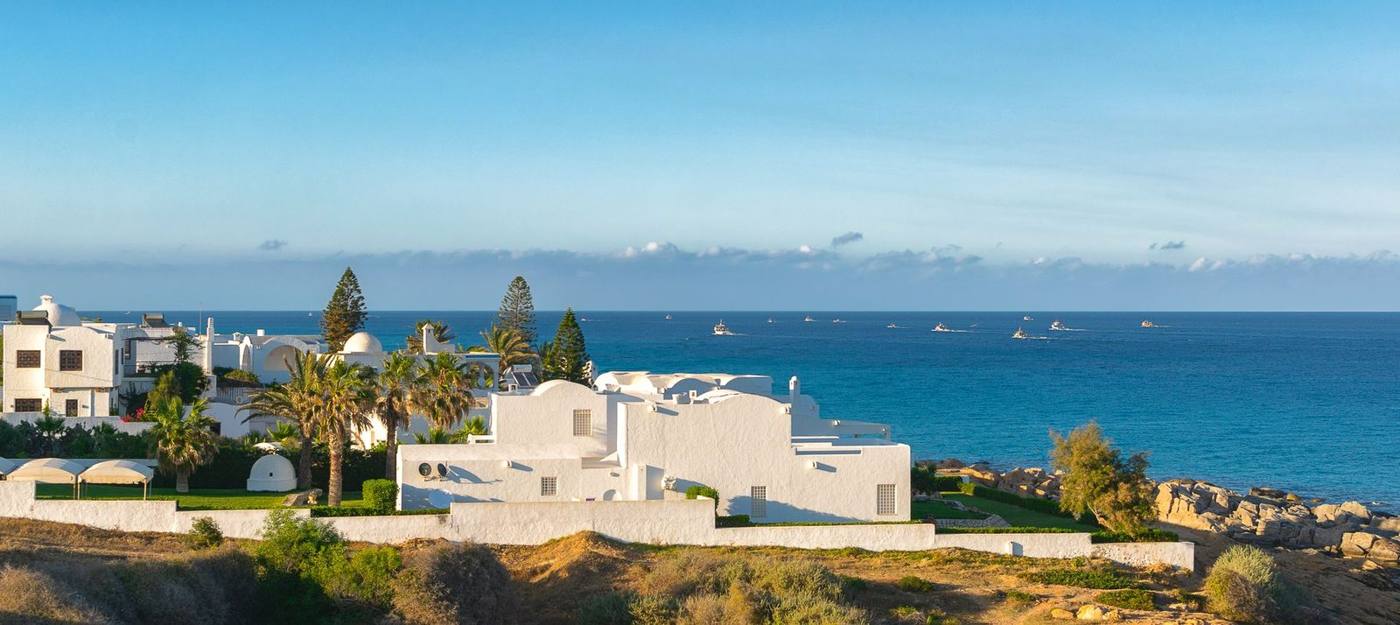
Cap Bon
The green peninsula facing Sicily: the beaches of Kelibia below the fortress, the Punic town of Kerkouane, Nabeul with its ceramics and Hammamet with its seaside medina.
- Hammamet
- Nabeul
- Kerkouane
- Kelibia
Day by day
- Day 1
The medina of Hammamet and Nabeul
This three-day trip takes you to Cap Bon, Tunisia's green peninsula pointing towards Sicily: Hammamet with its medina by the sea, Nabeul with its ceramics, the Punic city of Kerkouane and the beaches of Kelibia beneath the fortress. You travel by car, with a driver or a hire car.
Before you go: Italian citizens can enter Tunisia only with a passport, with at least three months' remaining validity: an identity card is no longer enough. Tourist stays of up to 90 days need no visa. The Tunisian dinar cannot be exported: change a little at a time and keep the receipts. Other nationalities should check their own rules. Official advice warns against the areas near the borders with Algeria and Libya, far from this route.
Hammamet is about an hour by road from Tunis. In the morning enter the medina, small and white, enclosed by walls that run down to the sea. Walk through the lanes with their blue doors, then climb the walls of the kasbah for the view over the beach and the bay. Outside the walls lies the small Muslim cemetery overlooking the sea.
In the afternoon go to Nabeul, a few kilometres away, the town of ceramics. In the workshops you watch craftsmen shaping and painting plates, vases and tiles in the typical colours, yellow, green and blue. Nabeul is also famous for harissa, the hot chilli paste, and for orange blossom, from which a fragrant water is made.
In the evening return to Hammamet and have a fish couscous for dinner.
Sleep in Hammamet or Nabeul.
Practical tip: if you are in Nabeul on a Friday, visit the large weekly market, but arrive early, before the crowds. Bargain with a smile, as prices are rarely fixed.
- Day 2
Kerkouane and the fortress of Kelibia
Today you cross Cap Bon to the tip of the peninsula, among fields, olive groves and vineyards.
In the morning drive north-east along the coast. You reach Kerkouane, a Punic city by the sea, a UNESCO World Heritage Site. It was founded by the Carthaginians and abandoned in the third century BC, and the Romans never rebuilt it: this is why it is one of the few Punic cities to survive almost intact. You walk along straight streets and among houses with courtyards, pink mortar floors and small stone bathtubs, rare for the time. On one floor you can see the sign of Tanit, the protective goddess of Carthage. The small museum next to the excavations displays jewellery, pottery and figurines found on site. Check prices and times.
In the afternoon continue to Kelibia, a small fishing town dominated by a large fortress on a headland. The fortress has ancient origins and was rebuilt several times over the centuries. Climb the walls for the view over the port, the beaches and, on very clear days, out across the sea towards Sicily.
Then go down to the port to watch the boats come in and the fish being sold.
In the evening taste the dry muscat of Kelibia, an aromatic white wine typical of the area, with a fish dinner.
Sleep in Kelibia.
Practical tip: visit Kerkouane early in the morning: the site is in the open, without shade, and in summer it is very hot by mid-morning. Bring a hat and plenty of water.
- Day 3
El Mansourah beach and the return
Today is a day for the sea, before returning to Tunis.
In the morning go to El Mansourah beach, north of Kelibia, one of the most beautiful on Cap Bon. The sand is pale and the water clear, with turquoise shades and small rocks where you can snorkel. The beach is long and there is room for everyone even on the busiest days.
Swim, sunbathe and have lunch with grilled fish and Tunisian salad, with tomatoes, cucumber, onion, olives and tuna.
In the early afternoon set off for Tunis. The road crosses the peninsula again, among olive and citrus groves, and in about two hours you reach the capital.
In three days you have seen the best of Cap Bon: the white medina of Hammamet, the ceramics of Nabeul, the Punic ruins of Kerkouane, the fortress of Kelibia and the clear sea of El Mansourah. It is a perfect region for combining history and beaches, less than two hours from Tunis.
When to go: the best period is from May to October, for the sea. In August the beaches are full of Tunisian families on holiday and prices rise: if you can, choose June or September, with warm water and fewer people. In spring and autumn the climate is perfect for sightseeing.
Practical tip: bring water, a beach umbrella or a cloth for shade and sunscreen; some Cap Bon beaches have few facilities, and the sun is strong even when it is windy. Leave Kelibia by early afternoon so you reach Tunis before the evening traffic.
Clear sea and plenty of history under two hours from Tunis. In August the beaches are full of Tunisian families. Kelibia's dry muscat is a local speciality.
Before you go
- Documents and visa
- You need a passport with at least three months' remaining validity: an identity card is no longer enough. Tourist stays of up to 90 days need no visa for Italian citizens; other nationalities should check their own rules.
- Health and vaccines
- No compulsory vaccinations for travellers arriving from Europe. Rabies is increasing: keep away from stray dogs and cats and see a doctor at once if you are bitten or scratched. Drink bottled water. Emergencies: 190 ambulance, 197 police, 198 fire brigade.
- Money and payments
- Tunisian dinar, which cannot be exported: change a little at a time and keep your exchange receipts. Cards work in cities and large hotels; in souks and villages you need cash.
- Power sockets
- Type C and E, 230 volts: you need an adapter for British plugs.
- Time zone
- UTC+1 all year.
- Safety
- The UK and Italy advise against the areas close to the borders with Algeria and Libya, the mountain areas of Kasserine, El Kef and Sidi Bouzid governorates, where there are military operations, and the military zone in the southern Sahara. In the desert, go only on organised trips, with a 4x4 and a guide. Official advice: GOV.UK.
Information checked in November 2026 for Italian and EU citizens. Rules change: always check before you travel.
Variations
In two days you can do Hammamet, Nabeul and Kerkouane, returning to Tunis on the evening of the second day.
In five days you can add more beach days in Kelibia and an outing to Korbous, on the peninsula's western coast.
Frequently asked questions
Is Cap Bon far from Tunis?
No. Hammamet is about an hour by road and Kelibia about two hours.
What is Kerkouane?
A Punic city by the sea, a UNESCO World Heritage Site, abandoned in the third century BC and never rebuilt by the Romans, with houses, streets and stone bathtubs.
When is the best time for the sea?
From May to October. June and September are ideal: warm water and fewer people than in August.
Indicative itinerary written by World Atlas. Before booking, check timetables, seasonal openings, documents and safety.
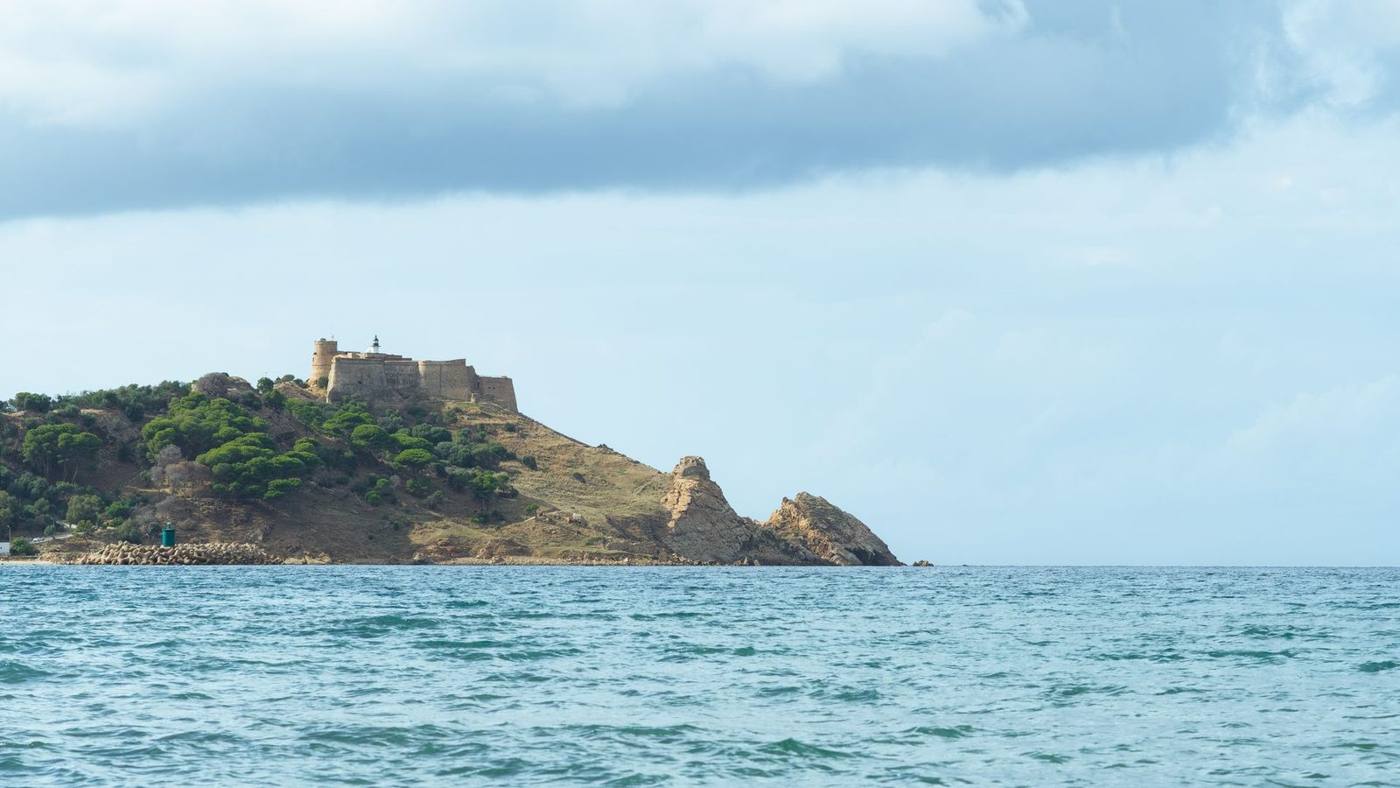 3 daysEasy
Tabarka and Aïn Draham
The coral coast and the cork-oak forests: the Genoese fort of Tabarka, diving among sea fans, the Aiguilles rocks and the cool of Aïn Draham in the hills.
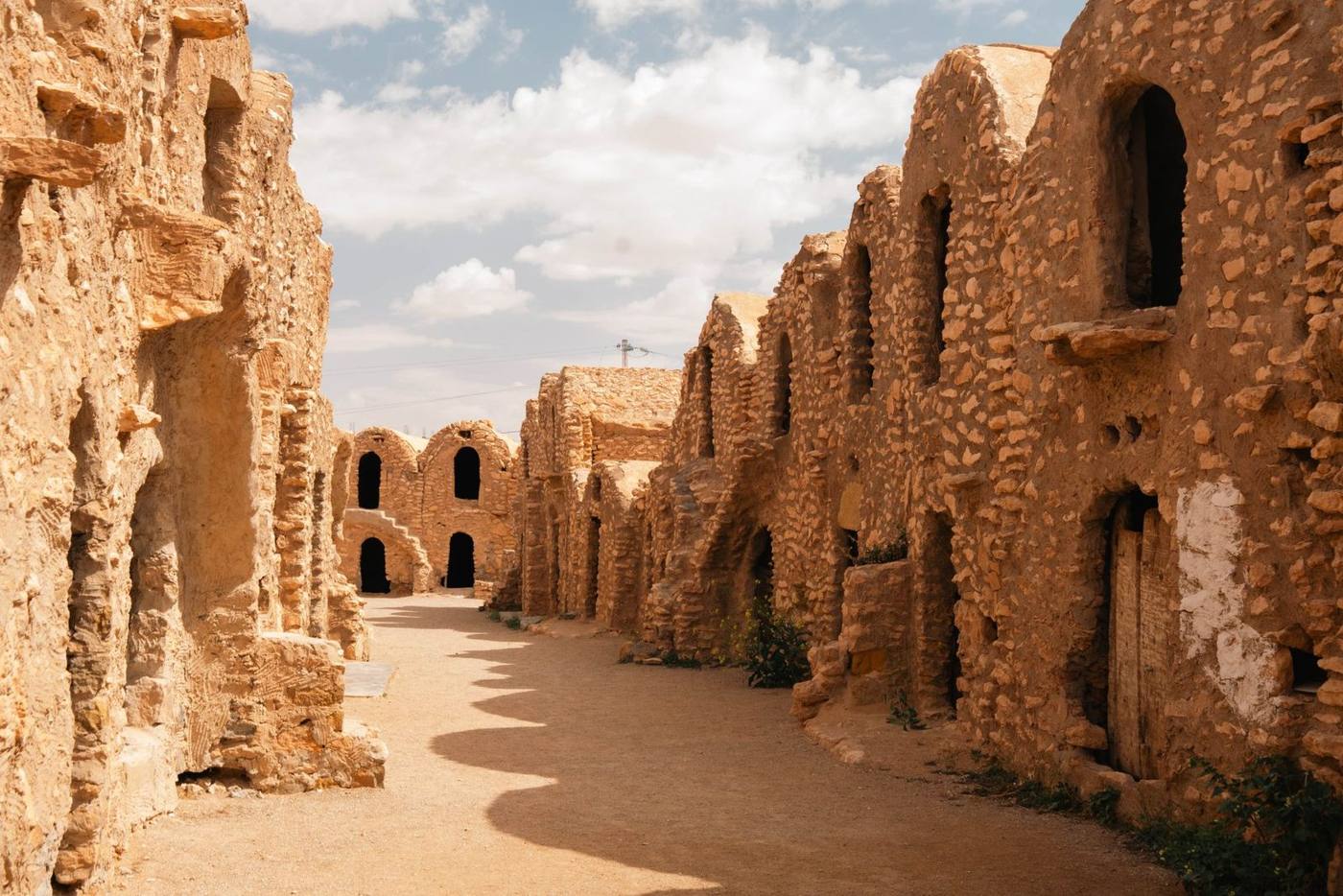 4 daysModerate
The ksour of Tataouine and Matmata
The Berber south: the troglodyte houses of Matmata, the fortified granaries of Ksar Ouled Soltane, the ridge village of Chenini and the Star Wars filming locations.
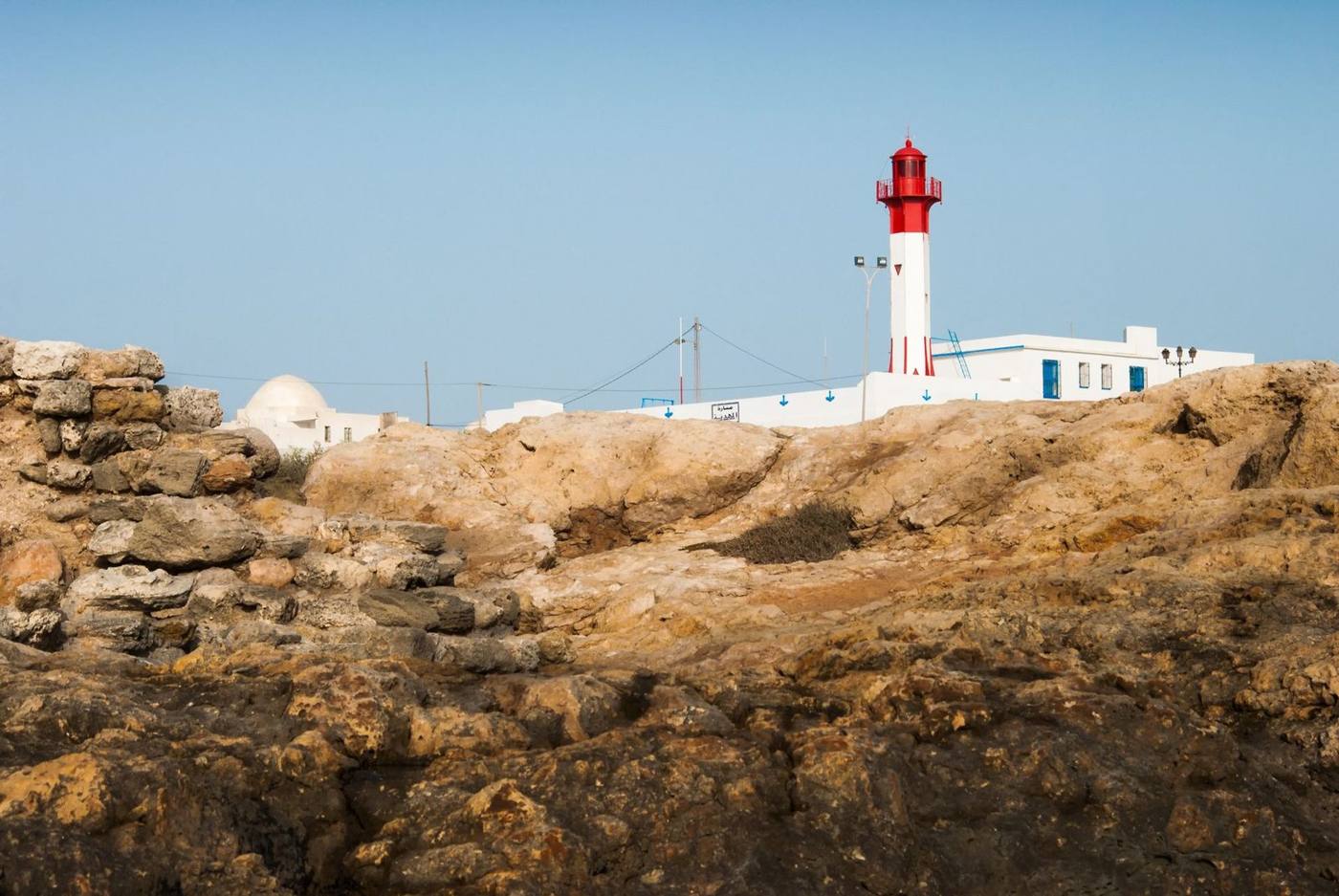 4 daysEasy
Mahdia and Monastir
The Sahel coast: the Mahdia peninsula with its white seaside cemetery and Fatimid gate, the ribat of Monastir and the long beaches between the two towns.