Tabarka and Aïn Draham
The coral coast and the cork-oak forests: the Genoese fort of Tabarka, diving among sea fans, the Aiguilles rocks and the cool of Aïn Draham in the hills.
- Tabarka
- Les Aiguilles
- Aïn Draham
Day by day
- Day 1
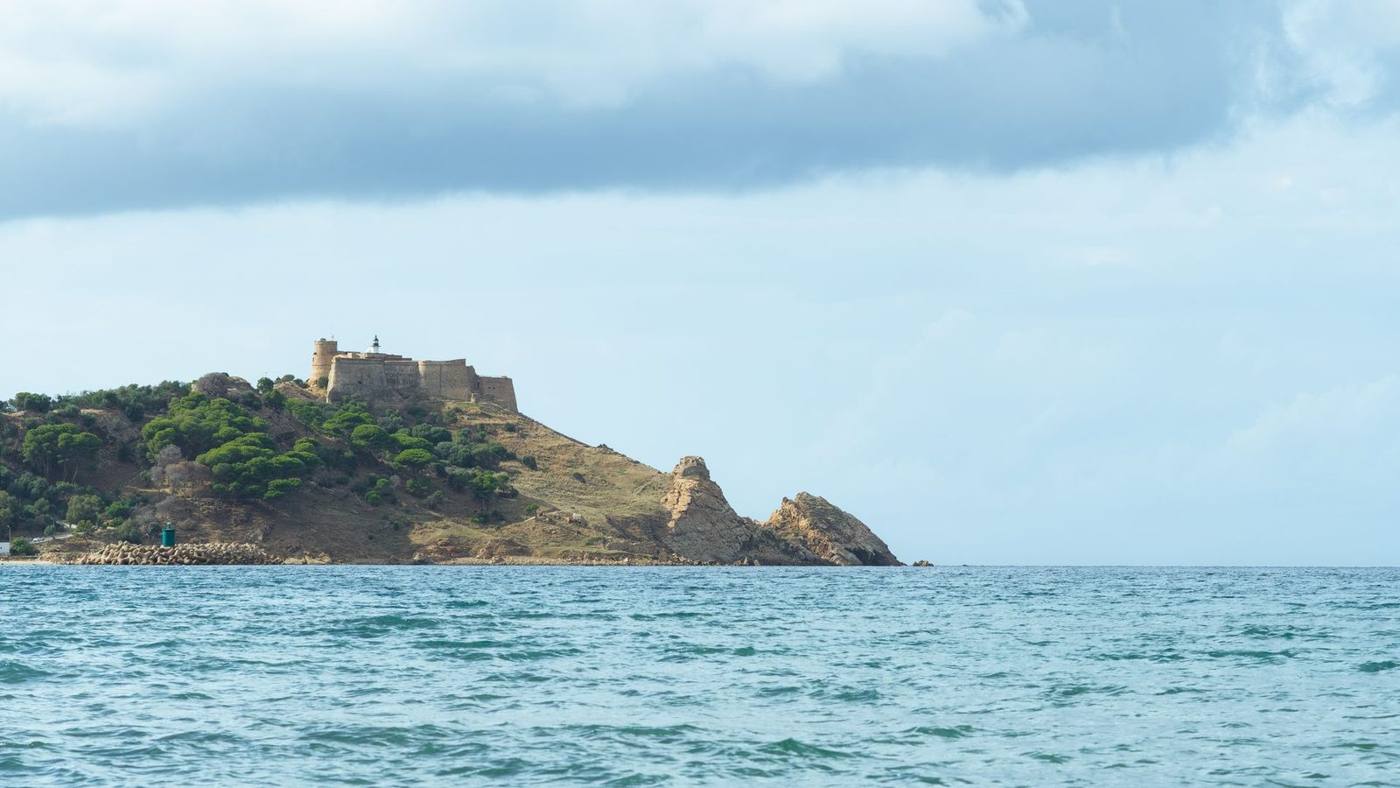
Tabarka and the Genoese fort
This three-day trip takes you to green north-western Tunisia: Tabarka, on the coral coast, with its Genoese fort and the Aiguilles rocks, diving among gorgonians and the cork oak forests around Aïn Draham, in the mountains. You travel by car, ideally with a driver.
Before you go: Italian citizens can enter Tunisia only with a passport, with at least three months' remaining validity: an identity card is no longer enough. Tourist stays of up to 90 days need no visa. The Tunisian dinar cannot be exported: change a little at a time and keep the receipts. Other nationalities should check their own rules. Some areas on this trip are close to borders or places where the situation changes often: check your government's travel advice before booking and again before you leave.
From Tunis to Tabarka the road crosses the northern hills and takes a few hours. Travel by day. Tabarka is a small seaside town, with a port, a long beach and green mountains behind.
In the afternoon climb to the Genoese fort, on the rocky hill that closes the port. In the sixteenth century the island of Tabarka was granted to a family of merchants from Genoa, who held it for about two centuries for red coral fishing and built the fortress. From the top the view takes in the port, the bay and the coast towards the border. Check prices and times.
Then stroll along the port, where shops sell coral jewellery and objects made of cork wood.
In the evening have fresh fish and a Tunisian salad for dinner.
Sleep in Tabarka, for two nights.
Practical tip: if you buy coral jewellery, ask for a receipt and check the export rules; red coral is protected and checks on departure can be strict. Carry the receipts with you until you are through customs.
- Day 2
Diving or snorkelling on the coast
Today you discover the sea of Tabarka, one of the richest in the southern Mediterranean.
In the morning walk to the Aiguilles, the needles, tall spires of ochre rock carved by wind and sea, on the shore near the port. In the morning the light turns them orange and the sea around is calm.
Then, if you are a diver, go diving with one of the town's dive centres. The seabed is rocky, with caves, walls and shoals covered in red and yellow gorgonians, sponges and red coral in the deeper spots. You see groupers, morays, lobsters, octopus and schools of fish. There are dives for all levels, from easy shoals near the coast to deeper walls. Check your certification and bring your card.
If you do not dive, take a mask and snorkel and explore the coves among the rocks, where the water is clear and you see colourful fish a few metres from the shore. You can also take a boat trip along the coast.
In the afternoon relax on Tabarka beach, long and with pale sand, with green mountains in the background.
At sunset climb again towards the fort or sit by the port to watch the boats come in.
Sleep in Tabarka.
Practical tip: choose a dive centre with certified instructors, well-maintained equipment and a clear briefing; always ask for dive insurance. Leave at least a day between your last dive and a flight or a drive over the mountains.
- Day 3
The forests of Aïn Draham and the return
Today you climb into the mountains, into the forests of Aïn Draham, and then return to Tunis.
In the morning you leave Tabarka and take the road that climbs south, through bends and woods. In less than an hour you reach Aïn Draham, a mountain town in the Kroumirie region, several hundred metres above sea level. Here the air is cool even in summer, and in winter it sometimes snows. The houses have red-tiled roofs, which is rare in Tunisia.
Around the town there are large forests of cork oak and zeen oak. Take a walk on the paths near the town, among tall trees, ferns and springs. You will see the stripped trunks of the oaks, from which the cork is removed every few years without felling the tree.
For lunch try the grilled meat served along the road, a speciality of the mountain area.
In the early afternoon set off for Tunis. Do not go beyond Aïn Draham to the south and west, towards Ghardimaou and the border with Algeria. Reach Tunis before dark.
In three days you have seen a green Tunisia that surprises: the Genoese fort and the Aiguilles of Tabarka, the sea of gorgonians and the cork oak forests of Aïn Draham.
When to go: the best period is from May to October, for the sea and diving. In spring the forests are very green; in winter it is cold in the mountains.
Practical tip: travel with a local driver, stay on the main roads and do not drive at night on the mountain roads.
A green Tunisia that surprises. Tabarka and Aïn Draham are considered safe, but the area west and south towards Ghardimaou and the Algerian border is advised against: go no further than the two towns.
Before you go
- Documents and visa
- You need a passport with at least three months' remaining validity: an identity card is no longer enough. Tourist stays of up to 90 days need no visa for Italian citizens; other nationalities should check their own rules.
- Health and vaccines
- No compulsory vaccinations for travellers arriving from Europe. Rabies is increasing: keep away from stray dogs and cats and see a doctor at once if you are bitten or scratched. Drink bottled water. Emergencies: 190 ambulance, 197 police, 198 fire brigade.
- Money and payments
- Tunisian dinar, which cannot be exported: change a little at a time and keep your exchange receipts. Cards work in cities and large hotels; in souks and villages you need cash.
- Power sockets
- Type C and E, 230 volts: you need an adapter for British plugs.
- Time zone
- UTC+1 all year.
- Safety
- The UK and Italy advise against the areas close to the borders with Algeria and Libya, the mountain areas of Kasserine, El Kef and Sidi Bouzid governorates, where there are military operations, and the military zone in the southern Sahara. In the desert, go only on organised trips, with a 4x4 and a guide. Official advice: GOV.UK.
Information checked in November 2026 for Italian and EU citizens. Rules change: always check before you travel.
Variations
In two days you can do Tabarka and the sea, with a short visit to Aïn Draham on the way back.
In five days you can add Dougga and Bulla Regia, always staying on the main roads and travelling by day.
Frequently asked questions
Can beginners dive in Tabarka?
Yes, there are dive centres with courses and easy dives near the coast. Choose certified instructors and always ask for insurance.
Is it cool in Aïn Draham?
Yes, it is in the mountains and the air is cool even in summer. In winter it is cold and it sometimes snows.
Can I go towards the Algerian border?
No. Stay in Tabarka and Aïn Draham and do not go further south or west, towards Ghardimaou and the border.
Indicative itinerary written by World Atlas. Before booking, check timetables, seasonal openings, documents and safety.
 4 daysModerate
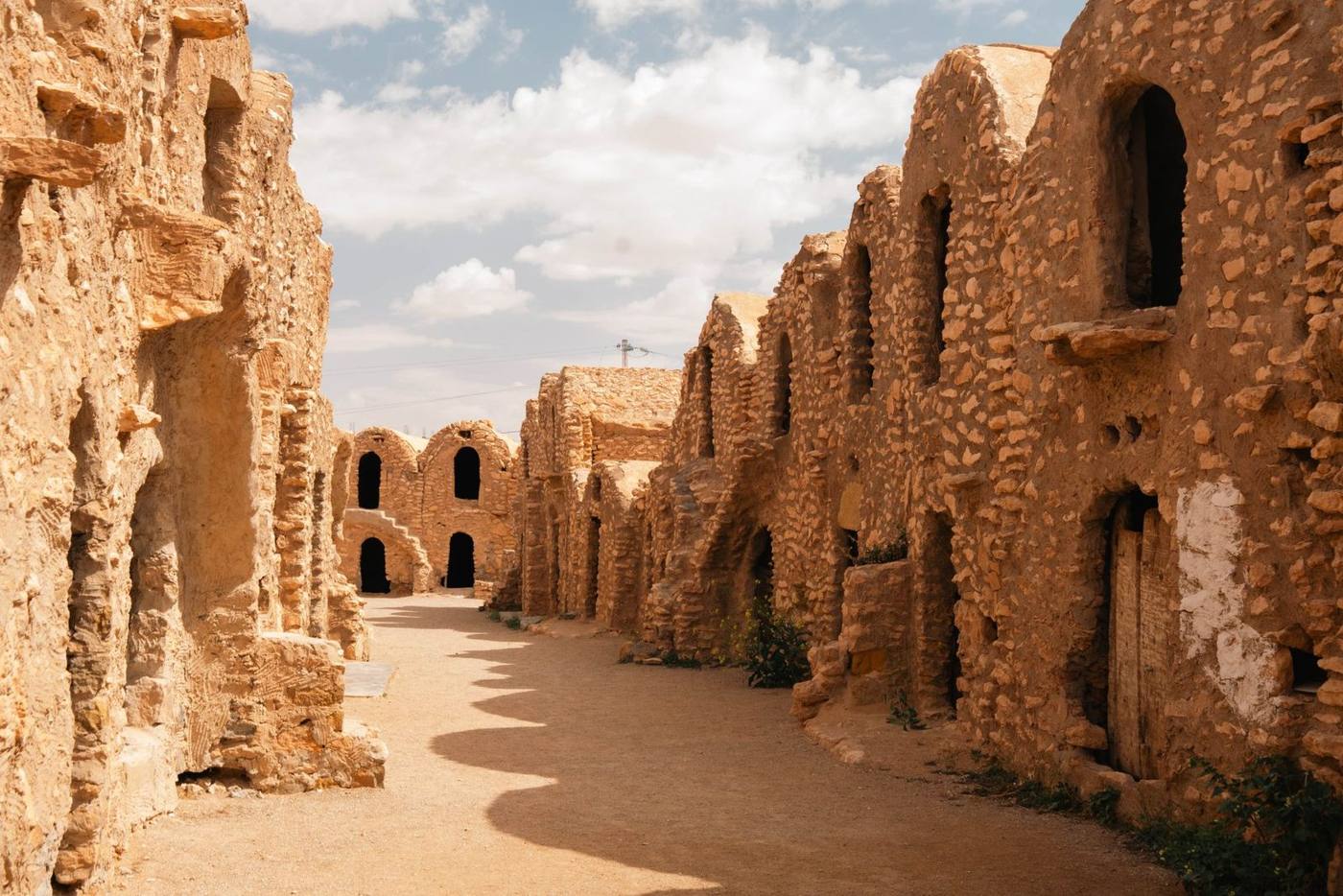
The ksour of Tataouine and Matmata
The Berber south: the troglodyte houses of Matmata, the fortified granaries of Ksar Ouled Soltane, the ridge village of Chenini and the Star Wars filming locations.
 4 daysEasy
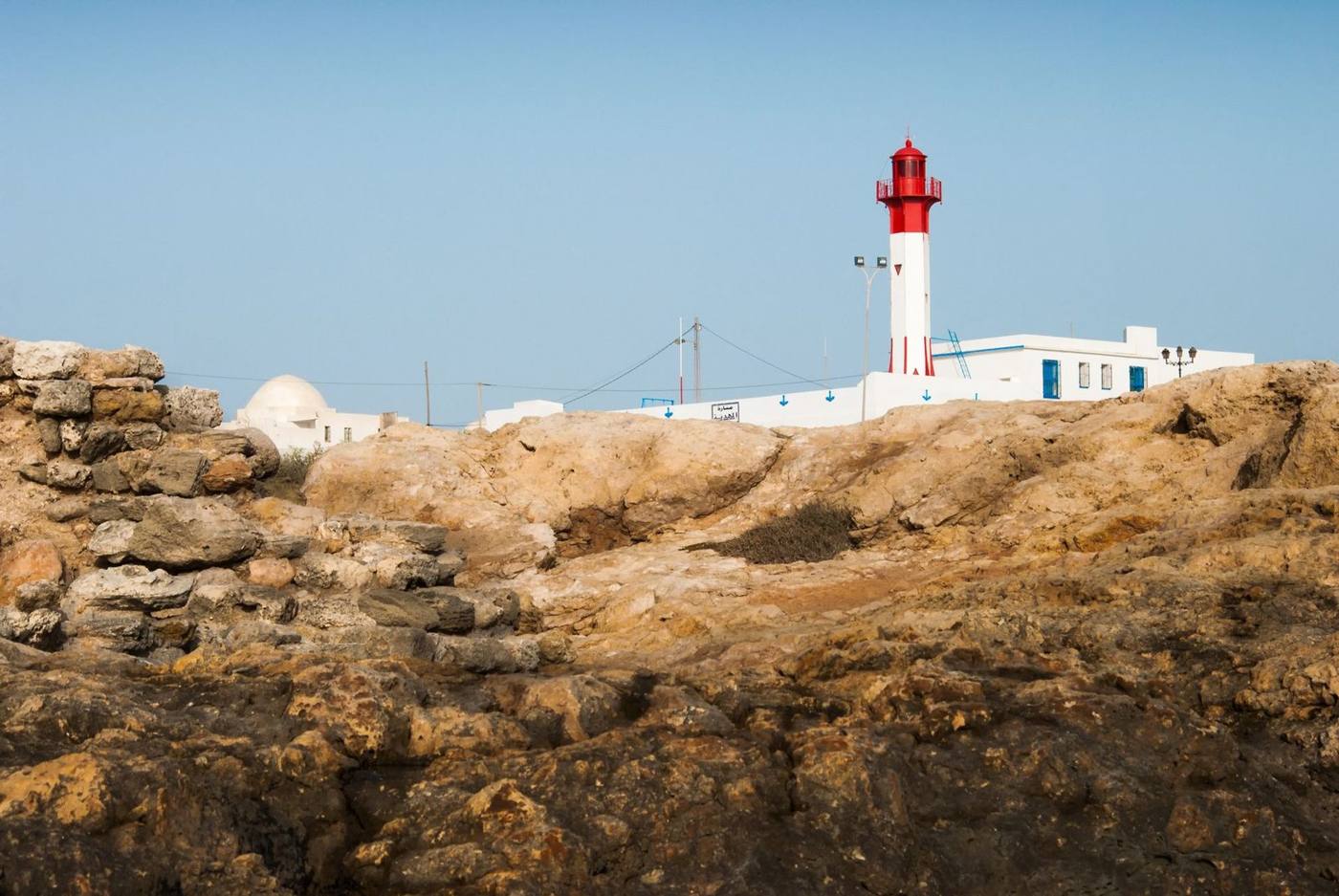
Mahdia and Monastir
The Sahel coast: the Mahdia peninsula with its white seaside cemetery and Fatimid gate, the ribat of Monastir and the long beaches between the two towns.
 2 daysEasy
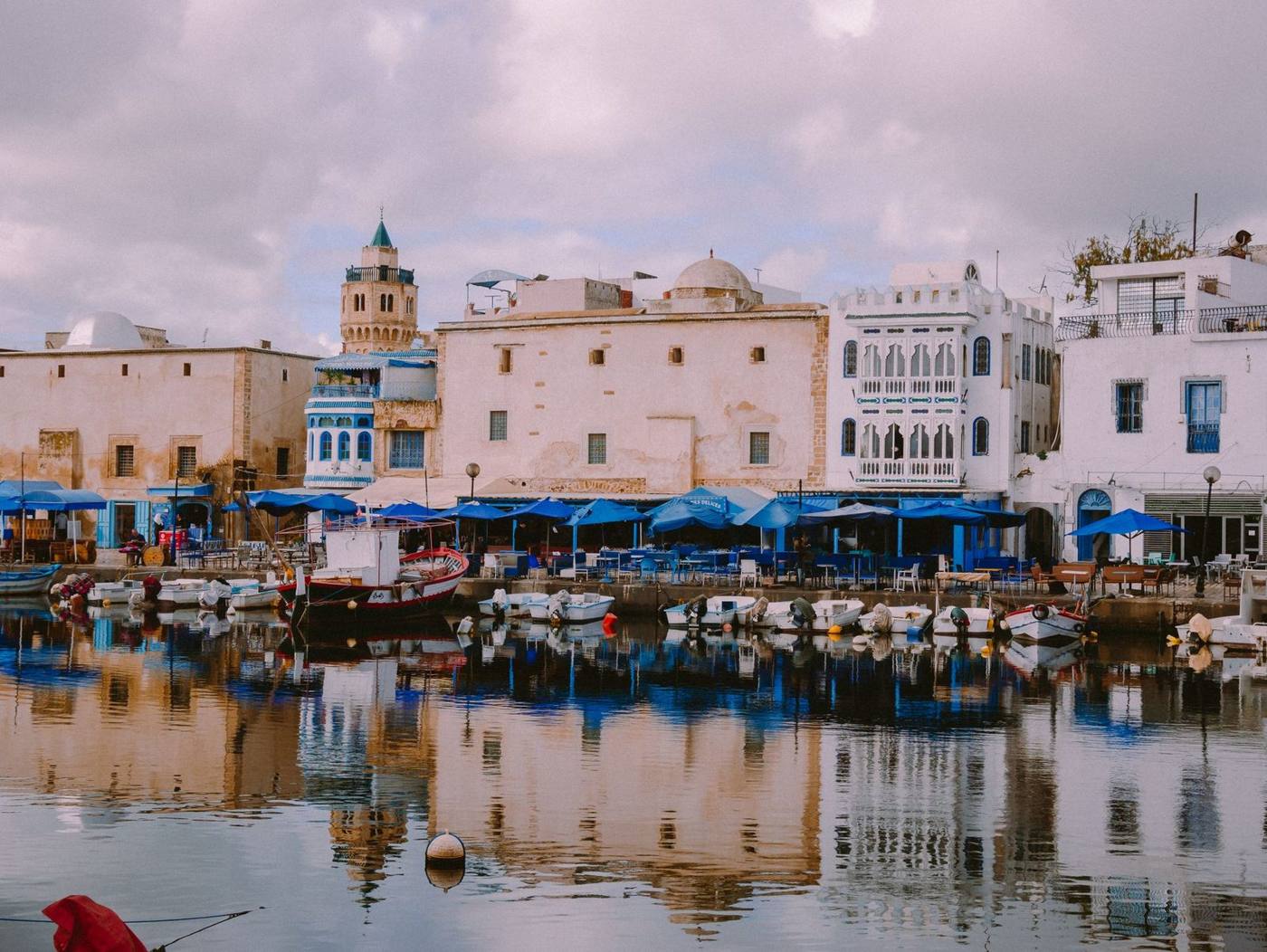
Bizerte and Ichkeul
Bizerte's old port with its colourful houses and kasbah, and Ichkeul National Park, a UNESCO lake and marsh where thousands of migratory birds arrive in winter.