From Cappadocia to the Black Sea and on to Ani
An arc across Anatolia: Safranbolu, the Hittites of Hattusa, the green Black Sea coast, Sumela monastery and the Armenian far east.
- Istanbul
- Safranbolu
- Cappadocia
- Hattusa
- Ünye
- Trebisonda
- Sumela
- Yusufeli
- Kars
- Ani
- Doğubayazıt
- Erzurum
Day by day
- Day 1
Arrival in Istanbul
This trip is a great arc across Anatolia: Istanbul, the Ottoman houses of Safranbolu, Cappadocia, the Hittite capital at Hattusa, the green Black Sea coast with Trabzon and Sumela Monastery, then the far east, with the Georgian churches of the Yusufeli valley, Kars, the Armenian ruins of Ani, the İshak Pasha Palace below Ararat and Erzurum. You travel by minibus or car, with many hours on the road.
Before you go: Italian citizens can enter Turkey with an electronic identity card or a passport. Other nationalities should check their own rules. The US government rates Turkey at level 2, with level 4 only within ten kilometres of the borders with Syria and Iraq, an area this trip does not touch. The UK advises against travel only to the ten-kilometre strip along the Syrian border. Ani lies on the border with Armenia, which is closed, but the site is visited normally from the Turkish side.
You land at Istanbul airport, about an hour from the centre. Drop your bags in Sultanahmet, the old city, or near the Galata Tower.
In the afternoon, walk through Gülhane Park, below the walls of Topkapı Palace, to Seraglio Point, where the Bosphorus, the Golden Horn and the Sea of Marmara meet.
At sunset, cross the Galata Bridge and watch the domes and minarets of the old city light up one after another.
In the evening, have dinner with meze and fish, or with a kebab cooked over charcoal.
Overnight in Istanbul, for three nights.
Practical tip: buy an Istanbulkart straight away at the airport or a station: it works on the metro, trams, buses and ferries.
- Day 2
Hagia Sophia, Topkapı and the Basilica Cistern
Today you visit the heart of Istanbul, between Byzantium and the Ottoman Empire.
In the morning, go into Hagia Sophia, built by the Emperor Justinian in the sixth century, for almost a thousand years the largest church in Christendom, then a mosque, a museum and a mosque again since 2020. Beneath the great dome, watch the light pouring in through the windows and, in the upper gallery, the Byzantine mosaics. Foreign visitors pay for entry: check prices and times, and cover your shoulders and legs.
Opposite stands the Blue Mosque, with its six minarets and İznik tiles inside. You can visit outside prayer times.
A few steps away, go down into the Basilica Cistern, a huge sixth-century underground hall with hundreds of columns standing in water and two Medusa heads used as bases. Check prices and times.
In the afternoon, visit Topkapı Palace, home of the sultans for almost four hundred years: the courtyards, the kitchens, the treasury with the emerald dagger, the relics and the harem, with a separate ticket. From the third courtyard the view over the Bosphorus is superb. Check prices, times and closing days.
In the evening, walk around floodlit Sultanahmet and have dinner with köfte, traditional meatballs, or with a plate of beans and rice.
Overnight in Istanbul.
Practical tip: arrive at Topkapı and the Cistern at opening time; groups arrive mid-morning and the queues get long.
- Day 3
The mosaics of Kariye and the Bosphorus
Today you see the city's most surprising Byzantine monument and sail on the Bosphorus.
In the morning, take a taxi or a bus to Kariye, near the city's land walls. The former Church of the Holy Saviour in Chora, now a mosque, preserves in its narthex and side chapel fourteenth-century mosaics and frescoes telling the stories of Christ and the Virgin, among the finest in Byzantine art. Many visitors never get here, which is a pity. Check prices and times and dress appropriately.
Then walk a stretch along the Theodosian Walls, the great fifth-century circuit that defended Constantinople for a thousand years, and go down into the Balat district, with its colourful houses, Greek churches and synagogues.
In the afternoon, take a Bosphorus cruise, on the public ferries from Eminönü or on tourist boats. You pass the Dolmabahçe Palace, the wooden Ottoman villas on the water, the Rumeli Hisarı fortress and the great bridges between Europe and Asia. Check prices and times.
On the way back, if there is time, get off at Üsküdar or Kadıköy, on the Asian shore, for a walk through the fish and fruit markets.
In the evening, have dinner on the Asian side and return by ferry, with the city lit up in front of you.
Overnight in Istanbul.
Practical tip: the public ferry across the Bosphorus costs very little with the Istanbulkart and is the most beautiful way to see the city from the water.
- Day 4
The Spice Bazaar and the road to Safranbolu
Today you leave Istanbul and reach an Ottoman town that has survived almost intact.
Early in the morning, visit the Spice Bazaar, near the Galata Bridge, with its sacks of spices, tea, dried fruit and lokum, and walk to the Grand Bazaar, one of the largest and oldest covered markets in the world, with thousands of shops under its vaults. Stop at the Süleymaniye Mosque, the greatest work of the architect Sinan, on the hill above the Golden Horn.
Then head east to Safranbolu, about five hours by road, crossing the Bosphorus and the wooded hills of northern Anatolia.
Safranbolu is a UNESCO World Heritage Site for its Ottoman houses of wood and stone, with jutting upper floors, rows of windows and tiled roofs. It was once a caravan stop on the road between Istanbul and the Black Sea, and it takes its name from saffron, which used to be grown here.
In the late afternoon, walk through Çarşı, the historic centre, past the great Cinci caravanserai, the mosque and the workshops of blacksmiths and cobblers. At sunset, climb Hıdırlık hill for the view over the roofs.
In the evening, have dinner with local dishes, such as peruhi, a filled pasta, and taste saffron lokum.
Overnight in Safranbolu, in a restored Ottoman house.
Practical tip: at the Grand Bazaar, bargain calmly and politely; if a price does not convince you, say thank you and move on to the next shop.
- Day 5
Ankara, Lake Tuz and arrival in Cappadocia
Today you cross the Anatolian plateau, from the north to Cappadocia.
In the morning, leave Safranbolu and drive south to Ankara, about three hours. If you have time, stop at the mausoleum of Atatürk, the Anıtkabir, founder of modern Turkey, on a hill above the city, or at the Museum of Anatolian Civilisations, with Hittite finds from the site you will see at Hattusa. Check prices and times.
Then continue south-east across the plateau, with wheat fields and villages of low houses, to Lake Tuz, the second largest lake in Turkey. It is shallow and salty: in summer the water evaporates and leaves a white crust you can walk on for a stretch. Much of the country's salt is harvested in its salt pans. In the right light the lake looks like a mirror.
In the afternoon, continue via Aksaray and reach Göreme in the evening, after about eight hours on the road in all including stops. The landscape changes suddenly: cones of tuff, carved valleys and houses in the rock appear.
In the evening, have dinner with testi kebab, meat and vegetables cooked in a clay pot that is broken open at the table, a typical Cappadocian dish.
Overnight in Göreme, for three nights, in a room carved into the rock if you can.
Practical tip: on Lake Tuz the salt reflects a lot of light and cuts shoes; bring sunglasses and old shoes.
- Day 6
The valleys of Cappadocia and the balloon flight
Today you explore the most beautiful valleys in Cappadocia.
At dawn, if you wish, take a hot-air balloon flight: hundreds of balloons rise together over the Göreme valleys and the fairy chimneys. Flights depend on the wind and can be cancelled at the last minute. Book with licensed operators and check prices and times. Even from the ground the sight is beautiful.
After breakfast, walk through the Rose Valley, between pink and white walls of tuff and rock churches carved by Byzantine monks, to the village of Çavuşin, with its old church in the rock above the village.
Then go to Paşabağ, the valley of the monks, with the most famous fairy chimneys, mushroom-shaped, with two or three tips. Check prices and times.
In the afternoon, go down to Avanos, on the Kızılırmak, the longest river flowing entirely within Turkey, a town of potters for thousands of years: step into a workshop and watch red clay being shaped on the wheel.
At sunset, climb Uçhisar, the highest rock castle in the region, a great spur of tuff full of carved rooms, and watch the sun go down over the whole valley.
In the evening, have dinner in Göreme with local food, such as manti, small dumplings with yoghurt and spiced butter.
Overnight in Göreme.
Practical tip: in the Cappadocian valleys the paths are not always waymarked; download a map to your phone and bring water and a hat.
- Day 7
Kaymaklı, Mustafapaşa and the Ihlara valley
Today you go underground, visit a Greek village and walk along a canyon.
In the morning, visit the underground city of Kaymaklı, carved into the tuff on several levels, with rooms, stables, kitchens, air shafts and narrow passages closed by large round stones. Over the centuries the inhabitants hid here during invasions. The corridors are low: anyone who suffers from claustrophobia should take care. Check prices and times.
Then go to Mustafapaşa, ancient Sinasos, a village where a Greek community lived until 1923. The stone houses have carved facades, decorated doors and courtyards, and there are rock churches with frescoes. It is a quiet place, away from the groups.
In the afternoon, drive to the Ihlara valley, a deep canyon carved by the Melendiz river, its walls full of painted rock churches. Go down the steps near the entrance and walk along the river in the shade of poplars to the village of Belisırma, about an hour and a half on foot. Along the way, visit the Ağaçaltı church and the Kokar church, with Byzantine frescoes. Check prices and times.
In Belisırma, stop to eat a trout by the river, then return to Göreme.
In the evening, take a last walk through the village among the houses in the rock.
Overnight in Göreme.
Practical tip: at Ihlara, arrange a taxi or a lift from the end of the path beforehand, so you do not have to walk back.
- Day 8
Hattusa, the Hittite capital, and the Black Sea
Today you see one of the great capitals of the Bronze Age and reach the Black Sea.
Early in the morning, head north to Hattusa, near the village of Boğazkale, about three and a half hours. Hattusa, a UNESCO World Heritage Site, was the capital of the Hittites, an empire that in the second millennium BC ruled much of Anatolia and fought as an equal with the Egypt of the pharaohs. Thousands of clay tablets in cuneiform script have been found here.
The site is large and hilly: tour it by car with stops. See the Great Temple, with the bases of its storerooms, the Lion Gate, with its two lions carved in stone, the long Yerkapı tunnel under the walls and the King's Gate. Then go to the nearby rock sanctuary of Yazılıkaya, where rows of Hittite gods and kings are carved into the rock walls. Check prices and times.
In the afternoon, continue north via Çorum and Samsun, crossing the hills and dropping towards the coast. The journey takes about four or five hours.
In the evening you reach Ünye, a small town on the Black Sea, with its harbour, beaches and green hills behind. The climate changes completely: the air is humid and the mountains are covered in forest.
Have dinner with fish from the Black Sea.
Overnight in Ünye, for two nights.
Practical tip: today is one of the longest days of the trip; set off early, bring water and something to eat, and take regular breaks from driving.
- Day 9
A slow day in Ünye
Today you rest on the Black Sea after so many days on the road.
In the morning, sleep a little longer and have a leisurely breakfast: on the Black Sea breakfast is generous, with cheeses, olives, honey, butter, eggs and freshly baked bread. Then walk along the Ünye seafront and through the centre, with its old houses and market.
A few kilometres away, climb up to Ünye castle, on a rock spur above the valley, with tombs cut into the cliff by the ancient kingdom of Pontus. The view over the hills and the sea is wide. Check times.
In the afternoon, have a swim at one of the nearby beaches, if it is the right season, or walk among the hazelnut orchards that cover the surrounding hills. This coast produces much of the world's hazelnuts, and in summer you will see families picking them and drying them in the sun in front of their houses.
Taste the local produce: roasted hazelnuts, cornbread and the black tea that comes from the hills further east.
At sunset, sit by the harbour and watch the fishermen come back in.
In the evening, have dinner with hamsi, Black Sea anchovies, fried in cornmeal, the signature dish of the coast in the cold season, or with other local fish.
Overnight in Ünye.
Practical tip: on the Black Sea it often rains even in summer; always keep a light rain jacket in your bag.
- Day 10
The coast road to Trabzon
Today you follow the Black Sea coast to ancient Trebizond.
In the morning, head east on the coast road, which runs between the sea and the hills, through Ordu and Giresun. Stop in Ordu and take the cable car up Boztepe hill, with views over the whole bay. Check prices and times. Giresun is ancient Kerasous, the town from which, according to tradition, the cherry tree reached Europe.
Along the way you pass fishing villages, hazelnut hills and, towards Trabzon, the first tea plantations. The journey takes about four hours without stops.
In the afternoon you arrive in Trabzon, for centuries the capital of a small Greek empire, from 1204 until the Ottoman conquest in 1461. Visit the Hagia Sophia of Trabzon, a thirteenth-century church on a hill above the sea, now a mosque, with Byzantine frescoes and carvings on its facade. Check times and dress appropriately.
Then walk through the centre, around the main square and the old bazaar, and climb Trabzon's own Boztepe hill for the sunset over the harbour.
In the evening, have dinner with dishes of the coast: Akçaabat köfte, kuymak, a cream of cheese and cornmeal, and a hazelnut dessert.
Overnight in Trabzon, for two nights.
Practical tip: the coast road is a dual carriageway but passes through many towns; always allow more time than you expect.
- Day 11
Sumela Monastery
Today you visit one of the most spectacular places in Turkey, a monastery clinging to a rock face.
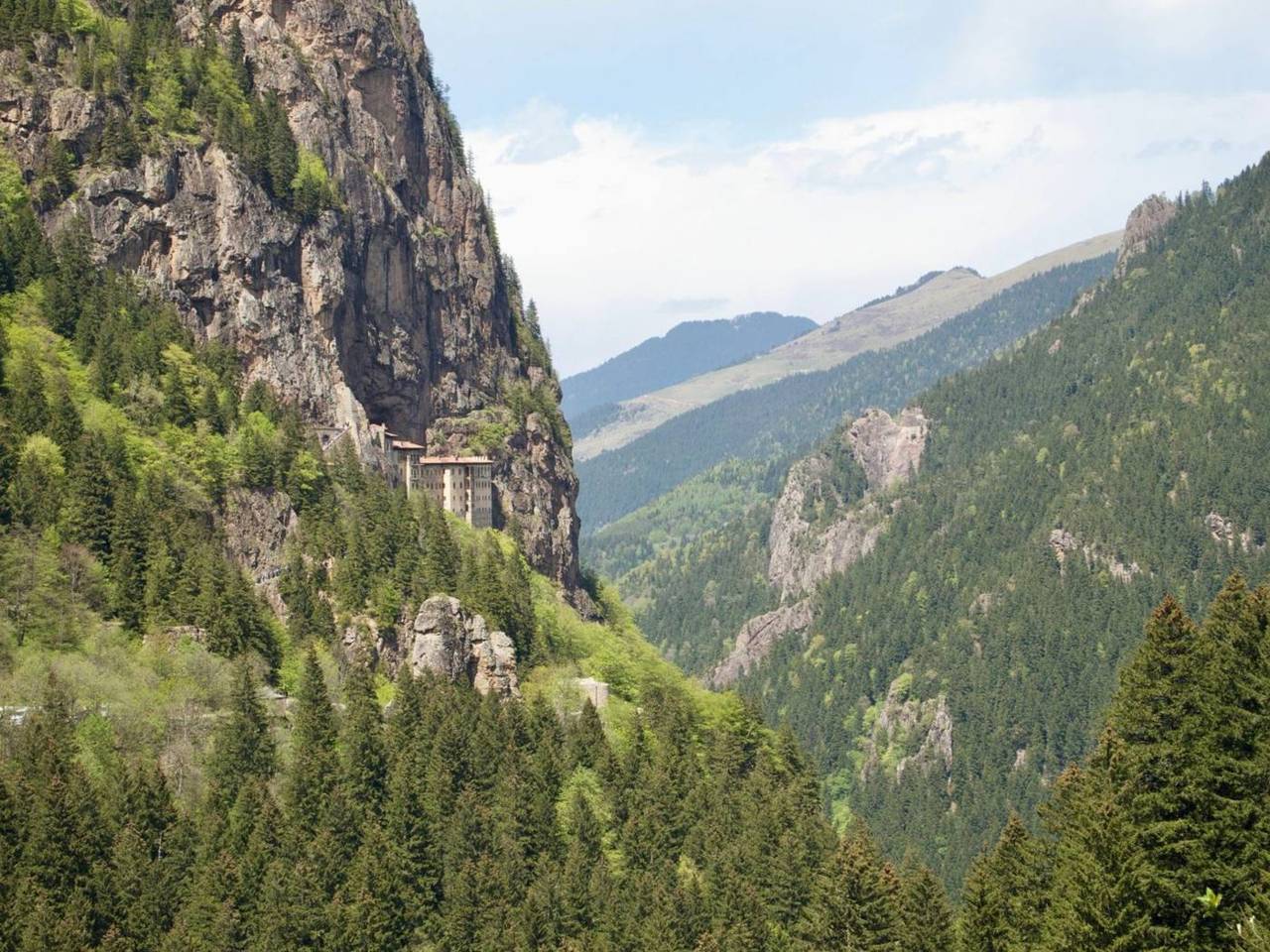
In the morning, drive south for about an hour into the Altındere valley, among dense forests, streams and mist. Sumela Monastery, dedicated to the Virgin, was according to tradition founded in the fourth century by two monks from Athens. For centuries it was a place of pilgrimage for the Pontic Greeks, until 1923. The buildings you see today are mostly from the eighteenth and nineteenth centuries, built inside a cave at about 1,200 metres.
From the car park, climb the last stretch on foot, on a road and a stairway through the woods: at the top the view over the valley is dizzying. Inside you will see the rock church with its walls covered in frescoes, the dormitories, the library and the holy spring. After a long restoration the monastery is open again, but check prices and times.
In the afternoon, on the way back, stop in Maçka for lunch with trout from the valley or with black cabbage soup, typical of the coast.
Back in Trabzon, visit the Atatürk Pavilion, a white villa among gardens above the city, or wander through the bazaar again. Check times.
In the evening, have dinner in town.
Overnight in Trabzon.
Practical tip: arrive at Sumela at opening time; the valley is often misty in the morning, but the mist makes the monastery even more atmospheric.
- Day 12
The Yusufeli valley and the plateau to Kars
Today you leave the sea and climb to the eastern plateau, through the valleys of the Georgian churches.
In the morning, set off early from Trabzon and cross the mountains to the south-east. The road then drops into the valley of the Çoruh river, among deep gorges and red rocks. In the Middle Ages this was the land of the Georgian principalities of Tao and Klarjeti, and churches and castles remain among the mountains.
Around Yusufeli the landscape has changed recently: the old town was submerged by the lake of a large dam, and the new Yusufeli has been built higher up. Go up to the church of İşhan, a large medieval Georgian church in a mountain village, with its dome and decorated walls. Then, in the Tortum valley, stop at the church of Öşk Vank, huge and silent, and at the Tortum waterfall, one of the highest in Turkey. Check times.
In the afternoon, continue east across the plateau, at almost two thousand metres, among pastures, herds and isolated villages, to Kars.
Kars has a centre of dark stone buildings from the Russian period, between the late nineteenth century and 1918, with wide, straight streets. In the evening, have dinner with Kars cheese, gravyer, and, if it is in season, roast goose, the town's speciality.
Overnight in Kars, for one night.
Practical tip: in the east the nights are cold even in summer, because of the altitude; bring a heavy jumper and a jacket.
- Day 13
Ani, the city of a thousand and one churches
Today you visit one of the most moving sites in Turkey, on the border with Armenia.
In the morning, drive for about three quarters of an hour to Ani, a UNESCO World Heritage Site. Around the year 1000 Ani was the capital of the Armenian Bagratid kingdom, a rich city on the Silk Road, called the city of a thousand and one churches. It was later conquered several times, struck by an earthquake and abandoned.
Today it is a vast expanse of grass on a plateau, enclosed by walls, with cathedrals and churches still standing amid the silence and the wind. Visit the cathedral, with its great hall of red stone, the Church of Saint Gregory of Tigran Honents, with its frescoes, the rotunda of Saint Gregory and the Menüçehr Mosque, one of the first Seljuk mosques in Anatolia. At the edge of the site the Akhurian river runs in a deep gorge: on the other bank is Armenia, and the border is closed. Stay on the paths and check prices and times.
In the afternoon, continue south via Iğdır to Doğubayazıt, about three and a half hours, with the enormous outline of Mount Ararat appearing on the horizon.
In the evening you reach Doğubayazıt, a border town below the mountain.
Overnight in Doğubayazıt.
Practical tip: there is no shade at Ani and the site is large; bring water, a hat and sun cream, and allow at least three hours for the visit.
- Day 14
The İshak Pasha Palace and Ararat
Today you see one of the most photographed palaces in Turkey, with the great mountain in the background.
In the morning, go up to the İshak Pasha Palace, on a spur above Doğubayazıt, a few kilometres from town. It was built in the eighteenth century for the Ottoman governors of the area and completed in 1784, and it blends Ottoman, Persian and Armenian styles. Visit the courtyards, the mosque, the harem, the audience hall and the kitchens, with carved doorways and stone decoration. From the terrace you see the valley and the surrounding mountains. Check prices and times.
From the palace, look north to Mount Ararat, 5,137 metres high, the highest mountain in Turkey, its summit covered in snow even in summer. According to tradition, Noah's Ark came to rest here after the flood. In the clear morning sky the mountain is spectacular.
In the afternoon, drive west to Erzurum, about four hours, across the plateau and over the passes.
Erzurum, at about 1,900 metres, is one of the great cities of the east, with a long, snowy winter. At sunset, visit the Çifte Minareli Medrese, the madrasa of the twin minarets, from the thirteenth century, and the Yakutiye Medrese, from the fourteenth century, with its carved portal.
In the evening, have dinner with cağ kebabı, lamb cooked on a horizontal spit, the city's speciality.
Overnight in Erzurum.
Practical tip: to see Ararat clearly, go to the palace early in the morning; in the afternoon clouds often cover the summit.
- Day 15
Flight from Erzurum and home
Today you leave Turkey.
In the morning, if your flight is late, walk through the centre of Erzurum: the Rüstem Pasha bazaar, where black oltu stone is worked, the Seljuk tombs of the Üç Kümbetler and the citadel with its clock tower. Check times.
Then go to Erzurum airport and take the flight to Istanbul, about two hours, with a connection home.
In these fifteen days you have seen a Turkey few people know: the Byzantine and Ottoman monuments of Istanbul with the mosaics of Kariye, the wooden houses of Safranbolu, the valleys and underground cities of Cappadocia, the Hittite capital at Hattusa, the green Black Sea coast with Trabzon and Sumela Monastery, the Georgian churches of the Yusufeli valley, Kars, the Armenian ruins of Ani, the İshak Pasha Palace below Ararat and Erzurum. It is a trip with many hours on the road and simple hotels in the east, but with three first-rate places in Hattusa, Sumela and Ani.
When to go: the best period is from April to September, with June and September the most pleasant months in the east. In winter the eastern plateau is very cold and snowy and some mountain roads can close. On the Black Sea it rains in every season, but the climate is mild in summer.
Practical tip: before you leave, buy something to take home: Black Sea hazelnuts, Rize tea, mountain honey, vacuum-packed Kars cheese or an object in oltu stone.
In Turkey tipping is customary in restaurants, usually around ten per cent, and for guides and drivers too.
The right trip for those who have done the classic circuit and want the Turkey that never appears in brochures: Hattusa, Sumela and Ani are three first-rate sites. The price is time in the minibus, with several six or seven hour legs and simple hotels in the east. The plan also includes Cappadocia; those who have seen it can treat it as a pause rather than the point of the trip.
Before you go
- Documents and visa
- Passport, or for some EU citizens a national identity card; no visa for tourism up to 90 days in 180 for most EU nationalities.
- Health and vaccines
- No compulsory vaccines. Drink bottled water. Emergencies: 112.
- Money and payments
- Turkish lira. Cards work almost everywhere; state site tickets are set in euros but paid in lira at the day's rate.
- Power sockets
- Types C and F, 230 volts: the same round-pin sockets as much of Europe.
- Time zone
- UTC+3 all year: Turkey does not use daylight saving time.
- Safety
- The United States rates Turkey level 2, with level 4 within 10 km of the Syrian and Iraqi borders. Tourist areas are busy and calm. Official advice: GOV.UK.
Information checked in November 2026 for Italian and EU citizens. Rules change: always check before you travel.
Variations
In 10 days: Istanbul, Cappadocia, Hattusa, Trabzon and Sumela, with the return flight from Trabzon, without the far east.
In 18 days: after Trabzon, add three days in the Kaçkar mountains, with the tea plantations of Rize and the high pastures of Ayder.
Frequently asked questions
What document do I need for Turkey?
Italian citizens can enter with an electronic identity card or a passport. Other nationalities should check their own rules.
Is it safe to visit Ani and eastern Turkey?
The United States and the UK advise against travel only to the ten-kilometre strip along the border with Syria and, for the United States, also with Iraq, far from this route. Ani lies on the Armenian border, which is closed, but the site is visited normally. Always check the latest advice before leaving.
How many hours on the road are there on this trip?
Many: several days have six, seven or even eight hours of driving, such as Istanbul to Safranbolu, Safranbolu to Cappadocia, Cappadocia to the Black Sea and Trabzon to Kars. It is the price of seeing so many regions in fifteen days.
Indicative itinerary written by World Atlas. Before booking, check timetables, seasonal openings, documents and safety.
 16 daysModerate
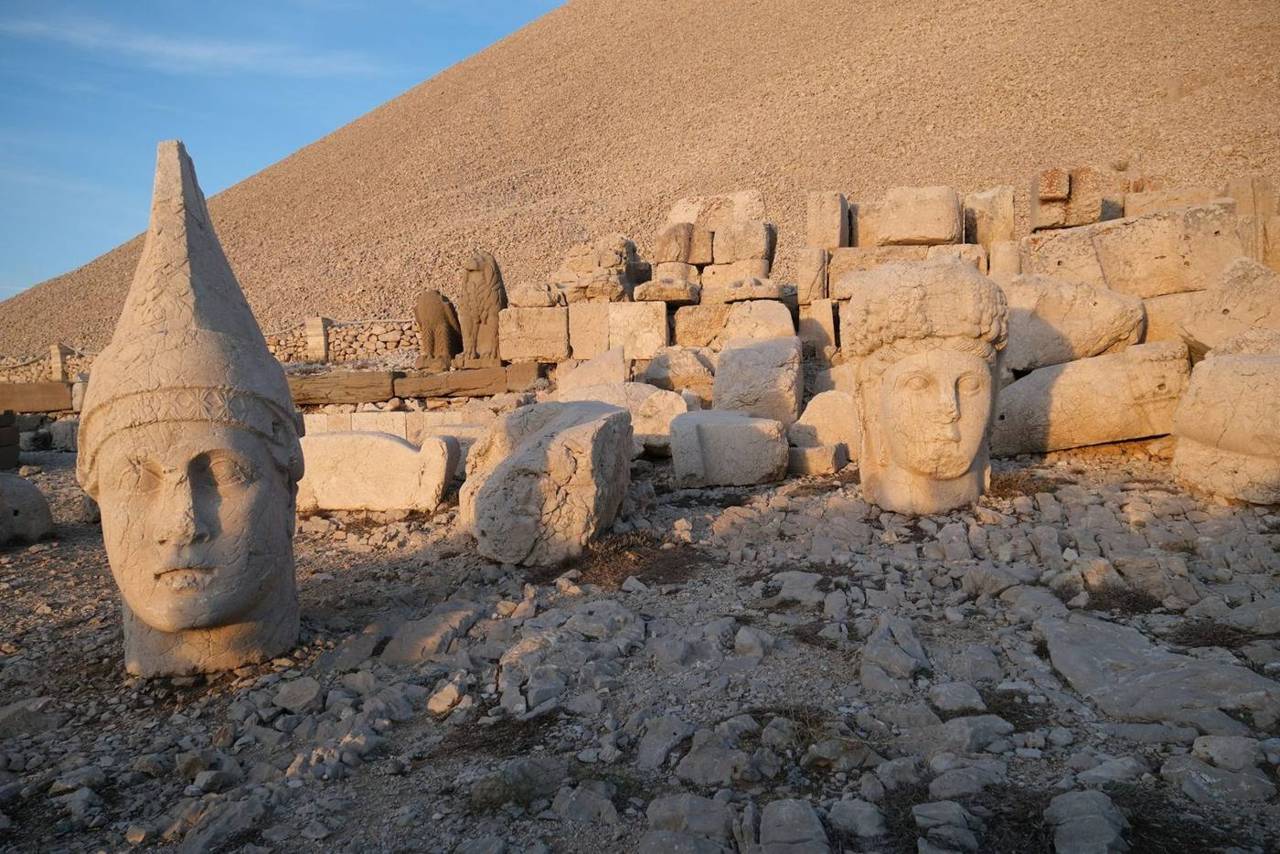
Nemrut, Cilicia and the ancient coast
From Cappadocia to the colossal heads of Nemrut, then the castles of Cilicia, Aspendos and Termessos, ending at Ephesus: Turkey's ruins from east to west.
 4 daysEasy
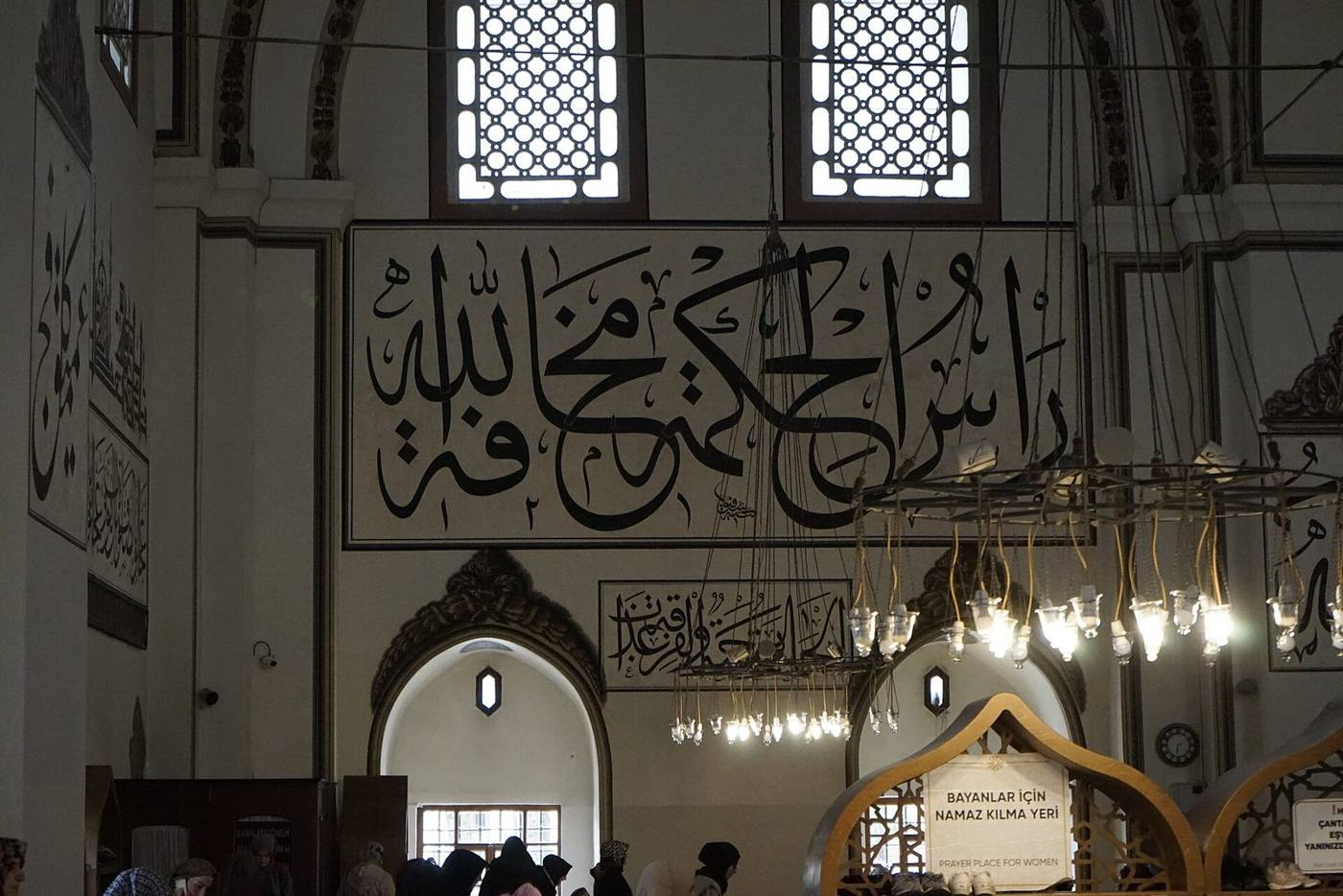
Bursa, İznik and Mount Uludağ
The first Ottoman capital, two hours from Istanbul: the mosques and tombs of Bursa, a UNESCO World Heritage site, the silk caravanserais, the İskender kebab born here, the cable car up Mount Uludağ, the village of Cumalıkızık and İznik, ancient Nicaea of ceramics and the Council.
 4 daysEasy
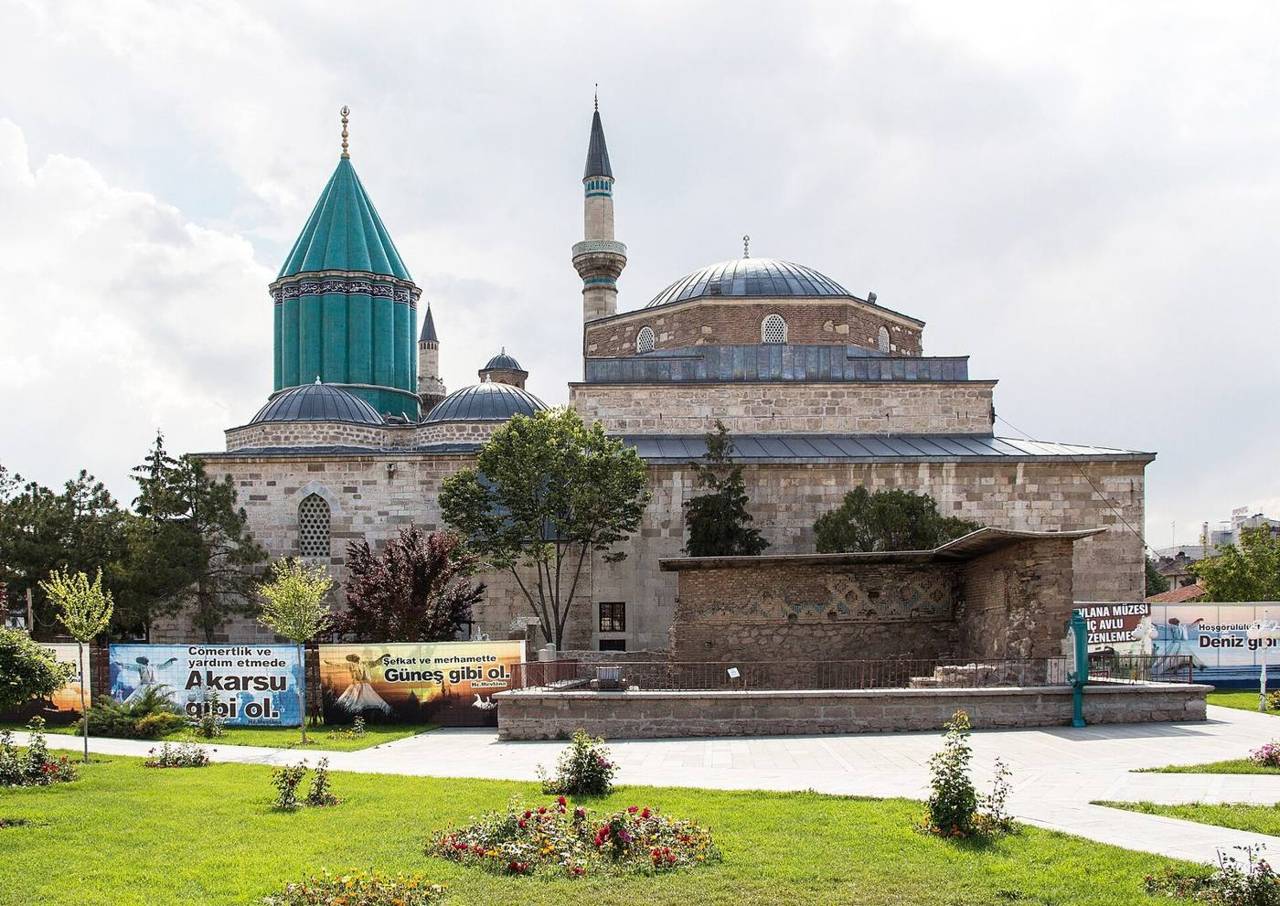
Konya, Çatalhöyük and Lake Beyşehir
Anatolia's spiritual heart: Rumi's mausoleum and the whirling dervishes of Konya, the Seljuk madrasas, the Neolithic town of Çatalhöyük, a UNESCO World Heritage site, and the wooden Eşrefoğlu Mosque on Lake Beyşehir, also UNESCO-listed.