California: San Francisco to Los Angeles
San Francisco, Napa wines, Yosemite and Highway 1 along Big Sur to Santa Barbara and Los Angeles.
- San Francisco
- Napa Valley
- Yosemite
- Monterey
- Big Sur
- Santa Barbara
- Los Angeles
Day by day
- Day 1
Arrival in San Francisco
To enter the United States without a visa for tourism for up to ninety days, citizens of Visa Waiver countries such as Italy, France and Belgium need an e-passport and an ESTA authorisation, applied for online on the official website at least seventy-two hours before departure; it costs 40.62 dollars. Beware of unofficial websites that charge more.
From San Francisco airport you reach the centre by BART train in about half an hour. For the first three days in the city you do not need a car: you get around on foot, by tram, bus and the famous cable cars; pick up a rental car on day four.
San Francisco is built on some forty hills at the tip of a peninsula between the Pacific and the bay, with colourful Victorian houses, steep streets and fog rolling in from the sea, nicknamed Karl by locals.
In the afternoon stroll around Union Square, the shopping hub, and ride the Powell-Hyde cable car, a tram pulled by a cable under the street, running since the nineteenth century, up and down the hills to the waterfront, with views of the bay and Alcatraz. Get off at the top of Lombard Street, the street of hairpin bends between flowerbeds, and walk down it.
In the evening eat in Chinatown, the oldest Chinese community in North America, with the Dragon Gate and red lanterns along Grant Avenue.
Practical tip: San Francisco is cool and windy even in summer, with fog; dress in layers. Never leave anything visible in a parked car: break-ins are common.
- Day 2
Alcatraz and Fisherman's Wharf
In the morning visit Alcatraz, the island in the bay that held the maximum security federal prison, closed in 1963, whose inmates included Al Capone. The official ferry leaves from Pier 33 and reaches the island in about fifteen minutes. The visit includes the cellhouse audio tour, with the voices of former inmates and guards describing life in the cells, escape attempts and the 1946 uprising. The island is also a protected natural area, with gardens and seabirds.
Tickets must be booked weeks ahead, especially in summer, only on the official website of the authorised ferry operator.
In the afternoon stroll along Fisherman's Wharf, the old fishing harbour, with crab stalls and clam chowder served in a sourdough bread bowl, a city speciality. At Pier 39 hundreds of sea lions live on floating platforms; they are very noisy and can be watched up close.
Then visit the maritime museum and Hyde Street Pier with its historic ships, or the Musée Mécanique, a collection of old coin-operated games that still work.
In the evening go up Coit Tower on Telegraph Hill, with 1930s murals of life in California and views of the city lit up, or have dinner in the Italian district of North Beach.
Practical tip: on Alcatraz it is cold and windy even when the city is sunny; bring a jacket.
- Day 3
The Golden Gate and Sausalito
In the morning cross the Golden Gate Bridge, the world's most famous suspension bridge, opened in 1937, about 2.7 kilometres long, painted in International Orange so it can be seen in the fog. You can cross on foot or by bike along the walkway in about half an hour. You can rent a bike near the waterfront.
Before the bridge walk through the Presidio, an old military fort now a large park, and along Crissy Field beach, with views of the bridge. On the other side, the Battery Spencer viewpoint offers the most famous view of the bridge with the city behind it.
Ride down to Sausalito, a small town on the bay with houses on the hillside, art galleries and houseboats, a community living on boats, and return to San Francisco on the ferry, which also takes bikes, with views of the skyline.
In the afternoon visit Golden Gate Park, about four kilometres long, with the Japanese Tea Garden, the de Young museum and the California Academy of Sciences, with its aquarium, planetarium and rainforest. Then walk through Haight-Ashbury, the heart of 1960s hippie culture, with vintage shops, and stop at Alamo Square to see the Painted Ladies, the row of colourful Victorian houses.
In the evening visit the Mission District, with its murals and Mexican food.
Practical tip: the bridge is often shrouded in fog, especially on summer mornings; afternoons are usually clearer.
- Day 4
Napa or Sonoma, wine country
In the morning pick up your rental car and drive north to the Napa Valley, about an hour and a half from San Francisco, the most famous wine region in the United States, a long valley of vineyards between two ranges of hills. The best-known wine is Cabernet Sauvignon.
Along the main road and the parallel Silverado Trail there are hundreds of wineries, some in spectacular buildings, such as castles, Tuscan-style villas or modern architecture, offering tours and tastings, almost always by reservation. Tastings are paid and can be expensive: choose two or three wineries at most. Alternatively you can tour on a historic train with lunch, or by hot-air balloon at dawn.
The nearby Sonoma Valley, to the west, is quieter and more rustic, with smaller family wineries and the historic plaza of the town of Sonoma, where in 1846 the short-lived California Republic was proclaimed.
In the afternoon stop at Calistoga at the north end of the valley, famous for hot springs and volcanic mud baths, or at the local old geyser.
In the evening stay in the valley or head east to prepare for the road to Yosemite.
Practical tip: drink-driving is severely punished in California; if you do tastings, choose a driver who does not drink or take a tour with a driver. The minimum drinking age in the United States is 21.
- Day 5
To Yosemite: Yosemite Valley
In the morning drive east to Yosemite National Park in the Sierra Nevada, about four hours from Napa or San Francisco. Yosemite, a UNESCO World Heritage site, is one of the world's most famous parks, with granite walls almost a thousand metres high, waterfalls, giant sequoia groves and mountain meadows.
Since 2026, foreign visitors who are not US residents pay a 100-dollar surcharge per person, on top of the normal entrance fee, at eleven national parks including Yosemite. In 2026 no reservation was required to enter the park; always check the latest rules on the park's official website before setting off.
Coming in through the Wawona tunnel, stop at the Tunnel View viewpoint, with the valley's most famous view: on the left El Capitan, the world's largest granite wall, loved by climbers, on the right Bridalveil Fall, and at the end Half Dome, the dome-shaped mountain sliced in half.
In the afternoon, in the valley, walk to the foot of Yosemite Falls, the highest waterfalls in North America, with a total drop of about 740 metres, at their fullest in spring and almost dry by late summer. Stroll along the Merced River and through the valley meadows, where deer are often seen.
In the evening stay in the park or in the towns near the entrances; lodging in the park must be booked many months ahead.
Practical tip: black bears live in Yosemite; never leave food in your car, use the metal lockers at car parks and campsites.
- Day 6
Yosemite: the Mist Trail and Glacier Point
Early in the morning walk the Mist Trail, the park's most famous path, climbing along the Merced River to Vernal Fall, a waterfall about 97 metres high. The last stretch is a staircase of more than six hundred stone steps beside the falls, soaked by spray, especially in spring: bring a waterproof jacket. From the top of Vernal Fall you can continue up to Nevada Fall. The round trip to Vernal Fall takes about three hours.
In the afternoon drive or take the shuttle to Glacier Point, about an hour from the valley, a viewpoint at over two thousand metres, sheer above the valley, overlooking Half Dome, Vernal and Nevada falls and the peaks of the Sierra Nevada. The road is usually open from late May to November, depending on snow.
Alternatively visit the Mariposa Grove in the south of the park, with more than five hundred giant sequoias, the largest trees in the world by volume. The Grizzly Giant is about three thousand years old. A trail loops among the trees, passing under a fallen trunk. Along the Tioga road, open only in summer, you cross the high mountains and the Tuolumne meadows.
In the evening watch the sunset on Half Dome from Sentinel Bridge or Cook's Meadow.
Practical tip: in much of Yosemite there is no phone signal; download offline maps beforehand and carry water, as exposed trails are very hot in summer.
- Day 7
Monterey and Carmel
In the morning leave Yosemite and drive west to Monterey on the Pacific coast, about four hours away. Monterey was the capital of California under Spain and Mexico, and later a great sardine fishing centre, described by John Steinbeck in his novel Cannery Row.
Visit the Monterey Bay Aquarium, one of the world's most famous aquariums, built in an old sardine cannery on Cannery Row, with its great kelp forest tank as tall as a three-storey building, sea otters, jellyfish and the open ocean tank with tuna and sharks. Book tickets online.
In the afternoon drive the 17-Mile Drive, a toll scenic road along the coast of the Monterey Peninsula, past famous golf courses, mansions, rocks with seals and sea lions, and the Lone Cypress, a solitary cypress on a rock, the symbol of the area.
The road leads to Carmel-by-the-Sea, an elegant village of fairy-tale cottages, art galleries, a white sand beach and the eighteenth-century mission of San Carlos Borromeo, one of the most beautiful of California's twenty-one Spanish missions. The actor Clint Eastwood once served as the town's mayor.
In the evening watch the sunset on Carmel beach.
Practical tip: whale-watching boat trips leave from Monterey Bay at various times of year, with different species depending on the season.
- Day 8
Big Sur
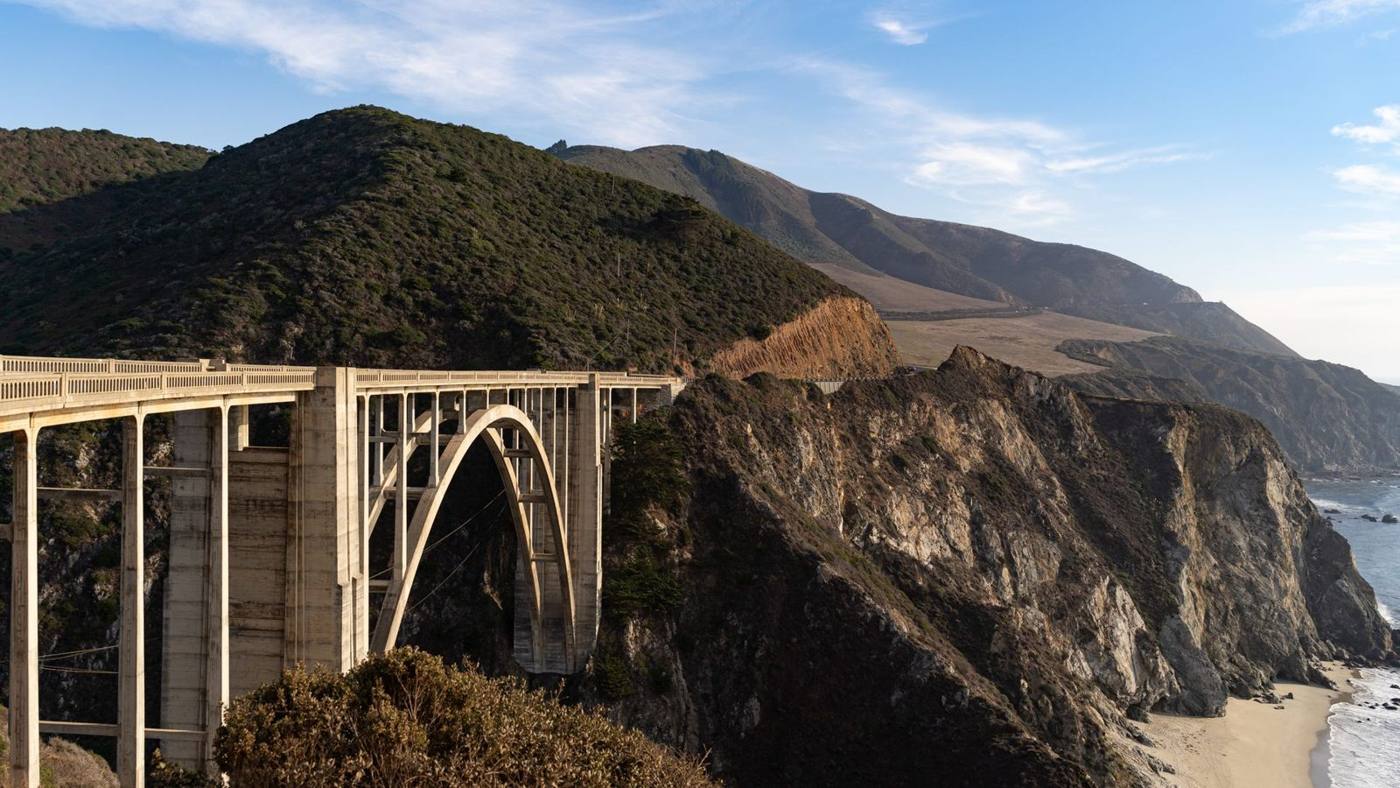
Today is the most spectacular drive of the trip, Highway 1 along the Big Sur coast south of Carmel, a stretch of about 145 kilometres where the Santa Lucia mountains plunge into the ocean, with cliffs, coves, redwood forests and bridges over gorges.
The first stop is Bixby Creek Bridge, a 1932 concrete arch bridge about eighty metres above the gorge, one of the most photographed bridges in California. Then stop at Point Lobos State Reserve south of Carmel, with trails among cypresses, coves and sea otters, and at Pfeiffer Big Sur State Park, with a trail among coast redwoods.
Further south, in Julia Pfeiffer Burns State Park, a short trail leads to the viewpoint over McWay Falls, a waterfall about 25 metres high dropping straight onto a sandy beach in an inaccessible turquoise cove.
Along Big Sur there are very few petrol stations, restaurants and places to stay, all expensive: fill up in Carmel, carry water and food, and book accommodation well ahead.
Highway 1 is often closed by landslides, especially after winter rains, sometimes for months: before setting off, check the road status on the official website of the California Department of Transportation, Caltrans.
Practical tip: on Big Sur the morning fog can cover the whole coast; if possible, drive in the afternoon, heading south on the ocean side.
- Day 9
Piedras Blancas, Hearst Castle and Santa Barbara
In the morning continue south on Highway 1 to Piedras Blancas near San Simeon, where a large colony of elephant seals lives on the beach, huge seals whose males reach four or five metres, with trunk-like noses. You watch them at no cost from a path above the beach; the colony is largest in winter, during the births, and in spring.
Nearby, on the hill, stands Hearst Castle, the mansion built by newspaper magnate William Randolph Hearst between 1919 and 1947, with 165 rooms, European works of art and a marble pool with a Roman temple. It can only be visited on a guided tour, to be booked.
In the afternoon continue south through San Luis Obispo, its mission and the beaches of Pismo Beach, to Santa Barbara, about three hours away. Santa Barbara is an elegant city between the mountains and the ocean, with white houses and red-tiled roofs in Spanish colonial style, rebuilt this way after an earthquake in 1925.
Visit the Santa Barbara mission, called the queen of the missions, with its two towers and garden, and the courthouse, with its no-cost viewing tower and decorated rooms. In the evening walk along Stearns Wharf, the old wooden pier, and State Street.
Practical tip: do not approach the elephant seals; stay on the path behind the barriers.
- Day 10
Los Angeles: Hollywood and the Griffith Observatory
In the morning drive from Santa Barbara to Los Angeles, about an hour and a half, along the coast through Malibu. Los Angeles is a huge metropolis divided into dozens of cities and districts far apart, with some of the worst traffic in the world: choose accommodation in a central area and cover one area per day.
Start with Hollywood, the film district. Along Hollywood Boulevard runs the Walk of Fame, the pavement with the stars of more than two thousand entertainers, and the TCL Chinese Theatre, with the stars' hand and footprints in the cement. Nearby, the Dolby Theatre hosts the Oscars night.
In the afternoon visit a film studio, such as the Warner Bros studios in Burbank, with a tour of film and television sets, or the Universal Studios theme park.
At sunset go up to the Griffith Observatory on the hill, with no-cost entry, a planetarium and telescopes open to the public in the evening. From here you see the Hollywood sign on the hillside and the whole city lit up to the ocean. It has been the set of many films, such as Rebel Without a Cause and La La Land.
Practical tip: in Los Angeles avoid driving at rush hour, from seven to ten in the morning and from four to seven in the evening; always allow plenty of time.
- Day 11
Los Angeles: the Getty, Santa Monica and Venice
In the morning visit the Getty Center, the art museum on the hill in Brentwood, with no-cost entry and paid parking. You reach the top on a small automated train. The white travertine buildings designed by Richard Meier house a collection of European painting, with works by Van Gogh, such as Irises, Monet and Rembrandt, as well as illuminated manuscripts and photographs. The central garden and terraces look out over the city and the ocean.
Alternatively, on the Malibu coast, the Getty Villa displays ancient Greek and Roman art in a copy of a Roman villa from Herculaneum, also no-cost with a timed reservation.
In the afternoon go to Santa Monica on the coast, with its historic pier, amusement park with a Ferris wheel over the ocean and the sign marking the end of Route 66, the historic road that crossed America from Chicago. Then walk or cycle along the beach path to Venice Beach, with Muscle Beach, the open-air gym, street performers, skaters and the Venice canals, a residential district built in 1905 with canals inspired by Venice.
In the evening watch the sunset over the ocean from the beach or Santa Monica pier.
Practical tip: in Venice Beach and parts of downtown Los Angeles there are many homeless people; stay in busy areas and do not leave belongings unattended on the beach.
- Day 12
The last morning and departure
Spend the last morning on whatever you missed. You can visit downtown Los Angeles, with the Walt Disney Concert Hall designed by Frank Gehry, with its curved steel façade, The Broad contemporary art museum, no-cost with a reservation, and Grand Central Market, a 1917 covered market with food stalls from around the world. Nearby, Olvera Street recalls the Mexican origins of the city, founded in 1781.
Alternatively stroll through Beverly Hills along Rodeo Drive, the street of luxury shops, or take a last swim at Malibu or Manhattan Beach.
Getting to Los Angeles airport, LAX, can take from thirty minutes to over an hour by car depending on traffic; return the car with a full tank and allow a wide margin. For international flights arrive at the airport at least three hours before departure.
Things to take home: California wine, San Francisco chocolate, Napa produce, surf clothing, souvenirs from the national parks and the Hollywood studios.
Practical tip: in the United States tipping is almost compulsory in restaurants, around 18 to 20 per cent, and prices are shown without sales tax, which is added at the till. Medical costs are very high: travel health insurance is essential. Check your government's travel advice before leaving.
A varied, easy trip with cities, nature and excellent food. Highway 1 at Big Sur is often closed by landslides, so check the road before leaving. Yosemite sometimes requires an entry reservation in high season. Hotels are expensive, especially in San Francisco.
Before you go
- Documents and visa
- Electronic passport and ESTA authorisation for Visa Waiver nationalities, applied for online on the official site at least 72 hours ahead: since 16 October 2026 it costs 40.62 dollars and is valid for two years. Travellers who have visited certain countries, such as Cuba or Iran, need a visa.
- Health and vaccines
- No vaccines required. Healthcare is extremely expensive: insurance with very high medical cover is essential. Emergencies: 911.
- Money and payments
- Dollar. Cards accepted everywhere. Prices are shown before tax, added at the till; restaurant tips of 15 to 20 per cent are expected.
- Power sockets
- Types A and B, 120 volts: you need a flat-pin adapter.
- Time zone
- Six time zones: New York is UTC-5, Los Angeles UTC-8; daylight saving changes on different dates from Europe.
- Safety
- Risks are mainly crime in some urban areas and natural hazards: hurricanes, wildfires, extreme desert heat. Official advice: GOV.UK.
Information checked in November 2026 for Italian and EU citizens. Rules change: always check before you travel.
Variations
In 7 days: two days in San Francisco, one in Yosemite, the coast from Monterey to Big Sur and two days in Los Angeles, skipping Napa and Santa Barbara.
In 16 days: add San Diego south of Los Angeles, Joshua Tree National Park or a detour to Las Vegas and the Grand Canyon.
Frequently asked questions
What do I need to enter the United States?
Citizens of Visa Waiver countries need an e-passport and an ESTA authorisation, applied for on the official website at least seventy-two hours before departure; it costs 40.62 dollars. It covers tourism for up to ninety days.
How much does Yosemite cost?
Since 2026 foreign visitors who are not residents pay a 100-dollar surcharge per person, on top of the entrance fee, at eleven national parks including Yosemite. Check the latest rules on the park's official website.
Is Highway 1 on Big Sur always open?
No: the road is often closed by landslides, sometimes for months, especially after winter rains. Check its status on the official Caltrans website before setting off.
Indicative itinerary written by World Atlas. Before booking, check timetables, seasonal openings, documents and safety.
 8 daysEasy
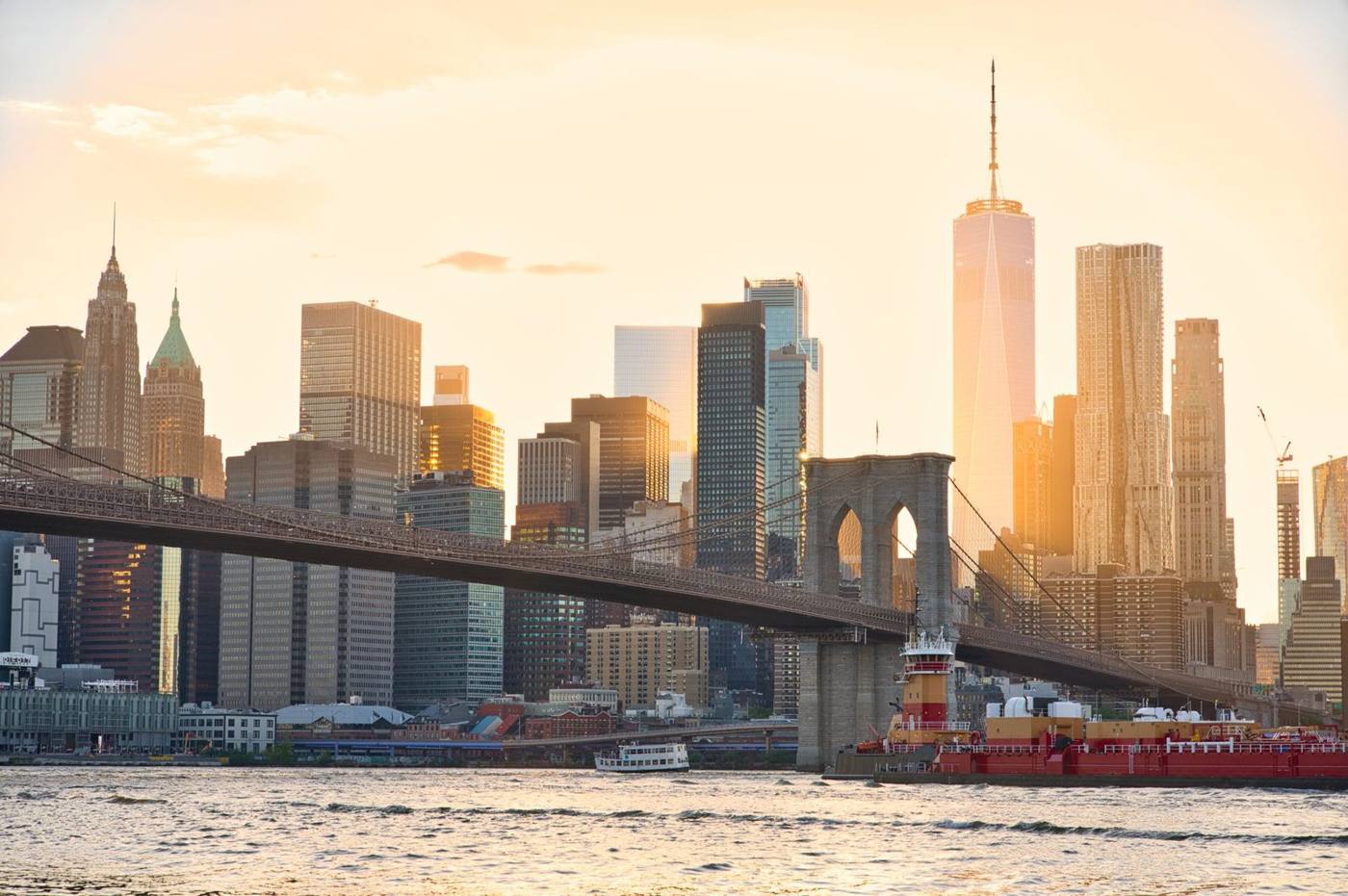
New York and Washington
Six days in New York between Manhattan, Brooklyn and the great museums, then two in Washington on the Mall and at the Smithsonian.
 10 daysEasy
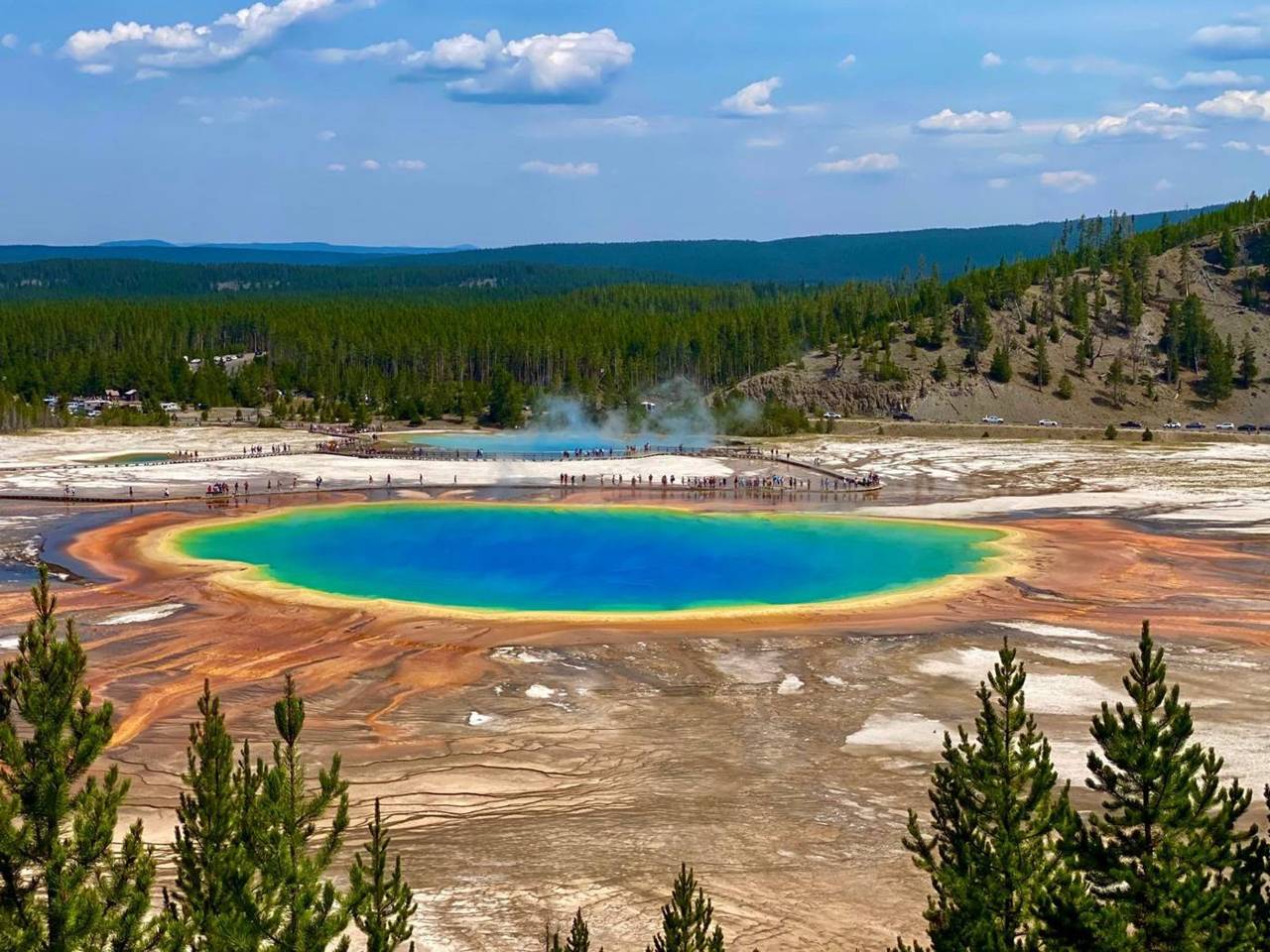
Yellowstone and Grand Teton
Geysers, coloured hot springs and the Lamar Valley with bison, bears and wolves, then the Grand Teton peaks above Jackson Hole.
 12 daysEasy
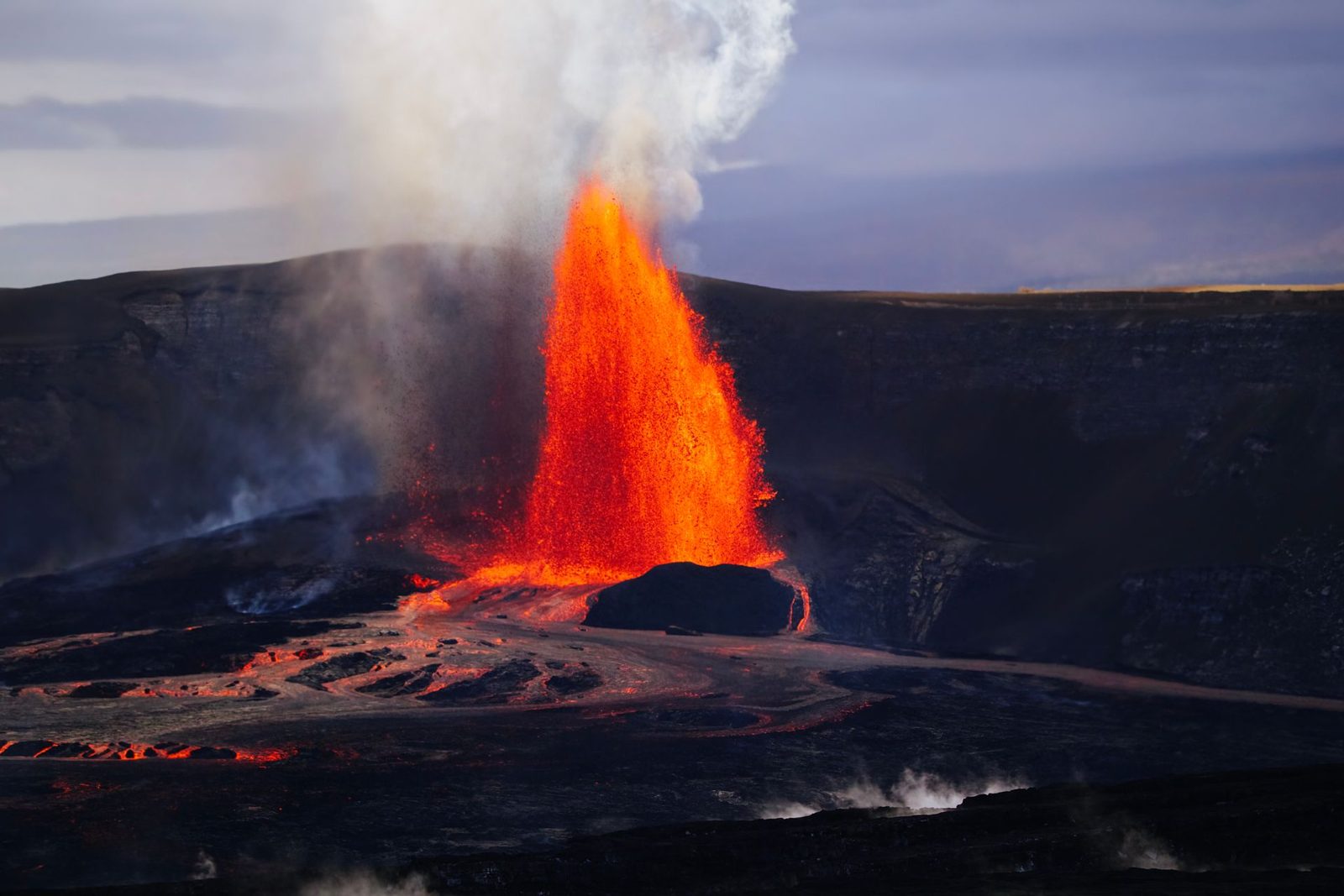
Hawaii: Big Island and Maui
The active volcanoes of the Big Island and night snorkelling with manta rays, then the Road to Hana and sunrise on Haleakalā in Maui.