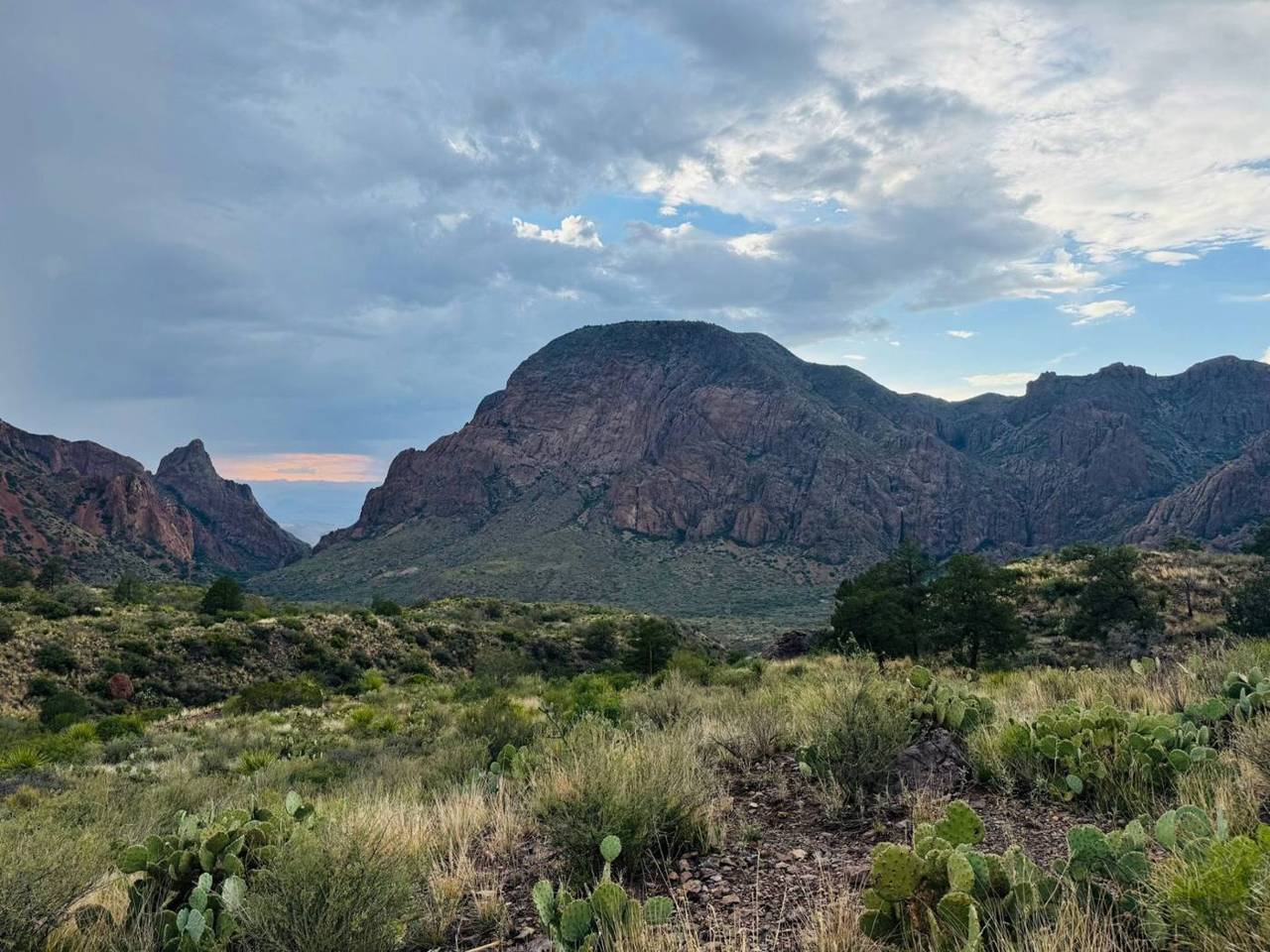
Texas: Austin, San Antonio and Big Bend
Austin's live music and barbecue, the Texas Hill Country with its German towns, San Antonio's Spanish missions (UNESCO World Heritage) and the Chihuahuan Desert in Big Bend National Park along the Rio Grande.
- Austin
- Lockhart
- Fredericksburg
- San Antonio
- Marfa
- Big Bend
- Terlingua
Day by day
- Day 1
Arrival in Austin, the Capitol and South Congress
This trip crosses Texas, the second largest state in the United States, from Austin, the live music capital, to San Antonio, with its Spanish missions and the story of the Alamo, and on to Big Bend National Park, a desert of mountains and canyons on the border with Mexico, along the Rio Grande. In between are the hills of the Hill Country, towns founded by German immigrants and Texan cooking, with barbecue and Tex Mex.
To enter the United States you need a passport and an ESTA authorisation, which costs 40.62 dollars and must be requested online before departure. You fly into Austin, usually with a connection, and pick up a hire car, essential in Texas.
On the first day visit the Texas Capitol, the state government building, in pink granite, taller than the one in Washington. Entry is at no cost and you can see the great dome, the Senate chamber and the portraits of the governors.
In the afternoon walk along South Congress Avenue, Austin's liveliest street, with cowboy boot shops, vintage clothes, colourful murals and the view of the Capitol at the end of the street.
In the evening hear live music in one of the city's many venues: Austin calls itself the live music capital of the world, with country, blues, rock and folk concerts every night.
Spend the night in Austin.
Practical tip: summer in Texas is very hot, often above 35 degrees. The best months are March, April, October and November.
- Day 2
Austin: the river, the bats and Sixth Street
Today discover Austin outdoors. The city is crossed by the Colorado River, which here forms Lady Bird Lake, a long narrow lake surrounded by a trail of about sixteen kilometres, used every day by runners, walkers and cyclists.
In the morning rent a kayak or a paddleboard on the lake, or walk the trail. Then swim at Barton Springs, a natural spring fed pool with water at about twenty degrees all year, in Zilker Park. It is one of the places Austin locals love most.
In the afternoon visit the University of Texas campus, one of the largest in the country, with its main tower and an art museum, or the Texas history museum, telling the state's story from Native Americans through the independent Republic of Texas to today.
At sunset, from March to October, go to the Congress Avenue bridge: beneath it lives the largest urban bat colony in North America, more than a million bats that emerge together at dusk to hunt insects, forming a long dark cloud above the river.
In the evening walk along Sixth Street, the nightlife street, full of music and people until late.
Spend the night in Austin.
Practical tip: the bat flight depends on the season and the weather. The best time is August, when the young are born. Arrive before sunset to find a spot on the bridge or the bank.
- Day 3
Barbecue in Lockhart and Fredericksburg in the Hill Country
Today leave Austin for the Hill Country, the region of hills, rivers and meadows west of the city.
In the morning go to Lockhart, a small town about fifty minutes south of Austin, considered the barbecue capital of Texas. Here Texas barbecue is cooked slowly for many hours over oak wood smoke: the main dish is brisket, beef breast, served with sausages, ribs, white bread, onions and pickles. In many historic places you order at the counter and eat off butcher paper, without plates. Arrive early, because the meat runs out.
In the afternoon continue to Fredericksburg, about two hours away, through hills, ranches and fields of flowers. In spring, between March and April, the roadsides are covered in bluebonnets, the blue flowers that are the symbol of Texas.
Fredericksburg was founded in 1846 by German immigrants, and it still shows: German style stone houses, a rebuilt octagonal church, German beer and pastries. The main street is full of shops, galleries and wine tasting rooms. The Hill Country is one of Texas's main wine areas, with dozens of wineries along the road.
The town also has the National Museum of the Pacific War, devoted to the Second World War, because Admiral Nimitz was born here.
Spend the night in Fredericksburg.
Practical tip: if you want to visit wineries, choose a designated driver or book a car with a driver. Texas takes drink driving very seriously.
- Day 4
San Antonio: the Alamo, the River Walk and the missions
Today go to San Antonio, about an hour and a half from Fredericksburg, one of the oldest and most charming cities in Texas, founded by the Spanish in 1718, with a strong Mexican culture.
In the morning visit the Alamo, an old Spanish mission turned into a fort, symbol of Texan independence. Here, in 1836, a small group of Texan defenders, including Davy Crockett and Jim Bowie, held out for thirteen days against the Mexican army before being defeated. The cry Remember the Alamo then led the Texans to victory and independence from Mexico.
Then borrow a bike and ride the Mission Reach, a cycle path along the San Antonio River linking the four eighteenth century Spanish missions of the national historical park, a UNESCO World Heritage Site together with the Alamo: Concepción, San José, San Juan and Espada. Mission San José, called the queen of the missions, has a fine carved facade and a large courtyard with walls and Native American dwellings.
In the evening stroll the River Walk, a pedestrian path along the river, one level below the streets, with stone bridges, trees, restaurants and passing boats. Have dinner with Tex Mex food, which was born in San Antonio: enchiladas, fajitas, tacos and margaritas.
Spend the night in San Antonio.
Practical tip: entry to the Alamo and the missions is at no cost, but for the Alamo it is worth booking a time slot online. The missions are open by day and close in the late afternoon.
- Day 5
The long road west to Marfa
Today is a driving day: from San Antonio you head west for about six and a half hours to Marfa, in the Chihuahuan Desert of West Texas. This is the Texas of wide open spaces, with roads running straight for dozens of kilometres, ranches, mesas, cactus and enormous skies.
On the way stop at Fort Davis, in the Davis Mountains, about thirty kilometres from Marfa, with a well preserved nineteenth century army fort, home to the soldiers who guarded the road to California. Near Fort Davis, in the mountains, is the McDonald Observatory, one of the most important in the United States, which holds star parties on some evenings of the week.
Marfa is a small town of just over fifteen hundred people that has become famous in the art world. In the 1970s the artist Donald Judd moved here from New York and turned an old army fort into a large contemporary art museum, with huge works in aluminium and concrete displayed in barracks and in the desert. Today the town has galleries, bookshops and design hotels.
At sunset go to the Marfa lights viewing area, east of town, where some people say they see strange lights moving in the desert at night, a mystery never explained.
Spend the night in Marfa or Fort Davis.
Practical tip: distances in West Texas are huge and petrol stations few. Always fill up when you can and carry water in the car. Visits to the Judd museum must be booked: check the times.
- Day 6
Big Bend: Santa Elena Canyon and the Chisos Mountains
Today enter Big Bend National Park, about two hours from Marfa, one of the largest and least visited parks in the United States. The name refers to the great bend the Rio Grande makes here on the border with Mexico. The park combines three environments: the Chihuahuan Desert, the river and the Chisos Mountains, a mountain range in the middle of the desert.
Enter from the west side and drive the Ross Maxwell Scenic Drive, a scenic road of about fifty kilometres through colourful volcanic rock, to Santa Elena Canyon. Here the Rio Grande runs through a narrow cleft between rock walls up to four hundred metres high: Mexico on the left, the United States on the right. A trail of about two and a half kilometres there and back enters the canyon, crossing a small creek.
In the afternoon climb to the Chisos Basin, a valley ringed by mountains at about 1,600 metres, cooler than the desert. From here the Window Trail, about eight kilometres there and back, descends to a gap in the rock, the window, framing the desert below. At sunset the window glows red and orange.
The park is home to black bears, mountain lions, deer, javelinas, coyotes and more than 450 bird species.
Spend the night in the park or in Terlingua.
Practical tip: the park charges an entry fee: check the price. In summer the desert heat is dangerous: hike only early in the morning or in the evening, and carry at least four litres of water per person.
- Day 7
Big Bend: hot springs, starry skies and departure
On the last day explore the east side of the park. Go to the hot springs on the Rio Grande, about thirty kilometres from the Panther Junction visitor centre: a short trail passes the ruins of an old hotel and post office from the early twentieth century, with Native American rock paintings on the cliffs, to a stone pool on the riverbank with natural water at about forty degrees. You bathe with Mexico just a few metres away.
Then go to Boquillas Canyon, where the river enters another gorge. Here, at certain times, an official border crossing is open to go on foot or by boat to the small Mexican village of Boquillas del Carmen: you need a passport, so check the hours and rules before going.
Big Bend is one of the darkest places in the United States, recognised as an International Dark Sky Park. If you spend another night in or near the park, look up in the evening: you see thousands of stars and the Milky Way with the naked eye.
For departure, the nearest airports are far away: El Paso, about five hours, or Midland, about four hours. Many travellers spend a night on the way before their flight.
Practical tip: phone signal is poor in the park. Download maps before setting off and tell someone your route. Return the car at a different airport after checking the drop off fee.
A varied Texas of cities and desert. Big Bend is very remote: full tank, plenty of water and no signal in much of the park. In summer the desert goes above 40 degrees. The river is the border with Mexico: only cross at the official Boquillas crossing, with a passport and during opening hours.
Before you go
- Documents and visa
- Electronic passport and ESTA authorisation for Visa Waiver nationalities, applied for online on the official site at least 72 hours ahead: since 16 October 2026 it costs 40.62 dollars and is valid for two years. Travellers who have visited certain countries, such as Cuba or Iran, need a visa.
- Health and vaccines
- No vaccines required. Healthcare is extremely expensive: insurance with very high medical cover is essential. Emergencies: 911.
- Money and payments
- Dollar. Cards accepted everywhere. Prices are shown before tax, added at the till; restaurant tips of 15 to 20 per cent are expected.
- Power sockets
- Types A and B, 120 volts: you need a flat-pin adapter.
- Time zone
- Six time zones: New York is UTC-5, Los Angeles UTC-8; daylight saving changes on different dates from Europe.
- Safety
- Risks are mainly crime in some urban areas and natural hazards: hurricanes, wildfires, extreme desert heat. Official advice: GOV.UK.
Information checked in November 2026 for Italian and EU citizens. Rules change: always check before you travel.
Variations
In 4 days: Austin, the Hill Country and San Antonio, without Big Bend.
In 10 days: add Houston and the NASA space centre, or El Paso and Guadalupe Mountains National Park.
Frequently asked questions
When is the best time to go?
March, April, October and November. Summer is very hot, especially in Big Bend.
Do I need an ESTA?
Yes, with a passport. The ESTA costs 40.62 dollars and must be requested online before leaving.
Do I need a car?
Yes, in Texas it is essential. Distances are great and public transport is limited.
Indicative itinerary written by World Atlas. Before booking, check timetables, seasonal openings, documents and safety.
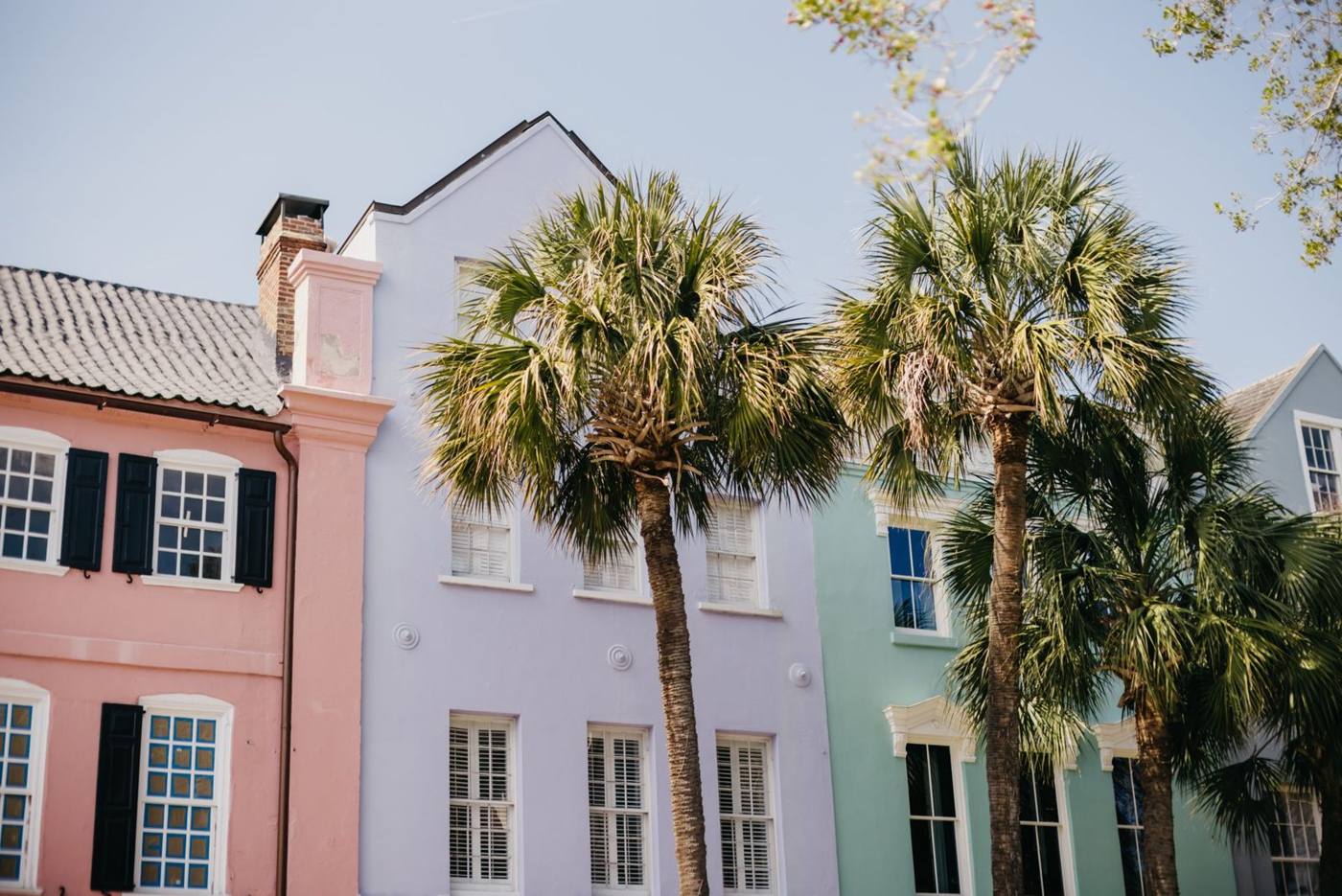 6 daysEasy
Charleston, Savannah and the Lowcountry
The elegant South: Charleston's colourful houses and gardens, the plantations with their history of slavery told honestly, the marshes and islands of the Lowcountry, Beaufort and Savannah's oak-shaded squares.
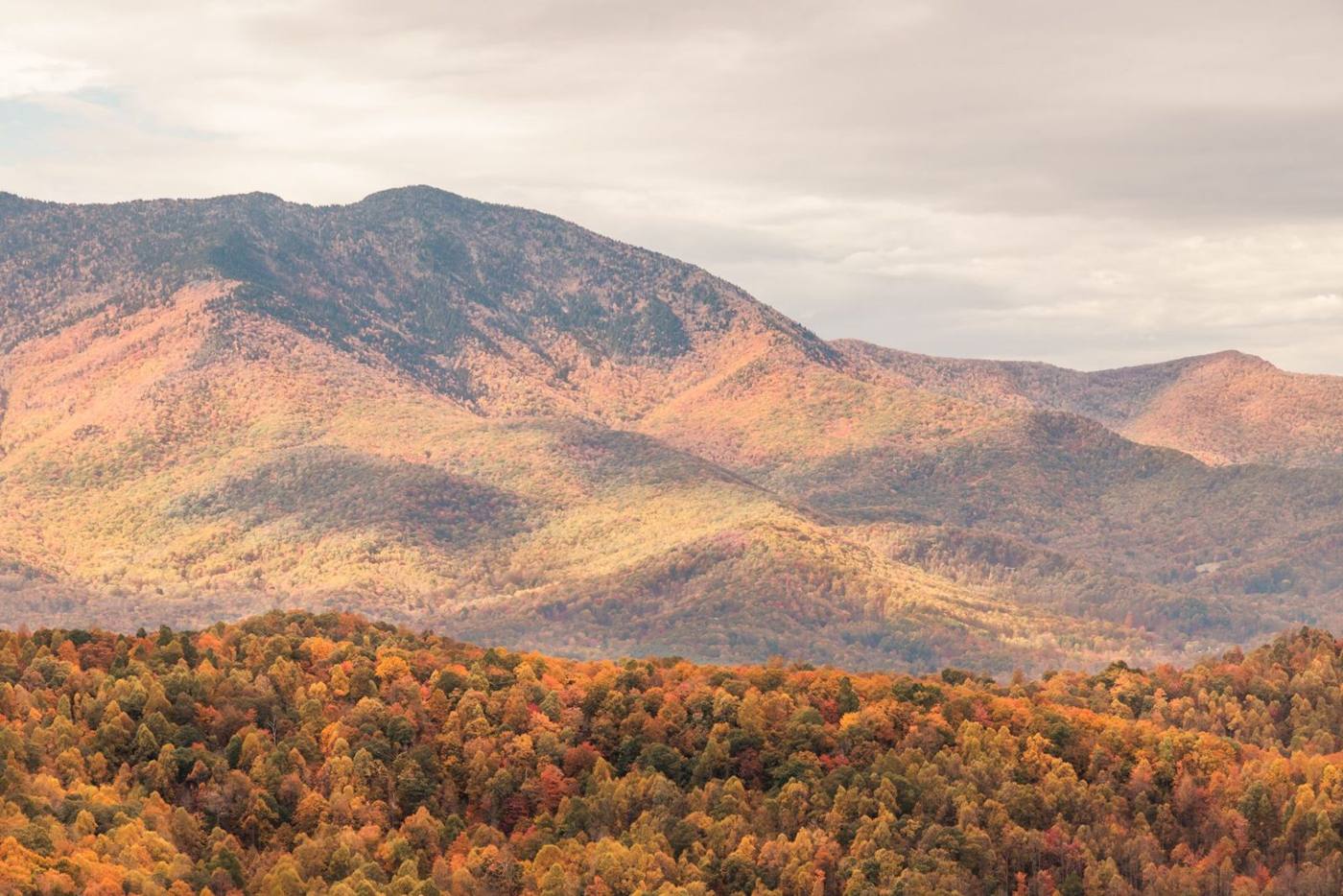 7 daysEasy
Appalachians: Great Smoky Mountains and the Blue Ridge Parkway
America's oldest mountains: Great Smoky Mountains National Park with its blue mists, black bears and Cades Cove valley, then the Blue Ridge Parkway, one of the country's most beautiful scenic roads, to Asheville and Shenandoah National Park.
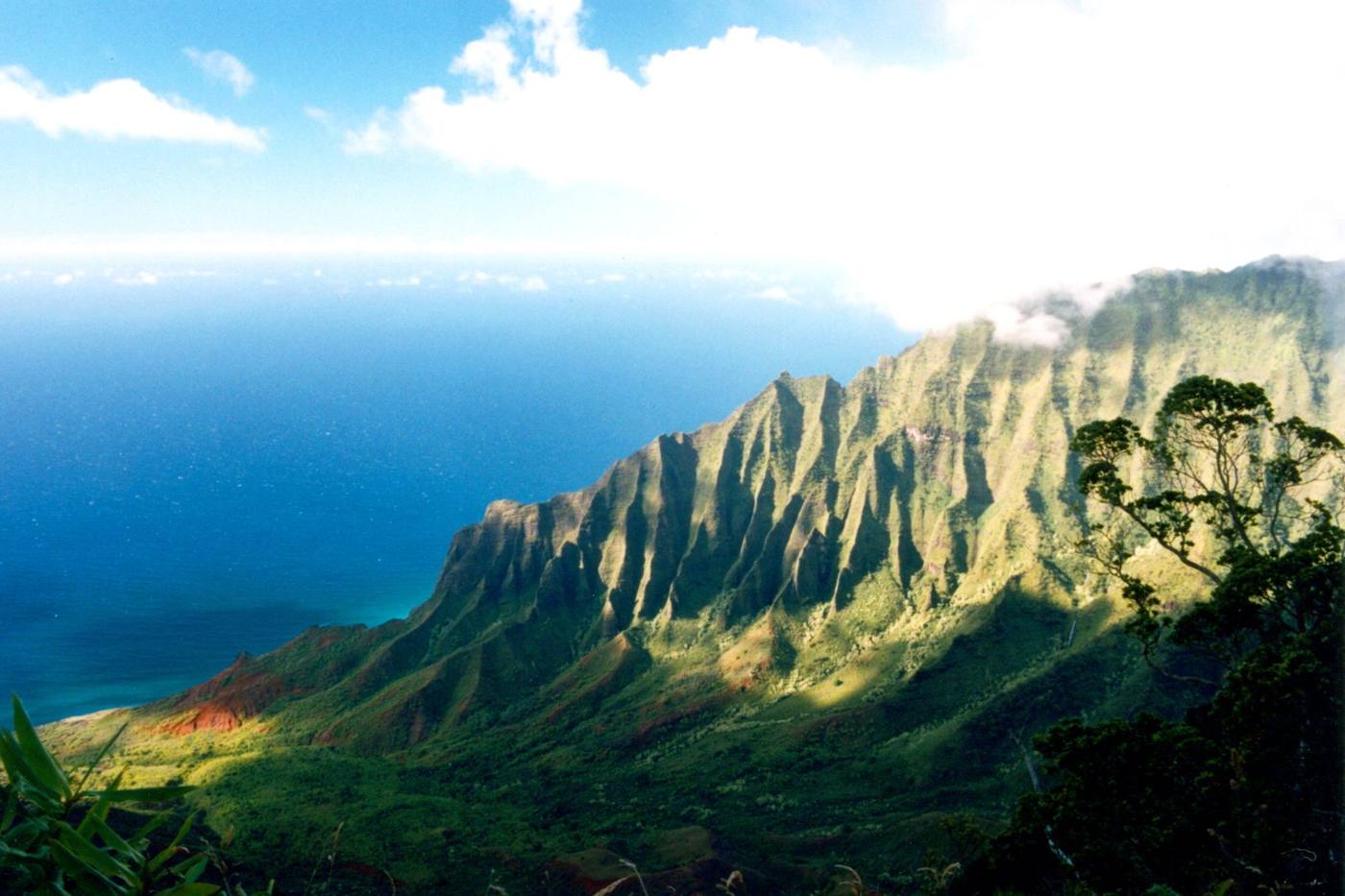 8 daysEasy
Hawaii: Kauai and Oahu
The other two islands: Oahu with Honolulu, Pearl Harbor and the North Shore waves, then Kauai, the Garden Isle, with Waimea Canyon, the Nā Pali cliffs and the beaches of Hanalei.