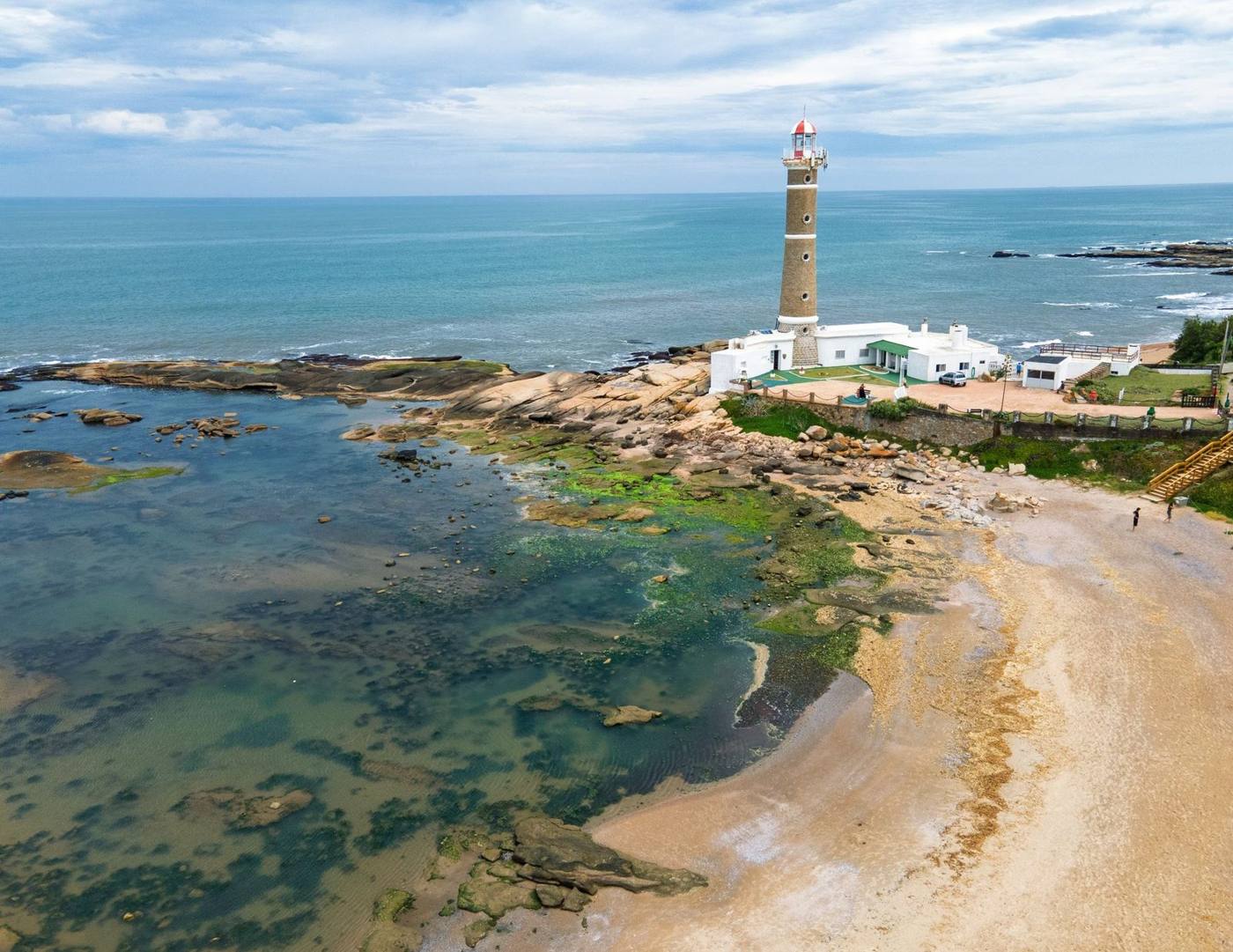
José Ignacio and Garzón
The stylish side of the coast: the lighthouse and beaches of José Ignacio, the village of Pueblo Garzón with Francis Mallmann's cooking and the large hillside wineries.
- José Ignacio
- Pueblo Garzón
Day by day
- Day 1
The lighthouse and beaches of José Ignacio
This trip takes you to the most elegant side of the Uruguayan coast, in the department of Maldonado: in two days you see the lighthouse and beaches of José Ignacio, then the small village of Pueblo Garzón inland, among hills covered in vines and olive trees. You travel by car, because buses are few and the places are far apart.
Before you go: Italian citizens enter Uruguay with a passport valid for the whole stay, without a visa for tourism for up to 90 days; an identity card is not enough. Other nationalities should check their own rules. In summer, petty theft rises in the beach towns: leave nothing visible in the car.
You arrive from Montevideo or Punta del Este along Ruta 10. José Ignacio is a small village on a rocky point that juts into the Atlantic, with sandy streets, low houses and white walls.
At the tip of the point stands the lighthouse, built in the nineteenth century to guide ships along a coast full of rocks. If it is open, climb the steps: from the top you see the village's two beaches and the lagoon behind. Check prices and times.
On either side of the lighthouse the sea changes. Playa Mansa has calmer water and is the best for swimming. Playa Brava has strong waves and currents: here walk along the shore and swim only where there are lifeguards and the flag allows it.
At sunset, go back to Playa Mansa, when the light turns orange over the sea and many people sit on the sand to watch it.
Practical tip: in January José Ignacio is full and prices are very high, so book your accommodation well ahead or stay in a nearby village.
- Day 2
Pueblo Garzón and the vineyard hills
Today you leave the sea and head inland to Pueblo Garzón, about half an hour away.
In the morning, first make a short detour east along Ruta 10 to the Garzón lagoon. The road crosses it on a ring-shaped bridge, which links the departments of Maldonado and Rocha.
Then turn back and drive north, through pastures, eucalyptus woods and granite hills. Pueblo Garzón is a village of a few streets, born around the railway at the end of the nineteenth century, which had almost emptied when the trains stopped running. Today it has a tree-lined square, the old station, restored houses, art workshops and a cuisine famous for meat and vegetables cooked slowly over a wood fire.
In the surrounding hills there are vineyards and olive groves, on soils close to the sea. The local wineries can be visited only by booking: choose a visit with a tasting of tannat, Uruguay's signature grape, and of albariño, a fresh white that goes well with fish.
In the afternoon, drive back towards the coast.
In these two days you have seen the most refined face of Uruguay: the lighthouse and the two beaches of José Ignacio, the Garzón lagoon and a country village reborn through food and wine.
When to go: from December to March, when the sea is warmest and everything is open. January is the busiest and most expensive month. Out of season many places close, but in March and April there is the grape harvest and it is calmer.
Practical tip: Uruguay has zero tolerance for alcohol at the wheel, so after the tasting let someone who has not been drinking drive.
For food and style lovers, at high prices. Outside peak season many places close. A car is needed.
Before you go
- Documents and visa
- Passport valid for the whole stay, with at least one blank page for the entry stamp; no visa is needed for tourism for up to 90 days. ID cards are accepted only for citizens of neighbouring South American countries.
- Health and vaccines
- No vaccinations are compulsory. Dengue is present: use repellent, especially in summer. The sun is very strong, with high UV levels: wear sun cream and a hat. On beaches, follow the lifeguard flags; lifeguards are usually on duty from December to March. You need insurance covering medical costs and repatriation. Emergencies: 911.
- Money and payments
- Uruguayan peso. Cards work almost everywhere, including the coastal towns; carry some cash for small villages and for Cabo Polonio. Use cash machines inside banks or shopping centres, by day.
- Power sockets
- Types C, F and L, sometimes I, 220 to 230 volts: you need an adapter for British plugs.
- Time zone
- UTC-3 all year: Uruguay does not use daylight saving time.
- Safety
- Bag snatching, pickpocketing and muggings, sometimes armed, happen in Montevideo: avoid walking alone downtown and in the port area in the evening, and carry only the cash you need. Leave nothing visible in a car, even at traffic lights. In summer, petty theft rises in the beach towns. Away from the toll motorways, roads can have potholes: drive carefully, preferably by day. Official advice: GOV.UK.
Information checked in November 2026 for Italian and EU citizens. Rules change: always check before you travel.
Variations
In one day: morning at the lighthouse and beaches of José Ignacio, afternoon in Pueblo Garzón.
In 4 days: add Punta del Este with Casapueblo and the Hand, or continue towards Cabo Polonio.
Frequently asked questions
Do I need a car for José Ignacio and Garzón?
Yes. Buses are few and Pueblo Garzón is inland, far from the coast: with a car you move when you like.
Are the Garzón wineries open to everyone?
They can be visited by booking, with tours and tastings at set times. Check prices and times before you go.
What document do I need for Uruguay?
Italian citizens enter with a passport valid for the whole stay, without a visa for tourism for up to 90 days. Other nationalities should check their own rules.
Indicative itinerary written by World Atlas. Before booking, check timetables, seasonal openings, documents and safety.
 5 daysEasy
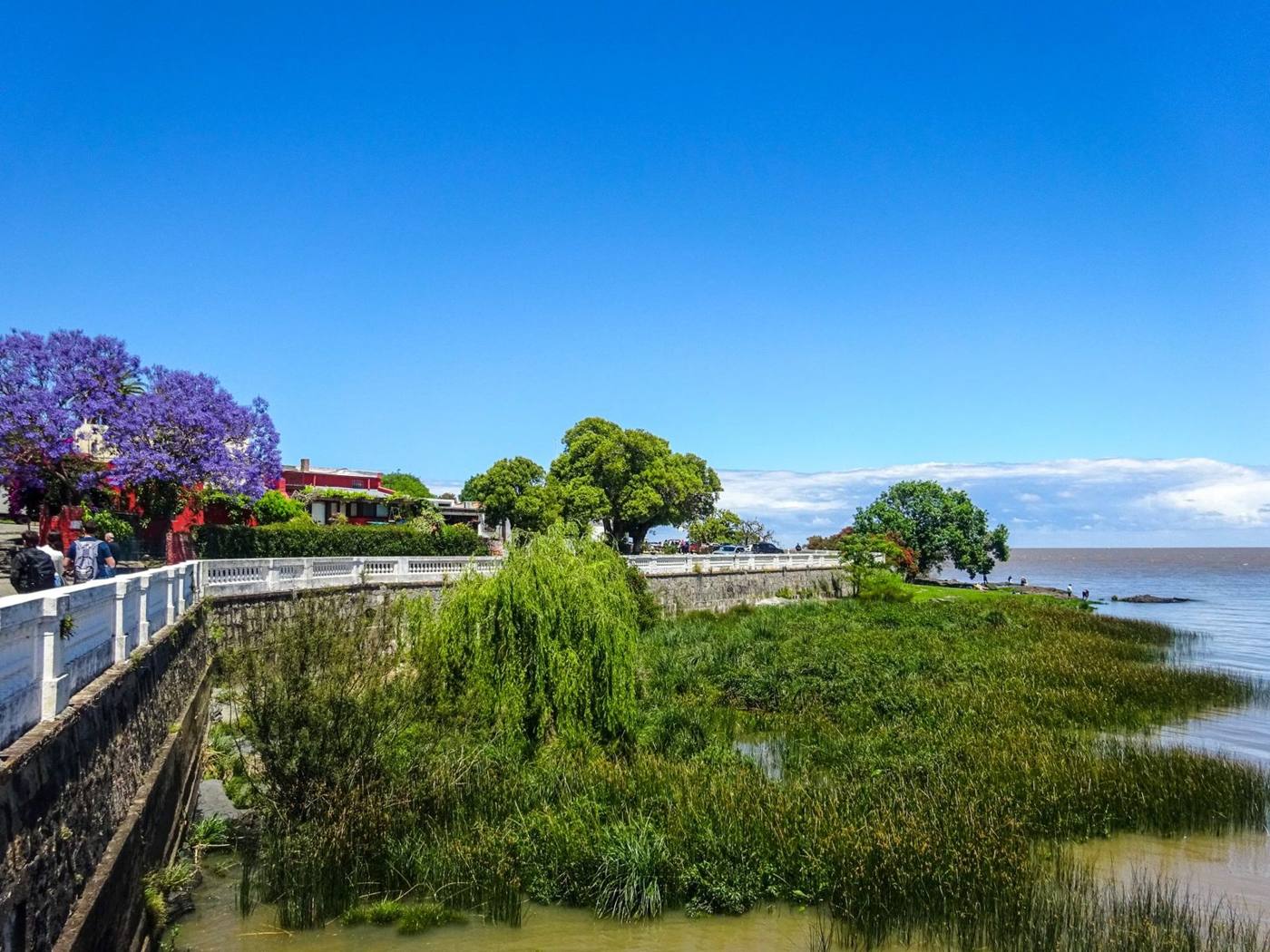
Montevideo and Colonia
Montevideo's Rambla and Ciudad Vieja, the Mercado del Puerto and its asado, the UNESCO colonial town of Colonia del Sacramento and the Tannat wineries of Carmelo.
 6 daysEasy
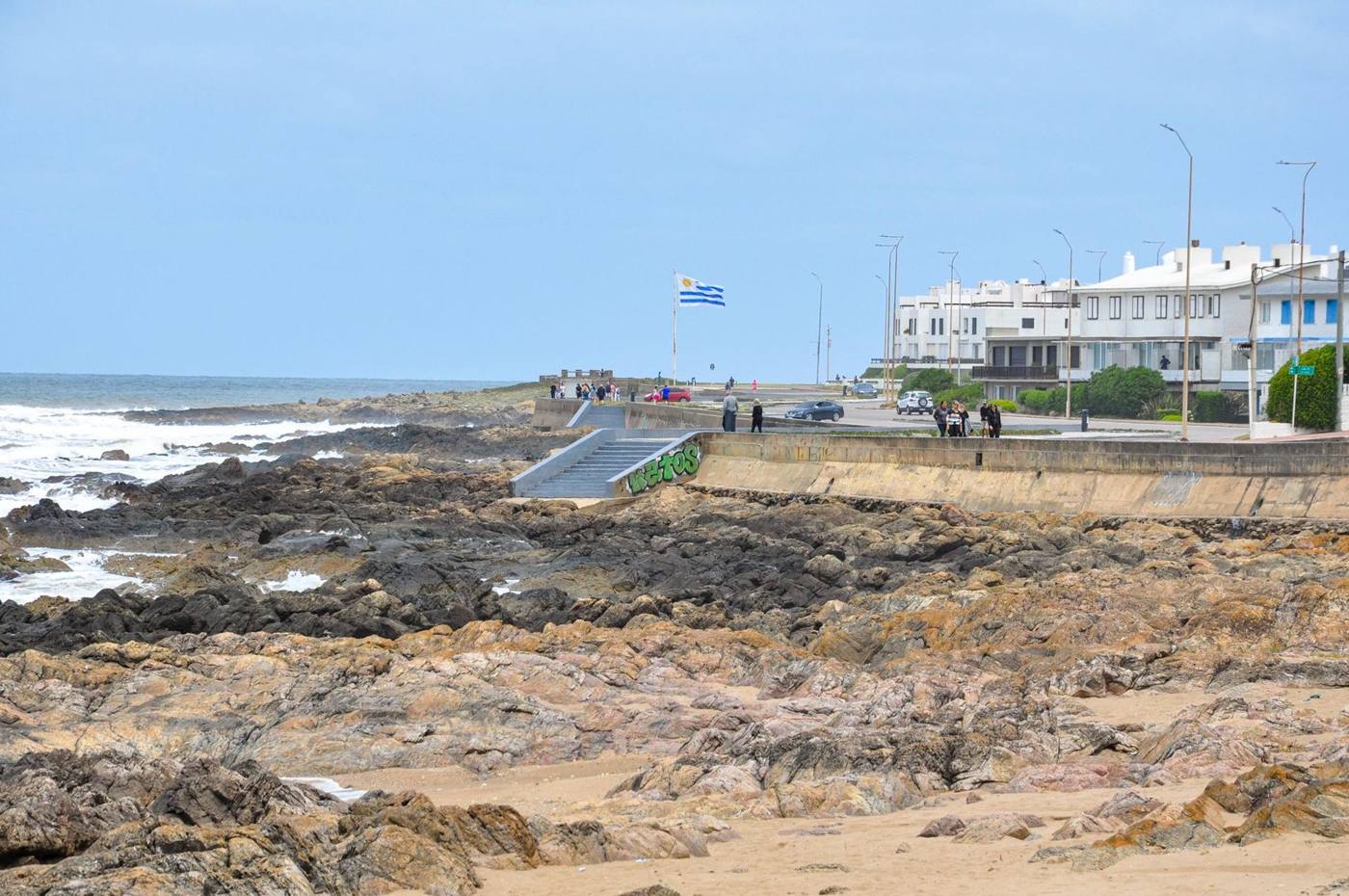
Punta del Este and the coast
Punta del Este with the Hand sculpture, José Ignacio, Casapueblo, and the wild Rocha coast with Cabo Polonio, a village without roads among the dunes.
 4 daysEasy
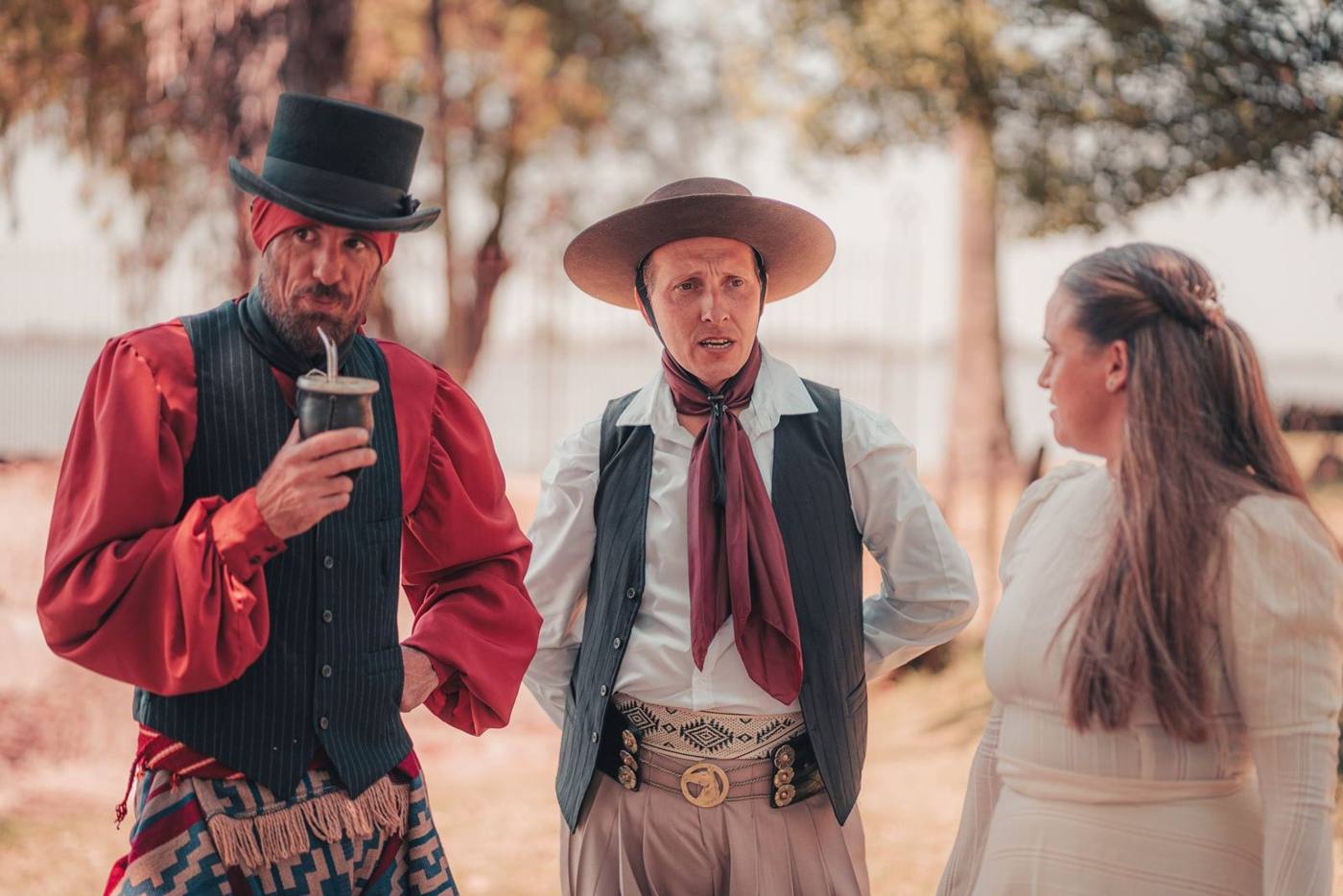
Estancias and gauchos
Rural Uruguay: nights on an estancia, riding with gauchos, asado and the hot springs of Salto and Daymán.