Tashkent and the Chimgan mountains
The capital with its decorated metro, Chorsu bazaar and the plov centre, then the Chimgan mountains and Lake Charvak two hours away.
- Tashkent
- Chorsu
- Chimgan
- Charvak
Day by day
- Day 1
The metro, Chorsu bazaar and plov
This three-day trip shows Tashkent, the modern capital of Uzbekistan, with its decorated metro, Chorsu bazaar and plov cooked in huge cauldrons, and then the Chimgan mountains and Lake Charvak, about two hours away by road.
Before you go: Italian citizens enter Uzbekistan without a visa for short stays, currently up to 30 days: check the length before you leave. You need a passport with at least three months' remaining validity. Temporary registration is compulsory within three working days of arrival: hotels do it for you, and you keep the slips until you leave. Other nationalities should check their own rules.
Tashkent was almost destroyed by the earthquake of 1966 and rebuilt with wide avenues, parks and large Soviet buildings. Today it is a lively city, with new mosques, tower blocks and traditional neighbourhoods.
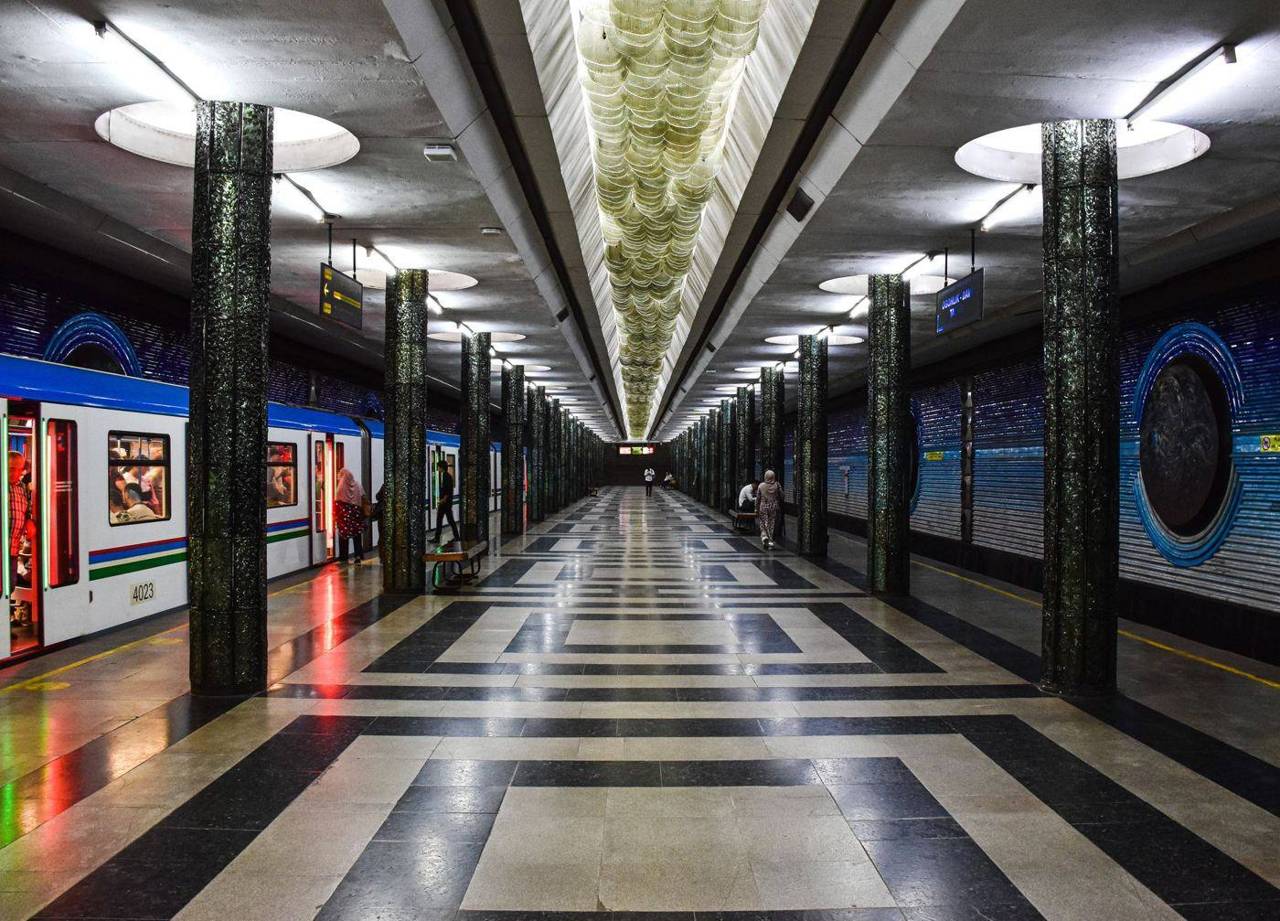
In the morning go down into the metro, opened in 1977. Every station is different: crystal chandeliers, marble, decorated columns, mosaics. Visit Kosmonavtlar, dedicated to space, and Alisher Navoi, with its oriental-style domes. Today you can take photos freely in the metro.
Then come out at Chorsu bazaar, under a great blue dome: dried fruit, spices, bread, cheese, meat and, all around, stalls of fabrics and household goods.
At lunch go to one of the city's big plov centres, where rice with meat, carrots and chickpeas cooks in enormous cauldrons. Plov is eaten at midday: in the evening it has often run out.
In the afternoon visit the Khast Imam complex, with the library that keeps an ancient Koran attributed to the time of Caliph Uthman. Check prices and times.
Sleep in Tashkent, for two nights.
Practical tip: buy a metro card and top it up: it also works on the buses.
- Day 2
The Chimgan mountains and Lake Charvak
Today you leave the city for the mountains of the western Tian Shan, where the people of Tashkent go to breathe fresh air.
In the morning drive north-east. In less than two hours the plain gives way to hills and then to the mountains of the Chatkal range. The landscape changes quickly: orchards, villages with walnut trees, streams and rock walls.
You reach the Chimgan area, below Greater Chimgan, a mountain of over 3,000 metres. Here cable cars climb the slopes, both at Chimgan and at the nearby, more modern resort of Amirsoy. Go up and walk the paths among the meadows, with views over the valleys and the peaks. In summer there are flowers and pastures, in winter people ski. Check prices and times for the cable cars.
At lunch have shashlik, meat skewers grilled over embers, with warm bread and a salad of tomatoes and cucumbers.
In the afternoon go down to Lake Charvak, a large reservoir with turquoise water, surrounded by mountains. In summer people swim here, and on the shores there are beaches and small jetties.
Towards evening drive back to Tashkent before dark.
Sleep in Tashkent.
Practical tip: even in summer bring a sweatshirt: up high the wind is cold and the weather changes quickly.
- Day 3
The Museum of Applied Arts and departure
The last day is for Uzbek crafts and your departure.
In the morning visit the Museum of Applied Arts, in a house built between the end of the nineteenth and the start of the twentieth century, with painted wooden ceilings, carved columns and stucco walls decorated by craftsmen from all over the country. Inside you see ceramics, embroidered suzani, carpets, jewellery, musical instruments and traditional costumes. Check prices and times.
Then walk in the modern centre: Amir Timur square, with the equestrian statue of Tamerlane, and nearby Sayilgoh street, known as Broadway, with painters, street artists and stalls.
If you have time, go into the State Museum of History of Uzbekistan, which tells the story of the country from prehistory to independence, with Buddhist statues from the south and finds from the Silk Road. Check prices and times.
In the afternoon take a taxi to the airport, a short distance from the centre.
In three days you have seen the decorated metro, Chorsu bazaar, a plov centre, the Khast Imam complex, the Chimgan mountains with their cable cars, Lake Charvak and the Museum of Applied Arts.
When to go: from April to October. Spring and autumn have the best weather; in July and August the city is very hot, but the mountains are pleasant. In winter Chimgan and Amirsoy become ski resorts.
Tashkent is an excellent start or end for a longer Silk Road journey.
Practical tip: use taxis booked through local apps: they have fixed prices and save you from haggling.
An underrated modern capital, a good start or end to the trip. Amirsoy is also a ski resort in winter. Photography is allowed in the metro.
Before you go
- Documents and visa
- Passport with at least three months' remaining validity. British citizens should check their own entry rules; Italian citizens enter without a visa for up to 30 days. Temporary registration is compulsory within three working days of arrival: hotels and guesthouses do it for you, keep the slips until you leave. You must carry your passport at all times.
- Health and vaccines
- No compulsory vaccinations; ask your doctor about recommended ones. Drink only bottled water. Take insurance covering medical costs and repatriation. Emergencies: police 102, ambulance 103, fire 101.
- Money and payments
- Uzbek som (UZS). Visa and Mastercard cards and cash machines are common in big cities and hotels; in markets and rural areas you need cash. Bring dollars or euros in perfect notes and change money only at banks or licensed offices: street exchange is a crime.
- Power sockets
- Types C and F, 220 volts: you need an adapter for British plugs.
- Time zone
- UTC+5 all year: five hours ahead of the UK in winter, four in summer.
- Safety
- The country is generally calm for visitors. Governments advise against the areas along the Afghan border and urge caution near the borders with Kyrgyzstan and Tajikistan: cross only at official checkpoints. In the Fergana, Andijan, Namangan and Surkhandarya regions checks are more frequent. Check before taking photos near military or police sites and ask before photographing people. Official advice: GOV.UK.
Information checked in November 2026 for Italian and EU citizens. Rules change: always check before you travel.
Variations
In two days you spend the first in the city and the second in the Chimgan mountains, leaving the same evening.
In four days you add a night in the mountains near Lake Charvak, with a longer walk in the Ugam-Chatkal park.
Frequently asked questions
Can you take photos in the Tashkent metro?
Yes, today you can take photos freely. Just avoid filming police officers and ask permission before photographing people.
When do you eat plov?
At lunch. In the big plov centres it is cooked in the morning and by mid-afternoon it has often run out.
Can you visit Lake Charvak as a day trip from Tashkent?
Yes, it is about two hours by road. Leave early to have time for the Chimgan cable cars too and drive back before dark.
Indicative itinerary written by World Atlas. Before booking, check timetables, seasonal openings, documents and safety.
 3 daysEasy
Aydarkul and Nurata
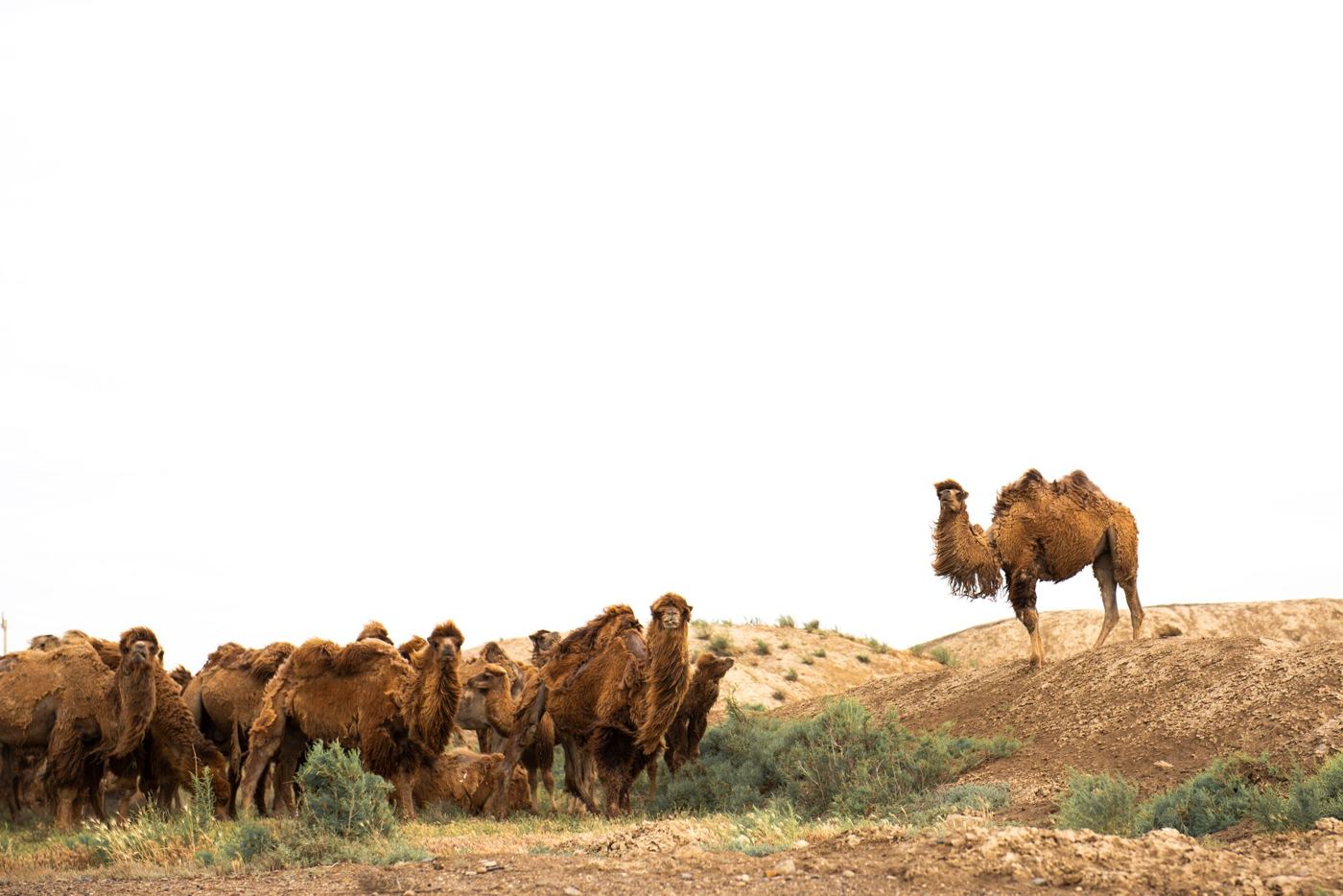
A night in a yurt camp in the Kyzylkum desert, a camel ride, a swim in Lake Aydarkul and the town of Nurata with Alexander the Great's fortress.
 3 daysEasy
Termez and the Buddhist south
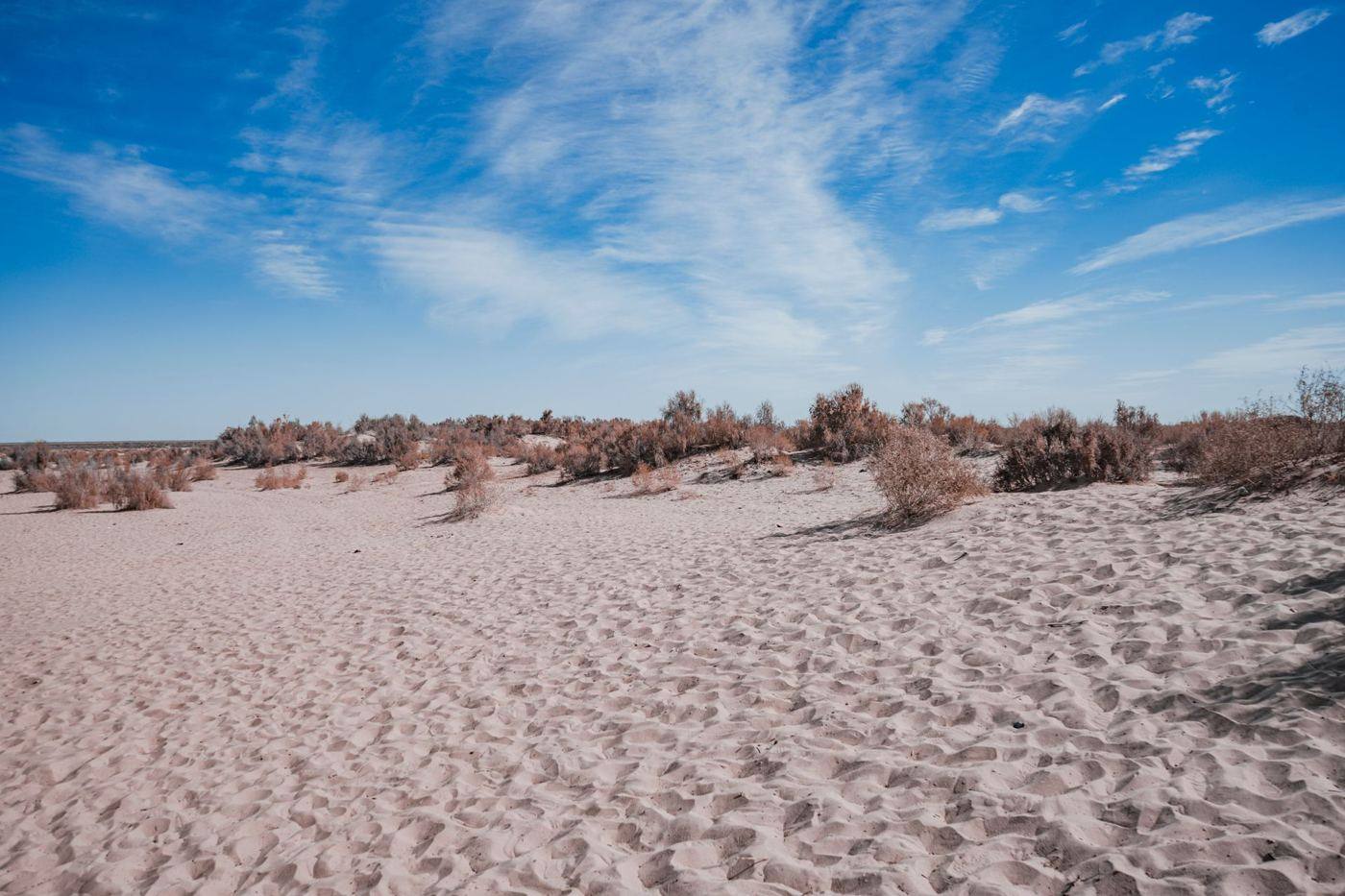
The country's southernmost city, with the Buddhist monasteries of Fayaz Tepe and Kara Tepe, the Zurmala stupa, the Sultan Saodat complex and the archaeological museum.
 3 daysModerate
Zaamin and the mountains
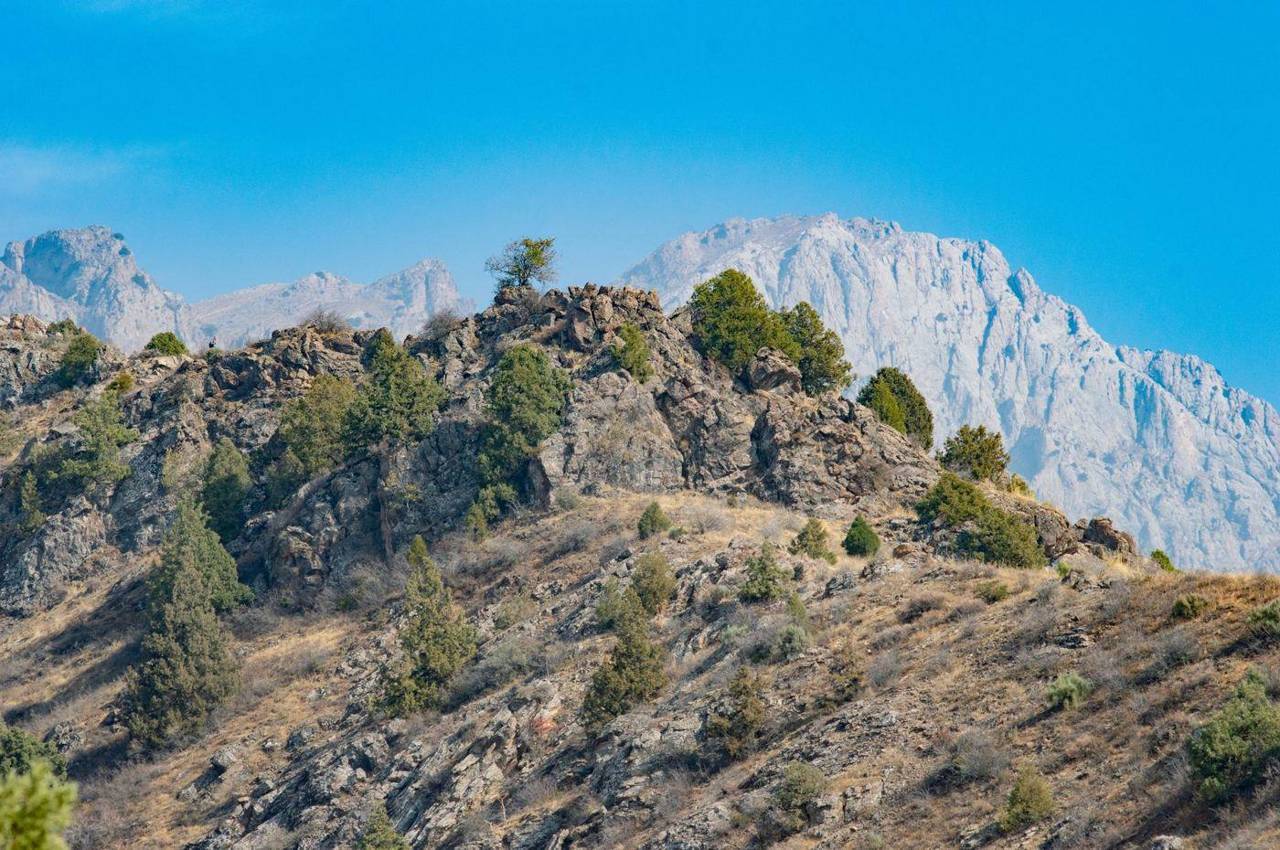
Zaamin National Park in the Turkestan range, with juniper forests, trails and stays in sanatoriums and guesthouses, between Samarkand and the Fergana Valley.