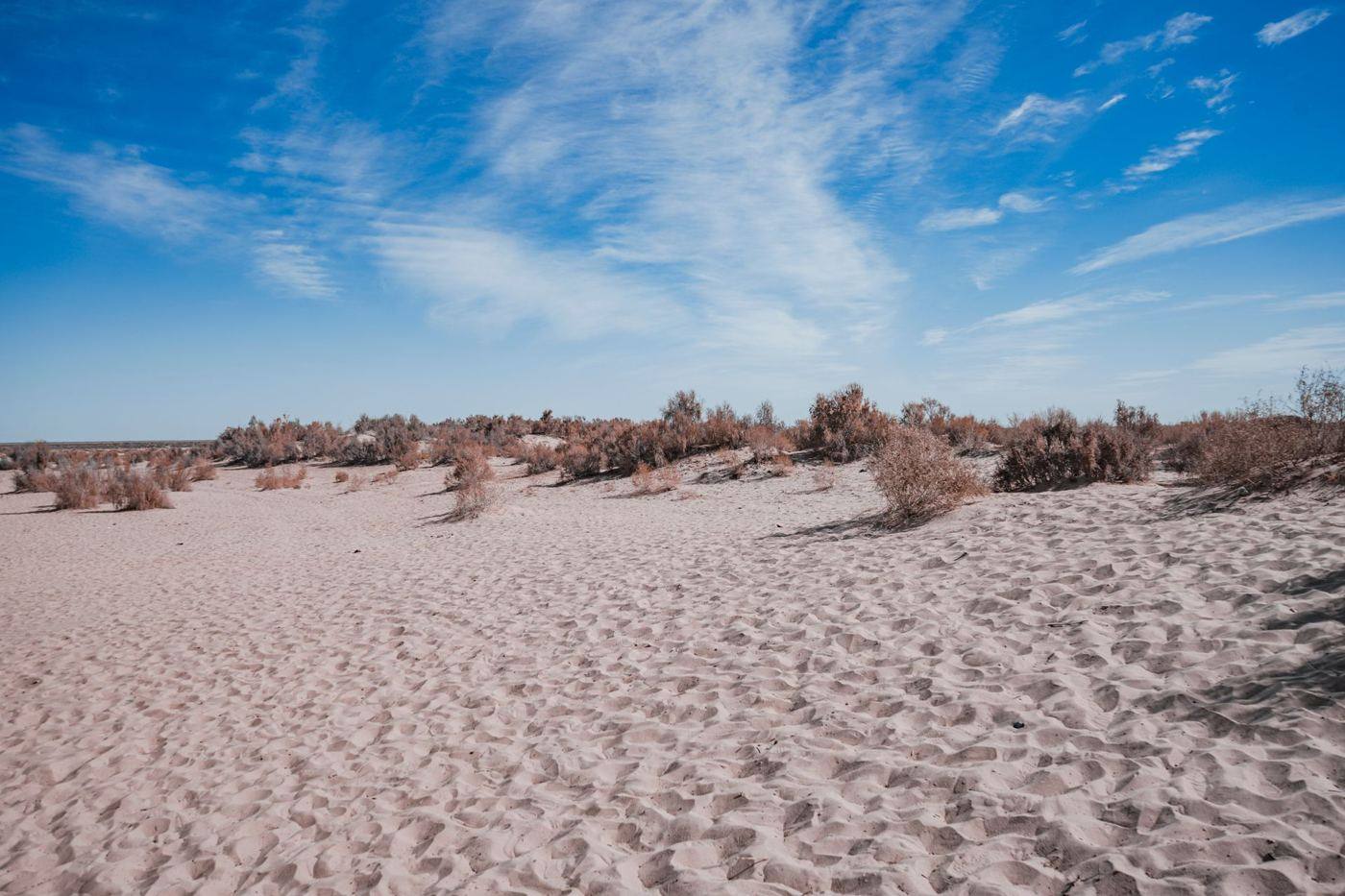
Termez and the Buddhist south
The country's southernmost city, with the Buddhist monasteries of Fayaz Tepe and Kara Tepe, the Zurmala stupa, the Sultan Saodat complex and the archaeological museum.
- Termez
- Fayaz Tepe
- Kara Tepe
- Sultan Saodat
Day by day
- Day 1
The flight from Tashkent and the archaeological museum
This three-day trip takes you to Termez, the southernmost city of Uzbekistan, on the Amu Darya river: the Buddhist monasteries of Fayaz Tepe and Kara Tepe, the Zurmala stupa, the Sultan Saodat complex and the archaeological museum. It is a trip for those who have already seen the classic cities and love archaeology.
Before you go: Italian citizens enter Uzbekistan without a visa for short stays, currently up to 30 days: check the length before you leave. You need a passport with at least three months' remaining validity. Temporary registration is compulsory within three working days of arrival: hotels do it for you. Other nationalities should check their own rules. Some areas on this trip are close to borders or places where the situation changes often: check your government's travel advice before booking and again before you leave. Termez is on the border with Afghanistan: some sites are in the border zone, can be visited only with a local guide and the necessary permits, and you must never go near the river or photograph military installations.
In the morning take the domestic flight from Tashkent to Termez. From the window you see the southern mountains and the Amu Darya valley.
In the afternoon visit the Termez archaeological museum, the most important in the south of the country. The rooms tell the history of the region from the Bronze Age to the Islamic period: pottery, coins, jewellery and above all Buddhist statues and reliefs from the first centuries AD, when the road between India and China passed through here. Check prices and times.
In the evening walk in the quiet centre and have dinner with shashlik and bread from the clay oven.
Sleep in Termez, for two nights.
Practical tip: always carry your passport: in the Surkhandarya region checks are frequent, even in hotels.
- Day 2
Fayaz Tepe, Kara Tepe and Zurmala
Today you visit the great Buddhist sites of Termez, witnesses of a time when Central Asia was a land of monasteries.
Between the first and third centuries AD this area was part of the Kushan empire, which joined Central Asia and northern India. Buddhism spread along the caravan routes, and monasteries, stupas and schools grew up in Termez.
In the morning, with your guide, visit Fayaz Tepe, a mud-brick monastery excavated from the 1960s onwards. You see the monks' cells, the refectory, the courtyards and the stupa, protected by a roof. A famous sculpture of the Buddha seated between two monks was found here, now in a museum in Tashkent. Check prices and times.
Then, if permits allow, go to Kara Tepe, a complex of caves and shrines cut into the hill above the river, in the border zone. Follow your guide's and the soldiers' instructions carefully and do not photograph the border.
In the afternoon stop at the Zurmala stupa, a brick tower more than ten metres high, rising alone among the fields. It is one of the oldest Buddhist monuments in Uzbekistan.
In the evening go back to the city and rest.
Sleep in Termez.
Practical tip: set off at dawn: there is no shade at the sites and by mid-morning the sun is already strong, even in spring.
- Day 3
Sultan Saodat and the return
The last day is devoted to Islamic Termez and the return to Tashkent.
In the morning visit the Sultan Saodat complex, a group of mausoleums, mosques and courtyards built between the tenth and seventeenth centuries for the family of the sayyids of Termez, descendants of the Prophet Muhammad who were very powerful in the Middle Ages. The brick facades have geometric decoration, and under the domes there is a cool silence. Pilgrims come to pray: dress modestly.
If time allows, also go to the mausoleum of al-Hakim at-Tirmidhi, a mystic and scholar of the ninth century, one of the most revered saints of the region. The complex is near the border zone: follow your guide's instructions.
In the afternoon take the flight to Tashkent.
In three days you have seen the Termez archaeological museum, the monasteries of Fayaz Tepe and Kara Tepe, the Zurmala stupa and the Islamic shrines of Sultan Saodat and al-Hakim at-Tirmidhi. It is a little-known side of Uzbekistan, where Buddhism, Islam and the old road to India meet.
When to go: March and April or October and November. Termez is one of the hottest cities in the country and in summer it often goes above 45 degrees.
This trip can be combined with Samarkand and Shahrisabz, reached by car through the southern mountains.
Practical tip: on the way back keep your registration slips ready: they may ask for them at the airport.
For those who have seen the classic cities and love archaeology. Termez is on the Afghan border: the city is calm, but some sites are in the border zone and need a guide and documents. Summers are scorching.
Before you go
- Documents and visa
- Passport with at least three months' remaining validity. British citizens should check their own entry rules; Italian citizens enter without a visa for up to 30 days. Temporary registration is compulsory within three working days of arrival: hotels and guesthouses do it for you, keep the slips until you leave. You must carry your passport at all times.
- Health and vaccines
- No compulsory vaccinations; ask your doctor about recommended ones. Drink only bottled water. Take insurance covering medical costs and repatriation. Emergencies: police 102, ambulance 103, fire 101.
- Money and payments
- Uzbek som (UZS). Visa and Mastercard cards and cash machines are common in big cities and hotels; in markets and rural areas you need cash. Bring dollars or euros in perfect notes and change money only at banks or licensed offices: street exchange is a crime.
- Power sockets
- Types C and F, 220 volts: you need an adapter for British plugs.
- Time zone
- UTC+5 all year: five hours ahead of the UK in winter, four in summer.
- Safety
- The country is generally calm for visitors. Governments advise against the areas along the Afghan border and urge caution near the borders with Kyrgyzstan and Tajikistan: cross only at official checkpoints. In the Fergana, Andijan, Namangan and Surkhandarya regions checks are more frequent. Check before taking photos near military or police sites and ask before photographing people. Official advice: GOV.UK.
Information checked in November 2026 for Italian and EU citizens. Rules change: always check before you travel.
Variations
In two days you combine the museum and the Buddhist sites on the same day and the next day see Sultan Saodat before your flight.
In four days you add the fortress of Kampyr Tepe and the mountain road to Shahrisabz and Samarkand.
Frequently asked questions
Can you visit Termez?
Termez is a quiet city, but it is on the border with Afghanistan. Before booking and before leaving check your government's travel advice, travel with a local guide and always follow their instructions.
Do you need permits for the Buddhist sites?
Some sites, such as Kara Tepe, are in the border zone and require a guide and documents. Organise the visit with a local agency, which knows which permits are needed.
When is it less hot in Termez?
In spring, in March and April, and in autumn, in October and November. In summer temperatures are extremely high and outdoor visits become tiring.
Indicative itinerary written by World Atlas. Before booking, check timetables, seasonal openings, documents and safety.
 3 daysModerate
Zaamin and the mountains
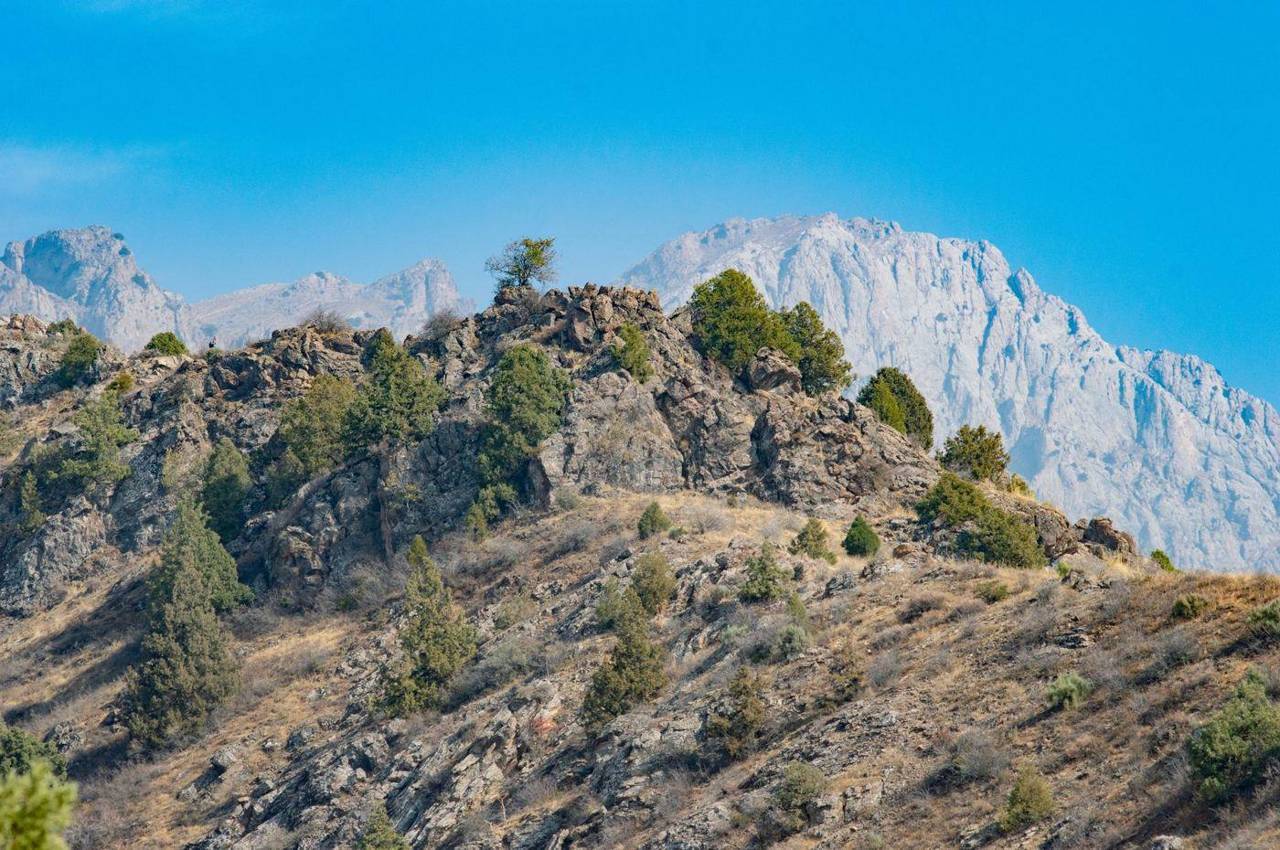
Zaamin National Park in the Turkestan range, with juniper forests, trails and stays in sanatoriums and guesthouses, between Samarkand and the Fergana Valley.
 5 daysEasy
Uzbek food
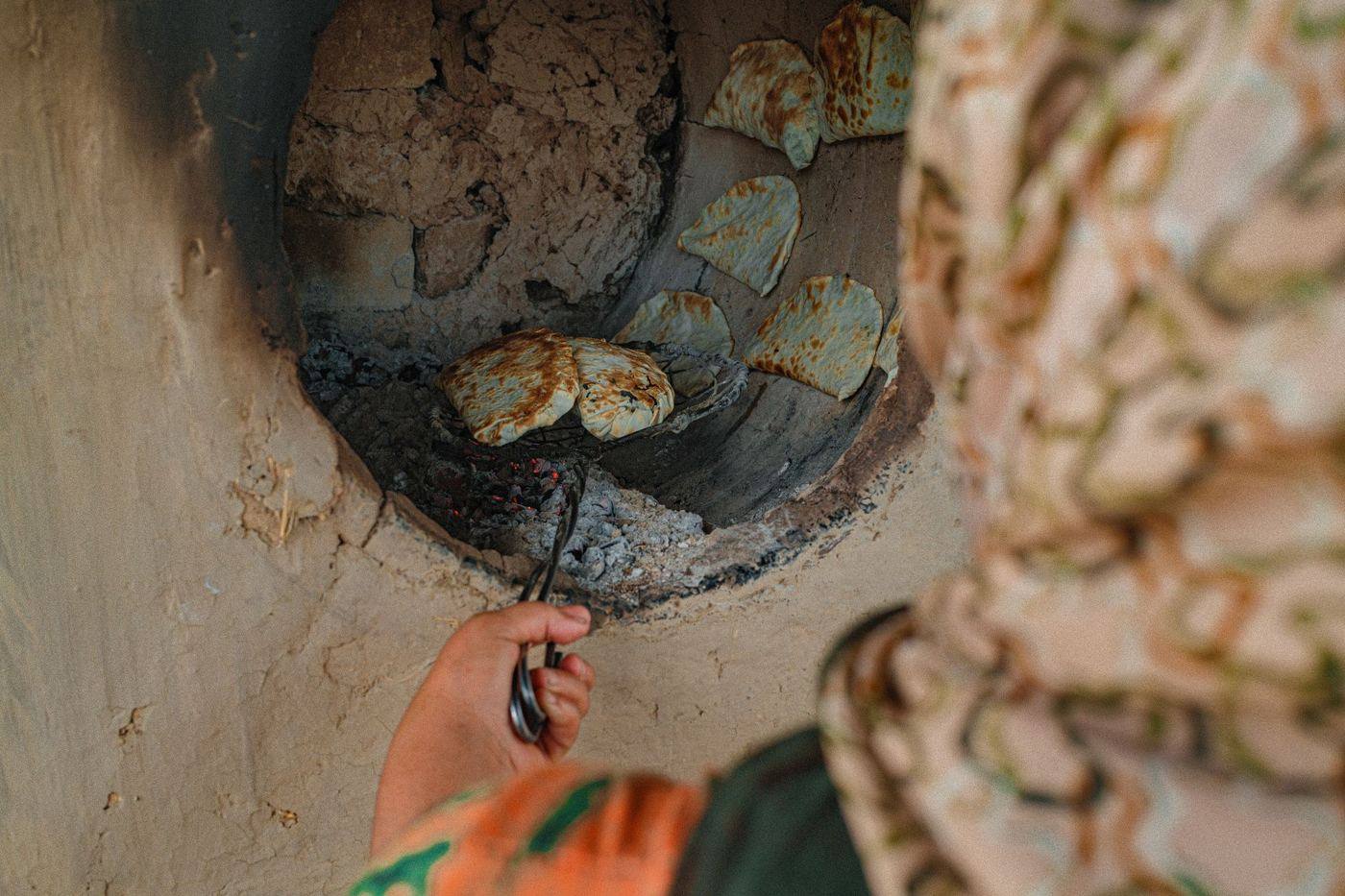
A journey through plov: Tashkent's plov centre, Samarkand bread, somsa baked in the tandir, a cooking class in Bukhara and the dried-fruit markets.
 9 daysEasy
The Silk Road
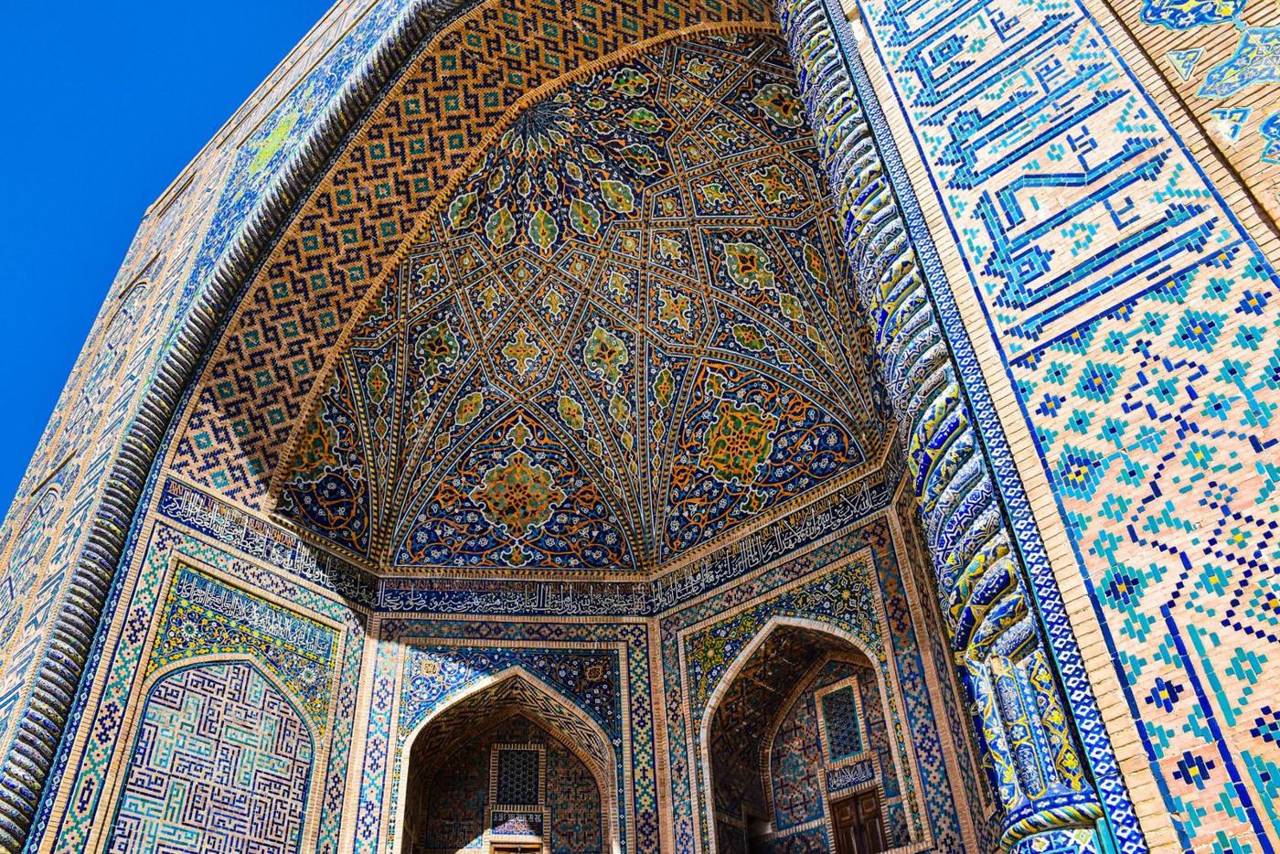
Tashkent, the museum-city of Khiva, Bukhara and its madrasas and Samarkand's Registan, linked by fast train.