Hue, the Imperial City and the DMZ
The former Nguyen capital, a UNESCO World Heritage site: the Imperial City inside the citadel, the emperors' tombs along the Perfume River, Thien Mu Pagoda, and the wartime demilitarised zone with the Vinh Moc tunnels.
- Hue
- Imperial City
- Thien Mu
- Imperial tombs
- Vinh Moc
Day by day
- Day 1
The Imperial City and the citadel
To enter Vietnam you need a passport valid for at least six months; citizens of several EU countries, including Italy, need no visa for tourist stays of up to forty-five days under rules in force until 14 March 2028. For longer stays apply online for the e-visa. Check the rules for your nationality.
Huế, in central Vietnam on the Perfume River, was the country's capital under the Nguyễn dynasty, the last emperors, from 1802 to 1945. The city's monuments are a UNESCO World Heritage site. It is just over an hour by air from Hanoi or Ho Chi Minh City, or reached by train along the coast.
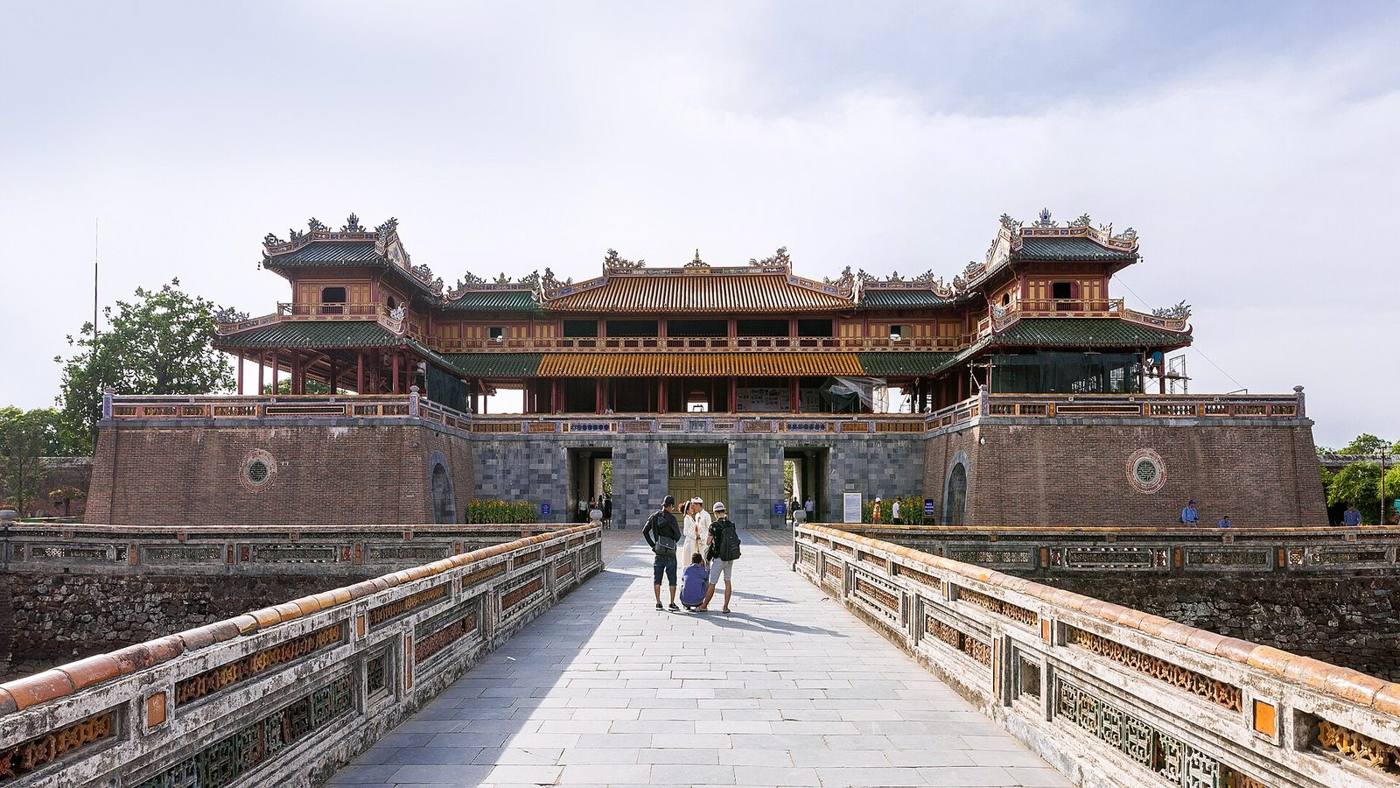
In the morning enter the citadel, a large square fortress surrounded by walls and moats, built in the early nineteenth century with the help of French engineers on the model of European fortresses. In front of the entrance rises the flag tower. Inside the citadel lies the Imperial City, with the Noon Gate, Ngọ Môn, a great gateway topped by a two-storey pavilion with yellow roofs, from which the emperor watched ceremonies. Beyond the gate, the Palace of Supreme Harmony, with red and gold lacquered wooden columns, was the throne hall where audiences were held.
In the afternoon explore the rest of the Imperial City: pavilions, gardens, temples dedicated to the emperors, the nine great bronze urns decorated with Vietnamese landscapes and the Purple Forbidden City, where the emperor and his family lived. Many buildings were destroyed during the Battle of Huế in 1968, in the Vietnam War; many have been rebuilt in recent decades.
In the evening try bún bò Huế, a spicy rice noodle soup with beef and lemongrass.
Practical tip: the Imperial City is large with little shade; visit early in the morning or late in the afternoon.
- Day 2
A boat on the Perfume River, Thiên Mụ and the tombs of Tự Đức and Minh Mạng
In the morning take a boat trip on the Perfume River, which flows through the city between green hills and villages, aboard one of the dragon-shaped boats. The first stop is Thiên Mụ Pagoda, the pagoda of the Celestial Lady, on a hill on the left bank, with its seven-storey tower about twenty-one metres high, the city's symbol. In the garden there is a large bronze bell and a marble turtle bearing a stele. Monks still live in the monastery behind the tower.
The river then leads towards the emperors' tombs, built among the hills south of the city. Each emperor designed his tomb during his lifetime like a park with pavilions, ponds and temples, where he sometimes spent his leisure time.
The Tomb of Tự Đức, from 1867, is the most romantic: a large garden with a lotus-covered pond, wooden pavilions over the water where the emperor wrote poetry, frangipani trees and pines. The emperor, who had many wives but no children, is not buried here but in a secret place.
The Tomb of Minh Mạng, from 1843, is the most solemn and symmetrical: a long sequence of courtyards, gates, pavilions and lakes along a central axis, surrounded by woods and hills, with stone statues of mandarins, elephants and horses standing guard.
In the evening try Huế's imperial cuisine, famous for small, carefully decorated dishes such as bánh bèo, little steamed rice cakes with shrimp.
Practical tip: between the tombs it is best to hire a motorbike with driver or a taxi for the day.
- Day 3
A trip to the DMZ and the Vịnh Mốc tunnels
Early in the morning set off on an organised trip to the Demilitarised Zone, the DMZ, about a hundred kilometres north of Huế. Between 1954 and 1975 it was the border strip along the seventeenth parallel, on the Bến Hải River, dividing North and South Vietnam. During the war it was one of the most heavily bombed areas in history. Today it is countryside of rice paddies, rubber plantations and villages, with places of remembrance.
You visit the Hiền Lương Bridge over the Bến Hải River, which marked the border, painted half in one colour and half in another, with a small museum and a flagpole. Then you reach the Vịnh Mốc tunnels on the coast: to escape the bombing, villagers dug by hand a network of galleries on three levels, down to about thirty metres, where whole families lived for years, with rooms, wells, a meeting hall and a clinic; several children were born here. You walk through part of the narrow, low tunnels, which are lit.
Many trips also stop at the Trường Sơn military cemetery, with thousands of graves of northern soldiers, and at the Khe Sanh base, scene of a long siege in 1968, with a small museum and old aircraft and helicopters.
In the evening return to Huế.
Practical tip: there is still unexploded ordnance in the DMZ; never leave the paths and marked areas, and do not touch metal objects.
- Day 4
The Tomb of Khải Định and the Hải Vân Pass to Hội An
In the morning visit the Tomb of Khải Định, about ten kilometres south of Huế, the most unusual of all: built between 1920 and 1931 for the penultimate emperor, it blends Vietnamese and European architecture, with grey concrete darkened by time, steep stairways between stone dragons, statues of mandarins and, at the top, the main hall, entirely decorated inside with mosaics of coloured glass and porcelain depicting flowers, fruit, dragons and landscapes. Under a canopy stands the gilded bronze statue of the emperor.
In the afternoon head south to Hội An, about three hours by road, choosing the old coastal road that climbs to the Hải Vân Pass, the pass of the ocean clouds, about five hundred metres above the sea, where the Trường Sơn mountains reach the coast. The pass marks the climatic divide between northern and southern Vietnam: often there is fog on one side and sun on the other. From the top, with remains of a French fort and American bunkers, you see Lăng Cô lagoon on one side and the bay of Đà Nẵng on the other. The road is also famous among motorcyclists.
On the way you can stop at Lăng Cô, a fishing village between the lagoon and the sea, then cross Đà Nẵng, with its beaches and bridges, before reaching Hội An, the old town of lanterns.
Things to take home: Huế conical hats with poems hidden in the straw, lotus tea, sweet sesame bars and incense.
Practical tip: check your government's travel advice before leaving.
It fits between Hanoi and Hoi An, by train or plane. From September to December central Vietnam has typhoons and floods: check the weather. In the DMZ area there is still unexploded ordnance: do not leave marked paths. Italians enter without a visa for up to 45 days (exemption valid until 14 March 2028), with a passport valid for at least six months; longer stays need the 90-day e-visa.
Before you go
- Documents and visa
- Passport with at least six months' validity remaining. Italian, French and several other European citizens need no visa for tourism up to 45 days, an exemption valid until 14 March 2028; otherwise use the e-visa from the official portal.
- Health and vaccines
- No compulsory vaccines. Protect yourself against mosquitoes because of dengue; drink only bottled water. Emergencies: 113 police, 114 fire, 115 ambulance.
- Money and payments
- Vietnamese dong. Cards and QR code payments are widespread in cities; in markets, villages and for small purchases you need cash.
- Power sockets
- Types A and C, among others, 220 volts: a universal adapter is useful.
- Time zone
- UTC+7 all year: Vietnam does not use daylight saving time.
- Safety
- A safe country for travellers. In big cities beware of snatch thefts from scooters; from July to December typhoons and floods hit the centre and north. Official advice: GOV.UK.
Information checked in November 2026 for Italian and EU citizens. Rules change: always check before you travel.
Variations
In 2 days: the Imperial City and the river boat with Thiên Mụ and the tombs.
In 8 days: combine with Hội An, My Son and Đà Nẵng, or Phong Nha and its caves, north of the DMZ.
Frequently asked questions
What do I need to enter Vietnam?
A passport valid for at least six months; citizens of several EU countries, including Italy, need no visa for up to forty-five days under rules in force until 14 March 2028. Check the rules for your nationality.
Can I visit the DMZ on my own?
It is better on an organised trip or with a guide, as the sites are far apart and unexploded ordnance remains off the paths.
When is the best time for Huế?
February to April, when it is less hot and dry; from September to December there is heavy rain and sometimes flooding.
Indicative itinerary written by World Atlas. Before booking, check timetables, seasonal openings, documents and safety.
 4 daysEasy
Hoi An in depth and My Son
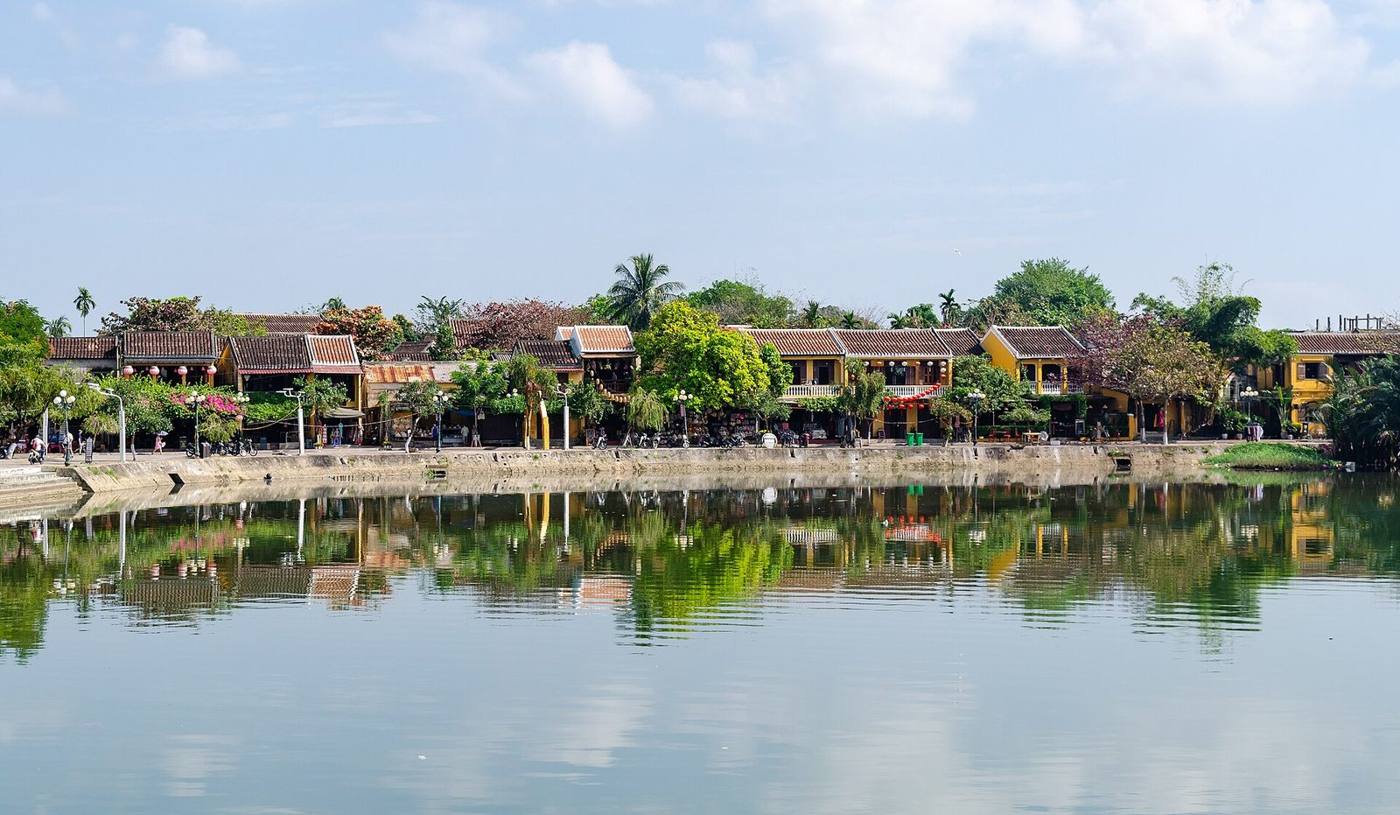
The merchant port of Hoi An, a UNESCO World Heritage site, with Chinese and Japanese merchants' houses, the covered bridge and lanterns at night, countryside villages by bike, An Bang beach and the Cham ruins of My Son in the jungle.
 5 daysEasy
Quy Nhon and the central coast
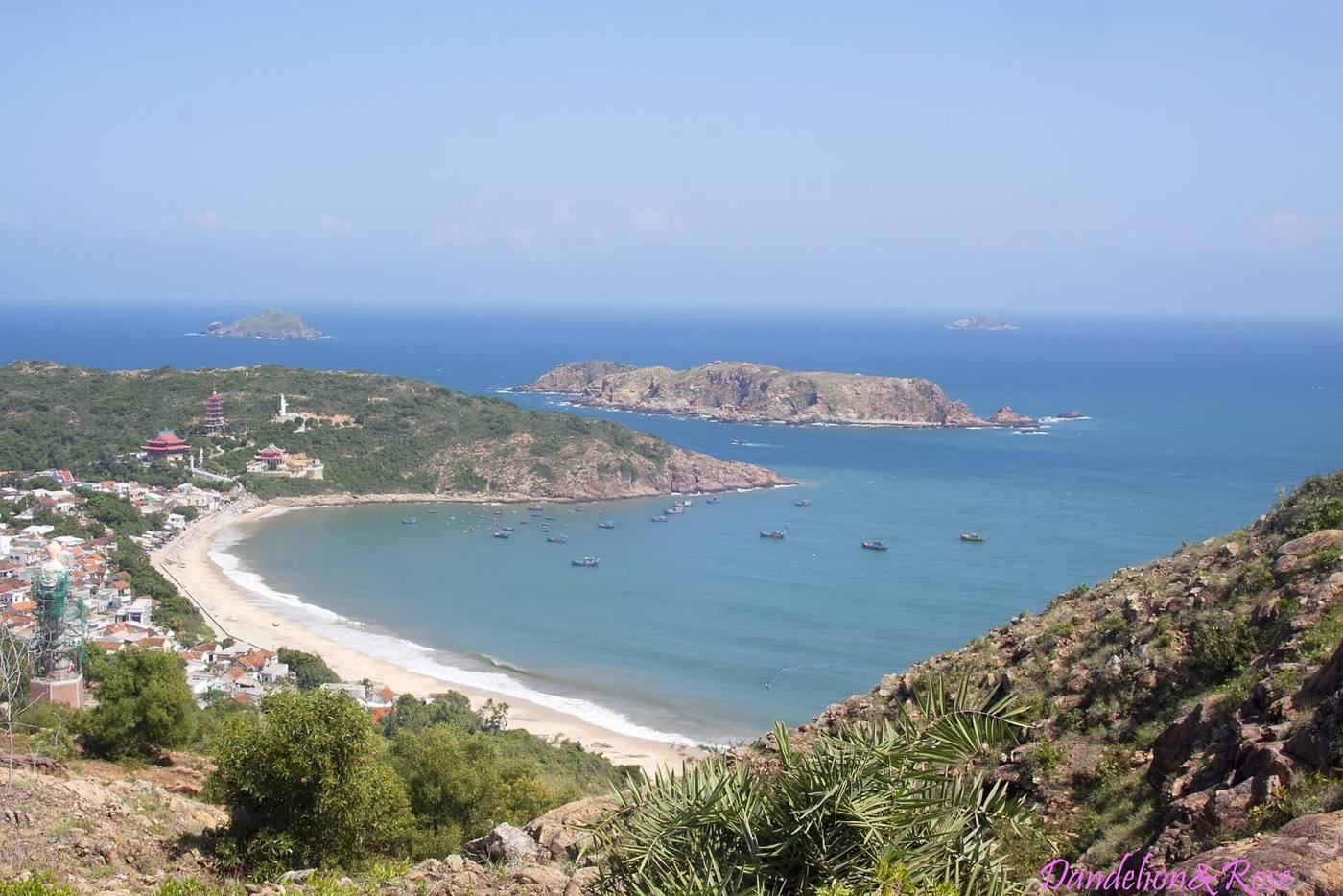
Vietnam's less crowded seaside: the beaches and bays of Quy Nhon, the Cham towers of Banh It and Doi, the fishing village of Eo Gio, Ky Co with its turquoise water and, further south, the volcanic rocks of Ganh Da Dia at Tuy Hoa.
 4 daysEasy
Da Lat and the Central Highlands
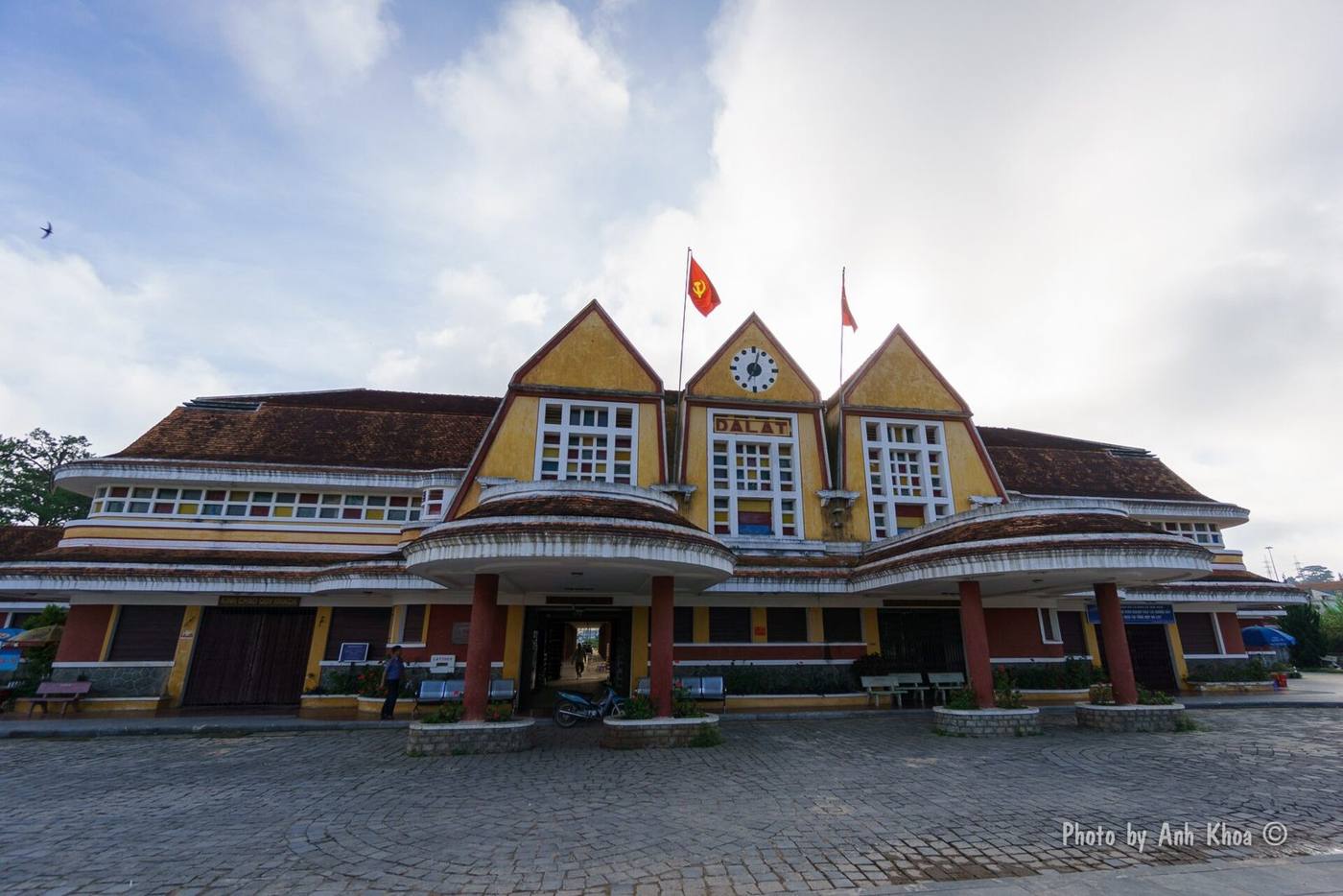
The French hill town at 1,500 metres: colonial villas, the Art Deco station, Xuan Huong Lake, coffee and flower plantations, waterfalls and Mount Langbiang, with a cool climate all year round.