Matusadona
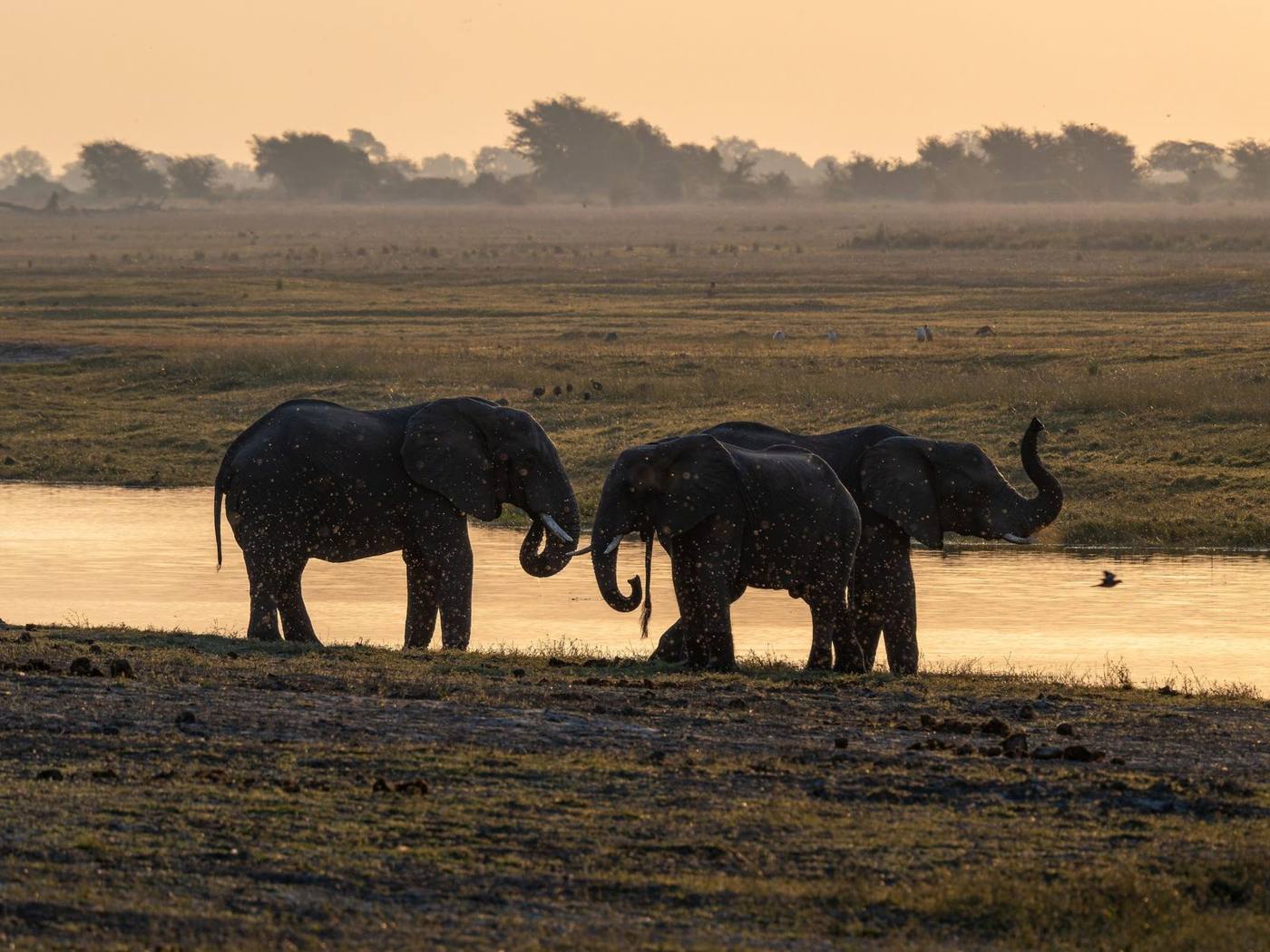
The park on the southern shore of Lake Kariba, reached by boat, with walking and boat safaris, lions, elephants on the shores and dead trees in the water.
- Kariba
- Matusadona
Day by day
- Day 1
By boat from Kariba to Matusadona
This four-day trip takes you to Matusadona, the national park on the southern shore of Lake Kariba, reached by boat. Here the lake meets the savannah: you go on walking and boat safaris, see lions and elephants on the shore and dead trees rising out of the water.
Before you go: Italian citizens need a visa and a passport valid for at least six months, with blank pages. Viaggiare Sicuri says you must complete the arrival forms online before departure, on the official portal evisa.gov.zw. According to the British government, the KAZA Univisa, valid for Zimbabwe and Zambia, is issued at Harare, Bulawayo and Victoria Falls airports and at the Victoria Falls and Kazungula borders. Other nationalities should check their own rules. Viaggiare Sicuri reports political tension, theft and roads in poor condition: avoid demonstrations and do not travel at night. The Lake Kariba area is at risk of malaria: ask your doctor about prevention.
You arrive in Kariba, the town built on the hills above the great dam, by light aircraft from Harare or by road with a driver. At the harbour the boat for the park is waiting. The crossing takes a few hours, depending on the camp and the state of the lake, and passes bays, islets and steep shores. In strong wind the lake gets as rough as the sea.
You reach camp in the afternoon. Camps in Matusadona are few and small, so you need to book early. Listen to the briefing: the park has no fences and animals pass close to the tents.
At sunset look at the drowned trees along the shore, black against the orange sky, and listen to the fish eagles.
Practical tip: bring a windproof jacket and a dry bag for the crossing. The wind on the lake often rises in the afternoon.
- Day 2
Walking safari on the shore
Early in the morning set off on a walking safari with a licensed, armed guide. You walk across the grasslands along the shore, where fresh grass grows as the lake level drops in the dry season. Buffalo, impala, waterbuck and elephants graze here.
The guide teaches you to read the ground: lion prints in the mud, the path of a hippo during the night, the marks left by elephants on the trees. Walk in single file, in silence, and always follow their signals. If they tell you to stop, stop at once.
Matusadona is a park reborn. In recent years, thanks also to management by African Parks together with ZimParks, the animals have returned in numbers and lions are again seen quite often.
At midday rest at camp, looking at the lake. In the afternoon go out by boat along the shore: elephants come down to drink and hippos warm themselves in the sun on the mud beaches.
In the evening, around the fire, listen to the sounds of the night and ask the guides about the history of the lake and the Tonga families who lived in the valley before the dam. After dinner ask a member of the camp staff to walk you to your tent.
Practical tip: wear light long trousers and closed shoes. In the tall grass there are thorns and insects.
- Day 3
The drowned trees and the tigerfish
Today you explore the lake by boat. Lake Kariba was created by the dam on the Zambezi, built in the 1950s, and it flooded a large forest. The dead trunks remained standing in the water and today they are the symbol of this landscape.
Sail slowly among the trunks, where cormorants, herons and fish eagles rest. From the boat you watch life on the shore without disturbing it: grazing elephants, buffalo, crocodiles motionless in the sun. With luck you also see lions coming down to drink.
In the afternoon try fishing for tigerfish, famous for their sharp teeth and the strength with which they pull the line. Many camps practise catch and release: ask about the park rules. If fishing does not interest you, stay on deck with your binoculars.
Towards evening go back among the drowned trees for sunset. The sky turns red, the water takes on colour and the black branches form patterns against the light. It is the best moment for photographs.
In the evening have dinner at camp and look at the stars above the lake, far from any town. On moonless nights the Milky Way is reflected on the calm water and you hear the hippos coming out to graze.
Practical tip: do not put your hands or feet in the water from the boat and never swim. The lake has crocodiles and hippos even near the shore.
- Day 4
Return
On the last morning take a short safari at dawn, on foot or by boat, to say goodbye to the park. The morning light on the lake is soft and the animals are active.
After breakfast take the boat back to Kariba. From the town you can return to Harare by light aircraft or with a driver, always travelling by day. If you have time, stop to look at the dam from the viewpoint above the gorge. Remember that the dam is on the border with Zambia: photographs of infrastructure and border posts may be forbidden, so ask first.
In four days you have seen a unique combination of lake and savannah: the crossing of Lake Kariba, the walking safaris on the shore with the guides, the drowned trees at sunset, the elephants and lions coming down to drink. Matusadona is a park reborn and today rich in wildlife again. Camps are few: book early.
When to go: from June to October, in the dry season, the lake level drops, fresh grass grows on the shores and the animals gather near the water. September and October are very hot. From November to April it rains, the lake can be rough and the malaria risk rises.
Practical tip: keep small dollar notes for tips to the guides and the crew. It is best to give them at the end of your stay, in an envelope for all the staff.
A park revived by African Parks, now rich in wildlife again. A unique mix of lake and savannah. Few camps: book early.
Before you go
- Documents and visa
- Passport valid for at least six months, with blank pages, and a visa is compulsory. Before departure complete the arrival forms online on the official portal evisa.gov.zw, where you can also apply for an eVisa. The KAZA Univisa, valid for Zimbabwe and Zambia and for day trips into Botswana from Kazungula, is issued at Harare, Bulawayo and Victoria Falls airports and at the Victoria Falls and Kazungula borders. To drive you need an international driving permit.
- Health and vaccines
- There is seasonal malaria in the lowlands, especially from January to April: ask your doctor about prevention. The lowlands also have tsetse fly. A yellow fever certificate is required if you arrive from a country at risk. Drink only bottled water. Emergencies: 112.
- Money and payments
- The US dollar is the main currency in use; the official currency is the ZiG, used only inside the country. Withdrawing dollars is difficult: bring small notes in good condition. You cannot leave the country with more than 2,000 US dollars in cash.
- Power sockets
- Type D and type G, 220 volts: bring a universal adapter.
- Time zone
- UTC+2 all year.
- Safety
- The country is going through a period of political tension: avoid crowds and demonstrations and do not photograph police or protests. Theft, bag snatching and robberies of stationary vehicles are common, especially in cities and after dark. Roads are often in poor condition, with potholes and animals: do not drive at night. Fuel is sometimes unavailable and power cuts can be long. In the rainy season the east and south can be hit by cyclones. For walking and canoe safaris choose licensed guides and always keep your distance from animals. Official advice: GOV.UK.
Information checked in November 2026 for Italian and EU citizens. Rules change: always check before you travel.
Variations
In three days keep the crossing, one walking safari and sunset among the drowned trees.
With eight days add Mana Pools and the canoe safari on the Zambezi.
Frequently asked questions
How do you get to Matusadona?
Usually by boat from Kariba, sometimes by small plane. The roads to the park are long and difficult.
Can you see lions in Matusadona?
Yes, the park is known for its lions and sightings are frequent again today. As always, though, they are not guaranteed.
Can you swim in Lake Kariba?
No. There are crocodiles and hippos even near the shore. Use the camp pools, if there are any.
Indicative itinerary written by World Atlas. Before booking, check timetables, seasonal openings, documents and safety.
 2 daysEasy
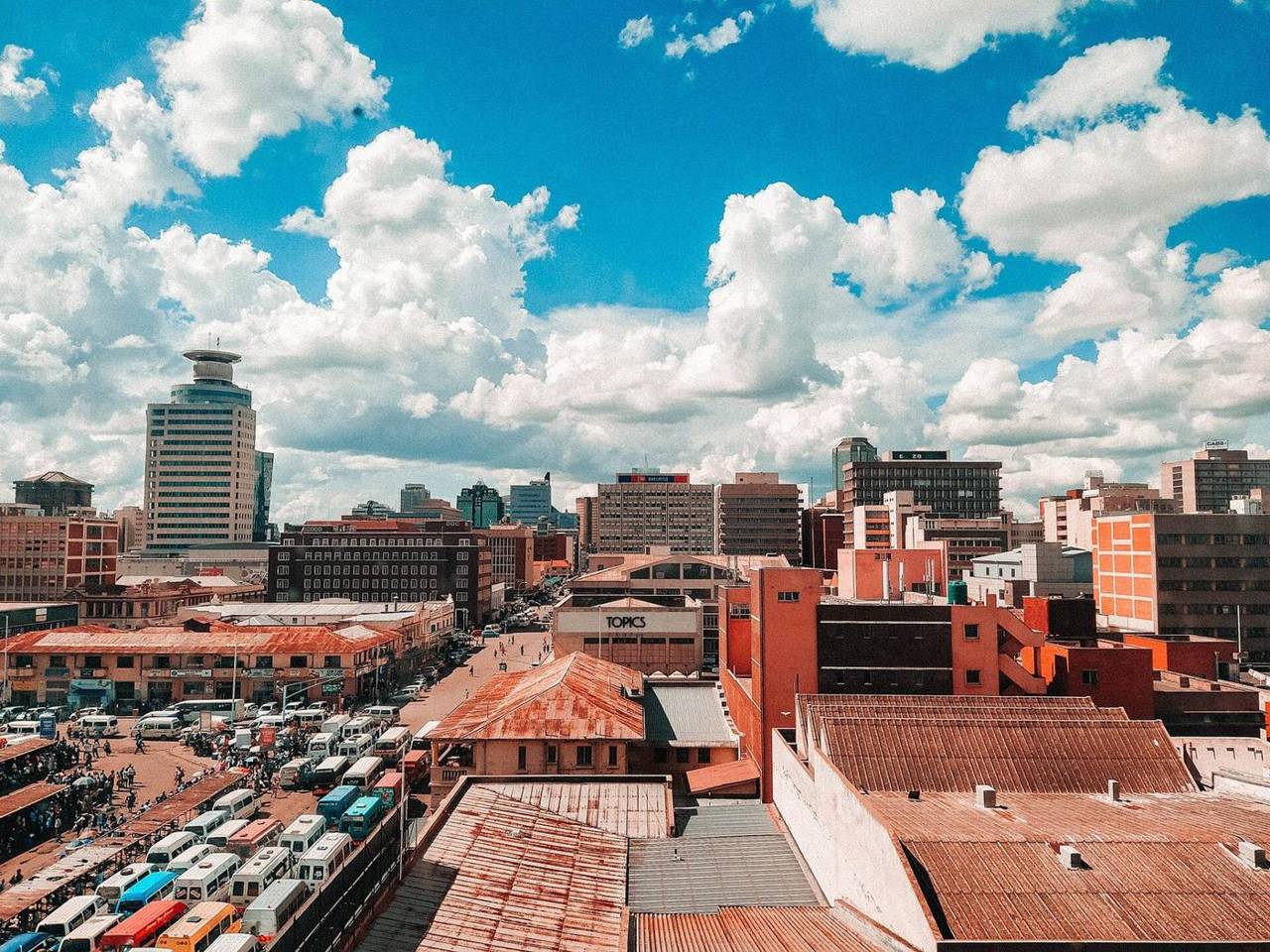
Harare and Shona sculpture
The green jacaranda capital: the National Gallery, the Chapungu sculpture garden, Mbare market and the Mukuvisi woodland.
 4 daysEasy
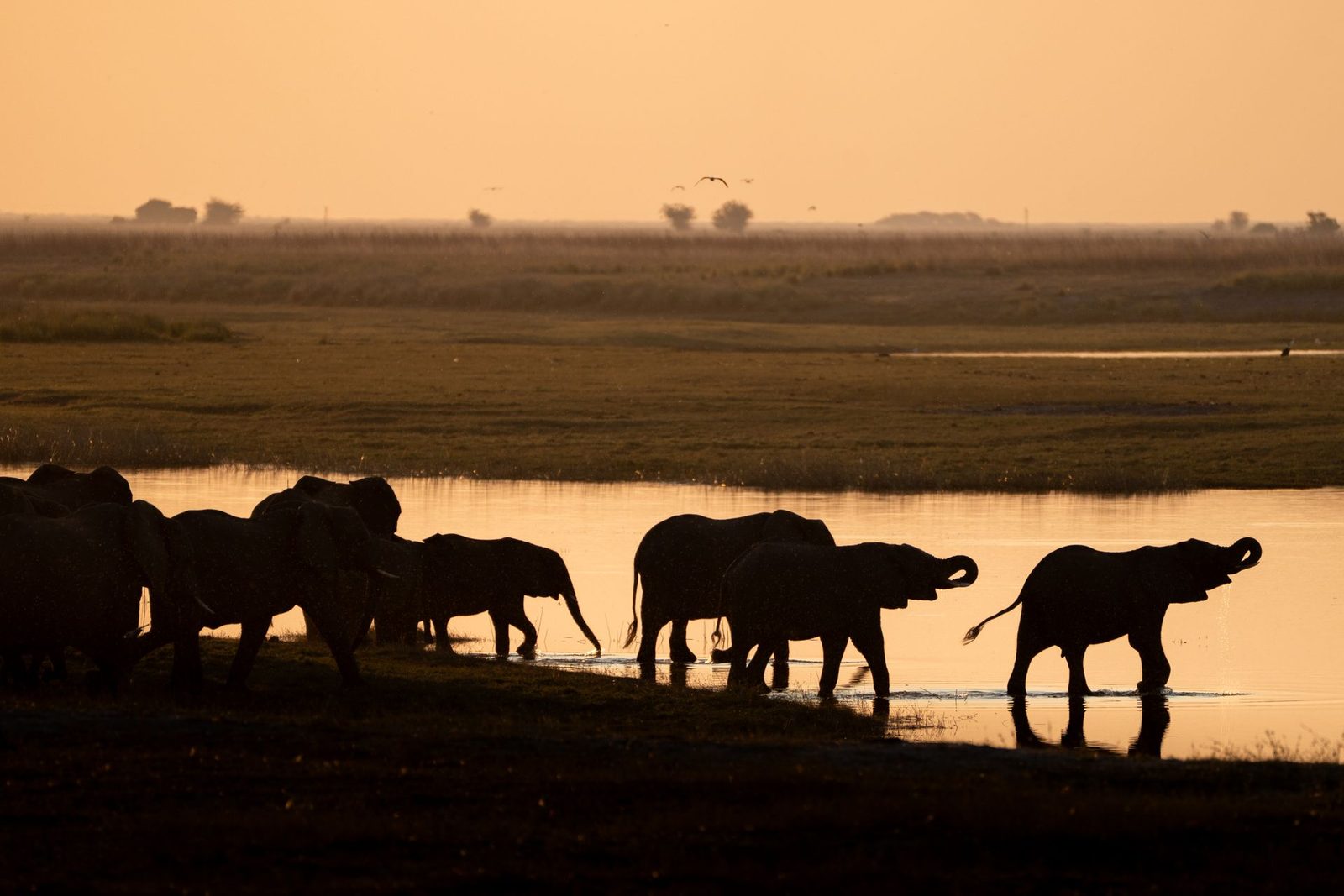
Victoria Falls and Chobe
The falls from the Zimbabwe side and a day in Botswana's Chobe park, an hour's drive away, with a river cruise among elephants and hippos.
 6 daysEasy
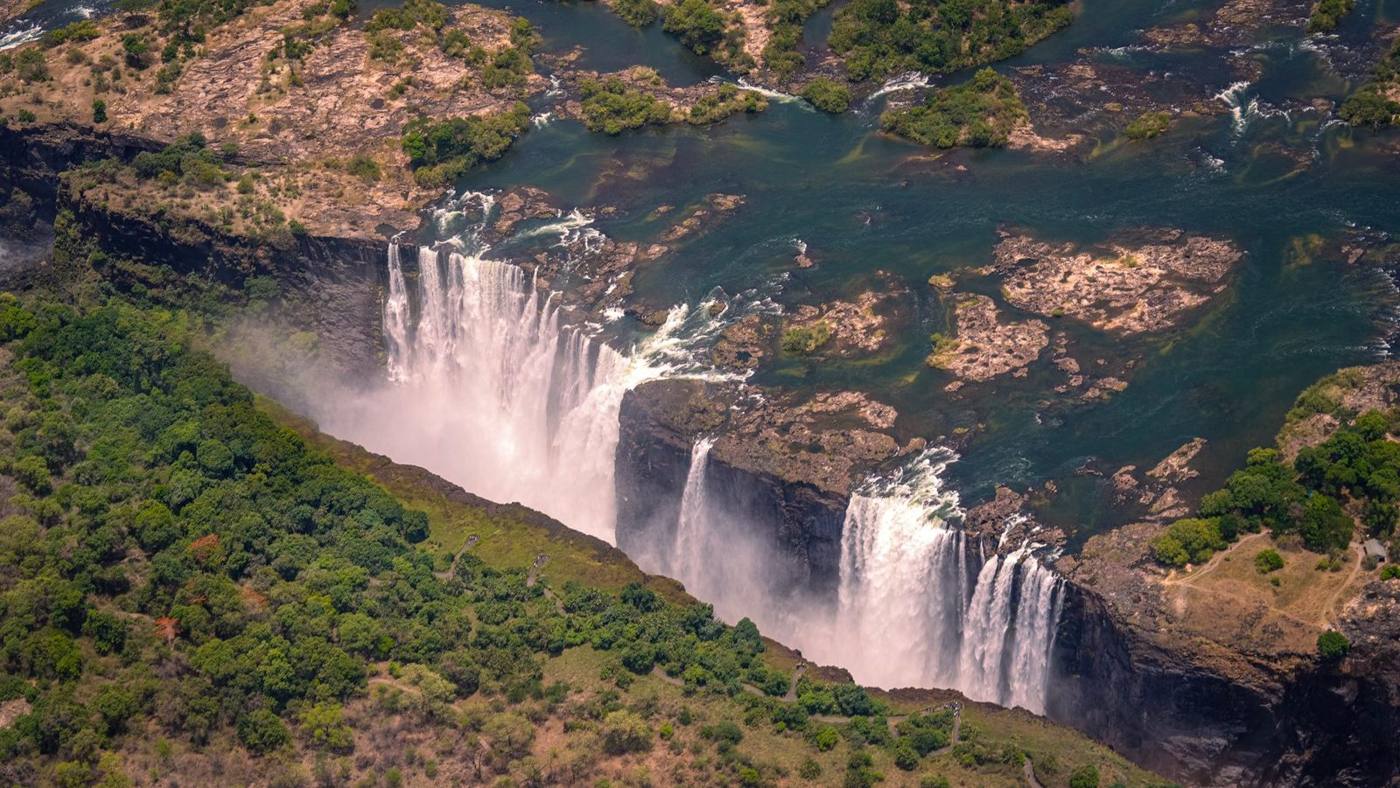
Victoria Falls and Hwange
The head-on view of the falls from the Zimbabwe side, then Hwange National Park with its great elephant herds at the waterholes.