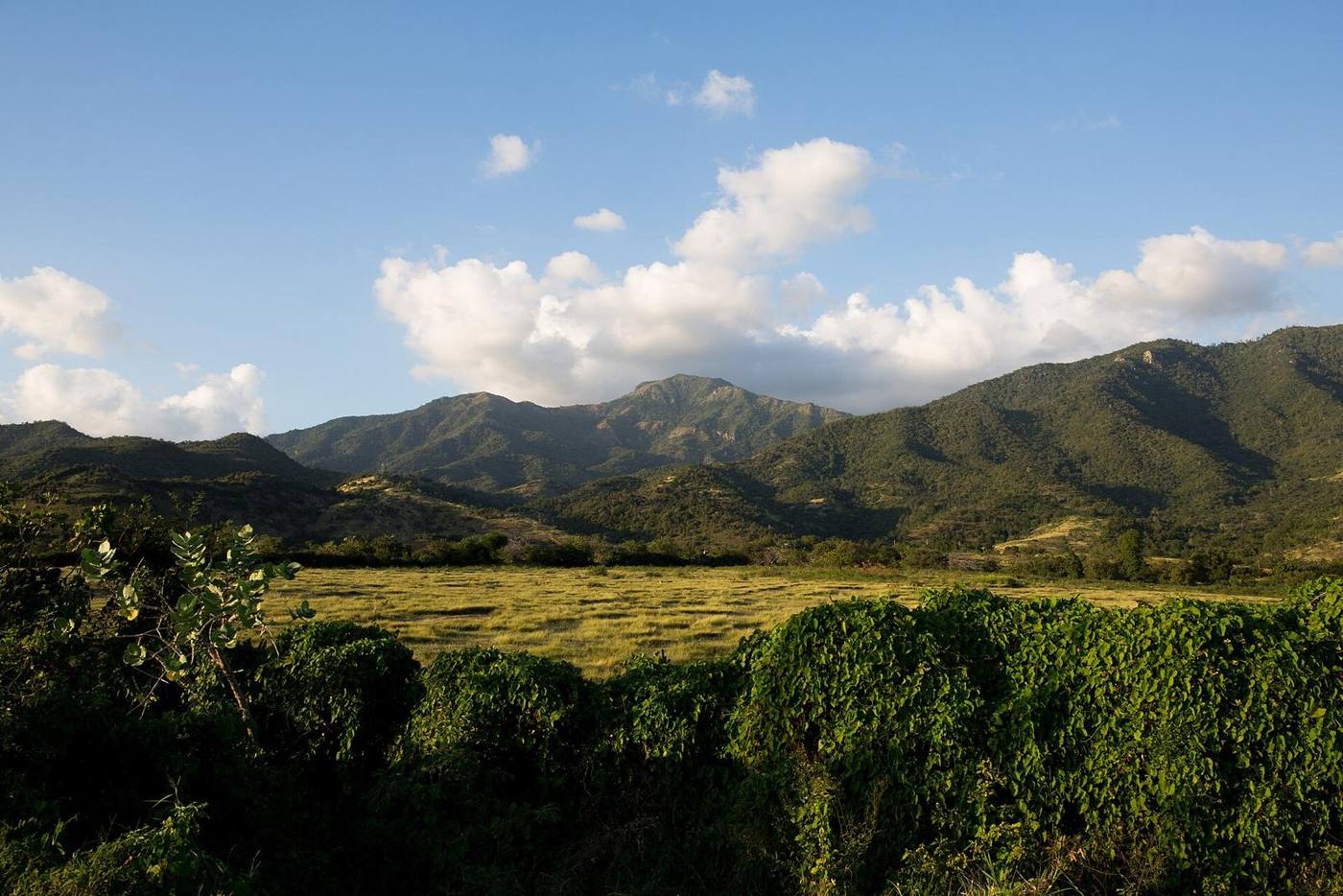
Cuba on foot: Pico Turquino and the Sierra Maestra
Cuba's mountains: trails in the Viñales valley and the Escambray, the crossing of the Sierra Maestra to the island's highest summit and the descent to the Caribbean Sea.
- Havana
- Viñales
- Topes de Collantes
- Bayamo
- Santo Domingo
- Pico Turquino
- Las Cuevas
- Santiago de Cuba
Day by day
- Day 1
Arriving in Havana, before heading for the mountains
This trip shows you the mountain side of Cuba: trails among the mogotes of Viñales, the waterfalls and tree fern forests of the Escambray, then the crossing of the Sierra Maestra to Pico Turquino, the highest peak on the island, and the descent to the Caribbean Sea.
Before you go: Italian citizens enter Cuba with a passport valid for at least six months after the date of arrival; the electronic identity card is not enough. You need the tourist card, the tourist visa, now issued in electronic form, then the online D'Viajeros form to fill in within 72 hours before arrival, a return ticket and health insurance covering medical costs in Cuba, which is compulsory on entry. The rules change often: check them on the website of the Cuban embassy before you leave. Other nationalities should check their own rules. Some areas on this trip are close to borders or places where the situation changes often: check your government's travel advice before booking and again before you leave.
Power cuts and shortages of fuel, water and medicines are common on the island. Bring a power bank, a head torch, your own medicines, a first aid kit and cash in euros for the whole trip, because foreign cards do not work. Change money only at Cadeca offices, never on the street.
You land at José Martí airport and reach the centre with a booked transfer or an authorised taxi. The first afternoon is just for settling in and taking a walk along the Malecón, the long seafront where families, fishermen and musicians gather at sunset. Go to bed early: you will feel the time difference.
Practical tip: before you leave, download offline maps of the whole of Cuba to your phone, because the internet is slow and the power can be off for hours.
- Day 2
Havana on foot
Spend the day in Old Havana, a UNESCO World Heritage Site that is best explored on foot. It is also good training for your legs before the mountain days.
Start at the Plaza de Armas, the oldest square, with its second-hand book market and the Castillo de la Real Fuerza. Carry on to the Plaza de la Catedral, with the baroque facade of the cathedral, then the Plaza de San Francisco and the Plaza Vieja, surrounded by restored colonial palaces. Between one square and the next, walk along Calle Obispo and Calle Mercaderes, the liveliest streets.
In the afternoon walk past the Capitolio and the Gran Teatro, then go into the Museo Nacional de Bellas Artes, which has a fine section of Cuban art. Check prices and times, because opening hours can change with the power cuts. Towards evening, go back to the Malecón and walk to Vedado, the 1950s district with its tree-lined avenues.
In the evening, if you still have energy, cross the bay to watch the nine o'clock cannon ceremony from the fortress of La Cabaña. Otherwise rest: tomorrow you leave early.
In Havana, watch your bag and phone in crowded areas, do not walk alone at night in dark streets and use only authorised taxis.
Practical tip: buy in Havana anything you are missing for the trek, such as blister plasters and rehydration salts, because outside the capital there is very little to buy.
- Day 3
To Viñales and the valley of the mogotes
Leave Havana in the morning in a car with a driver or on a confirmed transfer. It is about three hours west, into the province of Pinar del Río, the land of tobacco. After the motorway, the road climbs through the hills to the village of Viñales, with its low, colourful houses and porches.
The Viñales valley is a cultural landscape protected by UNESCO. From the flat valley floor, planted with tobacco, maize and beans, rise the mogotes, limestone hills with steep walls covered in vegetation. It is a landscape you only really understand on foot.
In the afternoon, take a first easy walk in the fields around the village with a local guide. You visit a small tobacco farm, see the big wooden drying barns with palm-thatched roofs, and learn how the leaves are picked and dried before being rolled by hand. The farmers still work with oxen and ploughs. If you like, taste the farm's coffee or buy a little honey: it is a good way to support the families of the valley.
At sunset, climb to the viewpoint above the village to watch the valley turn orange, with the mogotes against the light. Sleep in Viñales for two nights, in a registered casa particular.
Practical tip: the red earth in the fields sticks to everything, so wear walking shoes that can get dirty and keep a clean pair in your room for the evening.
- Day 4
Viñales on foot, among caves and hidden valleys
Today is the first real walking day. Set off at dawn with a guide, while the air is still cool and the mist lingers between the mogotes. There are many trails: ask for a five or six hour loop through the Valle del Silencio and the fields furthest from the village.
The path crosses tobacco plantations, groves of royal palms and small farming hamlets, where you are often offered a strong, sweet coffee. Sometimes you climb to a saddle between two mogotes, with a short steep and stony section: shoes with a good sole are enough.
In the afternoon, visit one of the caves in the area. The Cueva del Indio is explored partly on foot and partly by boat on an underground river. Further away, the Gran Caverna de Santo Tomás is one of the largest cave systems in Latin America: you visit it with a guide, a helmet and a torch. Check prices and times locally.
In the evening, eat country dishes in the village, such as roast pork, cassava with garlic mojo and fruit in season. Pack your bag for tomorrow, which is a travel day.
Always carry at least two litres of water, a hat and sun cream: even in winter the sun is strong and it is hot and humid in the shade of the mogotes.
Practical tip: inside the caves the ground is wet and slippery, so keep both hands available and your head torch on.
- Day 5
Long transfer to the Escambray
Today you cross half of the island. Leave Viñales early, because the journey to Topes de Collantes, in the Escambray mountains, takes almost the whole day. The road heads back towards Havana, then takes the central motorway east and drops south towards the Caribbean coast.
You can stop in Cienfuegos, a colonial city protected by UNESCO and founded in the nineteenth century by French settlers. Take a walk in the Parque Martí, look at the facade of the Tomás Terry theatre and stretch your legs on the seafront. It is an hour's break, but it makes the journey much easier.
After Cienfuegos, the road climbs into the mountains with many bends. The landscape changes: pines, eucalyptus, coffee plantations and big tree ferns appear. At Topes de Collantes, at about eight hundred metres, the air is cooler and you need a jumper in the evening.
Topes de Collantes is a protected area with many marked trails, waterfalls and natural pools. At the park visitor centre you can ask which trails are open and book a guide for the next two days.
Sleep in Topes de Collantes for three nights. Power cuts can be long here: charge everything whenever there is electricity.
Do not drive, or be driven, at night: mountain roads are unlit, with potholes, animals and carts.
Practical tip: buy fruit, bread and water in Cienfuegos for the next few days, because the choice in Topes is very limited.
- Day 6
The Salto del Caburní and the fern forests
The best known trail in Topes de Collantes leads to the Salto del Caburní, a waterfall that drops into a narrow gorge between the rocks and forms natural pools where you can swim. Set off early in the morning with your guide.
The route is only a few kilometres long but has a big height difference: you go down for a long time on steps of stone and earth, among giant ferns, bamboo and trees covered in orchids and bromeliads. The hard part is the way back, all uphill in the humid heat. Walk slowly, drink often and stop in the shade.
At the foot of the waterfall the water is cold and clear. Have a swim, eat your packed lunch and rest on the rocks. In the dry season the waterfall can be low, but the gorge is still very beautiful.
In the afternoon, if your legs allow, visit one of the coffee plantations in the area. Coffee has been grown here for more than two centuries, in the shade of the trees, and they show you how the beans are roasted.
In the evening, in Topes, look at the sky: with the power cuts and far from the cities, the stars are countless. It is cool, so keep a light jacket at hand.
Each trail in the park has its own entrance: check prices and times at the visitor centre and carry cash, because there is no other way to pay.
Practical tip: use trekking poles on the climb back from the Caburní, they help a lot with your knees and the high steps.
- Day 7
The waterfalls of El Nicho
Today you go to the El Nicho waterfalls, on the side of the Escambray that faces Cienfuegos. The drive on narrow mountain roads takes some time: leave early with your driver and guide.
El Nicho is a nature park where the Hanabanilla river runs down between the rocks, forming a series of waterfalls and green pools, surrounded by very dense forest. A loop trail, with small bridges and steps, leads from one waterfall to the next. It is less tiring than the Caburní, but the ground is often wet.
Swim in one of the larger pools, then follow your guide to a viewpoint above the valley. In the forest you see tree ferns, lianas and colourful birds, such as the tocororo, Cuba's national bird, which has the colours of the flag.
In the afternoon, return to Topes de Collantes. On the way, stop in the mountain villages, where families sell coffee and honey. It is a great chance to see what life is like in the sierra, far from the cities.
In the evening, pack your bag for tomorrow: you leave the mountains to go down to Trinidad, so hang out wet shoes and clothes to dry.
The Escambray roads have steep gradients and damaged sections: travel only by day and with a driver who knows the area.
Practical tip: carry a swimsuit and a light towel in your daypack, and water sandals too, because the rocks in the pools are slippery.
- Day 8
Trinidad, the colonial town
Drive down from Topes de Collantes to Trinidad in less than an hour: the road loses height through many bends and from the mountain you can see the Caribbean Sea. It is a quieter day, useful for resting your legs.
Founded by the Spanish in 1514, Trinidad is one of the best preserved colonial towns in the Americas and, together with the nearby Valle de los Ingenios, a UNESCO World Heritage Site. The centre is made of uneven cobbled streets, low houses painted yellow, blue and green, large windows with wooden grilles and tiled roofs.
Start at the Plaza Mayor, with the church of the Santísima Trinidad and the mansions of the sugar plantation owners, who made their fortunes here in the nineteenth century. Visit the Museo Romántico, with the furniture and porcelain of the wealthy families, and climb the bell tower of the municipal history museum to see the roofs of the town with the mountains behind. Check prices and times.
In the afternoon, wander through the side streets, where people sit in their doorways and children play in the street. In the evening, on the steps next to the Plaza Mayor, there is often live music.
Sleep in Trinidad for one night. Tomorrow will be a long day.
Practical tip: the cobblestones of Trinidad are hard to walk on, so wear closed shoes even for your evening stroll.
- Day 9
Heading east, to Bayamo
Today is the longest transfer of the trip: from Trinidad to Bayamo, in the east of the island. By car it is a full day on the road, through Sancti Spíritus and Camagüey, so leave at dawn. Alternatively, you can fly east from an airport in the centre, but domestic flights in Cuba are few and change often: check them shortly before.
The road crosses the plains of the centre, with sugar cane, pastures and small towns where horse-drawn carts are still a normal way to get around. Stop in Camagüey for lunch and to stretch your legs in one of its squares.
You reach Bayamo in the late afternoon. It is a quiet town full of history: Carlos Manuel de Céspedes, who started the war of independence against Spain in 1868, was born here, and the national anthem, La Bayamesa, was first sung here. In 1869 the inhabitants chose to burn their town rather than hand it over to the Spanish.
In the evening, stroll in the Parque Céspedes and the nearby pedestrian street, where families come out once the heat has passed. Sleep in Bayamo for one night.
In the east of the island, power and water can be off for longer than elsewhere: ask your accommodation in advance whether it has a generator or a water tank.
Practical tip: on such a long journey keep water, food and toilet paper at hand, because petrol stations are rare and often have no fuel.
- Day 10
Santo Domingo, at the foot of the Sierra Maestra
From Bayamo the road heads south, through Bartolomé Masó, then climbs up the valley of the Yara river to Santo Domingo, a small village at the foot of the Sierra Maestra. It takes only a few hours, but the last stretch is narrow and steep, so you need a suitable vehicle and an experienced driver.
The Sierra Maestra is the highest range in Cuba and runs along the south coast of the east. Its forested mountains sheltered the rebels led by Fidel Castro from the end of 1956. Today the area is part of the Turquino National Park.
In Santo Domingo the river flows between the houses and farmers grow coffee and bananas on the slopes. The afternoon is for organising the next few days: you can enter the park only with a park guide, which is compulsory, and permits are handled locally. Confirm the programme with your guide, the departure times and what to bring for the night in the mountain hut.
Take a walk along the river and swim in the nearby pools. Eat well and go to bed early. Sleep in Santo Domingo for two nights.
Before you come here, ask for confirmation that the park is open: with the fuel crisis and after bad weather, the trails can close without warning.
Practical tip: for the crossing, pack a light rucksack with a sleeping bag liner, a head torch, a fleece, a rain jacket and food for two days.
- Day 11
The Comandancia de La Plata
Early in the morning, a four-wheel drive takes you from Santo Domingo to Alto del Naranjo, where the road ends and the trails begin. The drive is very short but extremely steep: in some places the gradient is impressive.
From Alto del Naranjo, with your park guide, you walk through the forest for a few kilometres to the Comandancia de La Plata, the rebel headquarters in the late 1950s. The path climbs and drops among tall trees, ferns and wild coffee plants, with muddy stretches even in the dry season.
The Comandancia is a group of wooden huts hidden under the trees: the house where Fidel Castro lived, the field hospital, the rebel radio station and a small museum. Everything was built so that it could not be seen from the air. Your guide tells you how people lived here and how the farmers of the sierra helped the guerrillas.
In some places photos are not allowed: always ask your guide before taking pictures. Then walk back to Alto del Naranjo and go down to Santo Domingo for the afternoon. Rest, because tomorrow the hardest part of the trip begins.
Leave everything you do not need in the mountains in your main bag in Santo Domingo: your driver will take it round to the coast.
Practical tip: in the forest there are lots of mosquitoes and midges, so use a strong repellent and wear light long sleeves.
- Day 12
On the ridge of the Sierra Maestra
Today the Turquino crossing begins. Go back by four-wheel drive to Alto del Naranjo and set off on foot with your park guide, compulsory here too. The path follows the ridge of the Sierra Maestra westwards, constantly climbing and dropping: the climbs are steep and the height gain adds up during the day.
The first stretch is still among fields and woods, then you enter the cloud forest, damp and full of moss, lichens, ferns and bromeliads. The clouds often wrap the ridge and the light becomes soft and grey. When the sky clears, you see the green valleys to the north and sometimes the sea to the south.
The stops are at viewpoints and next to springs. Walk at your own pace and do not try to keep up with your guide if he goes too fast: it is better to ask for more breaks. These are many hours of walking with a rucksack.
In the afternoon you reach the mountain hut where you spend the night, just below the highest summits. It is very basic, with beds or wooden platforms, limited water and no electricity. It is cold at night, even when it is thirty degrees on the plains.
Have an early dinner with the food you brought and sleep as soon as it gets dark: tomorrow you leave before dawn.
If you feel unwell or a heavy storm starts, listen to your guide: the ridge is not a place to take risks.
Practical tip: keep your clothes for the night in a waterproof bag, because in this forest the damp gets in everywhere.
- Day 13
To the top of Pico Turquino and down to the sea
Wake up before dawn. With your head torch on, follow your guide on the final stretch, over Pico Cuba and then up to Pico Turquino, the highest mountain on the island, just under two thousand metres. On the summit there is a bust of José Martí, Cuba's national hero, carried all the way up here in the 1950s.
If the sky is clear, you see the Sierra Maestra stretching east and west and, far below, the Caribbean Sea. Often, though, the summit is in the clouds: even so, arriving here is a very powerful moment.
Then the descent to Las Cuevas, on the south coast, begins. It is long and hard on the knees: you lose almost two thousand metres of height in a few hours, on a steep, stony and sometimes slippery path. The forest changes again, becoming drier and hotter as you get closer to the sea.
At Las Cuevas your car and driver are waiting for you, arranged in advance. Have a swim in the sea or simply sit in the shade, then follow the coast road east. Sleep along the coast or, if time allows, carry on to Santiago de Cuba.
The coast road is narrow and in places damaged by landslides and storm waves: travel only in daylight.
Practical tip: on the descent, tie your laces tightly and shorten your poles, so you protect your toes and your knees.
- Day 14
Santiago de Cuba, the city of music
Today you reach or discover Santiago de Cuba, the island's second city, set on a large bay and surrounded by mountains. It is a hot, hilly city, very different from Havana: here African and Caribbean culture can be felt everywhere, above all in the music.
Start at the Parque Céspedes, the main square, with the cathedral and the house of Diego Velázquez, the Spanish conqueror who founded the city in the early sixteenth century. It is considered one of the oldest houses in the Americas and is now a museum. Check prices and times.
Then walk along Calle Heredia, the street of music, and to the Balcón de Velázquez, from which you see the red roofs and the bay. Climb the Padre Pico steps, one of the most photographed spots in the city.
In the afternoon, visit the Cuartel Moncada, the barracks that Fidel Castro and his men tried to storm on 26 July 1953, now a museum and a school. You can still see the bullet marks on the walls.
Your legs will be tired after the Turquino: move slowly and take breaks in the shade. Sleep in Santiago for two nights.
Santiago and the east have suffered badly from hurricanes in recent years: some buildings are closed and services can be missing. Carry your bag in front of you in crowded areas.
Practical tip: in Santiago many people offer themselves as guides in the street, so choose only guides recommended by your accommodation and agree the price first.
- Day 15
El Cobre, El Morro and Santa Ifigenia
In the morning, go to El Cobre, about twenty kilometres from Santiago, in the hills of the old copper mines. This is the sanctuary of the Virgen de la Caridad del Cobre, the patron saint of Cuba. Cubans come from all over the island to ask for a blessing or to give thanks, and leave offerings of every kind. Dress respectfully.
Head back towards the city and visit the Santa Ifigenia cemetery, where José Martí, Carlos Manuel de Céspedes and Fidel Castro are buried. In front of Martí's mausoleum there is a solemn changing of the guard at regular intervals.
In the late afternoon, go to the Castillo de San Pedro de la Roca, known as El Morro, on the point at the entrance to the bay. This seventeenth-century fortress, a UNESCO World Heritage Site, has bastions, stairways and cannons above the sea. At sunset the view over the Caribbean and the coast towards the Sierra Maestra is beautiful: from here you can recognise the mountains you have just crossed. Check prices and times.
This is your last evening in Santiago. Listen to some son, the music born in this region, in the squares of the centre or in the public cultural venues.
To get back, use authorised taxis and do not walk at night in dark streets.
Practical tip: at El Cobre people sell sunflowers and small objects to offer to the Virgin, buy them only if you really want to take part, nobody will make you.
- Day 16
Departure from Santiago
Last day. Depending on your flights, leave from Santiago's Antonio Maceo airport, which has few international connections, or take a domestic flight to Havana and your flight home from there. With the crisis, domestic flights change often: keep a spare day before your international flight and reconfirm everything the day before.
If you have a few spare hours, climb the Loma de San Juan, the hill where one of the battles of the Spanish-American war was fought in 1898, or sit one last time in the Parque Céspedes and watch the life of the city.
In sixteen days you have seen a different Cuba: the mogotes and tobacco farms of Viñales, the waterfalls and fern forests of the Escambray, the colonial streets of Trinidad, historic Bayamo, the rebel sites of the Sierra Maestra, the summit of Pico Turquino and the descent to the sea, then the music and fortresses of Santiago. It is a trip for fit walkers, and it needs patience with transport and a willingness to adapt.
When to go: the best time is from November to April, the dry season, with less muggy days and less muddy trails. From June to November it is the rainy and hurricane season: in the mountains the trails become very difficult and the park may close. Even in winter it is cool on the summits and it often rains.
Practical tip: before you leave, give your host family anything you no longer need, such as unopened medicines, batteries or trekking clothes: in Cuba they are very precious.
A different way to see Cuba, far from the vintage cars and bars. The Turquino crossing is done only with a park guide and needs good fitness: steep climbs and humid heat. Avoid summer, the season of rain and hurricanes.
Before you go
- Documents and visa
- Passport valid for at least six months after arrival. You need a tourist visa (the tourist card), now issued only in electronic form: apply online on the official eVisa platform, at a Cuban consulate or through an agency; it is valid for up to 90 days and can be extended in Cuba. After the visa, fill in the online D'Viajeros form within 72 hours before arrival and carry the printed QR code. You also need a return or onward ticket. Anyone who has been in Cuba on or after 12 January 2021 can no longer use ESTA for the United States and must apply for a US visa.
- Health and vaccines
- Health insurance covering medical costs in Cuba is compulsory on entry; it is best if it includes repatriation. Hospitals are struggling and often lack medicines and supplies: bring a stock of your own medicines and a first aid kit. Dengue, chikungunya and Oropouche are present: use repellent all day. Drink only bottled water, without ice. No vaccinations are compulsory: ask your doctor.
- Money and payments
- Cuban peso. Since 6 June 2026 Visa and Mastercard cards are no longer accepted and you cannot withdraw cash from ATMs with foreign cards; cards on US networks do not work either. Bring cash in euros or dollars for the whole trip and for emergencies, and change money only at Cadeca offices: changing on the street is illegal. Amounts over 5,000 dollars, or the equivalent, must be declared on arrival.
- Power sockets
- Types A, B, C and L, at 110 volts in most of the country and 220 volts in some newer hotels: bring an adaptor and check that your devices accept 110 volts.
- Time zone
- UTC-5, UTC-4 in summer.
- Safety
- Cuba is going through a severe crisis of fuel, electricity, water and medicines, with long power cuts across the country, cancelled flights and unreliable domestic transport; the UK advises against all but essential travel to the whole island. In the east, after Hurricane Melissa in October 2025, electricity and water remain severely limited. Theft and bag snatching are rising, especially in Havana: do not walk at night, use licensed taxis, do not change money on the street and stay only in registered accommodation. Bring a power bank and a torch. Official advice: GOV.UK.
Information checked in November 2026 for Italian and EU citizens. Rules change: always check before you travel.
Variations
In 11 days you can do just the east: Bayamo, Santo Domingo, the Turquino crossing and Santiago, arriving in Havana and taking a domestic flight.
In 20 days add Baracoa after Santiago, with the climb up El Yunque and the rivers of the north-east coast.
Frequently asked questions
Do you need a guide to climb Pico Turquino?
Yes. You can enter the Turquino National Park only with a park guide, which is compulsory: it is arranged in Santo Domingo or by whoever organises your trip. Check beforehand that the park and the trails are open.
How hard is the crossing?
It is demanding: two or three days with steep climbs and descents, humid heat lower down, mud and cold near the summit. You need to be fit, with walking boots you have already worn in and a light rucksack. The descent to Las Cuevas is very hard on the knees.
How do you manage transport with the fuel crisis?
Book a car with a driver in advance for all transfers, especially in the east, and always keep a spare day. Domestic flights and buses can be cancelled at the last minute.
Indicative itinerary written by World Atlas. Before booking, check timetables, seasonal openings, documents and safety.
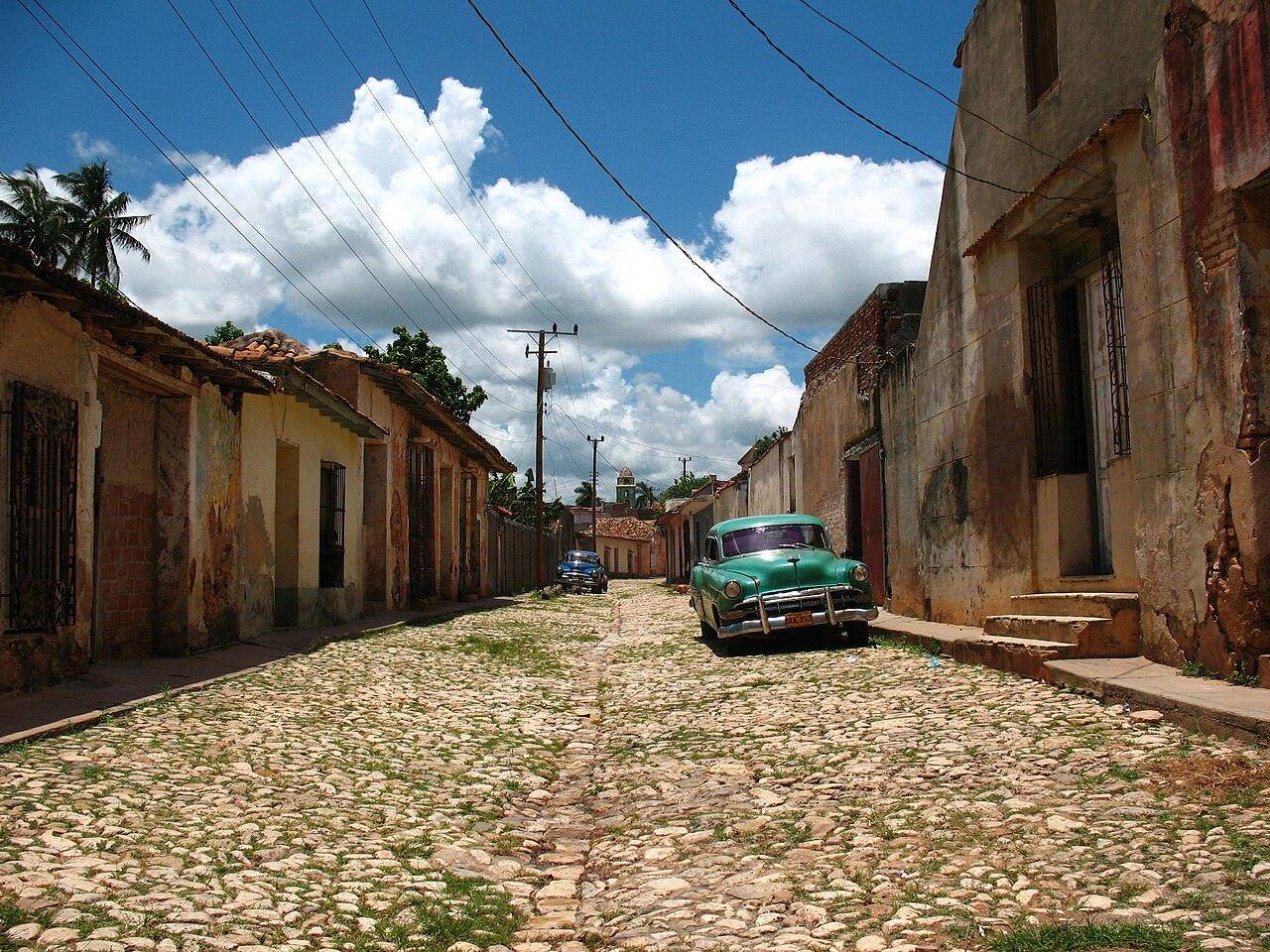 7 daysEasy
Havana, Viñales and Trinidad
The capital of vintage cars and music, the tobacco valley and the island's most beautiful colonial town.
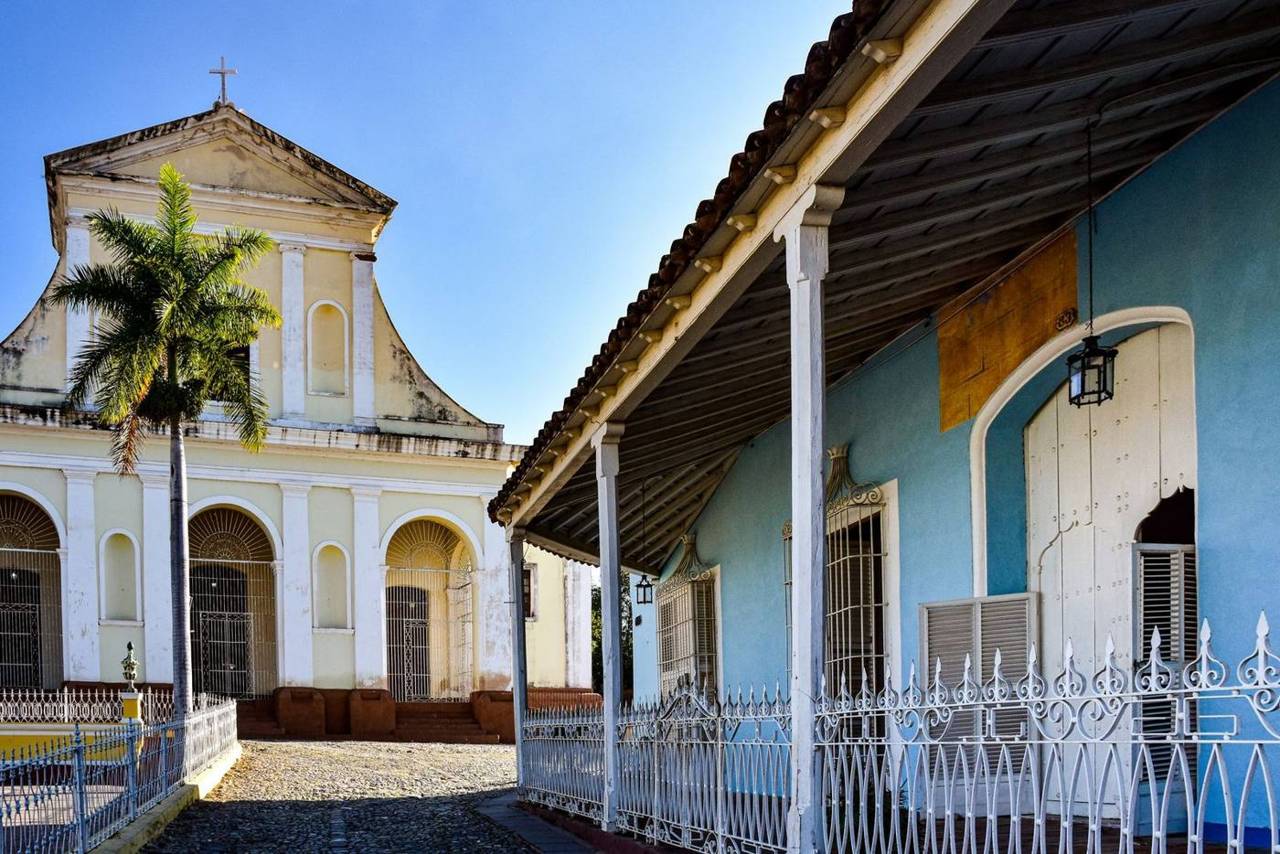 15 daysModerate
Cuba from west to east, to Santiago
The whole island: Havana, Viñales, the colonial towns of the centre, the Sierra Maestra, Santiago and a few days by the sea.
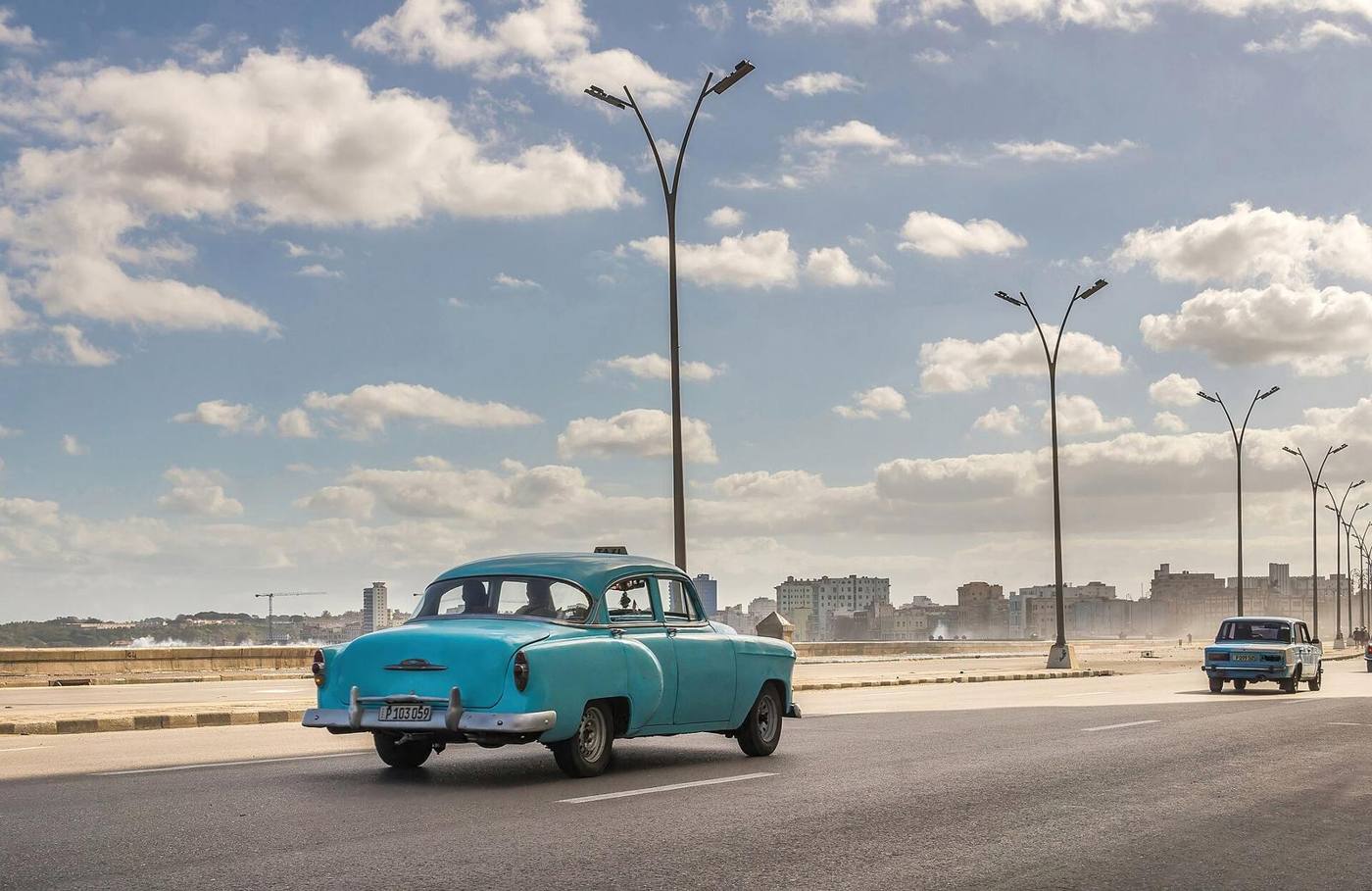 11 daysEasy
Cuba express: Havana, Viñales and Trinidad
The heart of Cuba in under two weeks: colonial Havana, the tobacco valleys of Viñales, timeless Trinidad and the Bay of Pigs.