Recife, Olinda and the Coral Coast
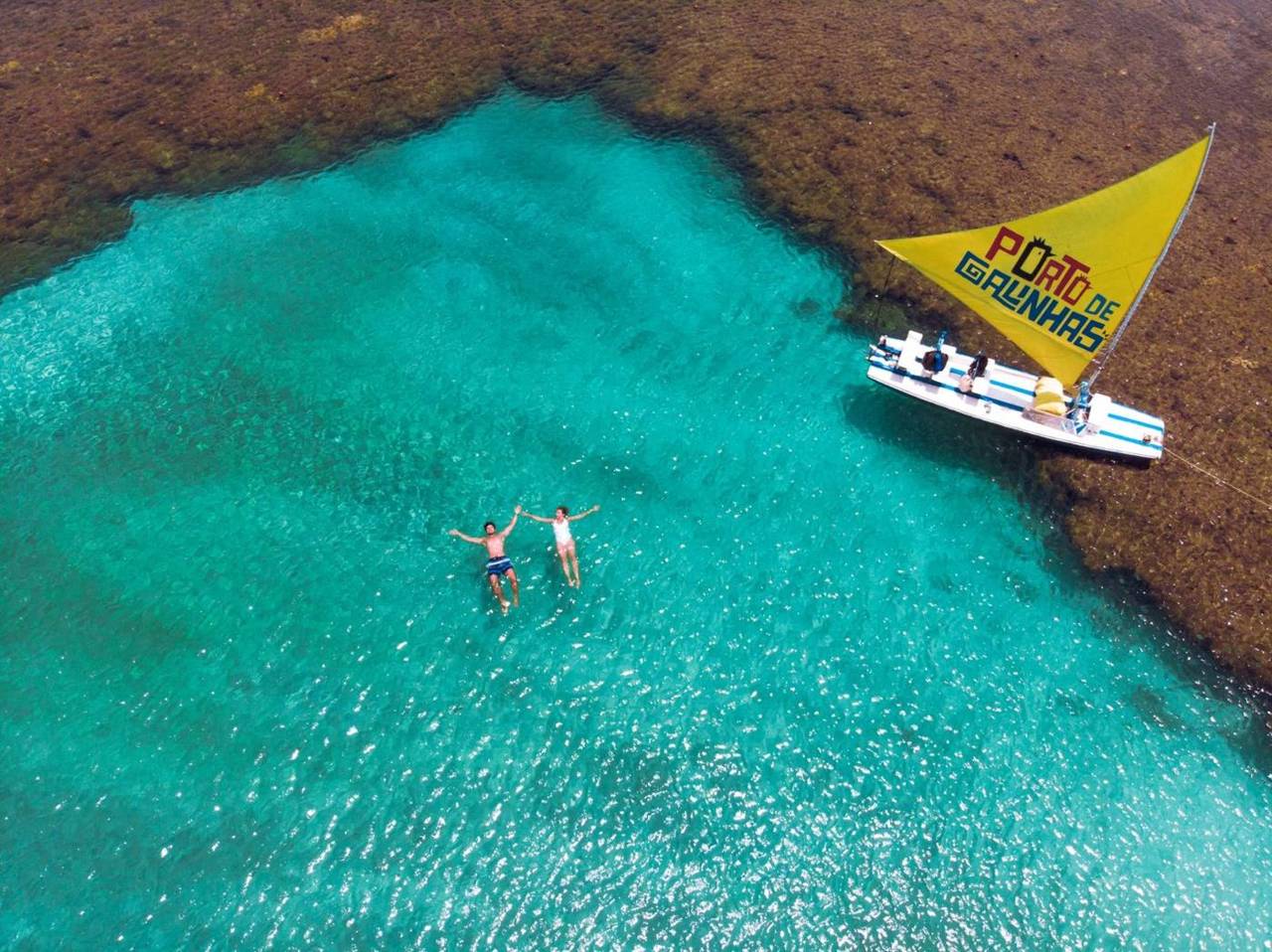
The colonial north-east and the natural pools: Olinda with its baroque churches on the hill, Recife and its bridges, Porto de Galinhas, Maragogi and São Miguel dos Milagres, where at low tide you swim among corals and fish in shallow, clear water.
- Recife
- Olinda
- Porto de Galinhas
- Maragogi
- São Miguel dos Milagres
Day by day
- Day 1
Olinda: churches, studios and the view of Recife
This trip takes you to north east Brazil, in the states of Pernambuco and Alagoas: two historic cities, Recife and Olinda, and then a long coast of white sand and palm trees, protected by coral reefs that at low tide form natural pools of warm, clear water. Over seven days you alternate history, popular culture and the sea.
You arrive at Recife airport, with flights from Brazil's major cities and some direct flights from Europe. Italian citizens do not need a visa for a tourist trip to Brazil; check the rules for your nationality.
On the first day go up to Olinda, a few kilometres from Recife, one of Brazil's best preserved colonial towns and a UNESCO World Heritage Site. Founded by the Portuguese in the sixteenth century on hills above the sea, it was burned by the Dutch in 1631 and then rebuilt. Its steep streets are lined with colourful houses, convents and baroque churches with gilded interiors and azulejos, blue and white painted tiles.
Olinda is also a town of artists: along the streets are many studios of painters, sculptors and craftspeople working in wood, ceramics and papier mâché. This is where the bonecos gigantes are made, the huge puppets that parade during carnival.
In the afternoon climb to the Alto da Sé, the highest square, with the cathedral and a wide view over the sea and Recife's skyscrapers. At sunset the square fills with stalls selling tapioca, a kind of cassava crêpe.
Spend the night in Olinda.
Practical tip: the United States has Brazil at level 2. In Olinda and Recife do not walk alone in empty streets, especially in the evening, and use taxis ordered through an app.
- Day 2
Recife Antigo and the first synagogue in the Americas
Today you explore Recife, the capital of Pernambuco, built on islands and peninsulas between the Capibaribe and Beberibe rivers and the sea, linked by many bridges. That is why it is sometimes called the Brazilian Venice.
In the morning go to Recife Antigo, the oldest district, on an island near the port. In the seventeenth century, under Dutch rule, many Jews from Holland and Portugal lived here. In one street stands Kahal Zur Israel, considered the first synagogue in the Americas, founded around 1636. When the Portuguese retook the city, the Jews had to leave: some reached New Amsterdam, today's New York, where they founded the first Jewish community in North America. Today the building is a museum.
The district also has Rua do Bom Jesus, with colourful houses, and a centre devoted to frevo, the music and dance of Recife's carnival, listed by UNESCO as intangible heritage.
In the afternoon cross the river and visit the ceramics workshop of a famous sculptor, in an old industrial building in the forest, with gardens full of large sculptures. Or visit the São José market, with crafts, spices and food.
In the evening have dinner with Pernambuco dishes such as carne de sol com macaxeira, salted meat with cassava, and bolo de rolo, a very thin rolled cake.
Spend the night in Olinda or Recife.
Practical tip: along some of Recife's beaches, such as Boa Viagem, signs prohibit swimming because of the risk of sharks. Respect the bans: there have been incidents in recent decades.
- Day 3
Porto de Galinhas and the natural pools by jangada
Today you head south along the coast to Porto de Galinhas, about an hour by road from Recife. It is one of Brazil's best known beach resorts, with pale sand, coconut palms and a sea that is warm all year.
Its special feature is the natural pools: in front of the beach a coral and sandstone reef emerges at low tide and forms pools of shallow, calm, clear water full of colourful fish. You reach them by jangada, the traditional wooden sailing raft of north east Brazil's fishermen, leaving from the village beach.
In a few minutes you reach the reef. Here you get into the water and swim among the fish with mask and snorkel. The pools are only visible at low tide: times change every day.
In the afternoon walk around the village, with shops, bars and colourful hen statues everywhere. The village's name comes from a story from the past: it is said that after the slave trade was banned, traffickers used the word hens as a secret code for slaves brought in illegally.
In the evening have dinner with fish and seafood.
Spend the night in Porto de Galinhas.
Practical tip: check the tide table every day. The best times are the lowest tides around the new and full moon. Do not walk on the coral and do not feed the fish.
- Day 4
Muro Alto and the beaches around Porto de Galinhas
Today is devoted to the beaches around Porto de Galinhas.
In the morning go to Muro Alto, north of the village, a long beach protected by a rock reef some way offshore, which creates a lagoon of calm water like a huge swimming pool. It is ideal for swimming gently and trying a kayak or stand up paddleboard.
In the afternoon head south to Maracaípe beach, known for its waves and surfing. Here the Maracaípe river meets the sea among mangroves. In a small boat or kayak you go up the river through the mangroves to a small project devoted to seahorses, which live in the brackish water. Guides show the seahorses in a clear jar for a few minutes and then return them to the water.
Towards evening, on the point between the river and the sea, watch the sunset over the estuary, one of the finest in the area.
In the evening return to Porto de Galinhas.
Spend the night in Porto de Galinhas.
Practical tip: currents are strong at Maracaípe: swim only where you are told it is safe. For the seahorses choose a guide who treats them with respect and does not keep them out of the water for long. Throughout the area always carry high factor sunscreen, a hat and plenty of water: the north eastern sun is very strong, even when it is windy.
- Day 5
Maragogi and the galés by boat
Today you continue south, crossing from Pernambuco into Alagoas, to Maragogi, about two hours by road from Porto de Galinhas. The coast road runs through sugar cane plantations and palm groves.
Maragogi is famous for its galés, large coral formations a few kilometres offshore in the open sea. At low tide the water over the coral becomes very shallow, clear and turquoise, forming natural pools where you snorkel among tropical fish. That is why Maragogi is sometimes called the Brazilian Caribbean.
You reach the galés by boat, on organised trips that leave the beach in the morning according to the tide. The galés are part of a protected marine area, the Coral Coast, one of the largest in Brazil, with strict rules: visitor numbers are limited, you may not walk on the coral and you need a ticket.
In the afternoon relax on Maragogi's wide, calm beaches, or go to nearby Antunes beach, with palm trees and shallow water.
In the evening have dinner by the sea.
Spend the night in Maragogi.
Practical tip: book your galés trip the day before and check the low tide time. Trips are cancelled in rough seas. Use a reef safe sunscreen and do not touch anything underwater.
- Day 6
São Miguel dos Milagres and the manatees of Porto de Pedras
Today you continue south along the Rota Ecológica, a quiet coastal road linking small fishing villages between Porto de Pedras and São Miguel dos Milagres, less than an hour from Maragogi. There are no big hotels here, just small pousadas, the Brazilian word for guesthouses, among palms and almost deserted beaches.
In the morning go to Porto de Pedras, home to a project protecting the West Indian manatee, called peixe-boi in Brazil, a large plant eating mammal that lives in rivers and along the coast. The north eastern manatee is endangered. In the project injured or orphaned animals are cared for and then released into the Tatuamunha river.
You go up the river on a small rowed raft, through the mangroves, in silence, to see the manatees in a protected area. The animals surface to breathe and sometimes come close to the boat.
In the afternoon relax on the beaches of São Miguel dos Milagres, with shallow, calm water and natural pools near the shore at low tide.
Spend the night in São Miguel dos Milagres.
Practical tip: manatee trips depend on the tide and limited visitor numbers. Book ahead and check the times. Do not touch the animals and do not use flash.
- Day 7
A last swim on the Coral Coast and the journey home
On the last day enjoy the morning by the sea. At low tide many beaches around São Miguel dos Milagres and nearby villages such as Patacho and Lage form natural pools close to the shore, where you can wade in shallow water and look at fish and starfish.
Alternatively, cycle along the Rota Ecológica among palms and villages, or visit the small centre of Porto de Pedras, with its lighthouse on a hill and a wide view over the coast.
In the afternoon leave for the airport. You have two options.
The first is to return to Recife, about two and a half to three hours north by road.
The second is to go to Maceió, the capital of Alagoas, about an hour and a half south, with an airport linked to Brazil's main cities. It is often the easier choice from Milagres, as the road is shorter and less busy. If you have time before your flight, walk along Maceió's seafront, with beaches, palms and green and blue water.
Practical tip: allow plenty of time to reach the airport, as coastal roads are slow and pass through many villages. Domestic flights in Brazil often change times: keep at least one day of margin before your flight to Europe.
Warm sea all year, but the natural pools only appear at low tide: check the tables before booking boats. At Maragogi access to the pools is limited and a fee is charged. In Recife and Olinda watch out for theft, especially at night and on city beaches. There have been shark attacks at Boa Viagem: follow the signs.
Before you go
- Documents and visa
- Valid passport; no visa for tourism up to 90 days for EU citizens.
- Health and vaccines
- No compulsory vaccines arriving from Europe; yellow fever is recommended for the Amazon and some inland areas. Protect yourself against mosquitoes because of dengue. Emergencies: 190 police, 192 ambulance, 193 fire.
- Money and payments
- Brazilian real. Cards and instant payments are everywhere; carry little cash.
- Power sockets
- Type N, plus C, 127 or 220 volts depending on the city: check the voltage before plugging in devices.
- Time zone
- Rio and São Paulo are UTC-3 all year: Brazil does not use daylight saving time.
- Safety
- The United States rates Brazil level 2 for crime, with level 4 within 160 km of land borders (except Foz do Iguaçu and the Pantanal). No favelas without a community guide. Official advice: GOV.UK.
Information checked in November 2026 for Italian and EU citizens. Rules change: always check before you travel.
Variations
In 4 days: Olinda, Recife and Porto de Galinhas.
In 10 days: add Fernando de Noronha, flying from Recife, with its beaches and dolphins.
Frequently asked questions
When is the best time to go?
September to March, the driest and sunniest season. From April to July it rains more.
Is the sea suitable for children?
Yes, the natural pools and the lagoons of Muro Alto and Milagres have shallow, calm water. Always respect the swimming bans in Recife.
Do I need a car?
It is convenient for the coast, but you can also use private transfers and buses. Roads are slow.
Indicative itinerary written by World Atlas. Before booking, check timetables, seasonal openings, documents and safety.
 6 daysEasy
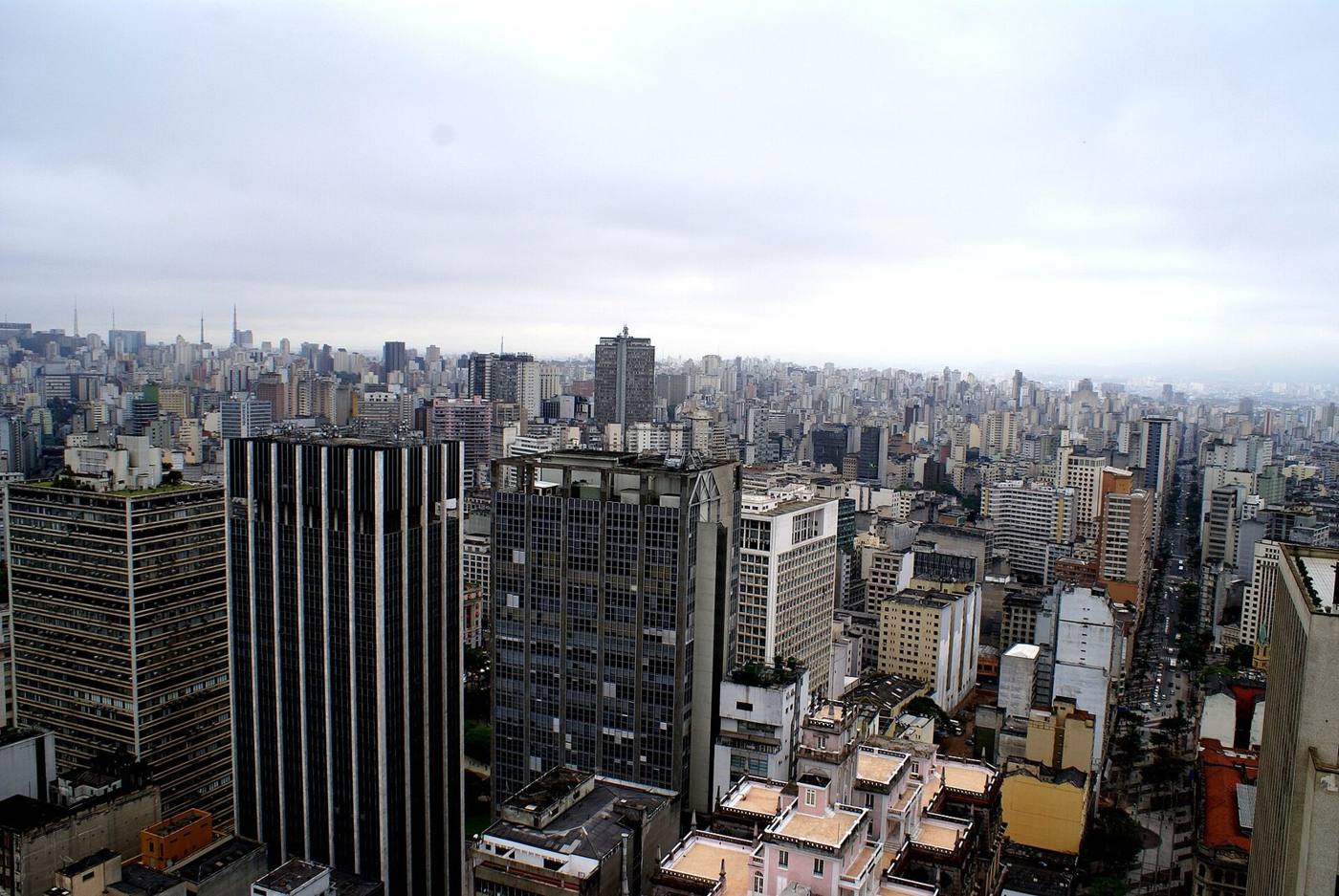
São Paulo and the coast of Ilhabela and Ubatuba
South America's largest metropolis with its museums, markets and food from every corner of the world, then the Costa Verde: Ilhabela island with waterfalls in the Atlantic forest and the beaches of Ubatuba.
 7 daysModerate
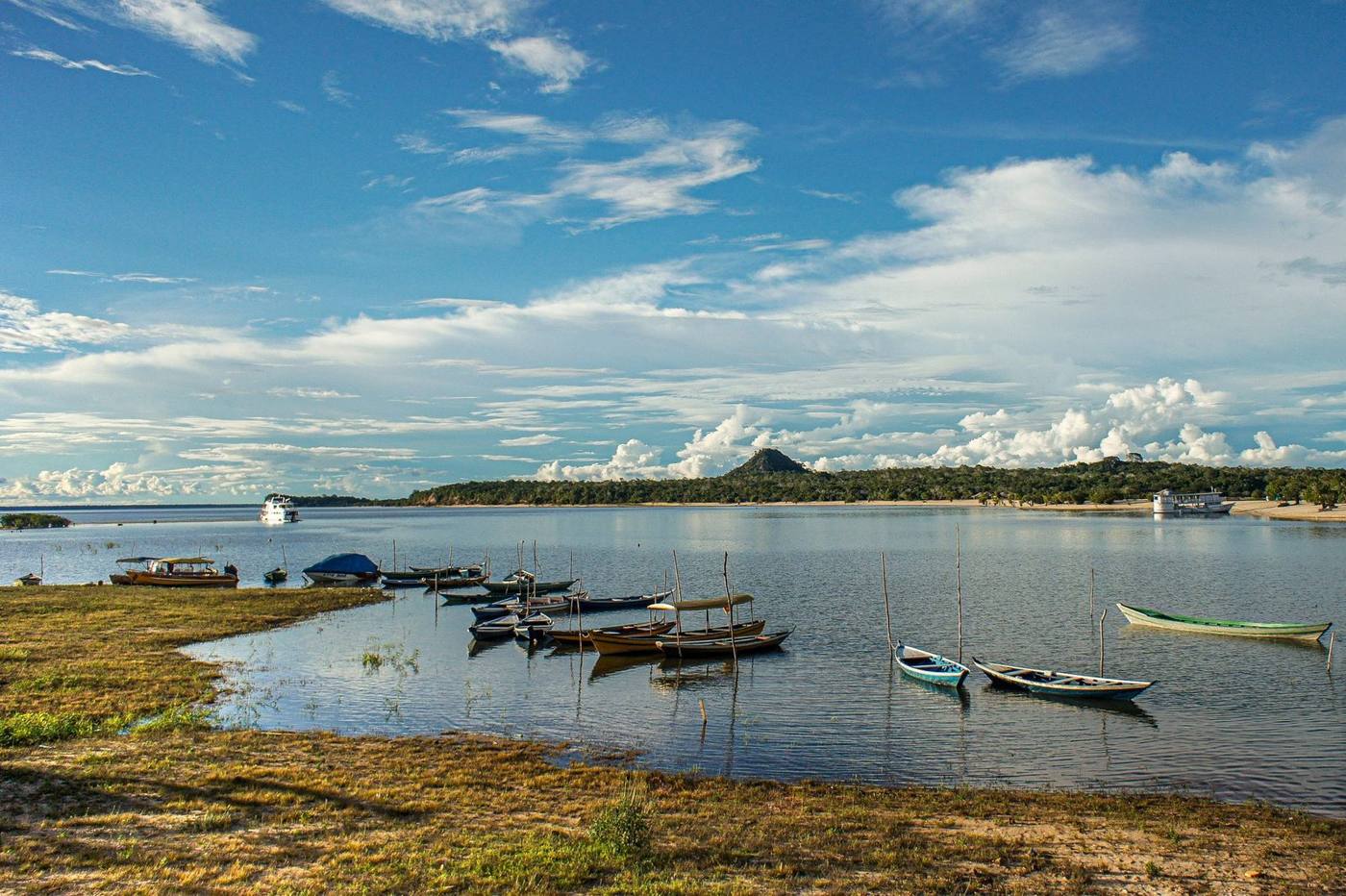
Belém, Marajó and Alter do Chão
The eastern Amazon, along the great river: the Ver-o-Peso market in Belém, Marajó island with its buffaloes and ranches, and Alter do Chão on the Tapajós river, with white-sand freshwater beaches and the Tapajós National Forest.
 8 daysEasy
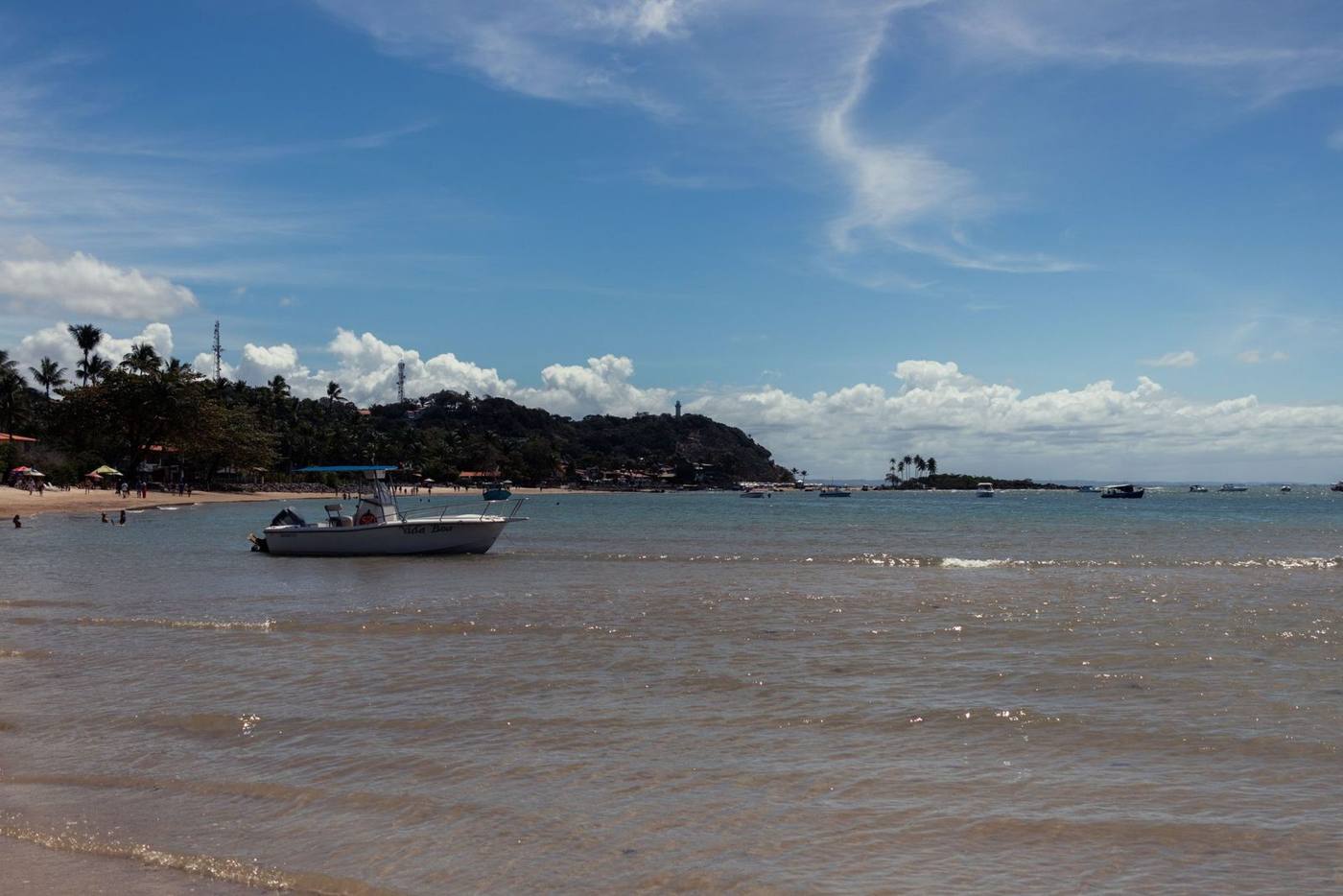
Southern Bahia: Morro de São Paulo, Boipeba and Itacaré
The islands and beaches south of Salvador: Morro closed to cars de São Paulo, Boipeba with its fishing villages and natural pools, the Maraú peninsula and Itacaré, between Atlantic forest, surf waves and cocoa.