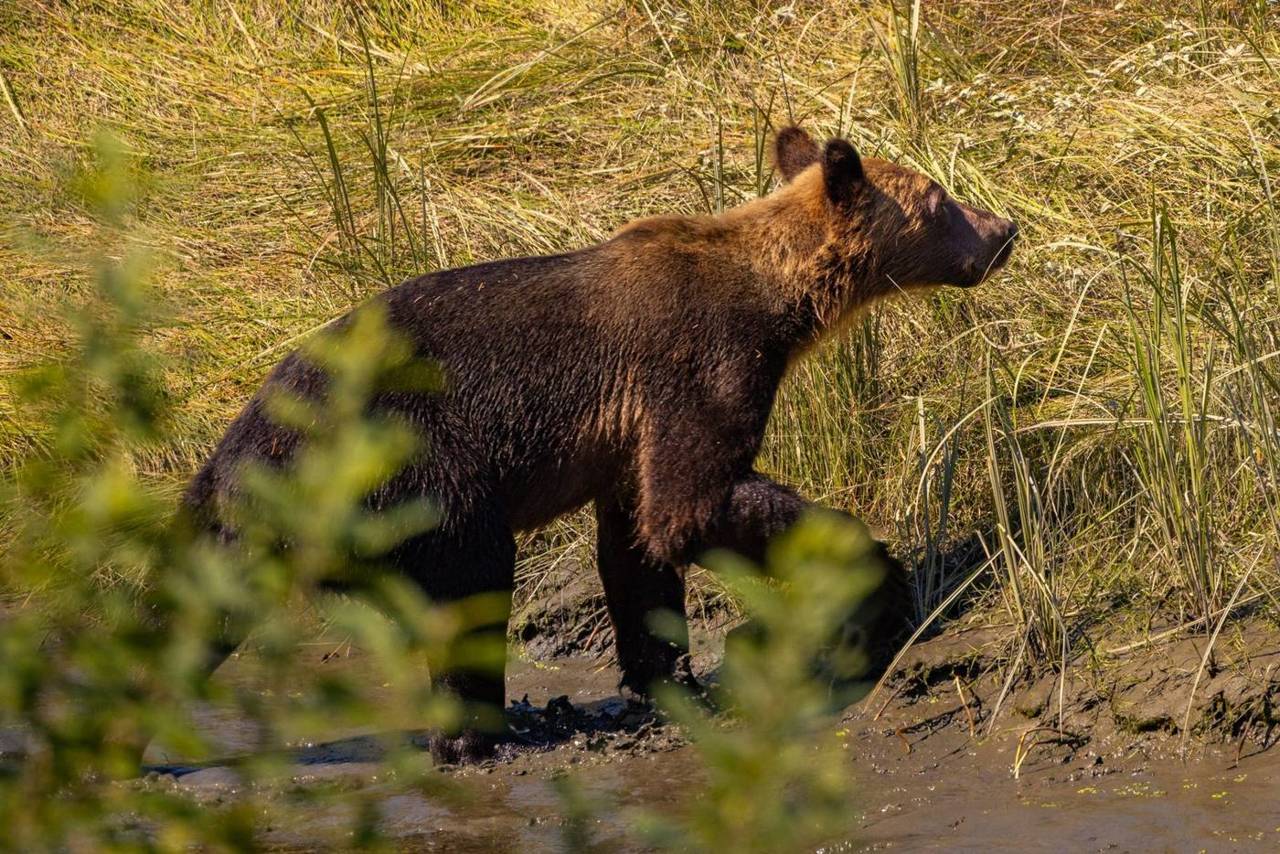
Grizzlies of the Great Bear Rainforest
The world's largest temperate rainforest, on the British Columbia coast: grizzlies fishing for salmon in the rivers, with luck the white spirit bear, fjords, orcas and humpbacks, staying in lodges reached only by floatplane or boat.
- Vancouver
- Port Hardy
- Bella Bella
- Great Bear Rainforest
- Klemtu
Day by day
- Day 1
Vancouver and the flight to the central coast
The Great Bear Rainforest stretches along the central and northern coast of British Columbia, in western Canada, between the Pacific and the coastal mountains. It is one of the largest temperate rainforests left in the world, with western red cedars and Sitka spruces tens of metres tall and centuries old, deep fjords, islands and rivers full of salmon. It is the land of many Indigenous nations, such as the Heiltsuk, Kitasoo/Xai'xais, Gitga'at and Nuxalk, who after years of struggle secured an agreement in 2016 protecting much of the forest. Grizzlies, black bears, coastal wolves and the rare spirit bear, a black bear with a white coat, live here. For six days you stay at a lodge in the forest, with outings by boat and on foot.
You reach Vancouver with direct flights from Europe. From Vancouver you take a small plane or a floatplane to the central coast, for example to Bella Bella, Klemtu or Bella Coola, depending on the lodge, in about an hour and a half to two hours. The flight over snowy mountains, glaciers and fjords is already a spectacle.
In the afternoon you reach the lodge, often floating or built on the shore of a fjord, accessible only by boat or floatplane. The guides explain the rules for being in bear country and the programme for the following days.
In the evening, have dinner overlooking the fjord and, if you are lucky, watch the first bald eagles in the trees.
In the evening, sleep at the lodge.
Practical tip: to fly to Canada, Italian citizens need the eTA electronic authorisation, which costs 7 Canadian dollars and is requested online before departure.
- Day 2
By boat through the estuaries among the grizzlies
Early in the morning, at low tide, board the boat with the guides and sail to a river estuary, where fresh water meets the sea and sedge and grass meadows grow. In spring and early summer the grizzlies come down from the mountains to feed here, eating protein-rich sedges, digging up roots and, at low tide, turning over stones on the shore to look for crabs and shellfish.
The guides switch off the engine and let the boat drift close to the shore, at a distance that is safe for both bears and people. You watch mothers with cubs, young males playing and the largest bears, which can weigh more than three hundred kilos. The silence of the estuary, broken only by the sound of water and birds, makes the experience very intense.
In the afternoon, after lunch at the lodge, take another boat trip along the coast among the islands to see seals, sea otters floating on their backs among the kelp, bald eagles and seabirds. Sea otters had almost disappeared from this coast because of the fur trade and have returned thanks to protection.
In the evening, at the lodge, the guides tell the story of the forest and its protection.
In the evening, sleep at the lodge.
Practical tip: in bear country always follow the guides' instructions, stay in a group, speak quietly and never carry food on shore outings.
- Day 3
On foot along the salmon rivers with Indigenous guides
Today you head out on foot into the forest with guides from the Indigenous nation of the territory, who have known this land for thousands of years. Many lodges in the region are run by communities or in partnership with them, and part of the income goes to protecting the forest and the culture.
In the morning, walk a trail through the rainforest, among giant red cedars, spruces, thick mosses covering fallen trunks, ferns and fungi. Some cedars still bear the marks of cuts made centuries ago by Indigenous peoples to take bark or wood for canoes without felling the tree: they are called culturally modified trees.
Then you reach a river where, from late summer to autumn, salmon swim upstream to spawn. Bears gather at the edges of waterfalls and in pools to catch them. From viewing platforms built along the river, you watch the bears fishing, sometimes just a few metres away.
Salmon are the heart of this environment: bears drag their remains into the forest, where they feed the trees, insects and birds.
In the afternoon, if the lodge is near a village, visit the community's big house or cultural centre, with carved poles and masks, and listen to the stories and songs.
In the evening, sleep at the lodge.
Practical tip: in Indigenous territories always ask permission before photographing people and ceremonial places, and follow the community's rules.
- Day 4
In search of the spirit bear
The spirit bear, or Kermode bear, called moksgm'ol in the Tsimshian language, is a black bear with a white or cream coat, caused by a rare gene. It lives almost only on some islands of the central coast, such as Princess Royal and Gribbell, where about one black bear in ten, or more on some islands, is born white. For the Indigenous nations of the area it is a sacred animal, and for centuries they kept its secret, never mentioning it to the fur traders.
Today you go out with the guides in search of the spirit bear, by boat along the fjords and then on foot along a salmon river, where you sit in silence and wait. The best time to see it is from late August to October, when the bears fish for salmon. A sighting is not guaranteed: sometimes you wait for hours without seeing it, but when the white bear steps out of the forest and walks over the river rocks, it is a moment no one forgets.
In the same area you also often see ordinary black bears, coastal wolves, which swim between islands and catch salmon, and eagles.
In the afternoon, return to the lodge by boat along the fjords, past waterfalls pouring down rock walls and forest-covered mountains.
In the evening, sleep at the lodge.
Practical tip: the rainforest gets a great deal of rain even in summer. Bring a waterproof jacket and trousers, rubber boots or waterproof shoes and layered clothing: the lodge often provides boots.
- Day 5
Orcas and whales in the fjords
Today is devoted to the sea. In the morning, go out by boat into the channels and fjords of the coast, home to many marine mammals.
Humpback whales come here in summer and autumn to feed on herring and krill, and sometimes you see their most spectacular hunting technique, bubble-net feeding: a group of whales swims in a circle under a school of fish blowing air bubbles, then rises together to the surface with mouths open. You also see whales leaping out of the water or slapping their tails and fins.
With some luck you meet orcas, both fish-eating ones and those that hunt seals and other mammals, moving in family groups along the channels. There are also Pacific white-sided dolphins, porpoises and Steller sea lions on the rocks.
Some lodges have a hydrophone, an underwater microphone, to listen to whale songs and orca calls.
In the afternoon, if the sea is calm, paddle a kayak along the fjord shore near the lodge, among kelp and colourful sea stars.
The last evening at the lodge is a good time to thank the guides and hear the last stories.
In the evening, sleep at the lodge.
Practical tip: boats respect the minimum distances from whales and orcas set by Canadian rules. Do not ask your guide to get closer.
- Day 6
Back to Vancouver
On your last morning, depending on your flight time, take a final short boat trip at dawn or a walk in the forest near the lodge, watching the fjord in the morning light, with mist rising among the trees.
Then take the floatplane or small plane back to Vancouver, in about an hour and a half to two hours, with a last view from above of the forest, glaciers and islands.
In the afternoon in Vancouver, if you have time, walk in Stanley Park, a large park on the peninsula in front of the city, with forest, a seaside promenade and totem poles of the coastal nations. Or visit the Museum of Anthropology at the University of British Columbia, with the most important collection of Northwest Coast Indigenous art, with carved poles, canoes and sculptures by Bill Reid.
In the evening, sleep in Vancouver, or take your flight home.
This trip combines well with Vancouver Island, Tofino and its wild coast, or with Haida Gwaii, the archipelago of the Haida people further north, or with the Rocky Mountains of Banff and Jasper.
Practical tip: flights between Vancouver and the central coast depend heavily on the weather, with frequent fog and rain. Leave a day's margin before your international flight.
One of the world's best bear safaris, but very expensive and to be booked well in advance: lodges have few places. Grizzlies are seen mainly during the salmon run, from late August to October. Guides are often from the coastal Nations: their rules on distances and sacred places must be respected. Frequent rain. In summer wildfire smoke can cover the sky and close roads or trails: check the provincial advisories. To fly in, European citizens must apply for an eTA (7 Canadian dollars) only on the official Government of Canada website.
Before you go
- Documents and visa
- Passport valid for the whole stay. Anyone flying in needs an eTA, applied for online on the official Canadian government website: it costs 7 Canadian dollars.
- Health and vaccines
- No compulsory vaccines. Medical care is very expensive for visitors: health insurance is essential. Emergencies: 911.
- Money and payments
- Canadian dollar. Cards are accepted almost everywhere; tips of 15 to 20% are customary in restaurants.
- Power sockets
- Types A and B, 120 volts: you need an adapter and devices must accept 120 volts.
- Time zone
- Montreal and Quebec City are UTC-5, Calgary and Banff UTC-7, Vancouver UTC-8, all with daylight saving time in summer.
- Safety
- A very safe country. In summer wildfires can close roads and parks and bring smoke: check local alerts. Official advice: GOV.UK.
Information checked in November 2026 for Italian and EU citizens. Rules change: always check before you travel.
Variations
In 4 days: two full days at the lodge, with bears and estuaries.
In 10 days: add Vancouver Island and Tofino, or Haida Gwaii.
Frequently asked questions
When is the best time to go?
May to June for grizzlies in the estuaries; late August to October for bears fishing for salmon and for the spirit bear. Whales are seen mainly from July to October.
Is seeing the spirit bear guaranteed?
No: it is a rare wild animal that lives on only a few islands. With the right guides the chances are good in autumn, but there is no guarantee.
What documents do I need?
A passport and the eTA electronic authorisation, which costs 7 Canadian dollars and is requested online before the flight.
Indicative itinerary written by World Atlas. Before booking, check timetables, seasonal openings, documents and safety.
 7 daysEasy
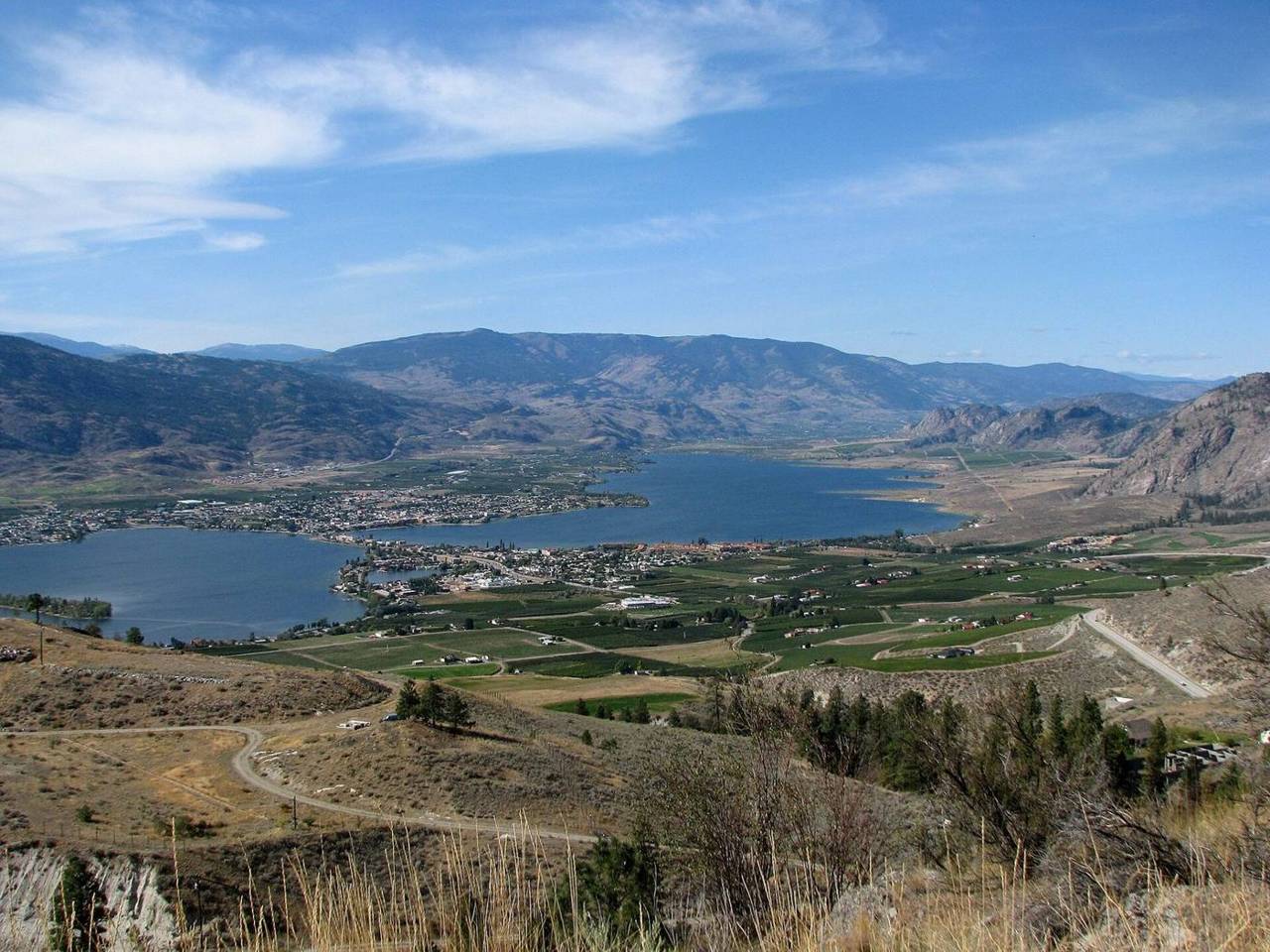
Okanagan and Kootenay: wines, lakes and hot springs
Interior British Columbia: the Okanagan valley with wineries on the hills above the lake, the town of Nelson in the Selkirk mountains, the Ainsworth hot springs in a cave, the old mining towns of Kaslo and New Denver and Kootenay Lake.
 10 daysChallenging
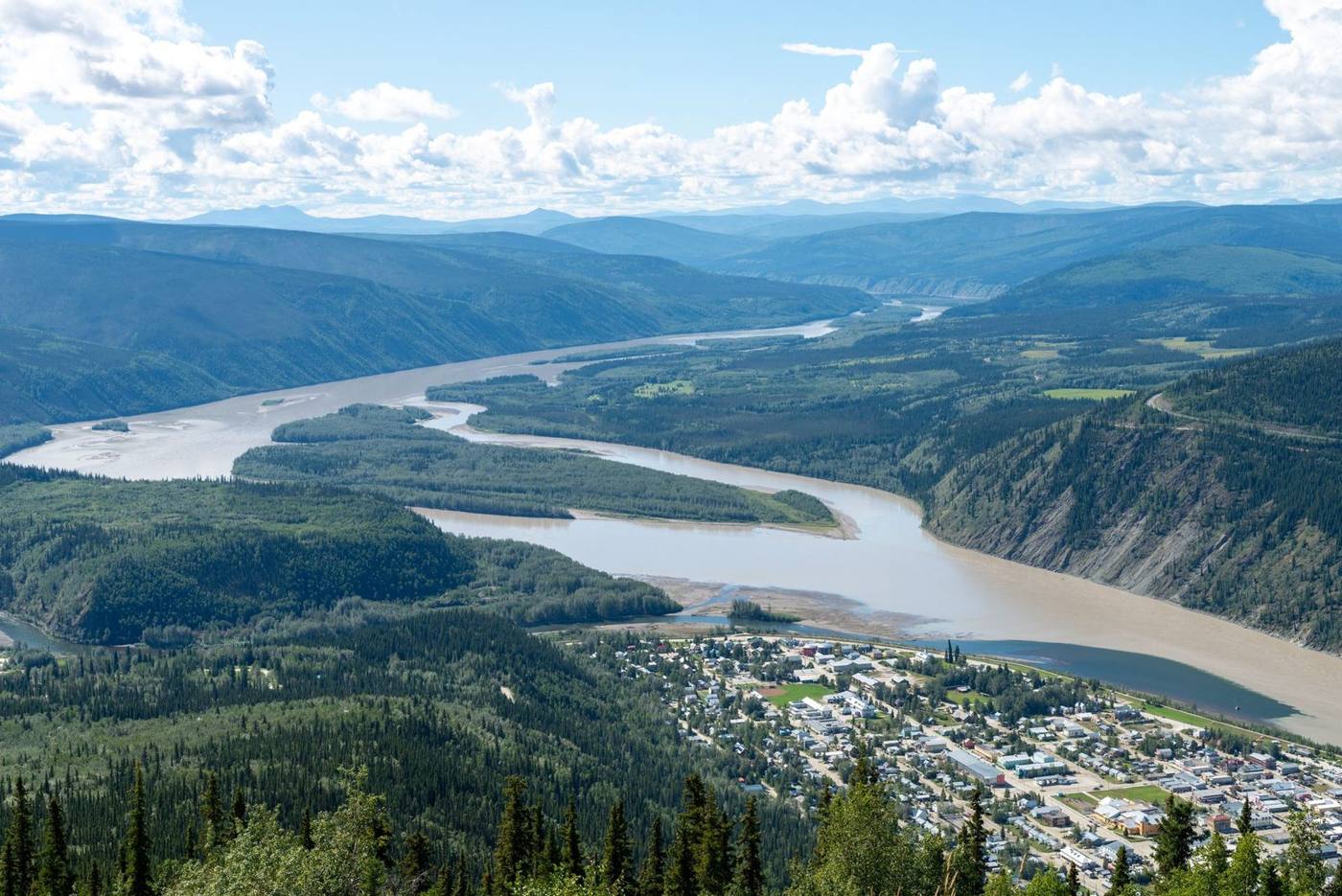
Dawson City and the Dempster to the Arctic Ocean
Canada's northernmost road: Dawson City and the Klondike gold rush, then more than 900 km of gravel through Tombstone park, across the Arctic Circle and the Richardson Mountains to Inuvik and Tuktoyaktuk, on the shore of the Arctic Ocean.
 6 daysEasy
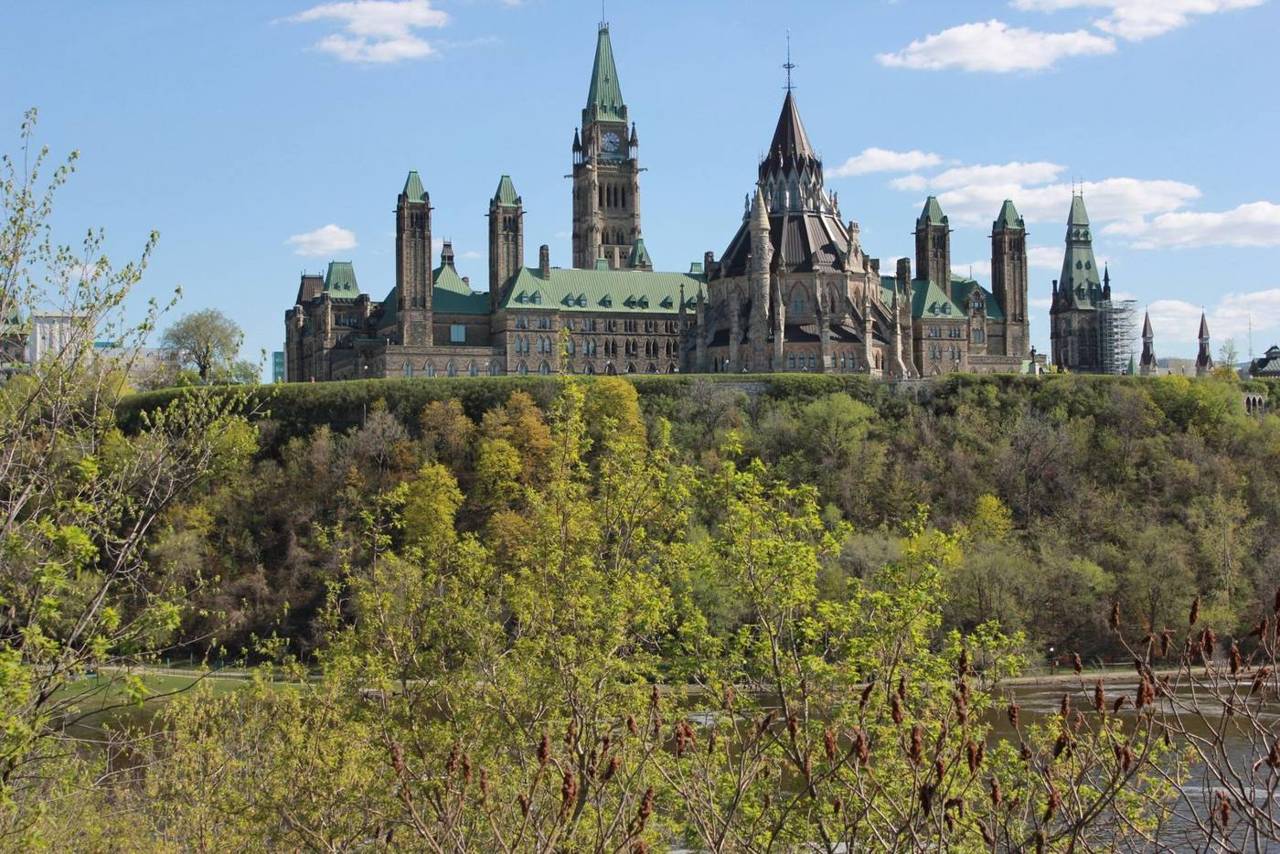
Ottawa, the Thousand Islands and Prince Edward County
The capital with Parliament Hill and the great national museums, the UNESCO-listed Rideau Canal, Kingston and its fort, a cruise among the Thousand Islands of the St Lawrence and the wineries and sand dunes of Prince Edward County.