The quieter Rockies: Yoho, Kootenay and Waterton
The Rockies away from the crowds of Banff and Lake Louise: Yoho's Emerald Lake and Takakkaw Falls, Kootenay's canyons and paint pots, the Radium hot springs and Waterton Lakes, where the prairies meet the mountains on the Montana border.
- Calgary
- Yoho
- Field
- Kootenay
- Radium Hot Springs
- Waterton Lakes
- Calgary
Day by day
- Day 1
From Calgary to Yoho: Emerald Lake
This trip takes you into the Canadian Rockies, but away from the busiest places at Banff and Lake Louise. You visit three lesser known and very beautiful national parks: Yoho, with emerald lakes and towering waterfalls; Kootenay, with narrow canyons and hot springs; and Waterton, in the far south, where the mountains meet the prairie.
You arrive at Calgary airport, with flights from many European cities, often with a connection. Italian and most European citizens flying to Canada need an eTA, an electronic travel authorization that costs 7 Canadian dollars and is requested online.
From Calgary drive west on the Trans Canada Highway, through foothills and then mountains, to Yoho National Park, about two and a half to three hours away. Yoho is a Cree word expressing awe.
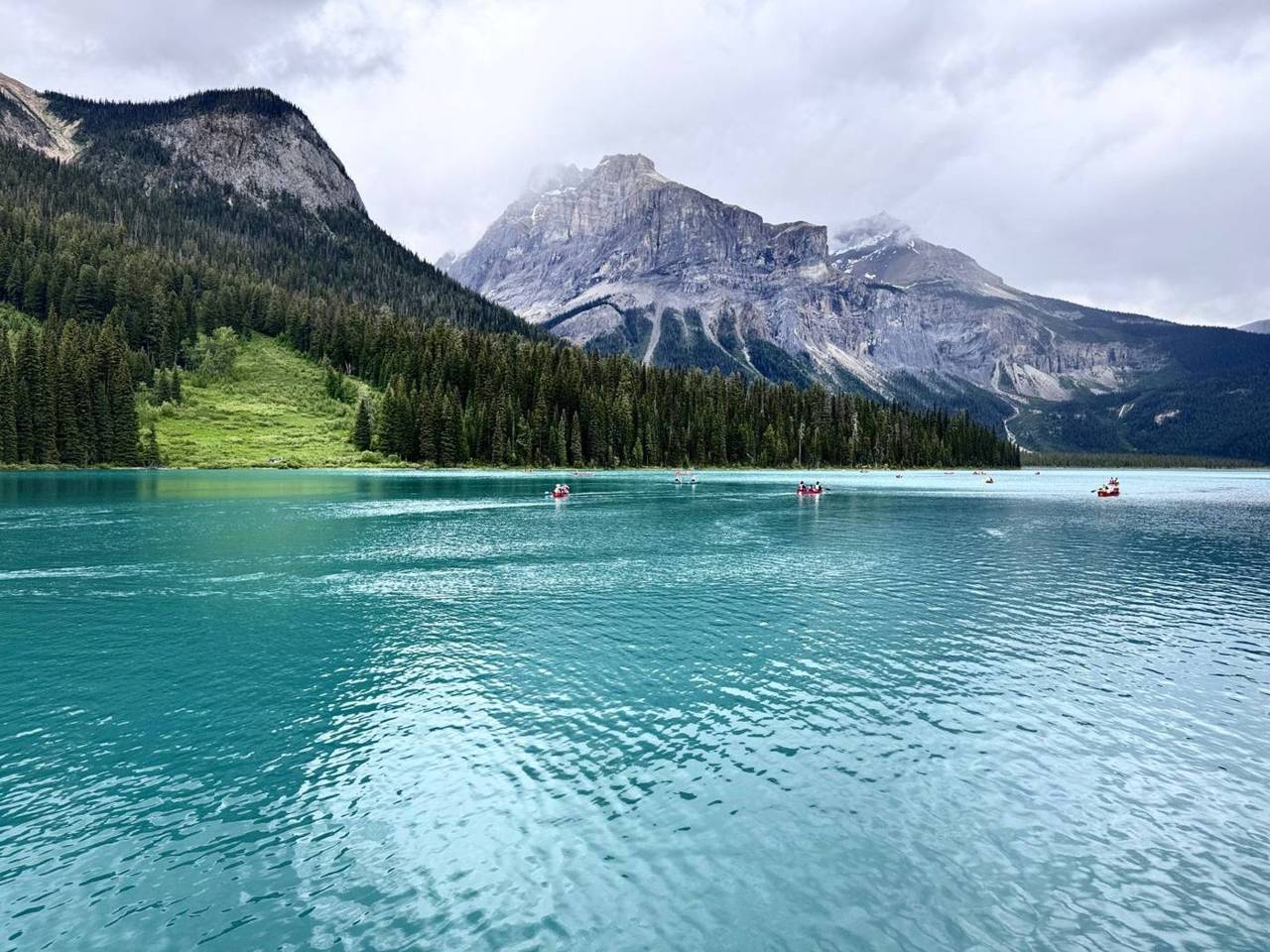
In the afternoon go to Emerald Lake, the park's largest lake, surrounded by mountains and forest. The water is an intense green, coloured by rock flour carried by glaciers. An easy trail circles the lake in about an hour, through woods, meadows and a small river delta. You can also hire canoes.
On the way to the lake, stop at the Natural Bridge, a rock arch carved by the Kicking Horse river, which rushes beneath it.
Spend the night in Field, the small village at the heart of the park, or in Golden, further west.
Practical tip: in Canadian national parks you pay a daily entry or an annual pass: check the fees on the Parks Canada website. Grizzly and black bears live in the Rockies: carry bear spray and learn how to use it.
- Day 2
Yoho: Takakkaw Falls and the Spiral Tunnels
Today explore the Yoho valley north of Field, on a narrow road full of hairpins.
Along the road is a viewpoint over the Spiral Tunnels, two railway tunnels built in the early twentieth century inside the mountains in a figure of eight, to reduce the gradient of the transcontinental railway. If a long freight train passes, you see its front emerge from one tunnel while its tail is still going in.
At the end of the valley you reach Takakkaw Falls, among the highest in Canada. Glacier water drops from a rock wall in a very high leap, roaring and throwing up clouds of spray. A short path leads to the foot of the falls.
In the afternoon, if you are fit, take one of the valley walks, such as the trail to Yoho Lake or the walk to Laughing Falls through the forest.
Yoho is also famous for the Burgess Shale, a rock area in the mountains where very well preserved fossils of marine animals more than five hundred million years old have been found. The site is a UNESCO World Heritage Site and can only be visited on long, demanding guided hikes that must be booked well in advance.
In the evening return to Field.
Spend the night in Field or Golden.
Practical tip: the Yoho valley road is usually open only from late June to October because of snow. Very long vehicles cannot use it because of the tight hairpins. Check the opening dates.
- Day 3
Lake O'Hara by limited seat bus
Today, if you have secured a seat, go up to Lake O'Hara, one of the most beautiful places in the whole Rockies. The lake sits in a high basin surrounded by mountains, glaciers, small lakes and flower meadows.
To protect the environment, the road to the lake is closed to private cars. You get there on a park bus with very limited seats, booked through a random draw many months ahead, or on foot along the same road, about eleven kilometres.
At the lake, walk one of the trails around it. The lakeshore circuit is easy and beautiful. More demanding but spectacular are the trails up to Lake Oesa, with a string of small lakes one above the other, or to the Opabin Plateau, a high plateau of small lakes and larches that turn golden in autumn. The views of Lake O'Hara from above, with its turquoise water and mountains, are famous.
In the late afternoon return on the last bus.
If you did not get a seat, spend the day in other parts of Yoho, such as Sherbrooke Lake or the Paget trail, or go to see Lake Louise and Moraine Lake in nearby Banff, knowing they are very crowded.
Spend the night in Field or Golden.
Practical tip: check the Lake O'Hara bus draw dates on the Parks Canada website. Bring warm, waterproof clothes: at altitude the weather changes quickly, even in summer.
- Day 4
Kootenay: Marble Canyon, the Paint Pots and Radium Hot Springs
Today you move into Kootenay National Park, south of Yoho, following a road that runs south through mountains and forest. A single road crosses the park, with short and very beautiful stops along it.
The first stop is Marble Canyon, a narrow, deep gorge cut by Tokumm Creek into limestone. A short trail follows the canyon rim and crosses several footbridges over the gorge, with blue water flowing tens of metres below. At the end a waterfall plunges into a crack.
A little further south are the Paint Pots, small pools of iron rich water that have stained the ground red, orange and yellow. The Ktunaxa and other Indigenous peoples gathered ochre here for painting and ceremonies. An easy trail crosses a suspension bridge over the river to the pools.
In many parts of the park you see the marks of large fires in recent decades, with burned trees and young forest growing back.
In the afternoon descend to the village of Radium Hot Springs, at the park exit. Here are the hot springs run by the park, with a large outdoor pool at the foot of a red rock wall. It is the best way to relax after days of walking. Around the village you often see bighorn sheep along the road.
Spend the night in Radium Hot Springs.
Practical tip: check the hot springs' opening hours and fees.
- Day 5
To Waterton Lakes, where the mountains meet the prairie
Today is a travel day south to Waterton Lakes National Park, in the south west corner of Alberta, on the US border. The route is long, about five hours by road, through the Columbia valley, Crowsnest Pass and the hills of southern Alberta.
At Crowsnest Pass stop to see the Frank Slide, a gigantic rock avalanche that in 1903 broke off a mountain and buried part of the mining town of Frank in minutes. The visitor centre tells the story of the disaster and of the miners' lives.
In the afternoon you reach Waterton. The landscape is unusual: the mountains rise abruptly from the prairie, with no foothills between. Together with Glacier National Park in the United States, the park forms the world's first international peace park, a UNESCO World Heritage Site.
Waterton village lies on the shore of Upper Waterton Lake, long and deep, which continues into the United States. On a hill above the lake stands a large historic wooden hotel, built in the 1920s, the park's symbol, with a superb view of the lake and mountains.
In the village deer wander calmly among the houses and gardens.
Spend the night in Waterton.
Practical tip: in 2017 a large wildfire burned much of the park. Some trails and roads have reopened in the following years: check which are open. In Waterton the wind is often very strong.
- Day 6
Waterton: Bear's Hump, Cameron Lake and the bison
Early in the morning climb Bear's Hump, a rocky hill above the village. The trail is short but steep, about half an hour up. From the top the view is among the finest in the park: Upper Waterton Lake stretching south between the mountains, the village, the historic hotel on its hill and the prairie to the east.
Then drive the Akamina Parkway to Cameron Lake, a mountain lake below steep walls, its southern end already in the United States. You can hire canoes and walk along the shore. Sometimes grizzly bears are seen feeding on the slopes opposite.
In the afternoon take the Red Rock Parkway to Red Rock Canyon, a small gorge of red and green rocks where you walk beside the creek.
Towards evening visit the bison paddock at the park entrance. A small herd of plains bison lives here, the symbolic animal of the North American prairie, which once almost disappeared. You drive a road through the paddock without getting out.
At sunset return to the lake and watch the light on the mountains.
Spend the night in Waterton.
Practical tip: some park roads, such as the Akamina and Red Rock, may be closed at times for works or fire danger. Check first. Do not approach bison or bears: watch them from your car or at a great distance.
- Day 7
Back to Calgary
On the last day return to Calgary, about three hours by road from Waterton, across the prairie of southern Alberta, with ranches, herds and fields.
On the way, if you have time, stop at Head-Smashed-In Buffalo Jump, a UNESCO World Heritage Site, a detour of about an hour. For thousands of years the Indigenous peoples of the plains drove bison over a cliff to obtain meat, hides and bones for the whole year. The visitor centre, built into the hillside, tells the story of Blackfoot culture and their life with the bison.
In Calgary, if your flight is in the evening, visit the city centre, with the Calgary Tower and its view over the city and the distant mountains, or the Bow river park.
If you come in July, Calgary hosts the Stampede, a big festival of the cowboy world with rodeo, parades and concerts, which in 2027 runs from 9 to 18 July. During those days the city is full and hotels very expensive.
Flights leave Calgary airport for many Canadian cities and for Europe.
Practical tip: keep some time in hand before your flight: in summer there are roadworks, and wildfire smoke can sometimes reduce visibility. Return your hire car with a full tank.
For those who have already seen Banff and Jasper or want fewer people. The Lake O'Hara bus is allocated by an online lottery in spring: without a seat you walk 11 km on the road. Carry bear spray and hike in groups. In Waterton the 2017 fires left burnt forests, now recovering. In summer wildfire smoke can cover the sky and close roads or trails: check the provincial advisories. To fly in, European citizens must apply for an eTA (7 Canadian dollars) only on the official Government of Canada website.
Before you go
- Documents and visa
- Passport valid for the whole stay. Anyone flying in needs an eTA, applied for online on the official Canadian government website: it costs 7 Canadian dollars.
- Health and vaccines
- No compulsory vaccines. Medical care is very expensive for visitors: health insurance is essential. Emergencies: 911.
- Money and payments
- Canadian dollar. Cards are accepted almost everywhere; tips of 15 to 20% are customary in restaurants.
- Power sockets
- Types A and B, 120 volts: you need an adapter and devices must accept 120 volts.
- Time zone
- Montreal and Quebec City are UTC-5, Calgary and Banff UTC-7, Vancouver UTC-8, all with daylight saving time in summer.
- Safety
- A very safe country. In summer wildfires can close roads and parks and bring smoke: check local alerts. Official advice: GOV.UK.
Information checked in November 2026 for Italian and EU citizens. Rules change: always check before you travel.
Variations
In 4 days: Yoho and Kootenay from Calgary, without Waterton.
In 10 days: add Banff, Lake Louise and the Icefields Parkway to Jasper.
Frequently asked questions
When is the best time to go?
Late June to mid September, when high roads and trails are open. In late September the larches turn golden.
How do you get to Lake O'Hara?
By park bus with limited seats, booked through a random draw, or on foot for about eleven kilometres.
Are there bears?
Yes, grizzlies and black bears. Carry bear spray, make noise on trails and follow rangers' advice.
Indicative itinerary written by World Atlas. Before booking, check timetables, seasonal openings, documents and safety.
 7 daysEasy
Quebec in winter: carnival and Mont-Tremblant
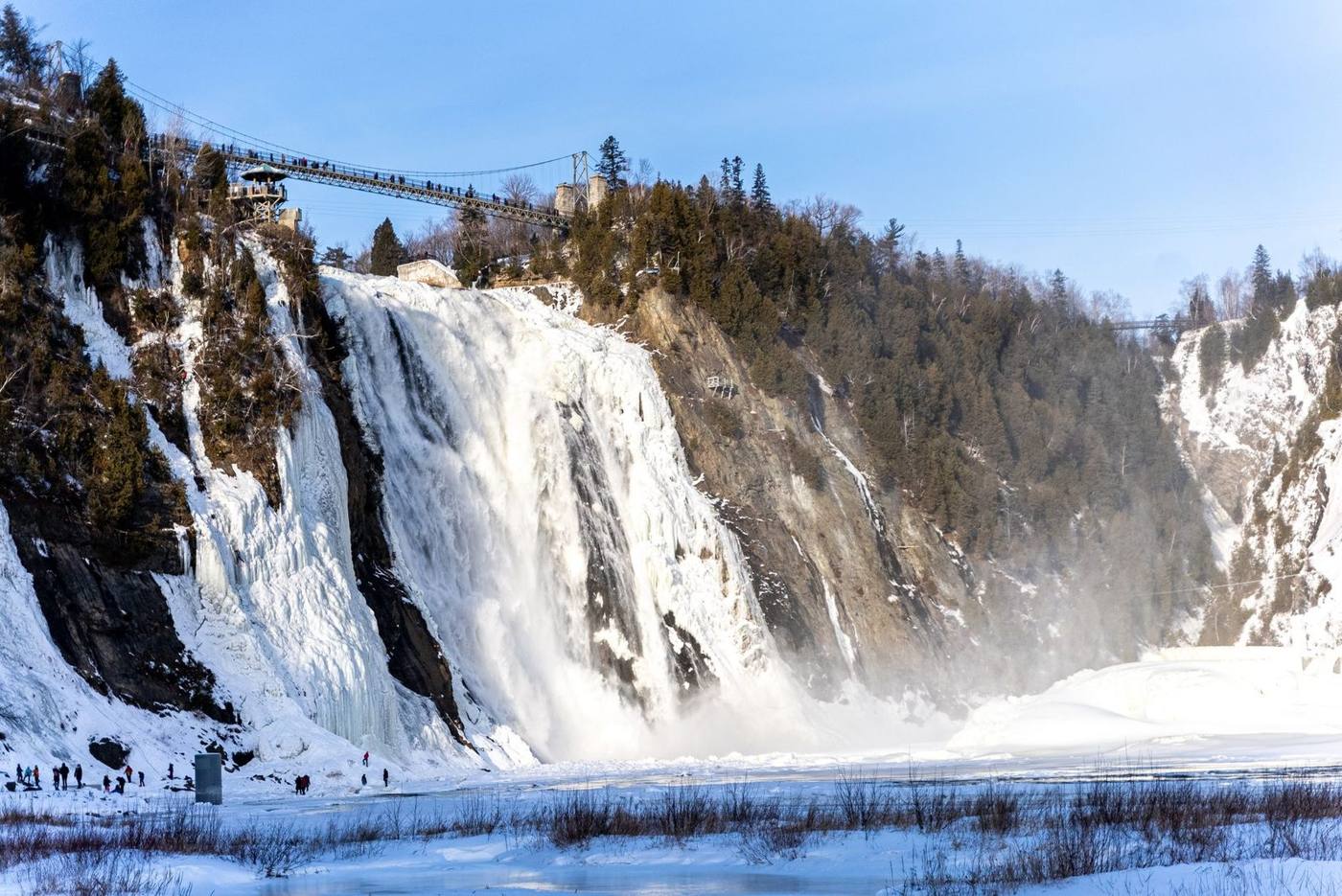
French Canada under snow: Montreal with its underground city and festival of lights, the Laurentian mountains at Mont-Tremblant, dog sledding and snowshoe trails, then the Quebec Winter Carnival with its ice palace, night parades and the canoe race on the frozen river.
 5 daysEasy
Calgary, Drumheller and the dinosaurs of Alberta
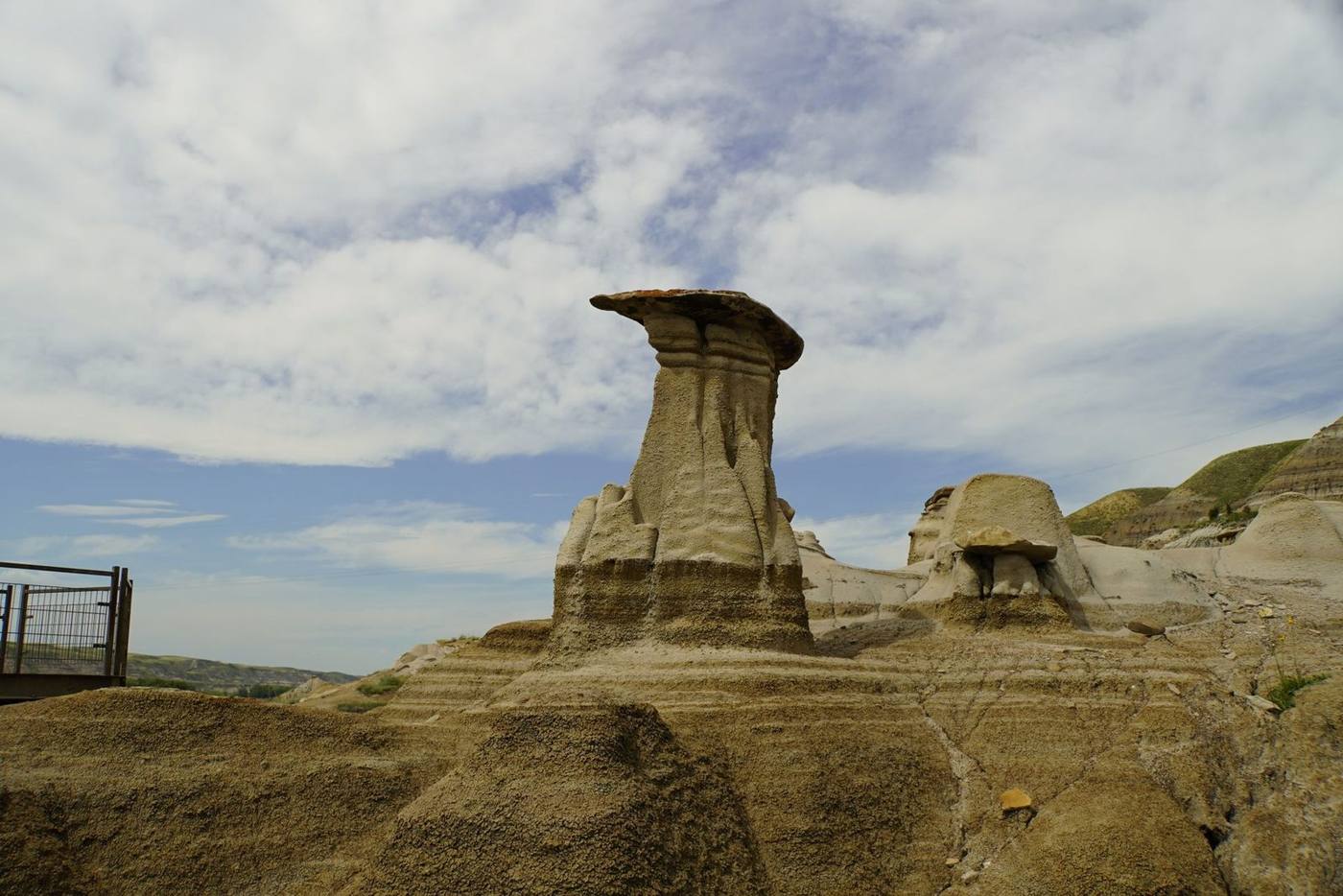
Canada's prairies and badlands: Calgary and, in July, the Stampede with its rodeo and chuckwagon races, the Drumheller badlands with the Royal Tyrrell Museum, one of the world's best palaeontology museums, the Hoodoos and Dinosaur Provincial Park, a UNESCO World Heritage site.
 12 daysEasy
The Rockies: Banff and Jasper
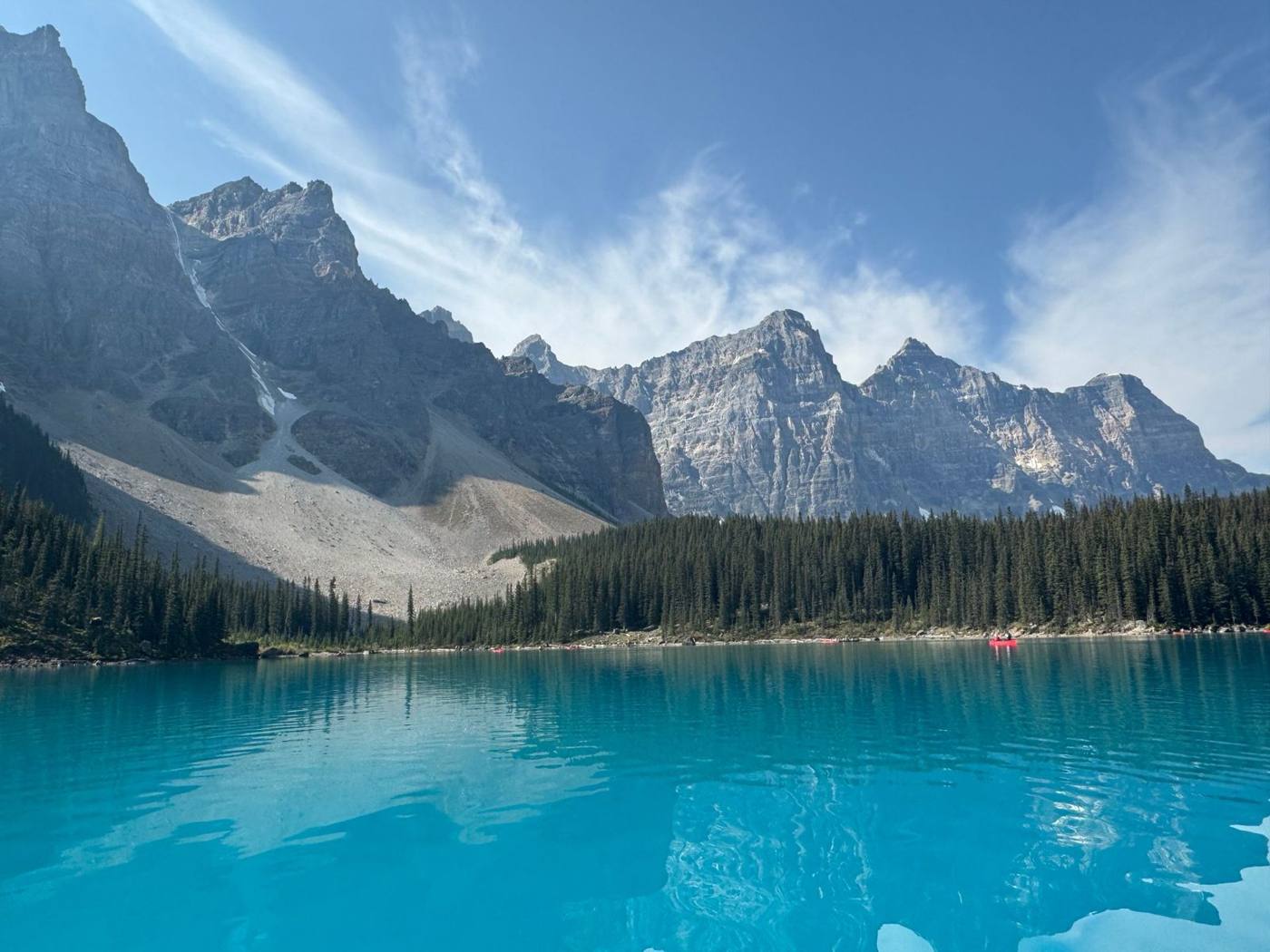
From Calgary to the turquoise lakes of Banff, the Icefields Parkway among glaciers and bears to Jasper, and Yoho National Park.