Santander: Barichara, San Gil and the Chicamocha canyon
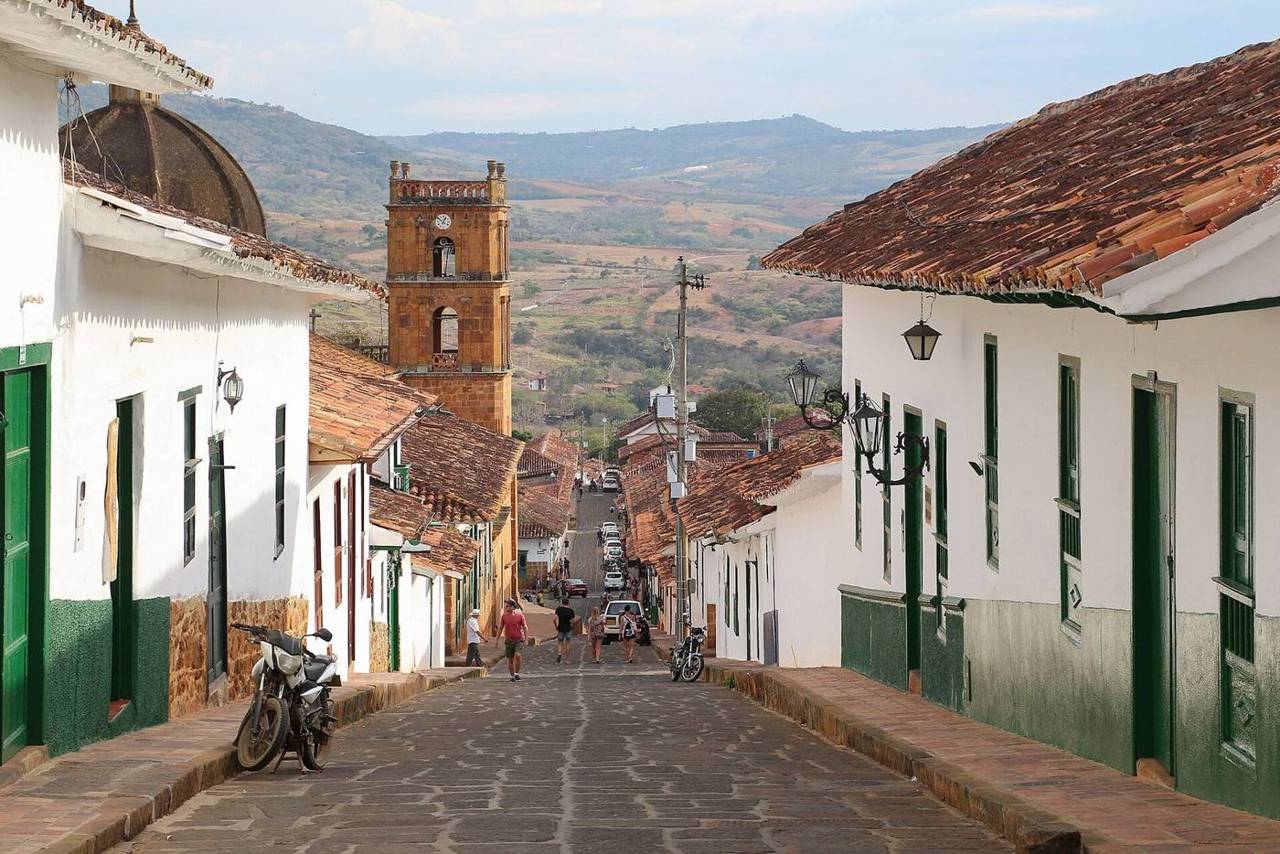
The adventure department: Barichara, perhaps the country's most beautiful colonial village, the Camino Real on foot to Guane, rafting and the Juan Curí falls around San Gil, and the cable car over the Chicamocha canyon, one of the deepest in South America.
- Bucaramanga
- Chicamocha
- San Gil
- Barichara
- Guane
Day by day
- Day 1
The flight to Bucaramanga and Chicamocha park
Santander is a region in north-eastern Colombia, in the eastern Andes, with arid mountains, deep canyons, rushing rivers and colonial stone villages. It is considered the country's adventure capital, for rafting, paragliding and hiking, but it also has some of the most beautiful villages in Colombia. In five days you see the Chicamocha canyon, San Gil, the Juan Curí waterfalls, Barichara and the old stone path to Guane.
You fly from Bogotá to Bucaramanga, the regional capital, in about an hour. Bucaramanga is called the city of parks because of its many gardens.
From the airport you drive south for about an hour and a half to Chicamocha National Park, on the edge of the great canyon of the same name, one of the deepest in South America. The Chicamocha river flows hundreds of metres below, between rocky ochre and green mountains, with dry vegetation of cacti and shrubs.
In the park there is a cable car more than six kilometres long, which goes down to the bottom of the canyon and up the other side to the Mesa de los Santos. The ride in the cabin, over the void, offers spectacular views of the canyon. The park also has a monument to the region's history and viewpoints.
In the afternoon, continue to San Gil, about an hour away, where you sleep.
In the evening, try Santander cooking: carne oreada, sun-dried beef, pepitoria and, for the brave, hormigas culonas, toasted ants, a typical regional snack.
Practical tip: the Chicamocha cable car closes on some weekdays for maintenance. Check the times before you go.
- Day 2
San Gil and rafting on the Fonce river
San Gil is a colonial town on the Fonce river, with a tree-filled square, a stone cathedral and a quiet atmosphere. Almost all of Santander's adventure activities start from here.
In the morning, go rafting on the Fonce river, with medium-level rapids, suitable for beginners too. After the safety briefing, get into the raft with the guides and go down the river for about an hour and a half, through rapids, calm stretches and green landscapes. It is fun and needs no experience.
For those wanting stronger thrills there is rafting on the Suárez river, with much harder rapids, only for those with experience. Another option is paragliding over the Chicamocha canyon, with a tandem flight with an experienced pilot, above the canyon and the mountains.
In the afternoon, visit Parque El Gallineral, in the centre of San Gil, a small park on the riverbank with very tall trees draped in grey Spanish moss, Tillandsia, hanging from the branches like curtains. The park has a natural pool with river water where you can swim.
In the evening, stroll around the main square, busy with locals, and try corn arepas and cabrito, roast kid, another typical dish of the region.
Practical tip: choose a licensed rafting operator, with trained guides, helmets and life jackets. The river level changes with the rains: always follow the guides' advice.
- Day 3
The Juan Curí waterfalls and Barichara at sunset
In the morning, leave San Gil heading south-east for about half an hour to the Juan Curí waterfalls, hidden in a green valley. From the car park you walk for about half an hour through the woods, on a path crossing streams, to the foot of the waterfall, which drops about 180 metres down a rock face in several leaps. At the bottom is a natural pool where you can swim in cool water.
For the adventurous, some guides offer a rope descent down part of the waterfall, abseiling.
In the afternoon, continue to Barichara, about half an hour from San Gil, considered one of the most beautiful villages in Colombia. It is an eighteenth-century colonial village, with low houses of earth and white lime, red tiled roofs, wooden doors and windows painted green and blue, yellow stone streets and quiet squares. Time seems to have stood still.
Visit the yellow sandstone cathedral, the small chapels and the park towards the great viewpoint on the edge of the Suárez river valley, with views of the mountains. At sunset the golden light falls on the stone of the houses and the valley.
Barichara is also famous for its craftsmen working stone, paper and clay.
In the evening, sleep in Barichara, in one of the colonial houses turned into small guesthouses.
Practical tip: Barichara is very quiet during the week and busier at weekends, when visitors arrive from Bogotá and Bucaramanga.
- Day 4
The Camino Real on foot to Guane
Early in the morning, after breakfast, walk the Camino Real, the old stone path linking Barichara to Guane. It was built in the mid-nineteenth century by the German Geo von Lengerke on the line of an older route of the Guane people, who lived in the region before the Spanish. It has been restored and declared a national monument.
The path, about nine kilometres long, descends from the edge of the valley between dry-stone walls, cacti, trees and pastures, with wide views over the Suárez valley and the mountains. The walk is mostly downhill and takes about two and a half to three hours. Along the way you see stones with fossils of sea creatures, a reminder of when the area was on the seabed.
Guane is a small colonial village even quieter than Barichara, with a white church, a square and stone houses. Visit the small palaeontological and archaeological museum, with fossils found in the area and objects of the ancient Guane, including a mummy.
In Guane people drink sabajón, a sweet drink of milk, eggs and liqueur, made by the locals.
In the afternoon, return to Barichara by bus or taxi, or, if you are fit, walk back up the same path.
In the evening, in Barichara, have dinner in one of the village's colonial courtyards.
Practical tip: the Camino Real is stone-paved and has no shade. Start early, before the heat, and bring water, a hat, sunscreen and shoes with good soles.
- Day 5
Back to Bucaramanga and the flight
On your last morning, stroll around Barichara once more, when the streets are empty and the morning light turns the stone golden. You can visit a workshop making handmade paper from local plant fibres, or a stone carvers' studio.
Then head to Bucaramanga, in about two and a half to three hours, via San Gil and the Chicamocha canyon. If you did not take the cable car on the first day, you can stop now.
If you have time before your flight, in Bucaramanga visit the centre, with its churches, parks and tree-lined avenues, or the nearby town of Girón, another well-preserved colonial village, with white houses, stone bridges and a basilica.
In the afternoon, take the flight to Bogotá or other Colombian cities.
Santander combines well with other parts of the country: Bogotá and Villa de Leyva, the coffee region, Medellín and Guatapé, or the Caribbean coast with Cartagena.
Practical tip: Santander borders Norte de Santander to the east, which security advice warns against: do not continue towards Cúcuta and the Venezuelan border. Italian citizens can enter Colombia without a visa for up to 90 days and must fill in the Check-MIG form online before the flight. The United States keeps Colombia at level 3: this area is visited by tourists, but always check the latest advice.
Santander borders Norte de Santander to the east, which is advised against: do not continue towards Cúcuta. Rafting on the Suárez is advanced, on the Fonce suitable for beginners. The Camino Real is stone-paved and shadeless: start early. EU citizens enter without a visa for up to 90 days with a passport and must fill in the Check-MIG migration form online before the flight. The US keeps Colombia at level 3 and advises against all travel to Arauca, Cauca (except Popayán), Valle del Cauca (except Cali), Norte de Santander and the 10 km strip along the Venezuelan border: this itinerary stays outside those areas.
Before you go
- Documents and visa
- Valid passport; no visa for tourism up to 90 days for EU citizens. Before the flight, between 72 hours and one hour before departure, you fill in the no-cost Check-MIG form online.
- Health and vaccines
- No compulsory vaccines arriving from Europe; yellow fever is recommended for forest areas and some parks. Protect yourself against mosquitoes because of dengue. In Bogotá, at 2,600 metres, the altitude is noticeable. Emergencies: 123.
- Money and payments
- Colombian peso. Cards work in cities; use cash machines inside banks or shopping centres, by day.
- Power sockets
- Types A and B, 110 volts: you need an adapter and devices must accept 110 volts.
- Time zone
- UTC-5 all year: Colombia does not use daylight saving time.
- Safety
- The United States rates Colombia level 3 for crime and terrorism, with level 4 for Arauca, Cauca except Popayán, Valle del Cauca except Cali, Norte de Santander and 10 km from the Venezuelan border. Use app taxis and never accept drinks from strangers. Official advice: GOV.UK.
Information checked in November 2026 for Italian and EU citizens. Rules change: always check before you travel.
Variations
In 3 days: San Gil with rafting, Barichara and the Camino Real to Guane.
In 8 days: after Santander, go to Villa de Leyva and Bogotá, with the salt cathedral of Zipaquirá.
Frequently asked questions
When is the best time to go?
The drier seasons, from December to March and from July to August. With the rains the rivers rise and some activities may be suspended.
Is rafting for everyone?
Rafting on the Fonce suits beginners, with a licensed operator. The Suárez is much harder and only for those with experience.
Is it safe?
San Gil, Barichara and Chicamocha are popular tourist areas. Do not head towards Norte de Santander and the Venezuelan border, and check the advice: the United States keeps Colombia at level 3.
Indicative itinerary written by World Atlas. Before booking, check timetables, seasonal openings, documents and safety.
 4 daysModerate
Caño Cristales, the river of five colours
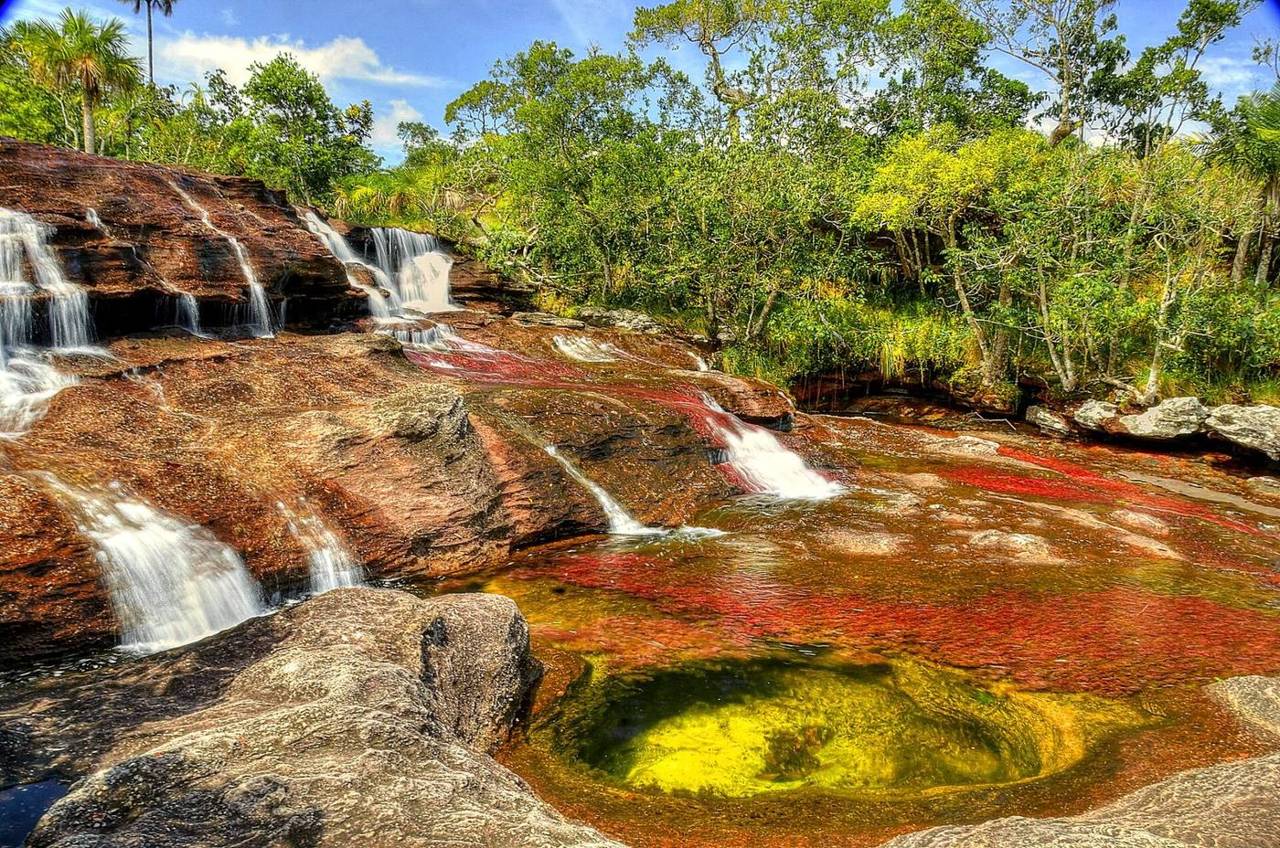
In the Serranía de La Macarena an aquatic plant turns the riverbed red, pink and purple between yellow rocks, green water and blue sky: reached by plane and on foot with local guides, among waterfalls, pools and savannah trails.
 5 daysModerate
The Amazon: Leticia and Puerto Nariño
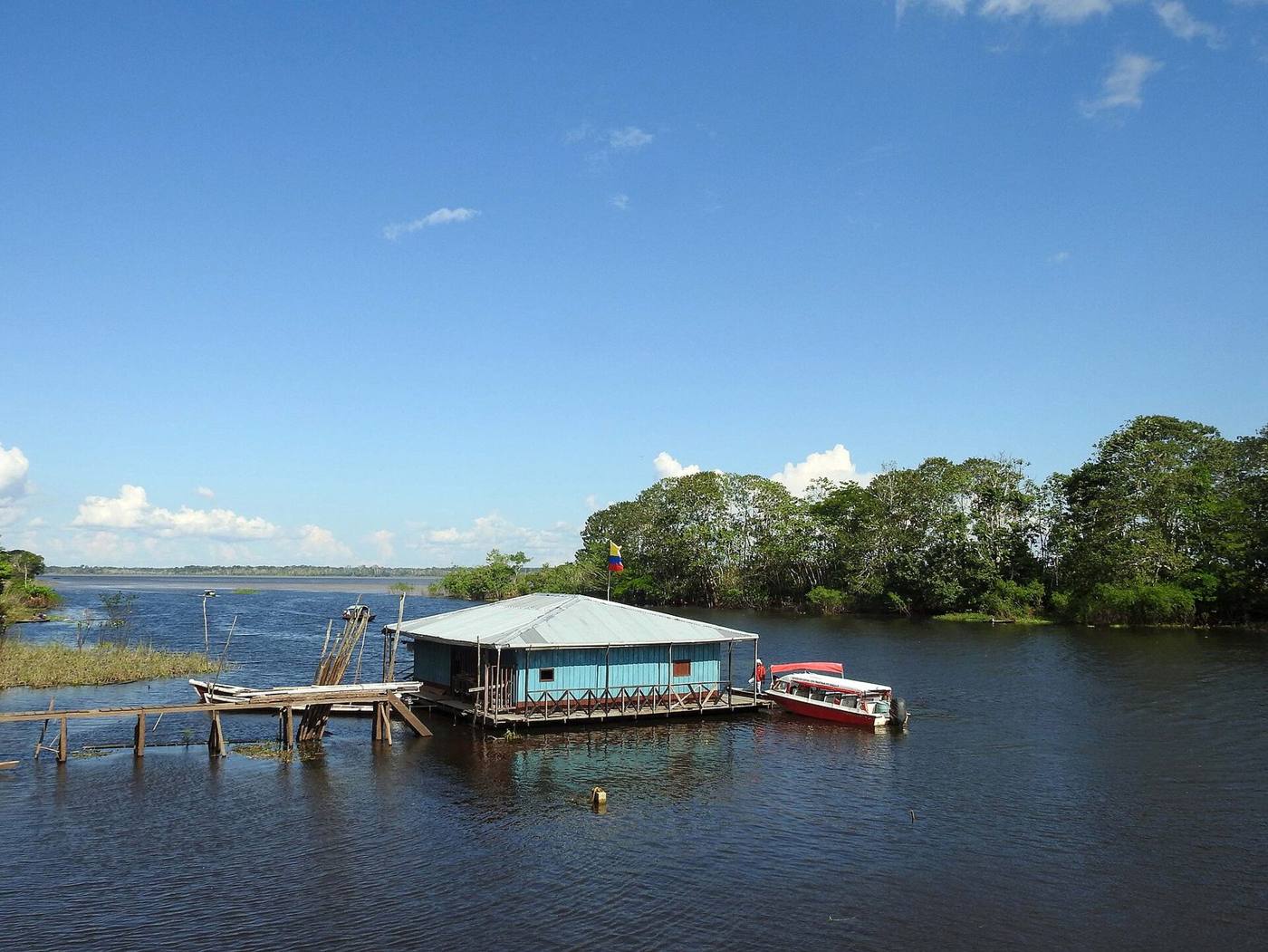
Colombia's southern tip on the Amazon, where Colombia, Brazil and Peru meet: Monkey Island, pink river dolphins in the Tarapoto lakes, the village closed to cars of Puerto Nariño, night walks in the forest and the Tikuna communities.
 4 daysEasy
Jardín and Jericó in Antioquia
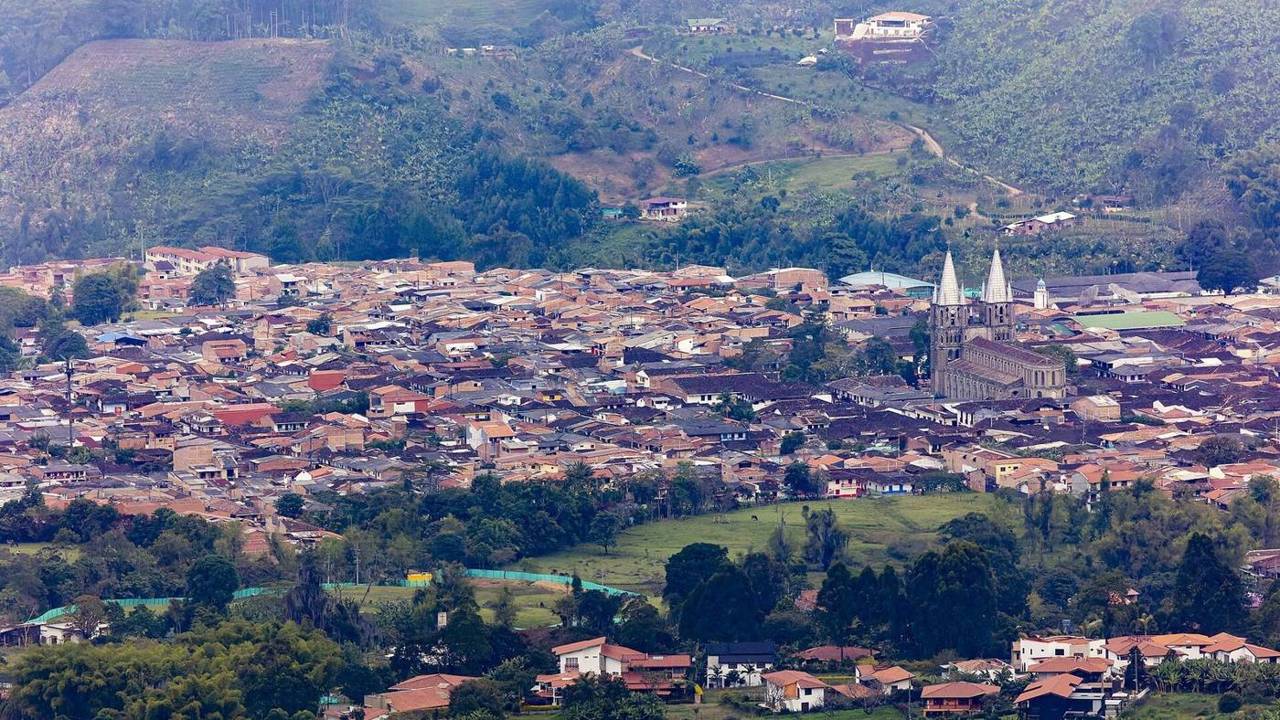
The coffee towns south of Medellín: Jardín with its square of colourful balconies, the neo-Gothic basilica, the cable car up the mountain and the Retiro waterfall, then Jericó, with its painted houses, leather workshops and the Morro El Salvador viewpoint.