Southern Brittany: Carnac and the Morbihan
Brittany at its gentlest: the 3,000 aligned menhirs of Carnac, the Gulf of Morbihan and its islands, the walled town of Vannes, the wild Quiberon peninsula, the walled town of Concarneau and Quimper with its pottery and crêpes.
- Vannes
- Gulf of Morbihan
- Carnac
- Quiberon
- Concarneau
- Quimper
Day by day
- Day 1
Vannes: the walls, the half-timbered houses and the gardens
Southern Brittany, facing the Atlantic Ocean, is the gentlest and brightest part of the region: an inland gulf full of islands, the world's largest concentration of standing stones and dolmens, fishing ports, walled towns, sandy beaches and wave-battered cliffs. Here Breton culture, with its Celtic language, music and festivals, is still very much alive. In six days you see Vannes, the Gulf of Morbihan, Carnac, Quiberon or Belle-Île, Concarneau, Quimper and Pont-Aven.
You reach Vannes by high-speed train from Paris in about two and a half hours, or by plane to Nantes or Lorient. A car is best for the trip.
Vannes is a medieval town on the edge of the gulf, with its old centre enclosed by walls. In the afternoon, walk around the centre, with stone lanes and colourful half-timbered houses, including the house of Vannes and his wife, with two large heads carved on the facade. Visit Saint Peter's cathedral, built between the thirteenth and nineteenth centuries, and Place Henri IV.
Then go outside the walls to see their finest side, along flower gardens, with old slate-roofed wash-houses on the river and the towers. End at the harbour, which reaches right into the centre.
In the evening, taste buckwheat galettes, crêpes, Breton cider and kouign-amann, the butter and sugar cake.
In the evening, sleep in Vannes.
Practical tip: in summer, especially July and August, the gulf and the coast are very busy. Book early and, if you can, travel in June or September.
- Day 2
The Gulf of Morbihan by boat: Île aux Moines and the Gavrinis cairn
The Gulf of Morbihan, which in Breton means little sea, is an inland sea linked to the ocean by a narrow passage, full of islands and islets, about forty of them inhabited or privately owned. Legend says there are as many islands as days in the year. The tides here are strong and the currents in the strait are among the fastest in Europe.
In the morning, take a boat from Vannes or one of the gulf ports for a trip among the islands, with sailing boats, fishermen's houses, pine woods and oyster beds.
Get off at Île aux Moines, the monks' island, the largest in the gulf, about six kilometres long, also reachable by ferry in a few minutes from Port-Blanc. The island has almost no cars: you explore on foot or by bike along paths between white houses with hydrangeas, woods and small beaches. There are also a cromlech, a circle of standing stones, and a dolmen.
In the afternoon, visit the Gavrinis cairn, on an islet in the gulf, reachable only by boat from Larmor-Baden. It is a stone mound built about 3,500 years before Christ, with an inner passage whose walls are almost entirely covered with carvings of spirals and waves, among the finest of European prehistoric art.
In the evening, sleep in Vannes or a village on the gulf.
Practical tip: visits to Gavrinis are limited in number and run at fixed times. Book ahead, especially in summer, and check the boat timetables.
- Day 3
Carnac: the stone alignments
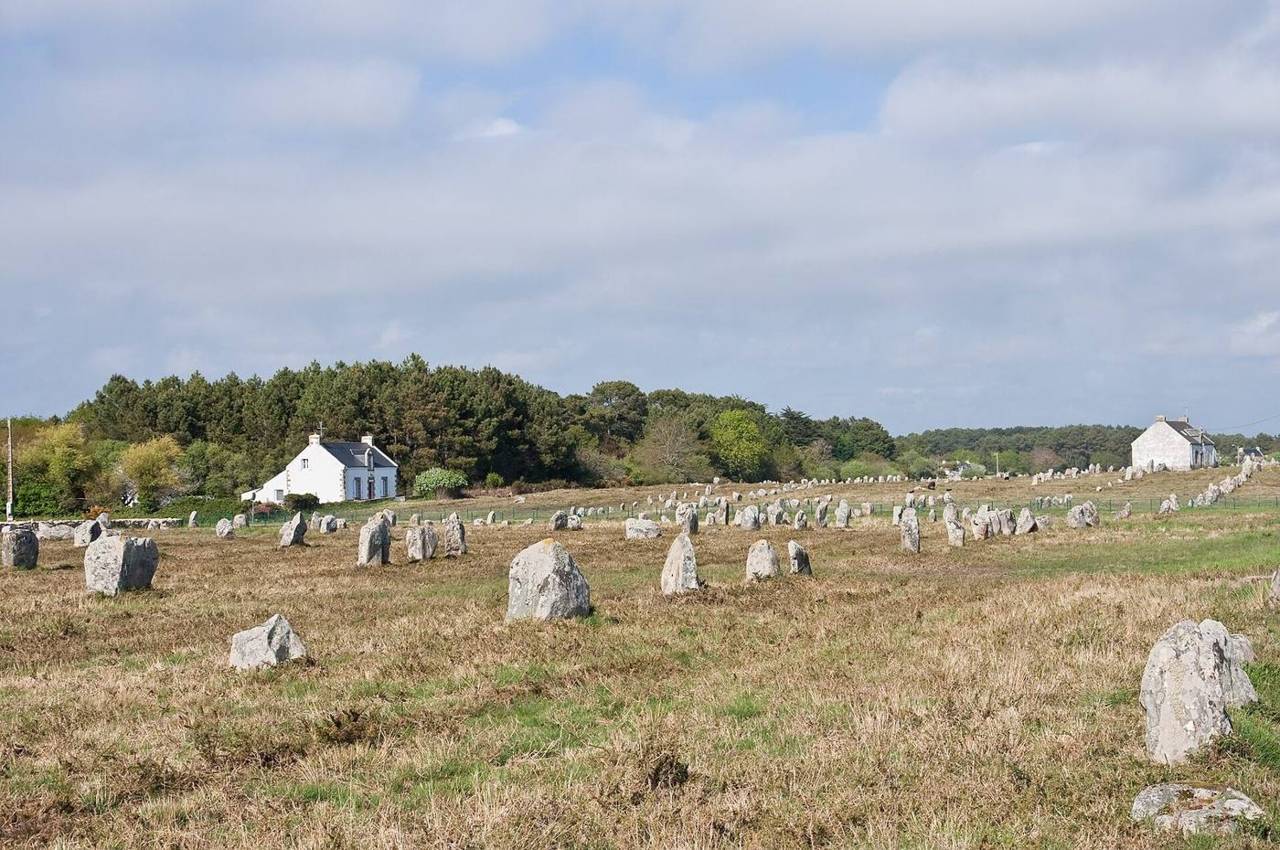
In the morning, drive to Carnac, about half an hour from Vannes. Here is the largest group of megalithic monuments in the world: about three thousand standing stones arranged in long parallel rows, the alignments, raised between about 4,500 and 3,000 years before Christ. No one knows for sure what they were for: perhaps places of worship, perhaps calendars linked to the sun, perhaps boundary markers or signs of power.
The three main alignments are Ménec, Kermario and Kerlescan, which follow each other for about four kilometres. At Ménec there are more than a thousand stones in eleven rows, ending in a circle of stones near the village houses. At Kermario the largest stones exceed three metres, and a wooden tower lets you see the rows from above.
Start at the house of the megaliths, the visitor centre, which explains the history of the sites. Then walk along the fences, on foot or by bike, on paths following the alignments.
In the afternoon, visit the Saint-Michel tumulus, a large artificial hill with a chapel on top, and the Carnac museum of prehistory, with polished stone axes and jewellery. Then relax on the fine sand of Carnac Plage, or go to nearby La Trinité-sur-Mer, a harbour for large sailing boats.
In the evening, sleep in Carnac or Quiberon.
Practical tip: to protect the stones, for much of the year the alignments are seen from outside the fences. In some months you can enter certain areas, sometimes only on guided tours: check the current rules.
- Day 4
The Côte Sauvage of Quiberon or Belle-Île by ferry
Today you have two options.
The first is the Quiberon peninsula, a long tongue of land joined to the mainland by a narrow isthmus, with two very different coasts. On the east side there are calm beaches and harbours. On the west side is the Côte Sauvage, the wild coast, with granite cliffs, natural arches, caves and powerful waves breaking on the rocks, for about eight kilometres. A coastal path follows it all the way, with spectacular views, especially when it is windy. Swimming on this coast is forbidden and dangerous: the currents are extremely strong.
The second is Belle-Île-en-Mer, the largest island in Brittany, reached by ferry from Quiberon in about fifty minutes. The island has cliffs, hidden beaches, green valleys and small villages. At the port of Le Palais there is a large fortified citadel. On the west coast are the needles of Port-Coton, pointed rocks that the painter Claude Monet painted several times in 1886, and the Apothicairerie cave. On the island you get around by car, bike or bus.
In the evening, try Quiberon sardines or fresh fish from the harbour.
In the evening, sleep in Quiberon or on Belle-Île.
Practical tip: on the Côte Sauvage do not go down onto the low rocks when the sea is rough and keep away from the cliff edge. For the Belle-Île ferry in summer, book ahead, especially with a car.
- Day 5
Concarneau and the Ville Close
In the morning, drive west along the coast to Concarneau, in the Finistère department, about an hour and a half from Quiberon. On the way you can stop in Lorient, with the submarine base built during the Second World War, or at the little harbour of Doëlan.
Concarneau is one of France's most important fishing ports, famous for tuna. In the middle of the bay is the Ville Close, the walled town, an islet completely surrounded by fourteenth-century granite walls, strengthened in the seventeenth century by the military engineer Vauban, and linked to the mainland by a bridge.
Enter through the fortified gate and walk the walls, with views of the harbour, the fishing boats and the bay. Inside the walls there are lanes with stone houses, small shops and the fishing museum, in an old arsenal, with boats, nets and the story of Breton fishermen.
In the afternoon, walk along the harbour to see the fishing boats and, if you have time, take the little ferry across the harbour, or go to the nearby beaches or the coastal path.
In August the Blue Nets festival takes place, one of the oldest traditional festivals in Brittany, with music, dancing and costumes.
In the evening, sleep in Concarneau.
Practical tip: the Ville Close is very busy in summer in the middle of the day. Visit early in the morning or in the evening, when the walls are quiet.
- Day 6
Quimper and Pont-Aven, then the return
In the morning, go to Quimper, about half an hour from Concarneau, capital of Finistère and one of the most beautiful towns in Brittany, where two rivers meet, with little flower-decked bridges. Visit Saint Corentin's cathedral, Gothic, with tall spires and a nave slightly bent in relation to the choir. Then walk around the centre, with half-timbered houses, lanes and squares. Quimper is famous for hand-painted pottery with Breton figures, made here since the seventeenth century, and for the departmental Breton museum, with traditional costumes and furniture.
In the early afternoon, go to Pont-Aven, about half an hour away, a small village along the Aven river, with mills, granite rocks and little bridges. At the end of the nineteenth century many artists came here to paint, including Paul Gauguin, who with his friends founded the Pont-Aven school. The village museum tells their story and holds some works. Walk in the Bois d'Amour, a trail along the river where the artists painted.
Then head back to Vannes or to Quimper station, from where high-speed trains leave for Paris in about three and a half hours.
This trip combines well with northern Brittany, Saint-Malo and the pink granite coast, or with Normandy and Mont-Saint-Michel.
Practical tip: in Brittany the weather changes quickly even in summer. Always bring a waterproof jacket and a jumper.
It combines with the Normandy and northern Brittany trip. Gavrinis cairn is visited only on an organised crossing with limited places. The sea is cold even in summer; July and August are crowded.
Before you go
- Documents and visa
- EU citizens need a valid identity card or passport. Other nationalities should check the Schengen rules.
- Health and vaccines
- No vaccines required. EU citizens should bring their EHIC. Emergencies: 112.
- Money and payments
- Euro. Cards are accepted almost everywhere; every accommodation charges the taxe de séjour per person per night.
- Power sockets
- Types C and E, 230 volts.
- Time zone
- Central European Time (UTC+1), summer time (UTC+2) from the last Sunday of March to the last Sunday of October.
- Safety
- A safe country, with a high terrorism alert level and security checks at museums and stations. In Paris watch for pickpockets on the metro. Official advice: GOV.UK.
Information checked in November 2026 for Italian and EU citizens. Rules change: always check before you travel.
Variations
In 3 days: Vannes, the Gulf of Morbihan and Carnac.
In 10 days: add northern Brittany and Saint-Malo, or Normandy.
Frequently asked questions
When is the best time to go?
From May to September, with long, mild days. June and September are less crowded than July and August. The climate is oceanic: it can rain even in summer.
Can you go inside the Carnac alignments?
For much of the year they are seen from outside the fences; at certain times you can enter some areas, sometimes only on guided tours. Check the current rules.
Do I need a car?
Yes, it is the easiest way to link the places. For the gulf and Belle-Île you use boats and ferries.
Indicative itinerary written by World Atlas. Before booking, check timetables, seasonal openings, documents and safety.
 6 daysEasy
Auvergne: volcanoes and Le Puy-en-Velay
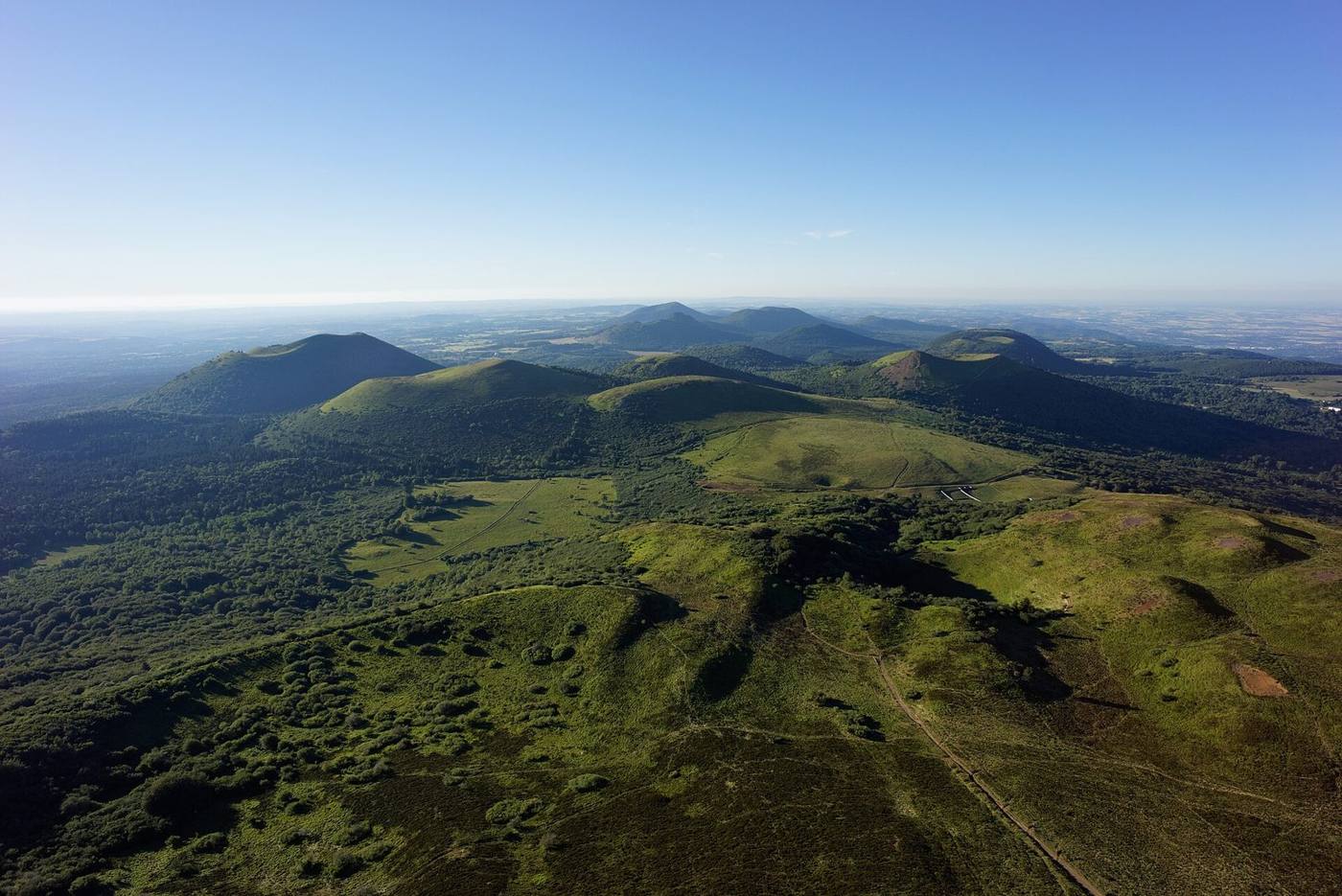
France of extinct volcanoes, a UNESCO World Heritage site: the Chaîne des Puys with the Puy de Dôme, volcanic lakes, Cantal cheeses, the village of Salers and Le Puy-en-Velay with churches built on lava peaks, a starting point of the Camino de Santiago.
 5 daysEasy
Ardèche: gorges and the Chauvet cave
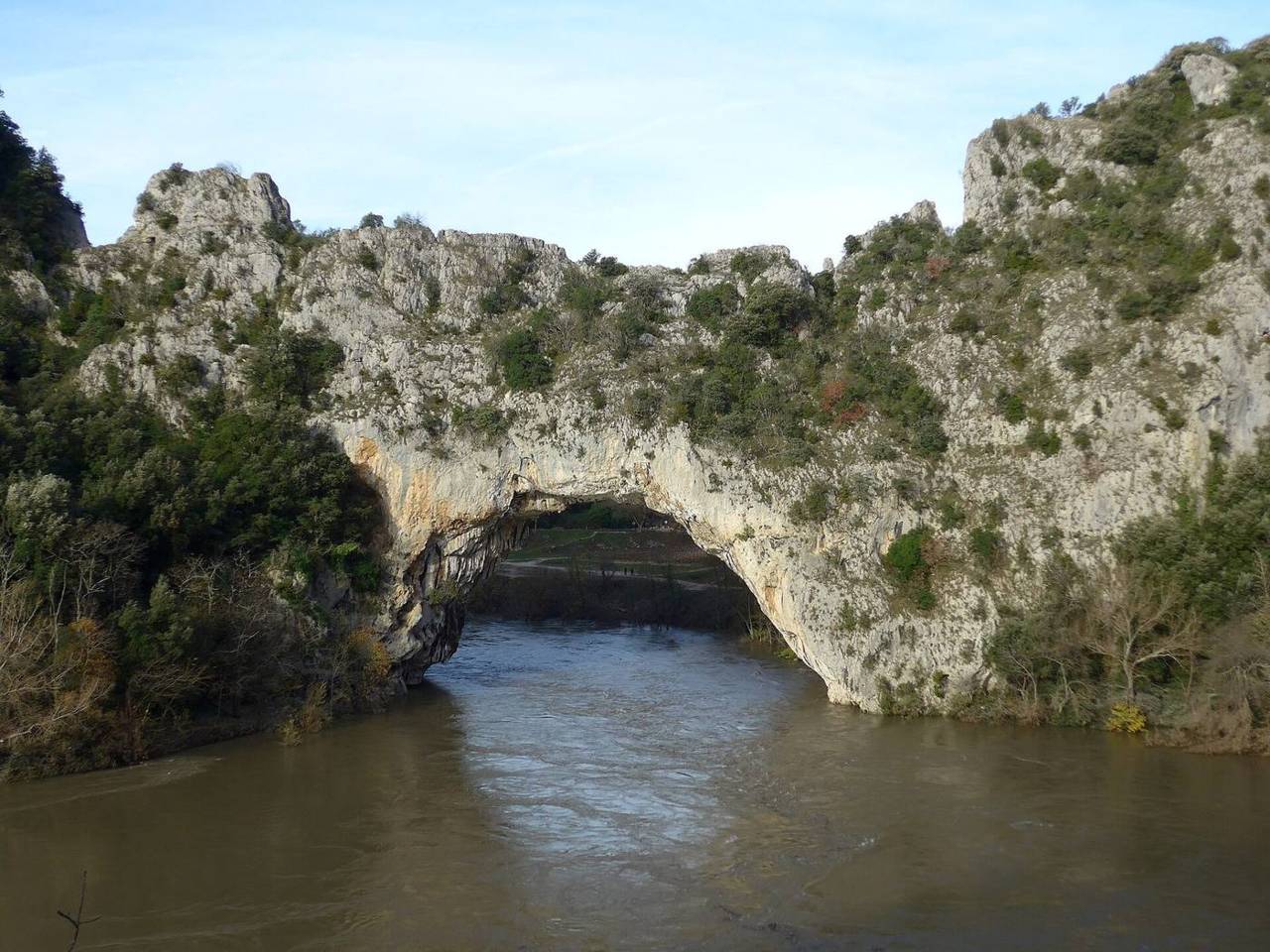
The limestone gorges of the Ardèche, with the Pont d'Arc and the river to paddle by canoe, the faithful replica of the Chauvet cave with the world's oldest paintings, a UNESCO World Heritage site, the medieval villages of Balazuc and Vogüé and lavender fields.
 5 daysEasy
Lille and the Opal Coast
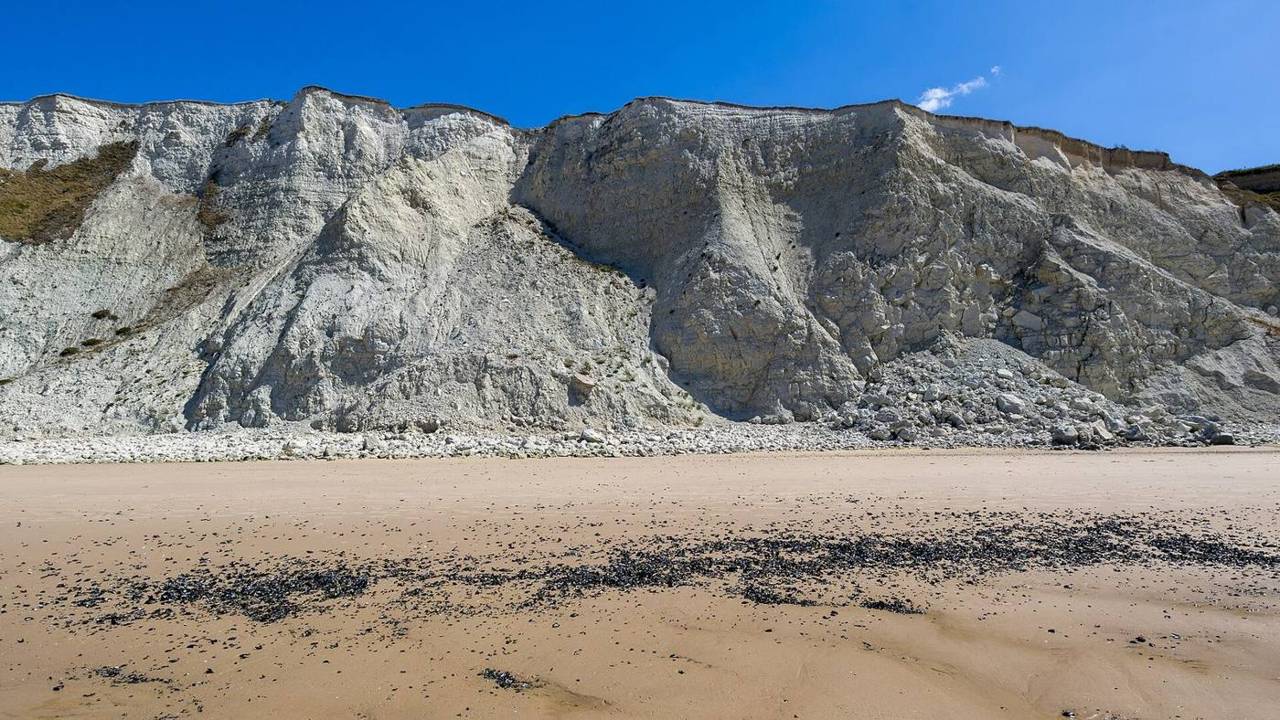
Northern France: Lille with its Flemish Grand-Place and Fine Arts museum, the Louvre-Lens, the Great War memorials, then the cliffs of Cap Blanc-Nez and Cap Gris-Nez facing England, Boulogne with the Nausicaá aquarium and the citadel of Montreuil.