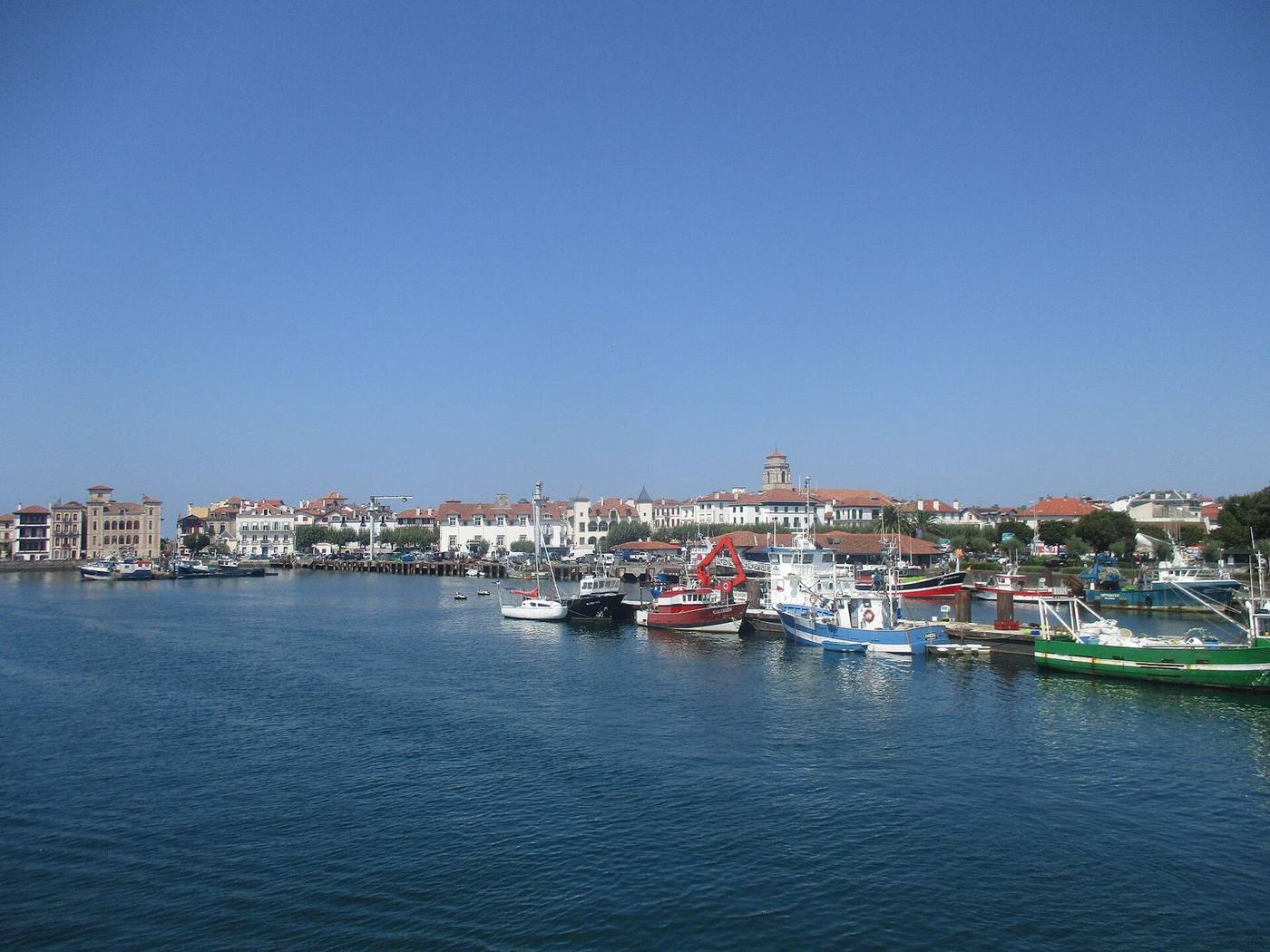
The French Basque Country and Biarritz
France's south-west corner between ocean and Pyrenees: Biarritz and its surf, Bayonne and its ham, the port of Saint-Jean-de-Luz, the white-and-red villages of Espelette and Ainhoa, and the rack railway up La Rhune with views over the Atlantic.
- Biarritz
- Bayonne
- Saint-Jean-de-Luz
- La Rhune
- Espelette
- Saint-Jean-Pied-de-Port
Day by day
- Day 1
Biarritz, the ocean and the Virgin's Rock
The French Basque Country, the Pays Basque, occupies the south-west corner of France, between the Atlantic Ocean and the Pyrenees, on the border with Spain. It is a region with its own language, Euskara, one of the oldest in Europe, with white houses with red and green shutters, hilltop villages, traditional sports such as pelota and a very rich cuisine. In five days you see the coast, with Biarritz and Saint-Jean-de-Luz, the city of Bayonne and the interior, with its villages and mountains.
Biarritz is an ocean town that became famous in the nineteenth century when Empress Eugénie, wife of Napoleon III, chose it as her summer residence. Since then it has been frequented by European nobility, and today it is also one of Europe's surfing capitals.
In the morning, stroll along the Grande Plage, the main beach, in front of the Belle Époque buildings and the casino. Continue to the old fishing harbour, with its small stone houses cut into the rock, then cross the iron footbridge to the Virgin's Rock, a rock with a statue of the Madonna, from where you watch the ocean breaking on the rocks.
In the afternoon, visit the sea museum and aquarium, with Atlantic species, then go up to the lighthouse, on the headland north of the town, with a view over the whole coast to Spain.
At sunset, watch the surfers on the Côte des Basques beach, at the foot of the cliff.
Practical tip: Biarritz airport is well connected with direct flights from Europe's major cities. In summer book ahead, because the coast is very crowded.
- Day 2
Bayonne, the cathedral and the Basque museum
In the morning, go to Bayonne, about fifteen minutes from Biarritz by bus or car. It is the historic capital of the French Basque Country, built where two rivers meet, the Adour and the Nive, with fortified walls, tall narrow houses with coloured shutters, and bridges.
Start with the Cathedral of Saint Mary, a Gothic church with two tall spires, a UNESCO site as a stop on the Way of Saint James. Its Gothic cloister is one of the largest in France.
Then go down along the Nive into the Petit Bayonne district and visit the Basque Museum and Museum of the History of Bayonne, in an old merchant's house on the river. It tells the story of Basque life: houses, trades, fishing, pelota, costumes, music, dance and language. It is the best way to understand this region.
At midday, try two of the city's specialities: Bayonne ham, cured with salt from the region's salt works, and chocolate. Bayonne was the first city in France to make chocolate, in the seventeenth century, thanks to Jewish merchants who came from Portugal and Spain, and the old chocolate makers are still found under the arcades.
In the afternoon, walk along the quays of the two rivers and through the covered market.
In the evening, return to Biarritz or sleep in Bayonne.
Practical tip: at the end of July there are the Bayonne festivals, with five days of music and dancing and the whole city dressed in white and red. Book well in advance.
- Day 3
Saint-Jean-de-Luz and the fishing harbour
In the morning, go down the coast to Saint-Jean-de-Luz, about twenty minutes by train or car. It is a fishing town with a harbour that is still active, where the tuna and anchovy boats come in, a beach inside a bay protected by sea walls, and a centre of pedestrian streets with Basque houses.
In 1660 King Louis XIV married the Infanta Maria Theresa of Spain here, to seal the peace between France and Spain. The wedding took place in the Church of Saint John the Baptist, the largest Basque church in France, with its dark wood interior, galleries on three levels reserved for men, as Basque tradition requires, and a gilded altarpiece. The door through which the king left was afterwards walled up. Nearby you see the houses where the king and the infanta stayed.
At midday, around the harbour, try fresh fish and the Basque fish soup, ttoro.
In the afternoon, cross the harbour to Ciboure, the village opposite, where the composer Maurice Ravel was born, with its colourful fishermen's houses. Continue to the fort of Socoa, at the entrance to the bay, then walk the clifftop path of the Basque corniche, with layered rocks running down to the ocean and views of the Spanish coast.
In the evening, return to Saint-Jean-de-Luz and stroll along the seafront at sunset.
Practical tip: the beach at Saint-Jean-de-Luz is sheltered from the waves and is the most suitable for families on the Basque coast. On the open coast, currents can be strong.
- Day 4
The Rhune train, Ainhoa and Espelette
Today you head inland, among the hills and mountains of the Pyrenees. In the morning, go to the Col de Saint-Ignace, about twenty minutes from Saint-Jean-de-Luz, where the small rack railway up La Rhune starts, a 905-metre mountain on the border with Spain. The train, with wooden carriages from 1924, climbs slowly in about thirty-five minutes among pastures, wild pottok horses and sheep.
From the top the view is huge: the whole Basque coast, from the ocean to Biarritz, the Pyrenees and, on the other side, Spain and Navarre. You can also walk down, in about two hours.
In the afternoon, visit two of the most beautiful villages in France. Ainhoa is a single street of white houses with red beams and coloured shutters, built in the seventeenth and eighteenth centuries, with dates and names carved above the doors, a church with wooden galleries and a pelota wall.
Then continue to Espelette, the village of the chilli pepper. In autumn the house fronts are covered with strings of red peppers hung out to dry. The Espelette pepper, mild and fragrant, has a protected designation of origin and is used throughout Basque cooking. At the end of October there is the pepper festival.
In the evening, try the cooking of the interior: axoa, a veal stew with pepper, and sheep's cheese with black cherry jam.
Practical tip: the Rhune train usually runs from mid-March to early November. In summer the queues are long: book online or arrive very early.
- Day 5
Saint-Jean-Pied-de-Port and the Way of Saint James
On your last morning, head inland along the Nive valley to Saint-Jean-Pied-de-Port, at the foot of the Pyrenees, about an hour by car or train from Bayonne. It is a fortified medieval town, the historic capital of Lower Navarre, with pink stone walls, gates, old houses and a bridge over the Nive.
Above all it is the most famous starting point of the French Way of Saint James. From here tens of thousands of pilgrims set off every year to cross the Pyrenees to Roncesvalles, in Spain, and then walk about 800 kilometres to Santiago. In town you see pilgrims with rucksacks and scallop shells, the main street with the pilgrims' office and the hostels.
Pass under the Saint James gate, listed by UNESCO, go down the Rue de la Citadelle to the church and the bridge, then climb up to the citadel, a seventeenth-century fortress on the hill, with views over the valley and the mountains.
If you want to try a stretch of the Way, you can walk up for an hour or two on the pilgrims' road, which climbs through pastures towards the Pyrenees.
In the afternoon, return to Biarritz or Bayonne. The area combines well with the Spanish Basque Country, with San Sebastián and Bilbao, less than an hour away.
Practical tip: Italian citizens only need an identity card valid for travel. Crossing into Spain is at no cost, but always carry your document with you.
Easy, food and sea, it combines well with San Sebastián and Bilbao. In summer Biarritz is crowded and expensive. The La Rhune train runs roughly from mid-March to early November and should be booked in high season. The ocean has currents: swim in supervised areas.
Before you go
- Documents and visa
- EU citizens need a valid identity card or passport. Other nationalities should check the Schengen rules.
- Health and vaccines
- No vaccines required. EU citizens should bring their EHIC. Emergencies: 112.
- Money and payments
- Euro. Cards are accepted almost everywhere; every accommodation charges the taxe de séjour per person per night.
- Power sockets
- Types C and E, 230 volts.
- Time zone
- Central European Time (UTC+1), summer time (UTC+2) from the last Sunday of March to the last Sunday of October.
- Safety
- A safe country, with a high terrorism alert level and security checks at museums and stations. In Paris watch for pickpockets on the metro. Official advice: GOV.UK.
Information checked in November 2026 for Italian and EU citizens. Rules change: always check before you travel.
Variations
In 3 days: Biarritz, Saint-Jean-de-Luz and the Rhune train, without the interior.
In 8 days: after Saint-Jean-Pied-de-Port, cross into Spain for San Sebastián, Bilbao and the Biscay coast.
Frequently asked questions
When is the best time to go?
From May to October. July and August are hot but very crowded; May, June and September are ideal. In autumn there are the Espelette peppers.
Do I need a car?
It is handy for the interior, but the coast and Bayonne are well connected by trains and buses. Saint-Jean-Pied-de-Port can also be reached by train from Bayonne.
What documents do I need?
Italian citizens only need an identity card valid for travel. Crossing into Spain is at no cost, but always keep your document with you.
Indicative itinerary written by World Atlas. Before booking, check timetables, seasonal openings, documents and safety.
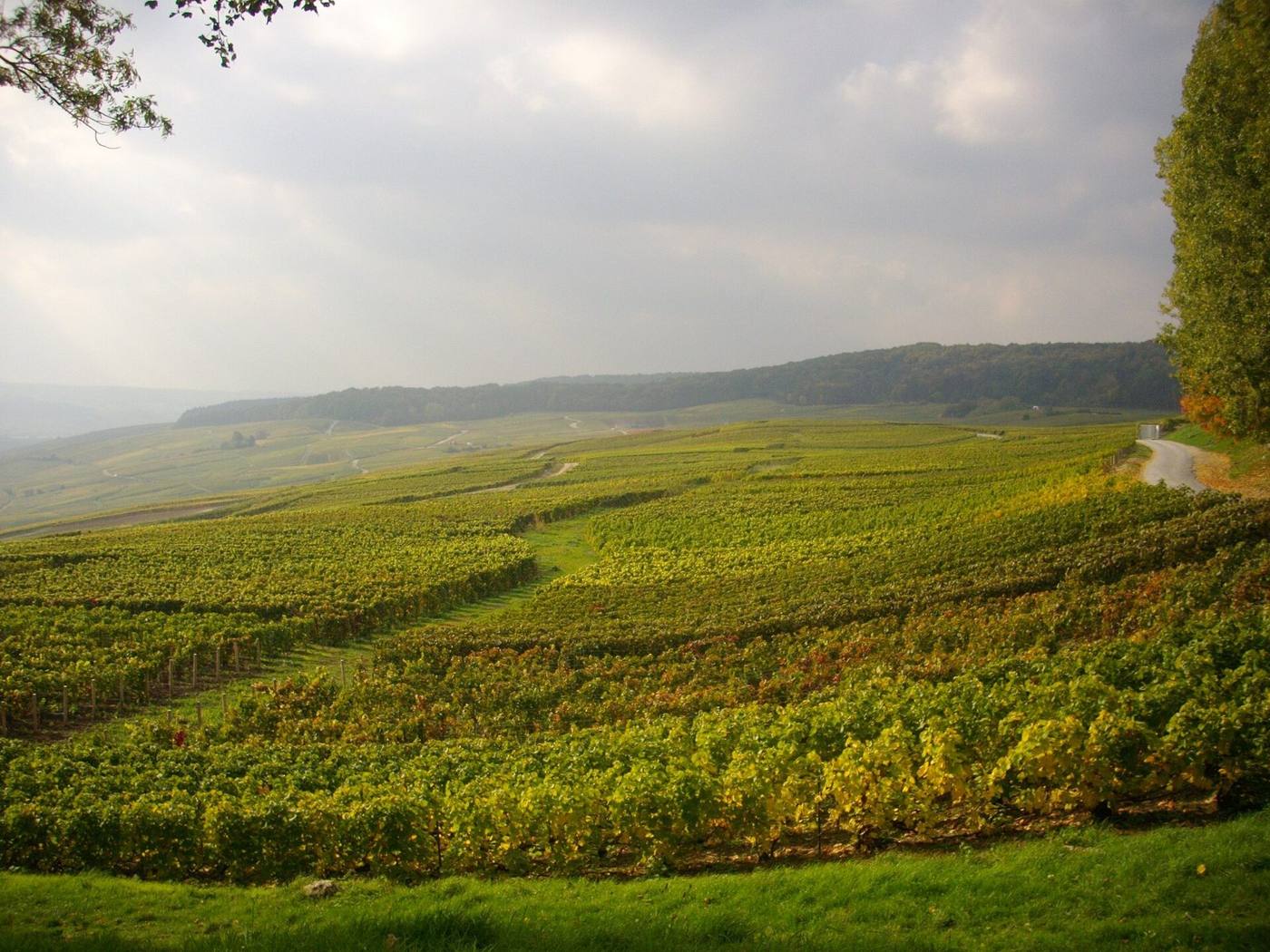 4 daysEasy
Champagne: Reims and Épernay
The hillsides, houses and cellars of Champagne, a UNESCO World Heritage site: Reims cathedral where the kings of France were crowned, cellars carved in chalk, the Avenue de Champagne in Épernay and the winegrowers' villages of the Montagne de Reims and the Côte des Blancs.
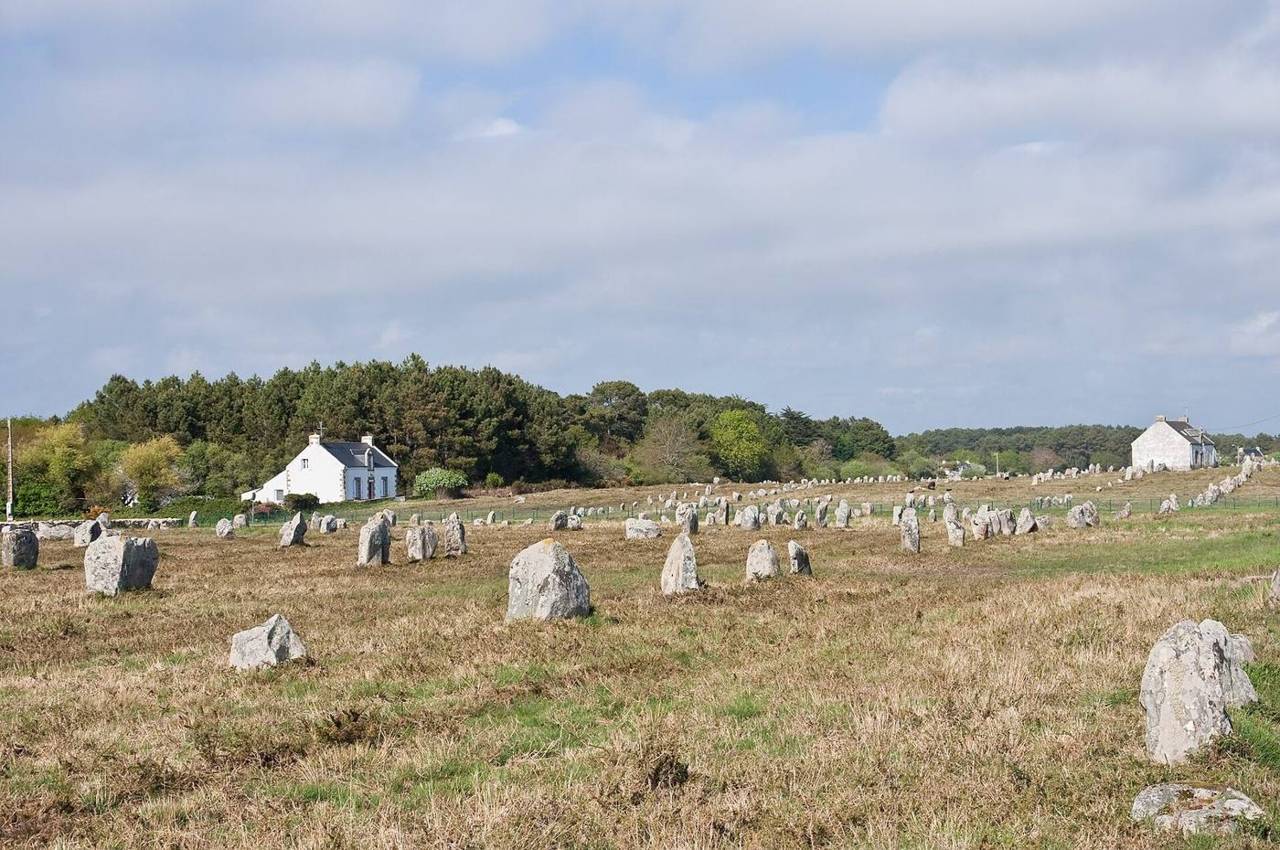 6 daysEasy
Southern Brittany: Carnac and the Morbihan
Brittany at its gentlest: the 3,000 aligned menhirs of Carnac, the Gulf of Morbihan and its islands, the walled town of Vannes, the wild Quiberon peninsula, the walled town of Concarneau and Quimper with its pottery and crêpes.
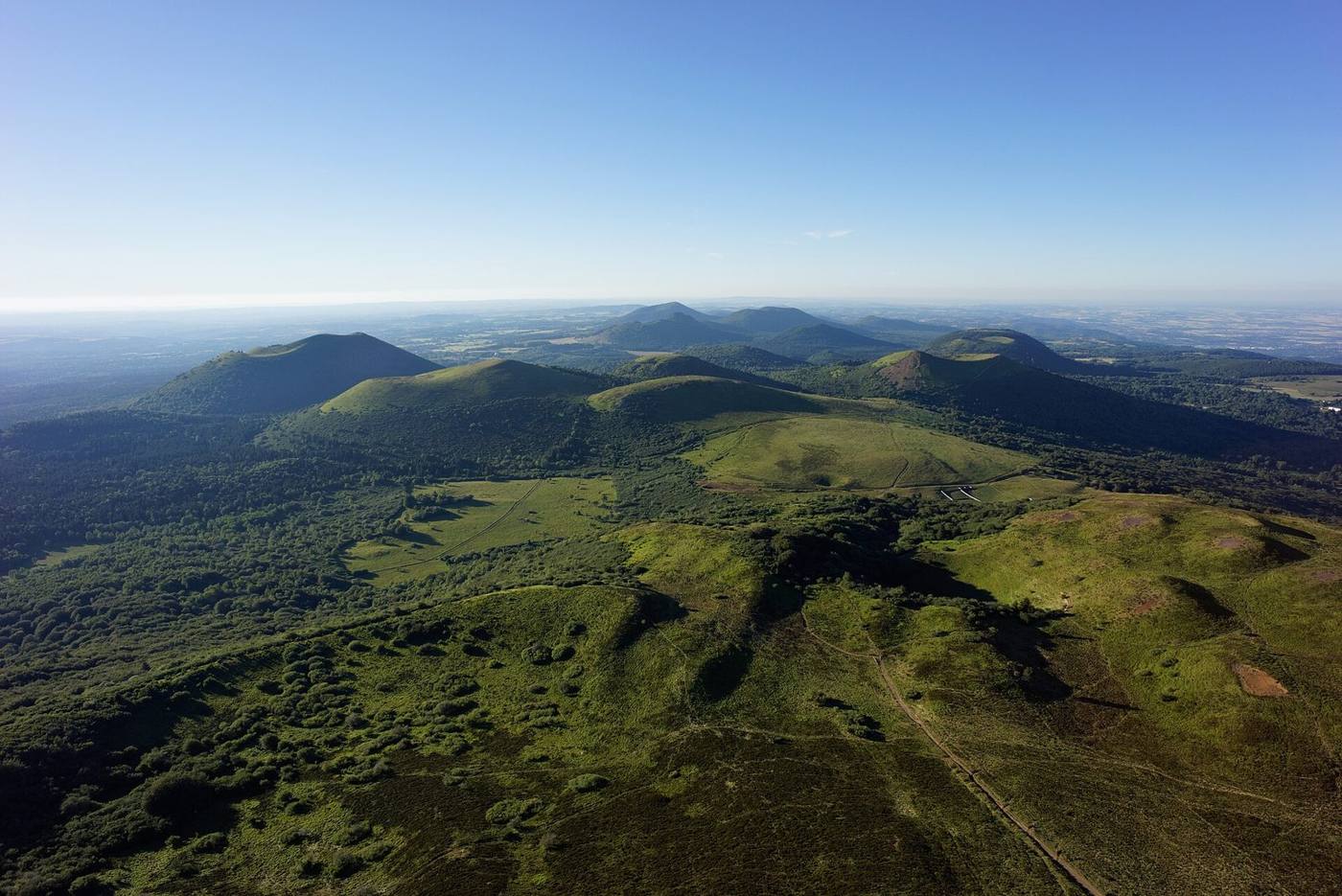 6 daysEasy
Auvergne: volcanoes and Le Puy-en-Velay
France of extinct volcanoes, a UNESCO World Heritage site: the Chaîne des Puys with the Puy de Dôme, volcanic lakes, Cantal cheeses, the village of Salers and Le Puy-en-Velay with churches built on lava peaks, a starting point of the Camino de Santiago.