Athens and the Cyclades: Naxos and Santorini
The Acropolis and two islands: authentic, affordable Naxos and Santorini with its caldera.
- Athens
- Naxos
- Santorini
Day by day
- Day 1
Arrival in Athens and the Plaka
From Athens airport the centre is reached by metro line 3 to Syntagma in about forty minutes, or by the X95 express bus. To stay, choose the area between Plaka, Monastiraki and Koukaki, at the foot of the Acropolis: from here almost everything is within walking distance, and on day three the port of Piraeus is half an hour away by metro.
In the afternoon walk through the Plaka, the city's oldest district, with neoclassical houses, small Byzantine churches and flowery stairways. Climb to Anafiotika, a little quarter of white houses built in the nineteenth century by builders from the island of Anafi, beneath the walls of the Acropolis: it looks like a Cycladic village in the middle of the city.
Towards sunset go to Monastiraki square and then up Philopappos Hill or the Areopagus, the marble rock opposite the Acropolis, both open and no-cost: the view of the Parthenon as it lights up is one of the finest in the city. The rock of the Areopagus is slippery, so wear shoes with a good grip.
For dinner try Greek cooking in the tavernas of Psyrri or Koukaki: moussaka, souvlaki, Greek salad with feta, meatballs, and to finish yoghurt with honey. Practical tip: buy your Acropolis tickets for tomorrow morning online today, with an entry time, on the official Ministry of Culture website; in high season the first slots sell out early.
- Day 2
The Acropolis at opening time and the Acropolis Museum
Arrive at the Acropolis at opening time, eight o'clock: the heat and the cruise groups arrive from ten. The ticket is timed and must be bought online; the quieter entrance is often the south one, by the Theatre of Dionysus, rather than the main gate. On the hill you see the Propylaea, the Temple of Athena Nike, the Erechtheion with its Caryatids and the Parthenon, under restoration for decades. Allow about two hours; bring water and a hat, as there is no shade on the rock and in summer visits may be suspended in the hottest hours.
On the way down, visit the Acropolis Museum, modern, with the original statues and the Parthenon sculptures that remained in Athens, displayed on the top floor in a glass gallery looking out at the monument. Allow two hours, with a break on the museum terrace.
In the afternoon walk to the Ancient Agora, the square of the classical city, with the Temple of Hephaestus, the best preserved in Greece, and the reconstructed Stoa of Attalos. Then enter the central market on Athinas Street, with meat, fish, spices and olives. In the evening watch the changing of the evzone guard in front of Parliament on Syntagma Square, which takes place every hour. Tip: a combined ticket covers the Acropolis and other city sites, worth it if you plan to visit the Agora, Kerameikos and the Temple of Olympian Zeus.
- Day 3
Ferry to Naxos, the Chora and the Portara
In the morning take the ferry from Piraeus to Naxos: depending on whether the ship is fast or conventional, the trip takes from about three and a half to six hours. In summer ferries should be booked ahead, and the meltemi wind, strong in July and August, can cause delays or cancellations. Reach the port with at least an hour to spare: Piraeus is huge and ships leave from different quays, shown on your ticket.
Naxos is the largest of the Cyclades, green and mountainous, less touristy than Santorini and Mykonos and famous for its food and local produce. The main town, the Chora, climbs from the harbour through white lanes to the Kastro, the fortified quarter built by the Venetians in the thirteenth century, where some Catholic families descended from that era still live.
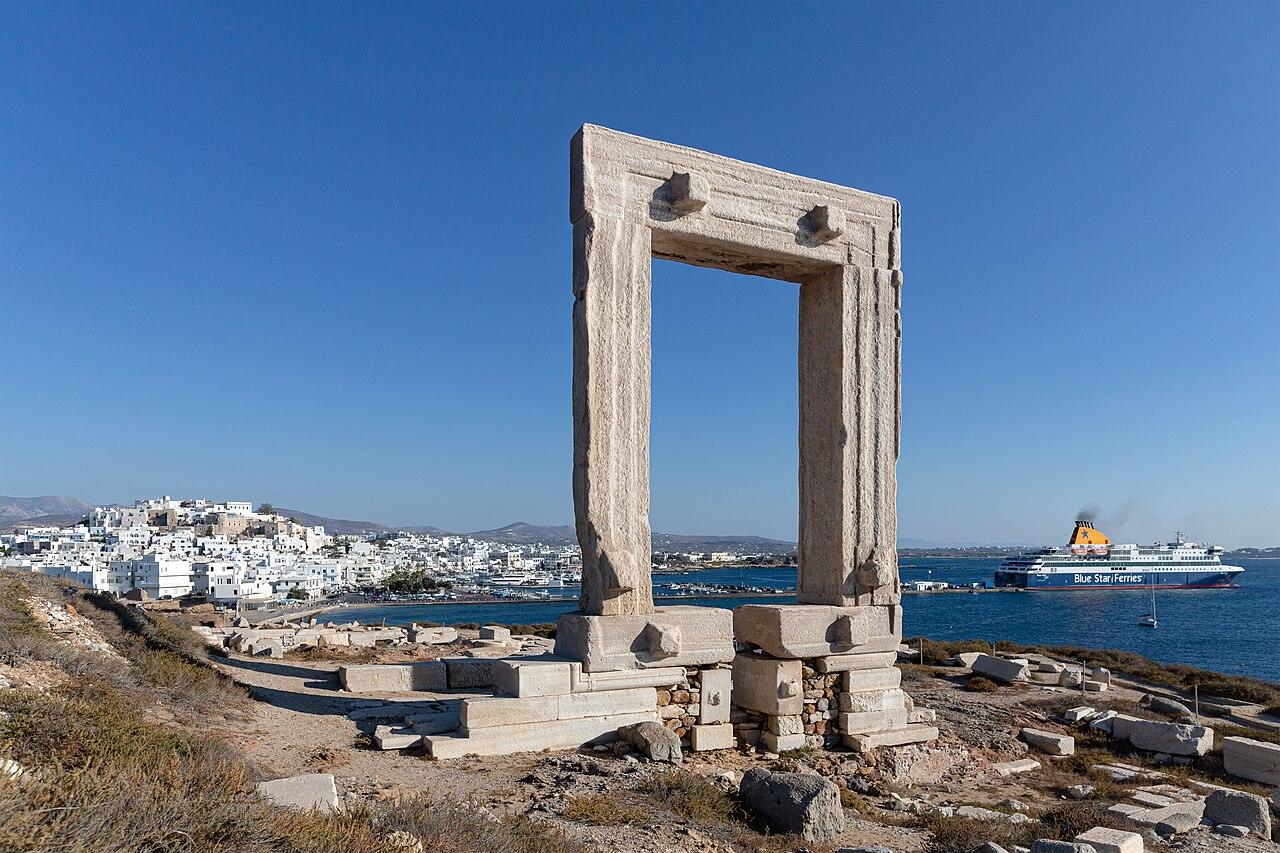
At sunset walk to the Portara, the great marble doorway of an unfinished temple of Apollo, on an islet joined to the harbour by a causeway: it is the island's symbol and the place to watch the sun sink into the sea. Stay in the Chora or around Agios Georgios, the town beach. For dinner try Naxos graviera cheese, the island's potatoes, much prized in Greece, and kitron, the local citron liqueur. Practical tip: keep your ferry ticket on your phone and also printed, in case the network fails at the port.
- Day 4
The villages of the interior and the beaches of Naxos
For the interior of Naxos you need a car or scooter, available to hire in the Chora; there are also local buses, less frequent. In the morning drive up to the Tragea valley, among olive groves and Byzantine chapels. In Chalki, a village of neoclassical houses, there is the kitron distillery, which can be visited no-cost. Further on is Filoti, at the foot of Mount Zas, the highest peak in the Cyclades, climbed on foot in about three hours there and back, and Apiranthos, a village of stone and marble with paved streets and small museums.
In the Melanes valley, half an hour from the Chora, you can see the kouroi, large archaic statues left unfinished in the marble quarries and lying in the grass for two thousand six hundred years.
In the afternoon go down to the south-west coast, which has the longest sandy beaches in the Cyclades: Agios Prokopios, Agia Anna and Plaka, with shallow, clear water and no-cost stretches alternating with equipped beaches. Further south there are wilder beaches and juniper dunes.
Return to the Chora for the evening. Practical tip: Naxos mountain roads have tight bends and goats on the road; a scooter is handy but needs experience and a helmet. In summer the wind on the west coast can be strong: the east coast is more sheltered.
- Day 5
Ferry to Santorini, Fira and the trail to Oia
The ferry from Naxos to Santorini takes from an hour and a half to about two and a half hours. You arrive at the port of Athinios, at the bottom of the caldera, linked to the top of the island by a hairpin road used by buses and taxis: book your transfer in advance, as there is a lot of confusion when ferries arrive.
Santorini is the rim of a volcano that collapsed in a huge eruption about 3,600 years ago: the white houses of its villages sit on cliffs three hundred metres above the caldera, the sea lagoon in the middle. Drop your bags and go to Fira, the main town, on the edge of the cliff.
In the afternoon walk the caldera trail from Fira to Oia: about ten kilometres, three or four hours, through Firostefani and Imerovigli, with ups and downs and unshaded stretches of dirt path. The caldera view is with you all the way. Set off by four to reach Oia before sunset, when the village fills with people for the spectacle of the sun over the sea. From Oia you return to Fira by bus or taxi.
Stay in Fira or Firostefani for the view, or on the east side, at Kamari or Perissa, cheaper and close to the beaches. Tip: after the earthquakes of early 2025 some areas and trails at risk of landslides were closed; check local notices before walking near the edge.
- Day 6
Akrotiri, the volcanic beaches and the caldera by boat
In the morning visit Akrotiri, in the south of the island: a Bronze Age town buried by the ash of the eruption, with multi-storey houses, streets and storerooms, protected by a large roof. It takes an hour to an hour and a half; the finest frescoes are in the Museum of Prehistoric Thera in Fira. Nearby is the Red Beach, beneath a wall of red rock: access has been banned several times because of rockfall risk, so view it from the path and respect the signs.
Santorini's beaches are of dark volcanic sand or gravel, which gets very hot: Perissa and Kamari, on the east side, have equipped beaches and clear water.
In the afternoon take a boat trip round the caldera, about five hours: you land on Nea Kameni, the volcanic island in the middle, to walk up to the crater, swim in the warm springs of Palea Kameni and stop at Thirassia, the island opposite, with a quiet village. Many trips end with sunset at sea off Oia.
In the evening try the island's food: tomato fritters, Santorini fava, a purée of yellow split peas, and white wines from Assyrtiko grown in volcanic vineyards. Practical tip: Santorini is one of the most expensive islands in Greece; tavernas in inland villages such as Pyrgos cost less than those on the caldera.
- Day 7
Back via Athens
From Santorini you return to Athens by plane, about forty minutes, or by ferry, five to eight hours depending on the ship. Flying is convenient if you have an international connection the same day; by ferry, always allow at least half a day's margin, as the sea can cause delays.
If your flight is in the afternoon, use the morning for Pyrgos, the island's highest village, with lanes spiralling round the Venetian castle and views over all of Santorini, or for a winery tasting of volcanic wines, grown with the vine coiled into a basket close to the ground to protect it from the wind. Alternatively, in Athens, if you arrive early, take a last walk through the National Garden to the Temple of Olympian Zeus, near Syntagma Square.
From Santorini airport to the centre of Fira takes about twenty minutes; in summer taxis are scarce, so book a transfer. The island does not have plentiful taxis as big cities do. Practical tip: in Greece every accommodation charges a fee per room per night, higher from April to October and in higher-category hotels; it is often not included in the price booked online and is paid on departure. Keep some cash for small expenses, even though cards are accepted almost everywhere.
The right pairing for a first time in the Cyclades: Naxos for beaches and food, Santorini for the caldera. Santorini in July and August is crowded and expensive, so May, June or September are better. Book ferries ahead in high season.
Before you go
- Documents and visa
- EU citizens need a valid identity card or passport, including on ferries, where ID may be checked at boarding. Other nationalities should check the Schengen rules.
- Health and vaccines
- No vaccines required. EU citizens should bring their EHIC; in summer protect yourself from the sun and drink plenty. Emergencies: 112.
- Money and payments
- Euro. Cards are accepted almost everywhere; every accommodation charges a fee per room per night, often paid on departure.
- Power sockets
- Types C and F, 230 volts.
- Time zone
- Eastern European Time (UTC+2), summer time (UTC+3) from late March to late October.
- Safety
- A safe country. In summer watch for wildfires and 112 alerts; in Athens, for pickpockets on the metro. Official advice: GOV.UK.
Information checked in November 2026 for Italian and EU citizens. Rules change: always check before you travel.
Variations
In 5 days: one day in Athens with the Acropolis and the museum, then straight to Santorini for three days with the caldera trail and the boat trip, and departure. You skip Naxos.
In 12 days: add Paros and Antiparos between Naxos and Santorini, and Milos or Folegandros for quieter beaches and villages, or two days at Delphi and Cape Sounion from the capital.
Frequently asked questions
Do ferries need booking?
In July and August yes, especially fast ships and if you travel with a car. In spring and autumn you can often find a place a few days ahead, but there are fewer sailings. Always leave a day's margin before your flight home, as wind can cancel departures.
When is the best time?
May, June, September and early October: warm sea, fewer crowds and lower prices. July and August are hot, expensive and crowded, with the meltemi wind. In winter many island hotels and restaurants close.
Is Santorini safe after the 2025 earthquakes?
Tourism has resumed, but some areas near the caldera edge and some beaches below the cliffs may be closed because of landslide risk. Follow local notices and do not cross barriers.
Indicative itinerary written by World Atlas. Before booking, check timetables, seasonal openings, documents and safety.
 10 daysEasy
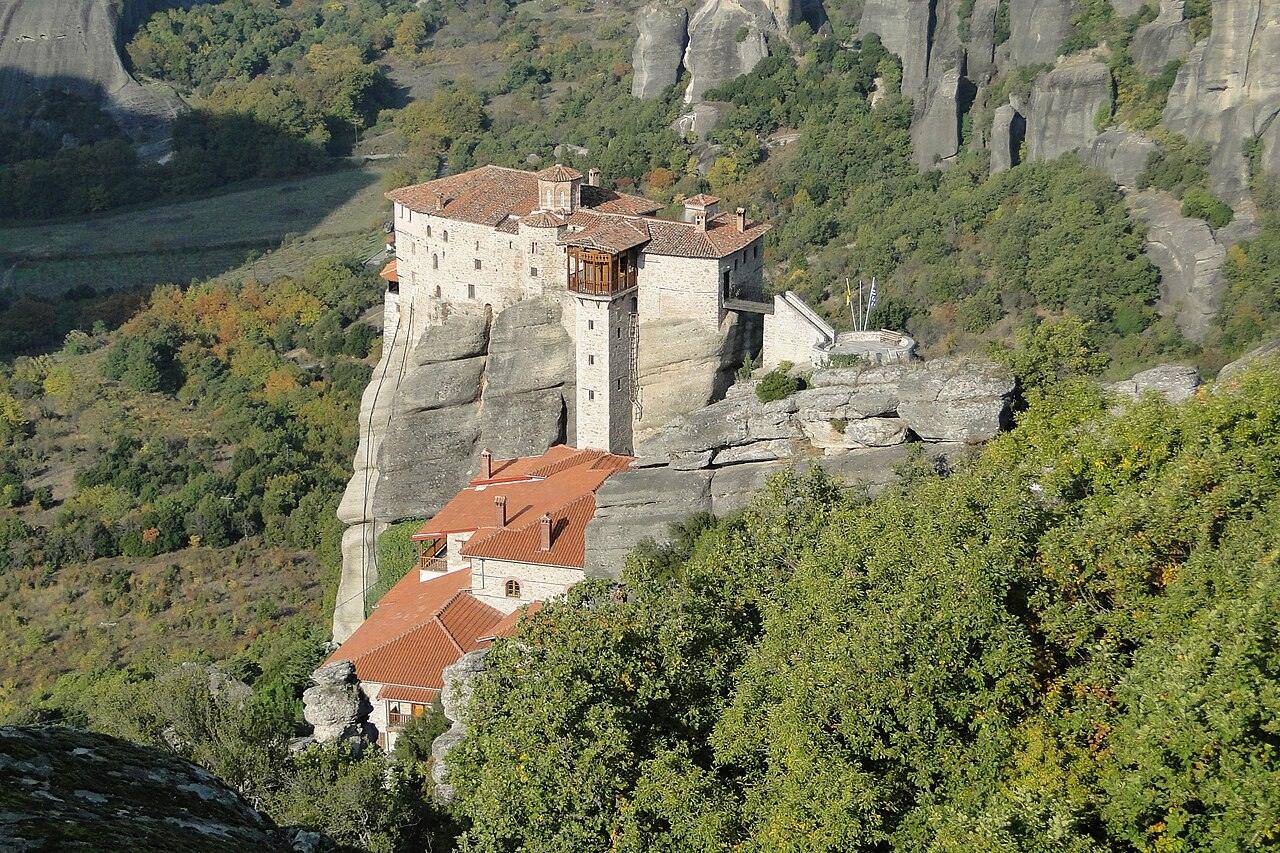
Classical Greece: Athens, Delphi, Meteora and the Peloponnese
A road trip through the great sites of antiquity and the suspended monasteries of Meteora.
 10 daysEasy
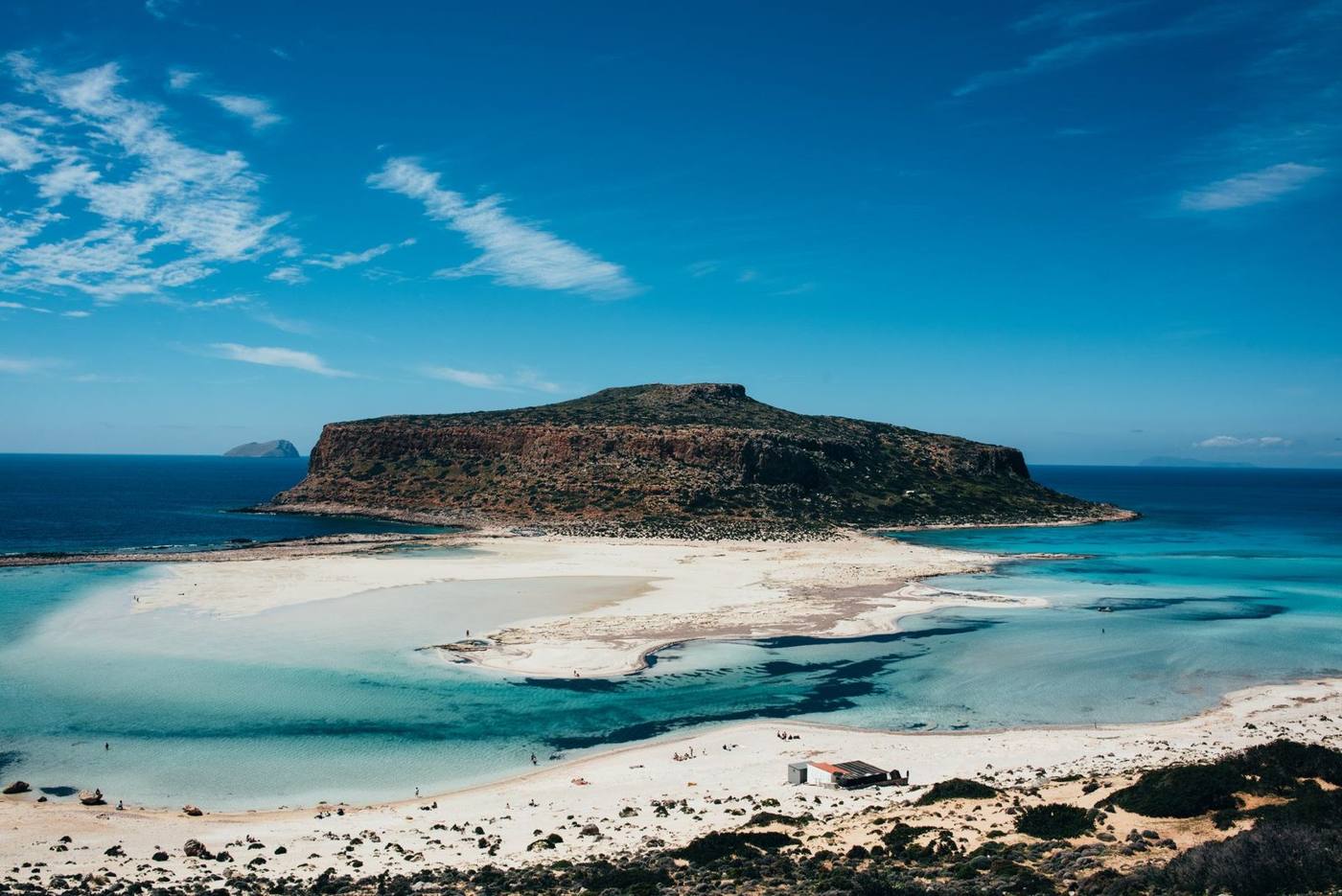
Crete from west to east
The beaches of Balos and Elafonissi, the Samaria Gorge, Knossos and the inland villages.
 15 daysModerate
Kruger, the Garden Route and Cape Town
The great classic: a Kruger safari, the scenic Garden Route and a finale in Cape Town.