Zagori on Foot: the Vikos Gorge and the Stone Villages
Four days of walking in Epirus, from Monodendri to Tsepelovo, with a night in a mountain hut below Astraka and two closing days in Athens.
- Ioannina
- Monodendri
- Vikos Gorge
- Papingo
- Astraka Refuge
- Kapesovo
- Tsepelovo
- Athens
Day by day
- Day 1
Arrival in Ioannina
This trip takes you on foot through Zagori, a mountain region of Epirus in north western Greece, far from the islands and the sea. It has more than forty villages of grey stone with slab roofs, linked by old paved mule tracks and arched bridges, and the Vikos Gorge, one of the deepest in the world relative to its width, inside Vikos Aoos National Park. The cultural landscape of Zagori is a UNESCO World Heritage site.
Before you leave: Greece is part of the Schengen area and European Union citizens only need an identity card. Accommodation charges a nightly tax that varies by category and season: ask for the amount when you book.
You fly into Ioannina, on a domestic flight from Athens or a direct flight when there is one, or take a bus from Thessaloniki or Preveza airport. Ioannina is the capital of Epirus, a university city on Lake Pamvotis.
In the afternoon settle in the centre and take a first walk along the lakeside, with plane trees, boats and mountains in the background.
In the evening have Epirus cooking: pites, savoury pies of thin pastry filled with greens, cheese or meat, lake trout and sheep and goat cheeses.
Sleep in Ioannina.
Practical tip: the best time is May to June and September to mid October. In summer it is cool up high but can be hot in the gorge; in winter it snows.
- Day 2
Ioannina: the lake and the Ottoman citadel
Today you stay in Ioannina and pack for the days in the mountains.
In the morning enter the citadel, the Kastro, enclosed by walls on the promontory over the lake. Inside are quiet lanes, lived in houses and two fortified enclosures. In the innermost, Its Kale, stood the palace of Ali Pasha, the Ottoman governor who in the late eighteenth and early nineteenth centuries made Ioannina one of the richest cities in the Balkans. You see the Fethiye mosque, with Ali Pasha's tomb beside it, the baths and the Byzantine museum. Not far away is the Aslan Pasha mosque, now a museum, with a lovely view over the lake.
In the afternoon take the boat to the island in the lake, simply called Nisi, the island: a car no-cost village of stone houses, small Byzantine monasteries with frescoes and the monastery where Ali Pasha was killed in 1822. The crossing takes a few minutes.
Back in town, buy what you need for the trek: snacks, water, sunscreen. Along the route the villages have small shops and tavernas, but they are not always open.
If you have arranged luggage transfer between villages, confirm the times: many Zagori guesthouses offer this service.
Sleep in Ioannina.
Practical tip: Ioannina is famous for silverwork. The craft workshops are around the citadel.
- Day 3
The Vikos Gorge from Monodendri to Papingo
Today is the longest and best known stage of the trip: the crossing of the Vikos Gorge. Leave early by taxi or arranged transport for Monodendri, a village on the rim of the gorge, about forty minutes from Ioannina.
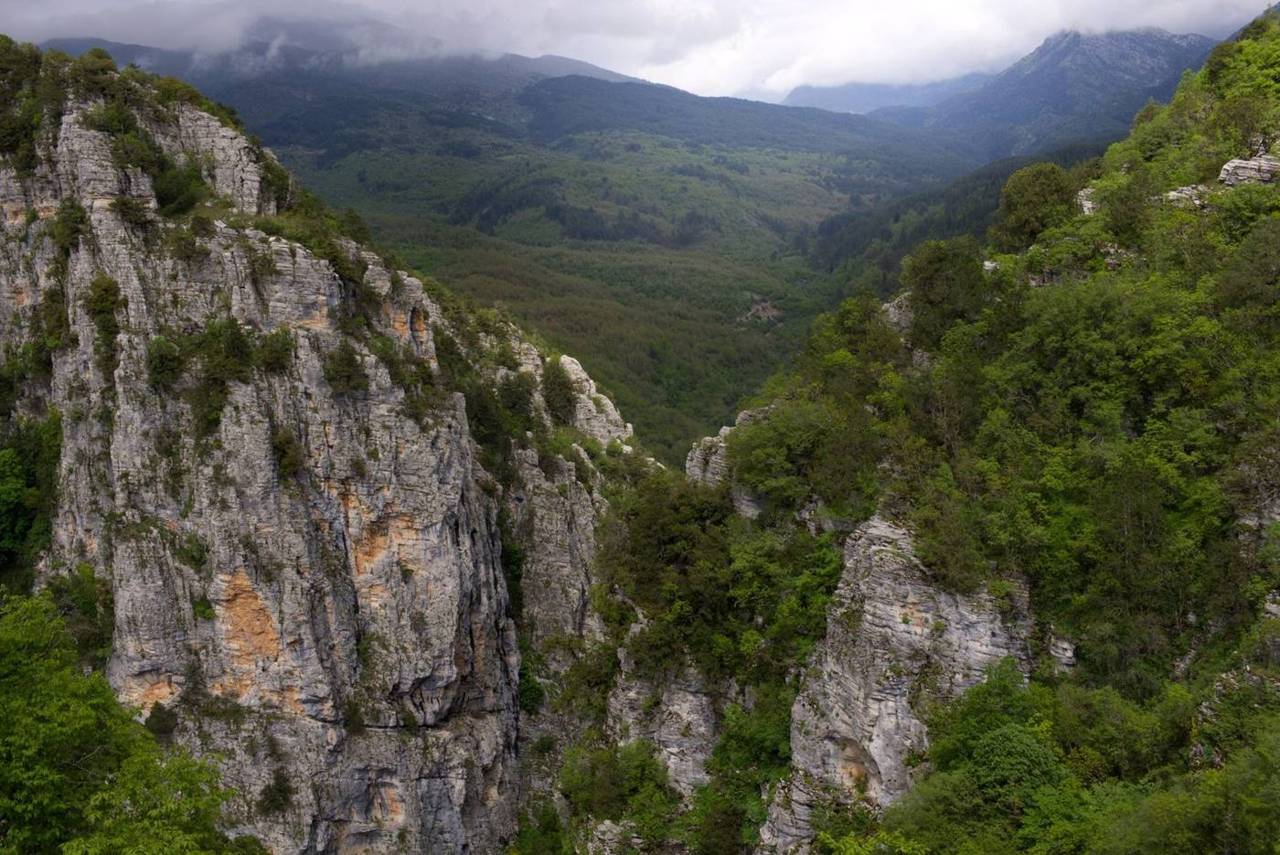
Before descending, walk to the monastery of Agia Paraskevi, built on the edge of the cliff, and then a few kilometres to the Oxia viewpoint, where you look down into the gorge: limestone walls hundreds of metres high and the green floor far below.
Then you descend from Monodendri by a steep stone stairway to the bed of the Voidomatis river, almost always dry along this stretch. You walk for hours along the bottom of the gorge, among plane trees, maples, white stones and towering walls, with the silence broken only by birds. Halfway are the Voidomatis springs, where icy, clear water flows out of the rock.
In total it is about fifteen kilometres, seven to eight hours of walking with stops. At the end you climb towards the villages of Papingo, at the foot of the rock towers of Astraka. The trail is marked as European path 03 with red and white markers.
In the evening, in Megalo Papingo or Mikro Papingo, rest in a stone house.
Sleep in Papingo.
Practical tip: carry at least two litres of water. There are few springs in the gorge and after rain the trail may be closed.
- Day 4
The climb to Astraka refuge and the Dragon Lake
Today's stage is short but steep: from Mikro Papingo you climb about five kilometres and almost a thousand metres to the Astraka refuge, at about 1,950 metres, on a saddle in the Tymfi mountains. It takes three or four hours.
The path first climbs through oak and pine woods, then among rocks and pastures. Along the way there is a spring where you can fill your bottle. From the climb you see the great rock walls of the Astraka towers and, below, the villages of Papingo.
At the refuge you leave your pack. In the afternoon, if you still have energy, walk down into a valley of pastures and climb for about an hour and a half to the Dragon Lake, Drakolimni, a small alpine lake above 2,000 metres on the edge of a cliff dropping towards the Aoos gorge. According to legend, two dragons lived here and on the opposite mountain, Smolikas, and threw stones at each other. Alpine newts, small protected amphibians, live in the water: do not touch them.
Return to the refuge before sunset. In the evening you eat with the other hikers and sleep in dormitories.
Sleep at the Astraka refuge.
Practical tip: book the refuge ahead and check when it is open. Mountain weather changes quickly: bring a waterproof jacket and a fleece even in summer.
- Day 5
From the refuge to Kapesovo, along mule tracks and bridges
Today you come down from the mountain towards central Zagori, to the village of Kapesovo, about thirteen kilometres, six or seven hours of walking. The exact route depends on your guide or map: usually you descend again towards the Vikos Gorge and cross it to the opposite side to reach the central villages.
Part of the day is spent on kalderimi, the paved mule tracks built over past centuries to link the villages, with stone steps and low walls. They were the roads of merchants and muleteers before cars arrived.
Near Kapesovo is the Vradeto stairway, one of the most famous mule tracks in Greece: hundreds of stone steps zigzagging up a steep face. At the top, at Vradeto, you reach the Beloi viewpoint, looking across into the Vikos Gorge from the other side, perhaps the finest view in the whole region.
Kapesovo is a quiet village with stone houses, a church with a bell tower and a small school museum, because many teachers and merchants left from here, made their fortune abroad and sent money back to build schools and churches.
In the evening have dinner in a village taverna, often grilled meat, pites and local wine.
Sleep in Kapesovo.
Practical tip: stone steps are slippery in the rain. Trekking poles help a lot on descents.
- Day 6
From Kapesovo to Tsepelovo, through woods and villages
Today is the last stage on foot, about twelve kilometres, five or six hours, through the woods and villages of central Zagori.
In the morning you descend from Kapesovo to the floor of a valley and climb towards other villages, passing old arched stone bridges. Zagori is famous for its bridges, built in the eighteenth and nineteenth centuries by master masons from the region, often paid for by local merchants. The most photographed is the three arched Plakidas bridge, in the south of the area, which you can see by car on the way back. Along the walk you also pass tall, slender single arch bridges.
You walk through oak and beech woods, with clearings, abandoned fields and flocks of sheep. In autumn the colours are beautiful. You meet small churches, stone fountains and dry stone walls.
In the afternoon you reach Tsepelovo, one of the largest villages in Zagori, with a big square under a plane tree, the church and houses roofed with grey slabs. From here you see the Tymfi mountains you have crossed.
In the evening have dinner in a village taverna. Try cheese pie, slow cooked goat or lamb and sweets made with local honey.
Sleep in Tsepelovo.
Practical tip: leave a good review or a tip for the people who helped you: tourism in Zagori is run by small families.
- Day 7
Back to Ioannina and transfer to Athens
Today you leave Zagori. In the morning return to Ioannina by taxi or arranged transport, about an hour. If you have a car or the taxi agrees to a detour, stop at the three arched Plakidas bridge and the single arched Kokkoris bridge along the southern road.
Then transfer to Athens. There are three options: the domestic flight from Ioannina, the fastest; the scheduled bus, about six and a half hours; or a car, on the main road down to the coast and across the bridge over the Gulf of Corinth at Rio. Check current times and prices.
In the afternoon or evening you reach Athens. Stay in the centre, for example in Plaka or Koukaki, near the Acropolis.
In the evening walk through Plaka, the old district at the foot of the Acropolis, with neoclassical houses, Byzantine churches, steps and small squares. Climb the Areopagus hill, next to the Acropolis, to see the floodlit Parthenon and the city lights.
Have Greek food for dinner: salad with feta, souvlaki, moussaka, grilled fish.
Sleep in Athens.
Practical tip: after days in the mountains, Athens feels noisy and chaotic. Choose accommodation on a quiet street and, if you can, with air conditioning in summer. If you arrive late, the metro from the airport and the bus station takes you easily to the centre.
- Day 8
A no-cost day in Athens
Today is a no-cost day in Athens, useful for visiting the Acropolis or simply resting your legs after the trek.
If you want to visit the Acropolis, arrive at opening time, when the light is finest and the groups have not yet arrived. The ticket costs 30 euros: buy it online with an entry time. You climb to the Propylaea, the great gateway, and reach the top with the Parthenon, the Erechtheion with its caryatids and the small temple of Athena Nike, with views over the whole city to the sea. On the slopes are the theatre of Dionysus and the odeon of Herodes Atticus.
Then visit the Acropolis Museum, at the foot of the hill: a modern building with the original sculptures of the Acropolis, the real caryatids and, on the top floor, the Parthenon gallery, with the frieze arranged as on the temple. Through the glass floor you see excavations of an ancient neighbourhood.
In the afternoon rest, or walk through the ancient Agora, with the temple of Hephaestus, one of the best preserved Greek temples, and the Monastiraki district with its flea market.
At sunset climb Philopappos hill or Lycabettus for a last view of the city.
Sleep in Athens.
Practical tip: in summer visit the Acropolis early in the morning. At midday the marble reflects the sun and it is very hot.
- Day 9
Return flight
On the last day, if your flight leaves in the afternoon, you still have a few hours in Athens.
You can visit the National Archaeological Museum, one of the most important in the world for ancient Greek art, with the gold mask known as Agamemnon's, bronze statues found in the sea and the Antikythera mechanism, an ancient astronomical calculator. Alternatively walk in the shade of the National Garden, behind Parliament, and watch the changing of the evzones guard at the Tomb of the Unknown Soldier on Syntagma Square.
Athens airport is about forty minutes from the centre by metro, which leaves from Syntagma and Monastiraki. Arrive early.
Before leaving, buy something from Epirus or Greece: mountain honey, mountain tea, cheese, olive oil, or some silverwork from Ioannina if you did not buy any.
This trip shows a Greece different from the islands and beaches: mountains, deep gorges, forests, almost intact stone villages and old bridges, with a simple and warm welcome. It suits people who enjoy walking and are looking for silence and nature.
Practical tip: after the trek, in your first days at home take some light walks and stretch to loosen your legs. And if you enjoyed Zagori, Epirus has other mountains to discover, such as Smolikas and the Aoos valley around Konitsa.
This trip suits people who walk regularly and want mountain Greece, with no beaches at all. The Vikos Gorge and the stone villages repay the effort, but 12 to 15 km stages with a pack and a night in a basic hut call for genuine fitness. Broken-in boots and poles are essential.
Before you go
- Documents and visa
- EU citizens need a valid identity card or passport, including on ferries, where ID may be checked at boarding. Other nationalities should check the Schengen rules.
- Health and vaccines
- No vaccines required. EU citizens should bring their EHIC; in summer protect yourself from the sun and drink plenty. Emergencies: 112.
- Money and payments
- Euro. Cards are accepted almost everywhere; every accommodation charges a fee per room per night, often paid on departure.
- Power sockets
- Types C and F, 230 volts.
- Time zone
- Eastern European Time (UTC+2), summer time (UTC+3) from late March to late October.
- Safety
- A safe country. In summer watch for wildfires and 112 alerts; in Athens, for pickpockets on the metro. Official advice: GOV.UK.
Information checked in November 2026 for Italian and EU citizens. Rules change: always check before you travel.
Variations
In 6 days: Ioannina, the Vikos Gorge and Papingo, returning without Athens.
In 12 days: add the climb of Mount Gamila and a few days by the sea at Parga or Sivota.
Frequently asked questions
What documents do I need?
Greece is part of the Schengen area: European Union citizens only need a valid identity card.
How hard is the trek?
You need good fitness: stages of five to fifteen kilometres, with the long Vikos Gorge and the steep climb to Astraka. No climbing skills are needed.
When is the best time to go?
May to June and September to mid October. After heavy rain the gorge trail may be closed; in winter it snows up high.
Indicative itinerary written by World Atlas. Before booking, check timetables, seasonal openings, documents and safety.
 9 daysEasy
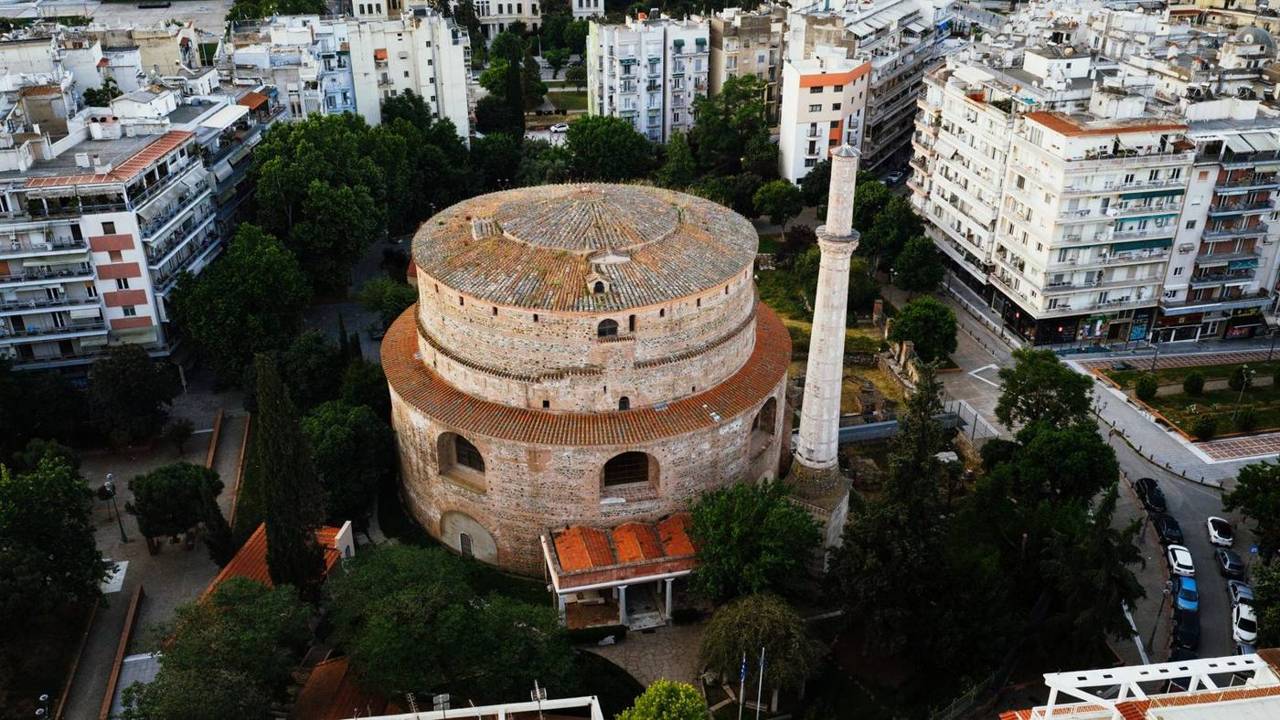
Byzantine Greece: Thessaloniki, Halkidiki and Kavala
A loop through northern Greece among Byzantine churches, mountain monasteries and the outline of Mount Athos seen from the sea, designed for the colder months.
 10 daysEasy
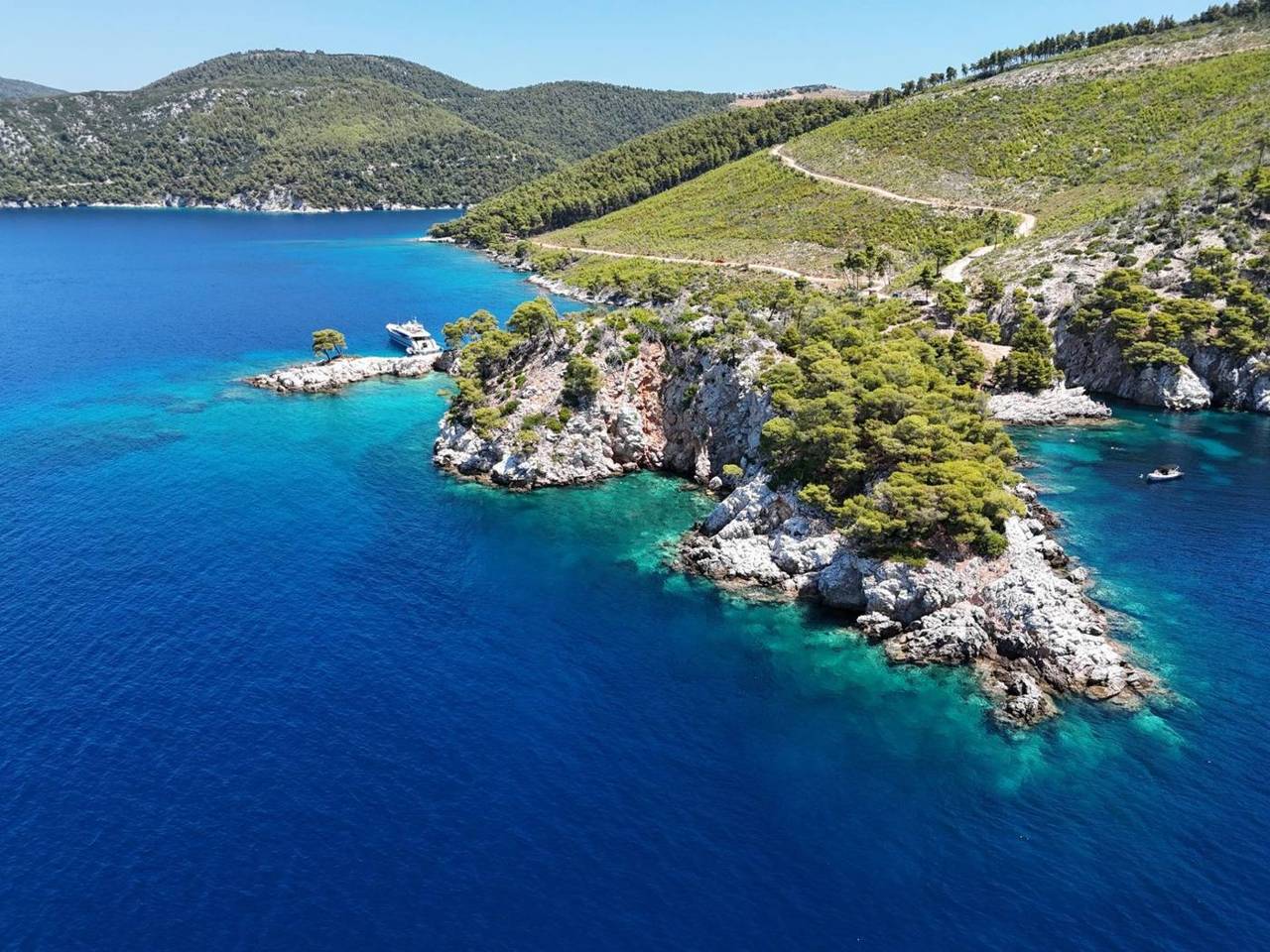
The Sporades: Alonissos, Skiathos and Skopelos
Three green islands in the western Aegean, with pine woods running down to the water, a marine park and a few trails up to the monasteries.
 8 daysEasy
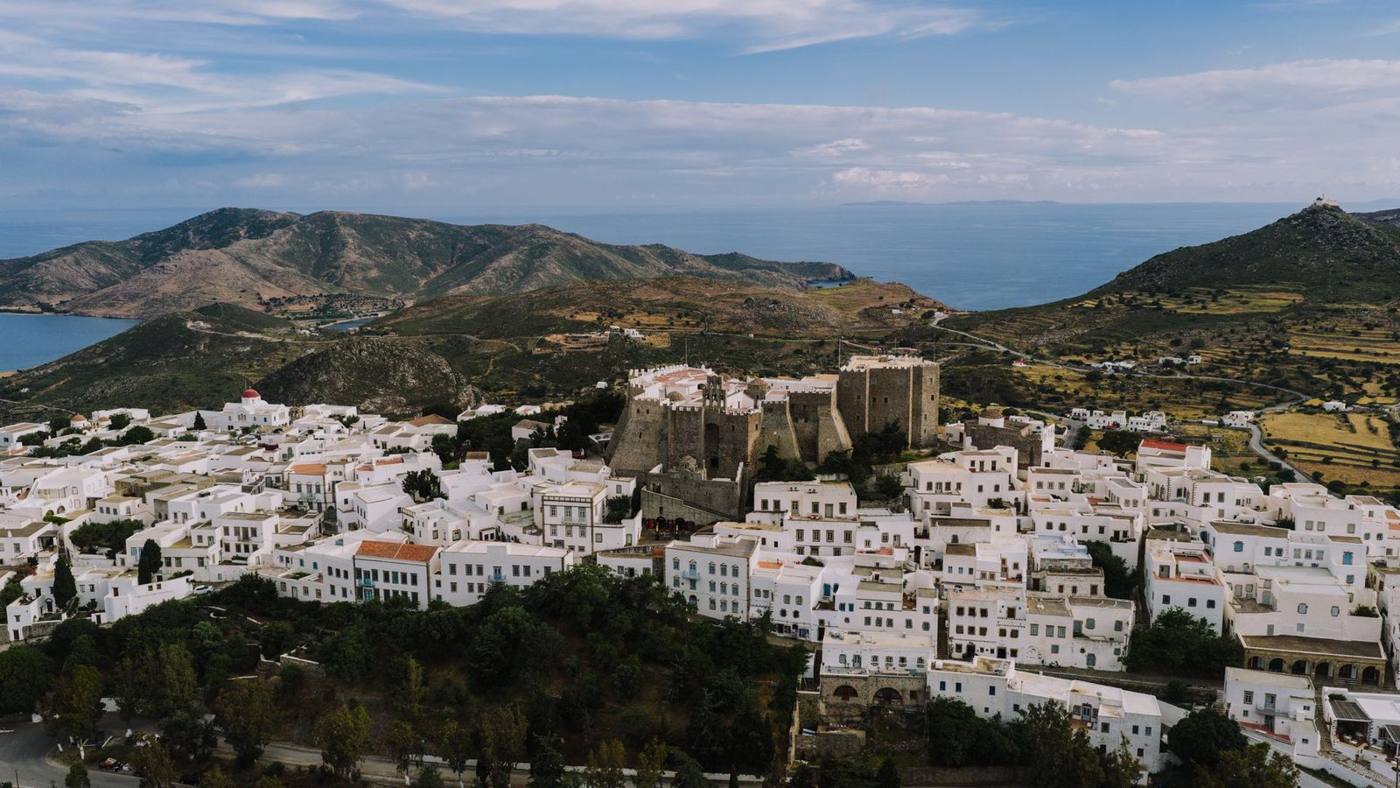
The Dodecanese by Gulet: Kos, Leros, Patmos and Kalymnos
A week aboard a wooden gulet sailing from Bodrum, among the smaller islands, roadless bays and the monastery of Patmos.