Flores overland: Wae Rebo and Bajawa
Inland Flores away from the Komodo boats: the spiderweb rice fields of Cancar, the village of Wae Rebo with its conical houses reached on foot through the forest, the megalithic Ngada villages of Bena around Bajawa, hot springs and the three coloured lakes of Kelimutu.
- Labuan Bajo
- Ruteng
- Wae Rebo
- Bajawa
- Bena
- Moni
- Kelimutu
- Ende
Day by day
- Day 1
From Labuan Bajo to Ruteng and the spiderweb rice fields of Cancar
Flores is a long, mountainous island in eastern Indonesia, between Komodo and Timor. Most visitors stop in Labuan Bajo for the Komodo dragons, but the island's interior is a world apart: volcanoes, forests, terraced rice fields, traditional villages with wooden and thatched houses and three volcanic lakes of different colours. Over seven days you cross Flores overland from west to east, from Labuan Bajo to Ende.
Labuan Bajo has an airport with flights from Bali and Jakarta. From here the road climbs inland with many bends, through green hills, forests and small villages. For the whole trip a car with a local driver is best, as distances are long, mountain roads are narrow and public transport is slow and uncomfortable.
After about three to four hours, just before Ruteng, stop at Cancar to see the spiderweb rice fields, called lingko. The fields are divided into wedges radiating from a centre, like a spider's web, following an ancient system of sharing land among families of the Manggarai people. You see them well from a small hill above the village.
In the afternoon you reach Ruteng, a cool, rainy mountain town with a large cathedral. Flores is largely Catholic, and churches are everywhere.
Spend the night in Ruteng.
Practical tip: most European visitors can get a visa on arrival in Indonesia, costing 500,000 rupiah, or apply online before travelling. There is a malaria risk in some parts of Flores: ask your doctor before the trip and use repellent and a mosquito net.
- Day 2
By car to Denge and the trail to Wae Rebo
Today you head for Wae Rebo, a traditional Manggarai village hidden in the mountains and reachable only on foot. In the morning drive from Ruteng south, on a mountain road and then along the coast, for three to four hours to the village of Denge, where the road ends.
From Denge the trail climbs through tropical forest for about two to three hours, crossing streams, coffee plantations and tall trees draped in vines. The climb is several hundred metres and the path can be muddy after rain. You must walk with a local guide, found in Denge.
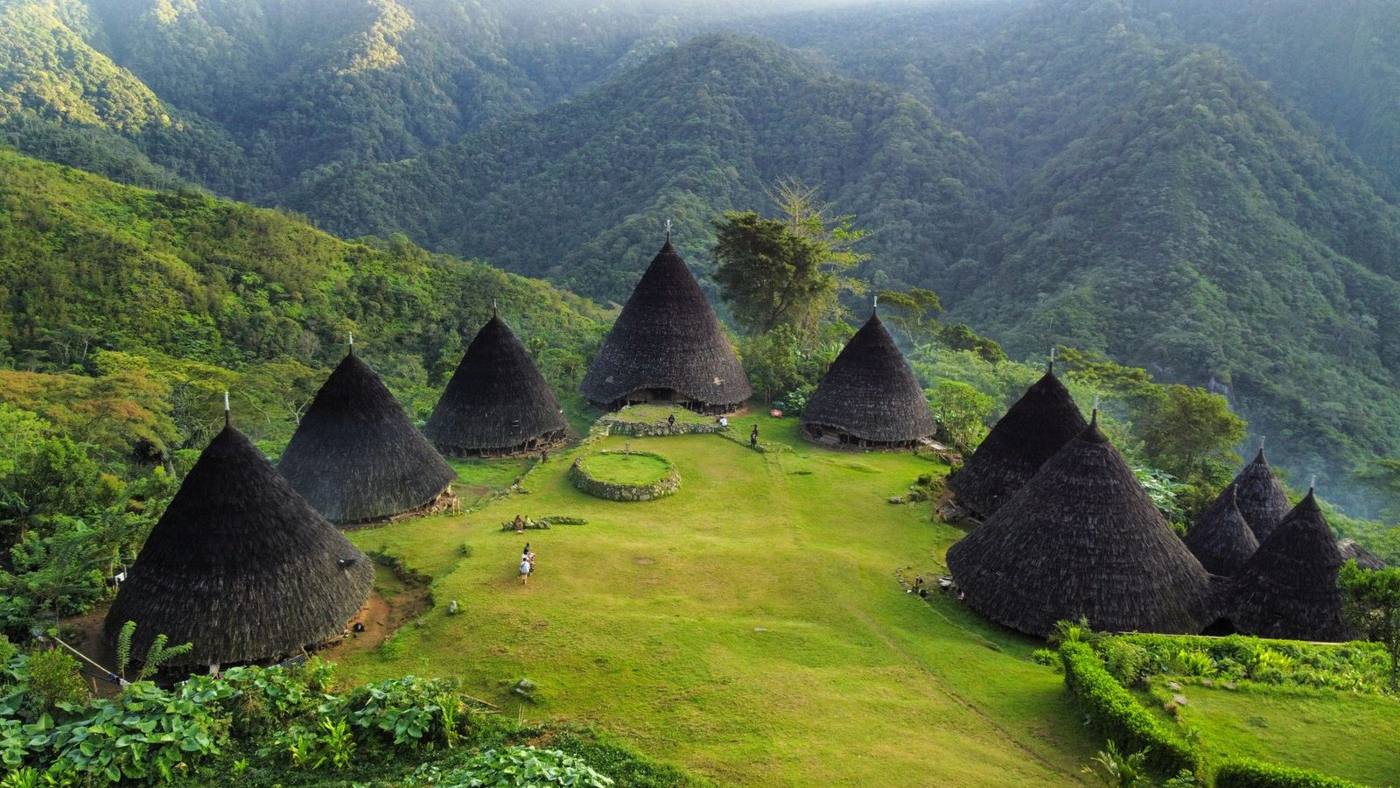
After the final climb you reach a point from which you see the village below: seven conical houses, the mbaru niang, tall and thatched down to the ground, arranged in a circle on a green meadow in a bowl between the mountains. The houses were rebuilt with the help of the community and Indonesian architects, and the project received a UNESCO award for heritage conservation.
On arrival, before entering the village, visitors are welcomed with a small ceremony in the main house, where the village head asks the ancestors' permission for the guests.
In the evening everyone sleeps together in the large guest house, on mats, after a simple dinner of rice and vegetables.
Practical tip: bring a torch, a sleeping bag liner, a warm layer and hiking shoes. Nights in the mountains are cool. The contribution for the visit and the night is paid to the community: check the amount.
- Day 3
Life in Wae Rebo and back down the valley
Get up early to see the village at dawn, when mist rises from the valley and wraps the conical houses. The villagers start their day: women prepare coffee, children play on the grass, men head to the fields.
Wae Rebo lives mainly from coffee, grown in the forest around the village. After breakfast you can see how the beans are roasted and ground by hand in large wooden mortars. Women also weave songke, a traditional cloth with colourful patterns, and some families sell it to visitors.
Enter one of the houses respectfully if you are invited. Inside, on several floors, live several families: on the ground floor people cook and sleep, while the upper floors store seeds, provisions and ceremonial objects.
By mid morning say goodbye to the village and walk back down to Denge, in about two hours. Then drive back towards Ruteng or continue east, depending on your plans and the time.
In the evening stay in Ruteng, or in a village on the road towards Bajawa.
Practical tip: always ask before photographing people, especially the elderly and children. Carry small notes to buy coffee or textiles directly from families: it is the best way to support the community.
- Day 4
To Bajawa and the village of Bena
Today the road crosses the island eastward to Bajawa, about four to five hours from Ruteng. The route passes forested mountains, rice valleys and bamboo groves, with occasional distant sea views.
Bajawa is a highland town in the land of the Ngada people, at the foot of Inerie volcano, an almost perfect cone. The air here is cool and evenings are cold.
In the afternoon visit Bena, the best known traditional Ngada village, about twenty kilometres from Bajawa on the slopes of Inerie. Wooden houses with tall thatched roofs stand in two parallel rows on stone terraces climbing the slope. In the centre are the ngadhu and bhaga, small shrines representing the male and female ancestors of each clan, and large megalithic stones used for ceremonies.
From the top of the village you see the valley and the volcano. Families display ikat textiles, dyed with natural colours, and the macadamia nuts they grow, in front of their houses.
The village is lived in: women weave, children play among the stones. A contribution is left at the entrance.
Spend the night in Bajawa.
Practical tip: dress respectfully in the villages, with shoulders and legs covered. Ask permission before photographing the shrines and do not touch the ceremonial stones.
- Day 5
The village of Luba and the Soa hot springs
In the morning visit Luba, a small Ngada village not far from Bena, less visited and more intimate. It has the same layout, with wooden and thatched houses around a central space with shrines and stones. Here you feel everyday life without groups of visitors.
On the way you pass fields and bamboo groves and may meet people working in the fields or picking coffee. The Bajawa region is known for good arabica coffee grown at altitude. Some families let you see how the beans are dried and roasted, and sell coffee directly.
In the afternoon go to the Soa hot springs, north of Bajawa, also called Mengeruda. A river of hot volcanic water flows through the vegetation and meets a cold stream: where they join, the water is pleasantly warm and you can bathe. It is used mainly by local people, especially at weekends.
In the evening return to Bajawa and try Flores dishes, simple and spicy, with rice, fish, vegetables and chilli sauces.
Spend the night in Bajawa.
Practical tip: at the hot springs bring a swimsuit, a towel and sandals. Some local women bathe clothed: respect local customs and choose a simple swimsuit. Evenings in Bajawa are cold: bring a sweater.
- Day 6
To Moni and sunrise on Kelimutu
Today you leave Bajawa and continue east to Moni, a small village at the foot of Kelimutu volcano, about five to six hours away. The route passes Ende on the south coast, on a spectacular road between beaches of blue and green pebbles and cliffs, then climbs back into the mountains.
Moni is a quiet village among rice fields and hills, with simple lodgings and a weekly market that draws people from the surrounding villages. Arriving in the afternoon, walk through the fields to a small waterfall near the village.
Go to bed early, because the alarm is before dawn. You drive or ride a motorbike up to the Kelimutu National Park car park in about half an hour, then walk twenty minutes to the viewpoint.
Kelimutu has three volcanic lakes side by side at its summit, each a different colour: often one turquoise, one green and one almost black or brown. The colours change over the years because of minerals and chemical reactions in the water. For the Lio people, the lakes are the homes of the souls of the dead, divided according to the lives they lived.
At sunrise the light slowly colours the lakes and surrounding mountains. Then return to Moni for breakfast.
Practical tip: sunrise on Kelimutu depends on cloud and mist. Bring a warm jacket, as it is cold at the top. There is a park entrance fee: check the amount.
- Day 7
Ende and the flight to Bali
After sunrise on Kelimutu and breakfast in Moni, drive down to Ende on the south coast, about two hours away. Ende is the regional capital, with a port, a fish market and busy streets.
The town has an important link with Indonesian history. In the 1930s the Dutch colonial authorities exiled Sukarno here, the leader who later led the country to independence and became its first president. His house is now a small museum, with furniture and objects from those years. It is said that here in Ende, under a tree near the sea, he thought out the principles that would become the foundation of the Indonesian state.
If you have time before your flight, walk along the seafront and through the market, which sells fish, tropical fruit and regional ikat textiles.
Flights leave Ende airport for Bali, often with a stop, or for Kupang and other islands. Alternatively, you can fly from Maumere airport, further east, which has more connections.
In Bali you can rest for a few days before flying home.
Practical tip: domestic flights in Indonesia often change times or are cancelled. Always keep at least a day of margin between your flight from Flores and your intercontinental flight, and reconfirm the day before.
For those seeking village culture, with a driver: roads are slow and winding. Wae Rebo is a climb of about 3 hours and the community charges a visiting fee; everyone sleeps together in the big house. Respect village rules and ask before taking photos. The colours of the Kelimutu lakes change over time. Italian citizens need a visa on arrival (500,000 rupiah, best requested online beforehand as an e-VOA); an increase has been proposed: check the amount before leaving.
Before you go
- Documents and visa
- Passport with at least six months' validity. Visa on arrival 500,000 rupiah for 30 days, extendable once, or online on the official immigration website. In Bali you also pay the 150,000 rupiah tourist levy.
- Health and vaccines
- No compulsory vaccines arriving from Europe. Protect yourself against mosquitoes because of dengue; Bali has rabies, so keep away from dogs and monkeys. The eastern regions carry malaria risk: ask your doctor. Emergencies: 110 police, 112 general number.
- Money and payments
- Indonesian rupiah. Cards work in hotels and shops in tourist areas; QR payments are widespread; markets and villages need cash.
- Power sockets
- Types C and F, 230 volts: the same round-pin sockets as much of Europe.
- Time zone
- The country has three time zones. Java is UTC+7, Bali UTC+8, with no daylight saving time.
- Safety
- Tourist areas are generally calm. The United States rates Indonesia level 2 and the Papua regions level 4. Active volcanoes may close on alert. Very severe drug penalties. Official advice: GOV.UK.
Information checked in November 2026 for Italian and EU citizens. Rules change: always check before you travel.
Variations
In 4 days: from Labuan Bajo to Wae Rebo and back, with the Cancar rice fields.
In 10 days: add two days by boat in Komodo National Park before leaving Labuan Bajo.
Frequently asked questions
When is the best time to go?
April to October, in the dry season. From November to March it rains a lot and mountain roads can suffer landslides.
Do I need a driver?
Yes, it is strongly recommended. The roads are long and winding, and a local driver also helps with village visits.
Is the night in Wae Rebo comfortable?
No, but it is a unique experience. You sleep on mats in a shared house, with simple bathrooms.
Indicative itinerary written by World Atlas. Before booking, check timetables, seasonal openings, documents and safety.
 7 daysModerate
Sumba: megalithic villages and the Pasola
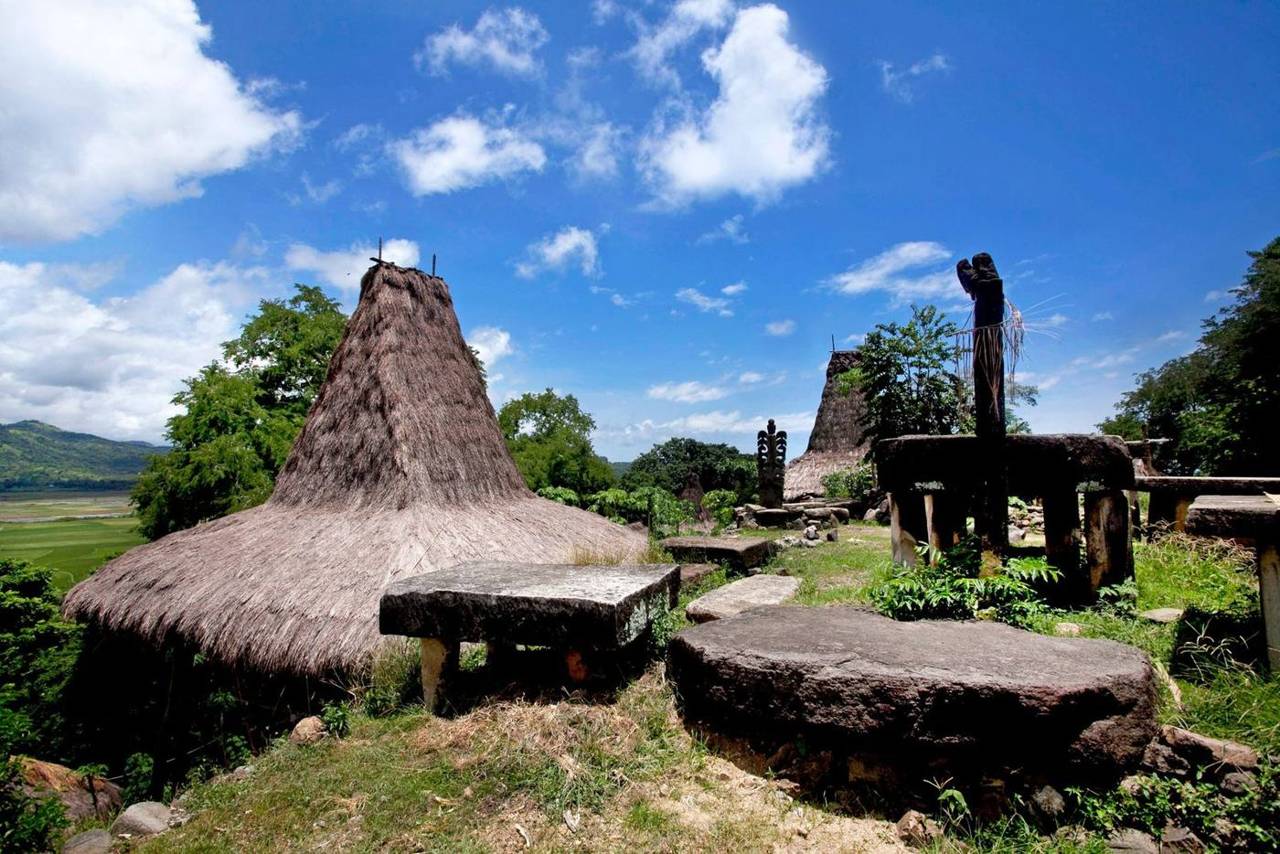
An island outside time, where the Marapu religion is still practised: villages with tall pointed roofs and stone tombs, ikat weavers, wild beaches such as Weekuri and Mandorak and, between February and March, the Pasola, a ritual battle on horseback with wooden spears.
 7 daysModerate
North Sulawesi: Bunaken and Lembeh
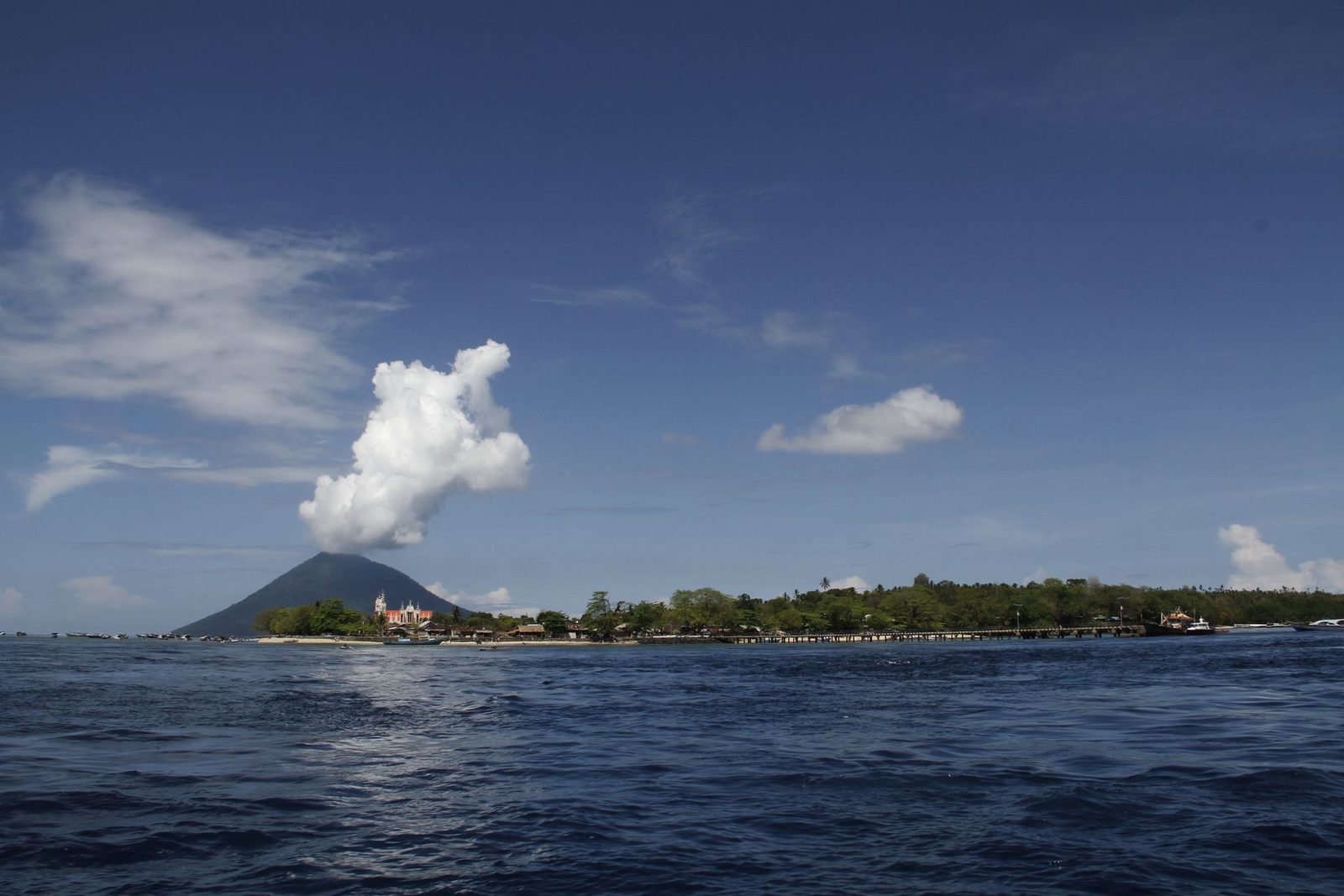
Two different kinds of diving in a week: the vertical walls of Bunaken marine park, full of turtles and fish, and the Lembeh Strait, the world capital of muck diving, with strange creatures on black sand; on land, the tarsiers and black macaques of Tangkoko reserve.
 6 daysModerate
Wakatobi
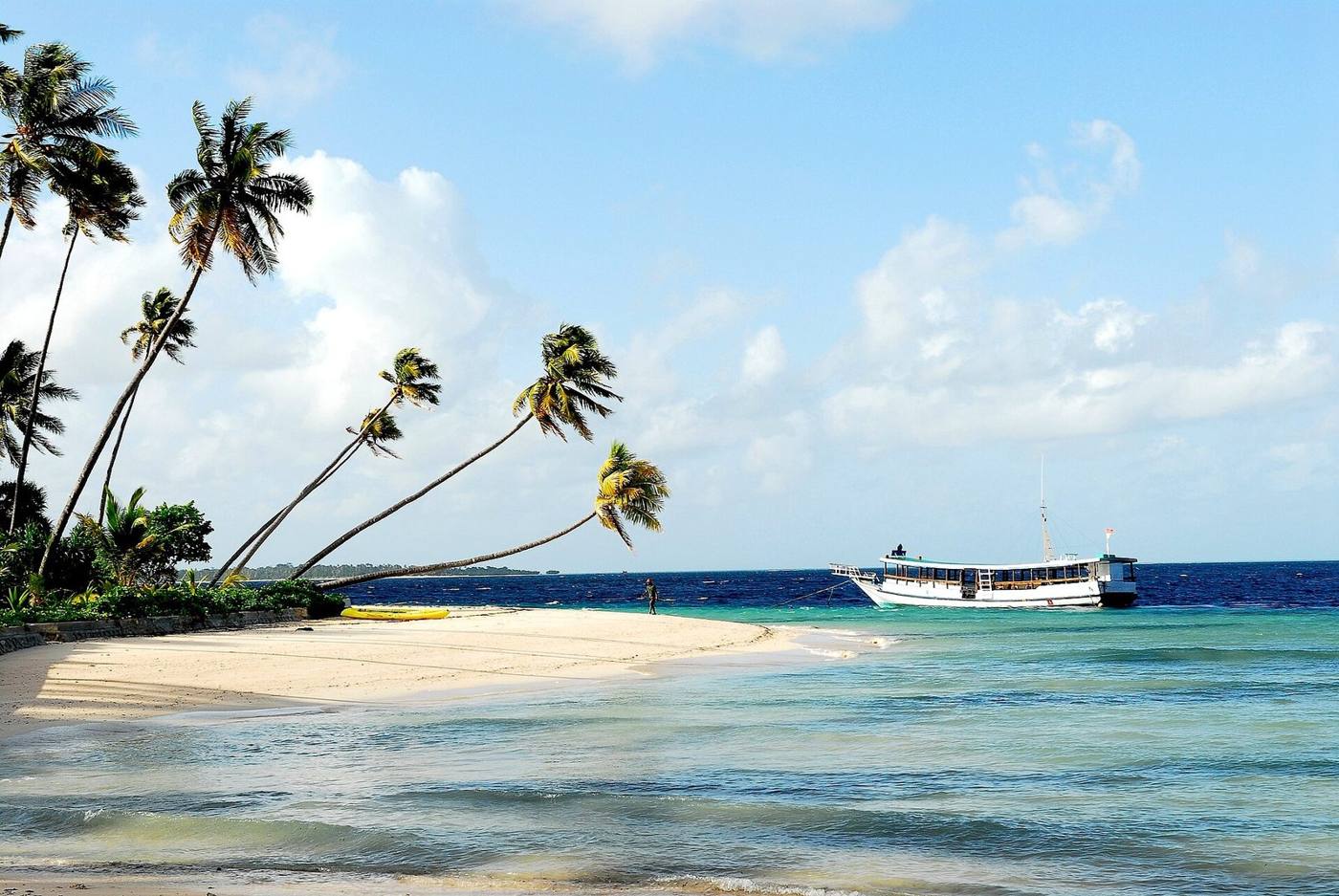
An archipelago in south-east Sulawesi, a national marine park and UNESCO biosphere reserve: some of Indonesia's most pristine coral reefs, clear water, Bajau villages built over the sea and almost empty beaches.