The Japanese Alps and the Nakasendo in a Week
A Japan of mountains and timber: Matsumoto's black castle, the old post road of the Kiso Valley, Takayama, Shirakawa-go and the gardens of Kanazawa.
- Tokyo
- Matsumoto
- Magome
- Tsumago
- Takayama
- Shirakawa-go
- Kanazawa
Day by day
- Day 1
The flight from Europe to Tokyo
This trip takes you to the mountainous heart of Japan, among the Japanese Alps, the old samurai roads and thatched roof villages. In a week you see Matsumoto castle, the Nakasendo trail between Magome and Tsumago, the town of Takayama, the village of Shirakawa go and Kanazawa, with one of the finest gardens in the country. It is traditional Japan, away from the big cities, perfect if you have already seen Tokyo and Kyoto or want a quieter trip.
The first day is the flight. From Europe you arrive in Tokyo, at Narita or Haneda airport, on a direct flight or with a stop in Europe, the Middle East or Asia. The journey usually takes between twelve and sixteen hours, depending on the route.
Before leaving, prepare a few things. Install a map app with train times and a camera translation app, useful for menus and signs. Consider whether to buy the Japan Rail Pass: it covers JR trains, including the shinkansen back from Kanazawa, but not the buses to Shirakawa go. For a one week trip it is worth comparing it with single tickets.
On the plane, try to sleep on Japanese time so you arrive less tired. Japan is seven or eight hours ahead of central Europe, depending on the season.
Practical tip: Italians and many Europeans do not need a visa for short tourist stays. On leaving Japan there is a departure tax of 3,000 yen, usually included in the air fare. The seven day Japan Rail Pass costs 53,000 yen from 1 October 2026: check whether it is worth it for you.
- Day 2
Tokyo and the train to Matsumoto, the crow castle
On arrival in Tokyo, after border checks, take the airport train to Shinjuku station. From here the Azusa limited express reaches Matsumoto in about two and a half to three hours, crossing the Tokyo plain and then valleys between the mountains. On clear days you see the snowy peaks of the Japanese Alps from the window.
Matsumoto is a quiet city ringed by mountains, with a pleasant centre to explore on foot. Drop your bags and head straight to the castle, one of the few in Japan that keep their original wooden keep, built at the end of the sixteenth century. It is called the crow castle because of its black walls. Inside you climb steep, narrow wooden stairs to the top floor, which looks out over the city and the mountains. The castle is reflected in a moat full of carp and swans.
In the afternoon, if you are not too tired, walk along Nawate street, a lane by the river with small shops and frog statues, and Nakamachi street, with old merchants' storehouses in black and white.
In the evening try soba, buckwheat noodles, a speciality of the Nagano region.
Spend the night in Matsumoto and try to go to bed early to recover from the time difference.
Practical tip: inside the castle the stairs are very steep and you climb without shoes, which you carry in a bag. At holiday times there may be a wait at the entrance: arrive at opening time.
- Day 3
Walking the Nakasendo from Magome to Tsumago
Today you walk a section of the Nakasendo, the old inland road that linked Edo, today's Tokyo, with Kyoto through the mountains. Along it were post towns where feudal lords, samurai, merchants and pilgrims stopped. In the Kiso valley some of these post towns have been preserved almost as they were in the nineteenth century.
From Matsumoto take the train south through the Kiso valley to Nakatsugawa, then a bus to Magome. The village is built on a slope, with a stone paved street climbing between wooden houses, water channels, waterwheels and small shops.
From Magome to Tsumago the trail is about eight kilometres and takes three to four hours at an easy pace. It climbs to the Magome pass and then descends through cedar and cypress forest, small hamlets, waterfalls and rice fields. Along the way there is an old teahouse where walkers are often offered a cup of tea. The trail is well signposted, also in English.
Tsumago is one of the best preserved post towns in Japan: no electric wires are visible and the dark wooden houses have paper shutters. In the evening, when day visitors leave, the village falls silent.
Spend the night in a ryokan in Tsumago, with a hot bath and a traditional dinner of many small dishes.
Practical tip: in some seasons there is a luggage forwarding service between Magome and Tsumago: check the times. In the forest there are bells along the trail to ring to keep bears away.
- Day 4
Takayama: merchants' houses and sake
After a Japanese breakfast at the ryokan, leave Tsumago for Takayama. Take a bus or taxi to Nagiso station, then the train towards Nagoya and from there the Hida limited express, which climbs a valley of rivers and gorges to Takayama. The journey takes a few hours in all.
Takayama is a small town in the mountains of the Hida region, famous for its well preserved old centre. The Sanmachi district has three parallel streets of dark wooden merchants' houses, with lattice windows, small channels along the pavements and craft shops.
There are several sake breweries in these streets, recognisable by a large ball of cedar branches hanging at the entrance. When the ball is green, the new sake has just been made; when it turns brown, the sake has matured. Many breweries offer small tastings.
In the afternoon visit the Takayama Jinya, the old seat of local government in the Edo period, with tatami rooms, gardens and rice storehouses. Then walk to the temples on the eastern hill, along a quiet path among trees and cemeteries.
In the evening try Hida beef, very tender and marbled, served grilled or on skewers.
Spend the night in Takayama.
Practical tip: in Takayama shops and breweries close early, often around five in the afternoon. Plan your visit to the centre between the morning and early afternoon.
- Day 5
The morning market, Shirakawa go and arriving in Kanazawa
Early in the morning go to the morning market along the Miyagawa river, where local farmers sell vegetables, fruit, pickles, flowers and small handmade items. It is a simple market, also used by residents.
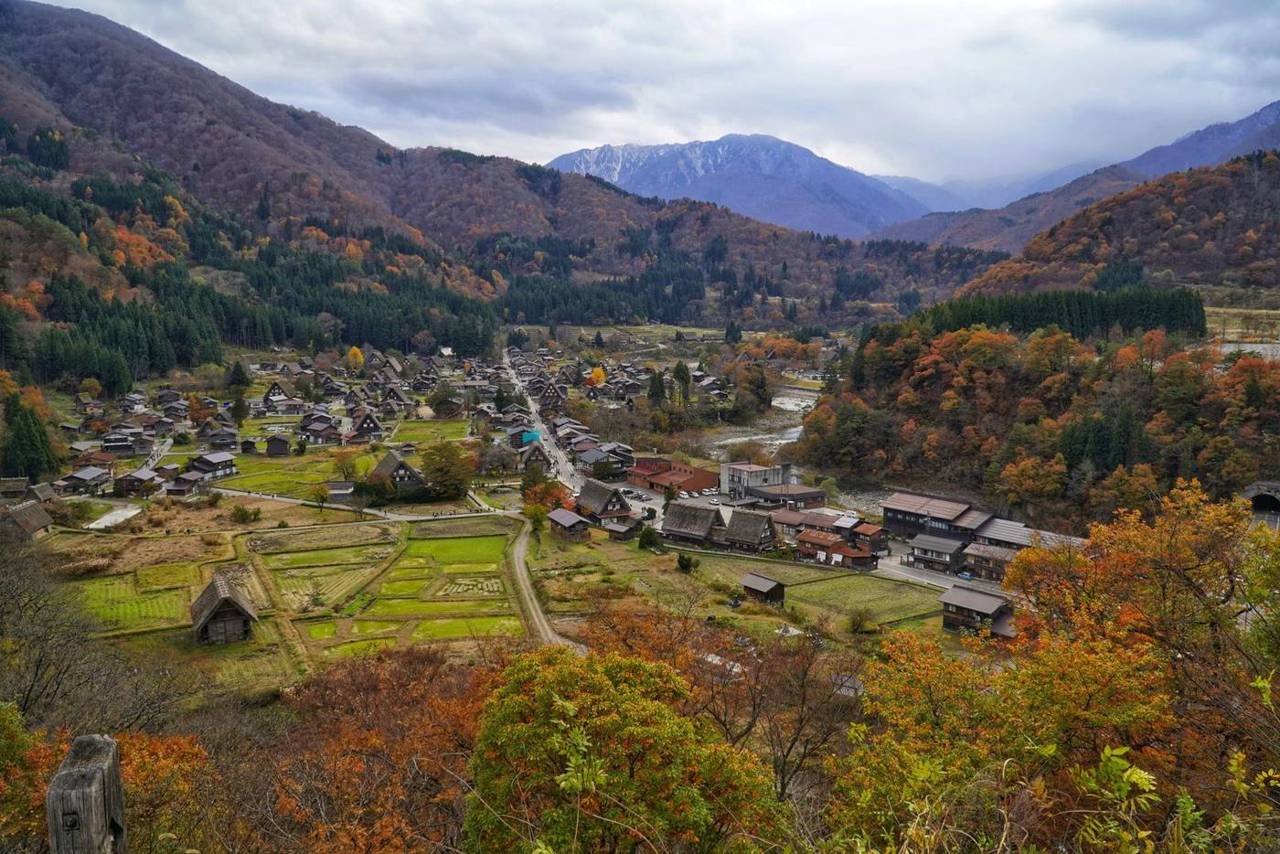
Then take the bus to Shirakawa go, about an hour through the mountains. The village is famous for its gassho zukuri farmhouses, with very steep thatched roofs that look like two hands joined in prayer. The roofs are so steep to bear the heavy winter snow. In the multi storey attics, silkworms were once raised. The village is a UNESCO World Heritage Site.
Walk among the houses, rice fields and channels, and go inside one of the farmhouses open to visitors to see the interior, with its hearth and beams blackened by smoke. Then climb to the viewpoint above the village, which looks over all of Shirakawa go, with the houses lined up in the valley and mountains all around.
In the afternoon take the bus to Kanazawa, about an hour and a quarter. You arrive in the city in the evening.
Spend the night in Kanazawa.
Practical tip: buses to Shirakawa go and Kanazawa fill up quickly, especially in autumn and winter. Book seats in advance. Remember that the Japan Rail Pass does not cover these buses. Families live in the village: do not enter private homes or walk in the fields.
- Day 6
Kanazawa, Kenroku en garden and the shinkansen to Tokyo
Early in the morning go to Kenroku en garden, considered one of the three most beautiful gardens in Japan. It was created by the lords of Kanazawa over more than a century and combines ponds, streams, stone bridges, lanterns, pine trees supported by ropes in winter and moss lawns. Arrive at opening time, when it is quietest.
Next door is Kanazawa castle, with rebuilt walls and gates and a large park.
Then go to Higashi Chaya, the teahouse district, with two storey wooden houses and fine lattice windows, where geisha once entertained guests. Some houses are open to visitors. Kanazawa is famous for gold leaf, used to decorate objects and even ice cream.
For lunch go to Ōmichō market, the city's fish and fresh food market, and try a bowl of rice topped with raw fish from the Sea of Japan, such as crab, sweet shrimp and sea urchin.
In the afternoon take the shinkansen to Tokyo, about two and a half hours. From Tokyo head to the airport for your evening flight home.
Practical tip: allow plenty of time between arriving in Tokyo and your flight, including the transfer to the airport. Alternatively, spend a night in Tokyo and fly out the next day at a more relaxed pace.
- Day 7
Arriving home
The seventh day is the journey home. With an evening flight from Tokyo and the time difference in your favour, you arrive in Europe during the day, after twelve hours or more of travel depending on the route and stopover.
Travelling west is usually easier on the body than travelling east. To readjust to local time, try to spend time outdoors in daylight as soon as you arrive and avoid sleeping too long in the afternoon.
If you have bought Japanese products such as sake, tea, sweets or knives, check customs and baggage rules. Liquids go in checked luggage, well packed; knives are not allowed in hand luggage.
If you have more time, this trip is easy to extend. From Kanazawa you reach Kyoto in just over two hours by train. From the Kiso valley you can continue to Nagoya and Inuyama castle. Or you can add two or three days in Tokyo at the start or end.
Another idea for a second trip is the Tateyama Kurobe Alpine Route, which crosses the Japanese Alps between walls of snow in spring, or the mountain hot springs of Okuhida, near Takayama.
Practical tip: keep the receipts for any tax refund purchases made in Japan, as customs may ask for them. Remember to return or deactivate any SIM cards or pocket wifi routers rented in Japan before you leave.
It suits travellers short on time who prefer mountain towns to megacities, or those who have already seen Tokyo and Kyoto. The highlight is the morning on the Nakasendo, an easy but genuine walk. The drawback is the pace: five usable days with a hotel change almost every night, and Shirakawa-go packed with tour groups at midday. Send your suitcases ahead with the luggage forwarding service and walk with a day pack.
Before you go
- Documents and visa
- Passport valid for the whole stay; many nationalities, including EU citizens, enter without a visa for up to 90 days for tourism. An electronic travel authorisation (JESTA) has been announced but is not yet in force: check before you go.
- Health and vaccines
- No vaccines required. Healthcare is excellent but expensive: travel insurance with high medical cover is essential. Some common medicines, such as certain codeine painkillers, are banned or restricted. Emergencies: 119 ambulance, 110 police.
- Money and payments
- Yen. Cards are increasingly accepted, but temples, small restaurants and rural areas need cash: convenience-store ATMs accept foreign cards. Tipping is not customary.
- Power sockets
- Type A, 100 volts: you need a flat-pin adapter; phone and laptop chargers work, European hairdryers often do not.
- Time zone
- UTC+9, no daylight saving time.
- Safety
- One of the safest countries in the world. The risks are natural: earthquakes, typhoons from July to October, extreme summer heat. Download an English-language alert app. Official advice: GOV.UK.
Information checked in November 2026 for Italian and EU citizens. Rules change: always check before you travel.
Variations
In 5 days: just Matsumoto, the Nakasendo and Takayama, returning to Tokyo by train.
In 10 days: add Kyoto after Kanazawa, just over two hours by train.
Frequently asked questions
When is the best time to go?
Spring and autumn, for the colours and mild weather. In winter Shirakawa go is under snow, very beautiful but cold and crowded.
Is the Nakasendo walk difficult?
No. It is a three to four hour walk with short climbs, suitable for anyone who walks regularly.
Is the Japan Rail Pass worth it?
It depends on your route. For this one week trip, compare it with single tickets.
Indicative itinerary written by World Atlas. Before booking, check timetables, seasonal openings, documents and safety.
 14 daysChallenging
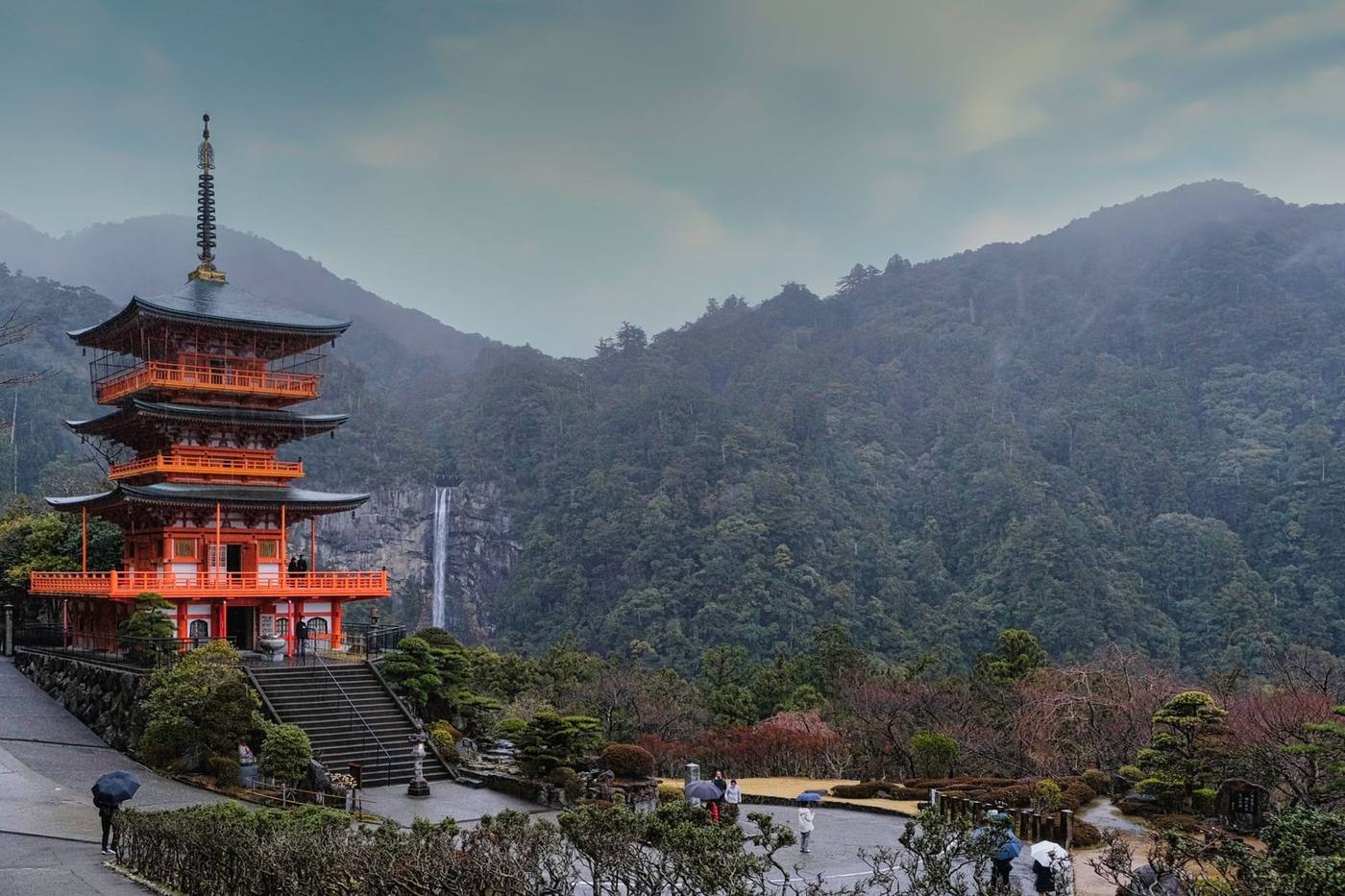
Kumano Kodo, the Sacred Trails of the Kii Peninsula
Six days on foot through cedar forests, shrines and hot spring villages on the pilgrims' trails, followed by the sacred mountains around Kyoto and Nara.
 16 daysModerate
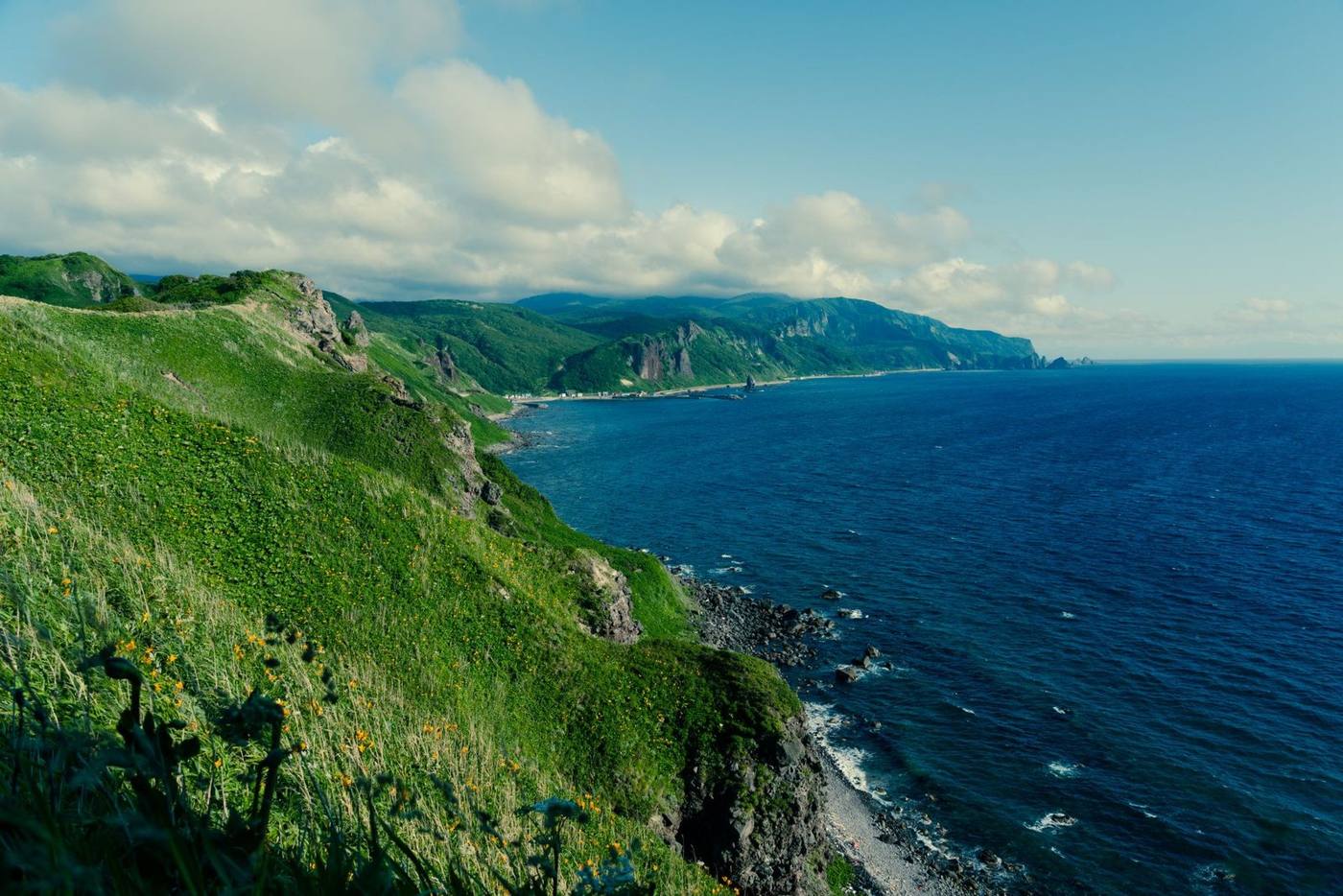
Hokkaido, Volcanoes, Lakes and Bears of the North
Japan's wildest island by train and bus: the volcanic lakes of Tōya, Mashū and Akan, the Sōunkyō gorge, the Shiretoko peninsula and the crane marshes.
 14 daysModerate
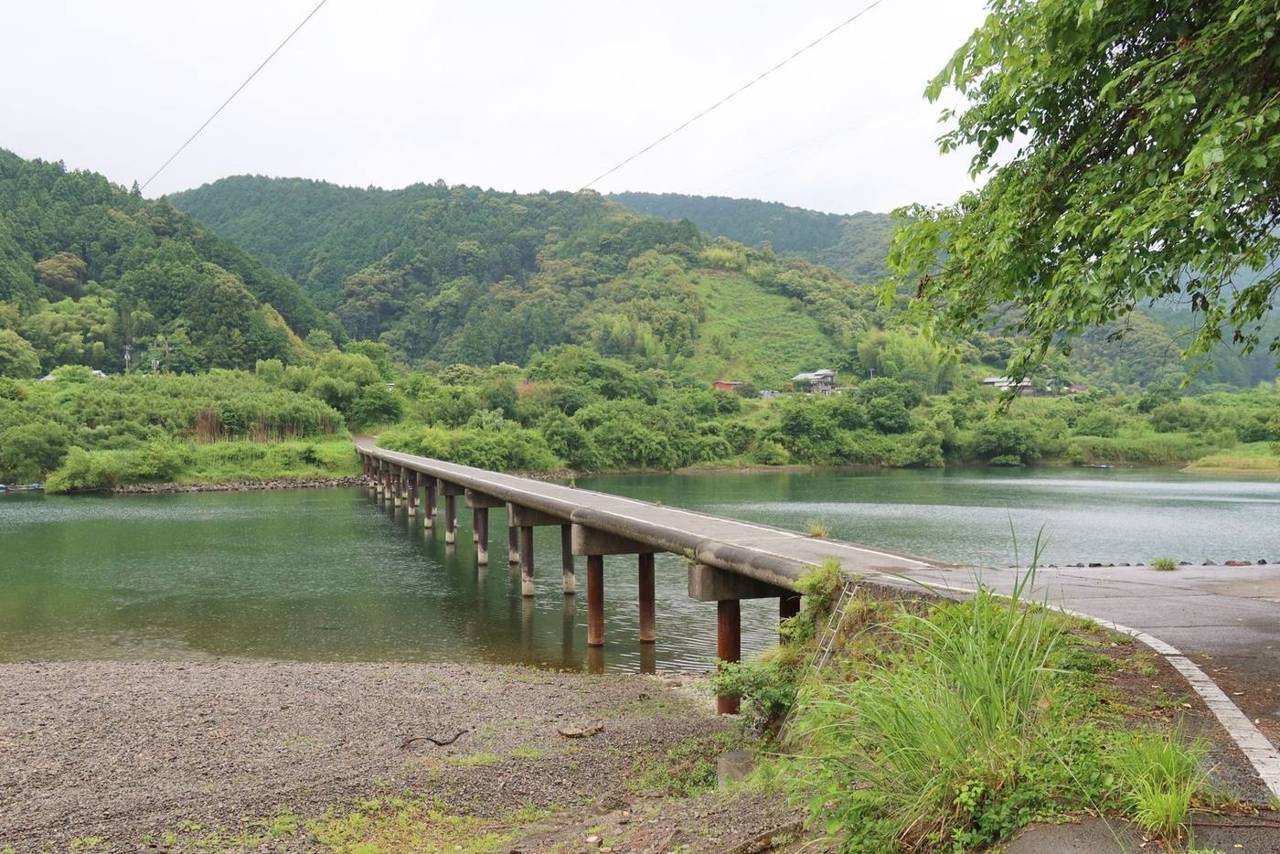
Shikoku on Foot, in the Pilgrims' Footsteps
A loop around the least visited of the four main islands, with sections of the 88 Temple pilgrimage, the Iya Valley, the Pacific capes and the Dōgo hot springs.