Jordan on foot: Dana, Petra and Wadi Rum
Trekking in the Dana reserve, entering Petra by the back trail, nights in the desert and snorkelling in Aqaba.
- Amman
- Dana
- Feynan
- Petra
- Wadi Rum
- Aqaba
Day by day
- Day 1
Arrival in Amman
This ten day trip is Jordan on foot: the Dana Biosphere Reserve, the descent through Wadi Dana to Feynan, the back trail into Petra that reaches the Monastery, two nights in the Wadi Rum desert, the reef at Aqaba and the Dead Sea to finish. You get around with a driver or by hire car, and on the trails you walk with a local guide.
Before you go: Italian citizens need a passport valid for at least six months from entry and a visa, applied for online on the Jordanian Ministry of Interior website or on arrival at Queen Alia airport. The Jordan Pass, bought only on the official website jordanpass.jo before you leave, costs 70, 75 or 80 dinars for one, two or three consecutive days in Petra, includes Wadi Rum and more than forty sites, and waives the visa fee if you stay at least two nights. Other nationalities should check their own rules.
Safety: with the regional conflict of 2026 Jordan has suffered missile and drone attacks, and flights can be cancelled suddenly. The UK advises against all travel within 3 kilometres of the Syrian border; the United States rates the country level 3 and asks travellers not to go near the Syrian border. This route stays well away from it. On the Jordan Trail, the Jordan Trail Association, an association, strongly recommends a local guide: the sections are remote, unmarked and short of water.
You land at Queen Alia airport, about half an hour from the city. In the late afternoon go down to the Balad, the old centre, and look at the Roman theatre cut into the hillside. In the evening have hummus, falafel and warm bread.
Sleep in Amman.
Practical tip: buy the Jordan Pass with two consecutive days in Petra, because you will enter by the back trail and need it again the next day.
- Day 2
The Dana Biosphere Reserve
Today you leave the city and head south, to the rim of the great valley that drops towards the Araba depression.
The fastest road is the Desert Highway, but for the last stretch to Dana the King's Highway is better, across farmed plateaus and villages. Allow three or four hours with stops. You reach Dana, a small village of Ottoman era stone houses built on the edge of the canyon, with a view that opens for miles to the west.
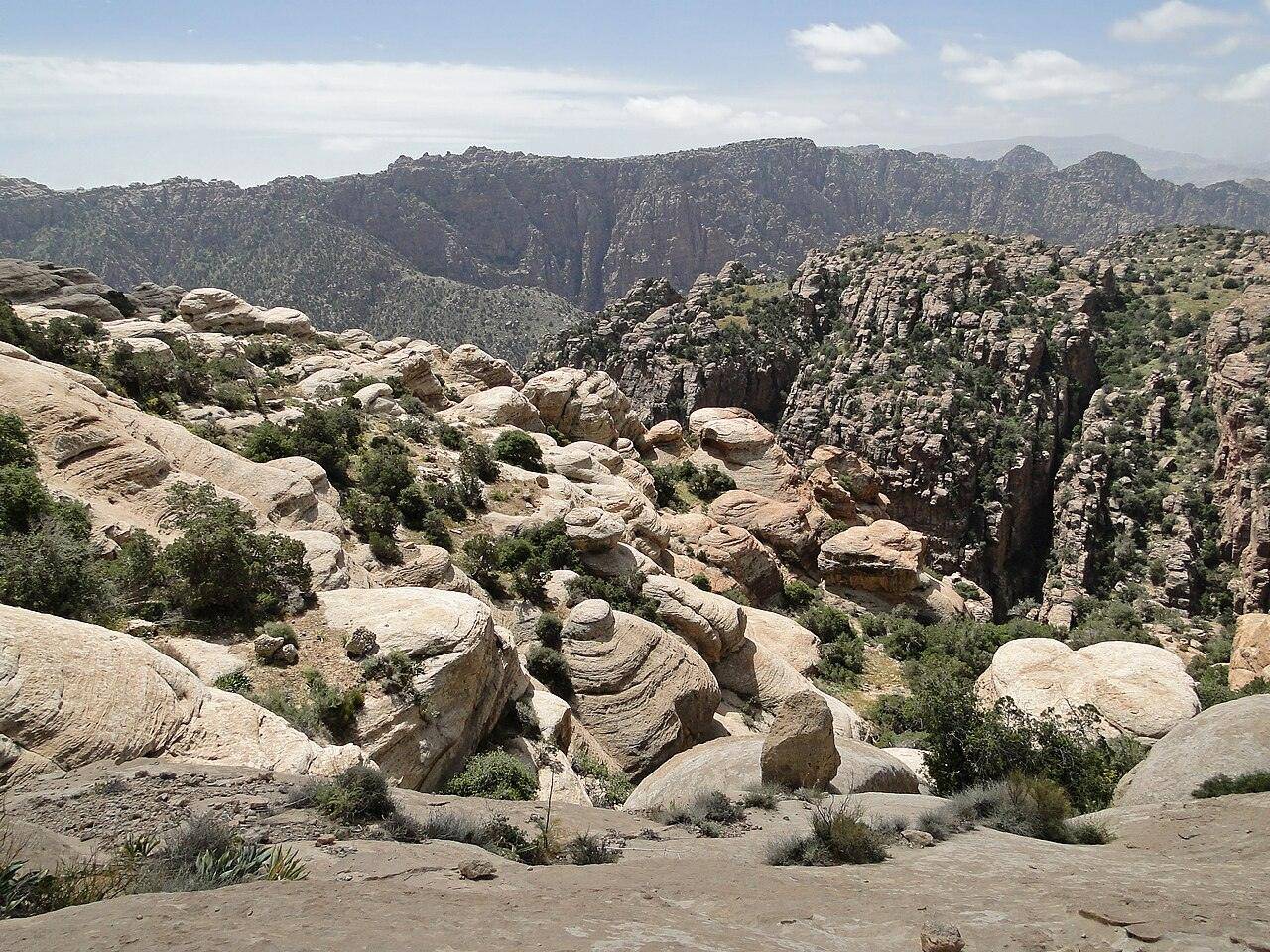
The village is the gateway to the Dana Biosphere Reserve, the largest nature reserve in the country, run by the Royal Society for the Conservation of Nature, the RSCN. Here, within a few kilometres, you pass from limestone mountains to sandstone gorges and then to desert plains, with different plants and animals at every height. Before you go in, pay the reserve entrance and ask the RSCN which trails are open: some are seasonal and several require a licensed guide.
In the afternoon take a short walk around the village and along the rim of the valley with your guide, to loosen your legs and understand tomorrow's ground. Look at the terraced gardens and the old restored houses.
At sunset the rocks of Wadi Dana turn red and the valley fills with shadows.
In the evening have a simple dinner of rice, chicken and vegetables, and go to bed early.
Sleep in Dana.
Practical tip: pack your rucksack tonight for the descent, with at least three litres of water each, a hat and sun cream.
- Day 3
On foot from Dana to Feynan
Today is the finest day of the trek: you walk down from the village of Dana to Feynan, on the plain at the bottom of the valley.
The Wadi Dana trail starts on the plateau and descends the whole gorge. You cross three different zones: first limestone with junipers, then red and white sandstone with acacias, and finally the desert plain of sand and pebbles. The drop is large and almost all downhill, so your knees work hard. It is a long day of walking, mostly without shade.
Walk with the guide: they know the water, the shortcuts and the places to rest. Along the way you may see Nubian ibex on the cliffs, birds of prey and Bedouin goat herds.
In the lower valley lies Feynan, a place with a long history: here, thousands of years ago, copper was mined and worked, and Feynan was an important supply centre for the Roman Empire. You can still see smelting slag on the ground.
In the late afternoon you reach the Feynan ecolodge, lit only by candles in the evening. Rest on the terrace and look at the starry sky, with no lights around.
In the evening have a vegetarian dinner and a chat with the Bedouin families of the area.
Sleep in Feynan.
Practical tip: do not go down into the gorges if it is raining or rain is forecast on the plateau, because flash floods arrive within minutes; decide the start time with your guide.
- Day 4
Into Petra by the Monastery trail
Today you enter Petra by the door few people use, the back trail that reaches the Monastery.
Early in the morning you leave Feynan by four wheel drive and head north to Little Petra, Siq al-Barid. Here begins the Jordan Trail stage into Petra: according to the Jordan Trail Association it is about 12.6 kilometres, three or four hours of walking, with moderate effort. The trail is not waymarked, so the guide remains essential.
You walk through Wadi Ghurab, among sandstone mountains, then follow an ancient Nabataean route out of the valley. You skirt a rock terrace and reach a hidden plateau above Wadi Siyyagh. From here, suddenly, you see the Monastery, the largest facade in Petra, carved into the mountain. Just before the Monastery there is a narrow path above a drop: the path is solid, but anyone with a strong fear of heights should know about it.
You reach the Monastery while most visitors are still down below. Sit in front of the facade, then go down the Nabataean steps towards the ancient city, along the colonnaded street and past the Great Temple.
You leave through the Siq towards Wadi Musa in the late afternoon, tired and happy.
Sleep in Wadi Musa, for two nights.
Practical tip: before you set off, check with your guide where your ticket or Jordan Pass is checked when entering from Little Petra, because the rules have changed in recent years.
- Day 5
Petra, from the Treasury to the High Place of Sacrifice
Today you see Petra from the main entrance, the classic one, with the second day of your pass.
Go in at opening time from the visitor centre in Wadi Musa. The first stretch descends towards the Siq, the narrow winding gorge more than a kilometre long, with towering walls and the remains of the channels that brought water into the city. At the end of the Siq the Treasury appears, the most famous facade in Petra: in the morning the light creeps in and the stone turns orange.
Then climb to the High Place of Sacrifice, a platform on top of the mountain where the Nabataeans held their rites. The path climbs with steps cut into the rock and from the top you see the tombs, the theatre and the valley. Come down the other side, through Wadi Farasa, past the Lion Fountain, the Garden Tomb and the Tomb of the Roman Soldier.
In the afternoon walk along the cliff of the Royal Tombs: the Urn Tomb, the Silk Tomb with its coloured veins and the Corinthian Tomb. At sunset these facades glow red.
Head back towards the exit calmly, stopping for a mint tea at one of the kiosks.
In the evening, in Wadi Musa, try mansaf, the national dish of lamb cooked in dried yoghurt and served on rice.
Sleep in Wadi Musa.
Practical tip: carry at least two litres of water and wear walking boots again today, because in Petra you easily cover fifteen or twenty kilometres.
- Day 6
Wadi Rum on foot
Today you leave the mountains of Petra and go down into the red desert of Wadi Rum.
In the morning set off south, about two hours by road. One stretch runs along the Desert Highway in Ma'an governorate: the United States asks travellers to reconsider the city of Ma'an and nearby areas, so travel by day and without stops. At the Wadi Rum visitor centre, a protected area and UNESCO World Heritage Site, you leave the car and meet your Bedouin guide.
Wadi Rum is a valley of red sand enclosed by sandstone and granite mountains, with walls that rise straight from the desert. Today you discover it on foot, as people once did. You walk with the guide among dunes, narrow canyons and small springs, away from the jeep tracks. On the rocks you see inscriptions and drawings left by ancient desert peoples and by the Nabataeans.
In the afternoon, as the sun drops, climb a rock or a high dune to watch the light on the cliffs: red turns orange and then purple.
You reach the desert camp before dark. In the evening have zarb for dinner, meat and vegetables cooked in an oven under the sand, then tea around the fire.
At night the Wadi Rum sky is full of stars.
Sleep in a tented camp in Wadi Rum, for two nights.
Practical tip: bring a warm jacket and a hat even in spring and autumn, because at night the desert temperature drops sharply.
- Day 7
Wadi Rum by jeep, arches and canyons
Today you explore Wadi Rum by four wheel drive, to see in a few hours places that lie far apart.
Wake up before dawn and climb near the camp: the light reaches the mountains slowly and turns them pink. After breakfast set off by jeep with your Bedouin guide. The tracks cross the red sand dunes, where you can run down barefoot, and lead to Khazali Canyon, a narrow cleft in the rock with ancient carvings on its walls.
Then you see the spring linked to Lawrence of Arabia, who crossed this desert during the Arab Revolt, and one of the natural rock arches. Some can be climbed with a little easy scrambling, but only with the guide and good shoes. Stop in the shade of a cliff for lunch, with bread baked on the fire, cheese and vegetables.
In the afternoon take another short walk among the rocks, without hurrying, and look at the shapes carved by the wind. Ask your guide how Bedouin families live today, between goats, camels and tourism.
At sunset return to camp and sit outside in silence. It is one of the finest evenings of the trip.
Sleep in Wadi Rum.
Practical tip: if it rains on the mountains, avoid narrow canyons even in the desert, because flash floods are a real risk; always follow your guide's advice.
- Day 8
Aqaba and the Red Sea reef
Today you leave the sand and go down to the sea, to Aqaba, Jordan's only city on the Red Sea.
From Wadi Rum to Aqaba it is about an hour by road. The city lies at the head of the Gulf of Aqaba, with mountains behind it and warm water for most of the year.
South of the centre, along the coast, the coral reef begins, protected by a marine park. You only need a mask, snorkel and fins: you go in from the beach and after a few metres you see hard and soft corals, clownfish in the anemones, butterflyfish, parrotfish and, with a little luck, a turtle. After days of walking in the heat it is the right reward for your legs.
In the afternoon visit Aqaba Castle, a fortress near the seafront, then stroll through the centre among spice markets and date shops. Check prices and times.
At sunset watch the sun go down over the gulf, with the lights of the nearby coasts coming on one by one.
In the evening have grilled Red Sea fish and sayadieh, rice with fish and golden onions.
Sleep in Aqaba.
Practical tip: do not touch the corals or walk on the reef, use reef friendly sun cream and bring water shoes to get into the sea.
- Day 9
The Araba valley and the Dead Sea
Today you head north along the Araba valley, to the lowest point on earth.
The valley road follows the great rift that runs from the Red Sea to the Dead Sea. It is about four hours of driving, with bare mountains to the east, desert to the west, palms and small farming villages. Stop in one of the villages for a cardamom coffee.
You reach the Dead Sea around midday. The shore lies more than four hundred metres below sea level and the water is so salty that you float without doing anything. Go in slowly, do not wet your face, do not put your head under and take a fresh water shower straight afterwards. Try the black mud on your skin, then let it dry in the sun.
In the afternoon, if you still feel like walking, you can see from a distance the mouths of the gorges that drop from the plateau to the lake, such as Wadi Mujib. Going into the gorges is another adventure, seasonal and with its own rules: check prices and times on the official RSCN website.
At sunset the sun sinks behind the hills on the other side of the lake, and the water turns silver.
In the evening have a quiet dinner and pack your bags.
Sleep at the Dead Sea.
Practical tip: do not shave the day before your swim, because the salt stings on small cuts, and bring flip flops for the stones and salt crystals.
- Day 10
Departure from Amman
Today is the day you go home.
Early in the morning take a last swim in the Dead Sea, when the water is calm and the sun is not yet strong. Then drive up to Queen Alia airport: it is about an hour or an hour and a half by road, climbing from the depression to the plateau.
If your flight is in the afternoon, stop in Amman to buy za'atar, olive oil, spices or dates, or visit the Jordan Museum, with the Ain Ghazal statues, among the oldest known human figures. Check prices and times.
Trip summary: in ten days you have seen Jordan on foot. You walked down from the village of Dana to the ancient copper mines of Feynan, entered Petra by the back trail and reached the Monastery almost alone, saw the Treasury at opening time and climbed to the High Place of Sacrifice. You walked among the red rocks of Wadi Rum and slept under the stars, swam over the reef at Aqaba and floated in the Dead Sea.
When to go: the best months are March to May and September to November, with mild days and cool nights, the right conditions for walking. In summer Feynan, the Araba valley and Wadi Rum are too hot for trekking. In winter the Dana plateau and Petra can be cold, with rain and sometimes snow, and the risk of floods in the gorges rises.
Practical tip: get to the airport well in advance and check your flight status, because with the regional situation schedules can change.
The finest way to reach Petra: by the back trail, after days on foot between Dana and Feynan, you enter almost alone. Good fitness is needed, some stages are long and shadeless. Before leaving, check the latest travel advice for Jordan.
Before you go
- Documents and visa
- Passport valid for at least six months from entry and a tourist visa, applied for online on the Jordanian Ministry of Interior website or on arrival at Queen Alia airport in Amman, paid in dinars. The Jordan Pass, bought only on the official website jordanpass.jo before arrival, covers the visa fee if you stay in Jordan for at least three nights and includes Petra, Jerash, Wadi Rum and more than forty sites.
- Health and vaccines
- No compulsory vaccinations: ask your doctor about recommended ones at least eight weeks before. Protect yourself from the sun and drink plenty of water, above all in the desert and the canyons. Outside Amman and Aqaba medical facilities are basic: you need insurance with medical costs and repatriation. Emergencies: 911.
- Money and payments
- Jordanian dinar. Cards work in cities and hotels; keep cash for villages, the desert and tips.
- Power sockets
- Mixed sockets for type A and C plugs, often also F and G, 230 volts: bring a universal adapter.
- Time zone
- UTC+3 all year.
- Safety
- With regional tensions and the missile and drone attacks of 2026, the United States rates Jordan level 3 and the UK advises against all travel within 3 km of the Syrian border. Do not go near the borders with Syria and Iraq, the refugee camps, Zarqa or Rusayfah; avoid the city of Ma'an. Flights and airspace can close without notice. In the canyons there is a risk of flash floods: follow the reserves' closures. Official advice: GOV.UK.
Information checked in November 2026 for Italian and EU citizens. Rules change: always check before you travel.
Variations
In seven days you can drop Aqaba and the Dead Sea and end the trip in Wadi Rum, with a single night in the desert.
In fourteen days you can walk the whole Jordan Trail section from Dana to Petra, about 72 kilometres in four days, with nights under canvas.
Frequently asked questions
Do you really need a guide to walk from Dana to Petra?
Yes. The Jordan Trail Association strongly recommends a local guide, because the trails are not waymarked, water is scarce and in many places there is no signal. In the Dana reserve some trails require a guide licensed by the RSCN.
Is the trek suitable for everyone?
You need to be fit: the descent from Dana to Feynan is long and shadeless, and the Monastery trail has exposed stretches above a drop. Anyone who walks regularly in the mountains will manage well.
Does the Jordan Pass include the Dana reserve?
No, the Dana reserve is not on the Jordan Pass list: you pay the entrance to the RSCN. The pass includes Petra and Wadi Rum. Check prices and times on the official websites.
Indicative itinerary written by World Atlas. Before booking, check timetables, seasonal openings, documents and safety.
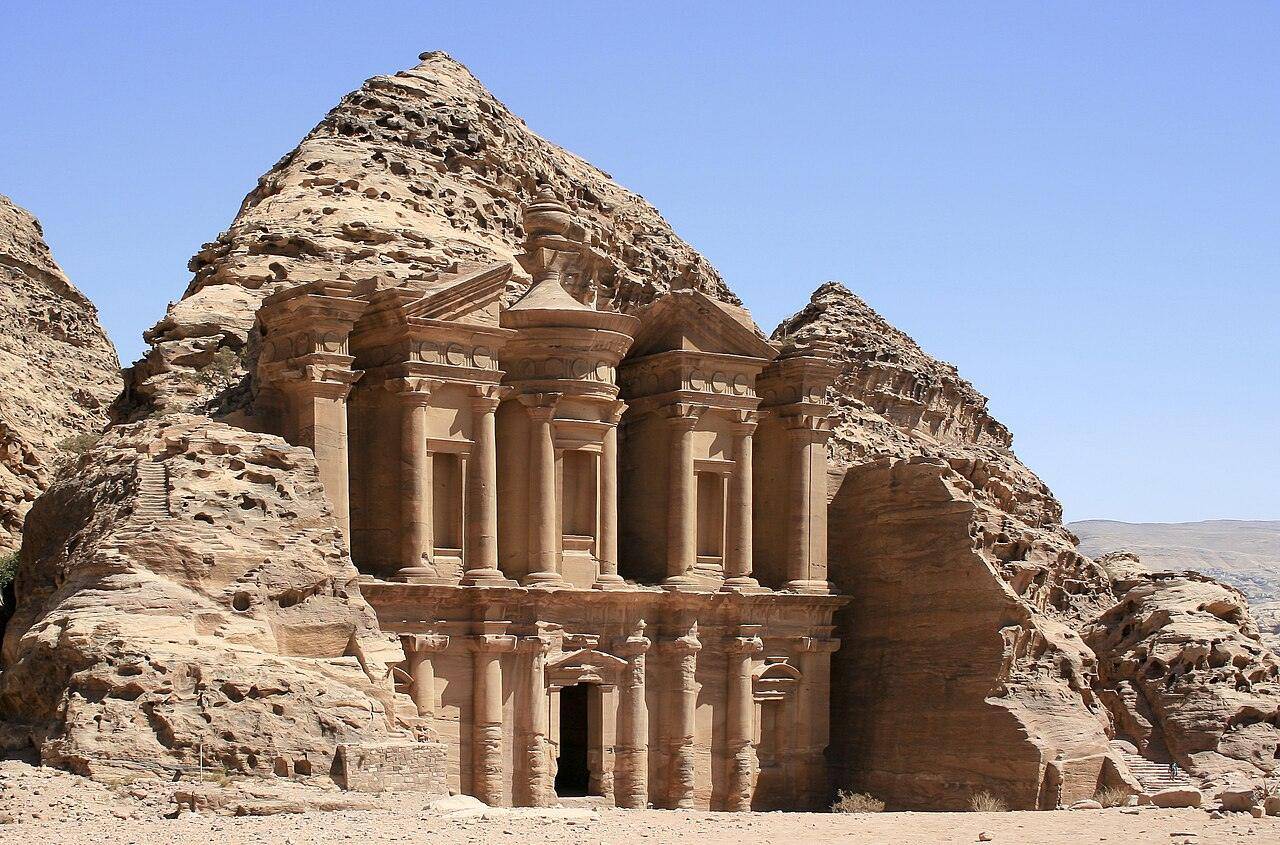 7 daysEasy
Petra, Wadi Rum and the Dead Sea
Essential Jordan: Jerash, two days in Petra, a night in the red desert and a float in the Dead Sea.
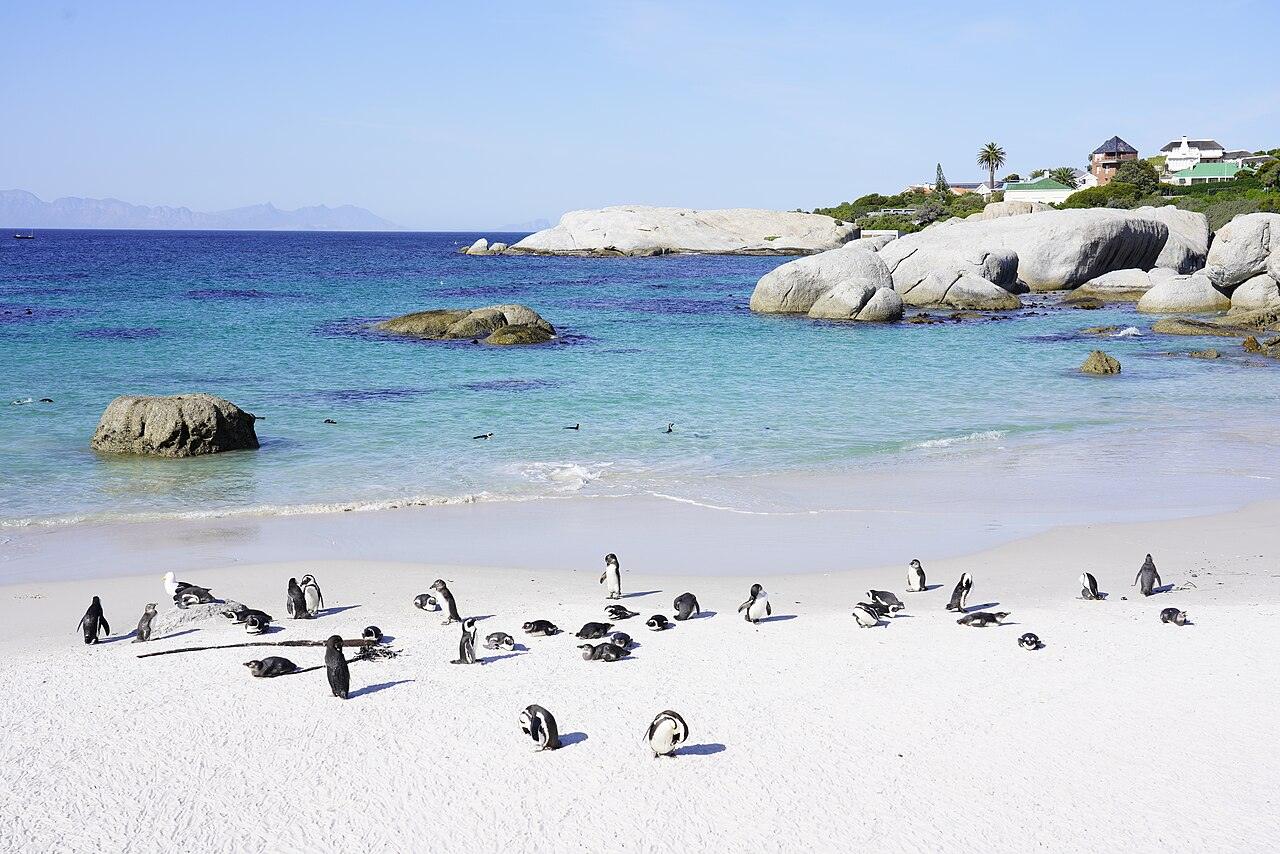 7 daysEasy
Cape Town and the Cape Peninsula
A week of Table Mountain, the penguins of Boulders Beach, the Cape of Good Hope and the Stellenbosch vineyards.
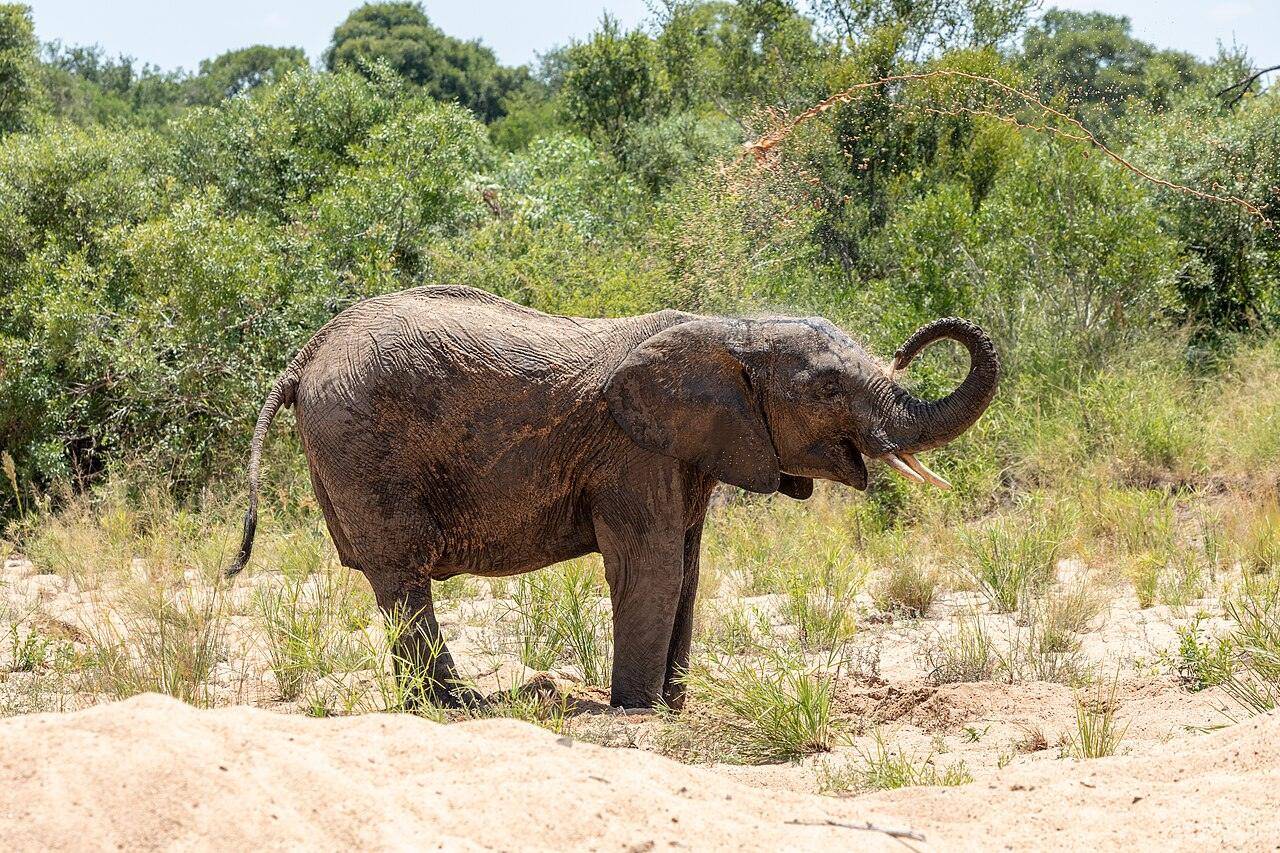 15 daysModerate
Kruger, the Garden Route and Cape Town
The great classic: a Kruger safari, the scenic Garden Route and a finale in Cape Town.