Slow Savai'i
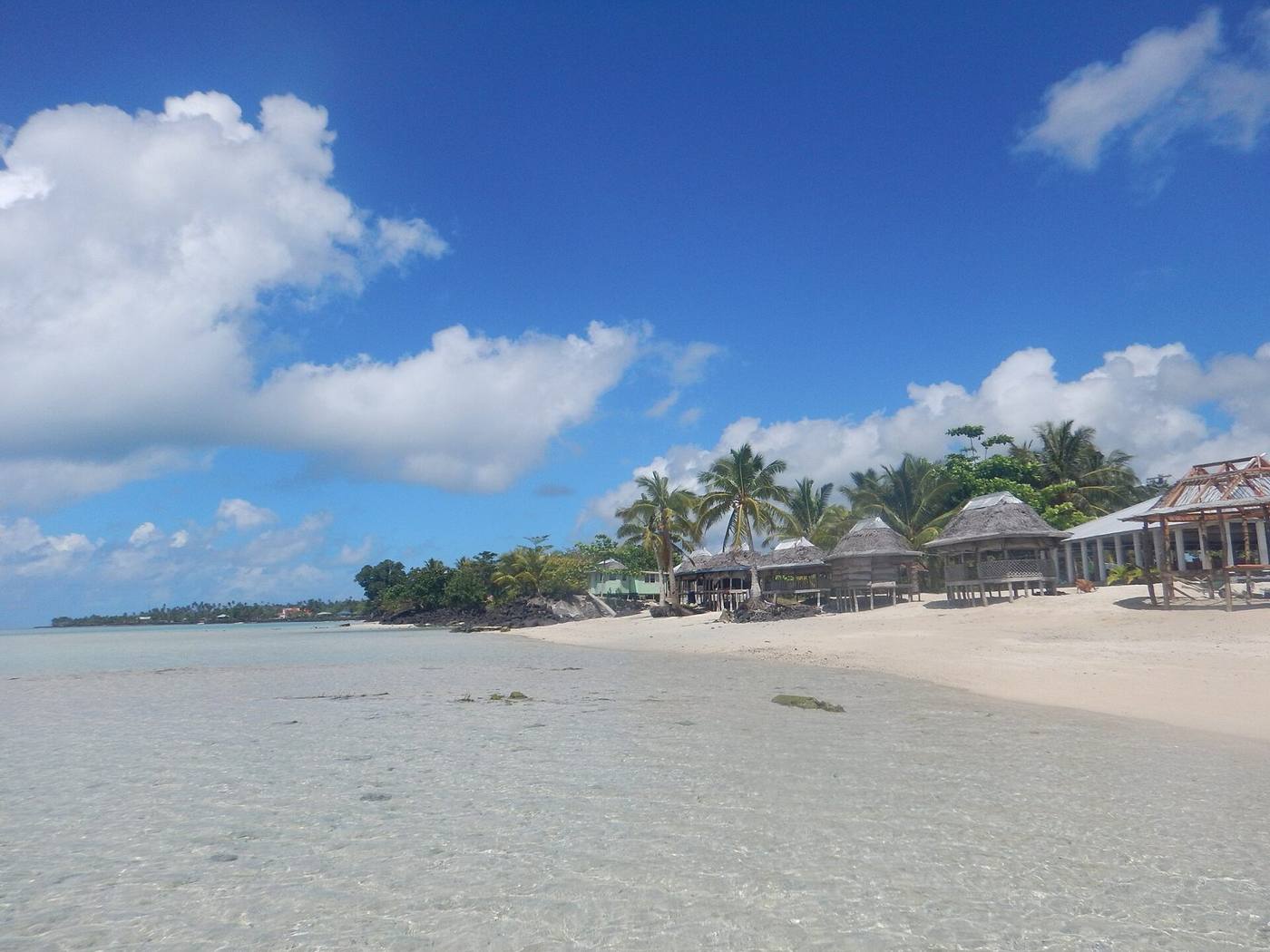
Samoa's big, quiet island, to be toured slowly: the beach fale of Manase, the Afu Aau waterfall in the forest, the Falealupo peninsula at the far west and the traditional villages along the coast.
- Salelologa
- Manase
- Falealupo
- Afu Aau
Day by day
- Day 1
The ferry to Savai'i and the road to Manase
This trip takes you to Savai'i, the big, quiet island of Samoa, to explore at an easy pace: the beach fales of Manase, the Falealupo peninsula at the far west, the Afu Aau waterfall in the forest and the traditional villages along the coast. You travel by hire car, driving on the left, and by ferry from Upolu.
Before you go: Italian citizens need a passport, with at least six months' validity; you enter without a visa and on arrival receive a visitor permit for up to 60 days. Have your return ticket and accommodation booking ready. Other nationalities should check their own rules.
In the morning go to Mulifanua wharf, at the western tip of Upolu, near the airport. The ferry crosses the strait to Salelologa, the port of Savai'i. Check prices and times and arrive early, especially if you are taking the car.
From Salelologa follow the coast road north. Savai'i is bigger than Upolu but far less populated: scattered villages, white churches, coconut plantations and forests climbing towards the volcanoes of the interior. Along the road you pass the black lava fields of Saleaula, created by an eruption in the early twentieth century.
In the afternoon you reach Manase, on the north coast, with a long white sand beach and a calm lagoon. Here you sleep in a fale, the Samoan hut open at the sides, with a leaf roof and blinds that are lowered at night.
Sleep in Manase, for two nights.
Practical tip: there are few cash machines on Savai'i, so withdraw in Apia the tala you need for your whole stay.
- Day 2
Beach and snorkelling at Manase
Today you do not have to go anywhere: it is a day by the sea at Manase.
Early in the morning, when the lagoon is smooth, get in the water with mask and snorkel. Under the surface you find corals, parrotfish, surgeonfish and small colourful shoals, and sometimes a passing turtle. Always stay inside the reef and ask locally where the water is calmest: beyond the reef the currents are strong.
Then rest in your fale, listening to the waves and the wind in the palms. In mid-morning village life passes in front of you: children going to school in uniform, women weaving mats, men coming back from fishing.
For lunch try the fish of the day with taro and palusami, taro leaves cooked in coconut cream. At the fales meals are often included and everyone eats together.
In the afternoon walk along the beach to the nearby villages, greeting people with talofa. If it is Saturday, you will see families preparing the umu for Sunday lunch.
At sunset sit on the sand and watch the sky turn orange over the lagoon.
In the evening a bell or a conch sounds in the villages: it is evening prayer. For a few minutes everything stops, and visitors too stay quiet.
Practical tip: during evening prayer do not walk through the village or make noise; wait for the second signal before moving.
- Day 3
Falealupo and the west coast
Today you head to the far west of Savai'i, the Falealupo peninsula.
The road leaves the north coast and crosses plantations and forest to the Falealupo peninsula. Here the land ends in black cliffs pounded by the ocean, with rock pools and lonely beaches. According to Samoan tradition, the entrance to the world of the dead was in this place: Samoans tell stories of spirits and ancient heroes linked to these rocks.
In the village you see the ruins of a church destroyed by a cyclone in the early 1990s, with its walls still standing and plants growing inside. The Falealupo rainforest is protected by the village communities, who chose not to cut it down. Many places ask for a small contribution at the entrance: check prices and times and carry cash.
Then drive down the west coast, with views over the ocean and quiet villages. If you have time, stop at the Alofaaga blowholes, near Taga, where the waves rush into lava tubes and shoot jets of water high into the air.
In the late afternoon return to Manase along the same road, before dark.
In the evening have dinner at your fale and look at the stars: far from any city, the sky over Savai'i is full.
Practical tip: drive slowly and only by day, because children, dogs and pigs cross the roads, and fill up whenever you find a petrol station.
- Day 4
The Afu Aau waterfall and the ferry back
Today is your last day on Savai'i: a waterfall in the forest and then the ferry to Upolu.
In the morning leave Manase and drive down the east coast to the south of the island. Near the village of Vailoa, in the Palauli district, a dirt road enters the forest to the Afu Aau waterfall. The water falls from a plant-covered wall into a large natural pool, cool and deep, surrounded by trees. It is one of the finest swims in Samoa. The waterfall is on village land, and the village asks for a small contribution: check prices and times.
Swim at your leisure, then dry off in the sun on the rocks before leaving.
In the early afternoon reach Salelologa, buy fruit at the market near the port and take the ferry to Upolu.
In these four days you have seen Savai'i at the right pace: the beach fales of Manase, the lava fields, the Falealupo peninsula, the blowholes of the west coast and the Afu Aau pool.
When to go: the best months are May to October, the drier season. From November to April there is more rain and there are cyclones.
Sunday is a day of church and rest: many services close and people avoid swimming near churches and in villages. Dress modestly when you enter a village.
Practical tip: check the ferry times the day before, because they change with the sea and on holidays, and arrive at the port early.
For those who want to switch off: few services, slow pace and great hospitality. Many sites are on village land and ask a small fee at the entrance; Sunday is a day of rest, avoid swimming near churches.
Before you go
- Documents and visa
- Passport valid for at least six months from the date of arrival. No visa needed: on arrival you receive a visitor permit for up to 60 days, based on your arrival card. You may be asked for a return or onward ticket, an accommodation booking and proof of sufficient funds.
- Health and vaccines
- There is no malaria, but there is dengue and Zika: protect yourself from mosquitoes. A yellow fever certificate is needed only if you arrive from a country at risk. For serious cases the only option is often evacuation to New Zealand, Australia or Hawaii: you need insurance that covers it. Emergencies: 911.
- Money and payments
- Samoan tala. Cards work in Apia and in larger places; in villages, beach fales and for village site entry fees you need cash in small notes.
- Power sockets
- Type I, 230 volts: you need an adapter for European plugs.
- Time zone
- UTC+13 all year.
- Safety
- Crime is low and theft uncommon: still keep documents in the safe. In the lagoons tides create strong currents and there have been fatal accidents: always ask locally before swimming. Cyclones from November to April. Sunday is a day of church and rest, dress modestly in villages and respect the evening prayer. Driving is on the left: avoid driving at night. Official advice: GOV.UK.
Information checked in November 2026 for Italian and EU citizens. Rules change: always check before you travel.
Variations
In 2 days: ferry, the Saleaula lava fields and a night at Manase, returning the next day.
In 6 days: add two days on Upolu, with To Sua Ocean Trench and Lalomanu beach.
Frequently asked questions
How do you get to Savai'i?
By ferry from Mulifanua wharf, at the western tip of Upolu, to Salelologa. You can take your car. Check prices and times.
What are fales?
They are traditional Samoan huts, open at the sides, with a leaf roof. On the beach you sleep on a mattress with a mosquito net, and meals are often included.
Why do you pay to enter many places?
Many places are on village land, and villages ask for a small contribution at the entrance. Carry cash in small tala notes.
Indicative itinerary written by World Atlas. Before booking, check timetables, seasonal openings, documents and safety.
 2 daysChallenging
Lake Lanoto'o
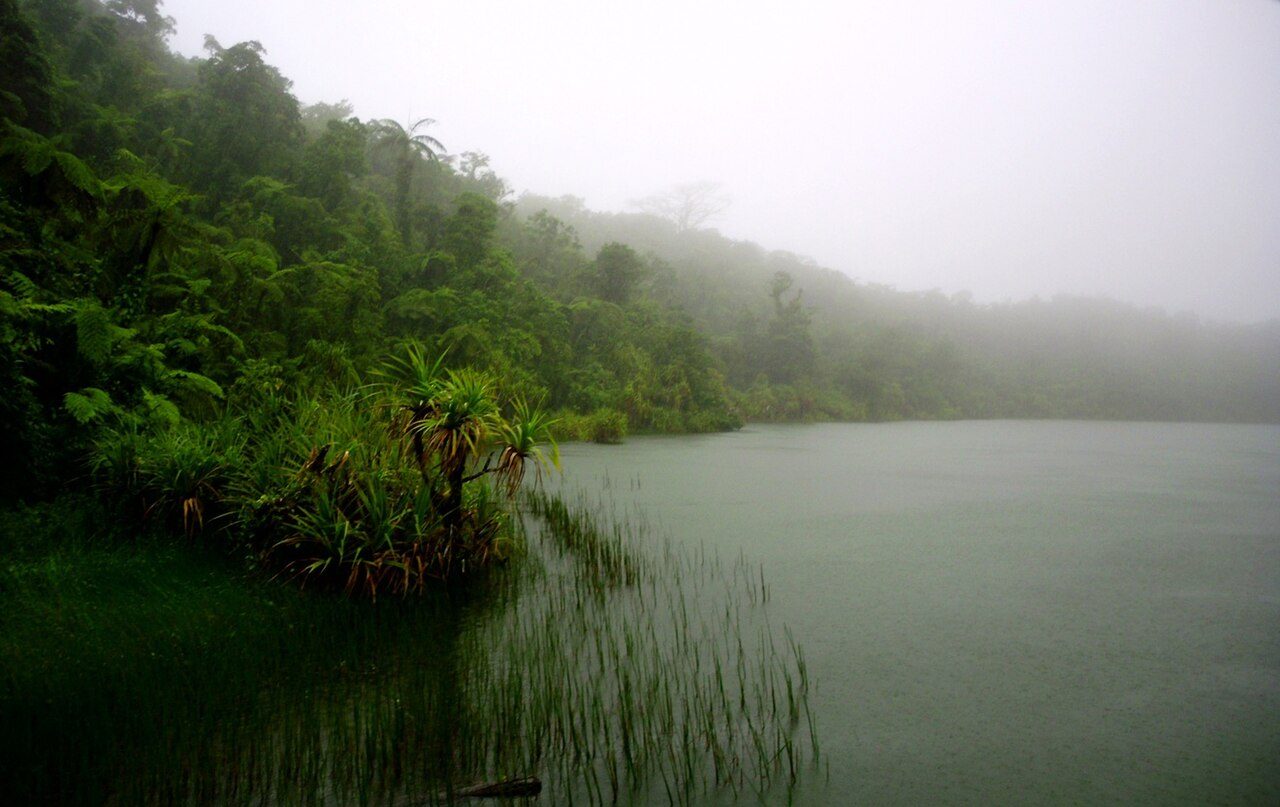
The rainforest trek in Upolu's interior to the volcanic Lake Lanoto'o, in a tree-covered crater, with the Papapapaitai waterfall on the way back.
 2 daysEasy
Stevenson and Samoan culture
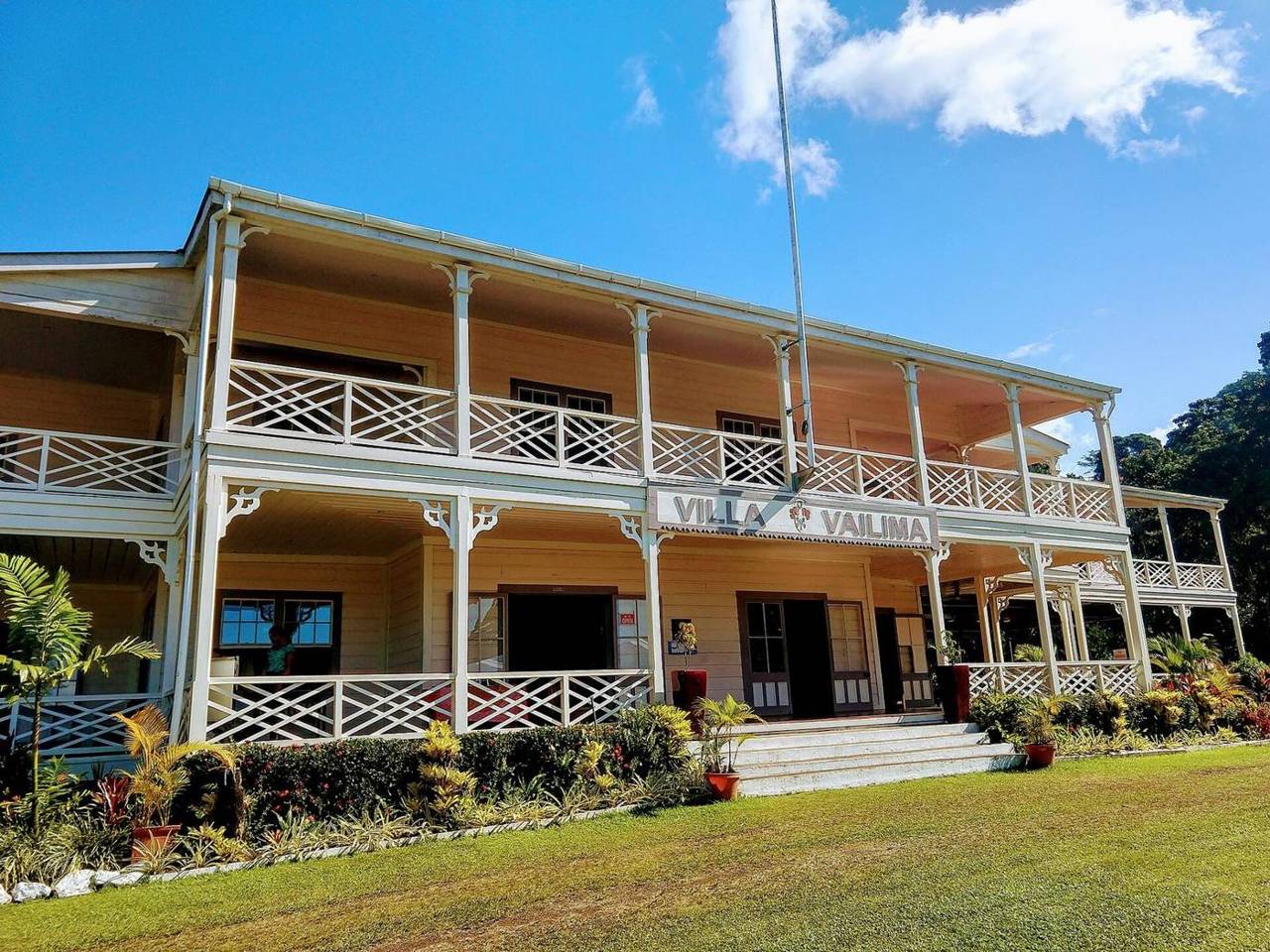
Robert Louis Stevenson's house at Vailima, now a museum, the climb to his tomb on Mount Vaea, Apia's cultural village with tattooing and umu cooking, and a fiafia evening of dances.
 8 daysEasy
Upolu and Savai'i
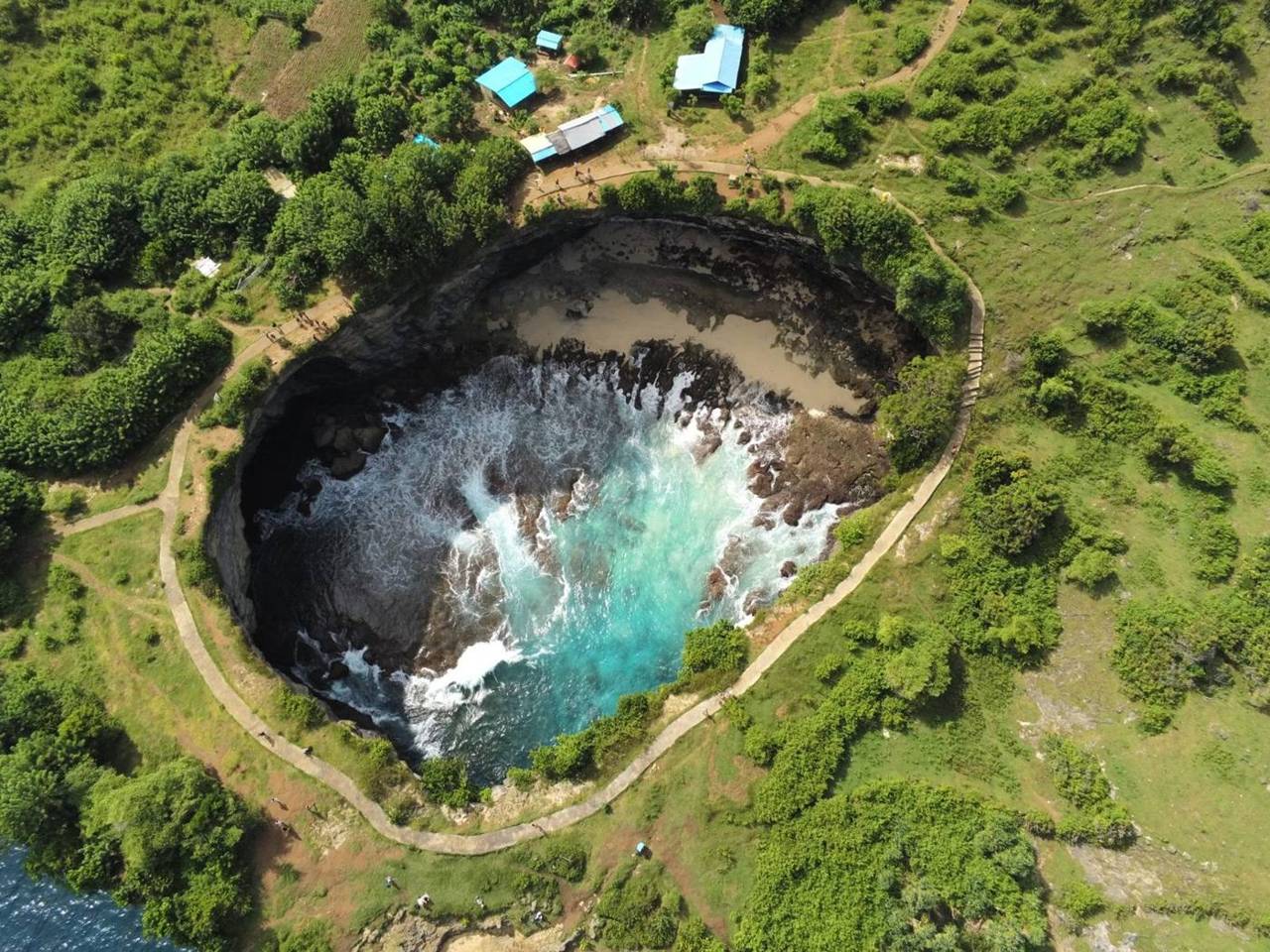
To Sua Ocean Trench, the beaches of Lalomanu with fales on the sand, the lava fields of Savai'i and the Alofaaga blowholes.