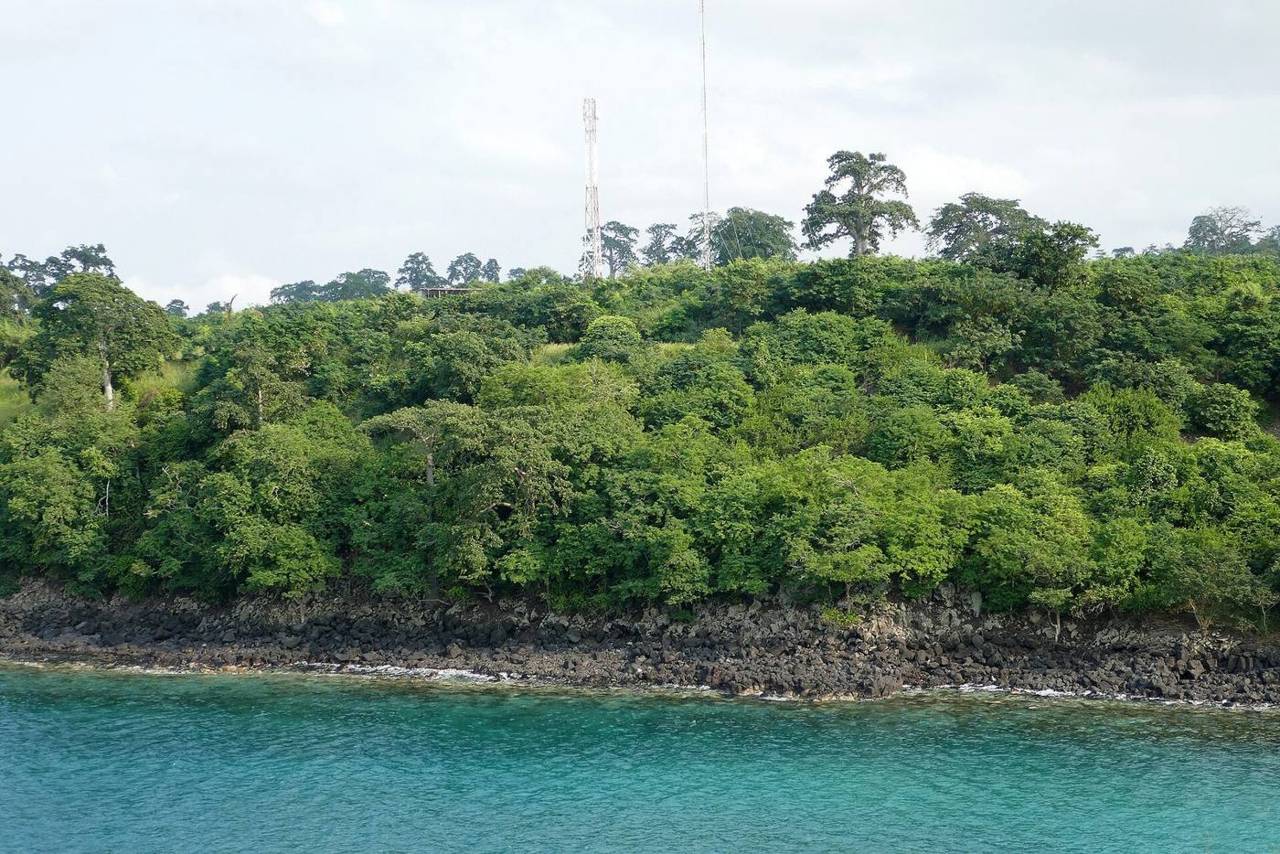
Lagoa Azul and the north coast
The dry north-west coast with its baobabs: the turquoise bay of Lagoa Azul for snorkelling, Tamarindos beach, the fishing village of Neves and the road to Santa Catarina.
- São Tomé
- Lagoa Azul
- Neves
- Santa Catarina
Day by day
- Day 1
Lagoa Azul and Tamarindos beach
This trip takes you to the north-west coast of São Tomé, the driest part of the island, where instead of forest you find savannah, yellow grass and large baobabs. In two days you snorkel in the bay of Lagoa Azul, relax on Tamarindos beach, visit the fishing village of Neves and follow the coast road to Santa Catarina. The roads are slow and narrow: a local driver is the better choice.
Before you go: with a passport Italian citizens enter without a visa for short stays of up to 15 days, and for these three months of remaining validity are enough; longer stays require a visa applied for online. The entry stamp is checked when you leave. The yellow fever certificate is compulsory if you arrive from a country at risk; malaria is present, so ask your doctor about prevention. Other nationalities should check their own rules. Italian official advice reports theft on beaches and recommends a guide for trips at sea too.
Leave the capital in the morning and head north. In less than an hour you reach Lagoa Azul, a small bay of turquoise water enclosed by dark rocks, with a lighthouse on the headland and baobabs on the grass. Get into the water with mask and snorkel: near the rocks you see colourful fish and corals.
In the afternoon move on to Tamarindos beach, a curve of pale sand in the shade of the trees that give it its name. Here the sea is often calm and there are few people. At sunset head back to your accommodation on the coast.
Practical tip: in the sea watch out for Portuguese men o' war, jellyfish with a very painful sting, and always leave someone to keep an eye on bags and phones on the beach.
- Day 2
Neves and the road to Santa Catarina
Today you follow the coast towards the south-west. The first stop is Neves, the largest fishing village in the north. In the morning the beach is full of wooden pirogues, nets laid out to dry and women selling fish that has just been landed. Walk slowly, say hello and always ask before taking photographs.
After Neves the road becomes narrower and more scenic. It climbs and drops above small black and green bays, crosses bridges over streams and passes villages where children play in the road. The landscape changes: the forest returns and the air becomes more humid. Stop at the viewpoints to look down at the ocean.
You reach Santa Catarina, a quiet village where the tarmac road along the west coast ends. Have lunch with grilled fish, fried plantain and breadfruit, then drive back slowly to the capital before dark.
In two days you have seen the driest and brightest side of São Tomé: the baobabs and turquoise water of Lagoa Azul, the sand of Tamarindos, life in the harbour of Neves and the wild coast to Santa Catarina. It is an easy, relaxing trip, ideal if you are short of time.
When to go: from June to September and from December to February, in the driest months, when the sea is clearer for snorkelling.
Practical tip: carry cash in euros or dobras, because along the coast cards are hardly ever used, and do not drive at night on these unlit roads.
Easy and relaxing, great for those short on time. Slow, narrow roads; a local driver is best.
Before you go
- Documents and visa
- Passport and no visa for short stays of up to 15 days: in that case three months of remaining validity are enough, otherwise six are needed. For longer stays the visa is applied for online with the Migration and Borders Service or at diplomatic missions. Keep the passport stamped on arrival, because it is checked when you leave.
- Health and vaccines
- A yellow fever vaccination certificate is compulsory, from one year of age, if you arrive from a country at risk, including after a stopover of more than 12 hours. Malaria is present: talk to your doctor about prevention even for a short trip. Drink only bottled water, without ice. You need insurance covering medical costs and medical repatriation.
- Money and payments
- Dobra (STN), with a fixed exchange rate to the euro. Bring cash in euros and change it at your hotel or an agency: credit cards are rarely accepted and cash machines are few.
- Power sockets
- Types C and F, 230 volts: you need an adapter for British plugs.
- Time zone
- UTC+0 all year.
- Safety
- No particular public order problems are reported, but there is theft and pickpocketing, especially on beaches. Enter the forest and wild areas only with reliable local guides, use a guide for trips at sea too and do not leave the main road for isolated places without someone to accompany you. Watch out for stray dogs, the venomous cobra preta snake and Portuguese men o' war in the sea. Official advice: GOV.UK.
Information checked in November 2026 for Italian and EU citizens. Rules change: always check before you travel.
Variations
Shorter version: a single day at Lagoa Azul and Tamarindos with a return to town.
Longer version: add the south of the island with Pico Cão Grande and Jalé beach.
Frequently asked questions
Can you snorkel at Lagoa Azul?
Yes, near the rocks of the bay, when the sea is calm. Bring your own gear and watch out for jellyfish.
Is it worth hiring a car?
The roads are slow and narrow: for two days a local driver is more comfortable, as they know the villages and the road conditions.
What documents do I need?
Italian citizens enter with a passport and without a visa for short stays of up to 15 days. Other nationalities should check their own rules.
Indicative itinerary written by World Atlas. Before booking, check timetables, seasonal openings, documents and safety.
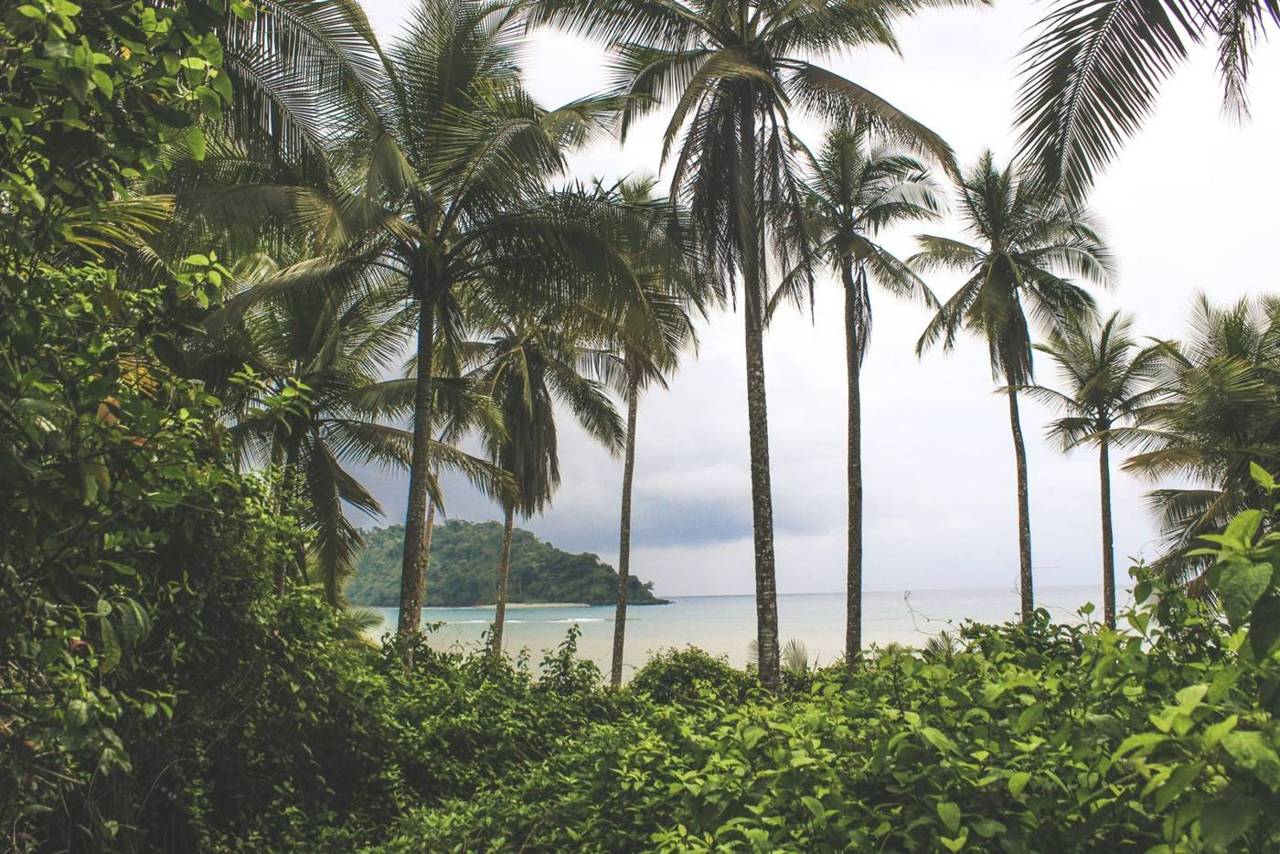 6 daysEasy
São Tomé and the roças
The old cocoa plantations, colonial roças, the volcanic spire of Pico Cão Grande, São Nicolau waterfall and the southern beaches.
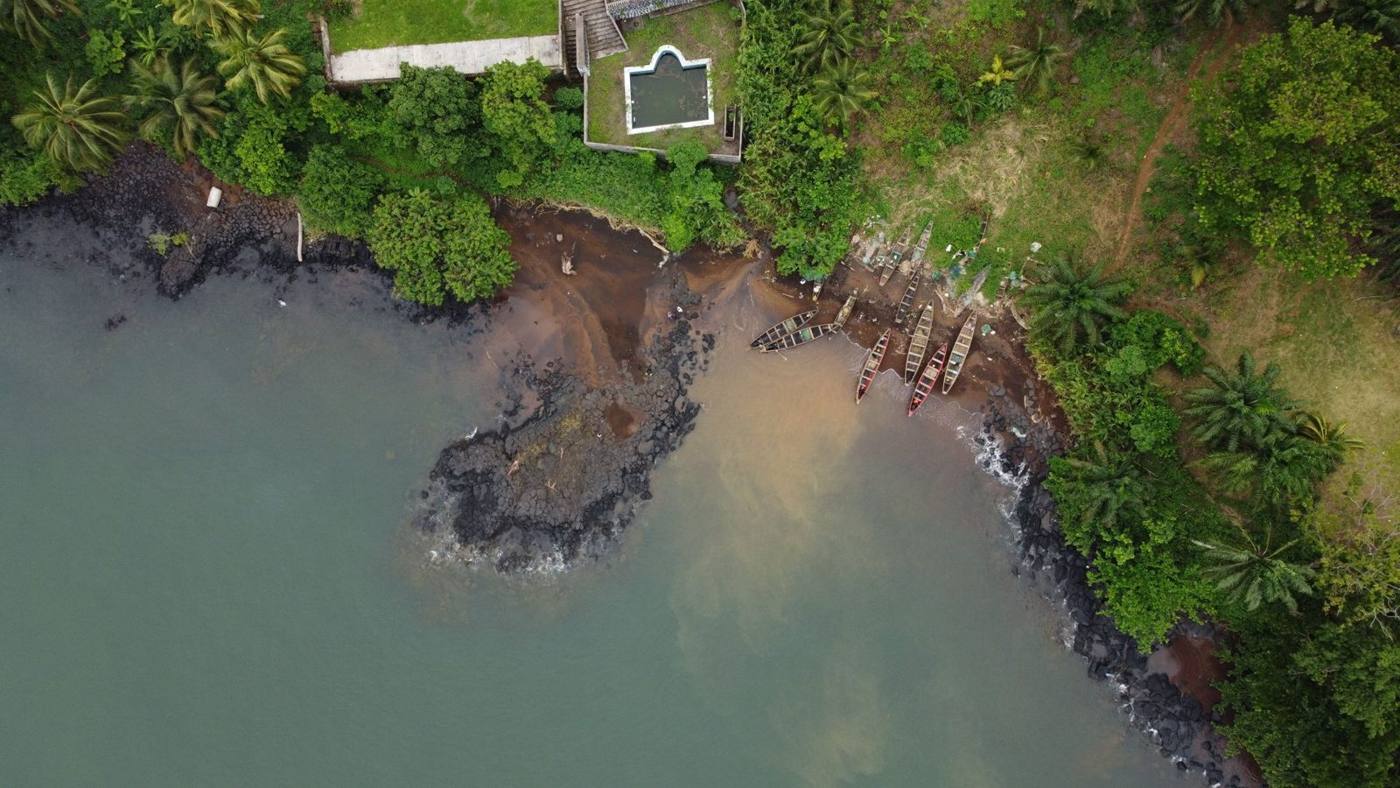 5 daysEasy
Príncipe island
A UNESCO biosphere reserve with untouched forest, volcanic peaks, Praia Banana and Roça Sundy, where the theory of relativity was confirmed.
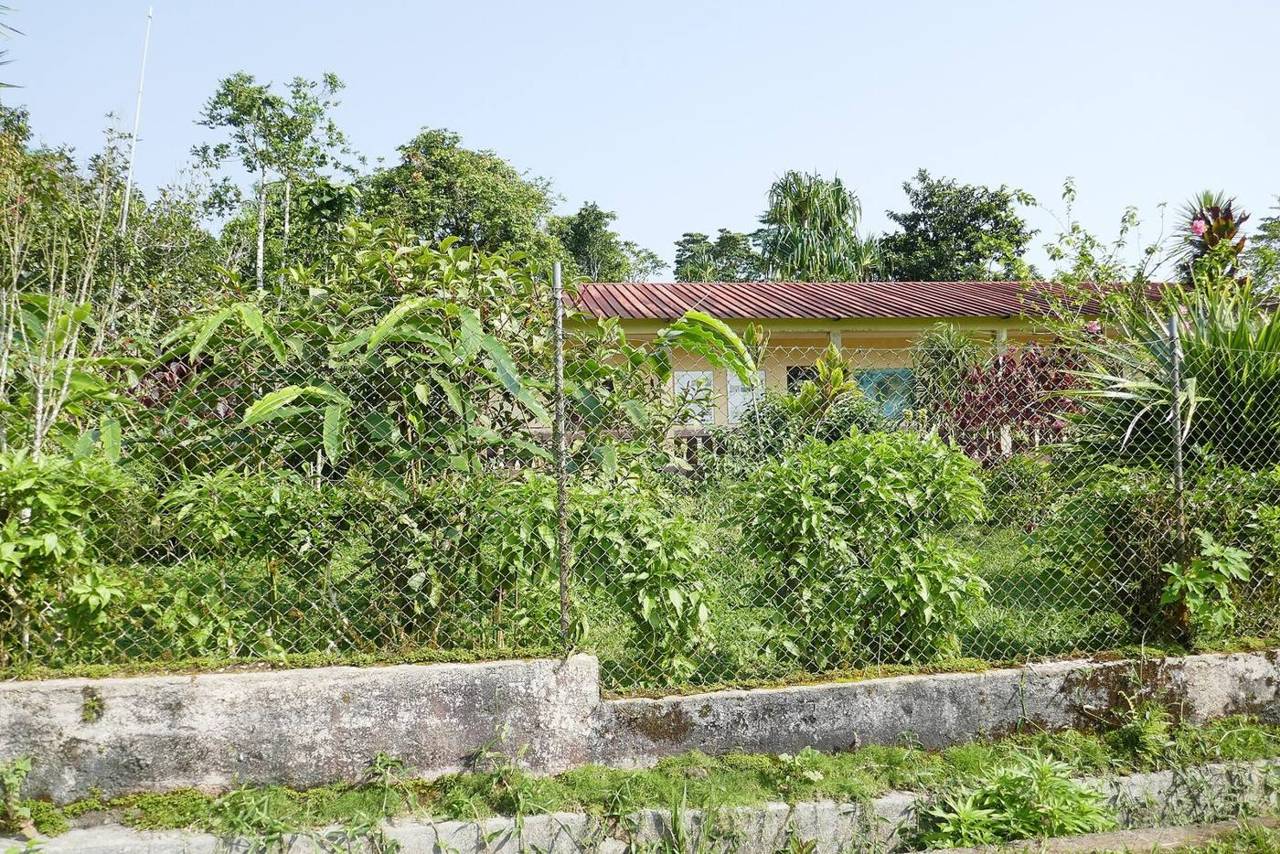 2 daysChallenging
Pico de São Tomé
The archipelago's highest peak in Obô Natural Park: two days on the trail through cloud forest, among giant ferns, begonias and birds found only here, with a night at camp.