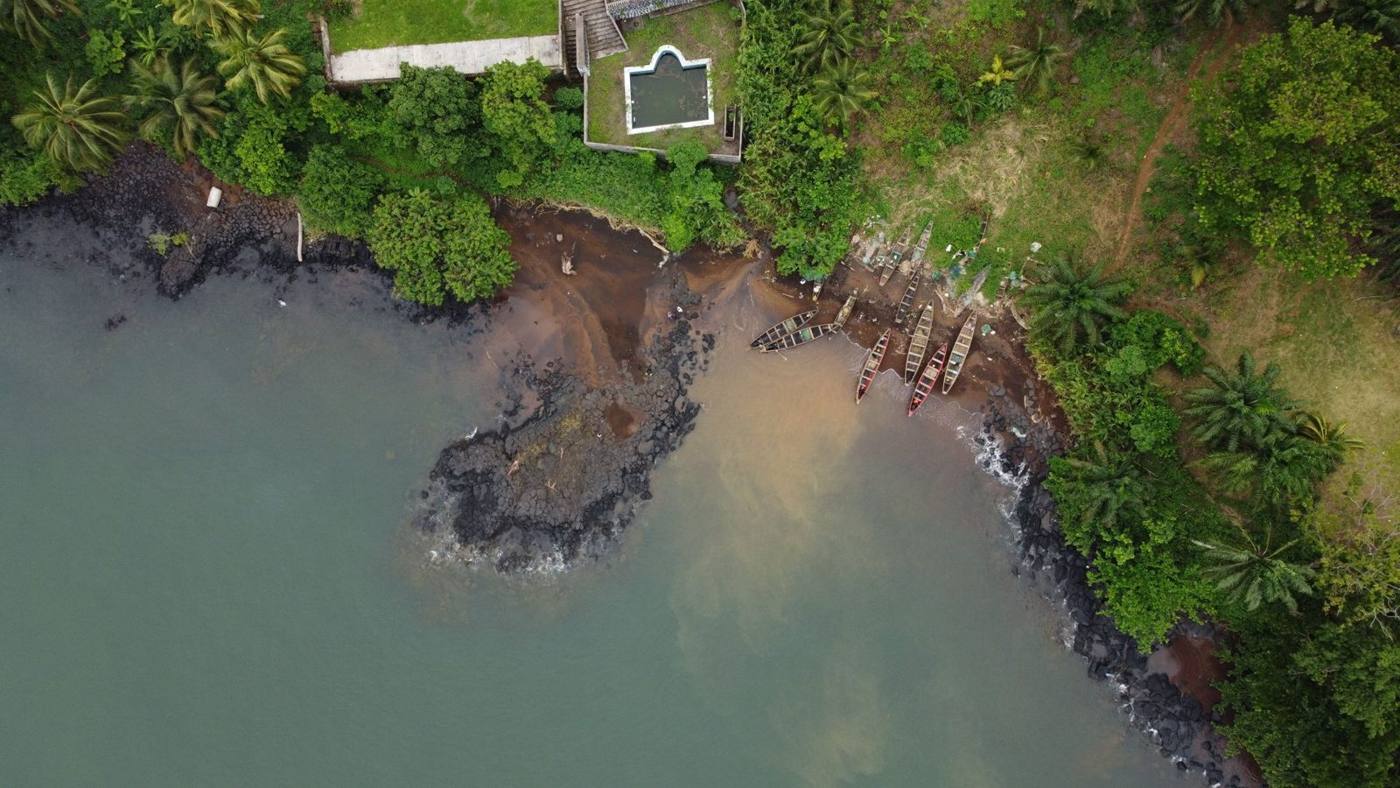
Príncipe island
A UNESCO biosphere reserve with untouched forest, volcanic peaks, Praia Banana and Roça Sundy, where the theory of relativity was confirmed.
- Santo António
- Roça Sundy
- Praia Banana
- Pico do Príncipe
- Baía das Agulhas
Day by day
- Day 1
The flight to Príncipe and Santo António
This trip takes you to Príncipe, the smaller of the two main islands, declared a biosphere reserve in its entirety by UNESCO in 2012. In five days you visit the tiny capital Santo António, the Sundy roça where the theory of relativity was confirmed, the Baía das Agulhas with its volcanic peaks and Praia Banana. It is a wild, almost empty island with few places to stay.
Before you go: Italian citizens enter the country with a passport and without a visa for short stays of up to 15 days, with at least three months of remaining validity; beyond that you need a visa applied for online. The passport stamped on arrival is checked when you leave. The yellow fever certificate is compulsory if you arrive from a country at risk, and for malaria talk to your doctor about prevention. Other nationalities should check their own rules. For the forest and trips at sea, Italian official advice recommends reliable local guides.
The flight from São Tomé takes just over half an hour in a small plane. From the window you see the island appear, all green, with its peaks covered in cloud. After landing settle into your accommodation and, in the afternoon, go down to Santo António, one of the smallest capitals in the world: a few streets, colourful colonial houses, a church, the river running through the centre and the market.
Stroll without hurrying, sit on the seafront and watch the fishermen's boats. The evening is very quiet and people go to bed early.
Practical tip: flights between the two islands often change times, so reconfirm your flight the day before and always keep a spare day before your long-haul flight.
- Day 2
Roça Sundy and the eclipse of 1919
Today you reach Roça Sundy, an old colonial plantation north-west of Santo António. Like the other roças of the archipelago, it was a small closed world: the main house, the cocoa warehouses, the hospital and long rows of workers' houses, for labourers brought mainly from Angola, Mozambique and Cape Verde.
Sundy is famous for a scientific event. On 29 May 1919 the British astronomer Arthur Eddington observed a total eclipse of the sun from here. By photographing the stars near the darkened sun, he measured how their light was bent and confirmed a prediction of Albert Einstein's general theory of relativity. A plaque marks the place of the observation. Check prices and times for the visit.
Walk among the buildings and imagine the work on the plantations, which for many was hard and close to forced labour. Then move on to the cocoa fields around: the guide shows you the pods, the beans wrapped in white pulp and how they are fermented and dried.
In the afternoon go back towards Santo António or stop at one of the nearby beaches. In the evening, if the sky is clear, look at the stars: with few lights around, the sky over Príncipe is very dark.
Practical tip: bring insect repellent and long sleeves for the evening, because malaria is present and mosquitoes are active at sunset.
- Day 3
By boat to the Baía das Agulhas
Today you explore the west coast by boat, the best way to understand the landscape of Príncipe. Set off in the morning when the sea is calm, in a local boat with an experienced skipper. Wear a life jacket and protect your phone and camera in a dry bag.
Along the coast you see beaches with no roads, forests reaching down to the water and small fishing villages. Then you enter the Baía das Agulhas, the bay of needles, where pinnacles of volcanic rock rise straight above the forest. They are old lava plugs left standing when the rock around them wore away. In the background, if the clouds allow, you see Pico do Príncipe, the highest peak on the island.
Watch the sea too: dolphins and, at certain times of year, whales pass through these waters. Seabirds fish near the rocks.
In the middle of the day stop on a deserted beach for a swim and a simple lunch prepared on board or brought with you. In the afternoon head back slowly towards Santo António, before the wind picks up.
Practical tip: leave early, because the sea is calmer in the morning, and ask the skipper not to go too close to the animals, so as not to disturb them.
- Day 4
Praia Banana and snorkelling
Today is a day by the sea. Head to Praia Banana, a small crescent-shaped bay with golden sand, palm trees leaning over the water and forest behind. It is often considered the most beautiful beach in the country and, outside weekends, you may find it almost empty.
Get into the water with mask and snorkel near the rocks at the sides of the bay. When the sea is clear you see colourful fish, sea urchins, small starfish and, sometimes, a turtle. Stay close to the shore and do not swim alone, because outside the bay the current can be stronger.
For lunch try grilled fish with rice and fried plantain, or bring a packed lunch and eat it in the shade. In the afternoon walk along the nearby coast to one of the other beaches, always on a safe path.
At sunset the light turns golden on the palms. Stop to watch it, then return to your accommodation before dark, because the island's roads are not lit.
If you have time left, ask at a roça in the area for a visit to see cocoa being processed or a walk in the forest with a guide.
Practical tip: bring your own snorkelling gear and a reef-safe sun cream, because there are very few shops on the island.
- Day 5
The flight back to São Tomé
Last day on Príncipe. If your flight is in the afternoon, take a final walk in the morning. You can climb to a viewpoint above Santo António and look out over the bay, or go back to the market to buy cocoa, coffee or spices from the island.
Get to the airport early. The terminal is small, but luggage checks take time and flights may leave earlier or later than scheduled. During the flight watch the island move away: the peaks, the beaches and the forest covering almost everything. On arrival in São Tomé you have the rest of the day to rest or visit the capital.
In five days you have seen one of the most unspoilt islands in Africa: Santo António and its slow pace, Roça Sundy with the story of the 1919 eclipse, the Baía das Agulhas and its pinnacles, Praia Banana and its clear sea. It is a trip for people who love nature and quiet, not for those looking for nightlife.
When to go: from June to September, in the driest season. From December to February there is another break in the rains, while from March to May and from October to November it rains often and the sea is rougher.
Practical tip: bring cash in euros for the whole stay, because on Príncipe cards are rarely accepted and cash machines are few or absent.
A wild, almost empty island. Flights between the two islands are small and often change schedule. Accommodation is limited: a few luxury eco-lodges and simple guesthouses.
Before you go
- Documents and visa
- Passport and no visa for short stays of up to 15 days: in that case three months of remaining validity are enough, otherwise six are needed. For longer stays the visa is applied for online with the Migration and Borders Service or at diplomatic missions. Keep the passport stamped on arrival, because it is checked when you leave.
- Health and vaccines
- A yellow fever vaccination certificate is compulsory, from one year of age, if you arrive from a country at risk, including after a stopover of more than 12 hours. Malaria is present: talk to your doctor about prevention even for a short trip. Drink only bottled water, without ice. You need insurance covering medical costs and medical repatriation.
- Money and payments
- Dobra (STN), with a fixed exchange rate to the euro. Bring cash in euros and change it at your hotel or an agency: credit cards are rarely accepted and cash machines are few.
- Power sockets
- Types C and F, 230 volts: you need an adapter for British plugs.
- Time zone
- UTC+0 all year.
- Safety
- No particular public order problems are reported, but there is theft and pickpocketing, especially on beaches. Enter the forest and wild areas only with reliable local guides, use a guide for trips at sea too and do not leave the main road for isolated places without someone to accompany you. Watch out for stray dogs, the venomous cobra preta snake and Portuguese men o' war in the sea. Official advice: GOV.UK.
Information checked in November 2026 for Italian and EU citizens. Rules change: always check before you travel.
Variations
Shorter version: three days with Santo António, Roça Sundy and Praia Banana.
Longer version: add a guided forest walk towards Pico do Príncipe or a few days on São Tomé.
Frequently asked questions
How do you get to Príncipe?
With a short flight from São Tomé, of just over half an hour. Times change often: reconfirm your flight and keep a spare day.
What happened at Roça Sundy in 1919?
On 29 May 1919 Arthur Eddington observed a total eclipse of the sun there and measured the bending of starlight, confirming a prediction of general relativity.
Do I need cash?
Yes, bring cash in euros: on Príncipe cards are rarely accepted. The dobra has a fixed exchange rate with the euro.
Indicative itinerary written by World Atlas. Before booking, check timetables, seasonal openings, documents and safety.
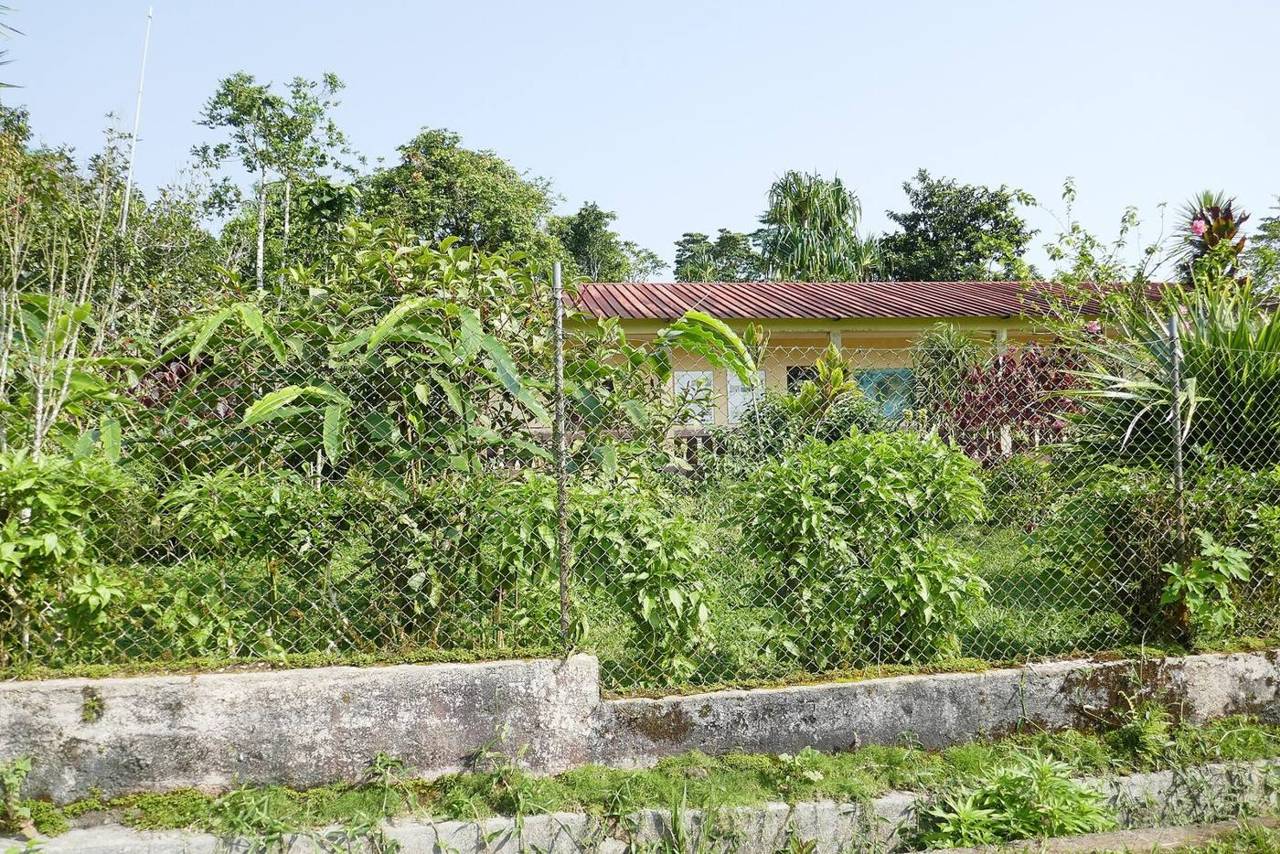 2 daysChallenging
Pico de São Tomé
The archipelago's highest peak in Obô Natural Park: two days on the trail through cloud forest, among giant ferns, begonias and birds found only here, with a night at camp.
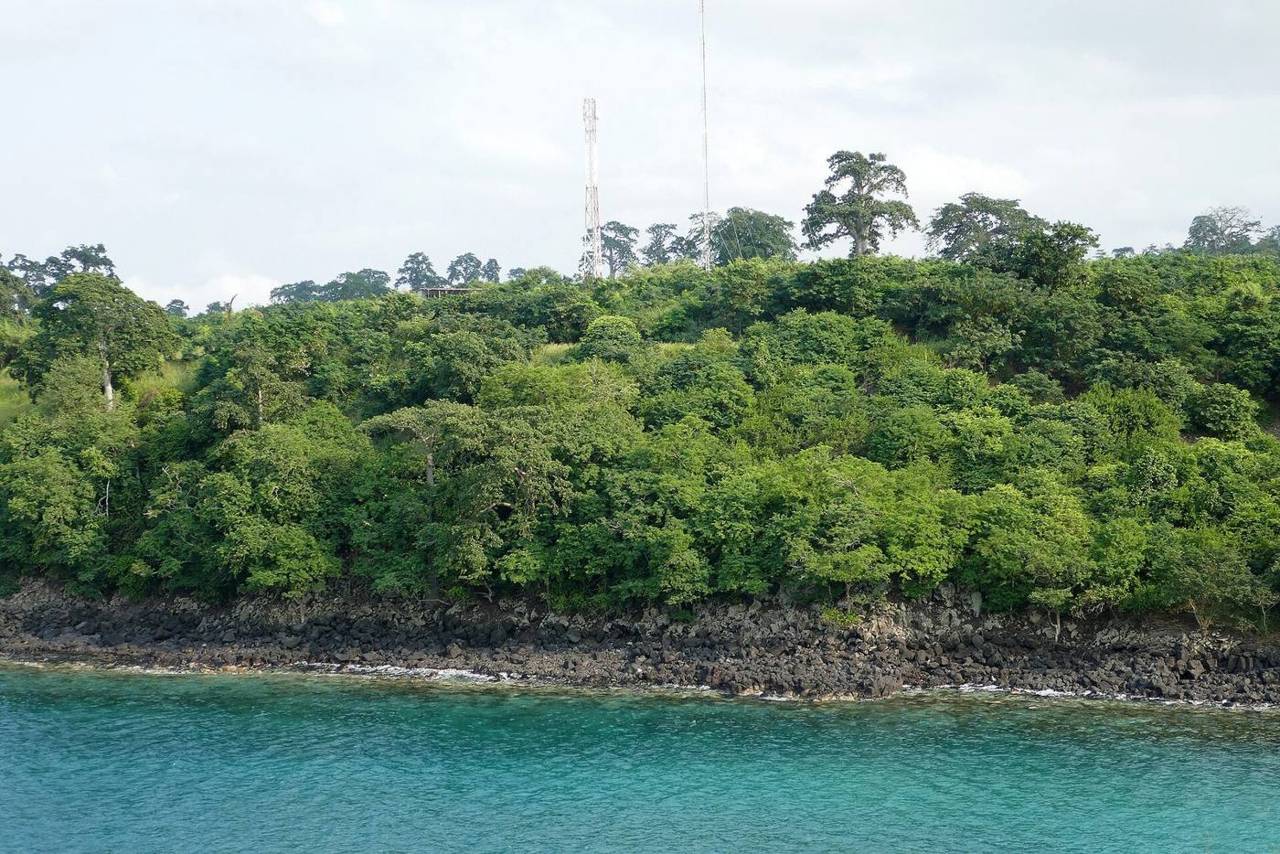 2 daysEasy
Lagoa Azul and the north coast
The dry north-west coast with its baobabs: the turquoise bay of Lagoa Azul for snorkelling, Tamarindos beach, the fishing village of Neves and the road to Santa Catarina.
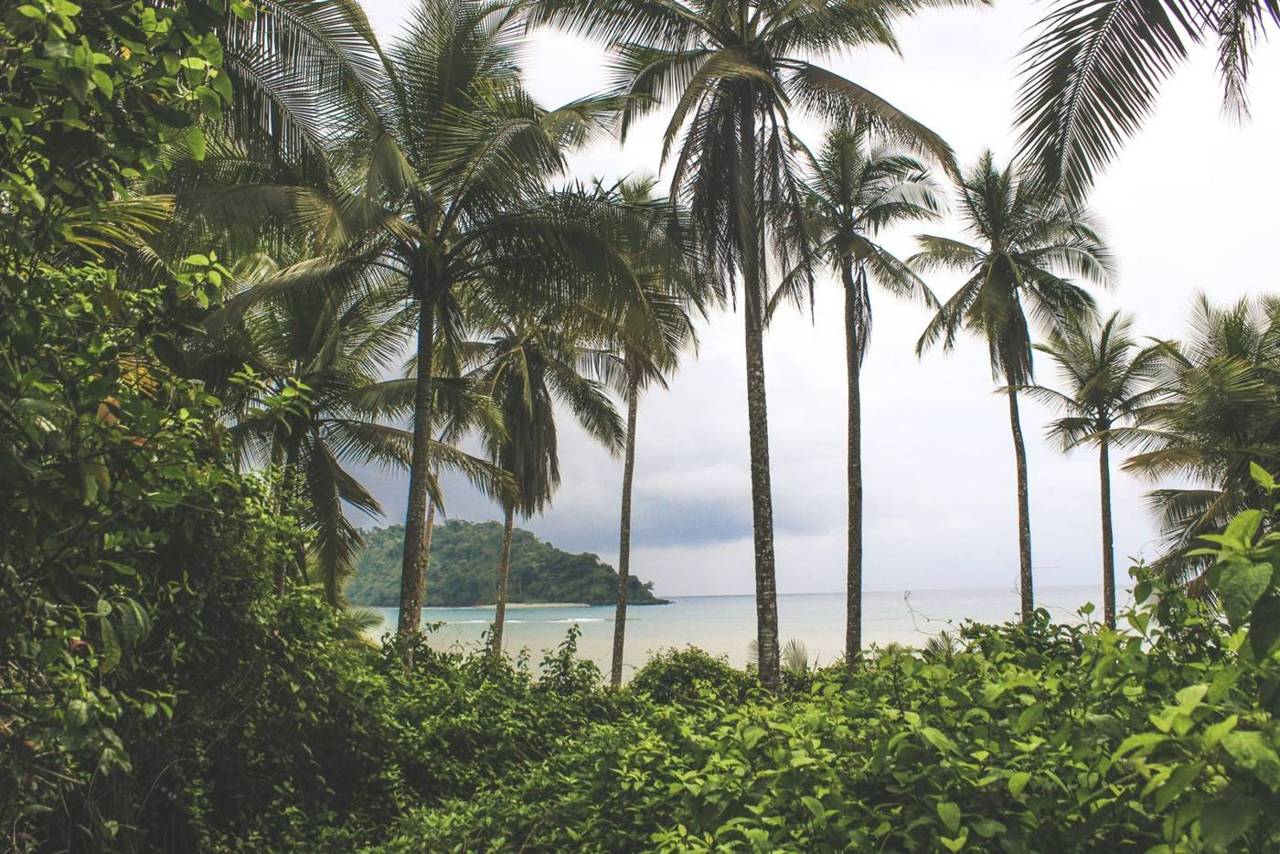 6 daysEasy
São Tomé and the roças
The old cocoa plantations, colonial roças, the volcanic spire of Pico Cão Grande, São Nicolau waterfall and the southern beaches.