Kruger, Eswatini and the Zululand parks
Almost two weeks of pure wildlife: Kruger, the small kingdom of Eswatini, the rhinos of Hluhluwe-iMfolozi and the hippos of the St Lucia estuary.
- Johannesburg
- Panorama Route
- Kruger
- Eswatini
- Hluhluwe-iMfolozi
- St Lucia
- Durban
Day by day
- Day 1
Arrival in Johannesburg and the road east
This trip crosses north eastern South Africa and the small kingdom of Eswatini: the canyons of the Panorama Route, four days of safari in Kruger National Park, the green valleys of Eswatini, the rhinos of Hluhluwe-iMfolozi and the lagoons of iSimangaliso, down to the Indian Ocean and Durban. You travel by rental car, with many hours in the parks.
Before you leave: Italian citizens enter South Africa without a visa for stays of up to 90 days. The passport must be valid at least 30 days beyond your departure date and have at least two blank pages. Other nationalities should check their own rules. The United States rates South Africa and Eswatini at level 2, meaning increased caution, because of crime. For Eswatini check entry requirements beforehand. Kruger and northern KwaZulu-Natal are malaria areas: ask your doctor before leaving.
You arrive at Johannesburg airport after a long flight. Pick up the rental car and leave at once eastwards on the N4 motorway. After about four hours the highveld plain gives way to hills, forests and mountains.
In the evening you reach Graskop or Sabie, small towns on the edge of the escarpment, among pine plantations and waterfalls.
Sleep in Graskop.
Practical tip: in South Africa you drive on the left. Do not stop in isolated areas and keep bags out of sight in the car.
- Day 2
The Panorama Route: Blyde River Canyon
Today you drive the Panorama Route, the scenic road along the edge of the great Mpumalanga Drakensberg escarpment.
In the morning go to God's Window, a viewpoint on the edge of the escarpment from which you see the lowveld, the plain where Kruger lies, a thousand metres below. On a clear day you see as far as Mozambique. In the morning there is often mist: if so, wait a while.
Then stop at the Lisbon and Berlin waterfalls, which drop into deep gorges in the forest.
At midday you reach Bourke's Luck Potholes: where the Treur River flows into the Blyde River, water and stones have carved round, deep holes in the rock, in yellow and red colours. You walk on bridges above the potholes.
In the afternoon continue to the Three Rondavels viewpoint, three round rock hills with grassy tops, like traditional huts, above the Blyde River canyon and the dam lake. The Blyde River Canyon is one of the largest green canyons in the world.
At the viewpoint entrances a small fee is paid: check.
Sleep in Graskop or near Kruger.
Practical tip: in Graskop try the pancakes, a local speciality, savoury or sweet. Fill up with fuel before entering the parks.
- Day 3
Entering Kruger
Today you enter Kruger National Park, one of the largest and most famous parks in Africa.
Kruger is the size of a small European country: almost two million hectares of savannah, woodland, hills and rivers. The big five live here, lions, leopards, elephants, buffalo and rhinos, together with giraffes, zebras, hippos, crocodiles, wild dogs and hundreds of bird species.
Since 1 November 2026 foreign adults pay 692 rand per day to enter the park, a conservation fee paid for every day you stay. Nights in the park's camps are booked months ahead: book as soon as you have your dates.
Enter by one of the southern gates, such as Phabeni or Numbi, early in the morning. The gates open and close at fixed times, different according to the month: you must be inside a camp or out of the park before closing, or you pay a fine.
Drive slowly to Skukuza, the main camp, on the Sabie River. In the park you drive yourself, on paved and gravel roads, stopping when you see an animal. The speed limit is low and you get out of the car only in fenced areas.
In the afternoon drive along the Sabie River, where animals come to drink.
Sleep in a park camp.
Practical tip: buy the park map at the entrance. It shows roads, waterholes and rest areas.
- Day 4
Safari between Skukuza and Lower Sabie
Today is the first full day of safari, in the south of Kruger, the area richest in animals.
At dawn, when the camp gates open, go out at once: the first hours of the morning are the best, when predators are still active and animals move towards water.
Follow the road between Skukuza and Lower Sabie, along the Sabie River. It is one of the finest roads in the park: you often see elephants, hippos, buffalo, kudu and, with luck, lions and leopards in the branches of trees. Stop at Sunset Dam, near Lower Sabie, where hippos and crocodiles are almost always present.
In the middle of the day, when it is hot and the animals rest, stop at a camp for lunch and rest.
In the afternoon go out again, towards Crocodile Bridge or along the gravel roads to the south. The south of the park is also the best area for rhinos, which have become rare because of poaching.
In the evening you can book a night drive with park rangers, in an open vehicle with spotlights, to see nocturnal animals: hyenas, owls, leopards. Check prices and places.
Sleep in a park camp.
Practical tip: when you find an animal, switch off the engine and speak quietly. Do not block the road for other cars.
- Day 5
To the centre of the park: Satara
Today you head up to the centre of Kruger, the area of the great plains.
From Lower Sabie or Skukuza the road goes north to Satara, about three or four hours of driving with stops. The landscape changes: woodland gives way to large open grasslands with scattered trees, acacias and marulas.
The plains around Satara are famous for lions, which follow the great herds of zebra, wildebeest and buffalo. You also see cheetahs, hyenas and sometimes wild dogs, among Africa's rarest predators.
Along the road stop at the waterholes and dams marked on the map. Waiting ten minutes in silence near the water often brings more animals than driving quickly.
In the camps there are boards where visitors mark with magnets the animals seen during the day: look at them to know where to go.
In the afternoon drive the gravel roads around Satara.
In the evening dine in the camp with a braai, the South African barbecue, in the bungalow areas, listening to the sounds of the savannah: lions roaring, hyenas laughing, jackals calling.
Sleep in Satara.
Practical tip: bring binoculars for each person. Many animals are only seen from a distance. A camera with a zoom lens also helps.
- Day 6
A walking safari or on to Olifants
Today is the last day in Kruger.
In the morning you can take a walking safari with the park's armed rangers: you walk in small groups through the savannah for two or three hours, learning to read tracks, droppings, plants and insects. You see animals up close and feel the savannah differently. It is booked at the camp: check prices, minimum age and places.
Alternatively, drive north to Olifants, a camp above an escarpment, overlooking the Olifants River, where you see elephants, hippos and crocodiles from above. It is one of the finest views in the park.
In the afternoon head back south to leave the park the next day, or stay another night in a camp near the exit, depending on the road you want to take to Eswatini.
At sunset, in the fenced camps, sit on the terrace above the river and watch the animals coming down to drink.
After four days you will probably have seen almost all the large animals. The leopard remains the hardest: if you have seen one, you were lucky.
Sleep in a camp in the south of the park.
Practical tip: feeding animals is forbidden in the park. Monkeys and baboons in the camps steal food: always lock the car.
- Day 7
Eswatini: the Ezulwini valley
Today you leave Kruger and South Africa and enter Eswatini, the small kingdom called Swaziland until 2018.
Leave the park by the Malelane or Crocodile Bridge gate and drive south to the border. At the border South African and Eswatini checks are carried out; bring the car documents and ask the rental company for written permission to take the car abroad.
Eswatini is one of Africa's last absolute monarchies. It is a small country of green hills, sugar cane plantations and villages, with a strong traditional Swazi culture.
In the afternoon you reach the Ezulwini valley, the valley of heaven, between the capital Mbabane and Lobamba, the royal capital. Visit a cultural village where you see the beehive huts of woven grass and traditional dances, and the Mantenga waterfall.
In the valley there are craft markets with coloured candles, woven grass baskets, soapstone carvings and batik fabrics, much cheaper than in South Africa. Bargaining is polite and expected.
Sleep in the Ezulwini valley.
Practical tip: in Eswatini the South African rand is accepted at the same value as the local currency, the lilangeni. Change is often given in lilangeni, which cannot be used in South Africa. Spend it before you leave the country.
- Day 8
Mlilwane reserve on foot or by bicycle
Today you visit the Mlilwane reserve, in the Ezulwini valley, where you walk and cycle among the animals.
Mlilwane is Eswatini's first protected area, created on an old farm. There are no large predators, so you can get around on foot, by bicycle or on horseback. Zebras, wildebeest, antelopes such as nyala, impala and blesbok, warthogs, crocodiles and hippos in the lake and many birds live in the reserve.
In the morning rent a bicycle at the main camp and follow the trails through the hills and around the lake. Zebras and antelopes come close without fear. Alternatively take a guided walk or a horseback ride. Check prices and times.
In the afternoon, if you like, climb the trails towards Execution Rock, with views over the valley.
In some months of the year, at the end of summer, Eswatini celebrates the Umhlanga ceremony, the reed dance, with thousands of young women. The dates change every year: check.
In the evening, at the main camp, dinner is by the fire, often with warthogs wandering around.
Sleep at Mlilwane or in the Ezulwini valley.
Practical tip: on foot and by bicycle do not approach the hippos and crocodiles of the lake. They remain dangerous animals.
- Day 9
To Hluhluwe-iMfolozi
Today you leave Eswatini and return to South Africa, to KwaZulu-Natal, the land of the Zulu.
From the Ezulwini valley drive south east to the Golela or Lavumisa border, then continue to Hluhluwe-iMfolozi park. The journey takes about four hours. Along the way you cross sugar cane plantations and the region of Zululand.
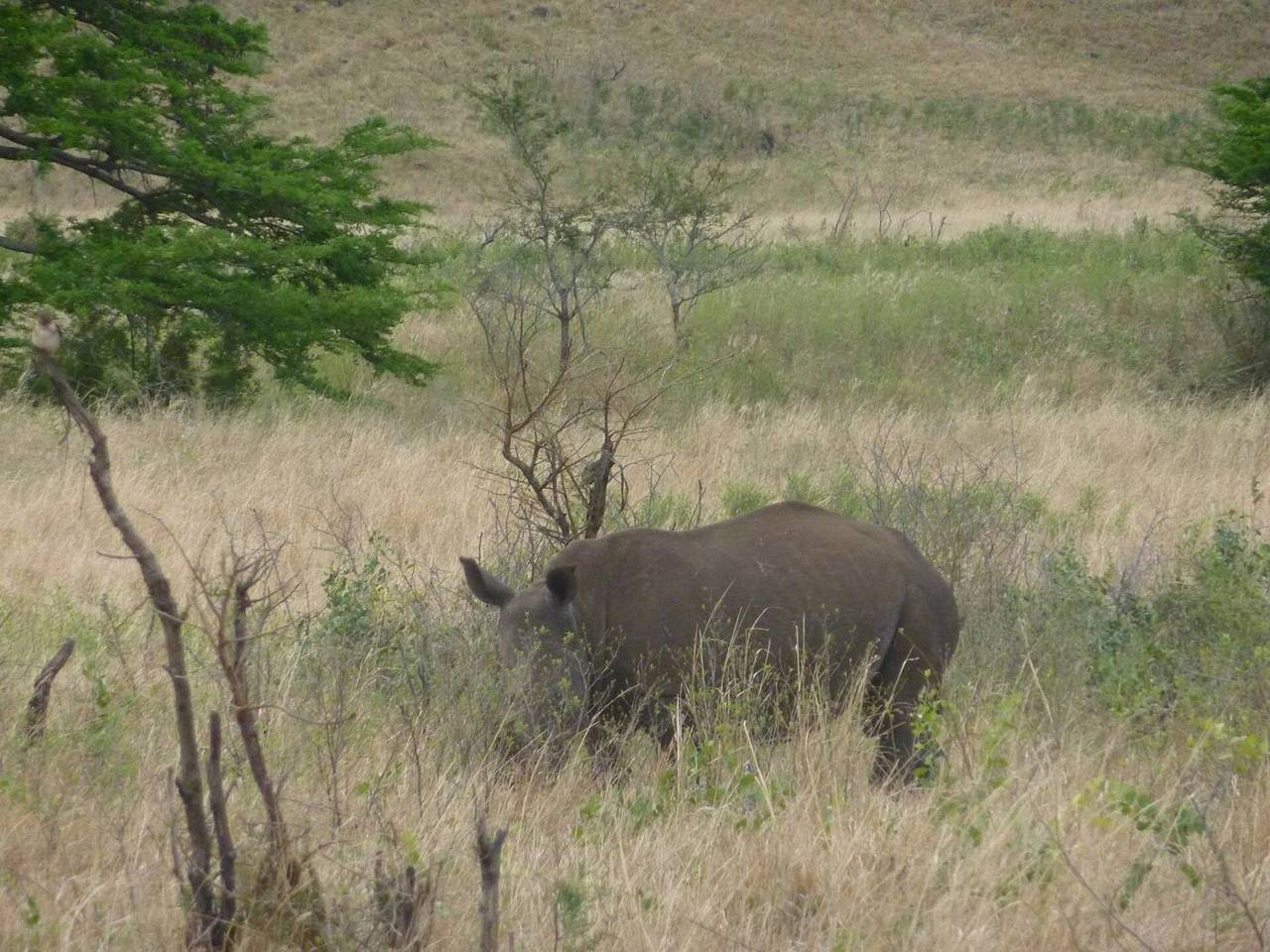
Hluhluwe-iMfolozi is the oldest park in Africa, protected since 1895. Here, in the 1950s and 1960s, a conservation programme saved the southern white rhino from extinction: only a few were left, and from here they were taken to many African parks. The park also hosts the big five.
The park is run by the KwaZulu-Natal parks authority: tickets and lodging are booked separately from the national parks. Check prices and gate times.
In the afternoon take your first drive in the park. The landscape is of green hills and valleys with the Hluhluwe and iMfolozi rivers, different from the Kruger plain. It is one of the best places in Africa to see white and black rhinos.
Sleep in the park or near the entrance.
Practical tip: there is malaria here too. Use repellent and sleep under a mosquito net. Wear light long sleeves at sunset, when mosquitoes are most active.
- Day 10
Safari in Hluhluwe-iMfolozi
Today is a full day of safari in the hills of Hluhluwe-iMfolozi.
At dawn go out by car or on a guided park drive in an open vehicle. In the Hluhluwe section, to the north, the hills are higher and greener, with woods and forests. In the iMfolozi section, to the south, the savannah is more open and dry, with rivers.
Look for white rhinos, which graze grass in groups, and black rhinos, smaller, solitary and nervous, which browse on bush leaves. You can tell them apart by the mouth: wide and flat in the white, pointed in the black. You also see elephants, buffalo, giraffes, zebras, nyala and, with luck, lions and wild dogs.
At midday rest in the camp. The main Hluhluwe camp is high in the hills, with a large panoramic terrace over the valleys.
In the afternoon take another drive, stopping at waterholes and hides.
In the wilderness area of iMfolozi, closed to cars, multi day trails with rangers are run, sleeping in the open: an experience to book months ahead, for those with more time.
Sleep in the park or near the entrance.
Practical tip: black rhinos can charge cars. If a rhino is near the road, stop at a distance and wait.
- Day 11
iSimangaliso: hippos and crocodiles at St Lucia
Today you go to iSimangaliso, the wetland park on the coast, a UNESCO World Heritage site.
From Hluhluwe to St Lucia takes about an hour. St Lucia is a small town between Lake St Lucia and the Indian Ocean. The lake is a great estuary, the largest lagoon system in Africa, with thousands of hippos and crocodiles.
In the morning take a boat trip on the estuary. You see groups of hippos in the water, crocodiles on the banks, fish eagles, herons and kingfishers. Trips are booked in town: check prices and times.
In St Lucia town hippos come out of the water in the evening and walk the streets grazing the grass in gardens. They are very dangerous animals: do not approach, do not go out on foot after dark and drive slowly.
In the afternoon walk the mangrove trail or visit the western part of the park, with grassy hills, zebras and wildebeest.
In the evening dine in town on Indian Ocean fish and prawns.
Sleep in St Lucia.
Practical tip: in St Lucia do not walk in the evening along the estuary or near tall grass. Hippos cause more fatal accidents than many predators. Always follow the signs and the advice of local guides.
- Day 12
Cape Vidal and the road to Durban
Today you see the wild beaches of iSimangaliso and then drive down to Durban.
In the morning enter the eastern part of the park and drive north to Cape Vidal, about an hour. The road crosses dune forest and grassland, with waterholes where you see buffalo, kudu, zebras and sometimes rhinos. The park has times and tickets: check.
Cape Vidal is a long beach of white sand with the highest forested dunes in Africa and a rock reef that creates natural pools at low tide, where you snorkel among colourful fish. Between June and November humpback whales pass offshore. Between November and March sea turtles lay their eggs on the northern beaches.
Swim only in the areas protected by the reef, because the ocean is open and the currents strong.
In the afternoon drive south to Durban, about three hours. Durban is the great city of KwaZulu-Natal on the Indian Ocean, with long beaches, the port and a large Indian community.
In the evening try bunny chow, the Durban speciality: half a loaf hollowed out and filled with curry.
Sleep in Durban, Umhlanga or near the airport.
Practical tip: in Durban get around by taxi or app, especially in the evening.
- Day 13
Departure from Durban
On the last day you leave from Durban's King Shaka airport, north of the city.
If your flight is in the afternoon, in the morning walk along the Umhlanga promenade, with natural rock pools and the white and red lighthouse. The promenade is patrolled and is the quietest place for a walk.
Alternatively, visit the Victoria Street market, in central Durban, with the spices and curries of the Indian community, or the botanic gardens, among the oldest in Africa. Go by taxi and with a guide if you do not know the city.
Many international flights from Durban connect in Johannesburg or the Gulf. Return the car at the airport: ask beforehand whether there is a fee for returning it in a different city from where you picked it up.
What to take home: woven grass baskets from Eswatini, soapstone carvings, coloured candles, Zulu beadwork, rooibos, South Africa's red tea, Durban spices, biltong, the spiced dried meat.
This trip shows an Africa rich in wildlife and cultures: the great savannah of Kruger, the kingdom of Eswatini, the land of the Zulu with the parks that saved the rhinos, and the lagoons and wild beaches of the Indian Ocean.
Practical tip: the best time for safaris is from May to September, in the dry season. Animals gather near water and the grass is short.
If the Big Five are your goal, this is the trip: in Kruger you almost always see lions, elephants and buffalo, and leopards with some luck. The best time is May to September, the dry season: short grass, animals near water and no mosquitoes. Sleeping in camps inside the park, not outside, gains you hours of safari every day.
Before you go
- Documents and visa
- Passport valid for at least 30 days beyond departure, with at least two completely blank pages; no visa for tourism up to 90 days. A return ticket is required.
- Health and vaccines
- No compulsory vaccines arriving from Europe; a yellow fever certificate is needed only if arriving from a risk country. Kruger and the north-east have seasonal malaria risk: ask your doctor before travelling. Emergencies: 10111 police, 10177 ambulance, 112 from mobiles.
- Money and payments
- South African rand. Cards work almost everywhere; keep some cash for tips and car guards.
- Power sockets
- Type M, plus C and N, 230 volts: you need an adapter for the large three round-pin plugs.
- Time zone
- UTC+2 all year: South Africa does not use daylight saving time.
- Safety
- The United States rates South Africa level 2 for crime. In cities avoid walking alone at night, leave nothing visible in the car and use ride-hailing apps after dark. Official advice: GOV.UK.
Information checked in November 2026 for Italian and EU citizens. Rules change: always check before you travel.
Variations
In 8 days: only the Panorama Route and Kruger, returning to Johannesburg.
In 16 days: add the Drakensberg mountains and the Zulu battlefields after Durban, or Hlane reserve in Eswatini.
Frequently asked questions
What documents do I need?
For South Africa Italian citizens need no visa for up to 90 days; the passport must be valid 30 days beyond exit and have two blank pages. For Eswatini check requirements before leaving. Other nationalities should check their own rules.
How much does Kruger cost?
Since 1 November 2026 foreign adults pay a conservation fee of 692 rand per day. Lodging and activities are paid separately. Hluhluwe-iMfolozi and iSimangaliso have different rates: check.
Is there malaria?
Yes, in Kruger and northern KwaZulu-Natal, especially in the rainy season. Ask your doctor before leaving and use repellent and a mosquito net.
Indicative itinerary written by World Atlas. Before booking, check timetables, seasonal openings, documents and safety.
 7 daysEasy
Cape Town and the Cape Peninsula
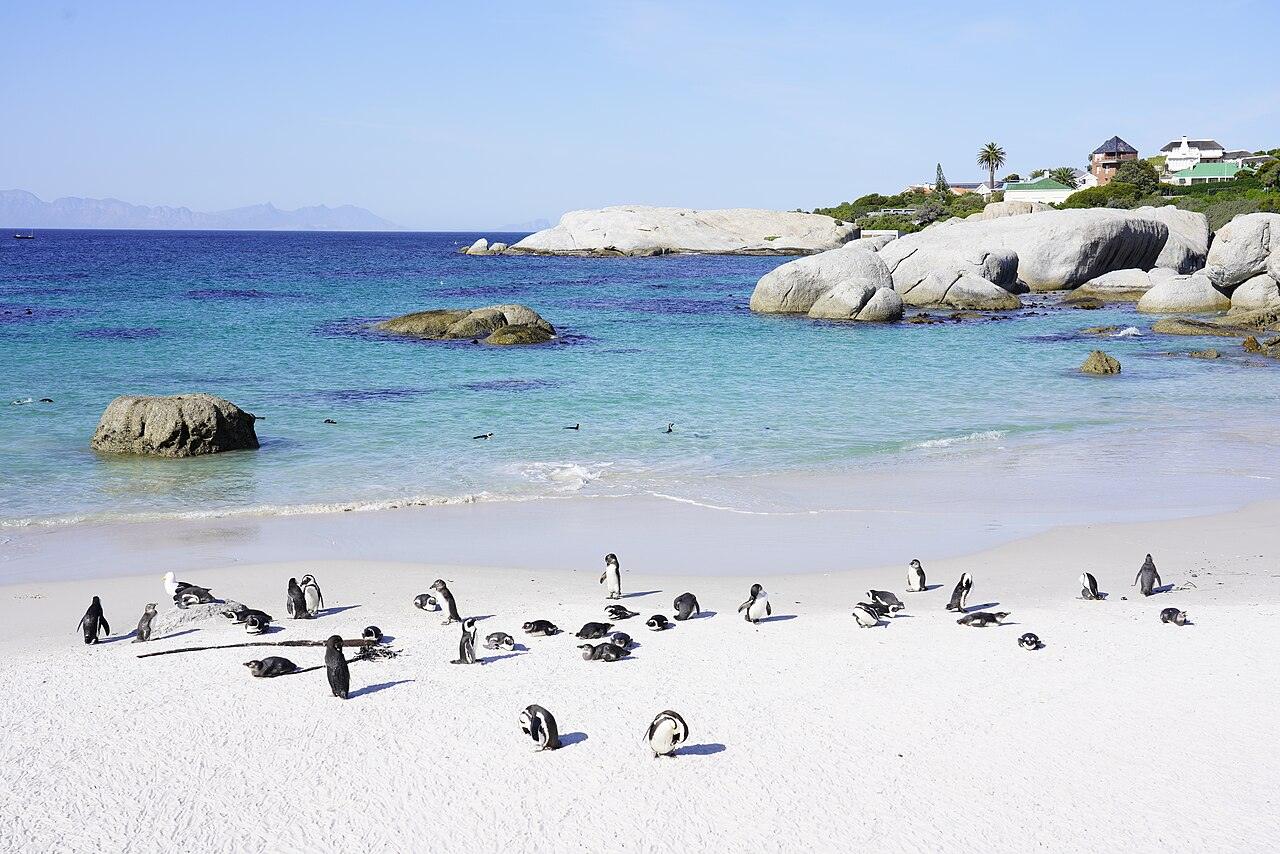
A week of Table Mountain, the penguins of Boulders Beach, the Cape of Good Hope and the Stellenbosch vineyards.
 15 daysModerate
Kruger, the Garden Route and Cape Town
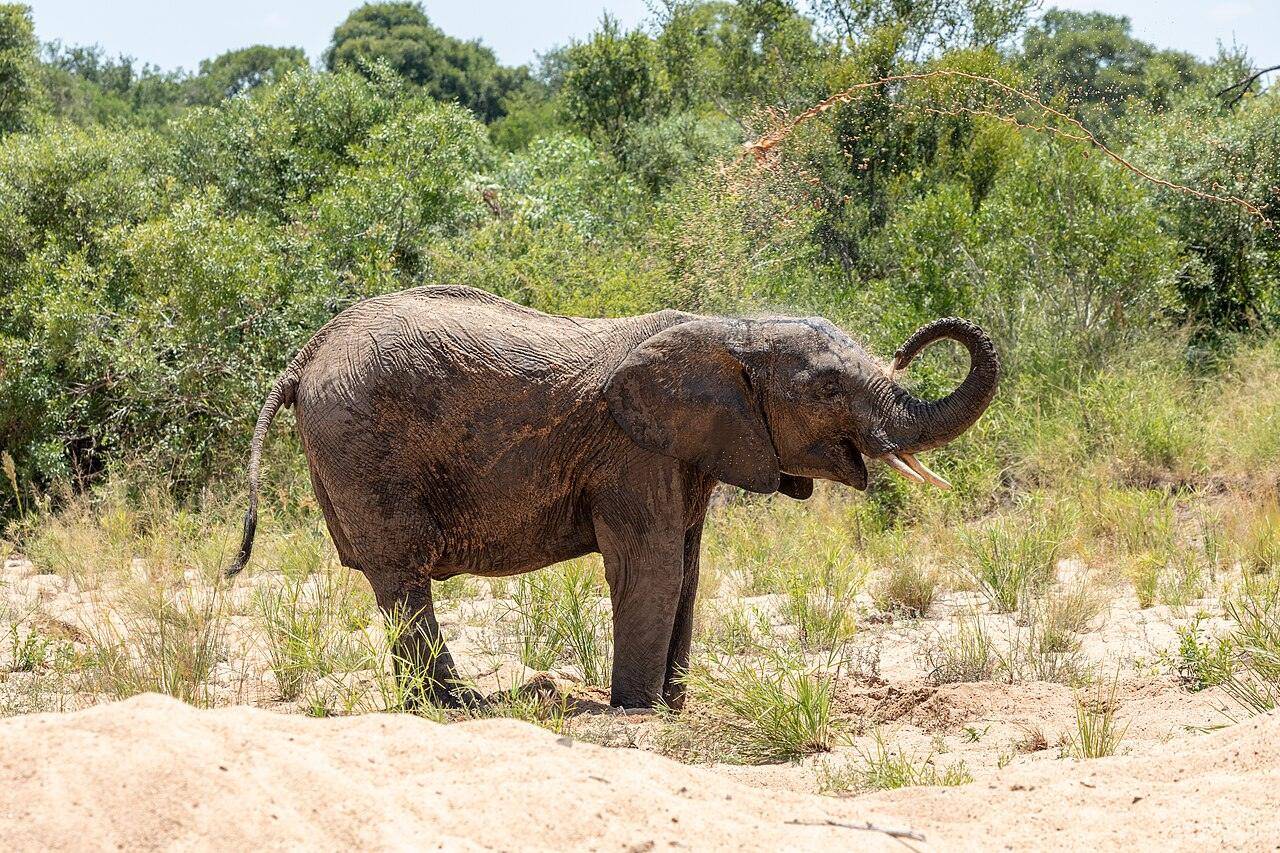
The great classic: a Kruger safari, the scenic Garden Route and a finale in Cape Town.
 10 daysEasy
The Garden Route from Port Elizabeth to Cape Town
Africa's most famous coastal road: the elephants of Addo, the waves of Jeffreys Bay, the Tsitsikamma forest, the whales of De Hoop and the Cape winelands.