Skåne and Österlen
Malmö and the Øresund bridge, Lund, the Österlen coast with the Ales Stenar stones, Ystad of Inspector Wallander and the orchards of Kivik.
- Malmö
- Lund
- Ystad
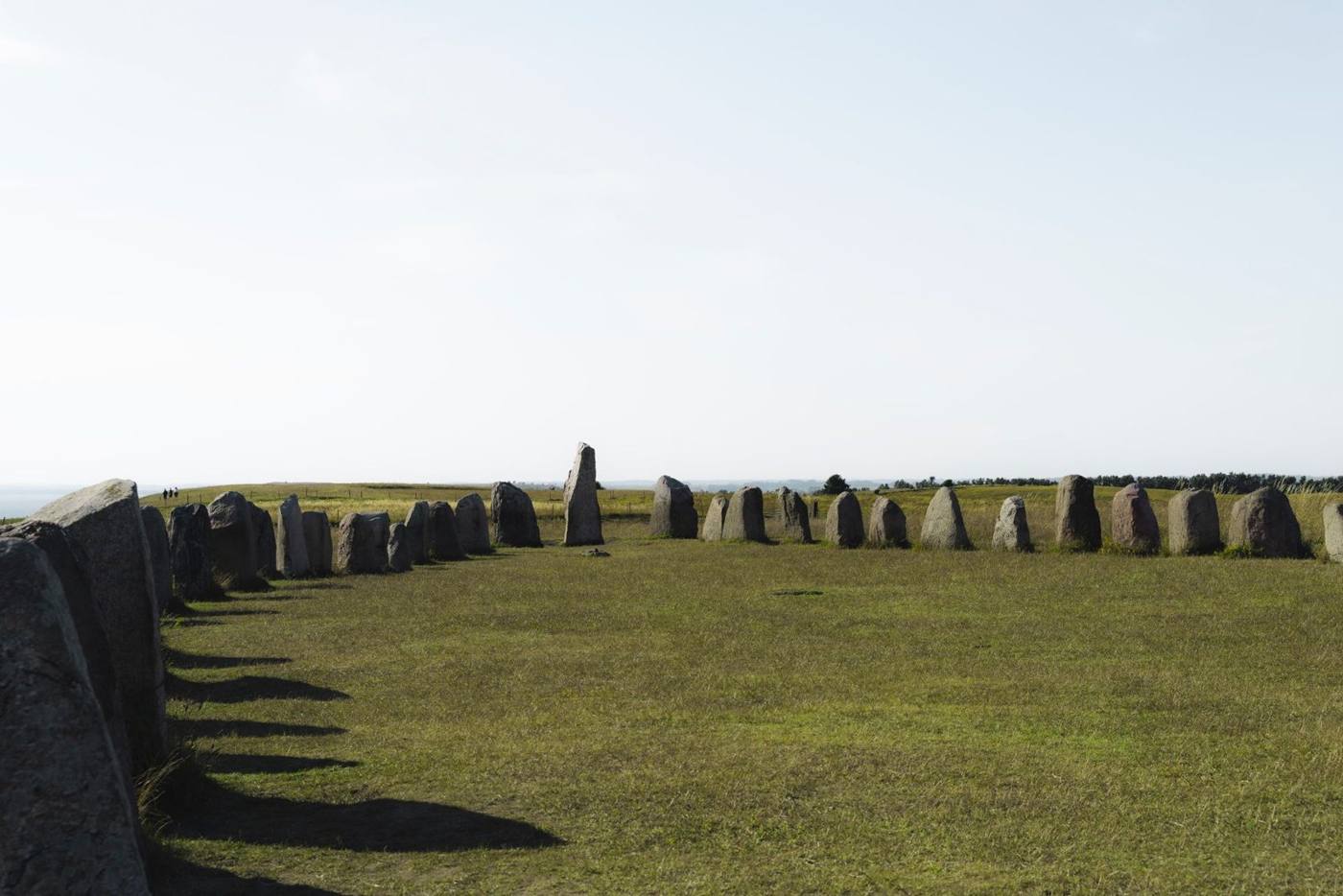
- Ales Stenar
- Kivik
- Simrishamn
Day by day
- Day 1
Malmö: Västra Hamnen, the Turning Torso and the Ribersborg baths
This trip takes you to Skåne, Sweden's southernmost region, half an hour by train from Copenhagen. You start in Malmö, visit the university town of Lund, then head down to the Österlen coast through Ystad, the stones of Ales Stenar, the apple orchards of Kivik and the harbour of Simrishamn.
Before you go: Italian citizens can enter Sweden with a valid electronic identity card or passport, without a visa. Other nationalities should check their own rules. Sweden has reintroduced border checks: if you arrive from Copenhagen by train over the Øresund Bridge, keep your document ready. You pay almost only by card. In the cities, watch out for pickpockets and avoid unfamiliar suburbs in the evening.
Malmö is a young, multicultural city. Start in Västra Hamnen, the former shipyard area turned into a modern seaside district, with designer homes, canals and jetties for swimming. Its symbol is the Turning Torso, a white skyscraper 190 metres high that twists around itself, designed by the architect Santiago Calatrava and completed in 2005.
Then walk along the sea to Ribersborg beach, long and sandy. At the end of a pier stands the wooden sea bath on stilts, opened at the end of the nineteenth century, with saunas and ladders for dipping into the sea all year round. Check prices and times. From here you can see the Øresund Bridge, which links Sweden to Denmark.
In the evening, stroll around Lilla Torg square, with half-timbered houses and outdoor tables.
Practical tip: in the sea bath saunas people often go without swimwear, in separate areas for men and women; check the rules at the entrance.
- Day 2
Lund and the Romanesque cathedral
Today you go to Lund, about a quarter of an hour by train from Malmö. It is one of the oldest towns in Sweden and home to a large university, founded in the seventeenth century. The streets are full of students on bikes, brick houses and gardens.
The main monument is Lund Cathedral, a great Romanesque stone church consecrated in the twelfth century, when Lund was the seat of the archbishop of the whole north. Inside, look at the medieval astronomical clock: at certain times it plays music and figures of the Three Kings move. Check the times.
Then go down into the crypt, with carved columns and the figure of a giant hugging a pillar. According to legend this is Finn, the giant who built the church and was turned to stone.
In the afternoon, visit Kulturen, an open-air museum in the centre, with old houses, gardens and collections of everyday objects from the countryside and the town. Check prices and times.
Then stroll through the university park, Lundagård, in front of the main building, and through the lanes with the houses of professors and students. In spring the park fills with people on the grass.
In the evening, return to Malmö or stay in Lund, where the student atmosphere is lively and there are many cheap places to eat.
Practical tip: buy a card for Skåne's regional trains or use the transport app; trains between Malmö, Lund and Ystad are frequent and convenient.
- Day 3
Ystad and Ales Stenar at sunset
Today you reach the south coast at Ystad, by train from Malmö in under an hour. From here it is best to hire a car or a bike to explore Österlen over the next few days.
Ystad is a well-preserved medieval town, with cobbled streets, colourful half-timbered houses and small squares. It is known worldwide for Henning Mankell's crime novels featuring Inspector Wallander, set here. Walk around the centre and visit St Mary's Church and the old Franciscan monastery, with the town museum. Check prices and times.
For centuries, from the tower of St Mary's, a watchman has blown a horn every quarter of an hour in the evening and at night, a tradition that continues today.
In the late afternoon, drive east to Kåseberga, a small fishing harbour about twenty kilometres away. From here a path climbs the cliff to Ales Stenar, a great ship of tall stones arranged in a long oval shape at the edge of the sea. The monument is more than a thousand years old and its purpose is still debated: perhaps a tomb or a solar calendar.
Stay until sunset: the sun sinking behind the stones, above the Baltic, is one of the finest moments in the region.
Practical tip: the car park at Kåseberga fills up in summer; arrive a little before sunset and bring a jacket, because it is always windy on the cliff.
- Day 4
Kivik, the orchards and Simrishamn
Today you head up the east coast of Österlen, an area of open fields, farms, orchards and beaches. It is the mildest and brightest part of Sweden, loved by artists and painters. Many farms sell their produce directly, and at certain times villages have art galleries open to visitors.
The first stop is Kivik, the heart of apple country. Around the village there are large orchards that are covered in white and pink blossom in spring and in fruit in autumn. Taste the local apple juice, cider and apple cakes.
Near Kivik, visit the King's Grave, Kungagraven, a large Bronze Age stone cairn with carved slabs inside. Check prices and times. Then climb the hill of Stenshuvud National Park, with beech woods and paths down to a white sandy beach, one of the most beautiful in Sweden.
In the afternoon, reach Simrishamn, a small seaside town with low colourful houses, rose gardens and a fishing harbour. Walk through the lanes of the centre and along the harbour, where smoked fish is sold.
In the evening, have dinner with fish from the coast, such as smoked eel, an Österlen tradition, or fried herring.
Practical tip: at the end of September Kivik hosts its apple festival, with crowds and traffic; if you want peace and quiet, visit the orchards on another weekend.
- Day 5
Back to Malmö or Copenhagen
On the last day you head back to Malmö or Copenhagen. From Simrishamn a regional train runs to Malmö via Ystad, and from Malmö continues to Copenhagen Airport, across the Øresund Bridge.
If you have a few hours, stop at Glimmingehus castle, near Simrishamn, one of the best-preserved medieval castles in Scandinavia, with thick walls and stone rooms. Check prices and times. Or in Malmö visit Malmöhus castle, with the city's museums, and the large park nearby.
In these five days you have seen Västra Hamnen and the Turning Torso, the Ribersborg sea bath, Lund's Romanesque cathedral with its clock, the medieval centre of Ystad, the stone ship of Ales Stenar at sunset, the orchards of Kivik, the beach at Stenshuvud and the harbour of Simrishamn.
When to go: from May to September. In May the apple trees are in blossom. July and August are the months for beaches and long evenings, but also the busiest. September brings the apple harvest and a golden light. Skåne combines well with a few days in Copenhagen and on the Danish island of Bornholm.
Practical tip: on the train between Sweden and Denmark keep your document ready for checks, and remember that Denmark uses the Danish krone, which is different from the Swedish currency.
Sweden's mildest, most foodie region, half an hour by train from Copenhagen. Österlen has beaches, art galleries and farm shops. It pairs well with Copenhagen and Bornholm.
Before you go
- Documents and visa
- EU citizens need a valid identity card or passport: Sweden is in the EU and the Schengen area. Sweden has reintroduced border checks, so carry your document on trains and ferries too. Other nationalities should check the Schengen rules and the Entry/Exit System.
- Health and vaccines
- Excellent healthcare. EU citizens should bring their EHIC, plus insurance covering medical costs and repatriation. In summer, meadows and woods may have ticks that carry Lyme disease and tick-borne encephalitis, especially around Stockholm, the archipelago and Lake Mälaren: ask your doctor about the vaccine. In summer in the north, bring mosquito repellent. Emergencies: 112.
- Money and payments
- Swedish krona. Cards are accepted almost everywhere, even for tiny amounts, and many shops, buses and public toilets do not take cash. Sweden is expensive, especially in the cities and the mountains.
- Power sockets
- Types C and F, 230 volts.
- Time zone
- Central European Time (UTC+1, summer UTC+2).
- Safety
- The national terrorism threat level is raised. Some suburbs of Stockholm, Malmö and Gothenburg are affected by organised crime; in Stockholm theft is common in bars and on public transport. Bags may be banned at large concerts, festivals and sports events. The drink-drive limit is very low and headlights must be on during the day. Official advice: GOV.UK.
Information checked in November 2026 for Italian and EU citizens. Rules change: always check before you travel.
Variations
In 3 days: Malmö, Lund and an evening at Ales Stenar.
In 8 days: add the Kullaberg peninsula, in the north-west, and two days in Copenhagen.
Frequently asked questions
Can I do it without a car?
Yes, partly. Trains link Malmö, Lund, Ystad and Simrishamn well. For Ales Stenar, Kivik and Stenshuvud there are buses in summer, but with few departures; a bike or car is more convenient.
How far is Copenhagen?
From Malmö the train crosses the Øresund Bridge and reaches Copenhagen in about half an hour. Copenhagen Airport is the most convenient way to reach Skåne.
What is Österlen?
It is the south-eastern part of Skåne, between Ystad and Kivik. It is an area of countryside, orchards, fishing villages and beaches, famous for its light, its art and its farm produce.
Indicative itinerary written by World Atlas. Before booking, check timetables, seasonal openings, documents and safety.
 5 daysModerate
The High Coast
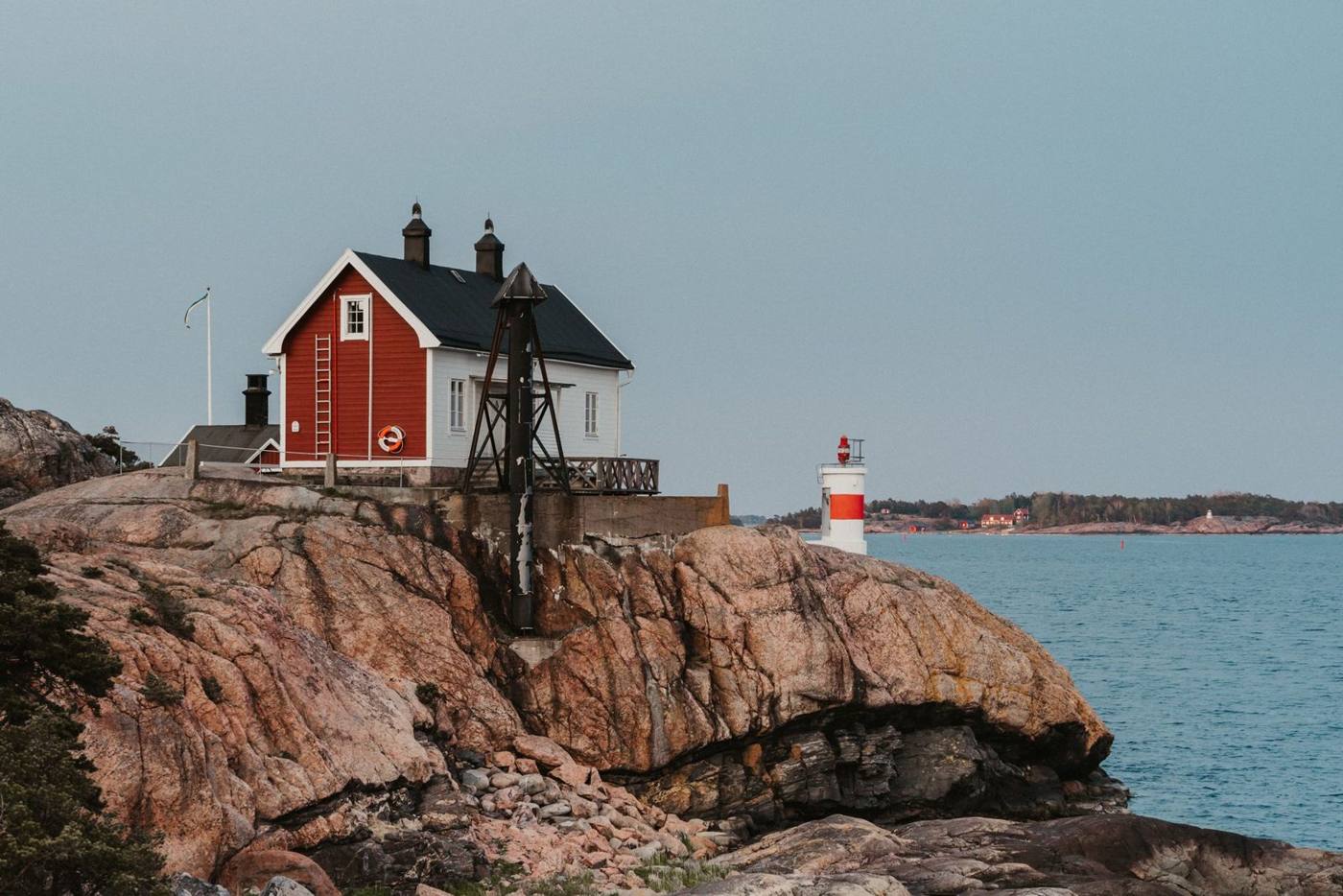
Höga Kusten, a UNESCO site where the land is still rising after the last Ice Age: Skuleskogen park with the Slåttdalsskrevan gorge, Ulvön island and the coastal trail.
 5 daysEasy
The Göta Canal
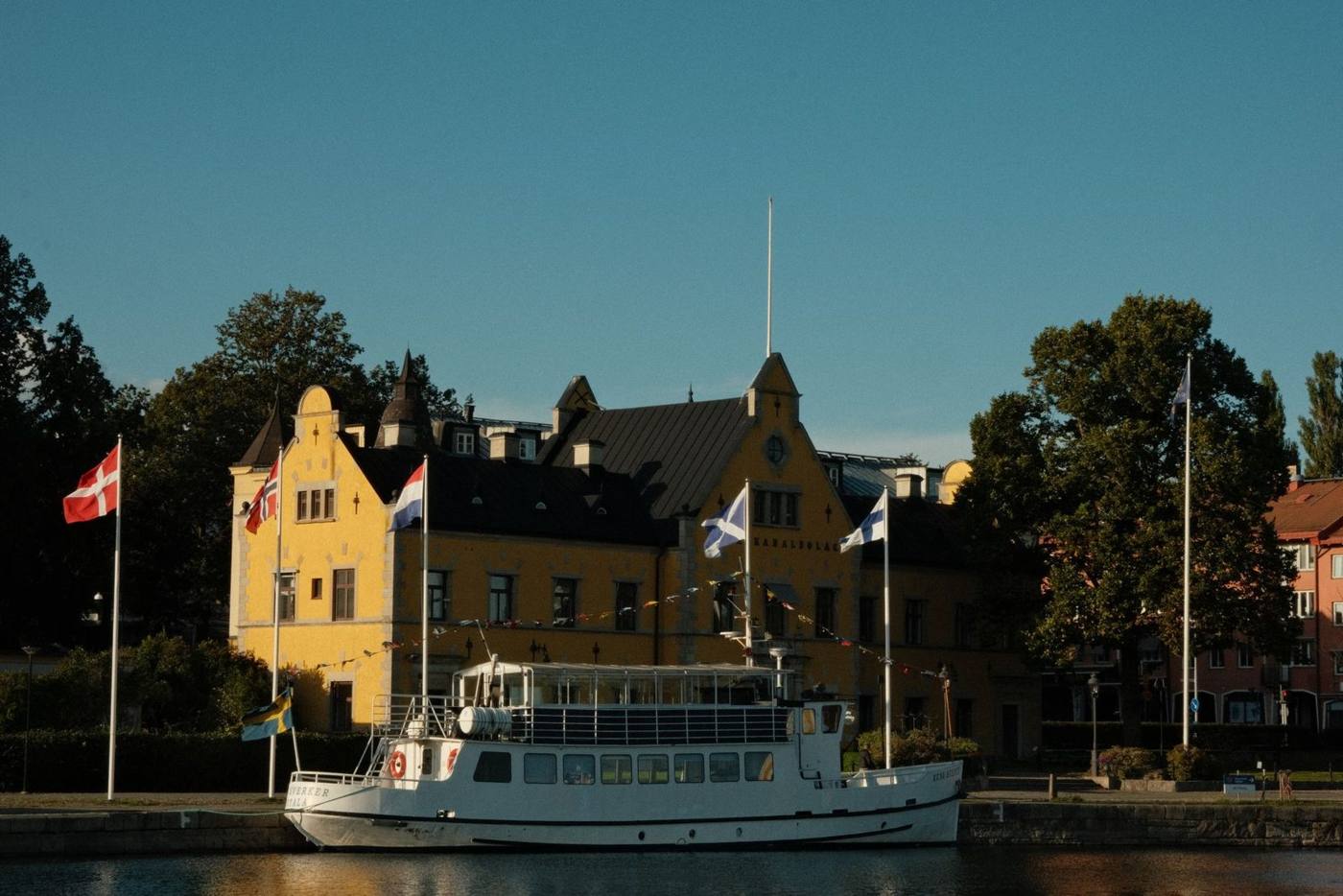
Cycling the Göta Canal towpath past the Berg locks, Lake Vättern, Vadstena abbey and Läckö castle on Lake Vänern.
 4 daysEasy
Kalmar and Öland
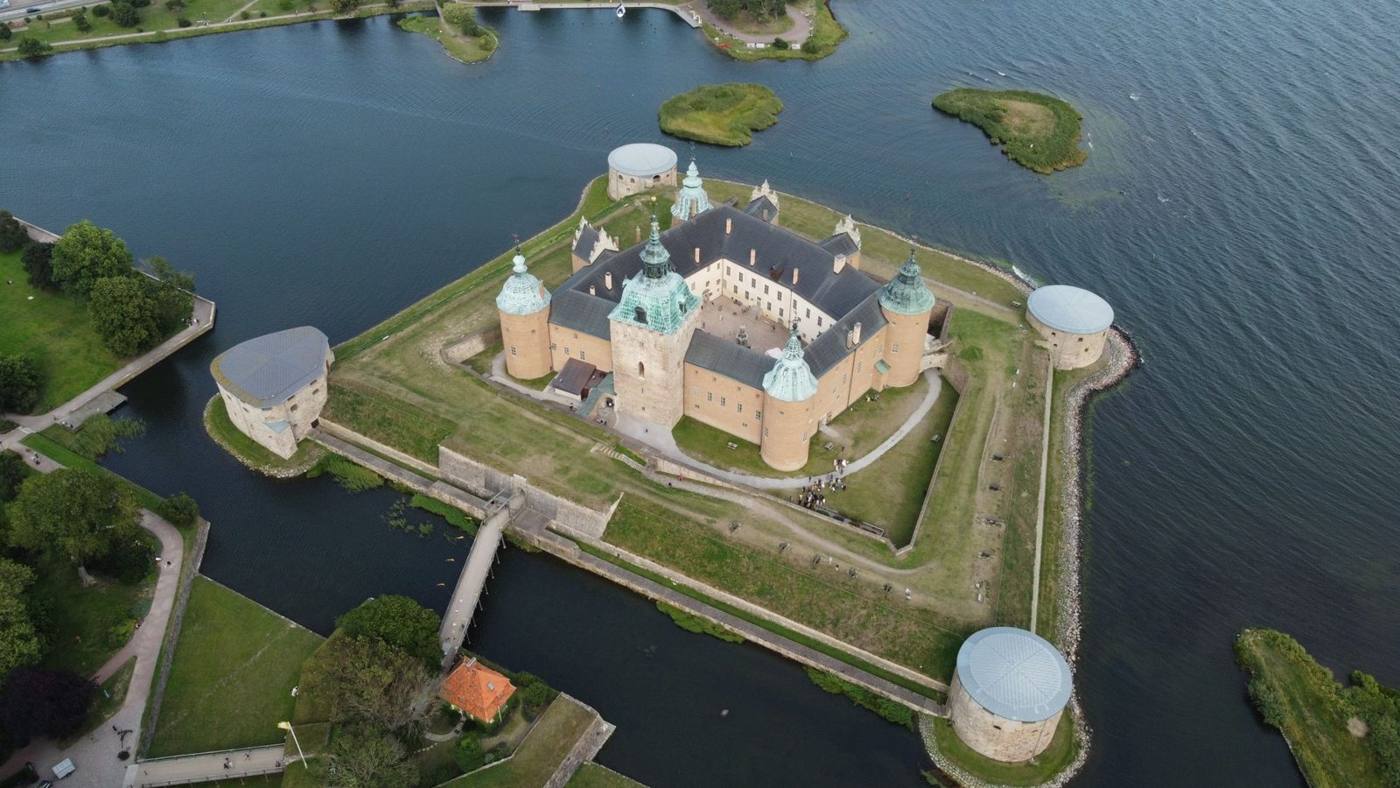
Kalmar castle, the bridge to Öland, the UNESCO limestone plain of Stora Alvaret, windmills, Eketorp fortress and Långe Jan lighthouse.