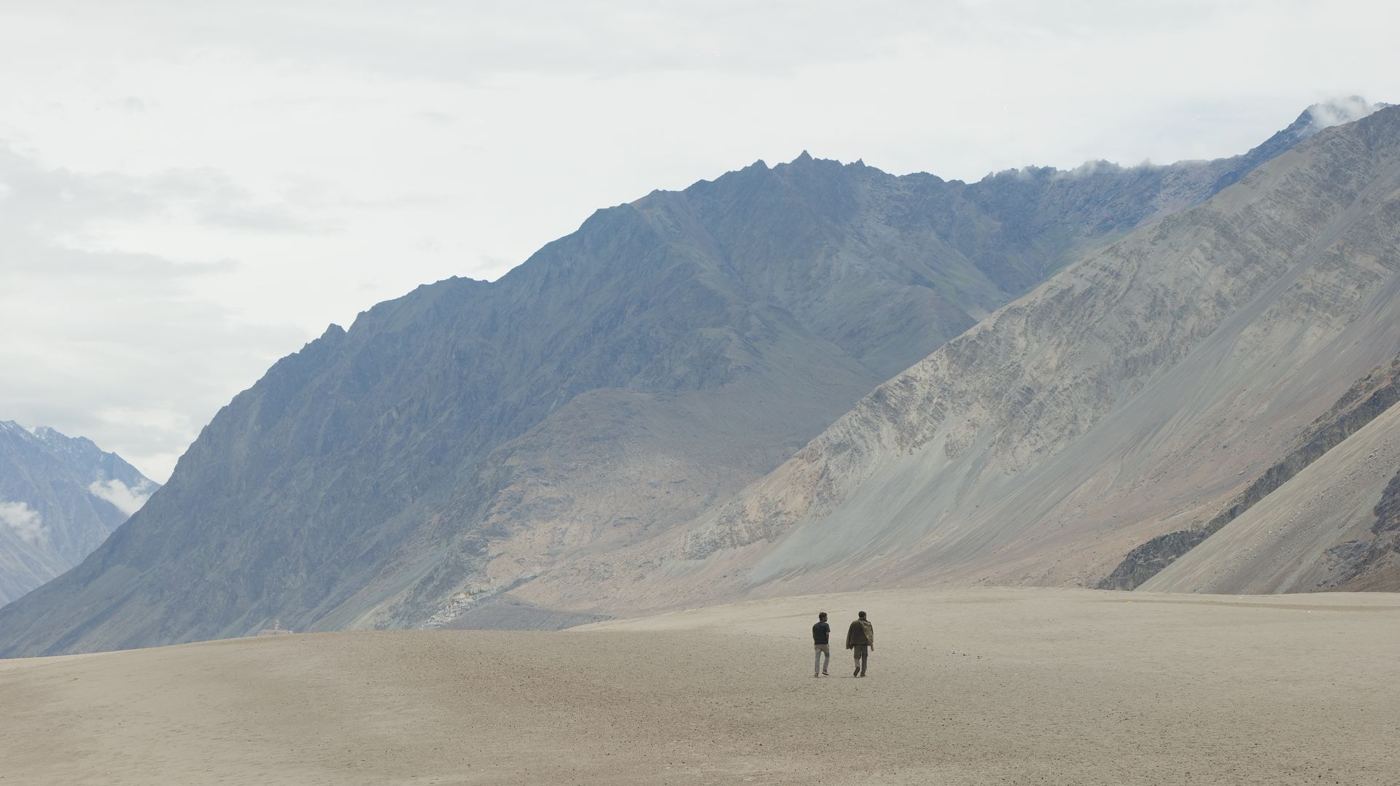
The Wakhan and its hot springs
The Wakhan valley at a slower pace: the fortresses of Yamchun and Khaakha, the Bibi Fatima and Garm Chashma hot springs, petroglyphs and views of the Hindu Kush.
- Khorog
- Garm Chashma
- Ishkashim
- Yamchun
- Langar
Day by day
- Day 1
From Khorog to Garm Chashma
This four-day trip takes its time along the Wakhan valley, in the southern Pamirs, with the Panj river on one side and the Hindu Kush mountains on the other: the hot springs of Garm Chashma and Bibi Fatima, the fortresses of Khaakha and Yamchun, the Ismaili villages and the petroglyphs of Langar.
Before you go: Italian citizens can enter Tajikistan without a visa for tourism for up to 30 days, with a passport valid for at least six months. If you stay more than 10 working days without an e-visa you must register with the immigration office. For the Pamirs you also need a GBAO permit. Other nationalities should check their own rules. Some areas on this trip are close to borders or places where the situation changes often: check your government's travel advice before booking and again before you leave. The valley runs along the Afghan border: travel with a local guide and driver, do not go near the river, do not cross the border and do not travel at night.
In the morning, in Khorog, visit the botanical garden above the town, one of the highest in the world. Check prices and times. Then head south along the Panj river. After about an hour and a half you leave the main road and climb a side valley to Garm Chashma.
Here a hot spring flows over a large white mineral terrace, formed over thousands of years by calcium-rich water. Local people use the pools for healing: go in respectfully, following the separate times for men and women. Check prices and times.
Sleep in Garm Chashma or in the valley.
Practical tip: bring a swimsuit, a towel and flip-flops, and do not use soap in the natural pools.
- Day 2
Ishkashim and Khaakha fortress
Today you enter the Wakhan valley proper.
In the morning return to the river road and reach Ishkashim, the main town of the area, where the Panj turns east and the valley opens out. Walk through the small bazaar, with dried fruit, bread, fabrics and everyday goods. Stock up on cash and water: further on there are few shops.
Then continue east along the valley. The landscape is grand: green fields and villages with apricot trees on the Tajik bank, the wide grey river in the middle and, on the other bank, Afghan villages beneath the snowy peaks of the Hindu Kush, some above 6,000 metres.
Around midday visit Khaakha fortress, also called Qahqaha, on a rise above the river. Its walls of stone and mud, with towers, are very old and tell the story of the valley, which for centuries was a Silk Road route between Central Asia, India and China. Part of the fortress is close to a border post: visit only the areas that are open, follow your guide's instructions and do not photograph soldiers or military installations.
In the afternoon walk through one of the nearby villages, with Pamiri houses and courtyards full of flowers.
Sleep in a family home in the valley.
Practical tip: ask your guide where you may take photos: near the border the rules are strict and soldiers may ask you to delete pictures.
- Day 3
Yamchun and the Bibi Fatima springs
Today you climb above the valley to a fortress and one of the most famous hot springs in the Pamirs.
In the morning continue east to the village of Yamchun. From here a steep dirt road climbs with many hairpin bends up the mountainside to Yamchun fortress, one of the most impressive in the Wakhan. Its walls and towers follow the rocky ridge, and from the top you see the whole valley, with green fields, the braided river and the Hindu Kush mountains opposite. Walk carefully: the ground is crumbly and there are no barriers.
Just above the fortress are the Bibi Fatima hot springs, a warm spring flowing from a cave in the rock, named after the daughter of the Prophet Muhammad. Tradition says the water helps women to have children, and many families come here even from far away. Times are separate for men and women. Check prices and times.
In the afternoon go back down into the valley and, if you have time, visit the Vrang stupa, an ancient Buddhist monument on a rock terrace above the village, a reminder that Buddhist pilgrims travelling to India and China once passed this way.
In the evening have dinner with your host family. Try freshly baked bread, dried apricots and Pamiri tea.
Sleep in a family home in Yamchun or Vrang.
Practical tip: after the hot bath wrap up well: in the evening, at altitude, the air cools down very quickly.
- Day 4
Langar and the petroglyphs
On the last day of the trip you reach Langar, where the Wakhan valley ends.
In the morning stop at Yamg, where a small museum remembers Muboraksho, an Ismaili mystic and poet who lived in the nineteenth and early twentieth centuries. Next to the house is a stone calendar he used to follow the sun and the seasons. The family that looks after the museum tells his story with passion. Check prices and times.
Then continue to Langar, a village at the confluence of two rivers, the Pamir and the Wakhan Darya, which meet here and form the Panj. Climb with your guide up the hill above the village, where the rocks bear thousands of petroglyphs: ibex, riders, hunters, symbols and inscriptions from different periods. The climb is steep and has no clear path: bring water, a hat and sturdy shoes.
From the hill you see the valley dividing, the peaks of the Hindu Kush and the Pamir mountains to the east.
In four days you have seen the hot springs of Garm Chashma and Bibi Fatima, the fortresses of Khaakha and Yamchun, the Vrang stupa, the Muboraksho museum in Yamg and the petroglyphs of Langar.
When to go: from June to September, with warm days and cool nights. In July and August the apricots are ripe. In winter it is very cold and some roads close.
From Langar you can return to Khorog or continue towards the eastern Pamir plateau and Murghab, always in daylight.
Practical tip: do not touch or wet the petroglyphs to photograph them better, because the rock deteriorates quickly.
One of central Asia's most beautiful valleys, with Afghanistan on the far bank of the river. The GBAO permit is required. Do not approach the river or cross the border.
Before you go
- Documents and visa
- Passport valid for at least six months with two blank pages. Italian citizens can enter for tourism without a visa for up to 30 days; anyone staying more than 10 working days without an e-visa must register with the immigration office. Alternatively, you can apply for an e-visa on the official Ministry of Foreign Affairs portal at least two weeks ahead. For the Gorno-Badakhshan Autonomous Region, the Pamirs, you also need a GBAO permit, requested with the e-visa or from the Ministry of Foreign Affairs, which can be suspended at short notice.
- Health and vaccines
- Check vaccines with your doctor at least eight weeks before you leave. Medical care is generally poor, and outside Dushanbe almost absent: you need insurance that covers treatment and evacuation. Altitude sickness is a risk in the mountains. Drink bottled water and wash fruit and vegetables. Ambulance: 103 from a mobile.
- Money and payments
- Tajik somoni (TJS). Cash is essential; cards work only in some Dushanbe hotels and cash machines are rare outside the cities. Bring clean, new dollar or euro notes to change.
- Power sockets
- Type C and F, 220 volts: you need an adapter for British plugs.
- Time zone
- UTC+5 all year.
- Safety
- There have been cross-border attacks and armed clashes near the Afghan border in 2025 and 2026, including in Darvoz; the United States advises reconsidering travel near that border and in Gorno-Badakhshan. There is a risk of unrest in Khorog and some roads can be closed. On the Kyrgyz border, especially near Isfara and the Vorukh enclave, there have been clashes in the past: check the situation first. Near the Afghan and Uzbek borders there are marked and unmarked minefields, so never leave roads and marked paths. Do not photograph government or military buildings. Official advice: GOV.UK.
Information checked in November 2026 for Italian and EU citizens. Rules change: always check before you travel.
Variations
In three days: Garm Chashma, Khaakha and Yamchun, returning to Khorog.
In eight days: after Langar continue towards Murghab and Lake Zorkul in the eastern Pamirs.
Frequently asked questions
Do I need a permit for the Wakhan?
Yes, you need the GBAO permit for the Pamir region, as well as your passport. Other nationalities should check their own rules.
Can you bathe in the hot springs?
Yes, at Garm Chashma and Bibi Fatima there are pools used by local people, with separate times for men and women. Check prices and times on site.
Is the Afghan border close?
Yes, the Panj river is the border. Travel with a local guide and driver, do not go near the river, do not cross the border and do not travel at night.
Indicative itinerary written by World Atlas. Before booking, check timetables, seasonal openings, documents and safety.
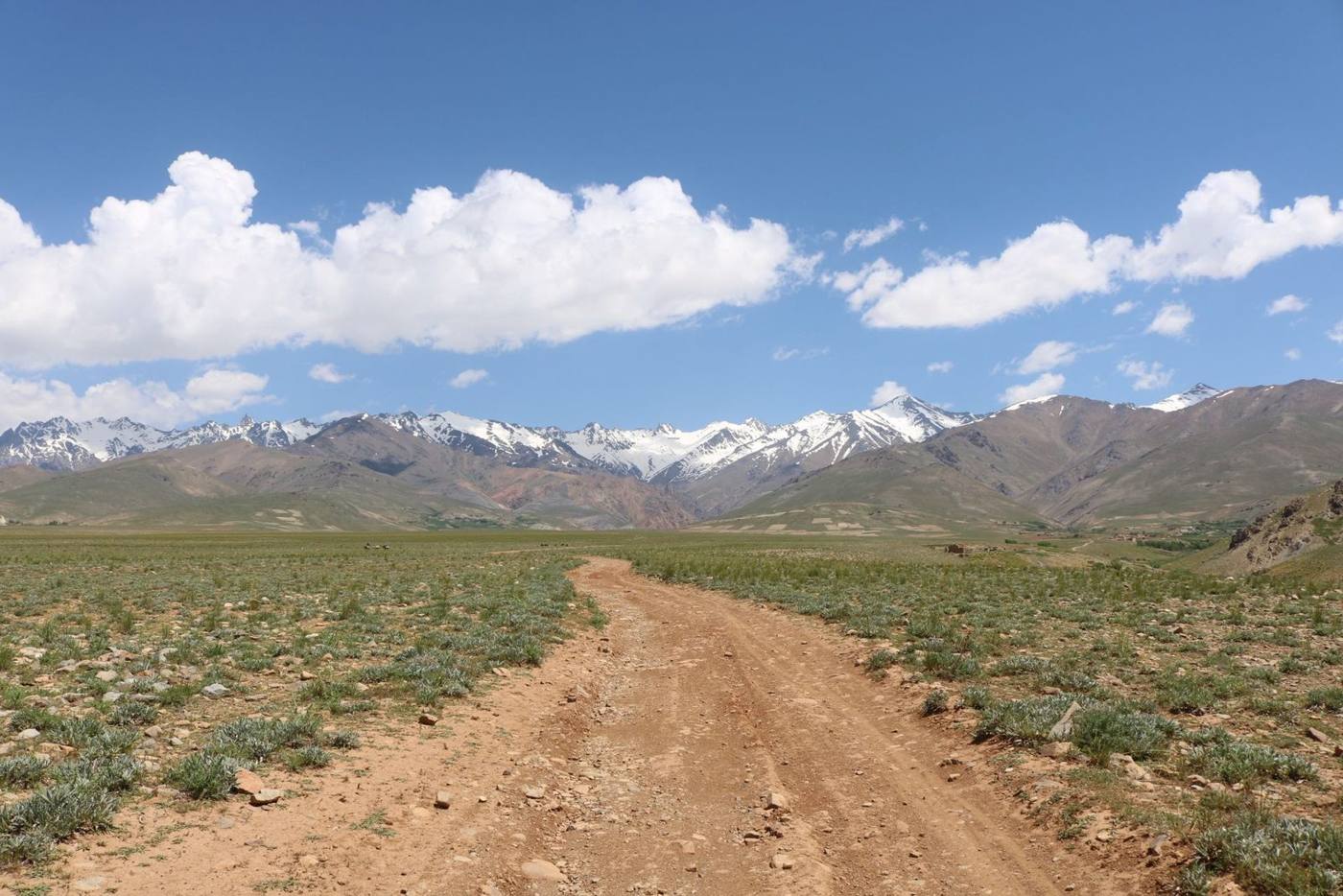 10 daysChallenging
The Pamir Highway
One of the world's highest roads: from Dushanbe to Khorog, the Wakhan valley with Afghanistan across the river, Murghab and Lake Karakul, to Osh.
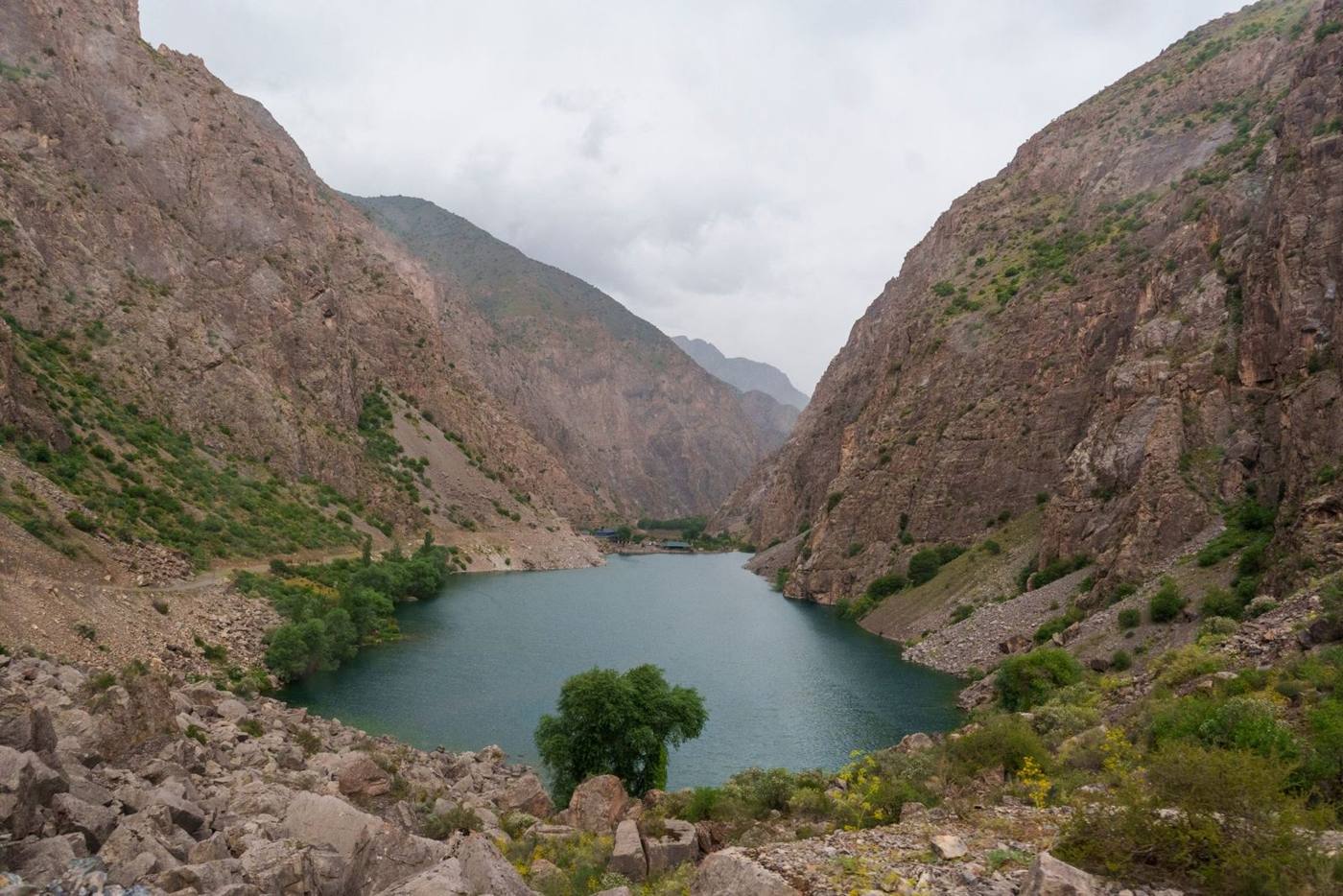 6 daysModerate
The Fann Mountains and Seven Lakes
The Seven Lakes of Marguzor, Iskanderkul lake and the trek to the Alauddin and Kulikalon lakes in the Fann Mountains, near Samarkand.
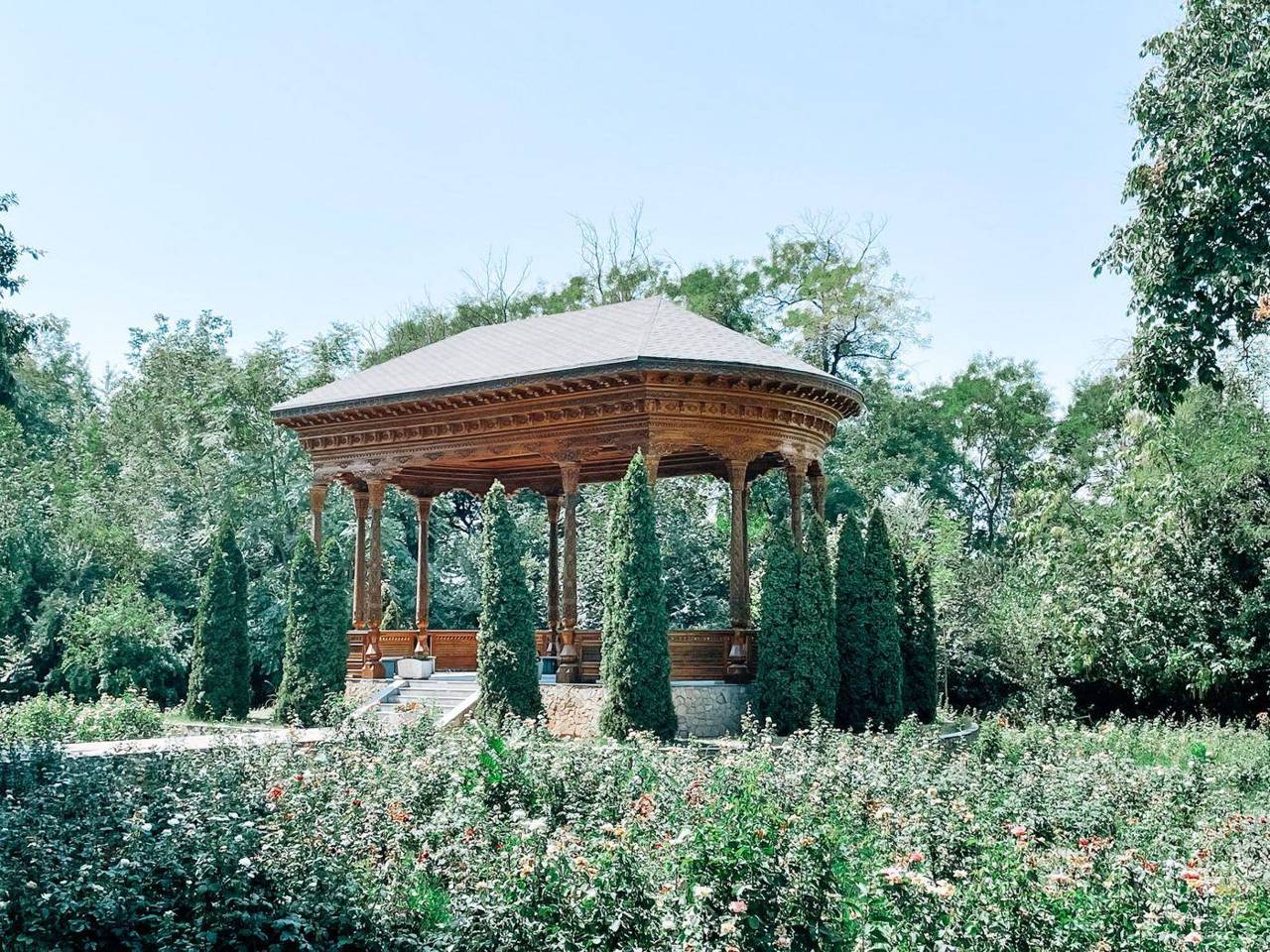 3 daysEasy
Dushanbe and Hisor
The capital with its tree-lined avenues, the national museum and the sleeping Buddha of the antiquities museum, the Mehrgon bazaar and Hisor fortress.