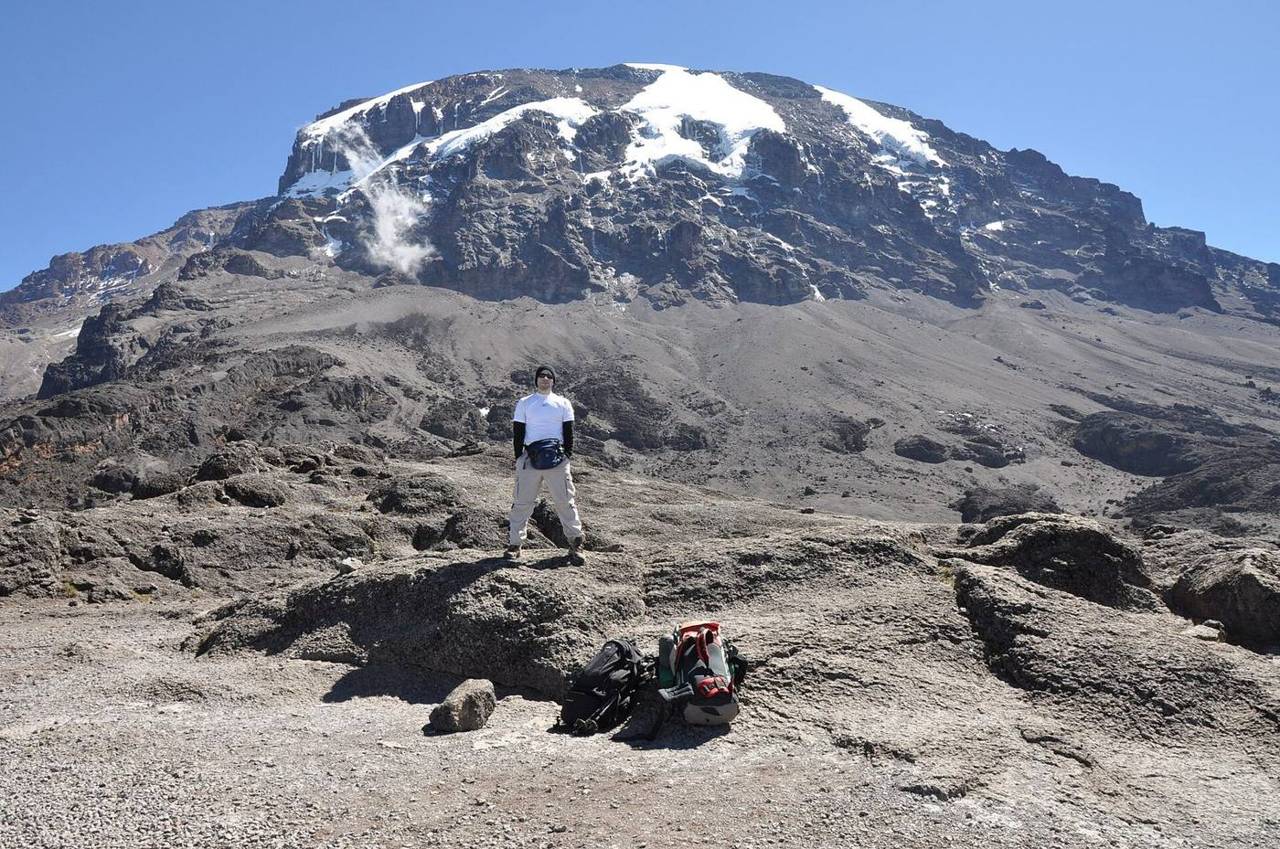
Kilimanjaro by the Machame route, plus safari
The most scenic route up Kilimanjaro, with nights in tents and natural acclimatisation, followed by a safari in the northern parks to rest your legs.
- Moshi
- Machame
- Shira
- Lava Tower
- Barranco
- Barafu
- Uhuru Peak
- Tarangire
- Ngorongoro
Day by day
- Day 1
Arrival and night in Moshi
This trip combines two great Tanzanian experiences: the climb of Kilimanjaro, the highest mountain in Africa, 5,895 metres, by the Machame route, and then a safari in the northern parks, Tarangire, the Serengeti, Ngorongoro and Lake Manyara. Machame is called the whiskey route, because it is harder and more scenic than Marangu, and you sleep in a tent every night.
Before you go: Italian citizens enter Tanzania with a passport. The US government rates Tanzania at level 2 out of 4. Check the current requirements for the visa and for yellow fever vaccination, which may be required depending on the countries you arrive from or transit through. Also talk to your doctor about malaria prevention. Other nationalities should check their own rules. For the climb, also talk to your doctor about altitude and altitude sickness, especially if you have heart, blood pressure or breathing problems.
You land at Kilimanjaro International Airport, between Arusha and Moshi. In about an hour by road you reach Moshi, the small town at the foot of the mountain, surrounded by coffee and banana plantations.
In the afternoon, meet your lead guide, who checks your equipment and explains the programme for the week. In Moshi you can hire sleeping bags, heavy jackets and trekking poles.
In the evening, if the sky is clear, look north: the white summit of Kibo appears above the clouds.
Overnight in Moshi.
Practical tip: the climb can only be done with a licensed operator, guides and porters. Park fees are high and change often: check prices and times and what is included in your contract.
- Day 2
Machame Gate and the forest
Today you start walking on Kilimanjaro.
In the morning, drive west from Moshi, less than an hour, to Machame Gate, at about 1,800 metres, among the fields of the village of the same name. Here you complete the park entry formalities, sign the register and the porters' loads are weighed. The wait can be long: bring patience and a snack.
Then the trail begins, climbing for five or six hours through the montane rainforest. The air is humid, the trees are very tall and covered in moss and lichens, with ferns and small flowers along the path. If you are lucky, you see black and white colobus monkeys in the branches. The ground can be muddy, especially after rain.
Your guide repeats a word you will hear all week: pole pole, slowly slowly in Swahili. Walking slowly, even when you feel fit, helps your body adapt to the altitude.
Towards the end of the day the forest thins out and you reach Machame Camp, at about 3,000 metres, at the edge of the moorland. The porters, who left after you but walk much faster, have already put up the tents. The cook makes hot tea, popcorn and then dinner with soup, rice or pasta and vegetables.
Overnight in a tent at Machame Camp.
Practical tip: keep water, a waterproof jacket, sun cream and something to eat in your daypack. The porters carry your big bag and you will not see it until the evening.
- Day 3
The Shira Plateau
Today you leave the forest and climb into the moorland.
In the morning, after breakfast in your tent, the trail becomes steeper and rockier. The trees disappear and around you there are giant heathers, shrubs and volcanic rocks. The landscape opens up: behind you, you see the clouds above the forest and, ahead, for the first time up close, the cone of Kibo with its glaciers.
You walk for five or six hours, with a few stretches where you use your hands on the rocks. Remember to drink often, even if you are not thirsty: at altitude your body loses a lot of water.
In the early afternoon you reach the Shira Plateau, at about 3,800 metres. Kilimanjaro is made up of three volcanoes: Shira, the oldest, now collapsed and eroded, which forms this large plateau; Mawenzi, with its rocky spires; and Kibo, the youngest and the highest. From the camp, on clear days, you see Mount Meru to the west, the second volcano of Tanzania.
In the evening the sky fills with stars and the temperature drops below zero. At this altitude you may get a mild headache, little appetite or difficulty sleeping. These are common signs, but always tell your guide, who usually checks everyone's pulse and blood oxygen every evening.
Overnight in a tent at Shira Camp.
Practical tip: dress in layers and put the next day's clothes and your batteries inside your sleeping bag. In the morning the clothes will be warm and the batteries charged.
- Day 4
Lava Tower and the descent to Barranco
Today is the most important day for acclimatisation: you climb high and sleep low.
In the morning, leave the Shira Plateau and walk east, over ever more arid ground. This is the high altitude desert: stones, volcanic sand, lichens and almost no plants. You climb slowly for four or five hours to Lava Tower, a huge tower of black lava at about 4,600 metres.
Here you stop for lunch. It is the highest point you have reached so far and many people feel a headache, shortness of breath and little appetite. Eat something anyway and drink. If the symptoms become strong, talk to your guide straight away.
In the afternoon, descend for two or three hours to the Barranco Valley, at about 3,950 metres. Often people who had a headache at Lava Tower already feel better when they reach camp. This is exactly why the Machame route has good chances of success.
The descent to Barranco is one of the most beautiful parts of the climb. You enter a valley with giant groundsels, plants that grow only on the great mountains of East Africa, several metres tall, with rosettes of leaves at the top of the trunk. Above you, the south face of Kibo, with its glaciers, seems very close.
The camp lies at the foot of the Barranco Wall, the rock face you will climb tomorrow. At sunset the light on the mountain is beautiful.
Overnight in a tent at Barranco Camp.
Practical tip: if your symptoms get worse instead of better as you go down, tell your guide immediately. Losing altitude is the first treatment for altitude sickness.
- Day 5
The Barranco Wall and Karanga Camp
Today you tackle the most famous section of the Machame route.
Early in the morning, climb the Barranco Wall, a rock face about 250 metres high. Seen from the camp it looks impressive, but you do not need climbing experience: you follow a path between boulders and in some places use your hands to hold on. There are short exposed sections where the guides help you. It takes a couple of hours.
You climb in a line with the porters, who carry heavy loads balanced on their heads and overtake you with a smile. Always let them pass at narrow points.
At the top of the wall the view is magnificent: below you a sea of clouds, above you the glaciers of Kibo and, far away, the cone of Mount Meru.
Then the trail continues up and down across valleys and rocky ridges. You descend into the Karanga Valley and climb the other side to Karanga Camp, at about 4,000 metres. In total you walk four or five hours. At Karanga there is the last water point before the summit, and the porters fill the containers for the following days.
The afternoon is for rest. Many seven day programmes sleep here, to break up the climb and give your body another day to adapt.
In the evening, after dinner, look at the lights of Moshi far below and the sky full of stars.
Overnight in a tent at Karanga Camp.
Practical tip: bring thin gloves with rubber palms. On the rock of the Barranco Wall they protect your hands and stop you slipping.
- Day 6
Barafu Camp
Today you reach the base camp for the summit.
The walk is short, three or four hours, but always uphill. You leave Karanga and climb over gravel and volcanic rock, with the wind blowing and almost no plants around. To the east appears Mawenzi, the second volcano of Kilimanjaro, with its dark rock towers.
You arrive around lunchtime at Barafu Camp, at about 4,670 metres. Barafu means ice in Swahili. The tents are pitched among the stones, on a rocky ridge exposed to the wind. Above you, the very steep slope leading to the rim of the Kibo crater rises.
The rest of the day is for resting. Eat, drink plenty and calmly prepare your equipment for the night. Try to sleep for a few hours in the afternoon, even if it is not easy because of the altitude and the excitement.
Your guide explains the plan for the final climb: times, pace, breaks, what to eat and what to do if someone feels unwell. Listen carefully and ask all the questions you want.
Dinner is early, around five in the afternoon, and then you go to bed. The alarm goes off around eleven at night or midnight.
Prepare your clothes for the night: three or four layers on top, two or three on the bottom, heavy gloves, a hat, a balaclava and warm boots. At the summit, with the wind, the temperature can drop well below zero.
Overnight in a tent at Barafu Camp, for a few hours.
Practical tip: keep your water bottles upside down in your pack or wrapped in a sock. The tubes of water bladders almost always freeze.
- Day 7
Uhuru Peak at dawn and the descent to Mweka
Today is summit day.
Around midnight, after a hot tea and a few biscuits, you set off in the dark with your head torch. You climb slowly, zigzagging up a steep slope of gravel and rocks, for six or seven hours. It is the hardest part of the trip: it is cold, you breathe with difficulty and you walk one step at a time. The guides sing to give you rhythm and above you, you see the lights of the other groups.
Around dawn you reach Stella Point, on the crater rim, at about 5,750 metres. The sun rises above the clouds and behind Mawenzi. From here you walk about another hour along the crater rim, gently uphill, beside the glaciers, to Uhuru Peak, 5,895 metres, the highest point in Africa. Uhuru means freedom in Swahili.
You stay at the top for only a few minutes, for photos and a hug with your guide, because at that altitude the body suffers.
Then a long descent begins. You return to Barafu Camp to rest and eat something, and in the afternoon you continue to Mweka Camp, at about 3,100 metres, back between the moorland and the forest. In total you walk twelve hours or more.
In the evening, at a lower altitude, you breathe better, get your appetite back and sleep deeply.
Overnight in a tent at Mweka Camp.
Practical tip: if your guide tells you to go down before the summit, always listen. Severe altitude sickness can be life threatening, and the mountain will still be there.
- Day 8
Mweka Gate and rest in Moshi
Today the trek ends.
On the last morning at camp there is often a special moment: porters, cook and guides sing the Kilimanjaro songs together, in Swahili, to say goodbye to the group. It is the time to thank them and give tips, which are an important part of their pay. The operator usually suggests amounts; hand the tips directly to each person.
Then you descend for three or four hours through the rainforest to Mweka Gate, at about 1,650 metres. The path is steep and can be slippery. Your knees feel the effort of the past days: use your poles and take it slowly. In the forest you hear the birds again and sometimes see monkeys in the trees.
At the gate you sign the exit register. Those who reached the top receive a park certificate, for Stella Point or for Uhuru Peak.
In about an hour by road you return to Moshi. The first hot shower after a week is an enormous pleasure.
In the afternoon, rest. If you still have energy, take a stroll through Moshi's central market, full of fruit, spices and colourful fabrics, or drink a coffee grown on the slopes of the mountain.
In the evening, celebrate with a Tanzanian dinner, for example nyama choma, grilled meat, with ugali, the white maize porridge, and vegetables.
Overnight in Moshi.
Practical tip: wash and dry your trekking clothes straight away if you will use them on safari. In Moshi many places to stay offer a quick laundry service.
- Day 9
To Tarangire
Today you change pace completely: from the mountain to the savannah.
In the morning, leave Moshi in the safari vehicle with your driver guide. You pass through Arusha, the base town for the northern safaris, at the foot of Mount Meru, and then continue south west across the Maasai plains. In total it is about four hours on the road, with stops in villages.
You reach Tarangire National Park, named after the river that runs through it. For park entry, check prices and times; the cost is usually included in the safari price, but check your contract.
Tarangire is famous for its baobabs, huge trees with gigantic trunks, and for its elephants. In the dry season, from June to October, the river is one of the few sources of water in the area and draws a great many animals, sometimes large herds of elephants digging in the sandy riverbed.
In the afternoon, go on your first game drive, with the roof of the vehicle raised. You can see zebras, wildebeest, giraffes, buffaloes, impalas and warthogs. Baboons look for shade in the trees and, with a bit of luck, you spot a lion or a leopard.
At sunset the orange light on the baobabs is one of the most beautiful moments of the day. After so many days of walking, it is a pleasure to sit and watch.
Overnight in a lodge or tented camp in the Tarangire area.
Practical tip: wear neutral colours, beige, green or brown. Avoid dark blue and black, which attract the tsetse flies found in some parts of the park.
- Day 10
A full day in Tarangire
Today you have a full day to explore Tarangire.
Early in the morning, set off on a game drive, when the animals are most active and the light is soft. Follow the Tarangire River with your guide, where elephants come down to drink, roll in the mud and protect their young. Watch how they communicate with each other and how the mothers lead the herd.
The landscape of Tarangire is different from that of the other northern parks: savannah hills with centuries old baobabs, palms, acacias and swamps. In the swampy areas, in the right season, buffaloes and a great many birds gather.
Tarangire is an excellent park for birdwatching, with hundreds of species. Look for ostriches, bustards, weaver birds that build nests hanging from the branches, and very colourful birds such as the lilac breasted roller. Among the less common animals, you sometimes also see greater kudus, oryx and cheetahs.
At midday, have a packed lunch at an authorised picnic site, overlooking the river valley.
In the afternoon, continue the safari in another part of the park, then leave before the gates close. You move on to Karatu, on the green highlands near the Ngorongoro Crater, where the evenings are cooler.
In the evening, at dinner, tell your guide what you would like to see in the coming days: knowing your wishes helps your guide choose the best areas of the Serengeti.
Overnight in the Karatu area.
Practical tip: bring binoculars, one pair per person if possible. On safari they make a huge difference, especially for birds and distant big cats.
- Day 11
Across the highlands to the Serengeti
Today you reach the most famous park in Africa.
In the morning, climb onto the highlands of the Ngorongoro Conservation Area, through a green forest that is often wrapped in mist. The road runs along the rim of the crater and, from a viewpoint, you see the great crater from above for the first time. You will visit it in two days.
Then you descend towards the plains, passing Maasai villages with round huts and herders dressed in red with their cattle. The landscape becomes ever more open and dry, as far as the entrance to Serengeti National Park. For entry, check prices and times.
Serengeti comes from the Maasai word meaning endless plain. It is an enormous ecosystem, famous for the great migration of wildebeest and zebras, which move all year round following the rains and the grass. Where the herds are depends on the month: ask your guide which area they are in now.
In the afternoon, go on a game drive as you head towards your camp. Along the way you often see Thomson's gazelles, giraffes, hyenas and groups of vultures. In the central areas, near the rivers, there are many lions and leopards.
At sunset, look at the kopjes, small granite hills rising from the plain, where lions love to rest in the sun.
Overnight in a lodge or tented camp in the Serengeti, for two nights.
Practical tip: Serengeti roads are dirt tracks full of potholes. Always keep one hand on the grab handle and your camera safely stowed when the vehicle speeds up.
- Day 12
A full day in the Serengeti
Today you have a full day on the endless plain.
Set off at dawn, when the predators are still active after the night. It is the best time to see lions hunting or a cheetah watching the savannah from a termite mound. Guides share news by radio, but a game drive also takes patience: sometimes you wait a long time without moving.
If the migration is in your area, you will see thousands of wildebeest and zebras grazing or walking in long lines. From roughly July to October the herds are often in the north of the park, near the Mara River, while between January and March they are on the southern plains, where the young are born. The dates change every year depending on the rains.
In the centre of the park, in the valley of the Seronera River, there are animals all year round: lions, leopards in the acacia trees, hippos in the pools, crocodiles, elephants and giraffes.
At midday, have a packed lunch in the shade of a tree, or return to camp to rest during the hottest hours.
In the afternoon, head out on a second game drive. If your camp allows it and your budget permits, you can book a hot air balloon flight for the following dawn; check prices and times.
In the evening, at camp, listen to the sounds of the savannah: the call of hyenas, the distant roar of lions.
Overnight in the Serengeti.
Practical tip: in tented camps never walk alone at night. Call the staff, who will walk you to your tent with a torch.
- Day 13
The Ngorongoro Crater
Today you descend into the most famous crater in Africa.
Early in the morning, leave the Serengeti and return towards the highlands. The Ngorongoro Conservation Area is a UNESCO World Heritage Site and is managed differently from the national parks: here the Maasai can live and graze their cattle. For entry and the descent into the crater, check prices and times.
The crater is actually a caldera, a large volcano that collapsed in on itself, with steep walls and a flat floor almost twenty kilometres wide. The vehicle goes down a narrow, steep road, and within minutes you are on the floor.
Inside the caldera there is an almost enclosed environment, with grass, swamps, a salt lake and small forests. Many animals live here all year round: wildebeest, zebras, buffaloes, elephants, hyenas, jackals, hippos and numerous lions. It is also one of the best places in Tanzania to try to see the black rhino, rare and often far away: bring your binoculars.
On Lake Magadi, when there is water, there are often pink flamingos.
At midday, have lunch at a picnic site near a pool with hippos. Watch out for the kites, which snatch food from your hands: eat inside the vehicle.
In the afternoon, climb back up to the crater rim and head down towards Karatu or Lake Manyara.
The evening is cool: on the highlands you need a jumper.
Overnight in the Karatu or Lake Manyara area.
Practical tip: time in the crater is limited by park rules. Leave early to be among the first to go down, when the animals are most active.
- Day 14
Lake Manyara or the villages of Mto wa Mbu
Today you can choose between a last safari and a day with local people.
If you choose the safari, you enter Lake Manyara National Park, at the foot of the Rift Valley escarpment. For entry, check prices and times. The park is small but varied: you start in a green forest, fed by springs flowing down from the escarpment, with giant trees, baboons and blue monkeys. Then the forest gives way to savannah along the lake, with elephants, giraffes, zebras and buffaloes. The park is also known for lions that sometimes climb trees, although they are not easy to see.
In months with plenty of water, the alkaline lake fills with flamingos, pelicans and storks, and hippos live near the hot springs.
If you prefer a different day, visit the village of Mto wa Mbu, which means river of mosquitoes in Swahili. People from many of Tanzania's ethnic groups live here. With a local guide, walk among the banana plantations and rice fields, taste the fruit and visit the workshops of woodcarvers and painters.
At lunch, in the village, try local dishes with rice, beans and cooked bananas.
In the afternoon, rest: it is your last evening in the middle of nature before returning to town.
In the evening, watch the sun set over the lake from the top of the escarpment.
Overnight in the Lake Manyara area.
Practical tip: in villages always ask permission before photographing people. Many Maasai prefer not to be photographed.
- Day 15
Arusha
Today you return to town for your last day in Tanzania.
In the morning, leave the Rift Valley and in about two hours by road you reach Arusha, at the foot of Mount Meru, a volcano over 4,500 metres high which, when the sky is clear, dominates the town. Arusha is lively, full of traffic, motorbikes and people, and has a cool climate thanks to its altitude.
In the centre, walk around the clock tower, the town's landmark. Then visit the central market, with stalls of fruit, vegetables, spices, dried fish and colourful fabrics: it is a good place to buy a kanga, the printed cotton cloth with a Swahili proverb, or coffee from the region.
If you are interested in the country's history, visit the Arusha Declaration Museum, dedicated to the 1967 political document of Julius Nyerere, Tanzania's first president. Check prices and times.
In the afternoon, if you like, take a walk among the coffee plantations on the hills around the town, with a visit to a small cooperative that shows how coffee is roasted.
In the evening, have your last Tanzanian dinner. Try pilau, spiced rice, or a lake fish curry, and toast with a passion fruit juice.
Before going to sleep, pack your bags and check that you have all your documents for the flight.
Overnight in Arusha.
Practical tip: at the market, bargain calmly and with a smile. Keep your money split between different pockets and watch out for pickpockets in the crowds.
- Day 16
Departure
Today you leave Tanzania.
In the morning, if your flight is late, enjoy a leisurely breakfast and a last look at Mount Meru. Then go to Kilimanjaro International Airport, about an hour by road from Arusha. If the sky is clear, from the plane window you see the summit of Kibo for the last time, the one you climbed a week ago.
On this trip you did two very different things. First the climb of Kilimanjaro by the Machame route: the rainforest, the moorland and the Shira Plateau, Lava Tower and the descent to Barranco, the rock wall, the night at Barafu Camp and dawn at Uhuru Peak, 5,895 metres, the roof of Africa. Then the safari: the elephants and baobabs of Tarangire, the plains of the Serengeti, the Ngorongoro caldera with its lions and rhinos, Lake Manyara and village life.
When to go: the best periods for the climb and the safari are January and February, and from June to October, when it rains less. From June to October it is colder at altitude but the sky is often clear; in January and February it is a little warmer and in the southern Serengeti the wildebeest calves are born. From March to May come the long rains, with muddy trails and difficult roads. In November there are the short rains.
Have a good journey home, and take your summit certificate with you.
Practical tip: arrive at the airport well in advance. Security checks can be slow and sometimes there are extra baggage checks.
If you want to climb Kilimanjaro, this is the route I recommend: more beautiful than Marangu and with a profile that helps acclimatisation, so better odds of reaching the summit. You sleep in tents, so you need to rough it a little. The safari after the climb is the perfect reward.
Before you go
- Documents and visa
- Passport valid for at least six months and a visa, applied for online on the official immigration website. From 2026 compulsory travel insurance is also required, and Zanzibar has its own: dates and costs differ between sources, so check the official websites.
- Health and vaccines
- Malaria prevention is recommended; a yellow fever certificate is needed if you arrive from a country at risk. Drink only bottled water. Emergencies: 112.
- Money and payments
- Tanzanian shilling. Parks are paid by card and safaris often in US dollars; carry cash for tips.
- Power sockets
- Types G and D, 230 volts: you need an adapter for British plugs.
- Time zone
- UTC+3 all year.
- Safety
- The United States rates Tanzania level 2, with more caution in the Mtwara region; the United Kingdom advises against travel within 20 km of the border with Cabo Delgado in Mozambique. Official advice: GOV.UK.
Information checked in November 2026 for Italian and EU citizens. Rules change: always check before you travel.
Variations
In 9 days: only the climb by the Machame route, with a rest day in Moshi before the flight.
In 19 days: add three days of rest by the sea in Zanzibar after the safari.
Frequently asked questions
Do you need mountaineering experience for the Machame route?
No, you do not need ropes or climbing technique. You do need good fitness: several consecutive days of walking, a section using your hands on the rock at the Barranco Wall and a night climb of six or seven hours at high altitude.
How do you prevent altitude sickness?
Walk slowly, drink plenty, gain height gradually and sleep lower than the highest points reached during the day, as at Lava Tower. Before you go, talk to your doctor, who can also advise you on medicines. At altitude always tell your guide if you feel unwell: going down is the first treatment.
Is the safari after the climb too tiring?
No, it is the ideal way to rest your legs. In the vehicle you are sitting down and the days are long but relaxed. The rest day in Moshi between the descent and the safari helps you recover.
Indicative itinerary written by World Atlas. Before booking, check timetables, seasonal openings, documents and safety.
 7 daysModerate
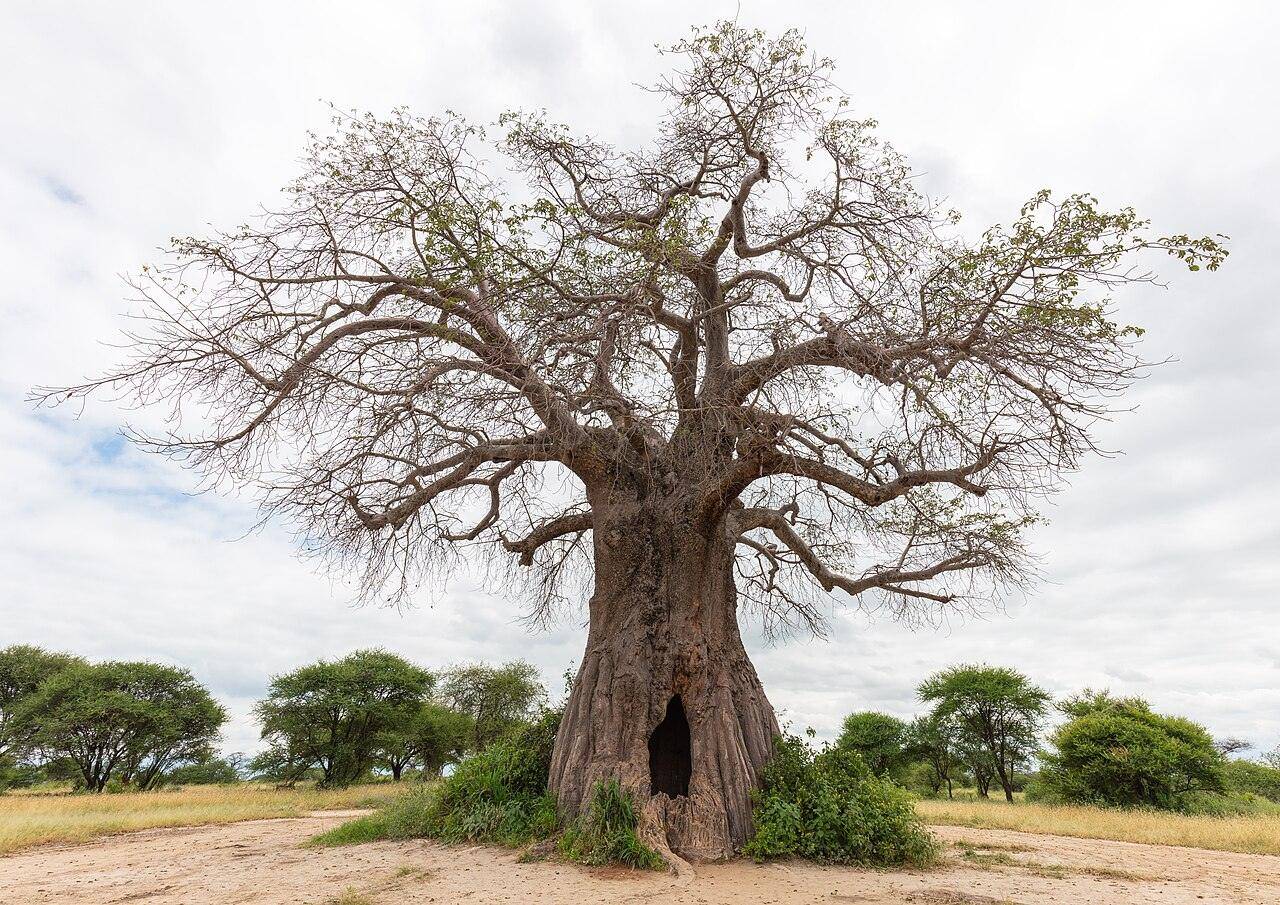
Classic safari: Tarangire, Serengeti, Ngorongoro
The northern circuit in a week: elephants and baobabs, the endless Serengeti plains and Africa's most famous crater.
 15 daysModerate
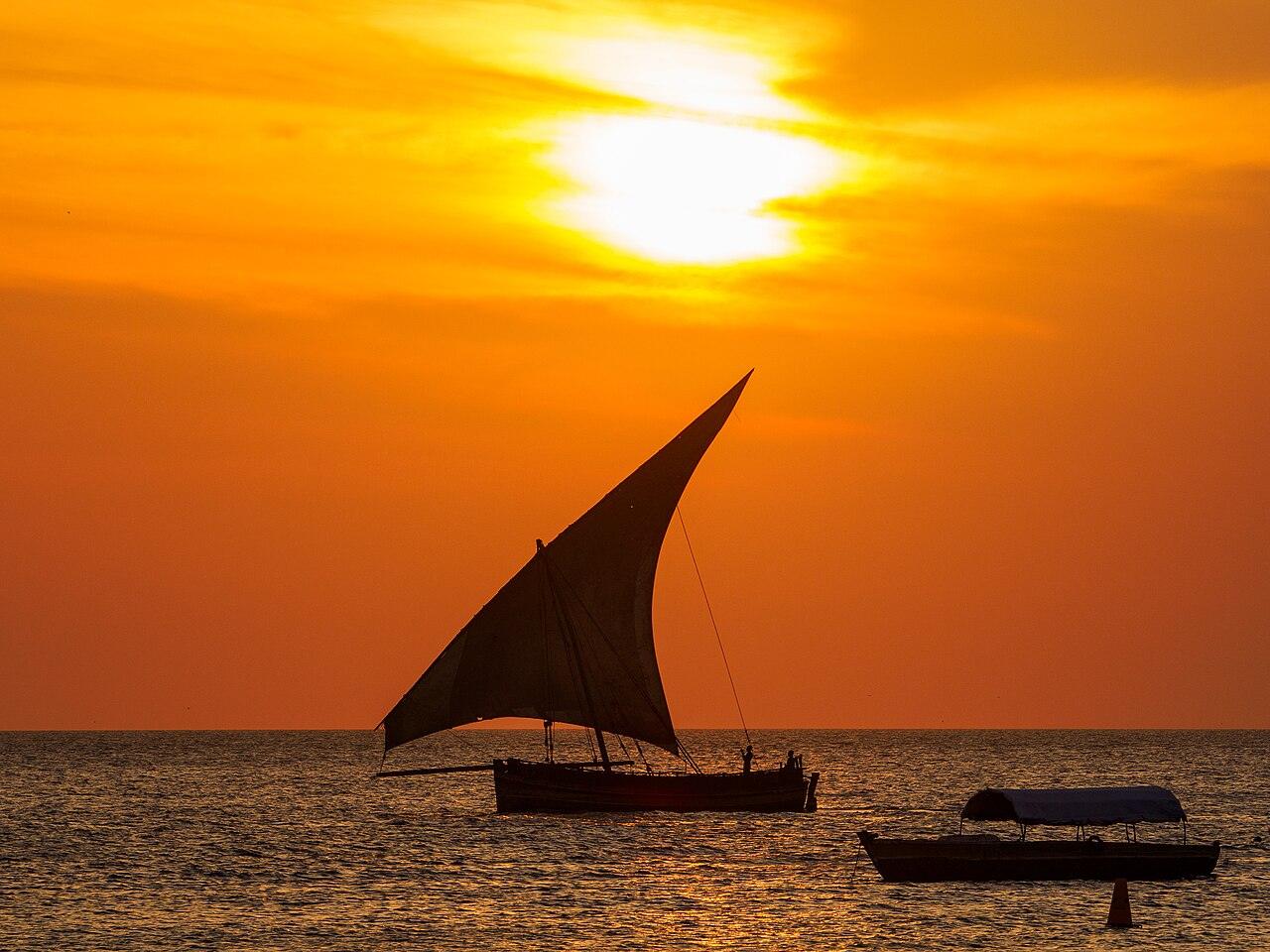
Safari and Zanzibar
One week in the great northern parks and one in Zanzibar, between Stone Town and the Indian Ocean beaches.
 9 daysEasy
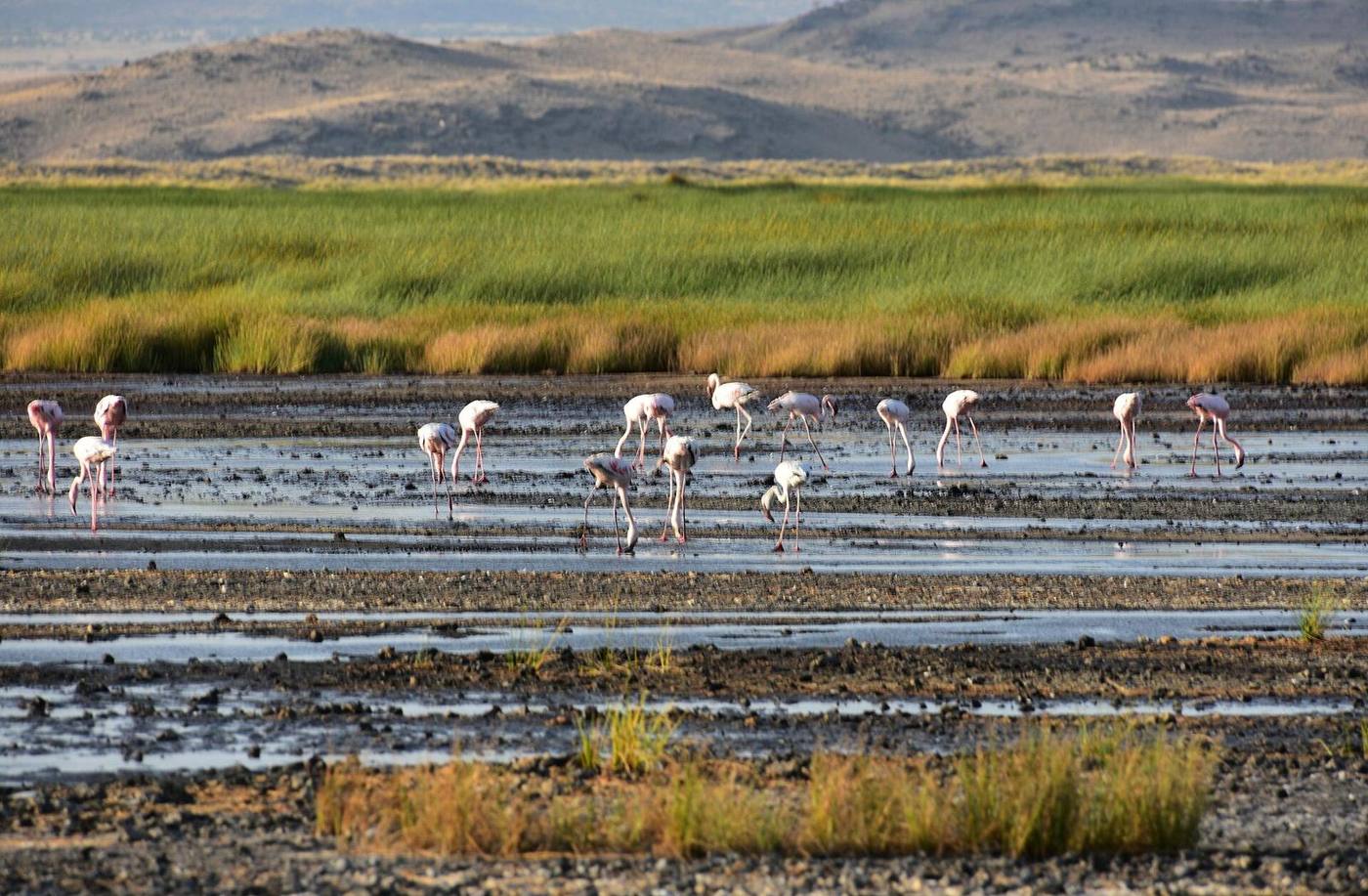
The northern parks and Lake Natron
Tarangire, the Serengeti, Ngorongoro Crater, Olduvai Gorge and the flamingos of Lake Natron below the Maasai's sacred volcano.