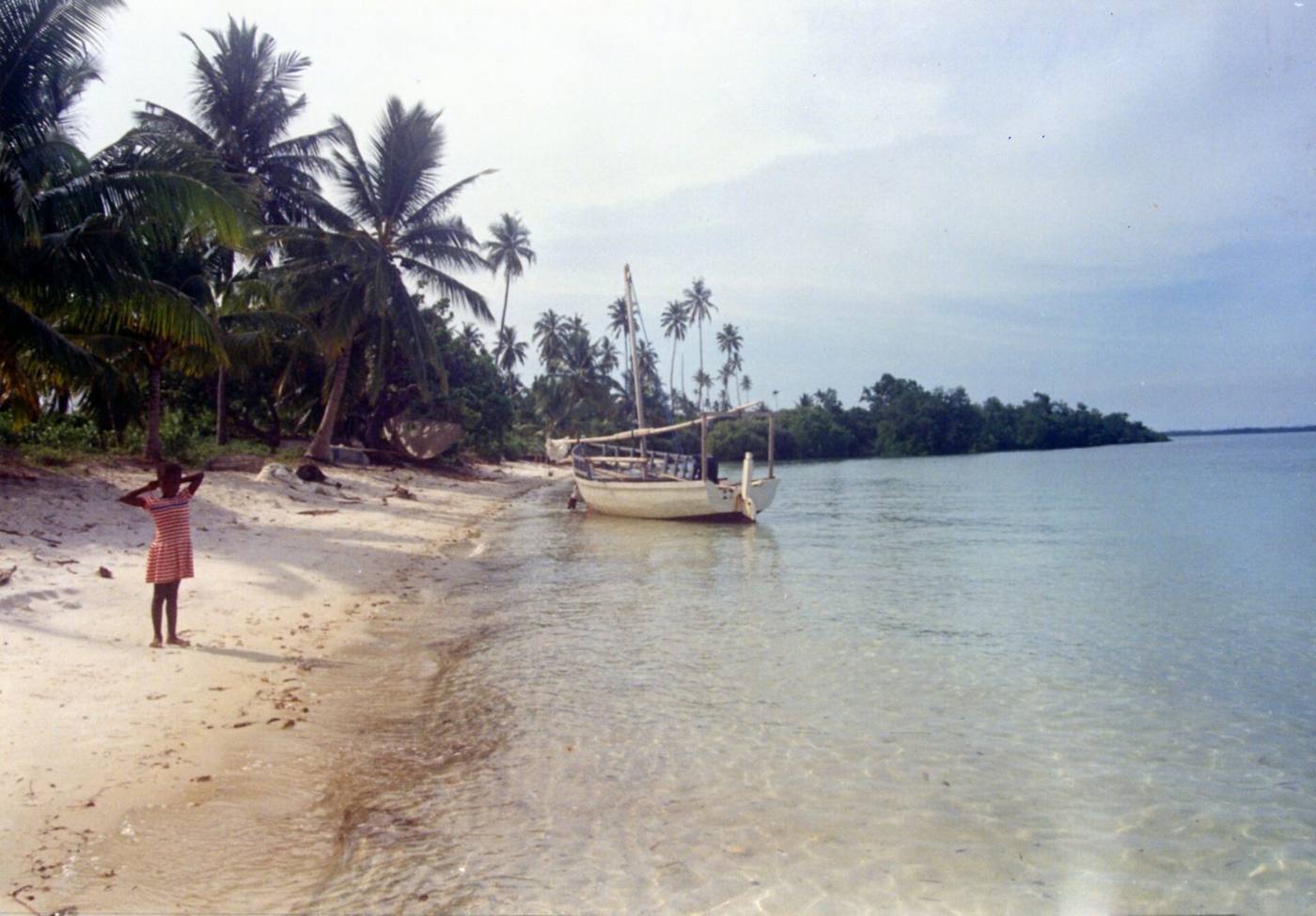
Mafia Island and the whale sharks
An island off the beaten track, inside Mafia Island Marine Park: from October to February you swim with whale sharks in Kilindoni bay, then untouched coral reefs, the Kua ruins on Juani Island, sandbanks and, in season, nesting turtles.
- Dar es Salaam
- Mafia
- Kilindoni
- Chole
- Juani
Day by day
- Day 1
The flight from Dar es Salaam to Mafia
Mafia island, in the Indian Ocean south of Zanzibar and about one hundred and twenty kilometres south of Dar es Salaam, is one of the quietest and least touristy islands on the Tanzanian coast. It has no big hotels or crowded beaches, but fishing villages, coconut and mangrove forests, Swahili ruins and one of the richest marine parks in East Africa, with intact coral reefs, turtles, dugongs and, from October to March, whale sharks. In six days you see the whale sharks, the marine park, Chole, Juani and the sandbanks.
You reach Mafia by small plane from Dar es Salaam, in about forty minutes, or from Zanzibar. You land at Kilindoni, the island's main town, on the west coast.
From the airport a car takes you, in about forty minutes on a partly unpaved road, to Utende on the east coast, overlooking Chole Bay inside the marine park. Almost all the places to stay are here, small lodges with few rooms on the beach or among the palms.
In the afternoon, relax on the beach and watch the tide, which is very strong on the island: at low tide the water retreats hundreds of metres, uncovering stretches of sand and seagrass beds where fishermen collect octopus and shells.
In the evening, taste fresh fish and Swahili cooking, with coconut and spices.
In the evening, sleep in Utende.
Practical tip: for the Tanzanian visa, check the current rules before departure. The United States has Tanzania at level 2. Mafia is a malaria area: talk to your doctor about prophylaxis.
- Day 2
Whale sharks in Kilindoni bay
Early in the morning, set off for Kilindoni, on the west coast, where from October to March whale sharks gather near the shore to feed on plankton and small fish. The whale shark is the largest fish in the world: it can exceed ten metres in length, but it is completely harmless, as it eats only plankton, filtering water through its huge mouth. It has grey skin with white spots and stripes, different for each animal, like a fingerprint. On Mafia researchers have identified and catalogued hundreds of individuals.
Board a boat with an authorised local guide. When the guide spots a shark near the surface, you enter the water with mask and snorkel and swim beside the animal, which moves slowly with its mouth open. Often you see several sharks on the same trip. Swimming beside such a large, calm animal is an experience that few places in the world offer so simply.
In the afternoon, return to Utende and rest, or visit Kilindoni, with its market, dhow harbour and everyday village life.
In the evening, sleep in Utende.
Practical tip: with whale sharks there are precise rules: few people in the water at a time, a distance of at least a few metres, no flash and never touch them. Choose an operator who follows these rules. Whale sharks are wild animals: sightings are not guaranteed.
- Day 3
Diving or snorkelling in the marine park
The Mafia Island Marine Park, established in 1995, is the largest marine park in Tanzania and protects coral reefs, mangroves, seagrass beds and islets. Unlike many other parts of the Indian Ocean, the corals here are largely healthy, and the waters are home to hundreds of species of fish, green and hawksbill turtles, rays, groupers, and in the seagrass sometimes very rare dugongs.
In the morning, go out by boat from Chole Bay to dive or snorkel. For divers, the most famous sites are along the outer reef, where the seabed drops towards the open sea, with coral walls, caves and currents. For snorkellers, the coral gardens inside Chole Bay are calm and shallow, suitable even for beginners, with soft and hard corals and fish of every colour.
Trips must be planned around the tides: boats can only leave the bay when the water is high enough.
In the afternoon, if you like, take another snorkelling trip or paddle a kayak along the mangroves of the bay, where you see herons, kingfishers and crabs.
Between January and March, on some of the island's beaches green turtles lay their eggs at night and hatchlings emerge from the sand: in some villages volunteers accompany visitors.
In the evening, sleep in Utende.
Practical tip: visitors pay a daily entry fee for the marine park. Ask your lodging how it is paid and keep the receipt.
- Day 4
Chole and the ruins of Kua on Juani
In the morning, cross the bay by boat to Chole island, a few minutes from Utende, a small island with a village of fishermen and dhow builders. In the nineteenth century Chole was the most important centre of the archipelago, home to Arab and Omani merchants and then to German administrators. Walk among the ruins of coral-stone houses, the mosque and the market, with wild figs growing over the walls and roots wrapping the walls like a temple in the jungle.
A colony of large fruit bats lives on the island, flying out of the trees at sunset. The village also has a small yard where wooden dhows are built by hand.
In the afternoon, continue by boat to Juani island, to the south, to visit the ruins of Kua, a Swahili town probably founded around the fourteenth century, one of the largest on the coast, abandoned in the nineteenth century after an attack by warriors from Madagascar, according to oral tradition. Among the vegetation you see the remains of mosques, the palace, tombs and houses. The site is almost always deserted.
On the coast of Juani, at low tide, you can enter on foot or by boat a channel through the mangroves to a hidden lagoon, where people sometimes swim.
In the evening, sleep in Utende.
Practical tip: these trips depend on the tides. Organise them with your lodging and bring reef shoes for walking over rocks and through mangroves.
- Day 5
Sandbanks and mangroves by dhow
Today is the slowest day of the trip. In the morning, board a sailing dhow, the traditional wooden boat of the Swahili coast, and sail to the sandbanks off the bay, which rise from the sea only at low tide. The most famous is the Marimbani sandbank, a tongue of white sand in the middle of turquoise water, without a tree or a house, where you spend the morning walking, swimming and snorkelling around the nearby corals.
At midday the crew prepares lunch on the boat or the beach, with grilled fish, octopus, coconut rice and tropical fruit.
In the afternoon, when the tide rises and the sandbank vanishes under the water, the dhow returns slowly along the mangroves, among islands and islets. Mangrove forests are an important environment for marine life, as they shelter young fish and protect the coast from erosion.
At sunset, if the wind is right, sailing back to Utende with the sun setting behind the palms is one of the most beautiful moments of the trip.
In the evening, on the beach, look at the starry sky: there are very few lights on the island.
In the evening, sleep in Utende.
Practical tip: the sun on the sandbanks is extremely strong and there is no shade. Bring a hat, a long-sleeved shirt for snorkelling, reef-friendly sunscreen and plenty of water.
- Day 6
The flight back
On your last morning, depending on your flight time, take a last swim in the bay or a walk in Utende or nearby villages, among coconut palms, cashew trees and houses of mud and coral with palm-leaf roofs. Mafia's people live mainly from fishing, farming and seaweed, which women cultivate in the sea. On some mornings you can see them in the shallows tending lines of seaweed tied to wooden stakes, then drying the harvest in the sun in front of their houses.
If your flight leaves in the afternoon, you can take a last snorkelling trip in the morning, but do not scuba dive in the twenty-four hours before flying, to avoid decompression problems.
Then go to Kilindoni airport for the flight to Dar es Salaam or Zanzibar. The planes are small and baggage is limited, usually to a few kilos in soft bags: check the airline's rules carefully.
This trip combines well with Zanzibar and Stone Town to the north, with a safari in Nyerere National Park, the former Selous reserve, to the south-west, reachable by plane, or with the northern Tanzanian parks, Serengeti and Ngorongoro.
Practical tip: flights to Mafia are few and times can change. Leave a margin of time before an international flight from Dar es Salaam or Zanzibar.
You swim with the whale sharks without touching them, with boats and operators that follow park rules. A daily marine park fee is charged. Accommodation is limited: book ahead. A visa is required, applied for online before travelling. The UK advises against all but essential travel within 20 km of the border with Mozambique's Cabo Delgado province, in the Mtwara region: this itinerary stays well away from it.
Before you go
- Documents and visa
- Passport valid for at least six months and a visa, applied for online on the official immigration website. From 2026 compulsory travel insurance is also required, and Zanzibar has its own: dates and costs differ between sources, so check the official websites.
- Health and vaccines
- Malaria prevention is recommended; a yellow fever certificate is needed if you arrive from a country at risk. Drink only bottled water. Emergencies: 112.
- Money and payments
- Tanzanian shilling. Parks are paid by card and safaris often in US dollars; carry cash for tips.
- Power sockets
- Types G and D, 230 volts: you need an adapter for British plugs.
- Time zone
- UTC+3 all year.
- Safety
- The United States rates Tanzania level 2, with more caution in the Mtwara region; the United Kingdom advises against travel within 20 km of the border with Cabo Delgado in Mozambique. Official advice: GOV.UK.
Information checked in November 2026 for Italian and EU citizens. Rules change: always check before you travel.
Variations
In 4 days: whale sharks, snorkelling and Chole.
In 10 days: add a safari in Nyerere National Park or Zanzibar.
Frequently asked questions
When is the best time for whale sharks?
From October to March, with the richest season usually between November and February. They are wild animals and sightings are not guaranteed.
What documents do I need?
A valid passport. For the Tanzanian visa, check the current rules before departure.
Do I need to be a diver?
No: the whale sharks and the corals of Chole Bay can be seen with mask and snorkel. Scuba diving is needed for the outer reef sites.
Indicative itinerary written by World Atlas. Before booking, check timetables, seasonal openings, documents and safety.
 5 daysChallenging
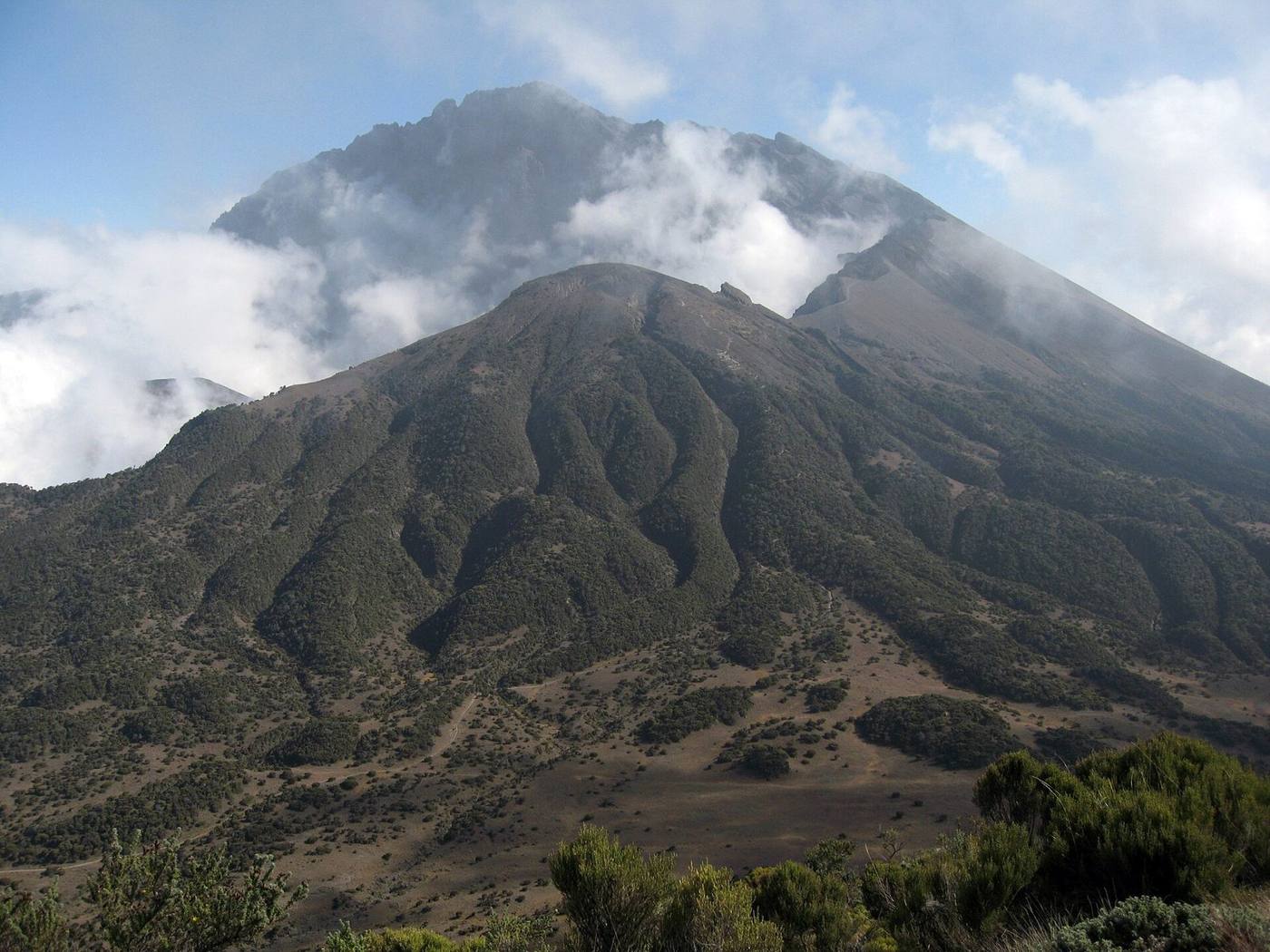
Mount Meru and Arusha National Park
Kilimanjaro's little brother, 4,562 metres: the climb starts inside Arusha National Park, with an armed ranger because you walk among giraffes and buffalo, up to the crater rim and Socialist Peak at dawn, facing Kilimanjaro. Before that, the Momella lakes by canoe.
 5 daysModerate
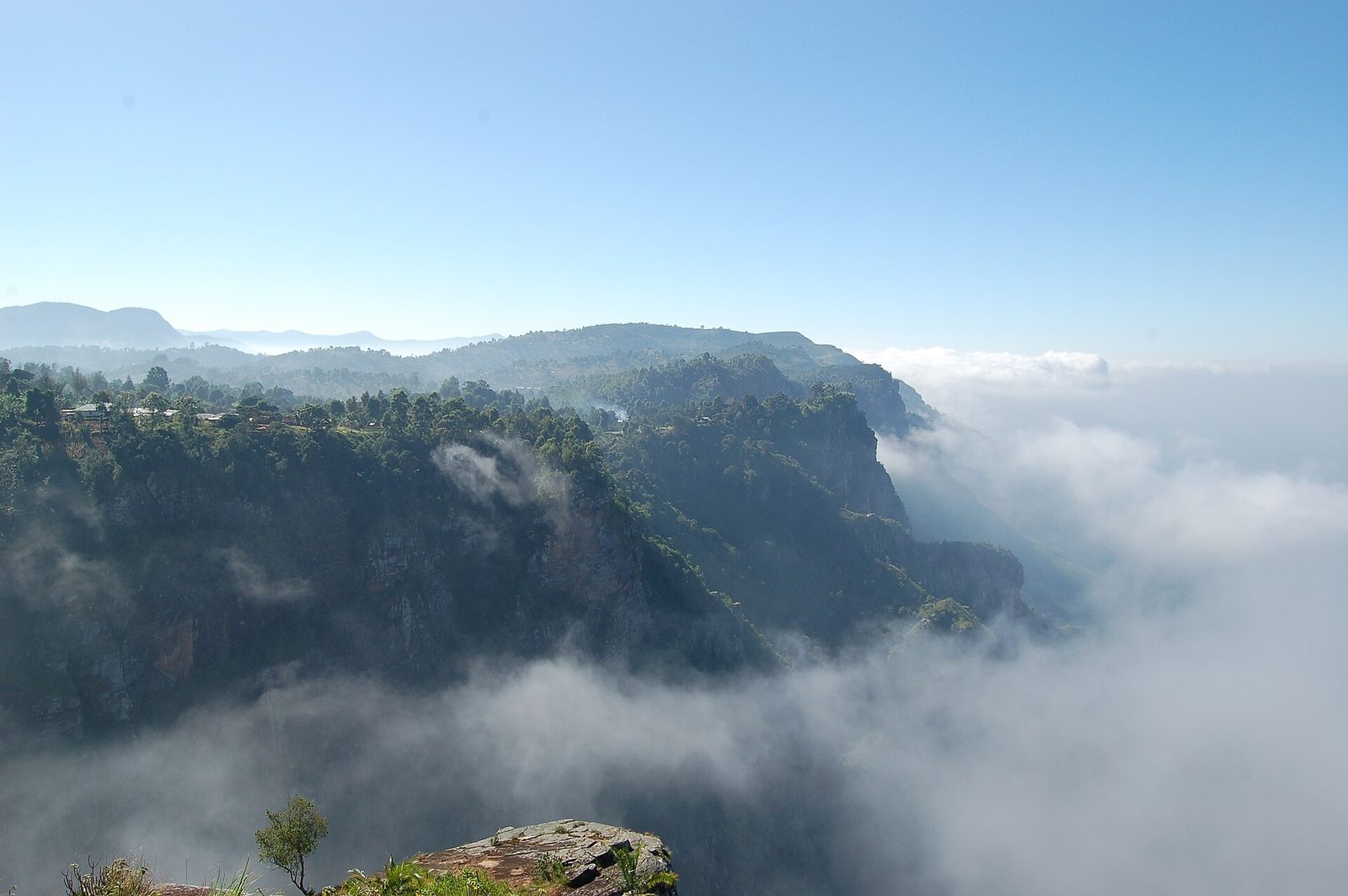
The Usambara Mountains on foot
Green, cool Tanzania, far from the safaris: Lushoto, a former colonial hill station, the Irente viewpoint over the plains, Shambaa villages among terraced fields, forests with chameleons and endemic birds, and village-to-village walks with local guides.
 4 daysEasy
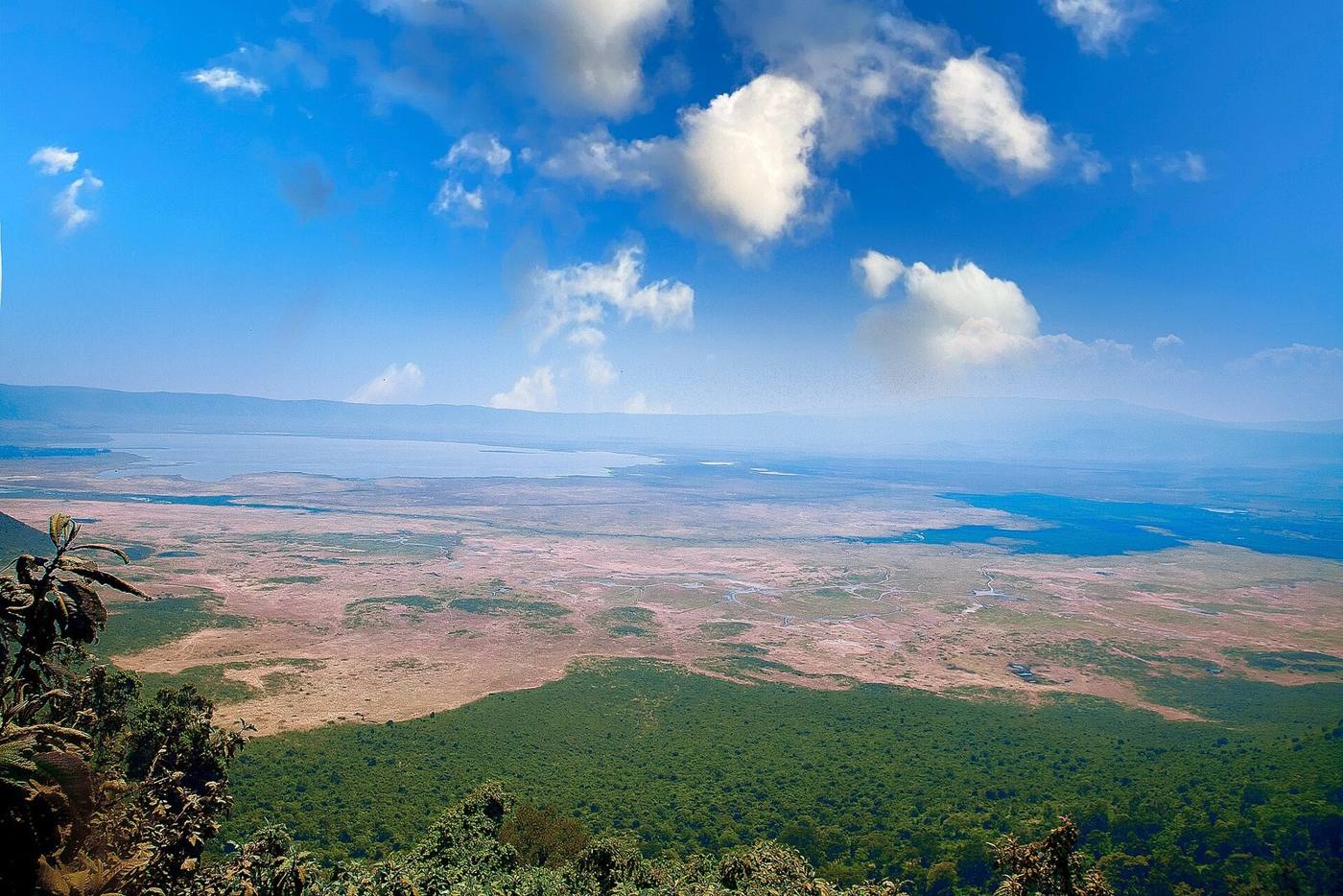
Lake Eyasi and the Karatu highlands
A cultural break between parks: the coffee farms around Karatu, the salt lake of Eyasi below the escarpment, a morning with the Hadzabe hunter-gatherers and a visit to the Datoga blacksmiths, then the forest on the rim of the Ngorongoro crater.