From Istanbul to Izmir along the northern Aegean
The less trodden side of the Aegean coast: Assos above the sea, Pergamon and its Asclepieion, the islands off Ayvalık and finally Ephesus.
- Istanbul
- Iznik
- Bursa
- Çanakkale
- Troia
- Assos
- Ayvalık
- Pergamo
- Ephesus
- Izmir
Day by day
- Day 1
Flight to Istanbul and a first evening in the city
This trip goes from Istanbul to Izmir along a less travelled Aegean route: Iznik, ancient Nicaea, Bursa, the first Ottoman capital, the Dardanelles, Troy, Assos facing Lesbos, the islands of Ayvalık, Pergamon and Ephesus. It is a journey through history, from the Greeks and Romans to the Byzantines and Ottomans, with stops by the sea.
Before you leave: Italians can enter Turkey with a passport or an electronic identity card valid for travel abroad; other nationalities should check their own rules. The United States government rates Turkey at level 2 of 4; areas near the Syrian and Iraqi borders, far from this itinerary, are at level 4. Check the latest advice.
You fly into Istanbul. The airports are far from the centre: allow an hour or more with traffic.
In the evening settle in Sultanahmet or Karaköy and take a first walk along the Bosphorus or across the Galata Bridge, with fishermen casting their lines and ferries crossing to Asia. At sunset the minarets of the old city stand out against the sky.
Have meze for dinner, small Turkish dishes of vegetables, yoghurt, pulses and fish, followed by black tea in tulip shaped glasses.
Sleep in Istanbul.
Practical tip: the best time is April to June and September to October. In summer the coast is hot and crowded.
- Day 2
Istanbul: Hagia Sophia, Topkapı and the Grand Bazaar
Today is a full day in Istanbul, enough for a first taste and no more.
Early in the morning go into Hagia Sophia, built in the sixth century by the emperor Justinian, for almost a thousand years the largest church in Christendom, then an Ottoman mosque, a museum in the twentieth century and a mosque again since 2020. Foreign visitors enter the upper gallery with a 25 euro ticket and look down on the great dome and the Byzantine mosaics. Cover your shoulders and legs; women wear a headscarf.
Opposite is the Blue Mosque, with Iznik tiles of the kind you will see being made tomorrow, open to visitors outside prayer times. Nearby is the Basilica Cistern, a large Byzantine underground reservoir with hundreds of columns.
In the afternoon visit Topkapı Palace, residence of the Ottoman sultans for almost four centuries, with its courtyards, kitchens, treasury, relics and harem, and terraces over the Bosphorus. Check opening hours, tickets and the weekly closing day.
Towards evening wander through the Grand Bazaar, one of the largest and oldest covered markets in the world, with thousands of shops selling carpets, ceramics, jewellery and lamps. Bargain calmly.
Sleep in Istanbul.
Practical tip: buy tickets online when possible and arrive at opening time. Queues at Hagia Sophia and Topkapı are long.
- Day 3
Iznik, ancient Nicaea
Today you leave Istanbul by car. The road crosses the Gulf of Izmit on the great Osmangazi suspension bridge and in about two and a half hours reaches Iznik, a small town on the shore of a lake, ancient Nicaea.
Nicaea holds an important place in the history of Christianity: here in 325 the emperor Constantine called the first ecumenical council, which wrote the Nicene Creed, still recited in churches all over the world. The 1,700th anniversary of the council was celebrated in 2025.
The town keeps much of its Roman and Byzantine walls, with great stone gates. In the centre stands the church of Hagia Sophia of Nicaea, where the second Council of Nicaea was held in 787, now a mosque. In the lake, near the shore, the remains of a submerged basilica have been found, visible when the water is clear.
Iznik is above all famous for its ceramics: in the sixteenth and seventeenth centuries the town's workshops produced the white, blue, turquoise and red tiles that decorate the mosques and palaces of Istanbul. Today some workshops and a foundation have revived the old art. Visit a workshop and watch tulips and carnations being painted by hand.
At sunset walk along the lakeshore.
Sleep in Iznik.
Practical tip: hand made ceramics cost much more than printed ones. Always ask how a piece was made.
- Day 4
Bursa and the road to Çanakkale
In the morning go to Bursa, about an hour from Iznik, a large city at the foot of Mount Uludağ. Bursa was the first capital of the Ottoman Empire, from 1326, before Edirne and Istanbul, and it preserves the buildings of the first sultans, a UNESCO site.
Visit the Great Mosque, Ulu Camii, with twenty domes and a fountain in the middle of the prayer hall, and the Green Mosque and Green Tomb, decorated with turquoise and green tiles. Then step into the old caravanserais of the centre, such as the Koza Han, where cocoons and silk were traded: Bursa was one of the stops on the silk road. Today the courtyard has silk scarf shops and shady cafés.
For lunch try Iskender kebab, born in Bursa: slices of meat on bread, tomato sauce, yoghurt and melted butter poured at the table.
In the afternoon drive west to Çanakkale, about four hours, on the Dardanelles strait, which separates Europe from Asia and links the Sea of Marmara to the Aegean. The new suspension bridge over the strait is one of the longest in the world.
In the evening walk along the Çanakkale seafront and watch the ships passing through the strait. On the other side lies the Gallipoli peninsula, where one of the bloodiest battles of the First World War was fought in 1915.
Sleep in Çanakkale.
Practical tip: Bursa has historic thermal baths. If you have time, try a hammam.
- Day 5
Troy and Assos, then Ayvalık
In the morning go to Troy, about half an hour south of Çanakkale, the city of Homer's Iliad, a UNESCO site. The excavation shows many layers of cities built one on top of another over almost four thousand years, from Bronze Age walls to a Roman theatre. It is not as spectacular as Ephesus, but with good panels or a guide you understand how archaeologists searched for the city of legend. At the entrance stands a replica of the wooden horse. Nearby visit the modern Troy Museum, with finds from the excavations.
Then drive south to Assos, about an hour and a half away. On top of a hill of volcanic stone are the remains of the temple of Athena, from the sixth century BC, with a few re erected columns, and a view of the sea and the Greek island of Lesbos, very close. The philosopher Aristotle lived here for a few years. Below the hill is a small stone harbour with houses and eateries by the sea.
In the late afternoon continue to Ayvalık, about an hour and a half along the coast, through olive groves.
Ayvalık is a small town with old Greek stone houses, churches turned into mosques and a long tradition of olive oil. Until the 1920s it was mainly inhabited by Greeks.
Sleep in Ayvalık.
Practical tip: buy Ayvalık olive oil directly at the mills or in the market shops.
- Day 6
Pergamon: the acropolis and the Asclepieion
Today you take a day trip to Pergamon, now Bergama, about an hour from Ayvalık, a UNESCO site. Pergamon was the capital of a very rich Hellenistic kingdom in the third and second centuries BC, with one of the largest libraries of the ancient world, a rival to Alexandria's. According to tradition, parchment was perfected here, and it takes its name from the city.
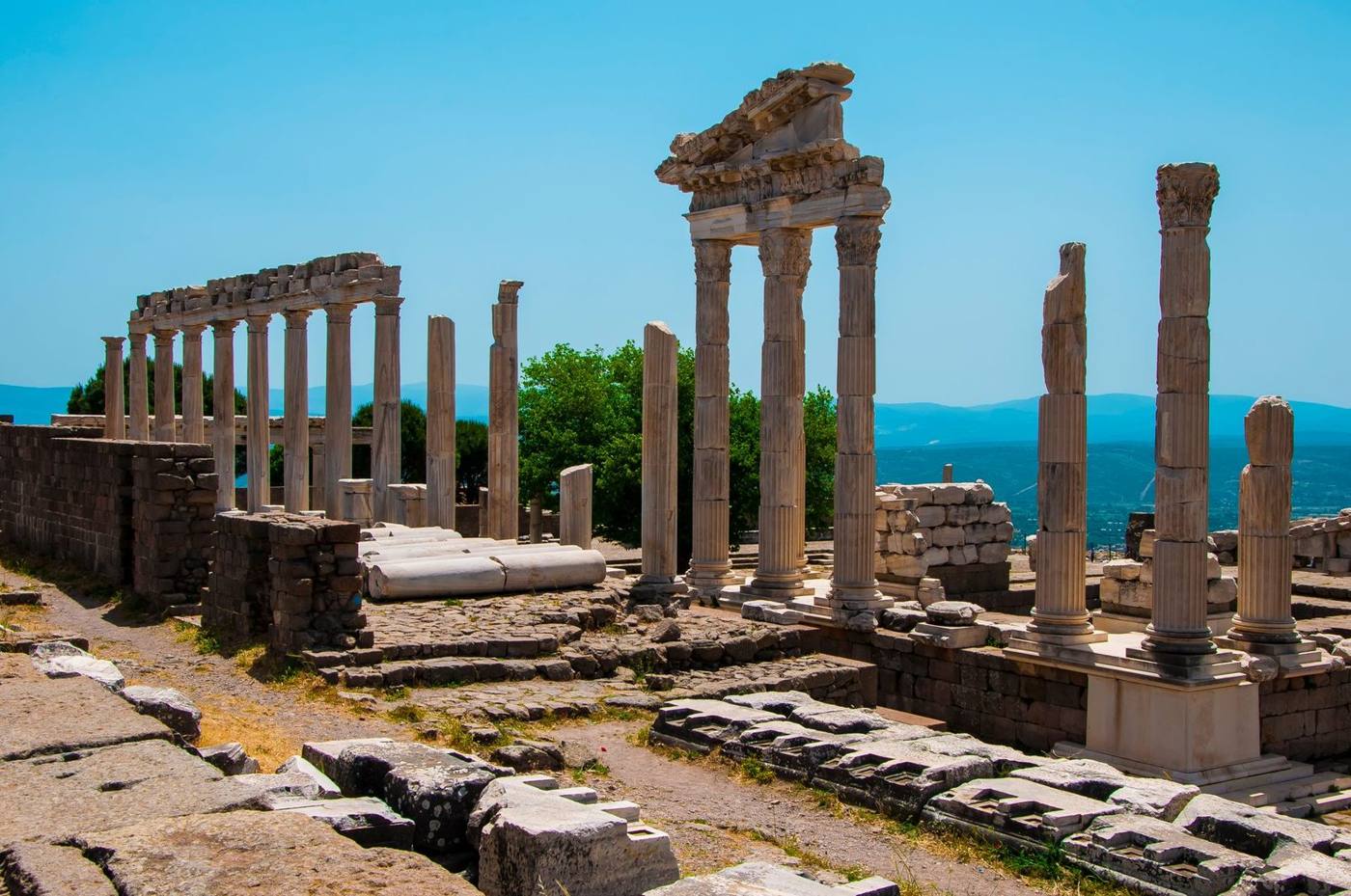
In the morning go up to the acropolis, on top of a steep hill, by cable car or by car. You see the remains of the temple of Trajan, with re erected white columns, the library, the royal palaces and the place where the great altar of Zeus stood, now in Berlin: the Pergamon Museum is closed for works and is due to reopen on 4 June 2027. The marvel of the site is the theatre, cut into the hillside, the steepest of the ancient world: from the top of the seating you look down dozens of metres to the valley.
In the afternoon visit the Asclepieion, below the city, the sanctuary dedicated to Asclepius, god of medicine. It was a great healing centre, where the sick were treated with water, sleep, baths, music and dreams. Galen, the most famous physician of antiquity, born in Pergamon, worked here. You see the sacred way with its columns, the spring, a small theatre and the underground tunnel.
Sleep in Ayvalık.
Practical tip: there is no shade on the acropolis. Go early in the morning and bring water.
- Day 7
The Ayvalık islands by boat and transfer to Izmir
In the morning take a boat trip among the islands off Ayvalık. Boats leave the harbour and cruise among pine covered islets, with swimming stops in clear, calm water. Check times and what is included, usually lunch on board.
Alternatively visit Cunda island, also called Alibey, linked to Ayvalık by road. It has a village of Greek stone houses with coloured windows, an old restored church and small fish restaurants on the harbour. Try fish meze and fried squid.
Before leaving the area, drive up the hill called the Devil's Table, south of Ayvalık, for a wide view over the islands and the bay.
In the early afternoon set off for Izmir, about two hours to the south. Izmir is Turkey's third city, a modern, open city on its gulf, with a very long seafront.
In the evening walk along the Kordon, the seafront promenade, with cafés, benches and people watching the sunset over the gulf. Try boyoz, a small flaky pastry typical of Izmir, and gevrek, the sesame bread ring.
Sleep in Izmir.
Practical tip: in Izmir you can leave the car and use the gulf ferries, the metro and taxis. Parking in the centre is hard to find and traffic is heavy at rush hour, so it is easier without a car.
- Day 8
Ephesus and an evening on the Kordon
Today you visit Ephesus, about an hour south of Izmir, one of the best preserved ancient cities in the Mediterranean, a UNESCO site. In Roman times it was the capital of the province of Asia and one of the largest cities of the empire. The ticket for foreign visitors costs 40 euros until 31 March 2027 and 45 euros from 1 April 2027: check the current rules.
Arrive at opening time, before the cruise ship groups, and enter by the upper gate. You walk down Curetes Street, a marble paved street lined with columns, statues, fountains and tombs. Along it are the temple of Hadrian, the public latrines and the terrace houses, wealthy Roman homes with mosaics and frescoes, which need a separate ticket.
At the end of the street the façade of the Library of Celsus appears, built in the second century AD, the symbol of Ephesus, two storeys high with columns and statues. Then follow the marble way to the great theatre, which could hold about twenty four thousand people. According to the Acts of the Apostles, a riot against Saint Paul broke out here.
In the afternoon, if you have time, visit the Ephesus Museum in Selçuk, with its statues of Artemis, and the remains of the temple of Artemis, one of the seven wonders of the ancient world, of which a single column survives.
In the evening return to Izmir and have dinner on the Kordon.
Sleep in Izmir.
Practical tip: Ephesus is very hot. Bring water, a hat and comfortable shoes, as the marble is slippery.
- Day 9
Return flight from Izmir
On the last day, if your flight leaves in the afternoon, you still have a few hours in Izmir.
Take a walk through Kemeraltı bazaar, the great market in the centre, with lanes of shops selling spices, dried fruit, fabrics, jewellery and household goods, old caravanserais, small mosques and synagogues. Stop for a Turkish coffee in a courtyard.
Then go to Konak Square, with its clock tower, built at the start of the twentieth century, the symbol of the city, and the small mosque decorated with Kütahya tiles. Take the old historic lift in the Karataş district up to a hilltop with a view of the gulf, or the ferry to Karşıyaka, on the opposite shore, to see the city from the sea.
Izmir airport is about half an hour from the centre by suburban train or taxi. Arrive early.
Before leaving buy something to take home: Ayvalık olive oil, dried figs from Aydın, tea, spices, a Bursa silk scarf or a piece of Iznik ceramic.
This trip shows a layered Turkey: Christian councils and Ottoman sultans, Homer's heroes and Greek philosophers, ancient doctors and Roman cities, all along a coast of olive groves and sea.
Practical tip: if you have bought expensive carpets or ceramics, keep the receipt. Customs may ask for it.
Suited to those who already know Cappadocia and the Lycian coast and want another classic but less crowded Turkey. Pergamon and Assos alone justify the trip, and Ayvalık keeps a Greek feel, a legacy of the families who lived there before 1923. The drawback is Istanbul, cut down to a single day, and the Iznik and Bursa stretch that slows the start; if you can, add two nights in the city beforehand.
Before you go
- Documents and visa
- Passport, or for some EU citizens a national identity card; no visa for tourism up to 90 days in 180 for most EU nationalities.
- Health and vaccines
- No compulsory vaccines. Drink bottled water. Emergencies: 112.
- Money and payments
- Turkish lira. Cards work almost everywhere; state site tickets are set in euros but paid in lira at the day's rate.
- Power sockets
- Types C and F, 230 volts: the same round-pin sockets as much of Europe.
- Time zone
- UTC+3 all year: Turkey does not use daylight saving time.
- Safety
- The United States rates Turkey level 2, with level 4 within 10 km of the Syrian and Iraqi borders. Tourist areas are busy and calm. Official advice: GOV.UK.
Information checked in November 2026 for Italian and EU citizens. Rules change: always check before you travel.
Variations
In 6 days: Istanbul, Bursa, Troy and Pergamon, flying from Izmir.
In 12 days: add Pamukkale and Aphrodisias after Ephesus and a day in Şirince.
Frequently asked questions
What documents do I need?
Italians can enter with a passport or an electronic identity card valid for travel abroad. Other nationalities should check the current requirements for their country.
Is it safe?
The United States rates Turkey at level 2 of 4. The level 4 areas are near the borders with Syria and Iraq, far from this itinerary.
When is the best time to go?
April to June and September to October. Summer is hot at the archaeological sites; in spring the countryside is green and in flower.
Indicative itinerary written by World Atlas. Before booking, check timetables, seasonal openings, documents and safety.
 10 daysChallenging
Ararat: the climb and Armenian Anatolia
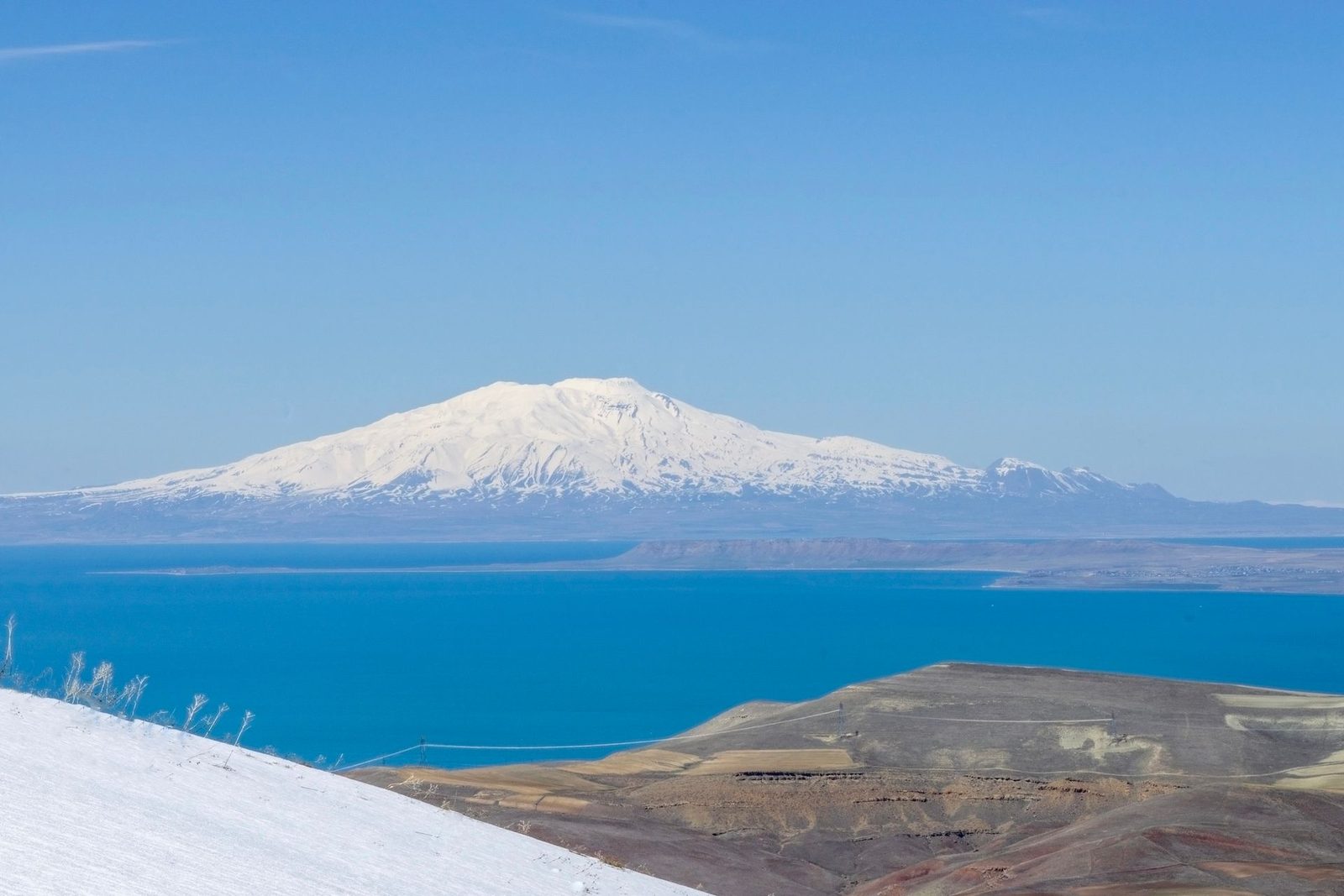
Turkey's highest summit, above 5,100 metres, preceded by Erzurum, Kars and the ruined churches of Ani on the Armenian border.
 15 daysModerate
From Cappadocia to the Black Sea and on to Ani
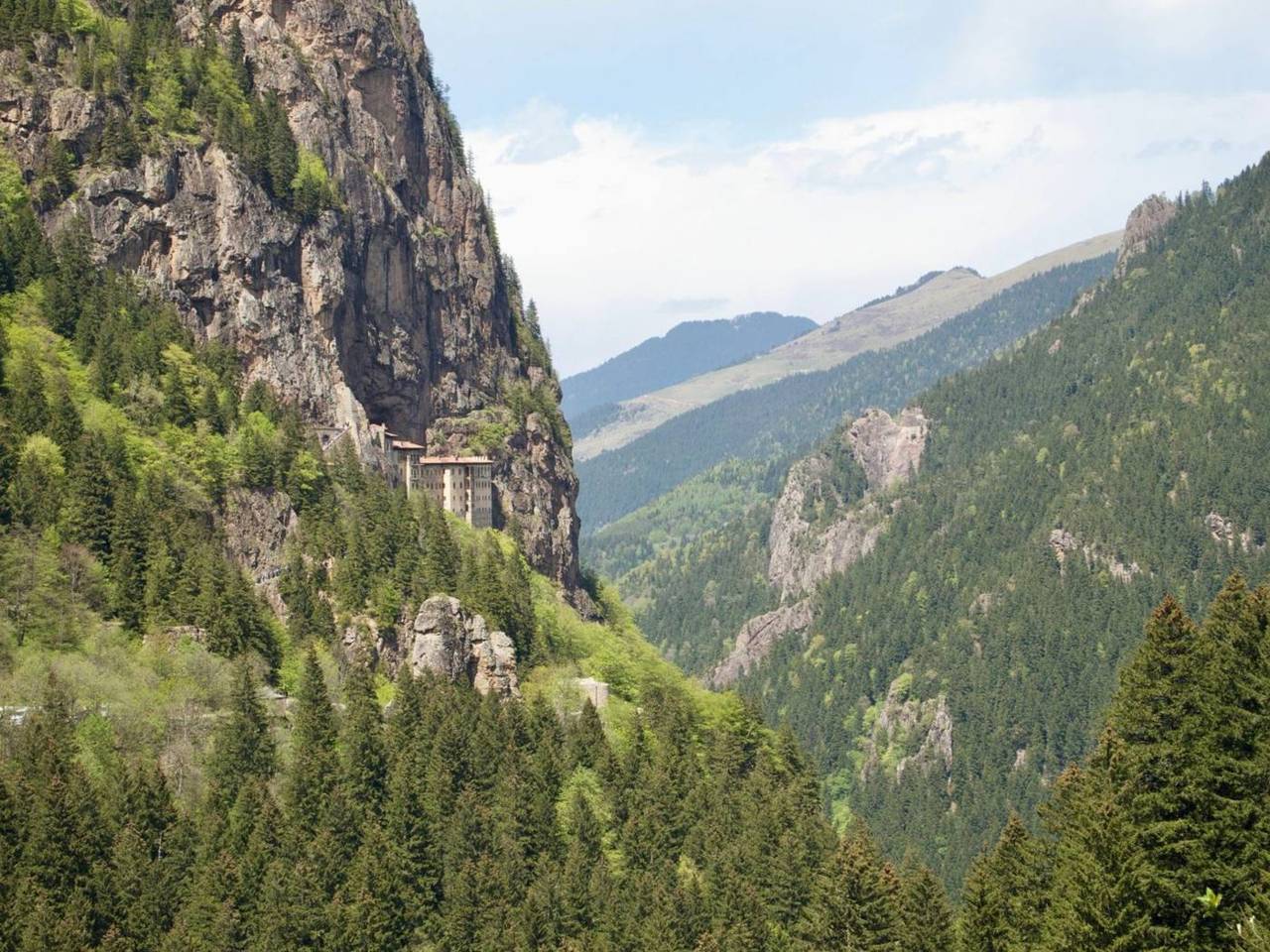
An arc across Anatolia: Safranbolu, the Hittites of Hattusa, the green Black Sea coast, Sumela monastery and the Armenian far east.
 16 daysModerate
Nemrut, Cilicia and the ancient coast
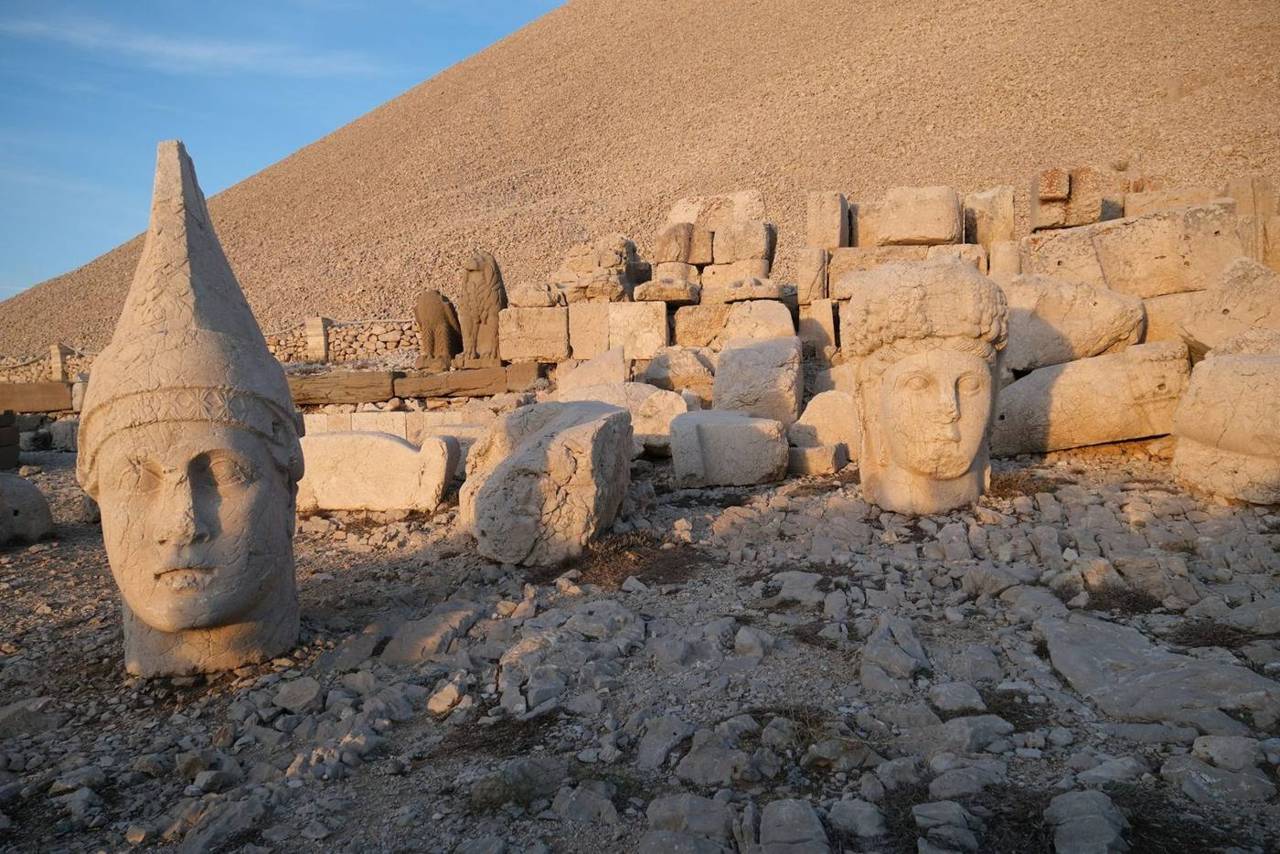
From Cappadocia to the colossal heads of Nemrut, then the castles of Cilicia, Aspendos and Termessos, ending at Ephesus: Turkey's ruins from east to west.